Every TikTok marketer hits the same snag: you launch a campaign, but engagement stalls or feels fake. Running tiktok spark ads seems like the fix, finally, your content gets pushed out from real accounts, not just branded ones. But right away, you’re forced to choose between a Spark Ad that uses creator posts and a regular TikTok ad that only uses your own assets. The difference isn’t just cosmetic. Spark Ads blend organic reach with paid targeting, but that setup introduces a layer of risk and complexity most guides skip.
If you’re just looking for a TikTok Spark Ad tutorial, you’ll find dozens online. The real friction starts when you need to manage permissions, coordinate with creators, and keep your account safe from sudden restrictions. Spark Ads can drive authentic engagement, but only if your workflow doesn’t trip TikTok’s fraud detection or violate agreements with creators. A single misstep, like rushing the link authorization or skipping account hygiene, can backfire fast.
Most people focus on how to run Spark Ads on TikTok, but ignore what happens underneath: which accounts should handle Spark Ads, how to avoid getting flagged, and how to track whether Spark Ads outperform regular TikTok ads in your niche. If you don’t have a clear workflow, you risk burning budget or damaging your account reputation.
So before you launch, it’s worth breaking down how Spark Ads actually work, what risks come with them, and what smarter account management looks like for 2026. Here’s where the process starts.
What Makes TikTok Spark Ads Different from Regular Ads?
Brands use Spark Ads when they want to run paid campaigns using real creator posts, not just brand-made videos. This core difference shapes how the ads look, how users react, and what brands can actually measure. If you don’t know how Spark Ads pull content from organic posts, you risk picking the wrong ad type for your goals.
How Spark Ads Use Creator Content
- Brands boost existing creator posts instead of uploading new ads, audiences see the creator’s handle and content, not a faceless brand.
- The original engagement (likes, comments, shares) stays visible and keeps growing, so the ad looks “real” even after promotion starts.
- Influencers or creators must grant authorization, if you skip this or rush the link, TikTok can block the campaign before it even begins.
Key Differences in Format and Targeting
Standard TikTok ads run as fully controlled brand videos, with the company’s handle and no organic engagement attached. In contrast, Spark Ads appear in-feed as if they’re regular posts from creators, making them blend with user content. This boosts trust and often leads to higher interaction rates, but there’s a catch, brands give up some control. If a creator deletes or edits the post, the ad stops working, which can strand your budget mid-campaign. Targeting works the same on the back end, but with Spark Ads, you’re tied to the original post’s creative and comments. That means any controversy or negative reaction shows up on your campaign, not just the creator’s timeline. For example, if a boosted post draws backlash, your brand’s ad will display those comments too, unlike regular ads, where you can moderate or turn off replies. The main tradeoff with Spark Ads is authenticity versus control: you gain real-looking engagement, but lose the safety net of editing or hiding unwanted feedback.
Most teams start with Spark Ads for the “authentic” look, but not every campaign should. Next, look at why brands and creators in 2026 are picking Spark Ads more often, and when that works best.
Why Spark Ads Are Popular with Brands and Creators in 2026
Brands and creators keep choosing Spark Ads because they get real engagement, not just empty views. Unlike regular TikTok ads, Spark Ads use creator posts, so viewers see content that feels native, and trust stays high. That’s exactly why influencer collaborations run smoother and brand deals convert better in 2026.
Authenticity and Engagement Benefits
Spark Ads aren’t just about reach. They tap into creator content, which raises audience trust and boosts interaction rates. Here’s what sets them apart:
- Content comes from verified creators, not brand accounts, so viewers see it as genuine.
- Engagement, likes, comments, shares, often outpaces standard TikTok ads, especially when the creator’s followers are active.
- Brands get to ride real trends, not manufactured ones, which means the campaign feels less forced and more organic.
Brand Control and Performance Tracking
What’s less obvious is how Spark Ads balance authenticity with brand control. Brands gain access to full analytics from creator posts, letting them monitor engagement, improve spend, and tweak messaging. For example, a retail brand can spot which creator’s Spark Ad is driving more site clicks, then shift budget toward that partnership.
But here’s the catch, the brand only gets this level of insight and control if the creator properly authorizes the Spark Ad link and doesn’t delete the original post mid-campaign. If a creator pulls their post or forgets to approve the ad, the campaign data breaks and budget gets wasted. So, before committing, brands need a workflow that covers link authorization and post stability upfront.
This balance, real engagement plus analytics, explains why Spark Ads are the go-to for influencer campaigns. Still, the setup process isn’t foolproof, and skipping steps can mean lost spend or broken reporting. That’s where the next section heads: what can go wrong and how to avoid it.
What Risks and Mistakes Should You Watch Out for When Running Spark Ads?
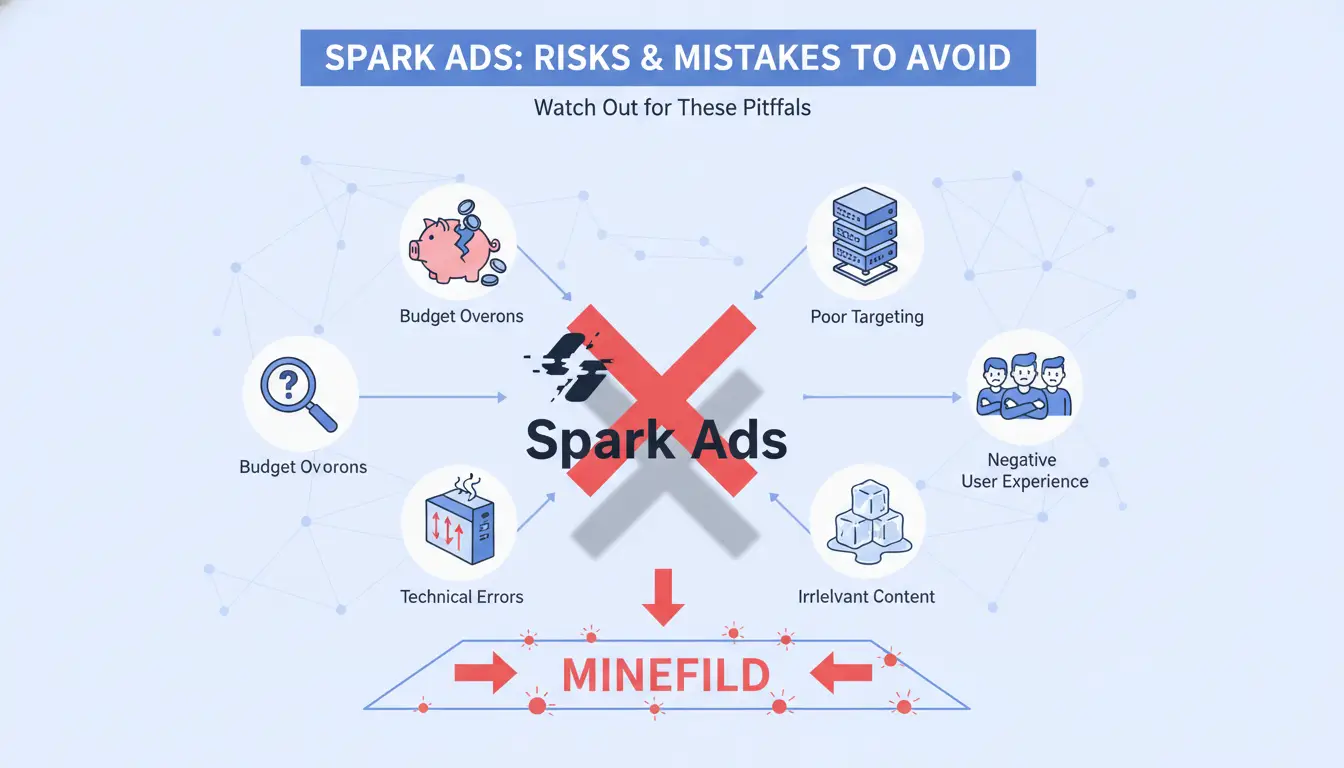
Running Spark Ads isn’t just about picking a creator and launching, most mistakes come from ignoring basic compliance or rushing the process. If you get flagged, your reach drops, and you waste budget without warning. Spotting these risks early is the difference between a healthy TikTok Spark Ad campaign and sudden account trouble.
Account Restrictions and Shadowbans
TikTok spots suspicious behavior fast, logging in from new devices, posting too quickly, or running ads from accounts with fake followers can get you flagged. If your ad account or creator profile shows unnatural activity, expect a shadowban or even a hard restriction. You’ll notice engagement tanks and ad delivery stalls but no clear warning, so check login history and avoid rapid actions.
Creator Collaboration Errors
- Confirm Spark code is copied directly from the creator’s settings, typos cause instant rejection
- Make sure both sides review ad terms before linking, not after
- Email or DM the creator before launch; most errors are miscommunication, not platform bugs
Ad Policy Violations and Content Issues
If your content breaks TikTok’s ad guidelines, the whole Spark Ad will fail, often quietly, with low delivery or “pending review.” Copyright issues and brand safety slip-ups waste days and budget.
- Scan for TikTok copyright matches in audio or video, never assume “safe” content is safe
- Double-check product placement and hashtags against the latest TikTok ad policies
- Remove any flagged words, imagery, or links before submitting the campaign
Skipping compliance checks can turn a promising campaign into a blocked ad. Next up: walking step-by-step through launching a Spark Ad correctly.
How to Set Up a TikTok Spark Ad Campaign Step-by-Step
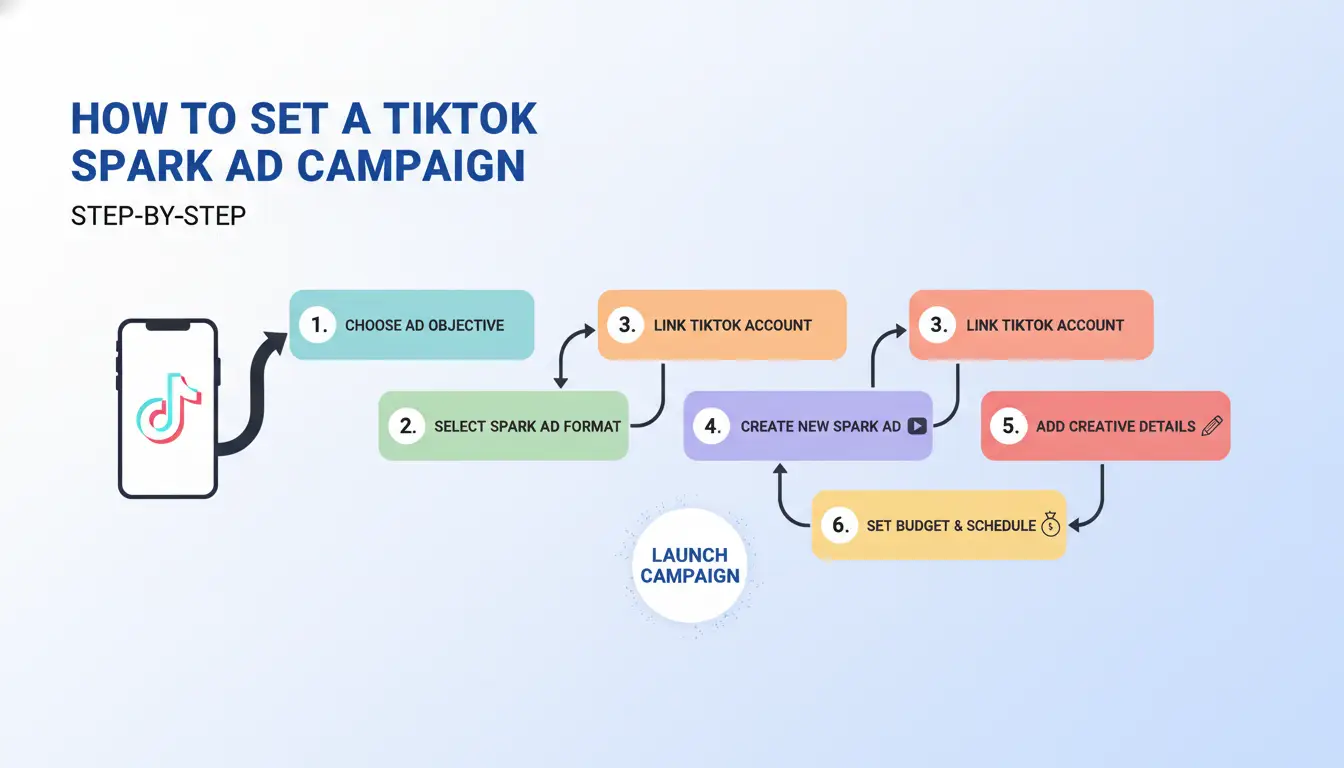
Running Spark Ads follows a strict workflow that starts with account setup and ends with real-time optimization. Missing a step, especially when handling creator codes or approvals, can stall your campaign or leave you blocked by TikTok. Here’s how to run Spark Ads on TikTok without getting stuck.
Preparing Your Brand and Creator Accounts
- Check that your TikTok Ads Manager account is in good standing, no policy violations or pending reviews. If your account is flagged, Spark Ad access is restricted until issues are resolved.
- Confirm the creator’s TikTok profile is public and eligible for commercial use. Private accounts or those with previous strikes can’t generate Spark codes, which will block you at the next step.
- Align with the creator on deliverables, deadlines, and approval processes. If you skip this, you risk delays or miscommunications that slow code handoff.
Generating and Approving Spark Codes
- The creator opens TikTok, selects the post, and enables “Ad authorization” to generate a unique Spark code. Missing this toggle means you won’t get a usable code.
- The creator sends you the code, usually 8-16 characters. Screenshot or copy it directly; errors here mean you’ll need the creator to regenerate a new code.
- In TikTok Ads Manager, add the code to your campaign. If TikTok throws an “invalid code” error, check for typos or confirm the authorization window hasn’t expired (often just 7 days).
Launching and Optimizing Your Spark Ad
- Set up a new campaign in TikTok Ads Manager, pick “Spark Ads” as the format, and paste in the Spark code. If you see a mismatch warning, double-check the code matches the creator’s post.
- Choose your targeting, budget, and schedule. Save before leaving the page, session timeouts can erase your draft.
- After launch, monitor results in the dashboard. If you see high reach but low engagement, pause and review creative alignment with your audience.
The hardest part is keeping code handling tight between brand and creator, if the code is lost or expired, you’ll have to restart the workflow every time.
Now that you know the operational steps, the next bottleneck is managing multiple Spark Ad accounts safely at scale.
How Agencies and Teams Can Manage Multiple TikTok Spark Ad Accounts More Safely with DICloak
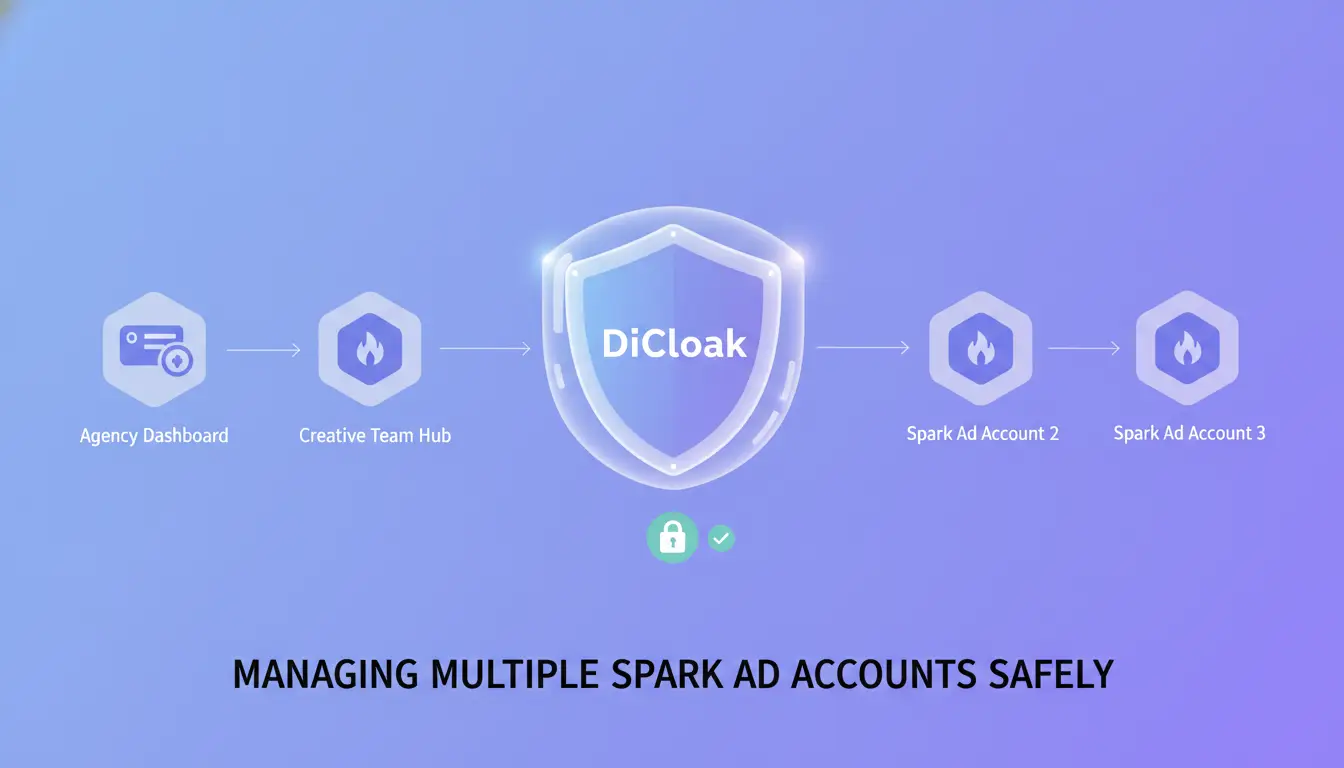
Agencies and teams run into real problems when TikTok Spark Ad Accounts get flagged or cross-linked, one mistake can freeze a whole batch of campaigns. The safe way is to separate each account’s browser profile, keep fingerprints and proxies distinct, and batch-manage setups without losing track. Teams use DICloak to make these controls practical at scale. The scope is limited to managing browser profiles, fingerprints, and proxy settings; it does not affect TikTok accounts or ad content.
Bulk Operations for Spark Ad Browser Profiles
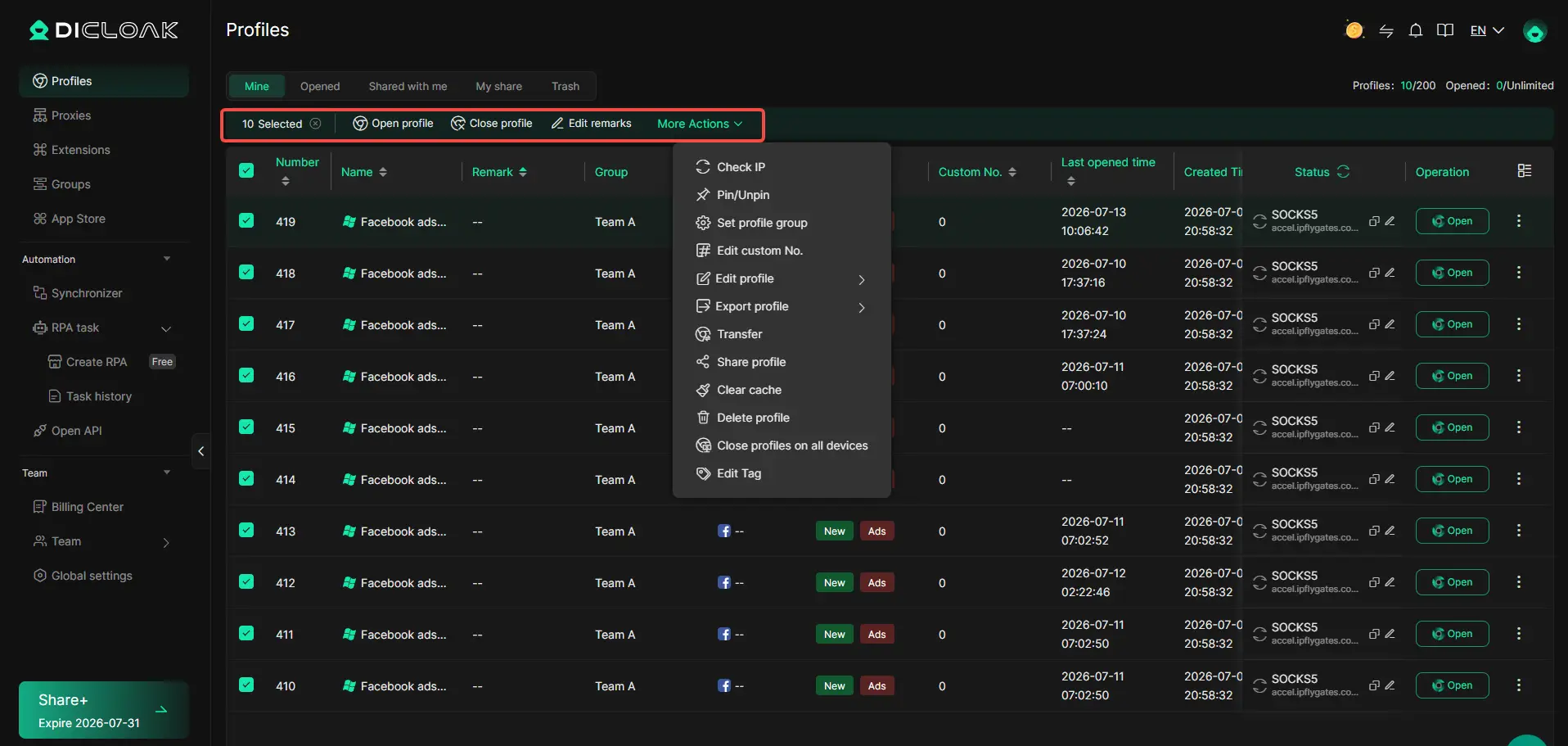
Teams can select multiple browser profiles in DICloak and update remarks, assign proxies, or group Spark Ad setups in one go. This removes tedious profile-by-profile edits, especially when onboarding dozens of creators or rotating proxies for compliance.
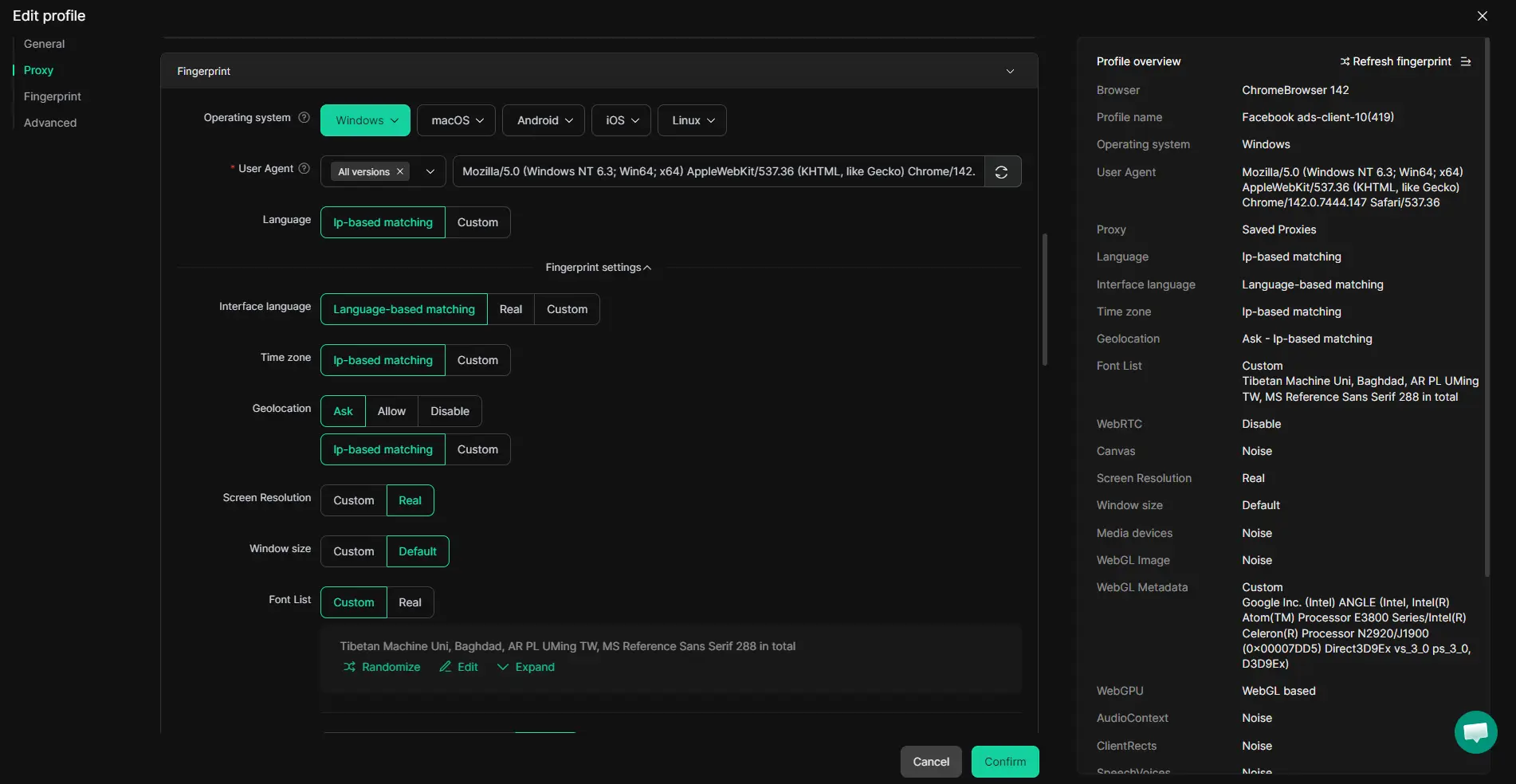
Profile Isolation and Fingerprint Configuration for Spark Ad Accounts
Operators avoid account linkage by creating a separate browser profile for each Spark Ad account and customizing the fingerprint settings. For Spark Ads, the biggest risk is using the same device signals or browser traits across accounts, TikTok’s system will notice if two Spark Ad logins share a User Agent, time zone, or WebGL image. Teams can set different OS types, languages, and hardware details for each profile, matching the expected environment of the creator or business. The hard part is consistency: if you clone a profile and forget to adjust canvas or AudioContext, TikTok may still connect the dots. The strongest defense is strict one-profile-per-account isolation, with fingerprints checked before every campaign. If a team member edits ten profiles in bulk but misses a fingerprint override, that error can link unrelated ad accounts, undoing weeks of clean history. Operators should document each profile’s settings to avoid accidental overlap or missed customizations.
Proxy Configuration for Account Safety and Compliance
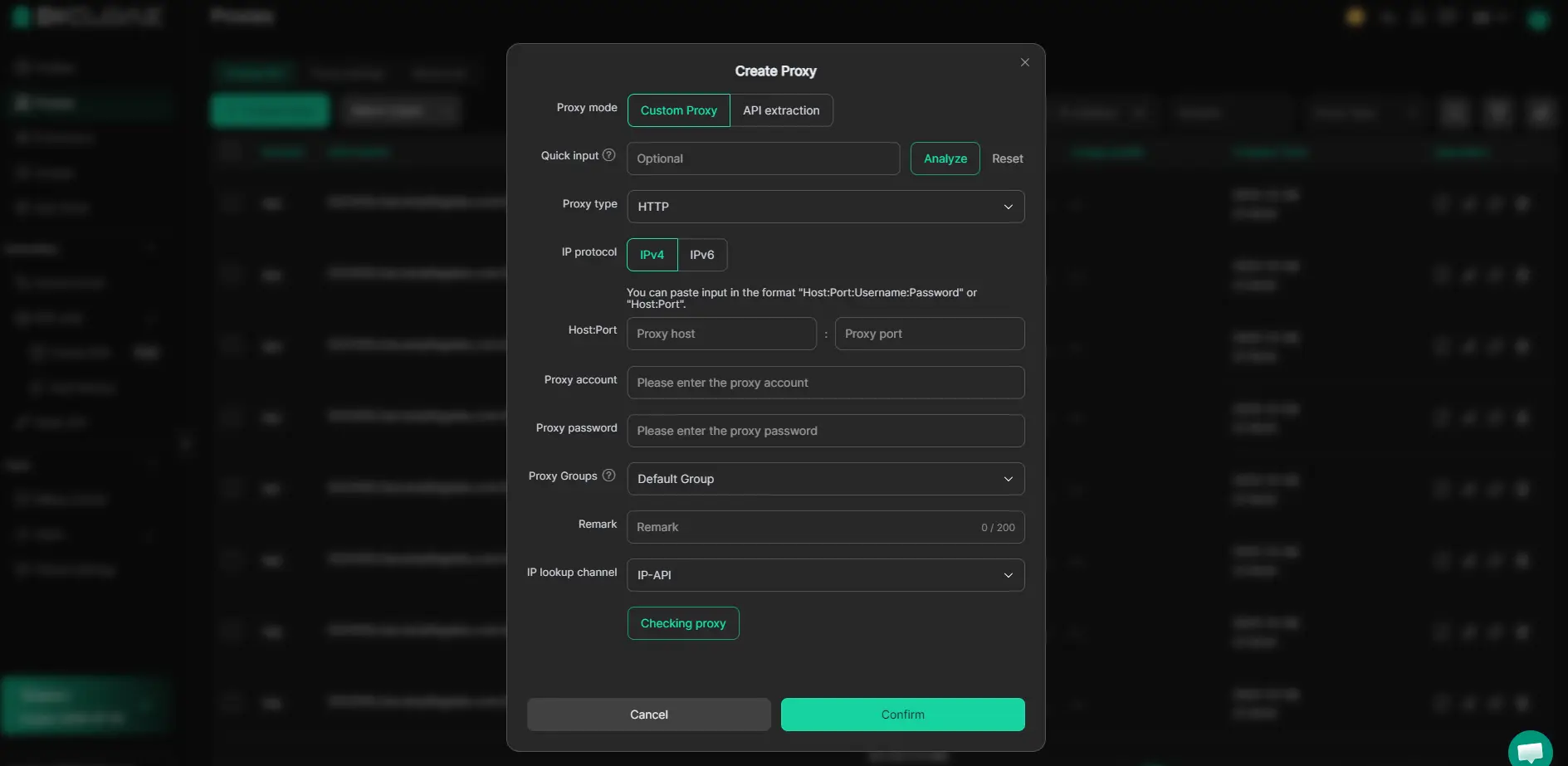
- Assign a different residential or mobile proxy to each Spark Ad profile, never reuse exit IPs between accounts.
- Use the proxy check tool to confirm exit IP, location, and time-zone match the account’s declared origin.
- Save and label proxy entries so team members don’t mix up providers or accidentally rotate the wrong IP.
When Spark Ads Are Not the Right Fit: Comparing Spark Ads to Other TikTok Ad Formats
Spark Ads make sense when you want to boost real creator posts and build trust, but they’re not always the best option. If your goal is strict brand control or high-impact reach, regular TikTok ads or specialized formats work better.
Spark Ads vs In-Feed Ads
| Ad Format |
Engagement Style |
Brand Control |
| Spark Ads |
Real posts, high interaction |
Limited, uses creator content |
| In-Feed Ads |
Polished, branded |
Full, uses your own assets |
If you need full control over visuals and messaging, choose In-Feed Ads. Spark Ads work best for campaigns that rely on creator trust and social proof.
Spark Ads vs TopView and Branded Hashtag Challenges
TopView and Branded Hashtag Challenges focus on massive reach and splashy launches, costs are higher, but you get more visibility. Spark Ads are cheaper and better for steady engagement, not quick blasts.
The real decision: Choose Spark Ads for organic interaction; switch to TopView or Hashtag Challenges if you need instant visibility or full creative control.
Next up: If you don’t match the ad format to your workflow, account restrictions can hit fast.
Common Workflow Mistakes That Trigger TikTok Account Restrictions
Running multiple TikTok Spark Ad accounts without clear separation often leads to restrictions or bans. The fastest way to lose access is to reuse devices, proxies, or account data between clients or campaigns.
Mixing Device Fingerprints Across Accounts
When you use the same device or browser fingerprint for several TikTok ad accounts, TikTok’s backend matches those patterns and flags them as suspicious. This is the main reason why teams see mass restrictions after account onboarding. Always isolate each ad account with a unique fingerprint and browser profile, sharing even once can cause a chain ban that’s hard to reverse.
Improper Proxy or IP Assignment
Using shared or recycled proxies links accounts together, even if you use different browsers. TikTok’s system tracks these overlaps fast.
- Assign a dedicated proxy to every account, never share IPs.
- Use residential proxies, not free or datacenter proxies.
- Check for IP leaks and confirm your proxy is active before logging in.
Skipping these steps means TikTok will often restrict, shadowban, or permanently ban your accounts without warning. Avoid shortcuts, one careless overlap can take down your entire ad operation.
Practical Tips for Scaling Spark Ad Campaigns in 2026
Scaling TikTok Spark Ads fast can trigger account restrictions or wasted spend, the safest approach is to build clear workflows and track every creator link-up.
Batch Collaboration with Multiple Creators
When running Spark Ads at scale, keep all creator authorization codes sorted by campaign. Use a shared sheet for real-time updates. Only invite creators who respond within 24 hours, slow replies slow down your launch. If a code expires, request a fresh one before activating any ad.
Monitoring and Adjusting Ad Performance
Rely on live analytics, wait hours, not days, to spot weak posts. Pause any ad with engagement below your baseline. Confirm creator accounts haven’t changed profile settings during the campaign.
- Track daily click and view numbers for each post.
- Flag any ad where engagement drops by 20% week-over-week.
- Review creator profiles weekly for unexpected edits or deletions.
Frequently Asked Questions About tiktok spark ads
Can you run Spark Ads on multiple TikTok accounts at the same time?
Yes, you can run Spark Ads from different TikTok accounts at once. Each account must use its own browser profile and a unique proxy. This setup helps stop TikTok from linking accounts. If you use shared devices or IPs, TikTok may flag your activity and suspend your ads.
How do you get a Spark Ad code from a creator?
A creator generates the Spark Ad code inside their TikTok app under “Settings” or the “Ad authorization” tab. They share this unique code with a brand or advertiser, who then uses it to activate the ad on their TikTok Ads Manager. The process is quick, but the code expires if not activated soon.
What happens if a Spark Ad violates TikTok's ad policies?
If a Spark Ad breaks TikTok’s rules, it will be rejected during review. The account placing the ad might face limits or a full ban if violations keep happening. TikTok checks for things like unsafe content or wrong ad targeting. Always review TikTok’s ad policies before launching.
Is it safe to use proxies for TikTok Spark Ad accounts?
Using proxies is common for account safety and separation. Reliable, private proxies prevent TikTok from connecting your accounts. Choose providers with good reviews and always test the proxy’s exit IP before use. Avoid free or low-quality proxies, they often lead to instant flagging or access issues.
What are the signs of a shadowban on a Spark Ad account?
A shadowbanned account shows lower views, fewer likes, and slow ad delivery, even on well-made ads. If your reach suddenly drops or your ads stall, you may be shadowbanned. Check your setup, avoid quick account switches, and always follow TikTok’s best practices.
If you’re ready to boost engagement and drive conversions, set up your campaign and experiment with different creative formats to see what resonates with your audience. Take advantage of analytics to refine your strategy and increase your ad performance. Try DICloak For Free
 Web Proxy Tools
 Free Tools
 Cookie Plugin
 UA Generator
 MAC Address Generator
 IP Generator
 IP Address List
 2FA Code Generator
 World Clock
 Anonymous Check
 WebRTC Leak Test
 UUID Generator
 Free Web Proxy Site
 Proxy Checker
 FB Ad Checker
 AI Web Scraping
 Free SMM Tools
 Twitter Shadowban Checker
 Instagram Name Checker
 UTM Generator
 Username Generator
 AI Hashtag Generator
 LinkedIn Headline Generator
 Social Media Image Resizer






-4.png?x-oss-process=image/interlace,1/format,webp/quality,q_75)