Anyone comparing AI tools right now faces the same headache, claude opus 5 looks strong on paper, but the real-world tradeoffs are buried behind marketing claims and vague benchmarks. Smart teams want to know what actually sets Claude Opus 5 apart, where the risks show up, and whether slicker collaboration features mean safer account sharing or just a new way to get burned.
It's easy to get caught up in speed charts and capability lists. Raw "Claude Opus 5 features" rarely match up with what you’ll face once multiple people try to use one account, or when you push the limits on daily queries. The most common failure isn't picking the wrong model, it's missing the fine print on session controls, rate limits, or what happens when your main seat gets flagged.
What actually matters is how Claude Opus 5 handles real user friction, like team members tripping over each other, platforms sniffing out shared accounts, or a sudden lockout after a workflow change. Benchmarks alone won't tell you if your approach will last a week, a month, or break on Thursday afternoon when you need it most. The real test is how it handles risk, not just speed.
Let’s break down what’s actually different with Claude Opus 5, and what you need to watch before you commit.
What Should You Know Before Using Claude Opus 5 in 2026?
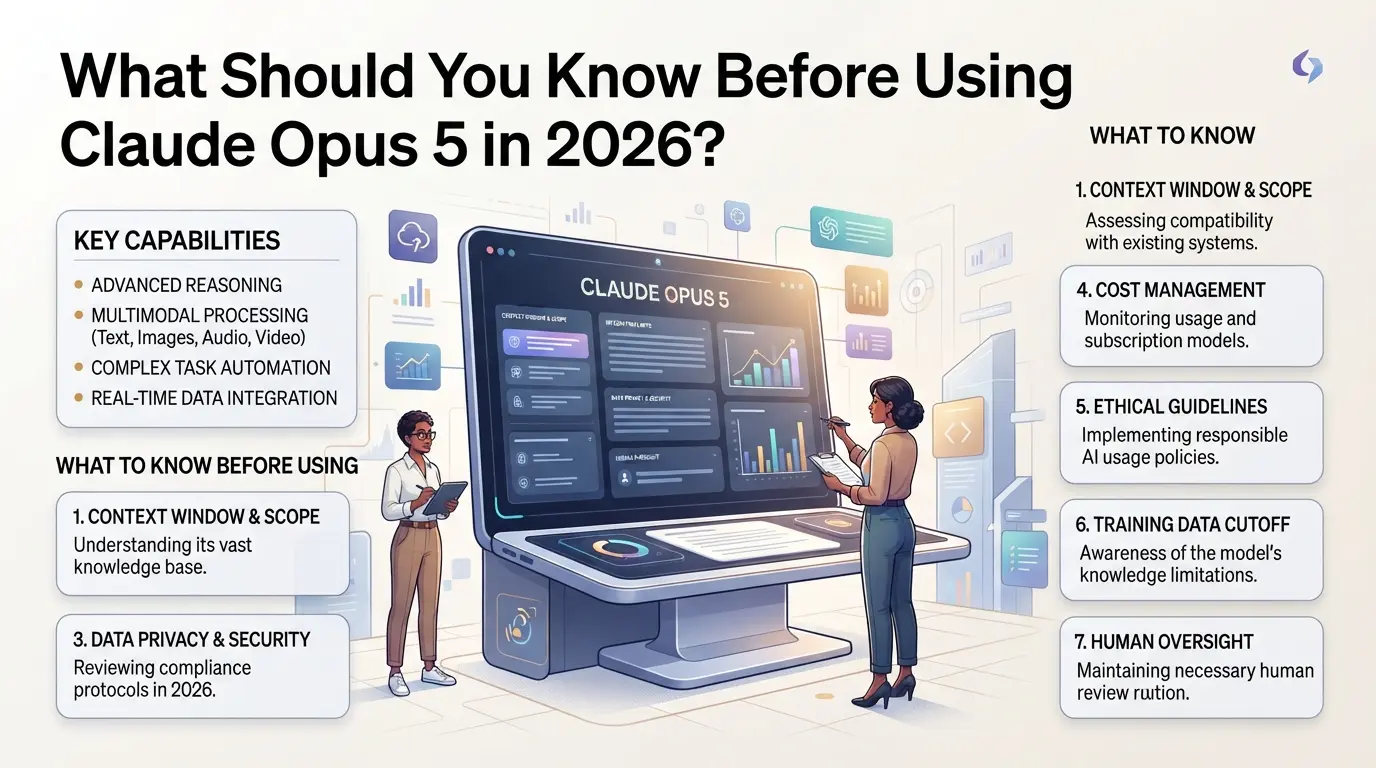
If you’re about to start with Claude Opus 5 this year, the biggest shift isn’t just in capability, it's how the platform handles real-world team friction and new access controls. Many users expect smoother workflows, but the latest changes mean you need to plan for tighter restrictions and pay attention to session management before you commit.
What’s new in Claude Opus 5?
The jump from Opus 4.8 brings two main upgrades: persistent agentic memory and sharper visual output. You’ll notice projects keep context for longer, and image generation now handles more detail with fewer artifacts. That sounds simple, but the practical difference is teams can run longer chains of tasks and review visual outputs without resetting context.
Key risks and limitations to watch for
Access rules have changed, accounts now face stricter session limits, and multi-user logins trigger risk flags much faster than before. For example, if two team members share the same seat and log in from different regions within an hour, the platform may freeze the account or require verification. Policy updates for 2026 also restrict batch query volumes. If you hit the daily cap, the system queues your requests instead of running them in real-time. Ignoring these controls is the fastest way to get locked out, especially if you rely on shared accounts for quick turnaround. The edge case here isn’t just accidental lockouts; sometimes the review process can take up to 48 hours, and weekend requests get pushed to Monday morning. That delay alone can break a deadline.
What you need to get started
- You need a verified email and phone number to create an account.
- Supported platforms include web and desktop, but mobile access is limited in some regions.
- Active regions this year: US, Canada, UK, Australia, plus most EU countries.
If you’re working in a team, the setup looks easy at first glance, just grab a seat and start. But the real friction appears when you try to run simultaneous sessions or change workflow mid-project. That’s where most teams trip up, and it’s why the next section will break down the specific account problems users run into with this model.
Why Some Teams Run Into Problems with Claude Opus 5 Accounts
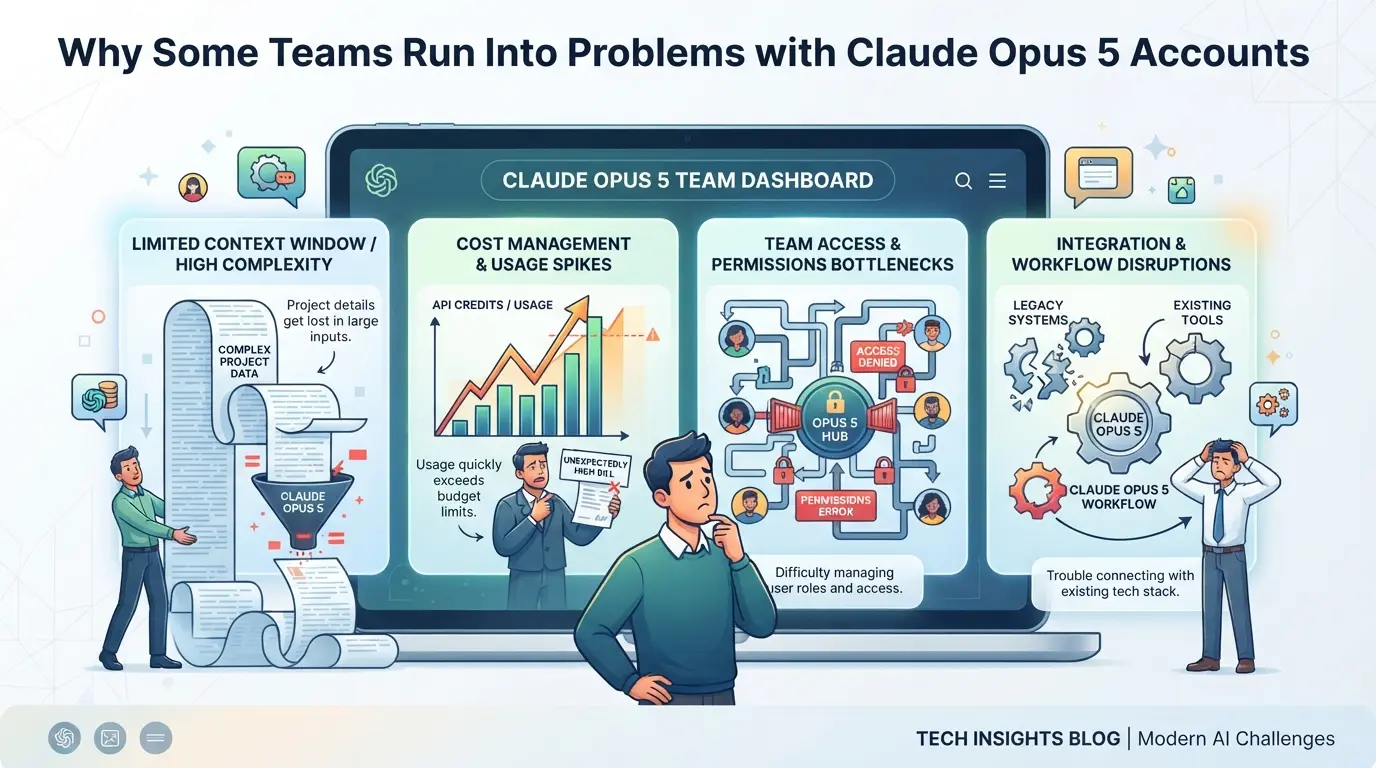
Most teams trip up with shared accounts because the platform now tracks more details than before. The main reason accounts get flagged isn’t high usage, it’s tiny mismatches in how, where, and when people log in. If your team ignores those signals, your workflow can break without warning.
Frequent triggers for account restrictions
The fastest way to get restricted is by logging in from too many different IP addresses or devices in a short window. A session that jumps from a Chicago office to a phone in Munich, then back to a home desktop, almost always raises a red flag. Suspicious login timing, like two team members accessing the same seat within minutes, often leads to forced verification or temporary locks.
Mistakes teams make when sharing access
Directly passing around passwords sounds simple but causes most of the headaches. When five people share one login, you’ll see browser alerts, SMS verifications, or even full lockouts, especially if those logins come from different countries or through unstable proxies. Teams often treat the usage policy as a suggestion, not a rule, and overlook that the platform tracks browser fingerprints and session cookies. In practice, one teammate resetting the password mid-project can log everyone else out, triggering security checks that take hours to resolve. It’s easy to blame the platform, but the real problem is treating a single seat as a group license, the platform expects account behavior to match a real person, not a rotating cast of users. Ignore that, and you’ll spend more time in support queues than actually getting work done.
How platform detection has changed in 2026
- Device and location checks now combine browser fingerprinting with real-time IP scoring.
- Automated systems flag “impossible travel”, like the same account logging in from Brazil and London within 10 minutes.
- Temporary fixes, such as clearing cookies or swapping browsers, no longer bypass most of these controls.
Teams that still rely on old tricks or ignore these new checks find their accounts getting flagged faster than ever. If you want to understand what Claude Opus 5 benchmarks really mean for your workflow, you need to look beyond raw speed and check how your team’s access pattern matches what the platform expects.
What Do Claude Opus 5 Benchmarks Really Mean for Your Workflow?
Benchmarks might look impressive, but what really matters is how your team’s actual work changes. The numbers on paper only help if they show what you’ll see in real tasks and where pain points still show up.
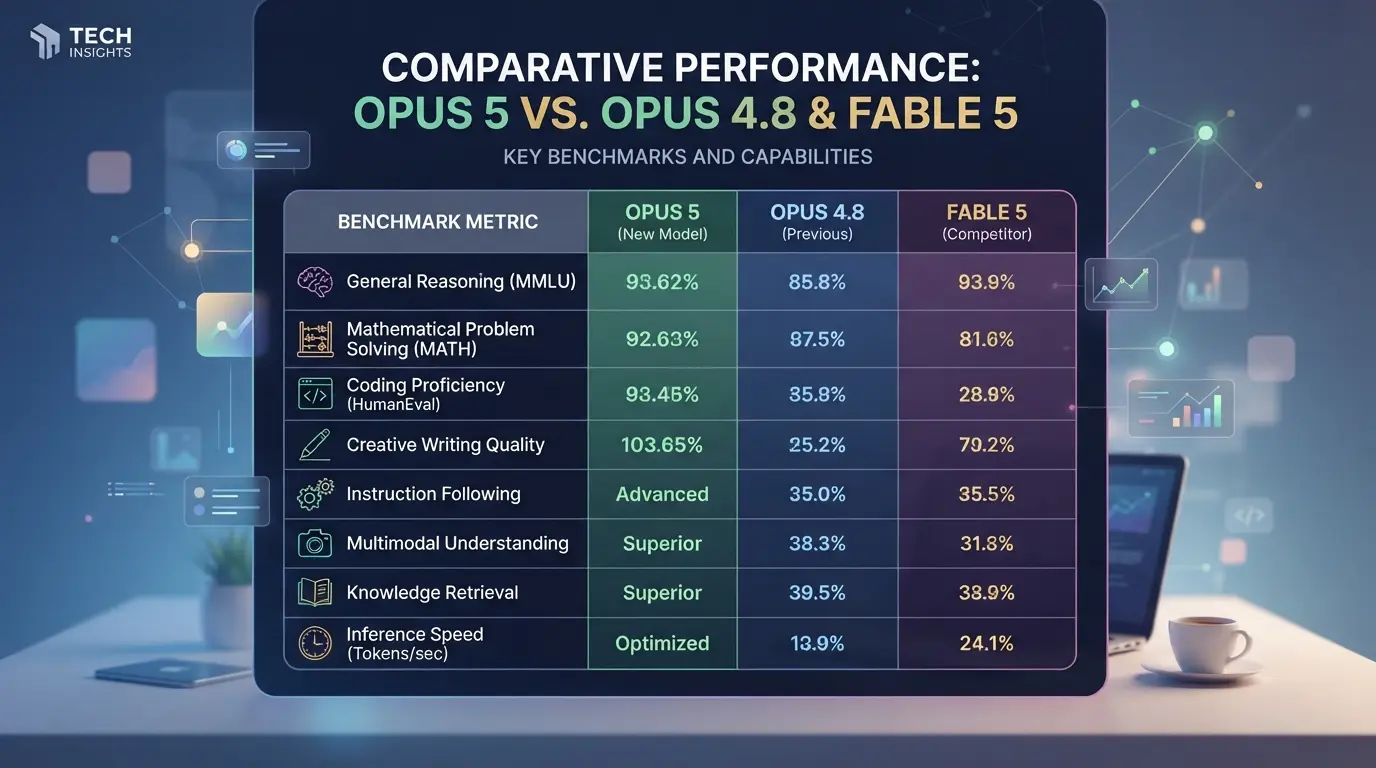
How Opus 5 compares to previous versions
| Model |
Speed (tokens/sec) |
Reasoning Accuracy |
Typical Cost per 1K tokens |
| Opus 4.8 |
10 |
Medium |
$0.007 |
| Fable 5 |
15 |
High (narrow) |
$0.005 |
| Opus 5 |
20 |
High (broad) |
$0.008 |
Source: Anthropic model docs
If your workflow is bottlenecked by slow generation or struggles with complex prompts, Opus 5’s jump in speed and broad reasoning covers more ground. But you’ll pay slightly more per task, and the cost adds up with heavy use.
What benchmarks don’t show about team use
Team workflows usually break down at the points benchmarks skip, session limits, shared context, or when several people try “agentic” features at once. The biggest hidden risk is that model speed and accuracy tell you nothing about whether your team will hit platform blocks or trigger new restrictions.
When benchmarks matter, and when they don’t
If you’re running long-form drafting or research, faster speeds and higher accuracy can actually save hours over a week. But for teams sharing seats, the real limit is often outside the model: platform rules, rate caps, or context resets cause more issues than raw speed ever fixes. Benchmarks only help if your daily workflow lines up with the test scenario, otherwise, the gains are just theoretical.
If you ignore these gaps, you’ll keep running into friction no matter how new the model is. The next step is looking at how to handle account sharing in a way that keeps your team moving without constant lockouts or lost work.
How to Share Claude Opus 5 Accounts Without Getting Locked Out
If you want your team to use one Claude Opus 5 account without getting shut out, you need more than just passing around the login. The main risks are login collisions, platform security checks, and losing access if a session looks suspicious. Here’s how experienced teams avoid those headaches.
Prepare a shared environment before inviting others
- Create a dedicated browser profile for the shared account. This keeps cookies and device fingerprints consistent, so logins don’t look like new devices every time.
- Set up a single proxy or static IP for all team sessions. If one person logs in from a different city or country, account security flags go up fast.
- Sync standard browser settings and extensions for everyone. If one person uses an ad blocker and another doesn’t, platforms often spot the mismatch.
Control access and permissions for each team member
- Assign each user a unique login session. Avoid everyone logging in at once, most lockouts happen when the service sees two “users” from different fingerprints or IPs at the same time.
- Limit sensitive actions (like billing changes or API key views) to one trusted person. If a new device tries these, platforms often trigger extra checks.
- Monitor access logs for odd times or new locations. If someone pops up from an unexpected region, the next login will likely require verification.
What to avoid when sharing Claude Opus 5 accounts
- Never send raw passwords in chat or email. Use a password manager with shared vaults.
- Don’t mix your personal and the team’s logins in a single browser, cross-session leaks can cause both accounts to get flagged.
- Don’t let everyone change settings, one wrong move and the whole team gets locked out by security prompts.
How to recover if your shared account is restricted
- Immediately stop all login attempts. Multiple retries from different places will extend the lock.
- Use the original device and IP that last worked to reset or verify the account.
- After recovery, re-issue credentials and lock down shared settings, rushing back in with the same mistakes almost always leads to a repeat lockout.
How Teams Can Share Platform Accounts More Safely with DICloak
Teams that share platform accounts, like those for Claude Opus 5, often get tripped up by platform security checks, leaked credentials, or handoff confusion. If your workflow already calls for team access to one account, browser-profile management becomes the real control point. DICloak gives administrators a way to standardize how team members connect, keep sensitive data from spreading, and limit who can change what. The scope here is browser-profile sharing and team permissions, not direct management of the SaaS tool itself.
Keep IP and fingerprint consistent for all team members
Account restrictions often start when a team logs in from different IPs or device fingerprints. By preparing a shared DICloak browser profile for the target account, the admin can apply the same user-provided proxy and fingerprint settings for every team member. Everyone uses the same configured browser profile, so the account sees the same technical signals no matter who logs in, if members use separate profiles or forget the proxy, this protection falls apart. DICloak does not supply proxies; teams must configure their own.
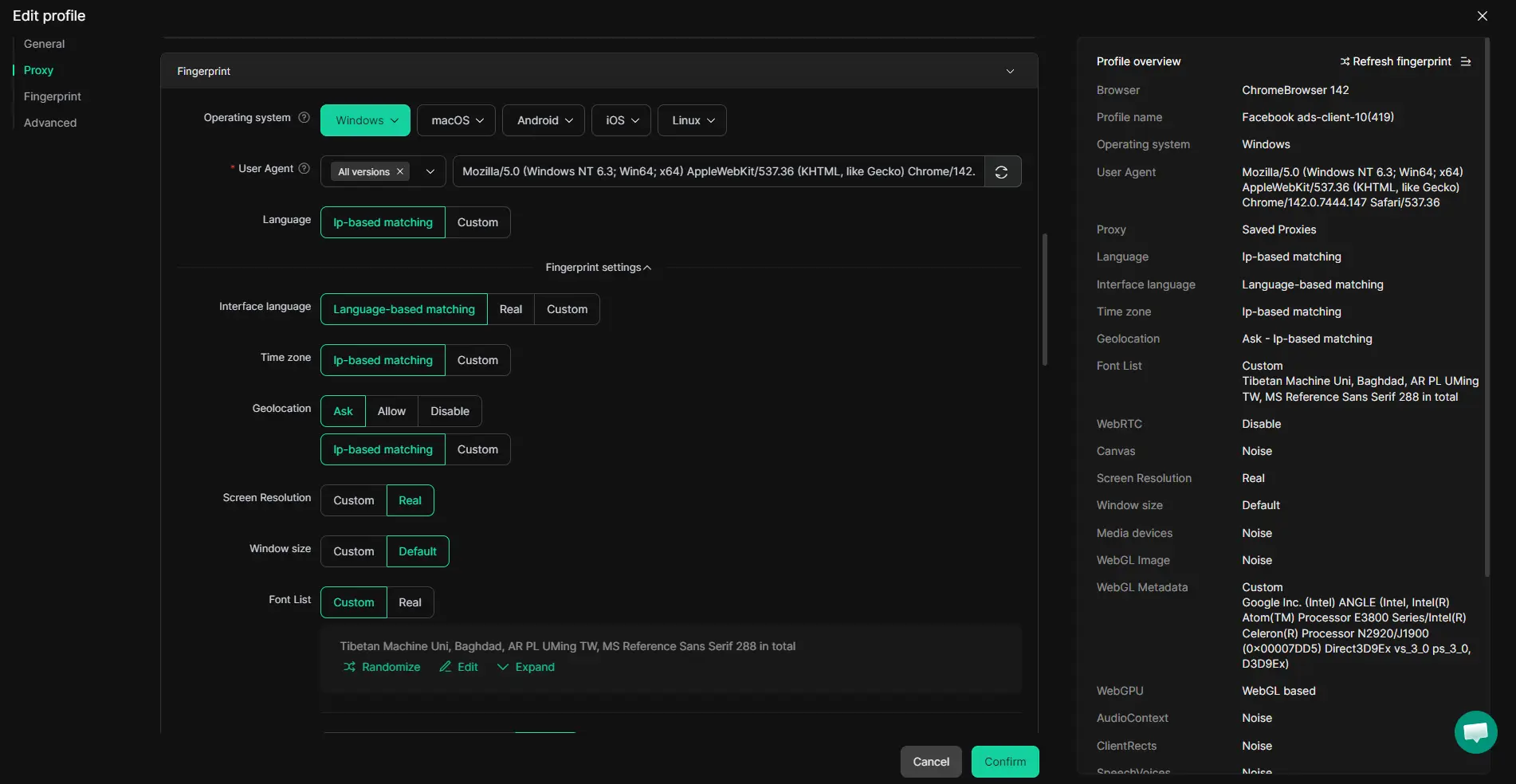
Browser-Profile Access Controls for Shared Account Workflows
Sharing access means someone could grab a saved password or export cookies if controls are loose. Admins can set security restrictions on the shared profile, block password viewing, restrict developer tools, or add cookie encryption (Share+ add-on), before handing access to the team. If these controls are missed, one careless member could leak sensitive data without anyone noticing. These protections limit exposure inside DICloak; they do not extend to the connected SaaS tool.
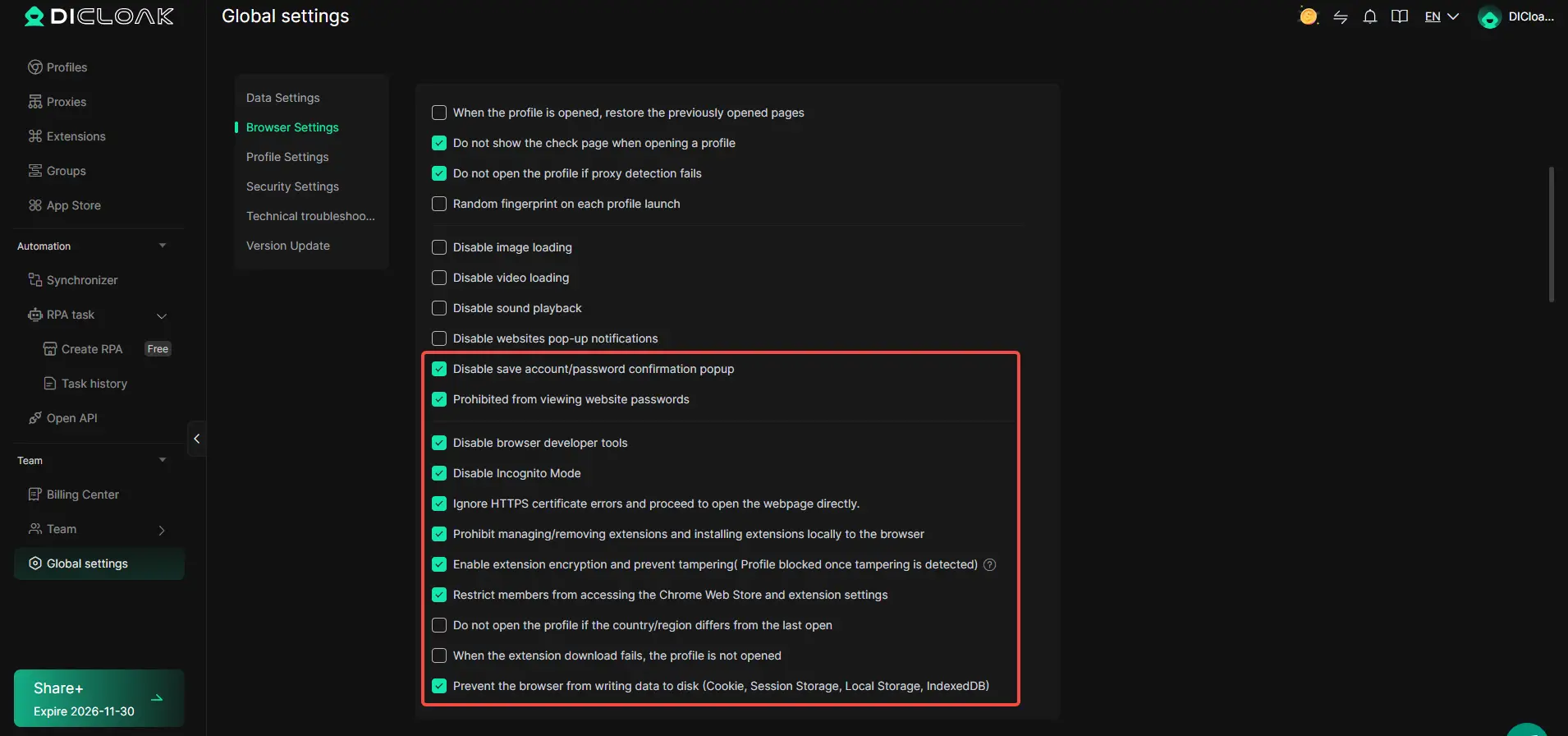
Set team permissions to control who can access or change what
Not everyone needs admin rights or the ability to reconfigure a shared profile. Admins can set up groups in DICloak, give each group only the permissions needed for their job, and assign profiles so regular members can open but not edit them. Keeping permissions tight is usually what stops accidental changes or leaks, most account-sharing failures trace back to letting the wrong person do too much. These permissions only control what users can do in DICloak, not in the actual SaaS platform.
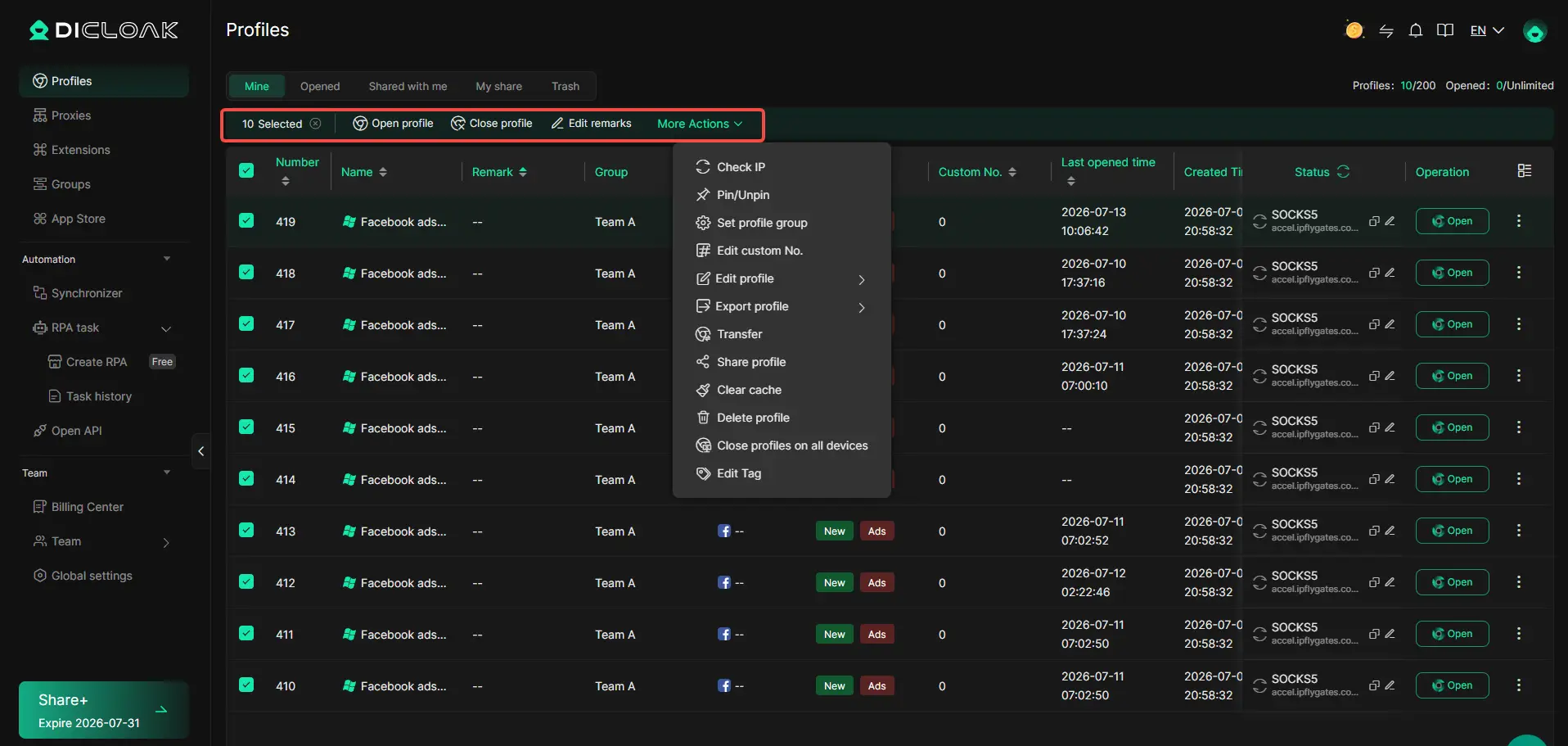
Knowing when to switch from sharing to individual accounts is the next step, especially once your workflow grows or risk tolerance changes.
When Is It Better to Use Individual Accounts Instead of Sharing?
If your team only uses a platform for quick checks or low-volume tasks, sharing an account can cut costs and reduce setup time. But the moment real risk, sensitive data, or audit needs enter the picture, separate accounts become much safer, even if they’re a hassle to set up.
Scenarios where sharing makes sense
| Scenario |
Sharing Account |
Separate Accounts |
| Occasional, light use |
✓ |
– |
| Centralized workflows |
✓ |
– |
| Strict audit/compliance |
– |
✓ |
| High-risk projects |
– |
✓ |
For teams just testing features or needing a single channel for updates, sharing usually works as long as you avoid sensitive material and don't need personal quotas.
Situations where individual accounts are safer
For anything involving client data, regulated industries, or projects where you might need to prove who did what, separate accounts are the safer call. If your workflow triggers platform security (like overlapping logins or large data pulls), shared accounts can get locked with little warning.
The real risk isn’t just getting locked out, it’s losing access at the worst time, or not being able to trace who did what when something goes wrong. If that sounds familiar, don’t try to force a shared setup. Set up individual seats from the start.
Common Mistakes That Still Get Teams Locked Out in 2026
Even with better guidance, teams still lose access for reasons that should be avoidable. Here’s what’s catching groups off guard with shared Claude Opus 5 accounts this year, and what you can do right now to avoid being next.
Overlooking new platform security updates
Missing a single platform update can lock your entire team out. In 2026, security changes roll out with little warning, and platforms often start enforcing device or location checks before anyone publishes a notice. Teams that skip regular policy reviews find out too late, usually when someone tries to log in from a new site and gets flagged. The fastest way to avoid lockouts is to schedule a monthly check of account security news and confirm your login setups match the latest requirements.
Mixing personal and shared sessions
- Never log into a shared seat from a personal device that’s been used for unrelated accounts.
- Always close all other browser sessions before switching between personal and team logins.
- If a platform warns of “unusual activity,” reset all sessions, don’t try to power through.
Ignoring permission and access controls
Letting everyone have admin rights is a shortcut to chaos. Even one unchecked permission can trigger platform risk flags.
- Check who has admin every month, remove anyone not using it.
- Use activity logs to spot access patterns that don’t fit your workflow.
- Rotate passwords after any high-risk event or staff change.
Frequently Asked Questions About claude opus 5
Can I use Claude Opus 5 in any country in 2026?
Claude Opus 5 may not be available in every country in 2026. Access depends on local laws, export regulations, and compliance policies. Always check the official release notes and your country’s legal guidelines before use. Some regions may face restrictions or require special approvals, so review updates regularly to stay compliant.
What happens if my team triggers a security review on Claude Opus 5?
If your team triggers a security review, access might be paused while support investigates. Usually, you’ll get an email with details and steps to verify your identity or usage patterns. To restore access, follow instructions, submit requested documents, and address flagged issues. Reviews help protect your data and keep accounts safe.
Is it safe to use proxies with Claude Opus 5 for team access?
Using proxies can pose risks, such as account flags or security alerts. Some proxies may mask suspicious activity, which could violate terms of service. For secure team access, use approved enterprise tools or networks. If proxies are required, choose reputable providers and always notify your admin to avoid unwanted disruptions.
How many users can share a Claude Opus 5 account before it gets flagged?
Sharing a single account among many users can trigger automatic flags. Most services recommend one user per account. If multiple simultaneous logins or unusual access patterns are detected, the account might be suspended. Use group or enterprise options if your team needs shared access to avoid issues.
What’s the best way to manage permissions for shared Claude Opus 5 accounts?
Manage access by using built-in admin tools or a team dashboard. Assign roles like viewer, editor, or admin based on responsibilities. Update permissions when team members join or leave. Regularly review usage logs to spot any odd activity. This keeps your account organized and helps prevent unauthorized actions.
Take time to evaluate which features align best with your team's workflow and project goals, and consider testing the latest advancements firsthand. Integrating the right language model can simplify tasks and unlock new efficiencies. Try DICloak For Free
 Web Proxy Tools
 Free Tools
 Cookie Plugin
 UA Generator
 MAC Address Generator
 IP Generator
 IP Address List
 2FA Code Generator
 World Clock
 Anonymous Check
 WebRTC Leak Test
 UUID Generator
 Free Web Proxy Site
 Proxy Checker
 FB Ad Checker
 AI Web Scraping
 Free SMM Tools
 Twitter Shadowban Checker
 Instagram Name Checker
 UTM Generator
 Username Generator
 AI Hashtag Generator
 LinkedIn Headline Generator
 Social Media Image Resizer