More than 70% of new airdrop hunters on LayerZero projects lose rewards because they miss key wallet actions or fall for copycat links, as seen in reports on DeFiLlama and user complaints on Reddit. The gaea airdrop is drawing even more attention, yet the real risk isn’t just missing the claim, but getting flagged, botted out by smarter scripts, or having your wallet blacklisted after one wrong move. People who only copy “step-by-step” checklists often find out too late that bots and smarter users already front-ran them, or that a small mistake, like using a recycled proxy, can leave their address with zero real allocation.
What actually sets apart those who bank the full reward? It’s not just clicking early, but knowing which wallet actions count, how to avoid known risk patterns, and how to spot when you’re being tracked by project anti-bot systems. This guide cuts out the empty hype and breaks down, step by step, how real users are joining the GAEA airdrop safely, which mistakes most newcomers make, and where the real “pro” edge comes from. From keeping your wallet safe to choosing the right proxy setup, every move counts, especially if you want your allocation to stick. Here’s what matters before you make your first transaction.
What Is the GAEA Airdrop and Why Is It Generating Buzz?
The term "gaea airdrop" has been showing up across crypto forums and Twitter threads, and for good reason. GAEA’s team is aiming for wide community growth, not just a small group of insiders. The airdrop isn’t just about free tokens, it’s about growing a real user base, rewarding early actions, and setting up a network that people actually use. That’s why new and experienced users are both watching this launch closely. Here’s what’s actually behind the hype.
What Is GAEA and Its Ecosystem?
GAEA is a blockchain project focused on decentralized infrastructure. The team wants to build a network where everyday users can run apps, store data, and make fast payments without relying on big tech. Unlike simple token projects, GAEA includes its own token, a set of developer tools, and support for users who want more privacy and control. The GAEA token isn’t just a lottery ticket, it’s designed for real use in the network: paying for services, voting on changes, and trading with other users. This makes each airdrop not just a giveaway, but a way to seed the network with early supporters who have a reason to stick around.
How Does the GAEA Airdrop Work?
Airdrops usually mean free tokens, but each project does it differently. For GAEA, the airdrop is based on real actions by users, like joining testnets, making transactions, or staking tokens. Not everyone who signs up will get the same reward. The team uses on-chain data to spot who’s actually involved and who’s just trying to game the system with bots. That’s part of why the buzz is so strong: the allocation isn’t random, and smart users can increase their share by taking the right steps.
Projects use airdrops like this because it pulls real users into the ecosystem fast. Instead of paying for ads, GAEA gives tokens directly to those who help build the network. The idea has worked for others, just look at how Starknet or Arbitrum grew after their airdrops. The same model means users pay attention early, hoping for both short-term profit and a shot at long-term growth if the project succeeds.
Who Is Eligible for the GAEA Airdrop and What Are the Main Requirements?

Eligibility Criteria Explained
Not every wallet gets a shot at the GAEA airdrop. The main requirement is holding a wallet on a supported chain, such as Ethereum or Arbitrum. Most projects flag only non-custodial wallets, meaning you need control of your private keys, not just a login on a centralized exchange. You’ll often need to complete specific actions. This might include staking GAEA tokens, holding a minimum balance for a set period, or finishing on-chain tasks like providing liquidity or joining governance votes.
Some airdrops also count previous activity. For example, users who interacted with GAEA contracts before a cut-off date often get priority. If you’re new, look for tasks like following the project on social media, joining their Discord, or submitting a wallet address through an official form. But don’t just rush, missing a single on-chain step or using an unsupported wallet type can mean no allocation, no matter how early you start.
Common Reasons for Disqualification
Plenty of users get filtered out before rewards land. The most common reason is using duplicate or bot-controlled wallets. Projects run checks for patterns, like hundreds of wallets created from the same IP or with identical proxy setups. If your wallet looks automated or linked to known bot activity, you’ll likely get zero allocation.
Missing deadlines is another common issue. If you don’t complete required tasks before the snapshot, your wallet won’t count. Incomplete tasks, like staking the wrong token, or skipping a step in a multi-part mission, often disqualify users. Finally, risky behavior like reusing addresses flagged on Etherscan or Arbiscan can trigger anti-bot systems.
How to Check Your Eligibility
Most projects provide an official eligibility checker tool. Look for the link on the GAEA airdrop announcement or the project’s main site. You paste your wallet address and get a result, eligible, pending, or disqualified. Watch out for warning signs: if your wallet never interacted with GAEA contracts, used a known flagged proxy, or missed deadlines, you’ll see a negative result.
The fastest way to avoid wasted effort is to check eligibility before you start any on-chain work. If you see “ineligible,” double-check your wallet history and review the official task list. This step saves time and helps you spot issues before the main event.
What Steps Should You Follow to Claim the GAEA Airdrop Safely?
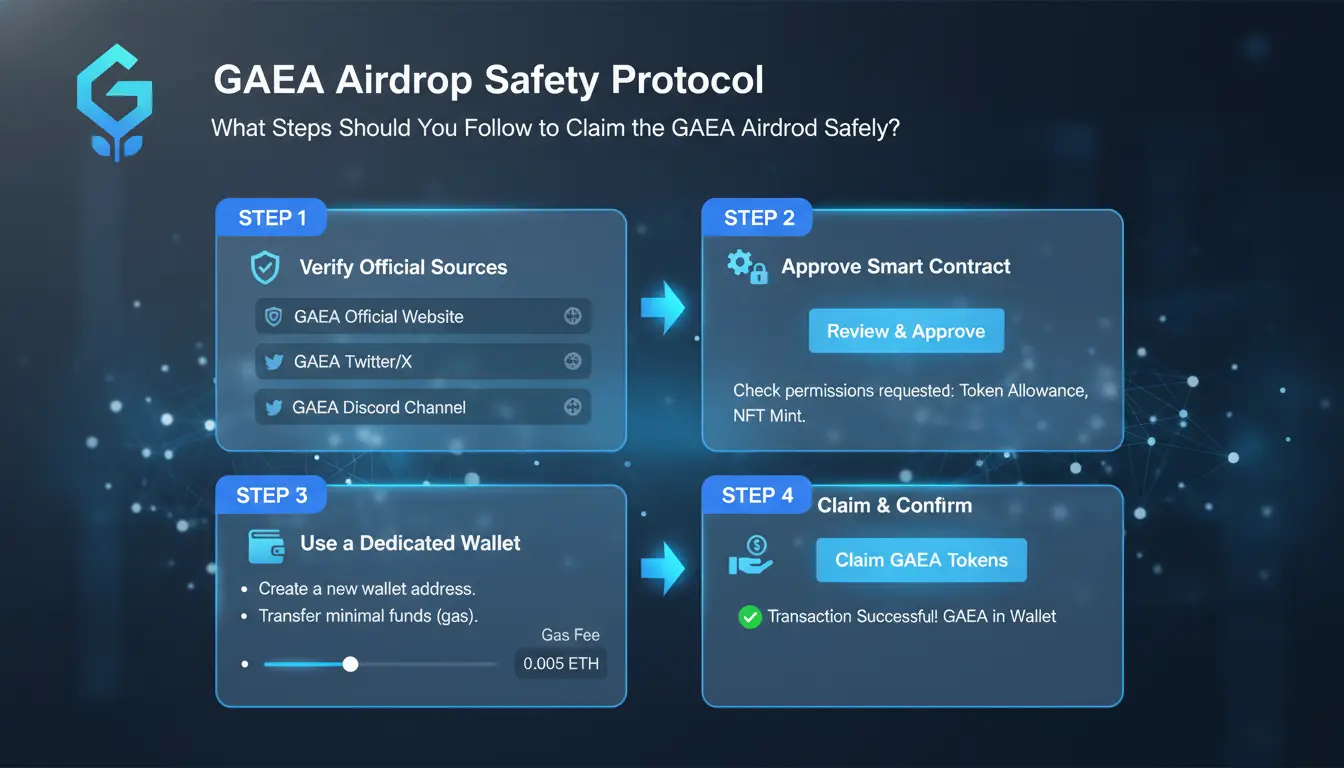
Claiming the GAEA airdrop isn’t just about speed, it’s about getting every detail right so your reward actually lands. Most missed claims come from skipped wallet checks or rushing through the process, not from slow clicks. Here’s how to nail every step, avoid the usual traps, and make sure your allocation sticks.
Preparing Your Wallet and Accounts
Start by picking a wallet that’s officially supported for the GAEA airdrop. Most users rely on MetaMask or Trust Wallet, since these are recognized by GAEA’s official claim page. Make sure your wallet is updated to the latest version. Never use a wallet that’s been exposed on public devices or shared with friends, these are easy targets for bots and phishing scripts.
Securing your recovery phrases is a must. Write them down offline. Avoid storing them in cloud services. If your wallet has two-factor authentication or advanced signing options, turn them on now. Most lost rewards trace back to wallets compromised before the claim even starts.
Step-by-Step GAEA Airdrop Claim Process
Head to the official GAEA claim portal. Double-check the URL, fake sites often pop up during big airdrops. Connect your wallet only when you’re sure it’s the real page. The portal will show your eligibility based on your address’s activity, snapshot date, or other criteria. If you don’t see your allocation, check if your wallet matches the required chain and account type.
Once you’re verified, follow the on-screen instructions. Review the transaction details, gas fees, recipient, and contract addresses should match what’s listed on GAEA’s docs. Click “Claim.” Wait for confirmation. Keep your wallet open until you see the success message. Missing this confirmation is the main reason users lose their reward.
What to Do If You Encounter Errors
Common errors include “ineligible address,” “insufficient gas,” or “wallet not connected.” For most, a wallet refresh or switching browsers fixes the issue. If you get a contract error, check the official GAEA support or their Twitter updates for real-time fixes. Never trust random Telegram groups for help, these are usually scam channels.
If your claim fails, review the eligibility FAQ and double-check wallet security. Don’t retry with new accounts unless official support confirms your next steps.
What Risks and Scams Should You Watch Out for During the GAEA Airdrop?

Claiming the GAEA airdrop isn’t just about timing, most users lose their reward by falling for common traps that can wipe out their wallet or leave them flagged by project anti-bot checks. Missing a single warning sign often means you get nothing, or worse, lose your assets. Here’s how to avoid the mistakes that catch newcomers and even experienced users off guard.
Fake Airdrop Websites and Phishing
Scam sites copy the look and feel of real airdrop pages, hoping users will link their wallets or sign fake transactions. Always check the official announcement from the project’s X (Twitter) or their verified Discord. Look for a domain that matches the team’s earlier posts, not random links in Telegram or Discord DMs. If the site asks for a full seed phrase or private key, close it immediately. For example, real airdrops like Arbitrum’s never ask for those details. The single easiest way to avoid getting drained is to only use links from official sources.
Common red flags:
- Slightly misspelled domains
- Promises of “double rewards”
- Pop-ups asking for wallet passwords
Wallet Drainers and Malicious Contracts
Wallet drainers are smart contracts designed to steal funds once you approve access. They often hide behind fake “claim” buttons. Before signing anything, check the contract address against the project’s official channels. If you don’t recognize the address, pause and check it on Etherscan. Don’t sign blind approvals, many users lost assets by clicking “Approve All” when claiming the PEPE airdrop. Best practice: Only approve contracts after checking their source. Use a wallet with minimal funds when testing claims, and avoid connecting your main wallet to new sites.
Social Engineering and Impersonators
Scammers use Telegram and Discord to trick users into sending funds, sharing sensitive info, or clicking fake claim links. They often impersonate admins or “support” accounts that DM you directly. Real team members never ask for private keys, never DM first, and always tell you to check official announcements. Confirm admin usernames and check their post history, fake support will usually have a new account with no real activity.
If someone offers “help” or promises to boost your GAEA airdrop allocation, treat it as a scam. Nearly every week, users report fake admin incidents on r/cryptocurrency. Always double check before sharing info or clicking links.
How Can You increase Your GAEA Airdrop Rewards Without Breaking the Rules?
Getting the most from the GAEA airdrop means playing smart and safe. Big rewards go to users who know what counts on-chain, avoid classic mistakes, and use the right tools to track their progress without tripping anti-bot alarms.
Optimizing Your On-Chain Activity
Not all wallet actions help your airdrop score. Projects usually reward real, varied use: swaps, liquidity adds, and staking on approved dApps. Just repeating the same simple action with no history looks fake. Mix your activity, keep amounts realistic, and space out transactions, big clusters in one day can trigger review. GAEA airdrop snapshots often happen unannounced, so act like a normal user over weeks, not minutes.
Managing Multiple Wallets Ethically
Running more than one wallet tempts users to double-dip, but projects have strong Sybil filters. They check for reused proxies, device fingerprints, and patterns like mass wallet creation. If you must manage several wallets (for family or team), don’t copy-paste seed phrases or run them all from one browser. Use separate browser profiles and dedicated proxies. Tools like DICloak help by isolating browser fingerprints and proxy settings per wallet, reducing cross-link risk.
Tracking and Claiming Across Devices
Don’t lose track of your airdrop status. Use trackers like Dune Analytics or Zerion to check eligibility and claim windows. If you switch between devices, always log out and clear browser data. Never claim from a public computer. Missing a claim deadline or leaking your wallet session can wipe out all your work.
How DICloak Helps You Manage Multiple GAEA Airdrop Claims Securely and Efficiently
Airdrop hunters aiming for the GAEA airdrop often hit a wall when one mistake links their wallets, or worse, triggers a mass ban. What makes a real difference is the ability to act like a hundred different people, not just one user repeating the same steps.
Reducing Risk When Handling Multiple Wallets
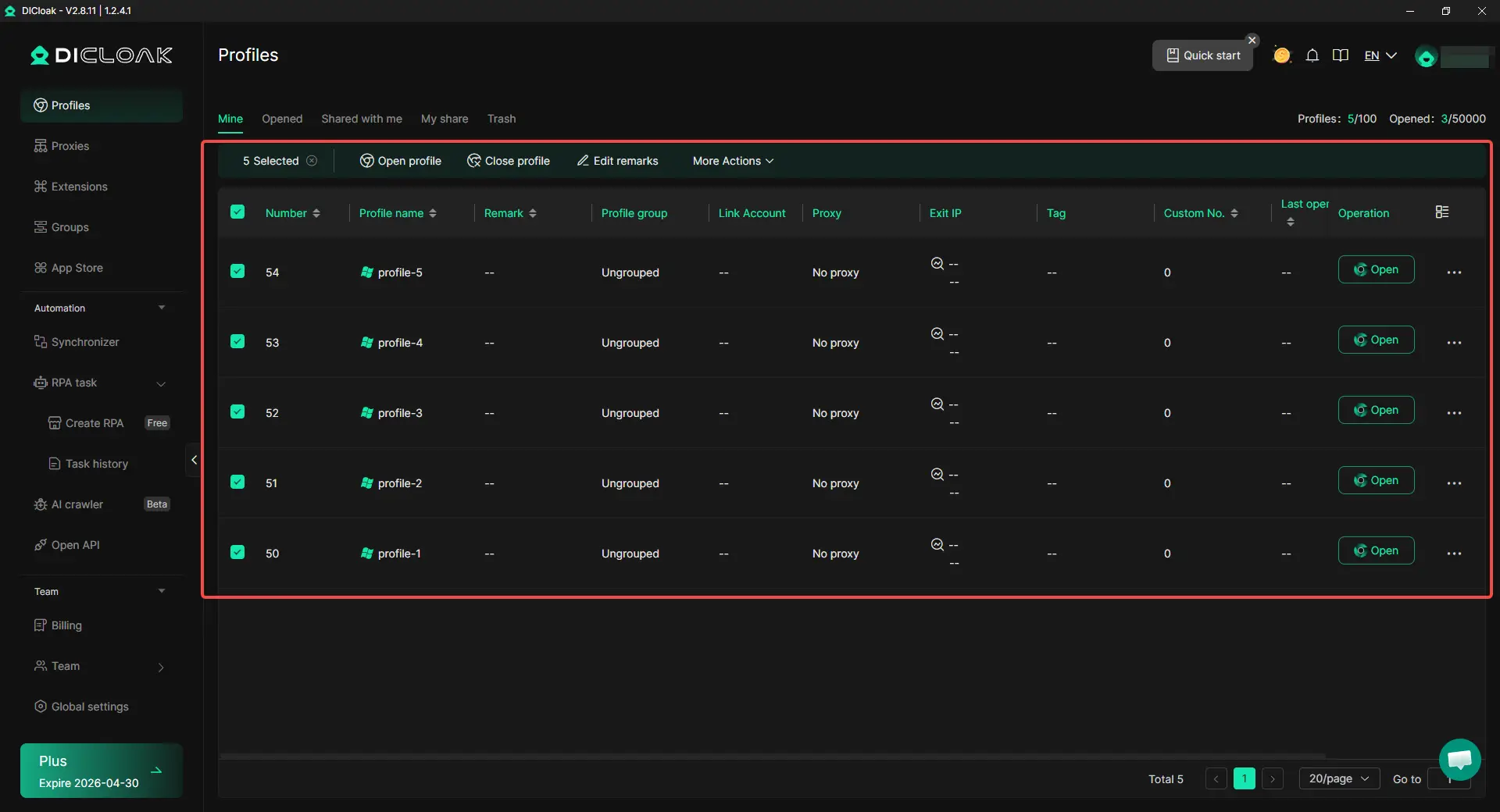
If you use the same browser fingerprint or IP for several wallets, projects can spot patterns fast. Tools like DICloak let you set up unique browser profiles for every wallet and bind each one to a separate proxy. This way, each claim looks like it comes from a real, unrelated user. That drop in cross-link risk is what keeps your allocations safe.
Automating Repetitive Airdrop Tasks
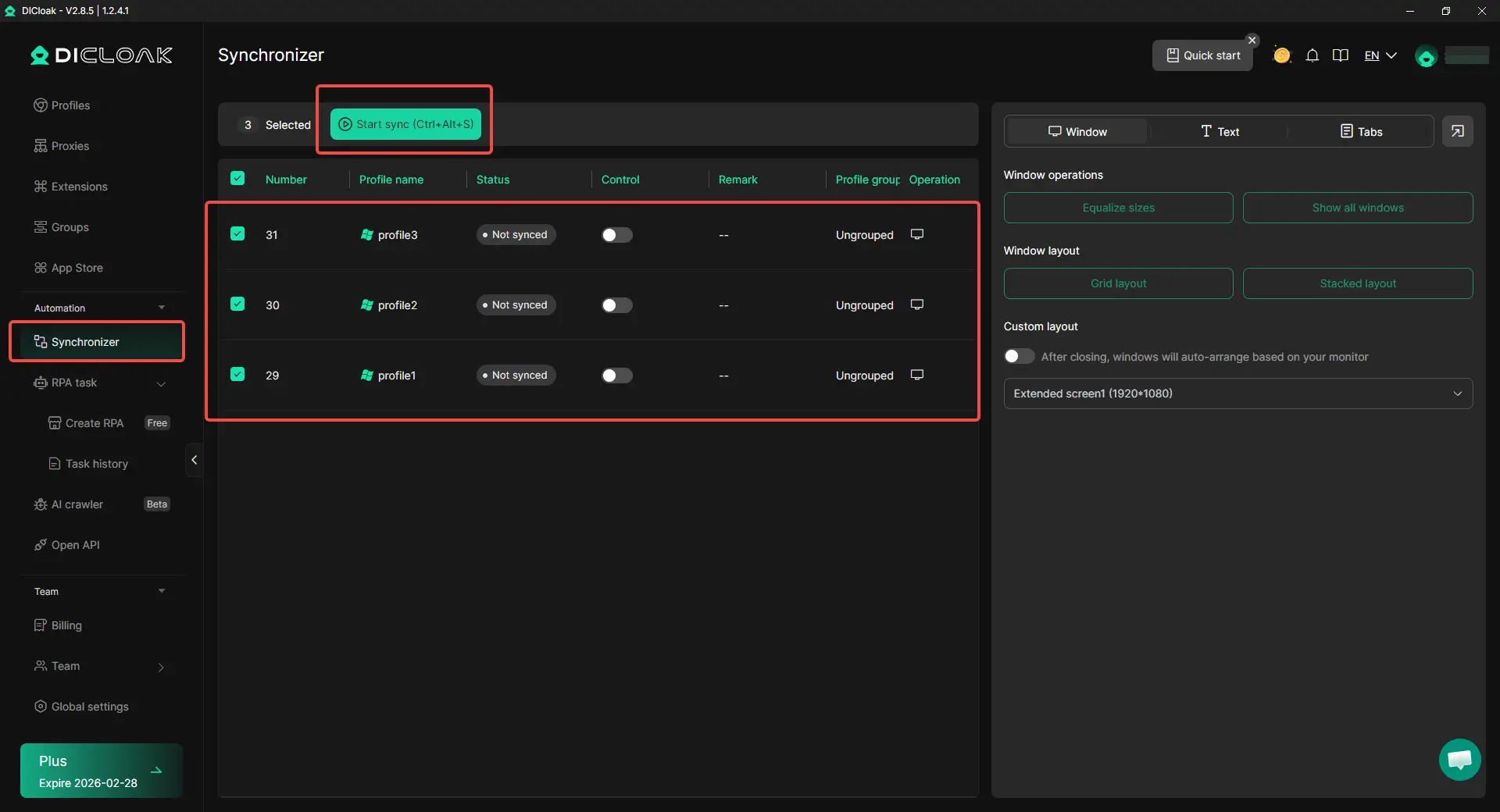
Claiming for 10 or 50 wallets by hand takes hours and is easy to mess up. DICloak supports Synchronizer and bulk operations, so you can script the same safe actions across all wallets at once. You can also sync these automations across devices, which helps teams avoid duplicate steps or missed claims.
Team Collaboration and Audit Trails
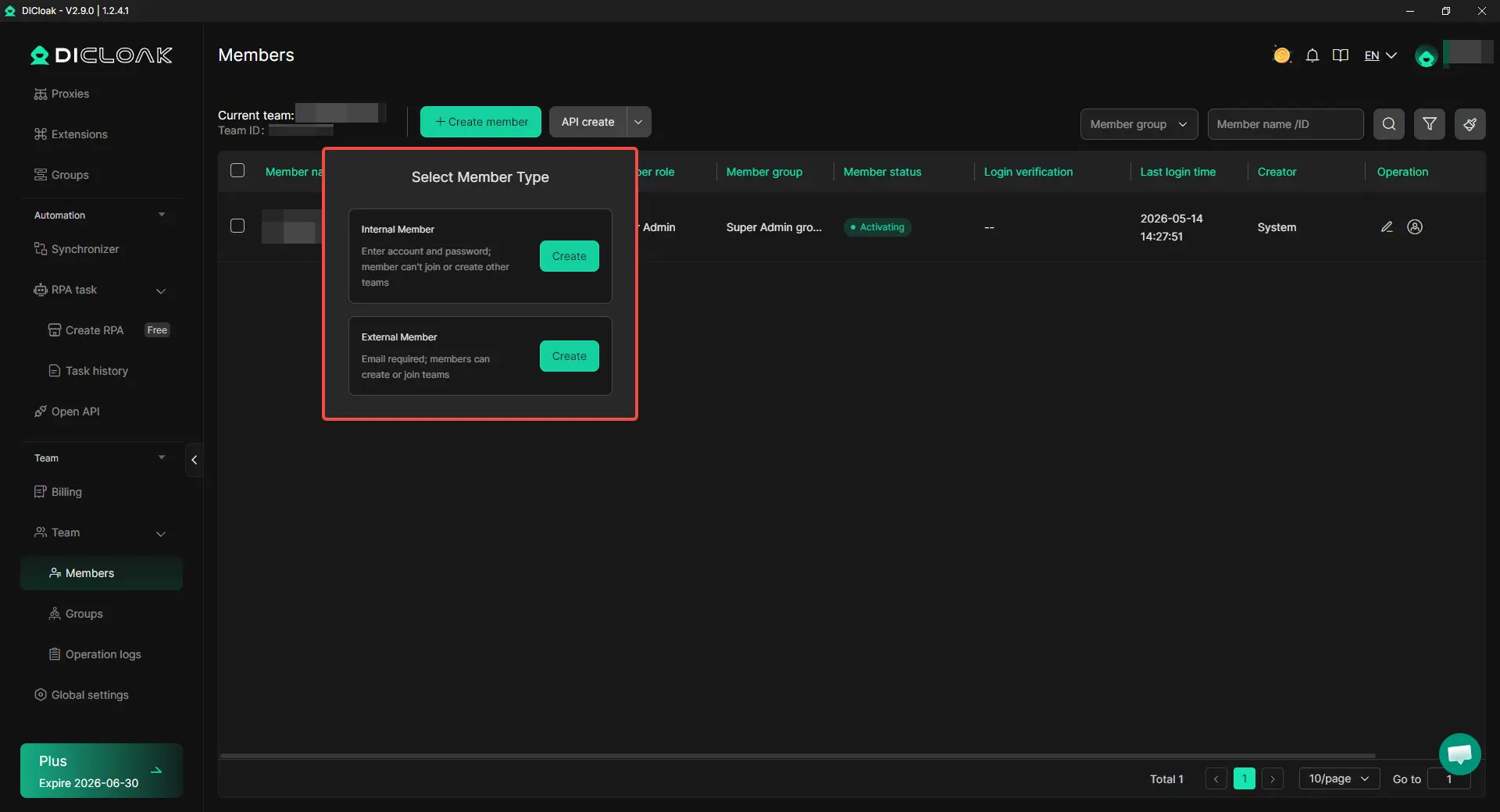
When more than one person is working, DICloak lets you share browser profiles while setting clear permissions. Every action leaves a log, so you always know who did what, vital for avoiding accidental bans and fixing mistakes quickly.
What Should You Do After Claiming the GAEA Airdrop? Next Steps and Best Practices
Claiming your GAEA airdrop is just the start. What you do in the next hour matters more than most people realize, especially if you want your tokens safe and don’t want to miss extra rewards. Here’s what seasoned users actually do right after the claim.
Securing and Managing Your GAEA Tokens
Most users lose tokens not because of hacks, but from simple mistakes. After claiming, move your GAEA tokens to a cold wallet or hardware wallet if you’re not planning to trade soon. Hot wallets are convenient, but they leave you open to attacks. If you use a software wallet, double-check the permissions, revoke access for any dApps you don’t trust. Keep an eye on your wallet address using tools like Etherscan for unusual activity. If you spot a random approval or a token transfer you didn’t make, act fast. For those handling multiple wallets or team allocations, use DICloak to isolate browser fingerprints and proxies, reducing the risk of cross-account leaks. Protecting your tokens within the first day is the single best move you can make.
When and How to Sell or Stake GAEA
Deciding when to sell or stake depends on liquidity and exchange support. Check listings on CoinGecko or Binance to see where GAEA is tradable and what the price looks like. If liquidity is thin, you may get worse pricing. Some projects open staking options right after the airdrop, while others wait. Look for official announcements and review reward rates, sometimes locking your tokens earns more than selling. Compare staking pools and check if rewards are paid in GAEA or another token. If you’re unsure, start with a small amount and track the returns versus selling.
| Action |
Risk Level |
Reward Potential |
Source |
| Selling |
Medium |
Fast payout |
CoinGecko, Binance |
| Staking |
Lower |
Ongoing income |
Project site |
Staying Updated on Future GAEA Events
Missing the next round is how most people get left behind. Follow the official GAEA Twitter and Discord for early signals, fake channels are common, so stick with links from the project’s homepage. Watch for clues like new snapshot dates, unusual wallet activity, or retweet campaigns. If you spot a pattern (like early testers getting extra allocation), adjust your approach, sometimes just joining a new testnet early makes all the difference for the next airdrop.
Frequently Asked Questions
Is the GAEA airdrop available in my country?
The GAEA airdrop may not be open in every country. Regional restrictions can apply due to laws or regulations. Check the project's official announcements and website for a list of supported regions. Some countries may be excluded to comply with local rules. Always verify eligibility before making a claim.
Can I claim the GAEA airdrop from a mobile device?
Yes, you can claim the GAEA airdrop using a mobile wallet like MetaMask or Trust Wallet. Most airdrop portals support mobile browsers and wallets. However, claiming from a desktop device is often smoother and safer. Make sure your wallet app is updated for best results during the claim process.
What fees are involved in claiming the GAEA airdrop?
When claiming the GAEA airdrop, you are required to pay network gas fees. These fees depend on the blockchain being used and can change based on network traffic. Before confirming your claim, check the transaction cost shown in your wallet. If gas fees are high, you may want to wait for lower fees.
How do I know if my claim was successful?
After you claim the GAEA airdrop, check your wallet balance to see newly added GAEA tokens. Also review your wallet's transaction history for confirmation. Successful claims usually show as a completed transaction and the tokens appear within a few minutes. If you don’t see them, refresh your wallet or check again later.
Can I use proxies or antidetect browsers for airdrop farming?
You can use proxies and antidetect browsers during the GAEA airdrop, but always follow the project’s rules. Using these tools to bypass restrictions or create fake accounts can lead to bans. Ethical use means not violating guidelines or harming the airdrop’s integrity. Double-check the Terms of Service before farming with these methods.
The gaea airdrop presents a valuable opportunity for participants looking to engage with emerging blockchain projects and potentially benefit from new token distributions. By staying informed about eligibility requirements and timelines, users can increase their chances of securing rewards. Try DICloak For Free
 Web Proxy Tools
 Free Tools
 Cookie Plugin
 UA Generator
 MAC Address Generator
 IP Generator
 IP Address List
 2FA Code Generator
 World Clock
 Anonymous Check
 WebRTC Leak Test
 UUID Generator
 Free Web Proxy Site
 Proxy Checker
 FB Ad Checker
 AI Web Scraping
 Free SMM Tools
 Twitter Shadowban Checker
 Instagram Name Checker
 UTM Generator
 Username Generator
 AI Hashtag Generator
 LinkedIn Headline Generator
 Social Media Image Resizer