A single well-run Facebook group can drive more leads than a business page with 10,000 likes, if you know how to use it right. Social media managers often spend hours posting to public pages, only to see their reach crushed by Facebook’s algorithm changes (see Hootsuite’s guide to Facebook reach). Groups, though, show up in feeds and drive real discussions. But most marketers still get stuck: posts get flagged, group members ignore promotions, or accounts get restricted for “spammy” behavior. The difference isn’t just luck or posting more often, it’s whether you know how to use facebook groups for marketing without tripping Facebook’s hidden rules.
This guide breaks down what actually works, from finding groups that allow business posts to writing messages that don’t get buried or deleted. You’ll see real risks, like shadowbans and account restrictions, and step-by-step methods to avoid them. There’s also a look at the tools top social media teams use to manage multiple accounts safely, including DICloak’s social media automation features. If you want to turn group activity into new leads and sales, not warnings and wasted time, keep reading for what to check first.
Why Facebook Groups Are a Powerful Marketing Channel Today
Facebook groups stand out because they connect people through shared interests, not just brand messages. Most users join groups to learn, ask questions, or solve problems. This makes groups a direct line to real conversations, something branded pages and ads rarely achieve now. If you want to learn how to use facebook groups for marketing, you need to see why group dynamics matter more than posting frequency or ad spend.
What Makes Facebook Groups Different from Pages and Ads
Groups are built for back-and-forth talk. Anyone can start a thread, reply, or share advice. With pages, only admins make posts, and organic reach keeps dropping as Facebook pushes sponsored content, Meta business documentation. Ads reach wide audiences but often get ignored or blocked by ad filters.
Groups, on the other hand, show posts in members’ feeds and trigger notifications on replies. Members trust advice from peers more than brand posts. This trust makes group recommendations stick. Organic reach in groups also outperforms pages because Facebook’s algorithm sees group activity as “real” engagement.
| Feature |
Groups |
Pages |
Ads |
| Who can post |
Members & admins |
Admins only |
Paid placements |
| Organic reach |
High (community) |
Low |
N/A (paid only) |
| Trust factor |
Peer-driven |
Brand-driven |
Low (ad fatigue) |
Comparison based on Facebook’s official resources.
Types of Groups: Public, Private, Hidden, Which Fits Your Marketing Goals?
Group type changes how you reach people. Public groups let anyone see posts and join, so they’re good for broad awareness but often get spam. Private groups require admin approval, this lets you filter members and keep quality higher. Hidden groups don’t show up in search and need direct invites, so they work best for exclusive or paid communities.
If you’re figuring out how to use facebook groups for marketing, match your goal: public for reach, private for quality leads, hidden for paid offers or close support. Group rules and active admins also control spam and keep engagement real.
How to Find the Right Facebook Groups for Your Business or Niche
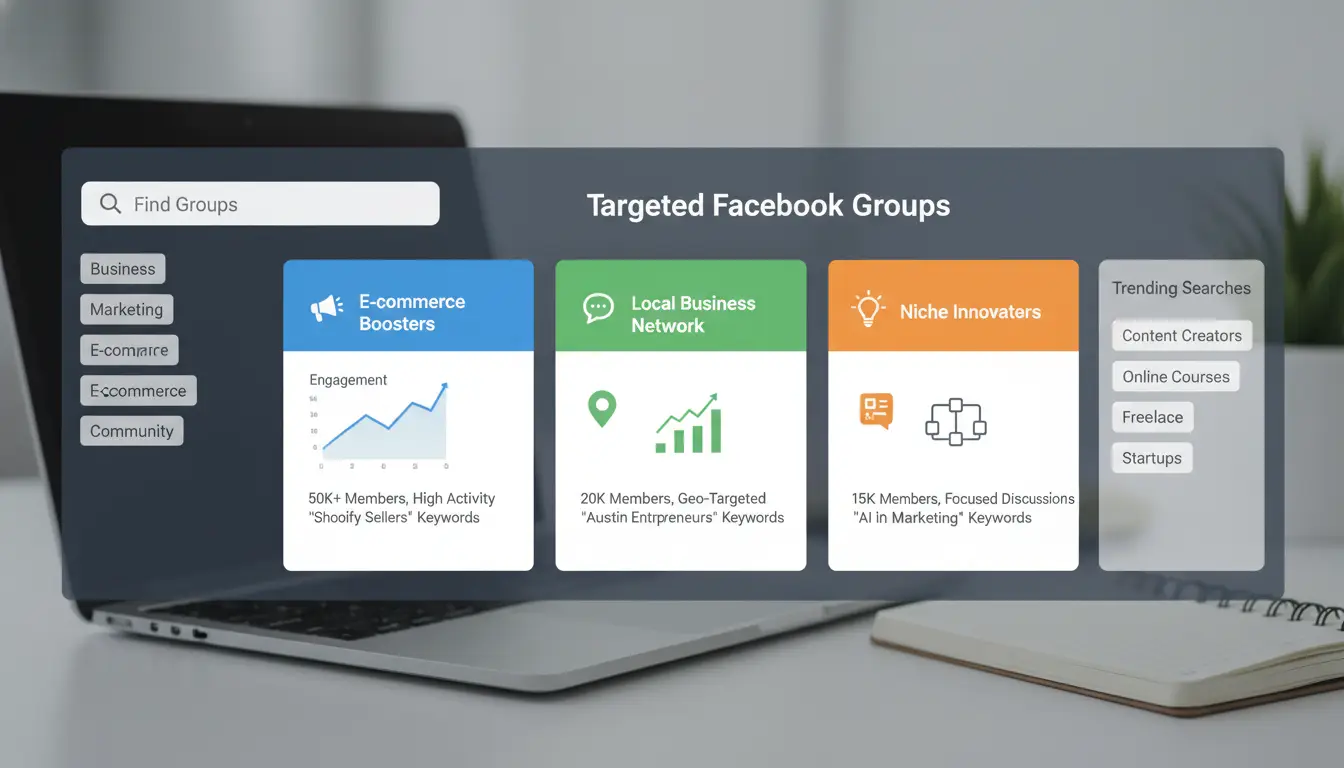
Finding the right groups is where most people fail at how to use facebook groups for marketing. Random invitations or joining the largest groups rarely lead to results. Instead, you need a clear process, know who you want to reach, find groups that match, and check for hidden problems before you join.
Define Your Ideal Audience and Goals Before Searching
Start by listing the type of customers or clients you want. Are you selling local services, digital products, or consulting? Write down 2-3 main goals, like “get leads,” “build trust,” or “drive traffic.” Then map your audience’s real interests. For example, if you sell fitness coaching, your audience might join groups focused on weight loss, home workouts, or nutrition tips. This step filters out groups that look big but don’t match your business.
How to Search, Filter, and Evaluate Groups for Real Value
Type your audience’s top topics into Facebook’s search bar. Use filters, like “Groups,” “Location,” and “Public/Private”, to narrow results. Don’t join the group with the most members right away. Check recent posts: Are people asking questions, sharing wins, or just spamming links? Look for groups where admins interact often and posts get real comments, not only likes. Groups with lots of pinned posts or strict rule lists often work better for real marketing, since they control spam.
What to Check Before Joining: Red Flags and Hidden Risks
Before you click “Join,” scan for warning signs. If most posts are self-promotion, offers, or copy-paste comments, skip it. Check the group’s rules, many ban any link sharing or business talk, which blocks real marketing. Notice if admins delete questions or never reply. Groups filled with fake engagement or “follow chains” usually get flagged by Facebook. One solid group that matches your niche is better than ten junk groups that hurt your reach. This is the real shortcut in how to use facebook groups for marketing.
How to Engage and Build Trust in Facebook Groups Without Getting Flagged
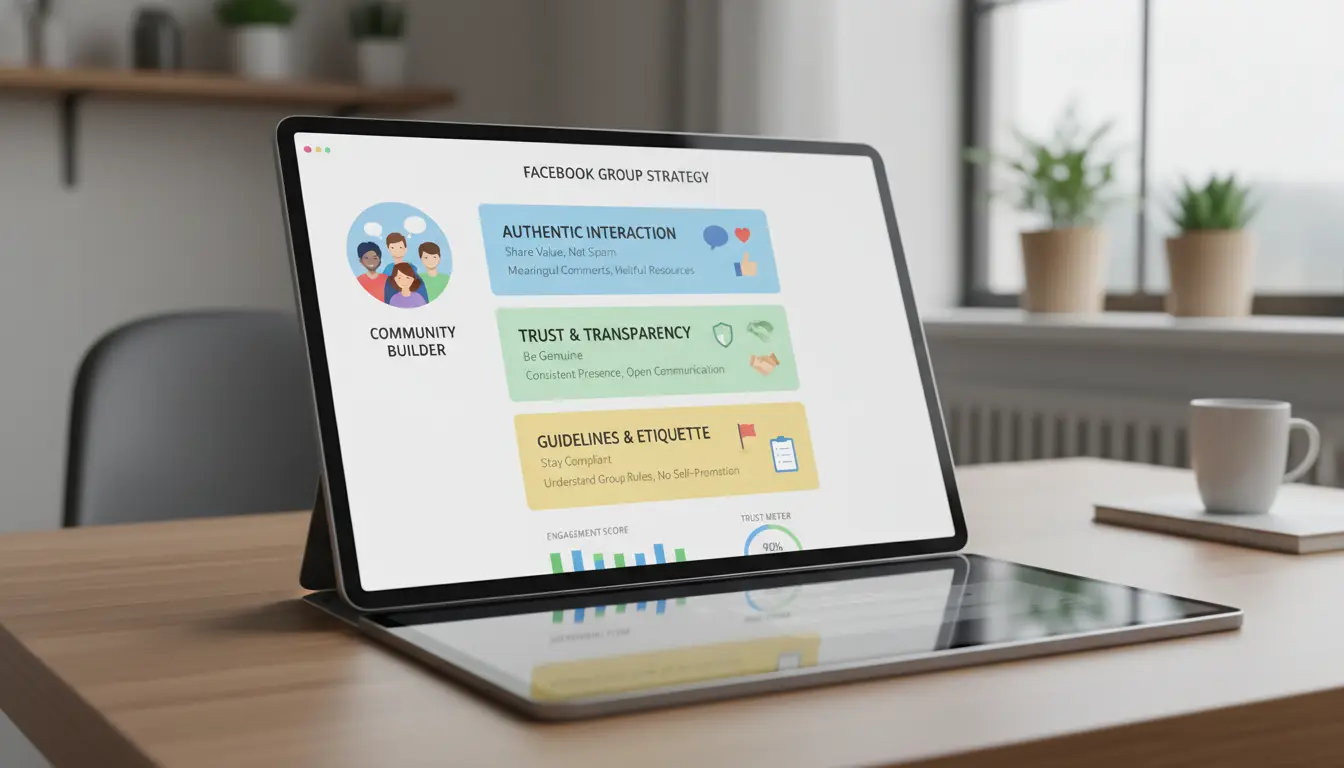
Not every marketer gets the same results from Facebook groups. Some accounts get traction, while others end up flagged or even banned. The difference is rarely about posting frequency, it's about understanding group dynamics and what Facebook's algorithms treat as suspicious. If you want to know how to use facebook groups for marketing without risking your account, start with the basics below.
What to Post: Value-Driven Content vs. Direct Promotion
Group admins and members spot self-promotion quickly. Instead of pushing offers, focus on sharing tips, answers, or case studies that help others. For example, instead of saying "Check out my product," write a post that solves a common problem group members mention. Create polls, infographics, or even short how-to guides. Entertainment also works if it fits the group. Direct links to your landing page usually get deleted or ignored, sometimes they even trigger spam filters. If a group allows sharing services, wait until you’ve answered questions or helped members first. That way, your posts look helpful, not just like ads.
How to Interact: Comments, Threads, and Group Etiquette
Jumping into comments with your pitch makes you look spammy. Instead, reply to questions with real answers or resources. Mention your experience only if it fits the topic. Always read group rules, some ban all links, others require admin approval for promotions. Watch how top contributors interact. They often give advice before dropping any links, and they follow up on comments. If you’re not sure, ask the admin what’s allowed. Using a real profile photo and full name also helps build trust.
Common Mistakes That Lead to Account Restrictions or Bans
Dropping the same message or link in multiple groups is the fastest way to get flagged. Facebook’s system picks up repeated content and automation. Copy-paste replies or sudden bursts of activity look unnatural. Avoid using auto-posting tools unless they're safe for Facebook, like DICloak’s social media automation, which can mimic genuine activity and reduce risk.
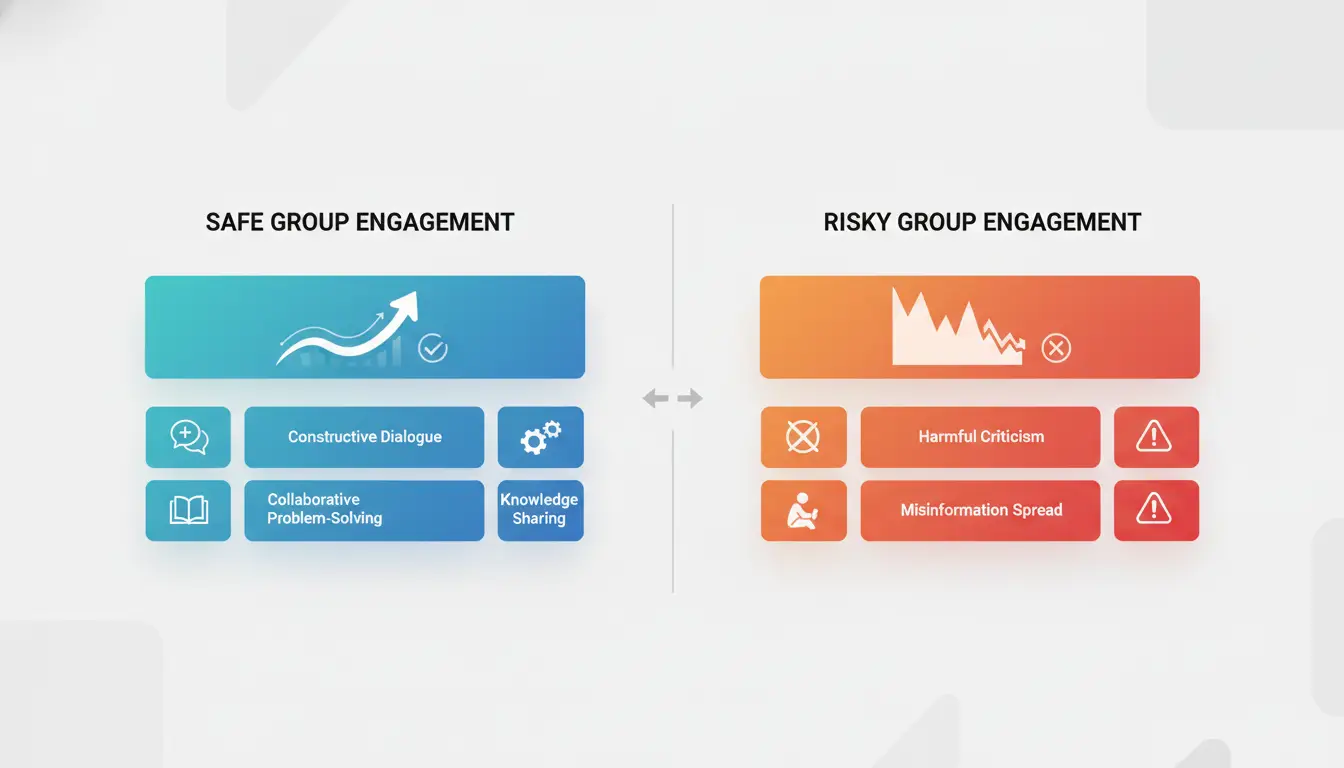
| Behavior |
Safe |
Risky |
| Post type |
Tips, answers, polls |
Direct promotions, links |
| Frequency |
1–2 thoughtful posts/day |
Multiple posts in minutes |
| Interaction |
Real discussion |
Copy-paste comments |
| Automation |
Human-like tools |
Bulk auto-posting |
Source: Facebook Community Standards, Meta for Business
Step-by-Step Workflow: How to Promote Your Business in Facebook Groups Safely
Using Facebook groups for marketing can quickly go wrong if you skip the basics. The right workflow covers goals, group rules, and post timing, not just what you write. Here’s how to use facebook groups for marketing with less risk and better results.
How to Plan Your Group Marketing Campaign
Start by picking a goal, like getting 10 new leads this month or growing your email list by 20%. Write these down. Next, set up a simple spreadsheet to track group names, posting days, and what you’ll share. Map out two weeks of content, mixing tips, questions, and soft promotions. Check each group’s rules before posting, some only allow business posts on certain days or in promo threads. If you’re managing several accounts, tools like DICloak’s social media automation can schedule posts and reminders so you don’t miss a window.
How to Introduce Your Brand Without Triggering Spam Filters
Jumping in with a sales pitch almost always gets you flagged or ignored. Instead, share a personal story or tip that fits the group topic. For example, “Last month, I helped a local business get their first 100 online orders using Facebook groups.” Wait for comments before mentioning your service. If the group has promo threads, weekly posts where business sharing is allowed, use those. Watch how top users post: they tell short stories, add value, and don’t drop links everywhere.
How to Track Results and Adjust Your Approach
After each post, check likes, comments, and direct messages. Track which groups bring real leads, not just clicks. Adjust your plan if posts go unseen or group rules change. If several posts get deleted, it’s a sign your approach is too promotional. Most bans happen when you repeat the same message or link across groups too quickly. Slow down, change your wording, and focus on replies. A simple chart in your spreadsheet can show which groups and messages work best.
How to Manage Multiple Facebook Group Accounts Safely and Efficiently
Most people searching for how to use facebook groups for marketing quickly run into a wall: Facebook can link accounts by device, browser fingerprint, and even posting style. If you post in many groups with several accounts, Facebook’s anti-spam systems kick in. That can mean shadowbans, where your posts are invisible to everyone but you, or instant restrictions that block group posting, commenting, or even logging in. What seems safe at first often triggers problems days or weeks later because Facebook looks for patterns and links accounts behind the scenes.
Why Managing Multiple Accounts Gets Risky: Detection, Linking, and Bans
Facebook’s detection isn’t random. The platform tracks details like browser fingerprints, IP addresses, device IDs, and login habits. Using the same browser or device for multiple accounts can quickly link them together. Even a small mistake, like copying text or images across accounts, can set off triggers. When Facebook spots these links, group accounts can get restricted, posts may be hidden, or all connected accounts can be banned at once. For teams, a single slipup by one member can risk every account they handle.
How DICloak Helps: Isolated Browser Profiles, Proxy Integration, and Automation
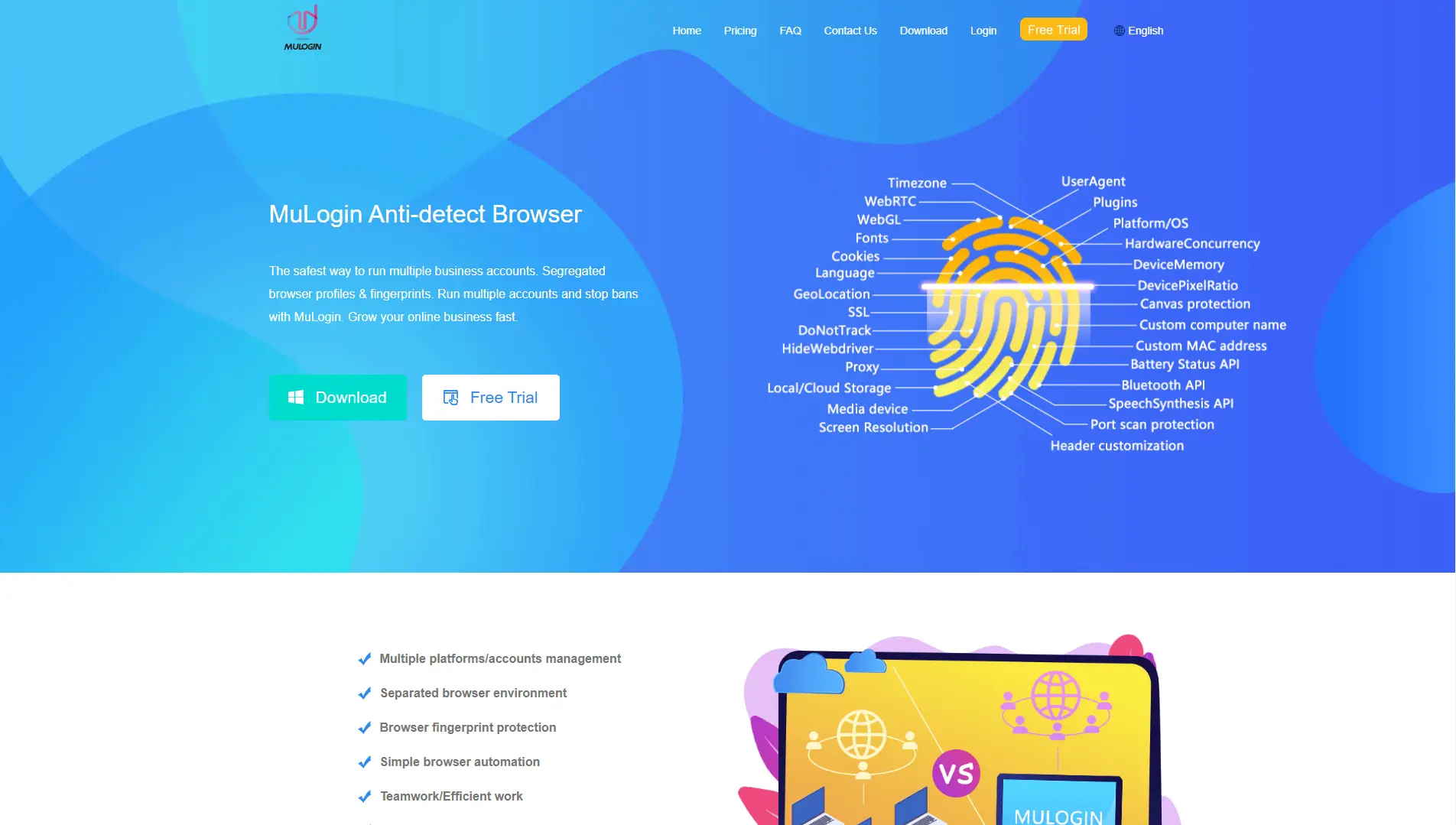
You can use DICloak to keep each Facebook group account in its own isolated browser profile. Each has a unique fingerprint, so Facebook sees them as separate users. Setting up a dedicated proxy for every account means their IP addresses never overlap, which cuts the risk of detection. DICloak’s RPA tools can automate group posts, likes, and comments, reducing manual errors and keeping activity patterns natural. Keeping accounts separated is the single most effective way to avoid mass bans.
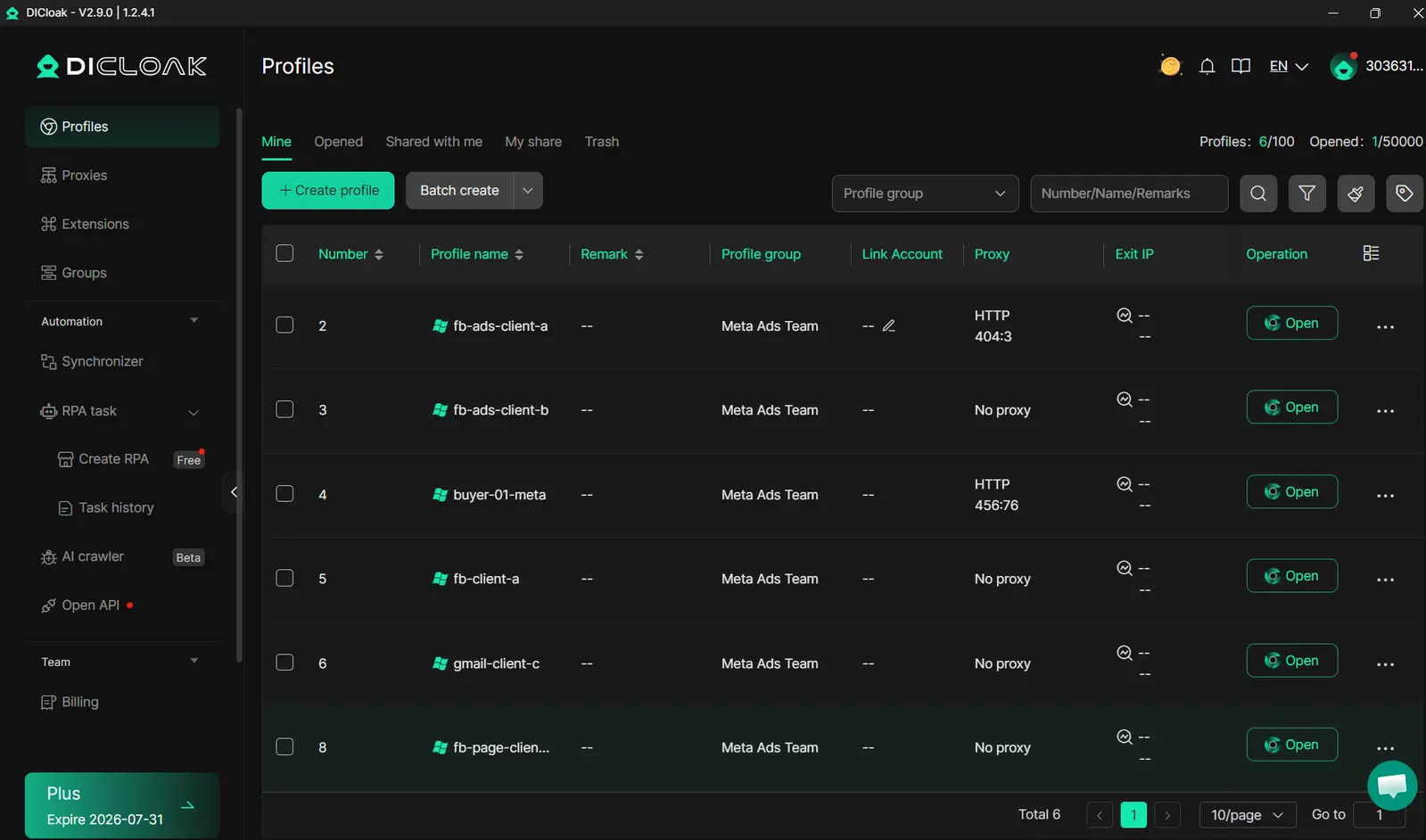
Team Collaboration: Sharing Access, Permissions, and Operation Logs
With DICloak, you can safely share group account access among team members. Each person gets permission only for the accounts they need, and every action, like posting or editing group info, is logged automatically. This not only stops accidental cross-contamination but also helps you trace back any problem if Facebook flags an account. For anyone working in teams, this is what actually lets you scale how to use facebook groups for marketing without losing control.
How to Automate Engagement and Scale Group Marketing Without Getting Flagged
Scaling group marketing on Facebook isn’t just about posting more. Most bans happen because activity looks fake or patterns repeat. If you want to know how to use facebook groups for marketing at scale, you need to automate like a real person, not a bot.
What Tasks Can Be Safely Automated in Facebook Groups
You can safely automate group tasks like liking, commenting, and posting content. Monitoring group trends is also possible, but blasting the same message everywhere puts accounts at risk. Stick to tasks you’d do by hand, just faster.
How to Mimic Real User Behavior and Avoid Detection
Timing is everything. Mix up when you post, like, or comment. Avoid sending the same link or message to multiple groups at once. Facebook’s filters look for patterns, so random actions and breaks between tasks help accounts blend in.
Scaling Up: Multi-Account Automation and Bulk Operations
Tools like DICloak let you run multiple Facebook accounts with unique browser fingerprints and proxy settings. That means group actions don’t get linked. Teams can share account profiles and set permissions, making sure only trusted people control bulk posts. The RPA and synchronizer features run group tasks safely across accounts, with operation logs for tracking every step.
When Facebook Group Marketing Is Not the Best Fit, and What to Try Instead
Not every business gets results from group posts, no matter how much effort goes in. Some products or services just don’t fit the way Facebook groups work, and pushing harder only burns time. Here’s how to spot when how to use facebook groups for marketing isn’t worth it, and what works better instead.
Signs Your Audience Isn’t Active in Groups
If your posts get buried with zero comments or likes, that’s a warning. Even groups with thousands of members can be quiet if people join just to browse, not talk. Sometimes, your offer just doesn’t match the group’s mood, health products in a gaming group, for example, usually flop. Notice if group rules block promotions, or if admins remove your posts. When engagement is low week after week, it’s a sign to try something else.
Alternative Channels: Pages, Ads, and Other Social Platforms
Groups are only one piece of the puzzle. Facebook Pages let you build a public following. Ads can target by age, location, or interest, reaching more people for a set cost. Compare the basics:
| Channel |
Organic Reach |
Paid Reach |
Promo Allowed |
Best For |
| Facebook Groups |
Low-Med |
No |
Sometimes |
Niche discussions |
| Facebook Pages |
Low |
Yes |
Yes |
Brand building, updates |
| Facebook Ads |
N/A |
Yes |
Yes |
Lead generation, fast sales |
| Instagram/TikTok |
High |
Yes |
Yes |
Younger audiences, visuals |
| LinkedIn |
Med-Low |
Yes |
Yes |
B2B, professionals |
Table: Channel features compared. See Meta Business Help Center and Instagram’s guide for details.
Sometimes, switching from groups to short videos on TikTok or using LinkedIn for B2B makes more sense.
How to Combine Group Marketing with Other Strategies for Best Results
Success often comes from blending channels, not picking just one. Post in groups to start conversations, then share the best answers on your Page. Run ads to support your best group content. Track which channels bring leads, use UTM links or Facebook’s Insights. If your team manages several accounts, you can use DICloak’s social media tools to keep everything organized and reduce mistakes. Knowing how to use facebook groups for marketing is only one skill, combining it with other strategies often brings steady results.
FAQ: Common Questions About Using Facebook Groups for Marketing
How do I find Facebook groups that allow marketing posts?
Search for groups by keyword, then check their rules section. Look for “promotion allowed” or “business posts welcome.” Admins often pin these rules. If you don’t see clear guidelines, ask before posting or your messages may get deleted.
How often should I post in Facebook groups for marketing?
Posting too often looks spammy. Stick to once or twice a week in each group. Watch how active members interact, groups with daily discussions may allow more frequent posts, but test slowly to avoid restrictions.
What gets accounts banned when marketing in groups?
Accounts usually get banned for identical posts in too many groups, using the same links everywhere, or ignoring group rules. If you run several accounts, use separate browsers or DICloak’s social media tools to keep profiles isolated.
Can I use the same message in multiple groups?
It’s safer to rewrite each message. Facebook’s filters spot repeated text, minor changes aren’t enough. Personalize your intro or adjust the offer for each group.
What’s the fastest way to track results from group marketing?
Create a simple spreadsheet for each group, date, and response. Use trackable links from Bitly or Google Analytics to see which groups actually bring leads.
Frequently Asked Questions
Can I promote my business in multiple Facebook groups without getting banned?
Yes, you can promote your business in several groups if you avoid spammy tactics. Always follow each group’s rules and avoid posting the same message everywhere. If you use multiple accounts, keep them unique with different browser profiles. This approach is key for anyone learning how to use Facebook groups for marketing safely and effectively.
How do I track which groups generate the most leads or engagement?
To see which Facebook groups work best for your marketing, use UTM links for each group post. You can then track clicks in Google Analytics or similar tools. Also, keep a manual spreadsheet to log posts and results. This helps you measure how to use Facebook groups for marketing with real data.
Is it safe to automate posting or engagement in Facebook groups?
Automation can help, but you must use it carefully. Set realistic intervals between actions and avoid posting in many groups at once. Always act like a real user. Too much automation can get your account restricted. If you’re learning how to use Facebook groups for marketing, start slow and monitor results.
What are the best practices for sharing group accounts among team members?
Share group accounts by using separate browser profiles, like Chrome profiles or browser containers. Limit each person’s permissions and keep a log of who does what. This prevents confusion and helps protect your business account. This method keeps your Facebook marketing organized and secure.
How can I find niche or industry-specific Facebook groups?
Search Facebook using keywords related to your industry or target audience. Filter results by “Groups” and check the group’s activity level and member posts before joining. Look for groups with recent posts and active discussions. This helps you find the right groups for targeted marketing.
Effectively leveraging Facebook groups for marketing means focusing on authentic engagement, providing value, and building genuine community connections. By sharing relevant content and facilitating meaningful discussions, brands can foster trust and increase their visibility within target audiences. Try DICloak For Free
 Web Proxy Tools
 Free Tools
 Cookie Plugin
 UA Generator
 MAC Address Generator
 IP Generator
 IP Address List
 2FA Code Generator
 World Clock
 Anonymous Check
 WebRTC Leak Test
 UUID Generator
 Free Web Proxy Site
 Proxy Checker
 FB Ad Checker
 AI Web Scraping
 Free SMM Tools
 Twitter Shadowban Checker
 Instagram Name Checker
 UTM Generator
 Username Generator
 AI Hashtag Generator
 LinkedIn Headline Generator
 Social Media Image Resizer