Scoring tickets for high-demand events like Taylor Swift or the NBA Finals often feels like a lottery. When millions of fans click "Join Queue" simultaneously, the system slows to a crawl. Most people think they are stuck because of bad luck, but seasoned resellers know the truth: they are stuck because they are playing by the rules. To truly secure a seat, you need to know how to bypass Ticketmaster queue limitations effectively and safely.
While you cannot physically "hack" the server, you can optimize your position. The standard Ticketmaster queue assigns a random ID to every user who enters. If you only enter with one device, your chances are slim. However, understanding how to legally multiply your entries without getting flagged is the secret to bypassing the long wait. In this guide, we will move beyond basic advice like "clear your cookies" and reveal the real strategies to bypass Ticketmaster queue bottlenecks in 2026.
What Is the Ticketmaster Queue and Why Does It Exist?
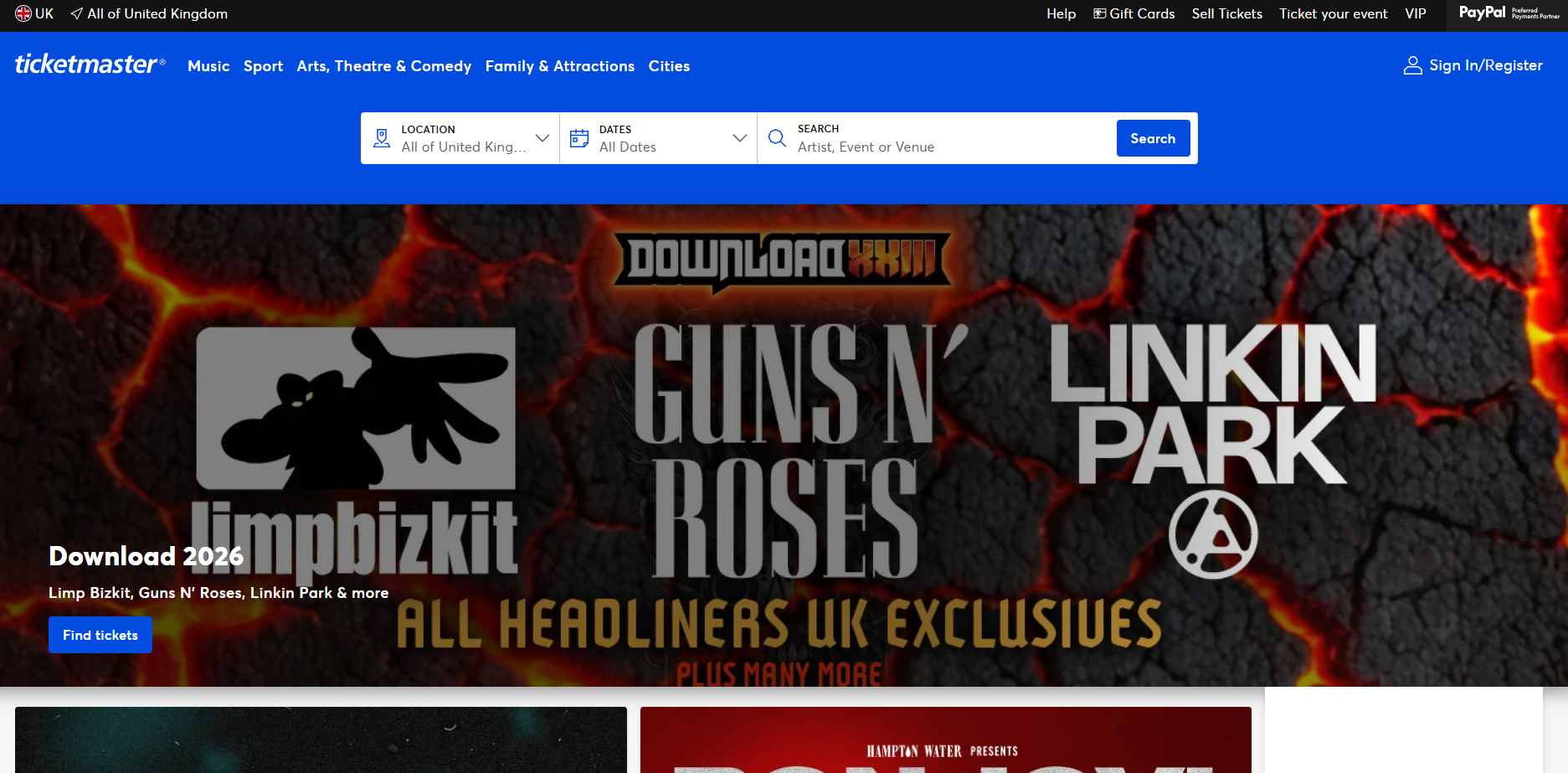
When you click “Buy Tickets” and see “You’re in line,” you’ve entered the Ticketmaster queue — a virtual waiting room that manages traffic during high-demand sales. The Ticketmaster queue prevents crashes by pacing user entry, filtering suspicious activity, and keeping checkout stable. Without it, events like Taylor Swift tours or NBA finals could overwhelm servers.
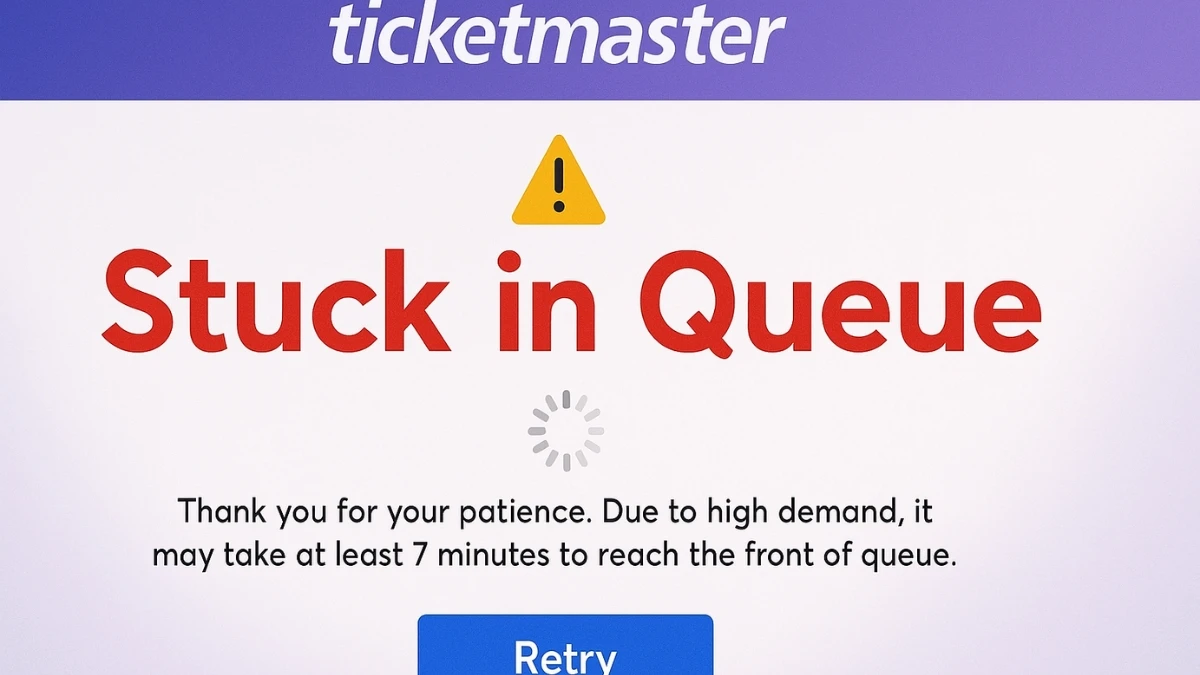
Yet many users still face the frustrating Ticketmaster queue not loading issue. Some try to bypass Ticketmaster queue bottlenecks with multiple browsers, devices, or proxies, but the system detects identical patterns and resets their spot. In reality, understanding how the Ticketmaster queue works is far more effective. Each session randomizes placement for fairness, while unstable networks or shared IPs can trigger Ticketmaster queue not loading errors and cost you your chance at tickets.
Why the Ticketmaster Queue Not Loading Error Happens
The Ticketmaster queue not loading error is one of the most common frustrations during major ticket drops. It usually happens when Ticketmaster’s servers face heavy traffic, overloaded requests, or conflicting session data. In simple terms, too many people are trying to buy tickets at once, and the Ticketmaster queue struggles to keep connections stable. This can cause endless refreshing, frozen screens, or blank pages. Even small issues like outdated cookies or weak Wi-Fi can make the Ticketmaster queue appear stuck.
Sometimes the problem is behavioral. Opening multiple tabs or accounts to bypass Ticketmaster queue filters can trigger security responses, forcing a session reset or showing the dreaded Ticketmaster queue not loading screen. The system flags repeated logins, shared IPs, or suspicious refreshes as bot-like behavior. To avoid this, use one stable connection, clear your cache before joining, and avoid constant refreshing. With patience and preparation, you can move through the Ticketmaster queue smoothly and reduce the risk of Ticketmaster queue not loading errors.
How the Ticketmaster Queue Works Behind the Scenes
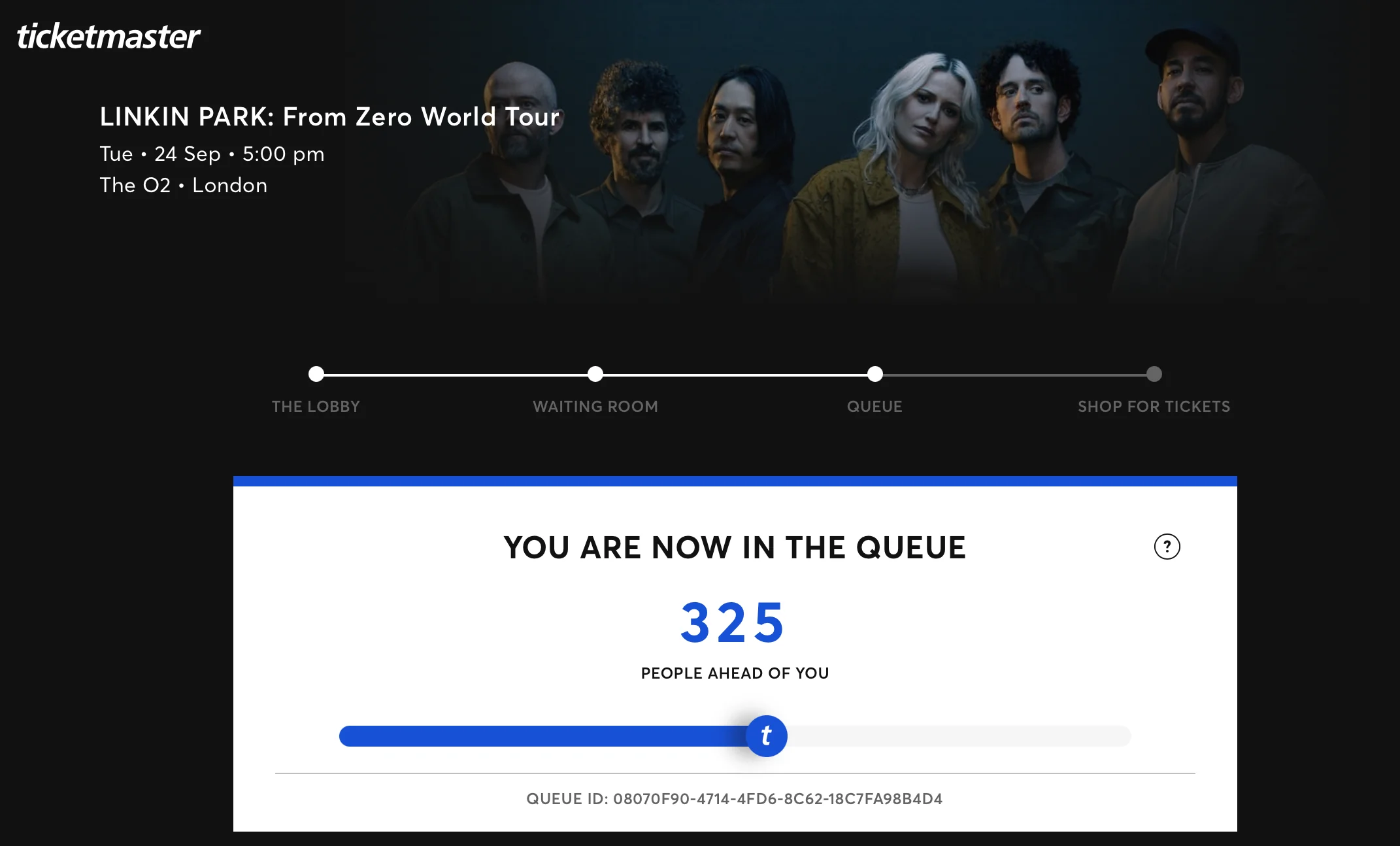
The Ticketmaster queue is more than a waiting line—it’s a traffic-control system that decides who moves forward and who gets stuck. Each browser session is analyzed for IP, fingerprint, and behavior patterns to keep bots from trying to bypass Ticketmaster queue rules. When demand surges, servers randomize positions, which explains why refreshing too often or using unstable connections often causes the ticketmaster queue not loading error.
How the Ticketmaster Queue Prioritizes Users
The Ticketmaster queue uses algorithms to verify each user’s legitimacy. Attempts to bypass Ticketmaster queue with multiple tabs or identical IPs are flagged and can freeze the queue. These triggers are also a major cause of ticketmaster queue not loading, which resets your session. Maintaining one stable device and avoiding automation tools improves your chances of staying active in the Ticketmaster queue.
Why Some Ticketmaster Queue Sessions Move Faster
Some users move faster through the Ticketmaster queue because their sessions remain stable and unflagged. Shared IPs, VPN drops, or repeated refreshes slow the process and may display ticketmaster queue not loading screens. Staying patient and avoiding attempts to bypass Ticketmaster queue gives you the best odds of completing checkout successfully.
How to Prepare to Bypass Ticketmaster Queue Problems?
A successful ticket purchase often starts long before the sale opens. Proper preparation can prevent ticketmaster queue not loading errors and help you bypass Ticketmaster queue delays effectively. This section breaks down key steps to optimize your setup, devices, and timing so you can move smoothly through the Ticketmaster queue when every second counts.
1.Optimize Your Ticketmaster Account
- Log in early — Sign in 15–30 minutes before tickets go on sale. Being logged in ensures your session is authenticated when the Ticketmaster queue opens.
- Save payment and delivery info — Auto-filled forms sometimes fail during high demand, increasing the risk of session resets or ticketmaster queue not loading issues.
- Avoid frequent re-logins — Switching accounts or logging out during queue time can trigger anti-bot checks designed to block bypass Ticketmaster queue attempts.
2.Strengthen Network and Browser Setup
- Use a stable connection — Prefer wired or high-speed Wi-Fi; unstable signals often cause the ticketmaster queue not loading message.
- Clear cache and cookies — Old session data can confuse Ticketmaster’s servers, interrupting your place in the Ticketmaster queue.
- Use isolated profiles — Dedicated browser profiles prevent cross-account data conflicts and reduce detection risks for users trying to bypass Ticketmaster queue safely.
- Avoid multiple tabs or devices — Simultaneous sessions under one IP can freeze the Ticketmaster queue and flag your activity as suspicious.
3.Manage Timing and Entry Strategy
- Join early — Enter the event page 10–20 minutes before the sale. Early entry ensures your session loads fully before traffic peaks, lowering ticketmaster queue not loading risks.
- Stay on one page — Do not refresh or jump between tabs once inside; constant reloads may trigger rate-limiting algorithms that penalize bypass Ticketmaster queue behavior.
- Monitor queue stability — If your screen freezes, wait several minutes before refreshing. Abrupt reloads can reset your position in the Ticketmaster queue entirely.
By following these structured steps, you significantly reduce the chance of ticketmaster queue not loading disruptions while maintaining compliance with Ticketmaster’s systems. Preparation, consistency, and patience—not force—are the true keys to bypassing Ticketmaster queue delays successfully.
The "Multi-Queue" Strategy: The Only Real Way to Bypass
Many users ask: "Is there a specific link to jump ahead?" The answer is no. The only working method to bypass Ticketmaster queue delays is to increase your probability. Think of the queue as a raffle. One browser tab equals one ticket. To win, you need more tickets.
However, simply opening 10 Chrome tabs won't work. Ticketmaster tracks your "Browser Fingerprint" and IP address. If it sees 10 tabs from the same digital identity, it will merge them into one queue spot—or worse, give you the "Queue Not Loading" error.
This is where browser isolation is key. To successfully run the Multi-Queue Strategy, you must treat each queue entry as a separate physical device. This is impossible with a standard browser but easy with tools like Dicloak Antidetect Browser. By creating isolated profiles, you can enter the queue 10 or 20 times simultaneously. If one account gets position #50,000 and another gets #400, you simply proceed with the fast one. This is the most effective way to bypass Ticketmaster queue waiting times without breaking the rules.
How Can You Fix the Ticketmaster Queue Not Loading Error Quickly?
When the ticketmaster queue not loading error strikes, quick, methodical action can often restore access without losing your spot. Most problems stem from weak connections, browser conflicts, or Ticketmaster’s security checks mistaking your activity for a bypass Ticketmaster queue attempt.
1.Check Connection and Browser Health
- Use a wired or stable Wi-Fi connection; poor signals frequently cause the Ticketmaster queue to freeze.
- Close extra tabs and heavy downloads that drain bandwidth.
- Restart your browser or clear cache before rejoining—the ticketmaster queue not loading error often vanishes after a clean start.
2.Reset Cookies and Disable Add-ons
- Old cookies or ad-blockers can corrupt the Ticketmaster queue session.
- Clear cookies, reopen the site in a fresh tab, and temporarily disable extensions.
- Stay in one browser window; switching devices mid-queue may look like an attempt to bypass Ticketmaster queue controls.
3.Verify IP or Proxy Settings
- Shared or public IPs can trigger ticketmaster queue not loading screens.
- If possible, switch to a residential IP and avoid changing proxies during checkout.
- Multiple IP switches resemble automation and may reset your Ticketmaster queue position.
4.Refresh Safely
- If stuck, wait 3–5 minutes before reloading. Excessive refreshing can kick you out of the Ticketmaster queue entirely.
- A second device can monitor progress while your main session stays steady.
- Controlled patience usually outperforms force—keeping the Ticketmaster queue stable without triggering another ticketmaster queue not loading loop.
How to Use Common Tactics to Improve Ticketmaster Queue Success?
Improving your chances in the Ticketmaster queue doesn’t require risky tricks. A few smart, legal habits can help you bypass Ticketmaster queue delays safely and reduce ticketmaster queue not loading errors.
1.Join the Ticketmaster Queue Early
Enter the event page 10–20 minutes before sales start so your browser can fully sync with the Ticketmaster queue system.
Downside: if many users do this, early entry can still mean long waits and a higher chance of server-side slowdowns.
2.Register for Presales or Verified Fan Access
Presales and verified programs use smaller, controlled queues that reduce congestion and Ticketmaster queue not loading errors.
Downside: presales are limited and require registration or eligibility—relying on them alone may not guarantee access.
3.Use Multiple Devices the Right Way
You can join from different devices or browsers—but use only one tab per device and avoid identical IPs or shared Wi-Fi so sessions appear independent.
Downside: managing multiple devices increases complexity, raises the chance of accidental account linkage, and can still trigger Ticketmaster queue security checks if not properly isolated.
How DICloak Antidetect Browser Can Help You to Bypass the Ticketmaster Queue?
If you’ve faced the frustration of a frozen Ticketmaster queue or blocked access to high-demand tickets, DICloak antidetect browser—a cutting-edge antidetect browser—solves two critical pain points: bypassing Ticketmaster queues. Engineered for professional multi-account management, it creates fully isolated, human-centric browser profiles to avoid Ticketmaster’s anti-scalping algorithms, operate at scale, and secure prime tickets. For legitimate resellers and professionals alike, DICloak antidetect browser delivers the privacy, control, and automation needed to outpace competitors—all while keeping queues accessible.
Isolated Profiles to Bypass Ticketmaster Queue
Ticketmaster flags suspicious activity (shared fingerprints, repeated logins) as the top cause of queue blocks or loading failures. DICloak antidetect browser’s profile isolation fixes this by creating unique, independent browser profiles—each with a distinct browser fingerprint, custom settings, and simulated human behavior (delayed clicks, varied navigation). This lets you run multiple ticket-buyer profiles on one device to bypass Ticketmaster queues simultaneously, prevent cross-contamination, and avoid triggering anti-fraud measures that freeze queues. Key benefits: more queue access, protected accounts, and eliminated loading errors.
Configure Proxies to Bypass Ticketmaster Queue
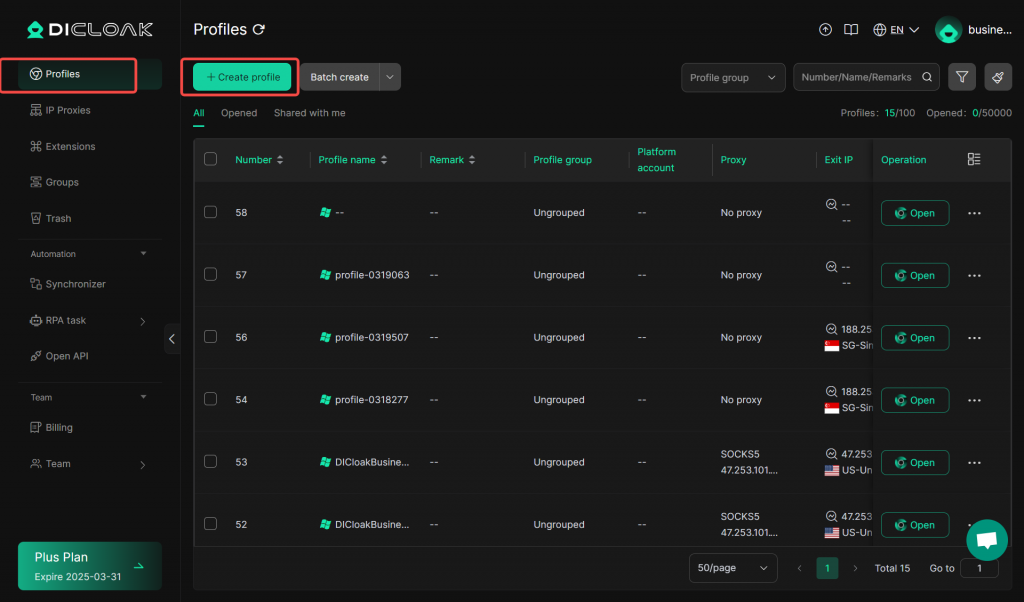
IP linkage is a major trigger for Ticketmaster queue bypass failures. DICloak antidetect browser’s robust proxy integration (supports HTTP/HTTPS, SOCKS5) enables real-time IP switching, letting you assign unique IPs to each profile. This masks your real location, avoids IP linking between accounts, and resolves loading issues from blacklisted/overused IPs. With geographic IP simulation, you can access region-specific Ticketmaster queues seamlessly—critical for scaling operations without queue blocks.
Automation Tools to Bypass Ticketmaster Queue
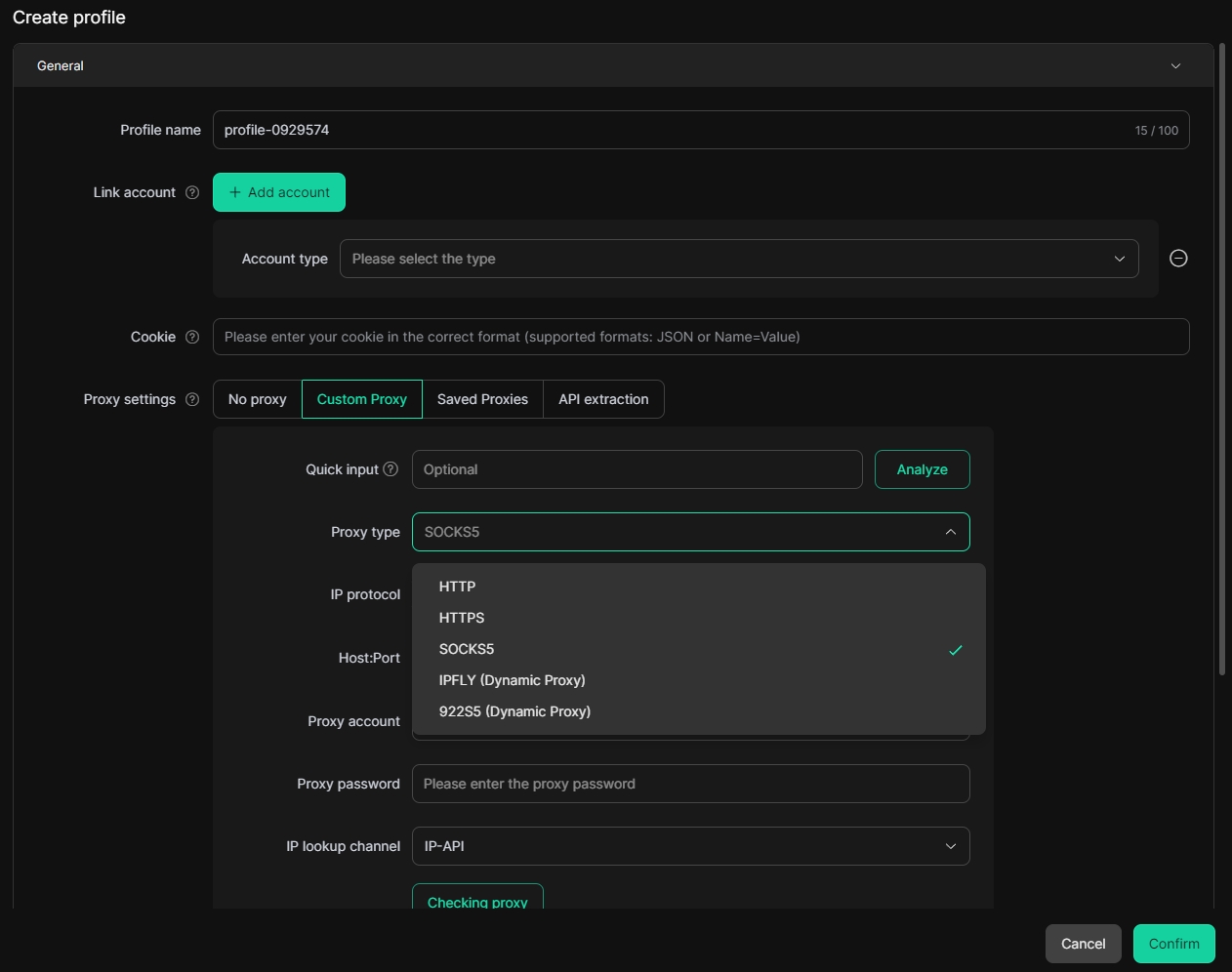
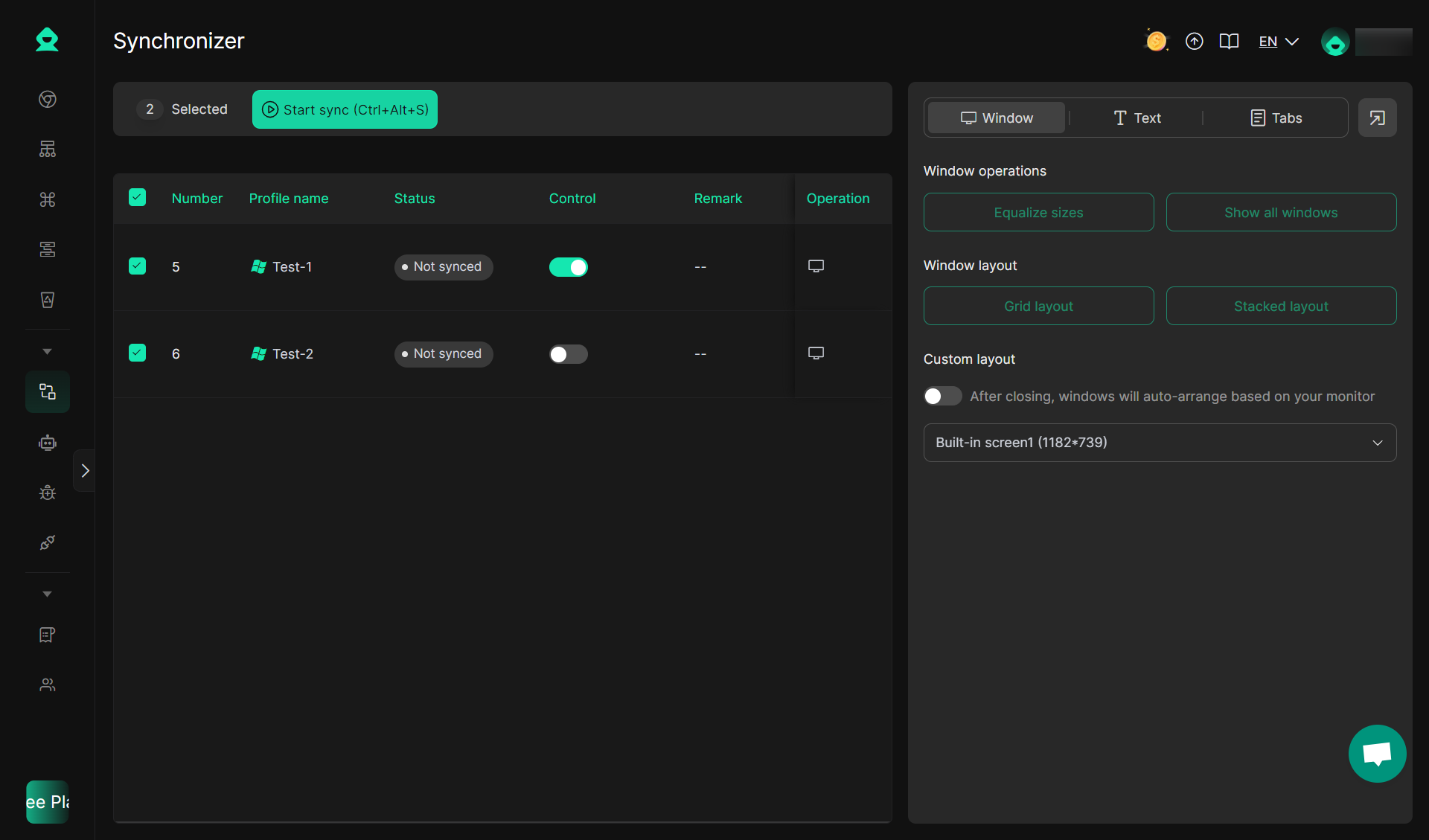
Manual multi-account management causes errors (missed queue times, over-refreshing) that break Ticketmaster queues. DICloak antidetect browser’s browser automation eliminates this: built-in RPA templates automate queue joining, page refreshing, and inventory monitoring—while custom templates fit your strategy. Window synchronization and bulk operations let you run multiple queue tasks simultaneously across accounts, mimicking human behavior to avoid detection. This boosts efficiency, cuts loading errors, and lets you scale without extra manual work.
Secure Team Workflows to Bypass Ticketmaster Queue
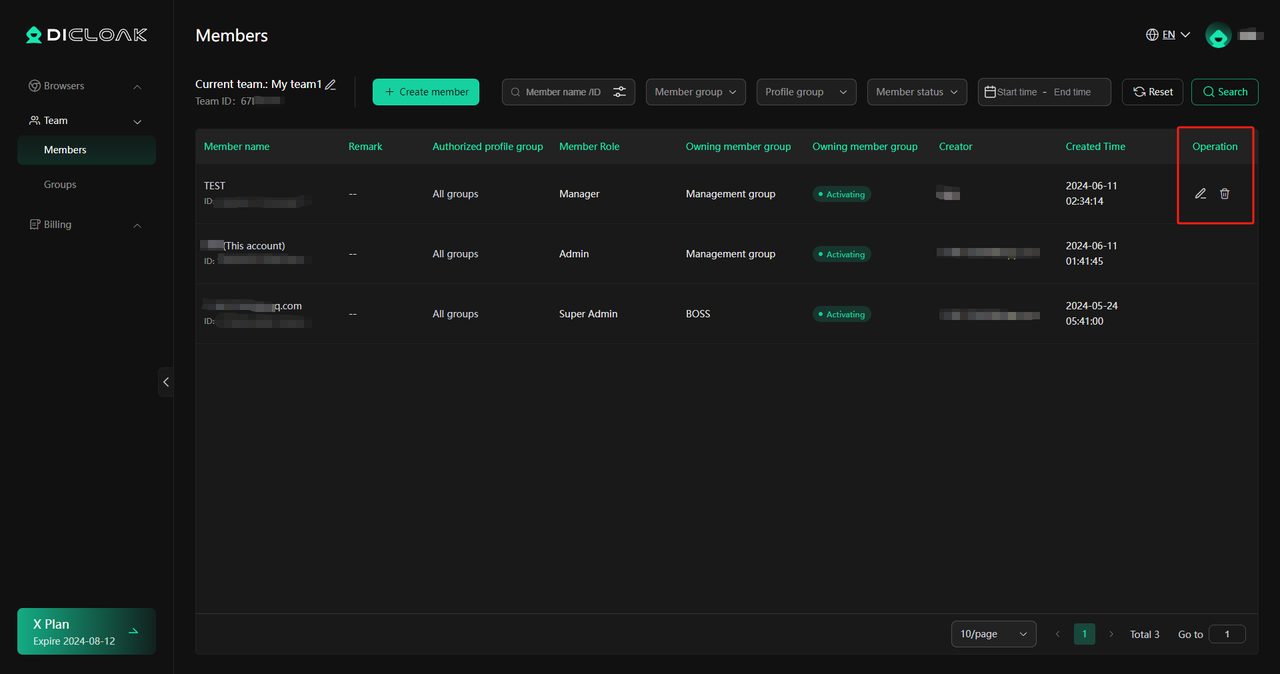
For teams, accidental account linkage triggers Ticketmaster queue blocks and loading errors. DICloak antidetect browser’s team collaboration tools offer role-based permission management (preventing missteps) and real-time action monitoring (tracking queue access/loading issues). Secure, isolated workflows let teams manage multiple Ticketmaster queues simultaneously without cross-contamination—streamlining teamwork and keeping bypass efforts reliable as you scale.
Frequently Asked Questions About the Ticketmaster Queue
Even with preparation, many users still face confusion when navigating the Ticketmaster queue. Below are the most frequent questions and quick, practical answers to help you move through the process smoothly while avoiding ticketmaster queue not loading issues.
1.Why Is My Ticketmaster Queue Not Moving?
The Ticketmaster queue may appear stuck when servers are processing high volumes or verifying connections. Don’t refresh immediately—doing so may reset your position or be flagged as a bypass Ticketmaster queue attempt. Wait a few minutes before reloading; progress often resumes automatically.
2.Why Is the Ticketmaster Queue Not Loading at All?
A blank or frozen screen usually means your browser cache, cookies, or IP caused a conflict. Clear data, disable extensions, and reconnect using a stable network. Avoid shared proxies or multiple sessions—they often trigger the ticketmaster queue not loading error.
3.How Long Does the Ticketmaster Queue Take?
Queue time depends on event demand and Ticketmaster’s server load. High-demand sales may take 15–60 minutes. Joining early and keeping your browser stable helps reduce waiting time and prevents ticketmaster queue not loading interruptions.
4.Can I Join the Ticketmaster Queue from Multiple Devices?
Yes—but use different IPs or networks. Logging into the same account across several devices may trigger a bypass Ticketmaster queue detection, freezing all sessions. Keep each device independent to improve reliability.
Final Thoughts on Bypassing the Ticketmaster Queue
In the race for tickets, speed isn't enough—you need the right technology. While clearing your cache and checking your Wi-Fi are good habits, they won't help you jump ahead of 100,000 other fans. To truly bypass Ticketmaster queue limitations, you need to leverage the power of isolated browser profiles.
By using DICloak to manage multiple independent queue entries, you stop relying on luck and start relying on probability. Whether you are a fan trying to see your idol or a professional securing inventory, remember: the best way to bypass the line is to have more spots in it.
 Web Proxy Tools
 Free Tools
 Cookie Plugin
 UA Generator
 MAC Address Generator
 IP Generator
 IP Address List
 2FA Code Generator
 World Clock
 Anonymous Check
 WebRTC Leak Test
 UUID Generator
 Free Web Proxy Site
 Proxy Checker
 FB Ad Checker
 AI Web Scraping
 Free SMM Tools
 Twitter Shadowban Checker
 Instagram Name Checker
 UTM Generator
 Username Generator
 AI Hashtag Generator
 LinkedIn Headline Generator
 Social Media Image Resizer