Are your TikTok views suddenly dropping? Is your content no longer appearing on the For You Page? You might be experiencing a shadowban. In this guide, we’ll show you how to know if you're shadowbanned on TikTok, the common causes behind it, and actionable steps to get your account back on track. Whether you’re a creator or a business, understanding shadowbans is crucial for maintaining visibility and growth on TikTok. Let’s dive into how to identify, fix, and prevent shadowbans on the platform!
How to Identify If You're Shadowbanned on TikTok
When you're using TikTok, it's important to understand the platform's rules and how it affects your content. One issue that many creators face is shadowbanning, a situation where TikTok limits the reach of your content without notifying you. This can leave you wondering what happened to your visibility and why your views suddenly drop. In this section, we’ll explore what a shadowban is and how it differs from other types of account restrictions.
What is a Shadowban?
A shadowban on TikTok means your account or videos are hidden from many users without you being told. You may still post, like, and comment as usual, but your content won't appear on the For You Page (FYP) or in search results the way it did before. This results in a significant drop in engagement, making it feel like your content is not reaching new viewers.
For example, an account that normally gets 1,000 views per video might suddenly get only 20–30 views, even if no changes are made to the type or timing of the posts. This sudden drop is a key sign that you might be shadowbanned. The platform's algorithms reduce your reach, but there’s no official notification. This is a common way that creators discover how to know if you're shadowbanned on TikTok.
TikTok’s system uses automated tools to monitor videos for spam, harmful content, or rule-breaking behavior. If a video is flagged, the algorithm quietly limits its visibility, meaning fewer people will see it, but you won’t be informed directly. This hidden nature of shadowbans makes it tricky for users to figure out exactly what went wrong.
How Shadowbanning Differs from Regular Bans
Now that we know what shadowbanning is, it’s important to understand how it compares to regular bans on TikTok. While both result in restrictions, they are very different in how they impact your account and your content visibility.
Shadowban:
- Your account remains active, and you can still use TikTok.
- Your videos are hidden from broader audiences, making it difficult to gain new views and followers.
- There is no notification or direct message telling you that you’re shadowbanned.
- Your reach is limited, but you are not completely blocked from the platform.
In contrast, a regular ban is more severe:
- TikTok blocks access to your entire account.
- You’ll receive a notification or message explaining the ban and why it occurred.
- The ban can be a result of violating TikTok’s rules, like copyright infringement or dangerous content.
- Regular bans prevent you from posting, viewing content, and interacting with the platform entirely.
To put it simply: a regular ban is like having your account locked out, while a shadowban is more like a hidden restriction that limits your exposure without telling you why. This makes it harder for creators to identify what went wrong, leading to confusion about how their content is being restricted. Understanding the differences can help you identify what’s happening to your account and how to fix it.
Signs You Might Be Shadowbanned on TikTok
After understanding what a shadowban is and how it differs from a full account ban, the next step is recognizing the signs that your visibility might be restricted. TikTok doesn’t send warnings when it limits your content, so you need to watch for strong signals in your account’s performance. These signs often show up in your engagement metrics and how TikTok displays your videos to others.
Sudden Drop in Engagement
One of the clearest signs you might be shadowbanned is a sharp drop in engagement. If your usual views, likes, comments, and shares suddenly decrease — for instance, a drop of 60-80% compared to your normal posts — it could indicate that your content is being hidden from new viewers. This happens even when you post similar content at the usual time. Many creators report this drop as a key sign when they suspect a shadowban.
For example, if you typically get 1,000 views and 100 likes, but your next video gets only 100 views and 5 likes, it’s not likely a coincidence. This is a common sign that your content might be shadowbanned.
Disappearance from the “For You” Page
The For You Page (FYP) is where TikTok shares content with new users who might enjoy your videos. If your videos suddenly stop showing up on the FYP — especially to people who don’t follow you — this is another sign of a potential shadowban.
To check this, ask a friend who doesn’t follow you to look for your content on their FYP or search for your videos with a different account. If your content is rarely seen on their FYP, this could be a sign that TikTok's algorithm is limiting your reach.
Hashtags Not Functioning as Expected
Hashtags help your videos reach beyond your followers. If you notice your videos no longer appear under the hashtags you use, this could be another indicator that your reach is restricted.
You can test this by creating a unique or less popular hashtag, posting a video with it, and then searching for that hashtag from another account. If your video doesn’t appear after some time, this could mean TikTok is hiding your content.
Difficulty Uploading Videos
While most shadowbans affect visibility, in some cases, users may also experience issues when uploading new videos. This might not always indicate a shadowban, but when combined with the other signs, it becomes more meaningful.
Creators have reported problems like videos getting stuck on “processing,” receiving "under review" notices despite following the guidelines, or having failed uploads despite a good internet connection. If this happens repeatedly along with drops in engagement or disappearing from the FYP, it may suggest that you’re shadowbanned.
Analytics Anomalies
TikTok’s analytics can also reveal shadowban signs. Pay attention to these patterns:
- Sudden Traffic Source Changes: If most views come from your Personal Profile instead of the For You Page, this could signal that your content is being hidden.
- Geography Shifts: If your videos only reach viewers from your local area, rather than from diverse regions, it suggests a reach restriction.
- Time-based Patterns: If your videos see a sudden drop in views after the first few minutes, instead of growing over time, this can indicate limited visibility.
- Watch Time Declining: A sharp drop in watch time (how long people stay on your videos) may also signal a shadowban.
By watching for these signs, you can better understand how to know if you're shadowbanned on TikTok. The more of these indicators you notice, the stronger the case that your reach is being limited.
What Causes You to Be Shadowbanned on TikTok?
After knowing the signs of a shadowban and how to know if you're shadowbanned on TikTok, it’s also important to understand what can trigger it. Shadowbans don’t happen by accident — TikTok’s system acts when it thinks something may be wrong with your content or behavior. Below are the most common causes, explained simply with real examples so you can learn and avoid them.
Violating Community Guidelines
TikTok has rules called Community Guidelines that aim to keep the platform safe, positive, and fun for everyone. These rules cover dangerous content, hate speech, harassment, copyright issues, and more.
For example, posts that show violence, bullying others, or use copyrighted music can get flagged by TikTok’s automated systems. Even if it was not your intention, posting inappropriate or risky content may lead TikTok’s algorithm to limit your reach quietly — which is one of the top reasons creators find out how to know if you’re shadowbanned on TikTok.
A real case: A small creator once posted a dance video using music they didn’t have rights to. After a couple of similar posts, their views dropped sharply, and videos stopped appearing on the For You Page. They later discovered the music rights issue likely triggered limited visibility.
Engaging in Spammy Behavior
Spammy behavior means actions that look fake or automated. TikTok watches for patterns that feel unnatural, like:
- Following and unfollowing many accounts in a short time
- Mass liking or commenting very fast
- Using bots or automated tools to grow followers
- Posting repetitive or low‑quality content rapidly
If TikTok sees these signals, it may quietly reduce your content’s reach to protect users from spam. For example, one user tried using third‑party bots to gain followers rapidly. Their engagement numbers dropped after a few days, even though they kept posting content. This is a sign TikTok limited their visibility.
Using Banned or Restricted Hashtags
Hashtags help TikTok categorize content and show it to the right people. But some hashtags are considered banned or restricted because they are linked with harmful or inappropriate topics.
While TikTok does not publish the full list publicly, platforms track restricted tags that can hurt visibility. For example, tags connected to violent content or misinformation may be flagged. Using these can make your videos less visible or even removed from searches.
A simple test one creator did: they posted a video with a hashtag linked to controversial material and saw it barely showed up in TikTok search. After replacing it with safe, popular tags, their reach improved. This shows how hashtag choice can affect visibility.
Receiving Multiple User Reports
User reports are another factor. When others flag or report your content for inappropriate or harmful behavior, TikTok reviews it—both with automation and human moderators.
If multiple reports pile up, TikTok may reduce how often your content is shown. Even if your video doesn’t break the rules, frequent reporting can make the algorithm treat your account as suspicious. Over time, this may lead to limited reach or a shadowban, making it harder to grow your audience.
For example, a creator who posted controversial political commentary noticed many reports from other users. Shortly after, their average views dropped and videos stopped getting recommended — a sign that user reports may have influenced TikTok’s visibility system.
How to Check If You're Shadowbanned on TikTok
Now that you know what causes a shadowban and how to know if you're shadowbanned on TikTok, the next step is to check if it’s really happening. TikTok does not tell you directly when your visibility is limited, so you have to look for clues yourself. Below are clear steps you can take to confirm if your account or videos are being suppressed.
Analyzing Your Account Analytics
One of the best ways to check for a shadowban is by using TikTok’s built‑in analytics. TikTok lets you see where your views come from, how your videos perform, and who watches them. To review analytics, go to: Profile → Menu → Creator Tools → Analytics. Here’s what to look for:
- Traffic source shift: If most of your views are coming only from your Personal Profile instead of the For You Page, it could be a sign your content isn’t being recommended widely. Shadowbanned accounts often show very low FYP traffic.
- Stuck view count: Normal videos often grow in views over 24–48 hours. If yours barely grow after the first few minutes, this may point to a reach issue.
- Follower engagement: Check if your regular followers are seeing your videos. If they aren’t, that’s another signal of restricted visibility.
A creator who noticed a sudden drop in FYP traffic after consistent performance used analytics to confirm their reach was limited. They compared analytics from before and after the drop to notice the big shift — a key way to understand how to know if you're shadowbanned on TikTok.
Conducting Manual Tests
Analytics give data, but you can also test visibility manually. These simple tests use other accounts to check how TikTok displays your content:
- Use a secondary account: Ask a friend who does not follow you to search for your videos by username, hashtags, or on the FYP.
- Unique hashtag test: Upload a video with a unique hashtag (like your name + date). After 30–60 minutes, search that tag on the secondary account. If your video doesn’t appear under the tag, your visibility may be limited.
If multiple people using different accounts cannot find your content, this is a strong sign that TikTok is limiting your reach — helping you confirm how to know if you're shadowbanned on TikTok beyond just numbers.
Utilizing Third‑Party Tools
There are online tools that claim to check shadowban status for TikTok. Some can give quick results without logging into your account. For example:
- Tools like the Bulkoid TikTok Shadowban Checker only require your username and can scan your visibility data in seconds.
- Free shadowban tests from sites like Commentify AI or Spikerz’s Shadowban Calculator also exist. These tools compare your recent performance to typical patterns of accounts with known shadowbans.
⚠️ Caution: Always be careful with third‑party tools. Avoid any service that asks for your TikTok login details or password, as this can put your account at risk and may violate TikTok’s terms. The safest approach is to use tools that only need your public username, not passwords.
By combining analytics, manual tests, and safe third‑party checks, you can more confidently determine whether your account is shadowbanned. These steps help you go beyond guesswork and get a clearer view of your TikTok visibility — so you truly know how to know if you're shadowbanned on TikTok and what to do next.
How Long Will You Be Shadowbanned on TikTok?
Now that you know how to know if you're shadowbanned on TikTok and how to check for it, a big question most creators ask is: How long will this restriction last? TikTok doesn’t officially confirm shadowbans, so there is no exact rule. Still, many creators and social media experts have shared patterns and real experiences that help us understand shadowban duration.
How Long Can a Shadowban Last?
A shadowban on TikTok is usually temporary, not permanent. Most reports from creators show that the effects often lift within about two weeks. During this time, your content may not appear on the For You Page, your views may stay low, and engagement can remain limited. Some users see improvement around 7–14 days after the decline started.
However, the exact length can vary a lot. It depends on things like:
- Severity of the issue: Minor mistakes, like using an accidental banned hashtag, may result in a shorter shadowban (around a few days to 1 week).
- Repeated problems: If your content keeps breaking rules or you continue risky behaviors (like spammy activity), the shadowban can last longer — even up to 30 days or more.
- Your response: People who quickly fix problems — like removing flagged videos and stopping guideline violations — may see their visibility return sooner.
For example, one TikTok creator noticed a big drop in views after using a copyrighted sound. Their reach stayed limited for about 12 days before gradually returning as they stopped posting and cleaned up their content. Other creators report shorter bans (about a week) when the suspected violation was less severe.
It’s important to remember that TikTok still doesn’t officially acknowledge shadowbans, and there is no guaranteed timeline. However, most real‑world experiences suggest that shadowbans are temporary and will often fade within weeks if you correct the root causes. This experience‑based view helps you better understand how to know if you're shadowbanned on TikTok and prepare for recovery.
If your visibility does not improve after several weeks, it may be worth reviewing your recent activity closely and making significant changes — or contacting TikTok support for help. By staying informed and adjusting your behavior, you give your account the best chance to recover quickly.
Steps to Remove a Shadowban When You're Shadowbanned on TikTok
Once you know how to know if you're shadowbanned on TikTok and how long it might last, the next step is what to do about it. Shadowbans are not always permanent, and many creators have successfully recovered by taking clear, thoughtful actions. Here are proven steps you can follow to help remove a shadowban and restore your account’s visibility.
Deleting Offending Content
The first and most important step is to find and remove any content that might have caused the shadowban. This includes videos that may break TikTok’s rules, such as:
- Clips with copyrighted music you don’t own
- Content flagged as spam or low‑quality
- Videos with banned or risky hashtags
- Posts that might be seen as offensive or harmful
Deleting the problematic posts shows TikTok that you are correcting the issue. Many creators report that once they removed the offending content and paused posting for a few days, their visibility began to improve.
Tip: Don’t delete too many videos at once or all of your content. This can confuse the system and make recovery slower. Start with the most likely problematic ones first.
Contacting TikTok Support
If removing content doesn’t help, you can try to appeal directly to TikTok. While TikTok rarely admits a shadowban, you can still submit a formal request for review.
- Open the TikTok app.
- Go to Profile → Menu (three lines) → Settings and privacy.
- Tap Report a problem.
- Choose Account and profile and then Account issue.
- Explain clearly what happened and that you believe your content is being limited.
Be calm and professional. Explain that you want to fix the issue and follow the rules. TikTok may review your account and sometimes lift restrictions. Even if they don’t use the term shadowban, your appeal still creates a record of review.
Clearing Cache and Reinstalling the App
Sometimes a shadowban feels worse because of app glitches. Clearing the app’s cache or reinstalling TikTok can help reset your app environment. This doesn’t guarantee a removal of the shadowban, but it can help refresh your connection to TikTok’s systems.
Here’s a simple way to do it:
- Clear TikTok cache:
Go to Settings & privacy → Cache & Cellular Data → Free up space and clear cache.
- Reinstall the app:
Delete TikTok from your phone, then download it again. Log in and check your videos after a short break.
Many creators report that clearing cache and refreshing the app helped improve performance once other steps were taken.
Avoiding Controversial Content Moving Forward
After you’ve taken corrective actions, the best way to avoid another shadowban is to be careful with your future posts. This means:
- Stick to TikTok’s Community Guidelines.
- Use popular, safe hashtags that don’t appear on restricted lists.
- Avoid spammy behavior like mass liking, following/unfollowing rapidly, or using bots.
- Focus on high‑quality, original content that your real audience enjoys.
Creators who follow these tips often see their accounts recover faster and stay in good standing. By keeping your content clean and respectful, you not only avoid shadowbans but also build stronger engagement over time — a key part of understanding how to know if you're shadowbanned on TikTok and preventing it in the future.
Taking these steps doesn’t guarantee an instant fix, but they have helped many TikTok creators recover visibility. Be patient, keep learning from your analytics, and make thoughtful changes — your content can bounce back with the right approach.
Prevention Strategies to Avoid Being Shadowbanned on TikTok
After learning how to know if you're shadowbanned on TikTok and how to recover from it, the best step is to prevent it from happening again. Shadowbans can disrupt your reach and slow your growth, so taking proactive actions keeps your account healthy and visible. Below are clear, real‑world prevention strategies that successful creators use.
Adhering to Community Guidelines
To avoid a shadowban, always follow TikTok’s Community Guidelines — the platform’s official rules for what content is allowed and what isn’t. These guidelines exist to make TikTok safe, positive, and welcoming for everyone. TikTok uses automated systems and human review to detect harmful or rule‑breaking content and can limit visibility if rules are broken.(turn0search1)
Best practices include:
- Avoid violent, hateful, or harmful content.
- Don’t use copyrighted material without permission.
- Keep language and behavior respectful.
For example, a creator who regularly avoided copyright issues by using only TikTok’s music library maintained steady engagement and never faced reach problems. This shows that following rules helps keep your videos in front of more people.
Engaging Authentically with Followers
Genuine engagement with your followers helps prevent a shadowban because TikTok rewards real interactions. Authentic engagement means you talk to real people, not use automation or spammy tactics. Avoid rapid follow/unfollow behavior, mass liking, or using bots — these actions can look unnatural and may trigger algorithmic limits.(turn0search0)
Tips for authentic interaction:
- Reply to comments with thoughtful responses, not just emojis.
- Watch and interact with videos in your niche naturally.
- Follow accounts related to your interests slowly and meaningfully.
A TikTok creator who focused on commenting and replying to followers saw better engagement growth than peers who used automated tools. This real human interaction signaled TikTok that the account was genuine and not spammy.
Regularly Monitoring Content
Keeping an eye on your content helps you spot early signs of trouble before it leads to a shadowban. You can check metrics like watch time, traffic sources, and hashtag performance to see if something changes suddenly. Monitoring this regularly allows you to react quickly and keep your account safe.
How to monitor effectively:
- Use TikTok’s analytics to watch engagement trends.
- Look for sudden drops in views or disappearance from the For You Page.
- Check if the hashtags you use still show your videos in search results.
For example, some creators review their last 10 videos every week. If they see engagement dropping or hashtag visibility fading, they adjust their strategy — perhaps by changing hashtags, editing captions, or removing risky content. This proactive monitoring can help you know how to know if you're shadowbanned on TikTok before it becomes a bigger problem.
By following these prevention strategies — sticking to community rules, engaging genuinely with your followers, and watching your content closely — you greatly reduce the risk of a shadowban. These practices not only help protect your account but also support long‑term TikTok growth and visibility, keeping your content in front of real audiences and helping you build a stronger presence on the platform.
Why choose DICloak Antidetect Browsers for your business?
⚡The DICloak Antidetect Browser has become a global favorite for its unparalleled ability to efficiently and securely manage multiple accounts. Designed for professionals in social media management and more, DICloak offers powerful features like RPA automation, bulk operations, and a synchronizer. Additionally, it allows you to customize fingerprints and integrate proxies for each profile, ensuring top-level security and operational efficiency. It’s the ultimate tool for seamless, secure, and scalable operations.
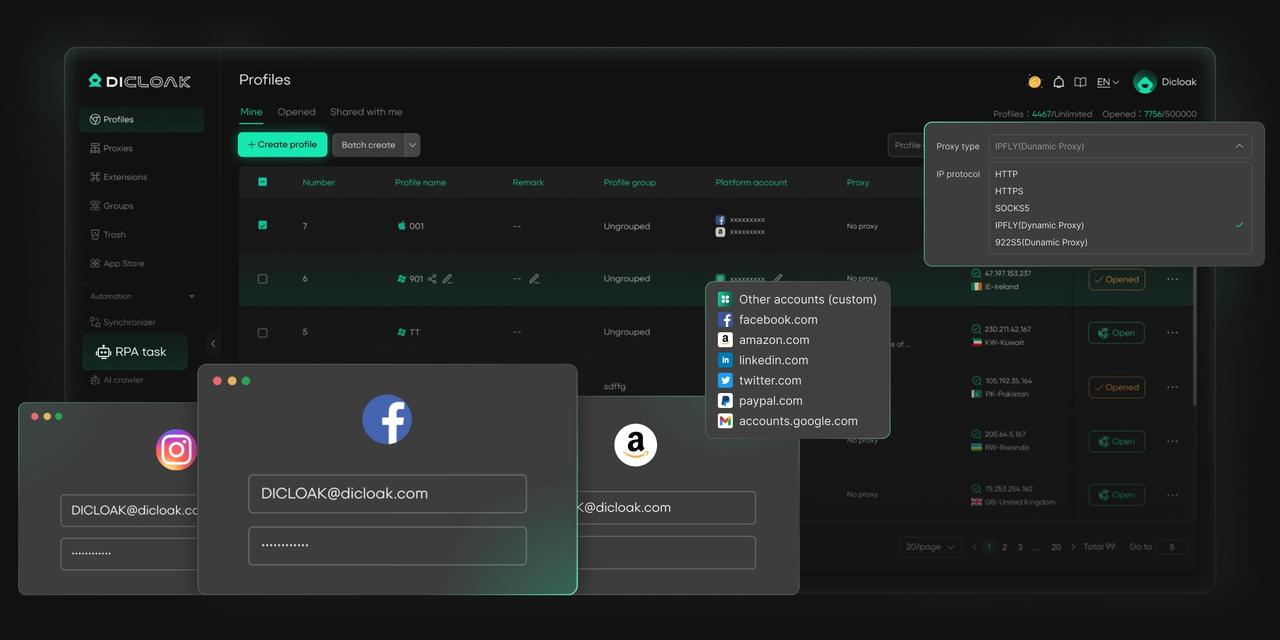
What Makes DICloak Stand Out?
✅ Manage 1,000+ Accounts on One Device:
Stop wasting money on extra hardware! DICloak allows you to manage multiple accounts on a single device, cutting costs and boosting efficiency.
✅ Guaranteed Account Safety, No Ban Risks:
Every account gets its own isolated browser profile with custom fingerprints and IPs, drastically reducing the risk of bans. Your accounts, your control!
✅ Flexible Proxy Configuration for Maximum Performance:
Seamlessly integrate with all major proxy protocols (HTTP/HTTPS, SOCKS5) and manage your proxy pool with bulk operations. No more struggling with IP management—DICloak has you covered.
✅ Streamlined Team Collaboration for Better Results:
Easily manage your team with advanced tools like profile sharing, permission settings, data isolation, and operation logs. Your team works smarter, not harder.
✅ Automate the Grind with RPA:
DICloak's built-in RPA saves you hours of manual work. Automate repetitive tasks, streamline workflows, and focus on what really matters—growing your business.
✅ Powerful Bulk Tools to Scale Your Operations:
Create, import, and launch multiple browser profiles in one click. DICloak makes scaling your business as easy as it gets.
✅ Compatible with All Major Operating Systems:
Based on the Chrome core, DICloak supports simulating Windows, Mac, iOS, Android, and Linux operating systems. No matter what platform you need, DICloak has you covered.
🔗 Ready to Get Started?
Visit the DICloak website to explore more details and choose the plan that’s right for you. Start for free today and experience the power of secure, efficient, and scalable multi-account management!
Conclusion
This article covers how to know if you're shadowbanned on TikTok and how to recover from it. Key signs include a drop in engagement, disappearance from the For You Page, and issues with hashtags or video uploads. To check, use TikTok’s analytics and manual tests. If you’re shadowbanned, remove problematic content, contact TikTok support, clear the app’s cache, and reinstall TikTok. To prevent future shadowbans, follow TikTok’s guidelines, engage genuinely with followers, and regularly monitor your content.
FAQ
How do I know if I'm shadowbanned on TikTok?
To know if you're shadowbanned on TikTok, watch for signs like a sudden drop in engagement, disappearing from the For You Page, hashtags not functioning as expected, or trouble uploading videos. You can also check your analytics and run tests using secondary accounts to verify visibility issues.
What causes a shadowban on TikTok?
A shadowban on TikTok can happen if you violate community guidelines, engage in spammy behavior, use banned hashtags, or receive multiple user reports. These actions signal to TikTok's algorithm that your account may be violating platform rules, leading to restricted visibility.
How long does a shadowban last on TikTok?
The length of a shadowban varies depending on the severity of the issue and how quickly you address it. It can last from a few days to a couple of weeks, but if the cause isn’t fixed, the ban may last longer.
Can I remove a shadowban on TikTok?
Yes, you can remove a shadowban by deleting offending content, contacting TikTok support for an appeal, clearing your cache, and reinstalling the app. Avoid posting controversial content in the future to prevent it from happening again.
How can I prevent being shadowbanned on TikTok?
To avoid being shadowbanned, make sure to follow TikTok's community guidelines, engage authentically with followers, and regularly monitor your content for compliance. Staying consistent with these practices helps you maintain a healthy account and keep your content visible.
 Web Proxy Tools
 Free Tools
 Cookie Plugin
 UA Generator
 MAC Address Generator
 IP Generator
 IP Address List
 2FA Code Generator
 World Clock
 Anonymous Check
 WebRTC Leak Test
 UUID Generator
 Free Web Proxy Site
 Proxy Checker
 FB Ad Checker
 AI Web Scraping
 Free SMM Tools
 Twitter Shadowban Checker
 Instagram Name Checker
 UTM Generator
 Username Generator
 AI Hashtag Generator
 LinkedIn Headline Generator
 Social Media Image Resizer