A single TikTok creator with 1 million followers can see monthly payouts swing from $200 to $2,000, while a similar audience on YouTube Shorts often earns double, or more, thanks to ad revenue sharing and bonus programs YouTube Shorts Monetization TikTok Creator Fund Details. That gap leaves most creators asking the same thing: which social media platform pays the most in 2026? The real answer depends on more than just the size of your following.
Instagram’s Reels Play Bonus, for example, peaked at $8,500 per million views for some users in 2025, but those rates dropped sharply and now only select accounts qualify Instagram Reels Play. Meanwhile, Facebook’s performance-based payouts shifted to a mix of ad revenue and affiliate programs, making it harder to predict actual income. The highest paying social media platform today often changes with policy updates, content type, and audience region.
If you want reliable earnings, it’s not just about the headline rates. You need to understand which platform pays creators the most for your style, what rules could cut your income overnight, and where small channels actually get paid. The next section explains what really affects payout rates, and what creators often miss when comparing platforms.
What Really Determines Which Social Media Platform Pays the Most?
You might think the answer is simple, just search for "which social media platform pays the most" and pick the one with the highest headline rate. The reality is more complicated. Payouts change with platform rules, your content type, and even where your audience lives. If you want a real social media earnings comparison, you need to look beneath the surface.
Why Platform Payouts Vary So Widely
Most platforms use either ad revenue models or creator funds. For example, YouTube pays through ad revenue and Super Chat, while TikTok uses a creator fund and direct brand deals. Ad revenue depends on CPM (cost per thousand views), which changes by country, US CPMs can be 3–5 times higher than India or Brazil. Some platforms, like Facebook, mix ad revenue with affiliate payouts, but these rules shift often and may exclude smaller creators.
Here's a quick comparison:
| Platform |
Main Payout Model |
Average CPM (US) |
Small Creator Access |
| YouTube |
Ads, Super Chat |
$2–$12 |
Yes |
| TikTok |
Creator Fund, Ads |
$0.50–$2 |
Limited |
| Instagram |
Creator Bonuses |
$1–$5 |
Only select accounts |
| Facebook |
Ads, Affiliate |
$1–$6 |
Yes, but stricter |
Source: YouTube Help, TikTok Creator Fund FAQ, Business Insider Instagram
How Niche, Audience, and Engagement Impact Earnings
Even on the highest paying social media platform, niche content changes the payout. Tech channels on YouTube see CPMs up to $12, while gaming or lifestyle usually earn less. Audience location matters, US and UK viewers boost CPM, while views from lower-paying regions drop earnings.
Engagement rates, likes, comments, and shares, drive bonus payouts on Instagram or TikTok. Platforms reward creators whose followers interact more, not just those with high follower counts. The biggest mistake is chasing platform rates and ignoring your audience’s real value. If you want to know which platform pays creators the most, start by matching your content and audience to the platform’s payout system.
Which Social Media Platform Pays the Most in 2026? (Quick Comparison)
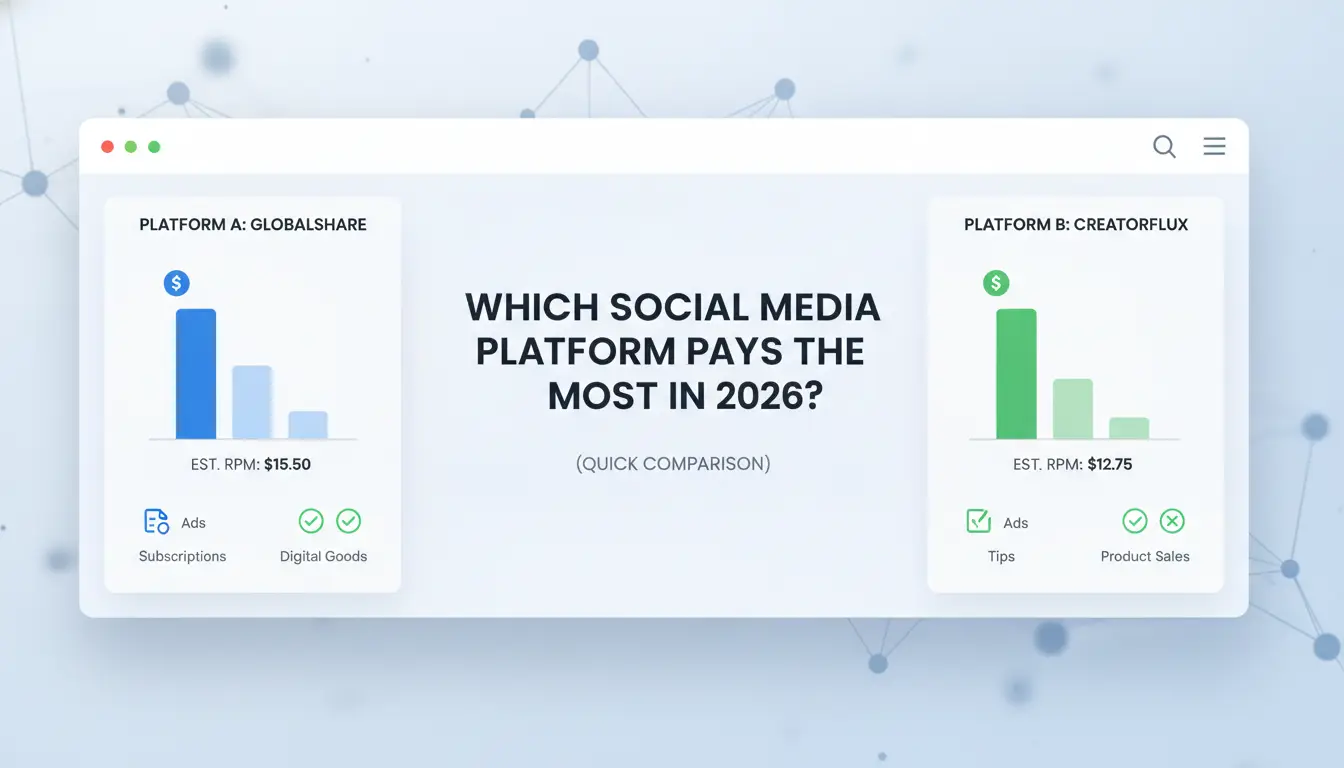
Choosing where to post matters if you care about payouts. The answer to "which social media platform pays the most" depends on content style, region, and account size. Below is a quick social media earnings comparison for 2026, based on real creator reports and platform policies. This table shows typical RPMs (revenue per 1,000 views), payout methods, and high/low scenarios.
| Platform |
Payout Method(s) |
Typical RPM / Split |
Notes |
| YouTube |
AdSense, Shorts, Shop, Members |
$1–$20 (avg $1.5–$3) |
Most stable, global |
| TikTok |
Creator Fund, Gifts |
$0.10–$2 (avg $0.5) |
US/UK higher |
| Instagram |
Reels Bonus, Gifts |
$0.50–$1.5 |
Reels Play ended, bonuses rare |
| Facebook |
Ad, Affiliate, Reels Bonus |
$1–$5 (avg $2) |
Payouts shifting, rules strict |
| Twitch |
Subs, Tips, Ads |
50% split, avg $1–$5 per sub |
Live content only |
| Kick |
Subs, Tips |
95% split, avg $3–$10 per sub |
High split, low CPM |
| Snapchat |
Spotlight, Stories |
$0.50–$2 per 1,000 views |
Big spikes, most get little |
| X (Twitter) |
Reply Ads, Tips |
$0.50–$1 per 1,000 impressions |
New, payout unsteady |
Source: YouTube Help, TikTok Creator Fund, Instagram Reels Play, Twitch FAQ, Kick FAQ, Snapchat Spotlight, X Creator Monetization
YouTube: Still the Top Earner for Most Creators
YouTube remains the highest paying social media platform for creators who hit steady views. Most earn through AdSense, Shorts Fund, Shopping, and Memberships. Typical RPM ranges from $1.5 to $3, some niches reach $20 per 1,000 views. Payment is consistent, and global coverage means more earning chances. For creators wanting stable income, YouTube dominates the social media earnings comparison.
TikTok, Instagram, Facebook: How Their Payouts Stack Up
TikTok and Instagram rely on Creator Funds, Reels/Shorts bonuses, gifts, and ads. TikTok’s RPM is lower, but viral videos can spike earnings. Instagram’s Reels Play program ended, so bonuses are rare. Facebook mixes ads and affiliate payouts, but strict rules can cut income fast. Short-form content earns less per view, but big reach helps.
Twitch, Kick, Snapchat, X: Niche Opportunities and Highs/Lows
Live streaming pays through subs and tips. Twitch splits 50%, Kick offers 95%, but viewers matter more than split. Snapchat Spotlight can pay well for viral hits, but most creators get little. X uses reply ads and tips; payouts are unstable. If you chase high peaks, these platforms fit, but steady income is harder.
The single biggest factor is platform policy, rules and bonus changes can erase earnings overnight.
Word count: 298
What Makes One Platform Pay More Than Another?
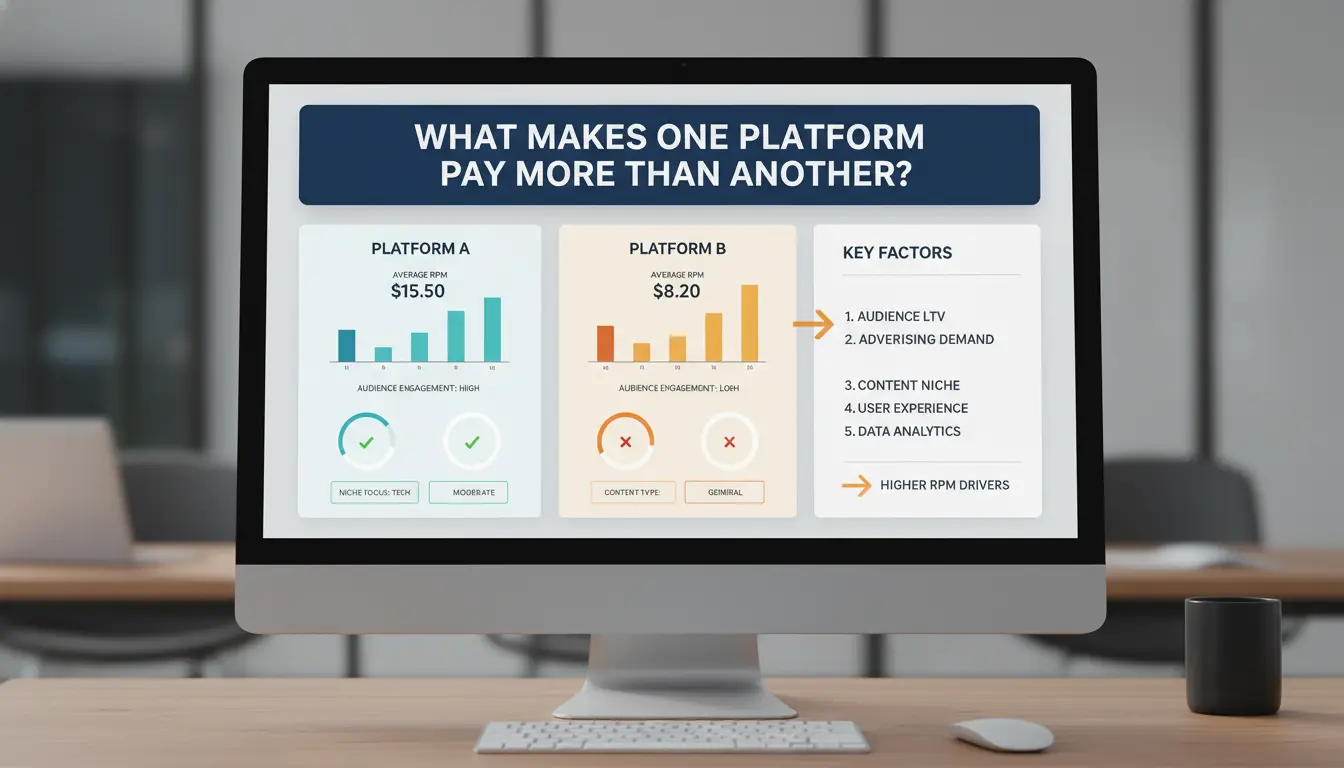
The answer to "which social media platform pays the most" isn’t as simple as checking one payout chart. The highest paying social media platform can change each year, and even each month, based on how they pay for content, what advertisers want, and which features get pushed or cut. If you want real income, you need to look beyond headline numbers.
Monetization Options: Ads, Subscriptions, Gifts, and More
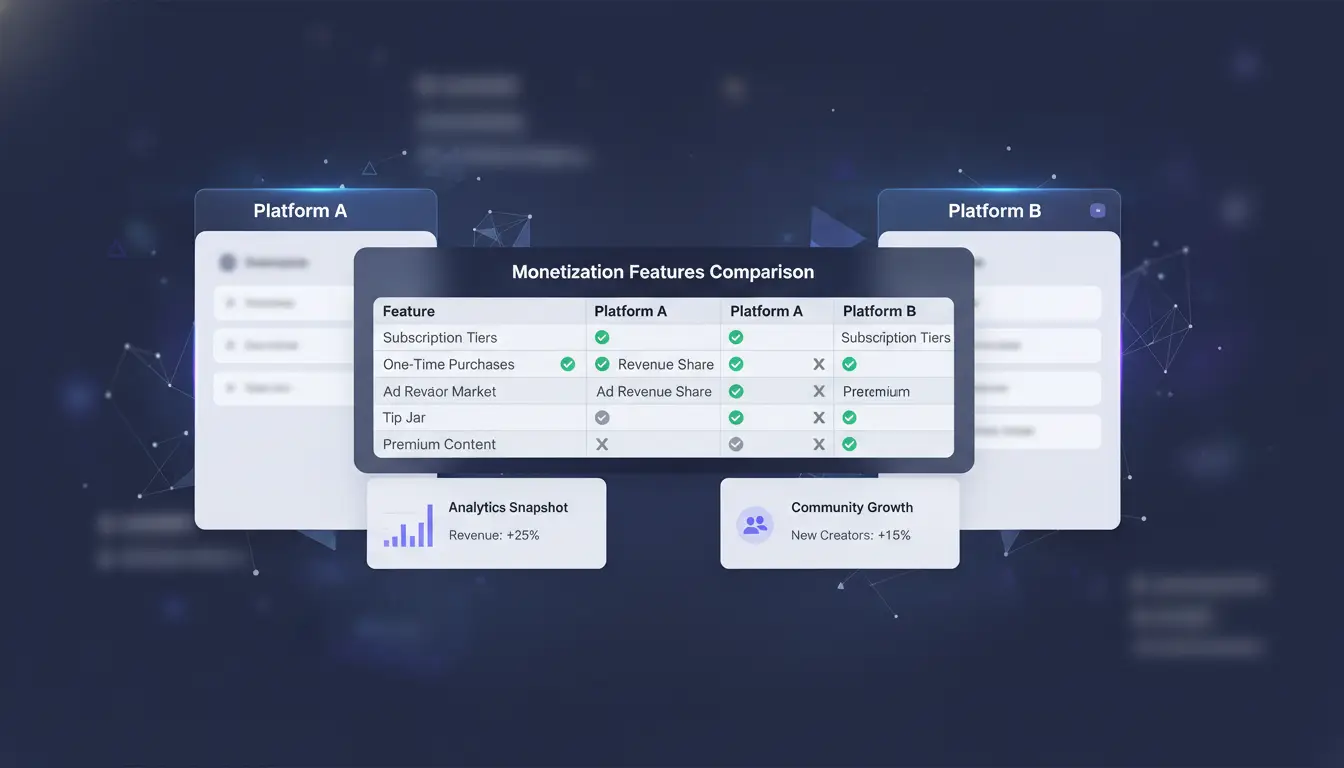
Platforms with more ways to earn usually pay more across the board. YouTube has ad revenue, Super Chats, channel memberships, and Shorts bonuses. TikTok offers LIVE Gifts and the Creator Fund, but payouts for regular videos are often lower. Facebook mixes ad revenue, Reels bonuses, and in some regions, Stars (viewer gifts). Instagram’s payouts depend on Reels and limited bonus programs, which have shrunk in 2024.
| Platform |
Ads |
Subscriptions |
Gifts/Stars |
Affiliate Tools |
Direct Brand Deals |
| YouTube |
✔️ |
✔️ |
\\\\\\\\\\\\\\\\\\\\\\\\\\\\\\\\- |
✔️ |
External |
| TikTok |
✔️ |
\\\\\\\\\\\\\\\\\\\\\\\\\\\\\\\\- |
✔️ |
\\\\\\\\\\\\\\\\\\\\\\\\\\\\\\\\- |
External |
| Facebook |
✔️ |
\\\\\\\\\\\\\\\\\\\\\\\\\\\\\\\\- |
✔️ |
✔️ |
External |
| Instagram |
✔️ |
\\\\\\\\\\\\\\\\\\\\\\\\\\\\\\\\- |
\\\\\\\\\\\\\\\\\\\\\\\\\\\\\\\\- |
Limited |
External |
Source: YouTube Help, TikTok Creator Fund, Meta for Creators
The most consistent social media earnings comparison usually favors YouTube for creators with steady views, but only if you qualify for all options.
Algorithm Changes and Policy Shifts That Affect Earnings
If a platform changes how it recommends content or who can use monetization tools, creator income can drop overnight. For example, Instagram Reels Play bonus rates fell sharply after 2023, and Facebook has moved to performance-based earnings, making payouts less stable. YouTube updates its ad policies often, if a video gets flagged, earnings stop. TikTok changes eligibility for its Creator Fund and limits which countries can earn. Relying on one platform as the highest paying social media platform is risky if you don’t keep up with these updates.
Brand Deals, Sponsorships, and Affiliate Income
For creators with a loyal audience, direct brand deals often out-earn platform payouts. Brands sometimes pay more for sponsored videos than a platform pays for the same views. Affiliate links can boost income, especially when paired with content that matches the product. Many creators mix platform income with off-platform deals for steadier payouts. If you want to know which platform pays creators the most, consider both official programs and outside opportunities.
Short-Form vs Long-Form Content: What Pays More in 2026?
Creators keep searching “which social media platform pays the most,” but the answer depends on content length, payout rules, and audience. Short-form videos (TikTok, Reels, Shorts) offer fast reach, while long-form (YouTube, Facebook) often deliver steadier payouts. The details below explain how earnings really compare, where platform rules shift, and why some creators end up disappointed.
RPM and CPM Differences by Content Length
Long-form videos still win on payout per view. YouTube’s average RPM for main channel content can range from $1.50 to $4.00, while short-form like YouTube Shorts or TikTok often stays below $0.40. Facebook reels and Instagram bonuses used to pay well, but rates dropped after policy changes (Business Insider). Yet, short-form can outperform for viral hits or when platforms run short-term bonuses. Small channels rarely see consistent income from short-form unless they hit trending topics.
| Content Type |
Typical RPM (2026) |
Consistency |
Best For |
| YouTube Long-Form |
$1.50–$4.00 |
High |
Steady income |
| YouTube Shorts |
<$0.40 |
Low |
Viral spikes |
| TikTok |
<$0.30 |
Low |
Bonus periods |
| Facebook Reels |
<$0.50 |
Fluctuating |
Short-term challenges |
Source: YouTube Help, Business Insider
Platform Priorities: What Each Platform Rewards in 2026
TikTok now rewards longer videos, creators get better reach and sometimes higher payouts for clips over 60 seconds (TikTok Newsroom). YouTube Shorts still pay less than main channel uploads, but Shorts boost channel subscribers fast. Facebook’s algorithm rewards engagement, but payout rates swing with policy shifts. For a real social media earnings comparison, check how each platform rewards creator activity, not just headline RPM.
Common Pitfalls: Why Some Creators Earn Less Than Expected
Low engagement kills payouts. If you reuse content, get flagged for copyright, or hit algorithm changes, earnings drop fast. Demonetization is common when platforms update rules or crack down on spam. Many creators chasing “highest paying social media platform” ignore how quickly their income can vanish, especially when short-form bonuses end. The safest path is building steady engagement and watching for rule changes, otherwise, even viral channels can see payouts drop overnight.
If you want stable income, focus on long-form content and understand each platform’s payout shifts.
How to increase Your Social Media Earnings (and Avoid Common Mistakes)
The real answer to "which social media platform pays the most" depends on how you work, your audience, and how you handle risks. Most creators lose income not because rates are low, but because they rely too much on one platform, overlook hidden rules, or trip up managing multiple accounts. Here’s how to build steady earnings and avoid common mistakes.
Diversifying Across Platforms for Stability
Relying on a single platform, even the highest paying social media platform, puts your income at risk. Policy shifts and sudden demonetization can wipe out months of work. Smart creators build on several platforms. For example, a TikTok ban can leave you stranded, while YouTube, Facebook, and Instagram offer backup. Repurposing content helps you reach new audiences without doubling your workload, but you must check each platform’s copyright and monetization rules. Posting the same video across platforms is common, but editing to fit each site’s format is safer.
| Platform |
Typical Payout Model |
Best for |
| YouTube |
Ad revenue, memberships |
Video creators |
| Instagram |
Bonuses, branded deals |
Lifestyle |
| TikTok |
Creator fund, gifts |
Short videos |
| Facebook |
Ads, affiliates |
Mixed media |
Source: YouTube Help, Instagram Reels Play
Avoiding Account Bans and Monetization Loss
Most payout losses come from bans or demonetization, not low rates. Common triggers include copyright violations, fake engagement, and sudden changes in your posting patterns. Keeping accounts healthy means checking platform notices, avoiding risky automation, and not buying followers. It’s easy to miss hidden rules, so read the official guidelines for each platform. Losing monetization can happen overnight, even with a large audience.
Scaling Up: Managing Multiple Accounts and Teams
Creators often use multiple accounts to target different niches or run side projects. But handling several accounts increases risks, like getting flagged for duplicate content or bot-like activity. Team management adds more complexity. You can use tools like DICloak to set up independent account profiles and control permissions, reducing ban risk and keeping your earnings safer. Diversifying, following rules, and managing accounts carefully matter more than headline payout rates.
How DICloak Helps Social Media Marketers Earn More Safely
Trying to figure out which social media platform pays the most means dealing with strict account checks and sudden bans. Most creators and agencies need to run several accounts on Instagram, Facebook, or TikTok just to test which platform pays creators the most for their audience or content type. The real challenge? Keeping those accounts safe while scaling up.
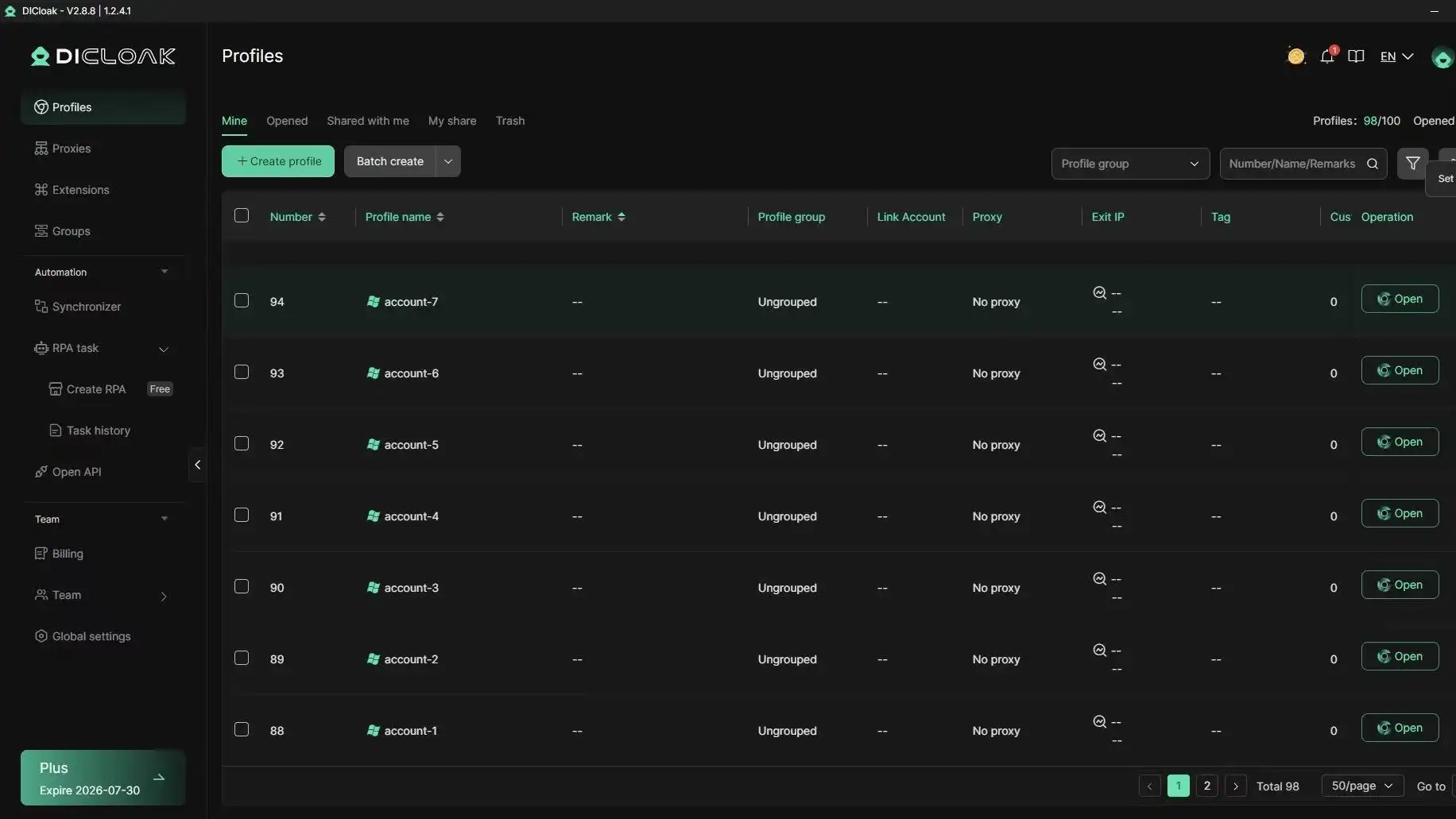
Managing Multiple Accounts Without Getting Flagged
You can use DICloak to give each account its own browser fingerprint and dedicated proxy. This keeps accounts separate, so if one gets reviewed, the others stay safe. It works for every major platform, including those often listed in social media earnings comparison.
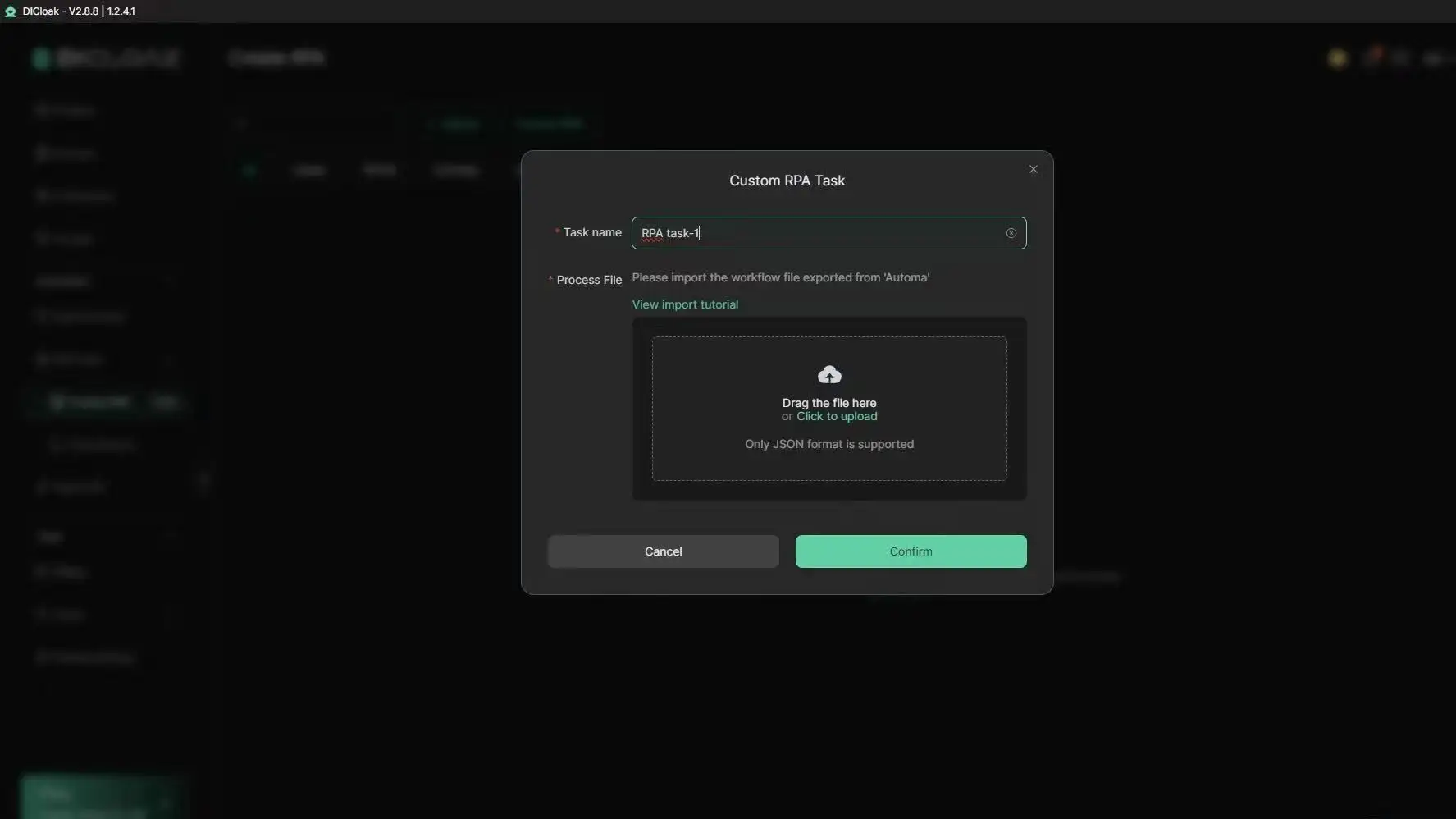
Automating Engagement and Content Posting
Tools like DICloak let you set up RPA automation to handle basic tasks, liking, commenting, or posting, across multiple accounts. This saves time and keeps your activity steady, which matters when chasing bonuses or ad revenue.
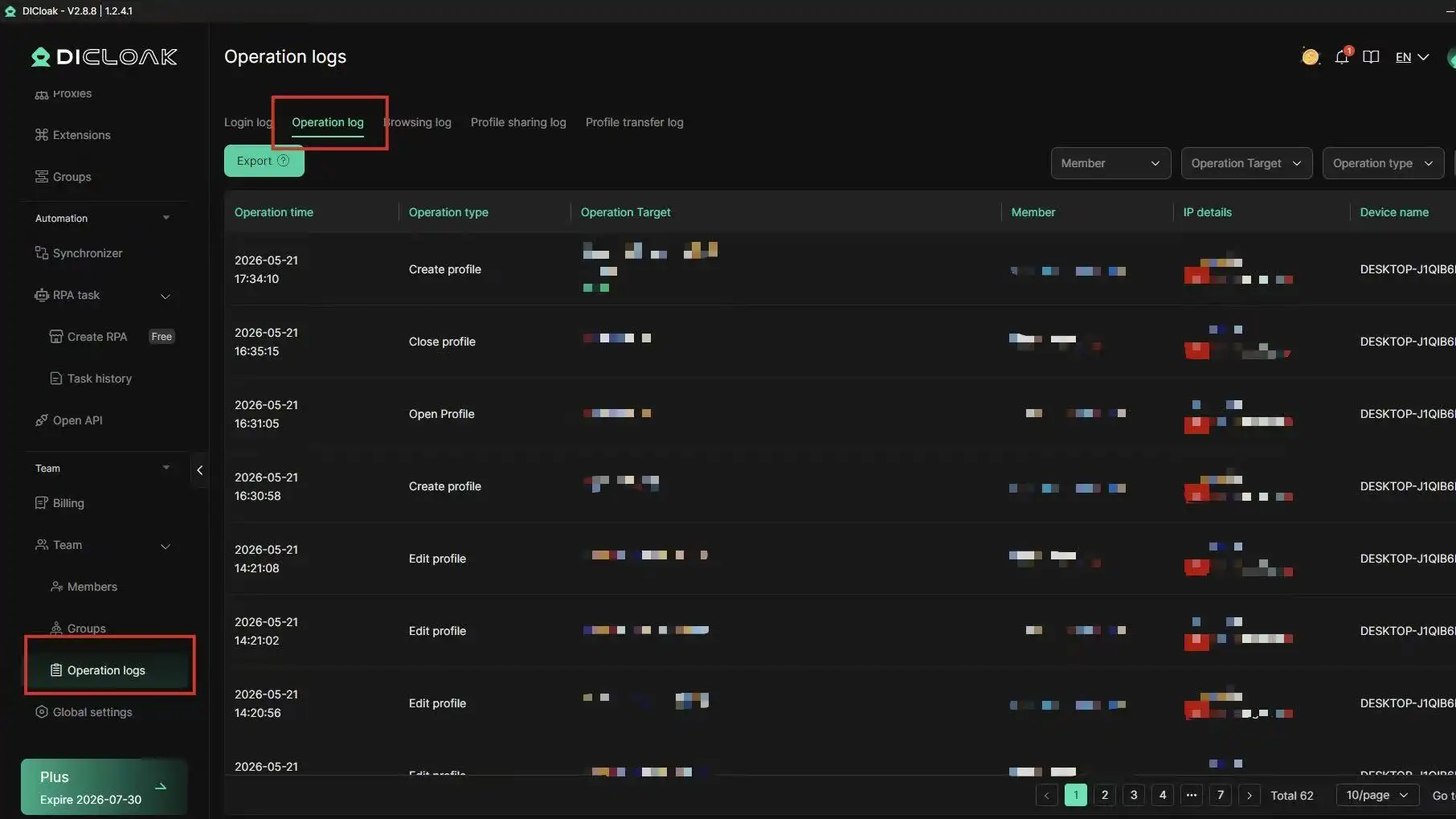
Team Collaboration and Workflow Efficiency
Profile sharing, permission controls, and operation logs help teams or agencies work together without tripping platform alarms. You can scale up safely as new income programs launch.
Some agencies use DICloak to manage hundreds of accounts, chase the highest paying social media platform in each region, and reduce sudden income loss.
What to Watch Out for: Platform Risks, Policy Changes, and Future Trends
Earning from social media changes fast, what worked last year might not work now. If you want to know which social media platform pays the most, you need to watch for hidden risks, shifting policies, and new payout models. Missing these can mean your income drops overnight.
Recent Policy Changes That Affect Creator Income
Meta, YouTube, and TikTok all changed their payout rules in 2025 and 2026. Meta cut bonus payouts for Reels, so only a few accounts now qualify Instagram Reels Play. Facebook switched to a mix of ad revenue and affiliate links, making it harder for small channels to earn steady money Meta for Creators. YouTube raised the requirements for joining the Partner Program, meaning new creators need more followers and watch hours YouTube Partner Program. TikTok’s payouts often depend on region and content type, with sudden changes that can shrink your earnings. To stay compliant, check official updates often and follow platform rules closely, missing a small policy tweak can cost you your payout.
Platform Risk: Account Bans, Demonetization, and Algorithm Shifts
The highest paying social media platform for one creator might not last. Account bans, demonetization, and algorithm changes can wipe out income with little warning. For example, a single copyright strike or spam flag can lock your channel, even if you did not break rules on purpose YouTube Copyright. Algorithm shifts often push different types of content, so what pays well today might get buried tomorrow. To protect your revenue, keep backup channels, use strong passwords, and check for policy updates regularly.
Future Trends: Social Commerce, Live Shopping, and New Earning Models
Payout streams are changing. Social commerce and live shopping are growing fast, platforms like TikTok and Instagram now let creators earn from live sales and affiliate deals TikTok Shop. New earning models are coming, such as direct fan payments and branded content. If you want to compare social media earnings, watch for these trends, test new features, and prepare for updates in 2027. Missing a trend or policy shift can mean losing your income source before you notice.
Step-by-Step: How to Start Earning on the Highest Paying Social Media Platforms
Figuring out which social media platform pays the most is not just about chasing the biggest numbers. Each site has its own rules, payout triggers, and approval steps, miss one, and you might not earn at all. Here’s a clear roadmap to start, qualify, and actually get paid on the top platforms.
Eligibility and Monetization Requirements by Platform
| Platform |
Main Requirement |
Typical Payout Trigger |
Unique Rules/Notes |
| YouTube |
1,000 subs, 4,000 hours |
$100 AdSense threshold |
Shorts Fund, Super Chat, Memberships |
| TikTok |
10,000 followers |
100,000 video views/month |
Creator Fund, Pulse, regional limits |
| Instagram |
10,000 followers |
Invite-only for Reels bonuses |
Bonuses paused for most in 2026 Instagram Reels Play |
| Facebook |
10,000 followers, 600,000 minutes |
Variable |
Ad revenue, affiliate, stricter brand safety rules |
| Twitch |
50 followers, 500 minutes |
$100 threshold |
Subscriptions, Bits, ad revenue |
| Kick |
No follower minimum |
Streams with viewers |
95% split for creators Kick About |
Most platforms take days to weeks to approve new creators. Some, like Kick, pay out faster and offer higher splits, but have smaller audiences.
Best Practices for Fast-Tracking Your First Payout
New creators often get stuck waiting for approval or miss out by breaking small rules. Focus on consistent posting, short videos and live streams work well in 2026. Mix trending and evergreen topics to boost watch time and shares. Avoid copyright strikes and fake engagement tactics, as these often lead to bans or demonetization.
The fastest way to qualify is to build a real audience, not just hit follower milestones.
Tools and Resources to Boost Your Earnings
Check analytics daily. Platforms like YouTube Studio and Meta Business Suite show which videos, streams, or posts earn the most. Automation tools save time replying to comments or posting across accounts. If managing several profiles, you can use DICloak for social media marketing to keep accounts safe and run bulk actions without risking bans. As you grow, consider team roles to handle uploads, edits, and support.
Frequently Asked Questions
Which social media platform pays the most for beginners?
YouTube and TikTok are usually the highest paying social media platforms for new creators. YouTube’s Partner Program lets you earn from ads even with a small following, while TikTok’s Creator Fund rewards viral videos. However, how much you earn depends on your niche and how often your videos reach large audiences.
Can you earn a full-time income from social media platforms alone?
Yes, you can earn a full-time income, but most creators use several social media accounts. They post often and sign brand deals to boost earnings. The highest paying social media platform for you may change as your audience grows, so many creators use YouTube, Instagram, and TikTok together.
Do live streaming platforms like Twitch and Kick pay more than video platforms?
Top streamers on Twitch or Kick can make more than video creators, especially from donations and subscriptions. However, social media earnings comparison shows most people earn less unless they have a loyal fanbase. Video platforms like YouTube may provide steadier income for most creators.
How often do platform payout policies change?
Major social media platforms, including those that pay creators the most, usually update their payout rules once or twice a year. Policy changes may affect how much you earn, so it’s important to check official platform updates regularly to avoid surprises.
Yes, managing many accounts is safe if you keep them separate. Tools like DICloak help you avoid bans and protect your accounts from being linked. This lets you test which social media platform pays the most for your content without risking all your earnings at once.
Conclusion
Ultimately, the platform that pays the most depends on your content type, audience size, and engagement, with YouTube and TikTok often leading for creators who build substantial followings. However, staying informed about evolving monetization options across platforms is essential for maximizing earnings.
Try DICloak For Free
 Web Proxy Tools
 Free Tools
 Cookie Plugin
 UA Generator
 MAC Address Generator
 IP Generator
 IP Address List
 2FA Code Generator
 World Clock
 Anonymous Check
 WebRTC Leak Test
 UUID Generator
 Free Web Proxy Site
 Proxy Checker
 FB Ad Checker
 AI Web Scraping
 Free SMM Tools
 Twitter Shadowban Checker
 Instagram Name Checker
 UTM Generator
 Username Generator
 AI Hashtag Generator
 LinkedIn Headline Generator
 Social Media Image Resizer