Telegram is no longer just another messaging app. In 2026, people use it to chat with friends, follow creators, join communities, share large files, get business updates, and manage fast-moving online projects. That is why many users still ask, what is Telegram used for, and whether it is worth using instead of apps like WhatsApp, Signal, or Discord.
The answer depends on how you communicate. For some users, Telegram is a private chat app. For others, it is a place to build a community, run a customer support group, follow news, or manage multiple channels. This guide explains Telegram’s key features, real benefits, safety concerns, and the best ways to use it in 2026.
What Is Telegram Used For in 2026?
Many people ask, what is Telegram used for when apps like WhatsApp and Signal already exist. In 2026, Telegram is used for chatting, voice calls, file sharing, public updates, online communities, and group communication. Its main appeal is flexibility. Users can talk privately, follow Telegram channels, join Telegram groups, share large files, and use Telegram bots for simple tasks. People use Telegram in several common ways.
- Personal chats and voice calls: Telegram works well for daily messages, voice notes, and voice or video calls. For example, a freelancer can send quick updates to a client, then use a call when the topic needs more detail. Usernames also help people stay reachable without sharing a phone number.
- Sharing files, photos, videos, and documents: One of the most useful Telegram features is file sharing. Free users can send files up to 2 GB each, while Telegram Premium supports 4 GB uploads. A teacher can share class slides, or a designer can send a large draft file to a client. Files can also be opened later on another device.
- Following news, creators, and public updates: Telegram channels are used for one-way updates. A local store can post discount codes. A creator can share new videos or article links. A Web3 project can post safety notices and event news. This is one of the clear Telegram benefits for brands and communities.
- Joining groups and interest-based communities: Telegram groups are built for discussion. They can be used by students, gamers, traders, product users, or online course members. Large groups can use pinned messages, admin tools, and Telegram bots to reduce spam, welcome new members, or answer common questions.

Why Do People Choose Telegram Over Other Messaging Apps?
After seeing what Telegram is used for, it becomes easier to understand why many users choose it over other messaging apps. Telegram is not only for private chats. It also works well for large communities, content updates, file sharing, and simple automation. These Telegram features make it useful for people who need more than a basic chat box. People often choose Telegram for these reasons.
- Larger groups and stronger community features: Telegram groups can support up to 200,000 members, which makes them useful for public communities, course groups, gaming groups, crypto projects, and product user groups. Admins can pin messages, manage permissions, and use replies or mentions to keep talks organized. For example, a software brand can run a Telegram group where users ask questions, report bugs, and share tips with each other.
- Cloud sync across phones, tablets, and computers: Telegram is cloud-based, so users can open their chats on different devices. A message sent from a phone can also appear on a laptop or tablet. This is one of the most practical Telegram benefits for people who work across devices. For instance, a marketer can receive campaign notes on mobile, then open the same chat on Telegram Desktop to copy links, download files, or reply faster.
- Usernames, privacy settings, and flexible account access: Telegram lets users create usernames, so they do not always need to share a phone number with new contacts. This is helpful for creators, sellers, freelancers, and community managers. A creator can put a Telegram username in a profile bio and let followers contact them without exposing a private number. Users can also adjust privacy settings for phone number visibility, profile photos, calls, and group invites.
- Bots, channels, and tools for more than chatting: Telegram channels help brands and creators send updates to large audiences, while Telegram bots can handle simple tasks such as welcome messages, alerts, search tools, and customer replies. Bots are built through Telegram’s Bot API, which is why many communities use them for moderation or automation. For example, an online store can use a channel for product drops and a bot to answer common order questions. This makes Telegram feel closer to a communication hub than a normal messaging app.
How Do Telegram Channels and Groups Work?
After looking at why people choose Telegram, it is important to understand two of its most used tools: Telegram channels and Telegram groups. These two features may look similar at first, but they serve different needs. Channels are better for sending updates. Groups are better for discussion. Together, they explain a big part of what Telegram is used for in 2026.
Telegram Channels vs. Telegram Groups
A Telegram channel is made for broadcasting. The owner or admins post messages, and subscribers read them. When a post appears in a channel, it is shown under the channel name, not the personal name of the admin. Telegram channels can also have unlimited subscribers, which makes them useful for public updates, media pages, brands, and creators.
A Telegram group is made for conversation. Members can reply, ask questions, share files, and talk with each other. Telegram groups can support up to 200,000 members, so they can work for both small private chats and large public communities.
For example, a fitness coach may use a channel to post workout plans every morning. The same coach may use a group where members share progress, ask questions, and support each other. The channel keeps updates clean. The group builds trust and activity.
How Channels Help Creators and Brands Share Content
One of the main Telegram benefits is direct content delivery. A creator does not need to fight a busy social feed every time they post. A channel can send updates straight to subscribers who chose to join.
For instance, a small online store can use a Telegram channel to share new products, restock alerts, and discount codes. A blogger can share new posts. A crypto or software project can post release notes and safety warnings. New subscribers can also view past channel posts, which helps them catch up without asking the same questions again.
Some channels also connect to a discussion group. This gives each post a comment button, so subscribers can talk about the update without turning the main channel into a messy chat. Telegram also supports bots that can add buttons or other simple actions to channel posts.
How Groups Support Discussion and Community Building
Telegram groups are useful when people need to talk, not just read updates. A group can support a class, product community, gaming team, investment chat, local club, or customer support space.
For example, a SaaS company may run a Telegram group for users. Customers can ask setup questions, report small issues, and share tips. Admins can pin important answers so new members see them first. In a large group, this saves time and reduces repeated questions.
This is also where Telegram bots can help. A bot can welcome new members, send rules, filter basic spam, or collect simple feedback. Telegram’s bot platform allows third-party developers to build these tools, so groups can add automation when the community grows.
Best Practices for Managing a Telegram Channel or Group
Good Telegram management starts with a clear purpose. A channel should not post random updates all day. A group should not become a place where every topic mixes together. Clear rules make both easier to follow.
For a channel, post useful updates at a steady pace. Use short messages, clear links, and simple images when needed. For a group, pin rules, choose active admins, limit spam, and guide members back to the main topic. If bots are used, they should come from trusted sources. Telegram warns users to be careful with unknown bots and suspicious files, especially when they ask for private data or send risky downloads.
When used well, channels and groups make Telegram more than a chat app. Channels help people publish. Groups help people connect. Bots help both sides save time. That mix is one reason Telegram remains useful for personal, community, and business communication in 2026.
How Can Telegram Be Used for Business and Professional Work?
Once a channel or group is set up well, Telegram can become a useful work tool. This is another reason people search what is Telegram used for beyond personal messaging. In 2026, many businesses use Telegram for customer updates, community support, team chats, alerts, and basic automation. The best results usually come when a brand uses the right mix of Telegram channels, Telegram groups, and Telegram bots.
Customer Support and Audience Engagement
Telegram can help businesses stay close to their audience. A channel works well for updates, while a group works better for questions and discussion. This gives a business two clear spaces. One is for official news. The other is for real conversations.
For example, a small online store can use a Telegram channel to post product drops, shipping updates, and sale reminders. Customers can follow the channel without missing key posts in a busy social feed. The store can also run a group where buyers ask about sizes, delivery times, or restock dates. This kind of direct contact is one of the main Telegram benefits for small brands.
Telegram Business also adds tools for work use, such as opening hours, location, quick replies, greeting messages, away messages, and chatbot support. These features help businesses reply faster and look more organized, even with a small team.
Telegram Bots for Automation and Simple Workflows
Telegram bots are useful when a business gets the same questions again and again. A bot can welcome new users, send order information, answer basic FAQs, collect feedback, or guide people to the right support link. Telegram’s official bot platform lets developers build these tools for many different needs.
For instance, an online course owner can use a bot to send lesson reminders and collect homework links. A SaaS company can use a bot to ask users what problem they have before a support agent joins the chat. A local service business can use a bot to share prices, business hours, and booking steps.
Bots should still be used with care. A business should only connect trusted bots and avoid tools that ask for private codes, payment details, or sensitive customer data. This keeps automation helpful instead of risky.
Networking, Project Updates, and Team Collaboration
Telegram is also useful for professional groups. A founder can use it to talk with partners. A marketing team can use it to share campaign links and quick notes. A Web3 project can use it to update community members and collect feedback from active users.
The value comes from speed and access. Team members can use Telegram on phones, tablets, and computers. They can share files, pin key messages, and search old chats when they need past details. These Telegram features are helpful when people work in different places or time zones.
For example, a remote content team may keep one group for daily updates and one channel for final announcements. The group is where the team discusses drafts and tasks. The channel is where approved updates are posted. This keeps work chat active without making official messages hard to find.
Is Telegram Safe to Use in 2026?
After looking at business use, safety becomes an important question. Telegram can be safe for many daily needs, but users should understand how it works. This matters whether you use Telegram for private chats, Telegram channels, Telegram groups, or Telegram bots. Some Telegram benefits come from cloud access and open communities, but those same features also require careful use.
How Telegram Protects Regular Chats and Secret Chats
Telegram uses different protection methods for regular chats and Secret Chats. Regular chats, group chats, and channels are called cloud chats. They are encrypted between your device and Telegram’s servers, and then between Telegram’s servers and the other user’s device. This setup allows messages to sync across phones, tablets, and computers. Telegram’s official FAQ explains that cloud chats are stored encrypted in the Telegram Cloud.
Secret Chats work in a different way. They use end-to-end encryption, which means only the two devices in that chat can read the messages. Secret Chats also support self-destruct timers and do not sync to all your devices. This is useful for more sensitive talks, but it is less convenient than normal cloud chats. For example, if a business owner discusses public product updates, a normal chat may be enough. If two partners discuss private account access or legal details, a Secret Chat is a safer choice.
What Telegram Stores on Its Servers
One of the most useful Telegram features is cloud sync. It lets you open the same messages and files from many devices. To make this work, Telegram stores cloud chats, media, and files in its cloud system in encrypted form. This is why a user can send a document from a phone and download it later on a laptop.
This also means users should not treat every Telegram chat the same way. Regular chats are built for speed and convenience. Secret Chats are built for stronger privacy. If someone asks what is Telegram used for, the answer often includes both public and private use. But the safe choice depends on the type of information being shared.
Common Risks Like Scams, Fake Groups, and Phishing Links
Telegram’s open design makes it useful, but it also attracts scammers. Public groups, fake support accounts, fake investment channels, and phishing bots are common risks. Kaspersky has reported Telegram scams involving bots, fake gifts, crypto tricks, and phishing links. Some scams push users to start a bot chat, share data, send money, or open unsafe links.
For example, a user may join a fake crypto project group that looks real. A bot may then send a “claim reward” link and ask the user to connect a wallet or enter a code. In a shopping case, a fake brand channel may post cheap products and ask for direct payment outside a trusted checkout page. These risks do not mean Telegram is bad. They mean users should check the source before clicking, paying, or sharing private data.
Safety Tips for Using Telegram More Securely
Telegram is safer when users slow down and check details. Start with privacy settings. Limit who can see your phone number, add you to groups, or call you. Turn on two-step verification, so a stolen code is not enough to access your account. Telegram’s FAQ recommends stronger protection for sensitive information through Secret Chats and self-destruct timers.
For daily use, these habits help:
- Check usernames before trusting “support” or “admin” accounts.
- Avoid bots that ask for passwords, login codes, wallet keys, or payment details.
- Download files only from people and groups you trust.
- Use Secret Chats for sensitive one-to-one conversations.
- Report scam accounts, fake channels, and phishing links when you see them.
Used with care, Telegram can be a strong tool for communication, communities, and business. The safest users understand the difference between cloud chats and Secret Chats. They also treat unknown links, bots, and groups with caution. This balance lets people enjoy the main Telegram benefits without taking unnecessary risks.
Can Telegram Be Used on Multiple Devices?
After safety, the next question is access. Many people use Telegram because they do not want their messages locked to one phone. This is one of the main Telegram benefits for students, remote workers, creators, and business teams. When people ask what is Telegram used for, multi-device use is often part of the answer.
How Telegram Syncs Chats Across Devices
Telegram uses cloud chats for normal messages, groups, and channels. This means your regular chats, Telegram groups, Telegram channels, files, and media can appear across your phone, tablet, and computer. Telegram’s official FAQ explains that cloud chats are stored encrypted in the Telegram Cloud, which allows users to access them from different devices.
For example, a shop owner can answer a customer from a phone during the day, then open the same chat on a laptop at night to send an invoice. A creator can save content ideas in a Telegram chat and later open them on Telegram Desktop to write a post. This smooth sync is one of the most useful Telegram features for daily work.
How to Set Up Telegram on a PC or Tablet
Telegram can be used on desktop, web, and tablet apps. The setup is usually quick.
- Download Telegram Desktop or open Telegram Web.
- Open Telegram on your phone.
- Go to Settings and then Devices.
- Choose Link Desktop Device.
- Scan the QR code shown on the computer or tablet screen.
After login, regular chats and cloud files will start to sync. This makes Telegram useful for tasks that are hard to finish on a small screen. For instance, a support agent can read customer messages on a desktop, copy order details faster, and use Telegram bots or saved replies to handle simple questions.
Limits to Know When Using Secret Chats Across Devices
Multi-device access does not work the same way for every chat. Secret Chats are device-specific and are not part of the Telegram Cloud. If you start a Secret Chat on one phone, that chat will only be available on that device. Telegram’s support information explains that Secret Chats do not sync across other devices by design.
This limit is important for users who switch devices often. A normal chat is better when you need access from many devices. A Secret Chat is better when privacy matters more than convenience. For example, a team can use a normal group for public project updates, but two people may choose a Secret Chat for a sensitive one-to-one conversation.
Telegram can be used on multiple devices. It works very well for regular chats, files, channels, groups, and business communication. Users just need to remember that Secret Chats stay on the device where they were created.
Telegram is useful for chats, channels, groups, bots, and business updates. But managing many Telegram accounts in one normal browser can get messy. Cookies, sessions, browser storage, IP signals, and login states may overlap. This can lead to wrong logins, account confusion, or extra verification.
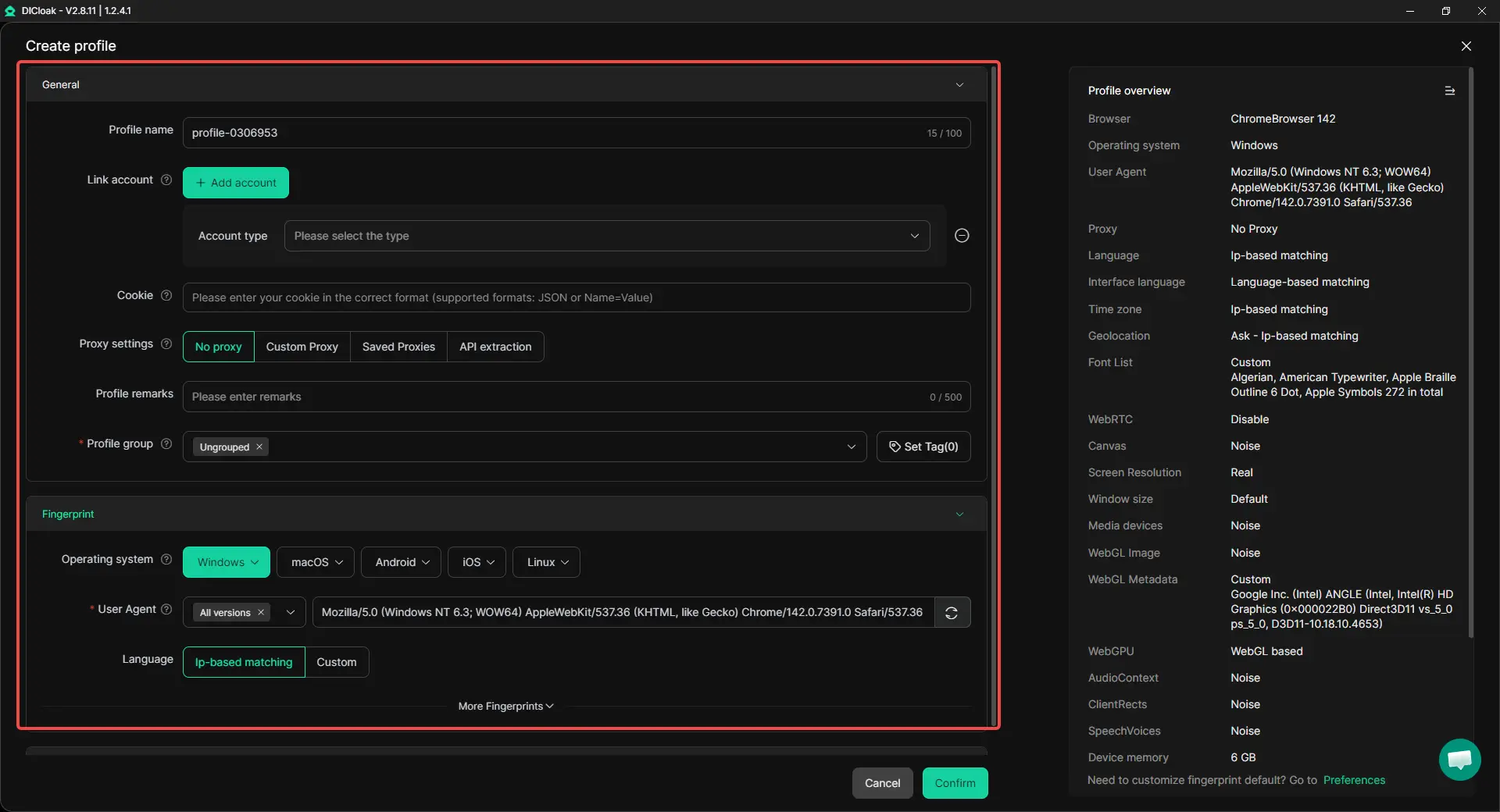
With DICloak Antidetect Browser, users can keep each Telegram account in a separate browser profile. Each profile can have its own cookies, session data, fingerprint settings, and custom proxy configuration. This is useful for social media teams, ecommerce sellers, and agencies that manage several Telegram channels or groups.
Separate Telegram Accounts with Isolated Browser Profiles
Users can create one browser profile for each Telegram account. For example, one profile can be used for a brand channel, another for customer support, and another for a community group. This helps keep account data separated. It also reduces the chance of opening the wrong Telegram account or mixing personal and business activity in the same browser.
Keep Access More Stable with Custom Proxy Configuration
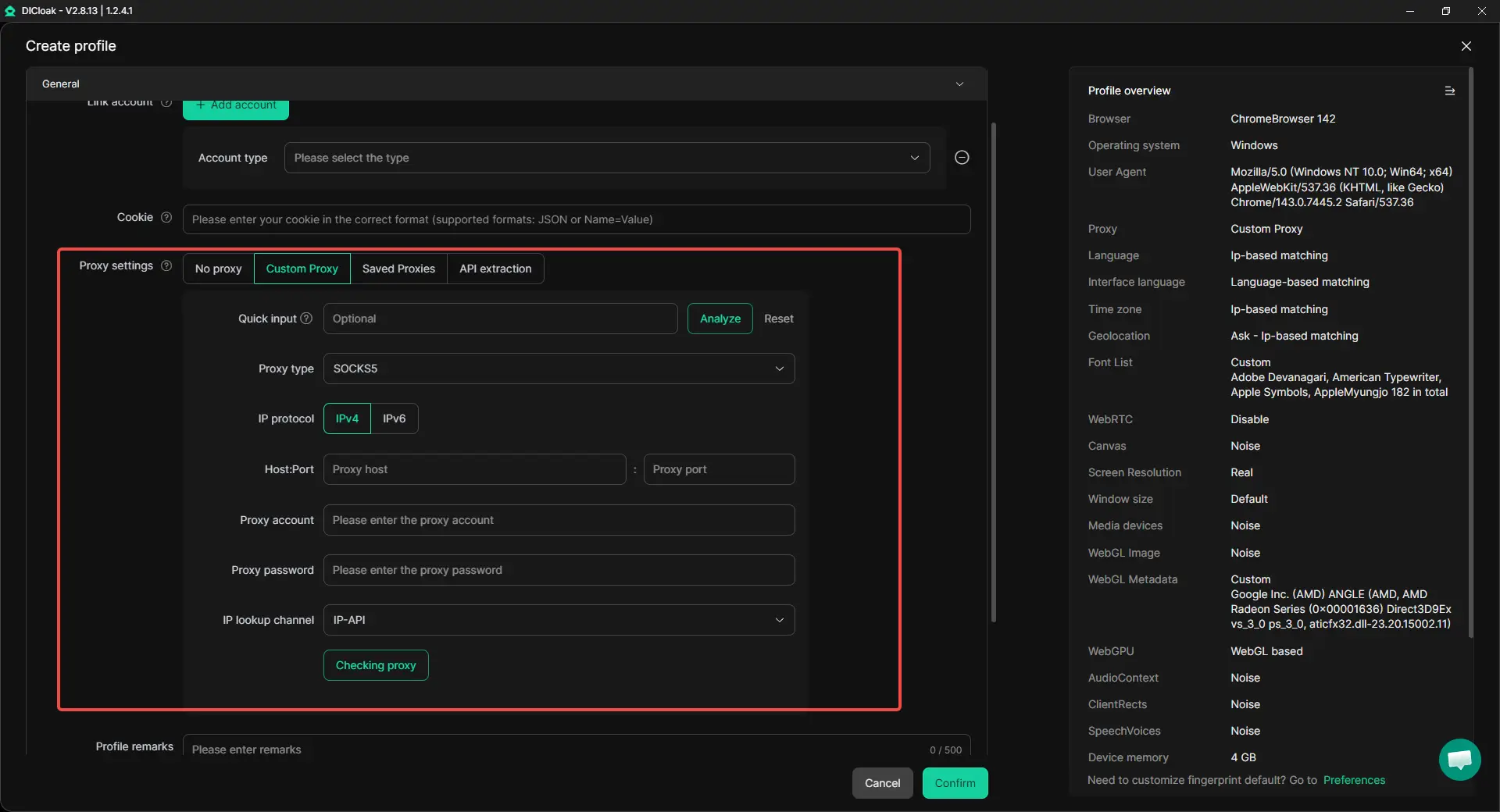
For Telegram account management, a stable login environment matters. If the IP region or browser signal changes too often, the account may face more checks. With DICloak, users can set a custom proxy for each profile. Each Telegram account can keep a more consistent IP, region, and fingerprint setup. This is helpful for teams managing accounts across different markets or client projects.
Work as a Team Without Sharing Everything
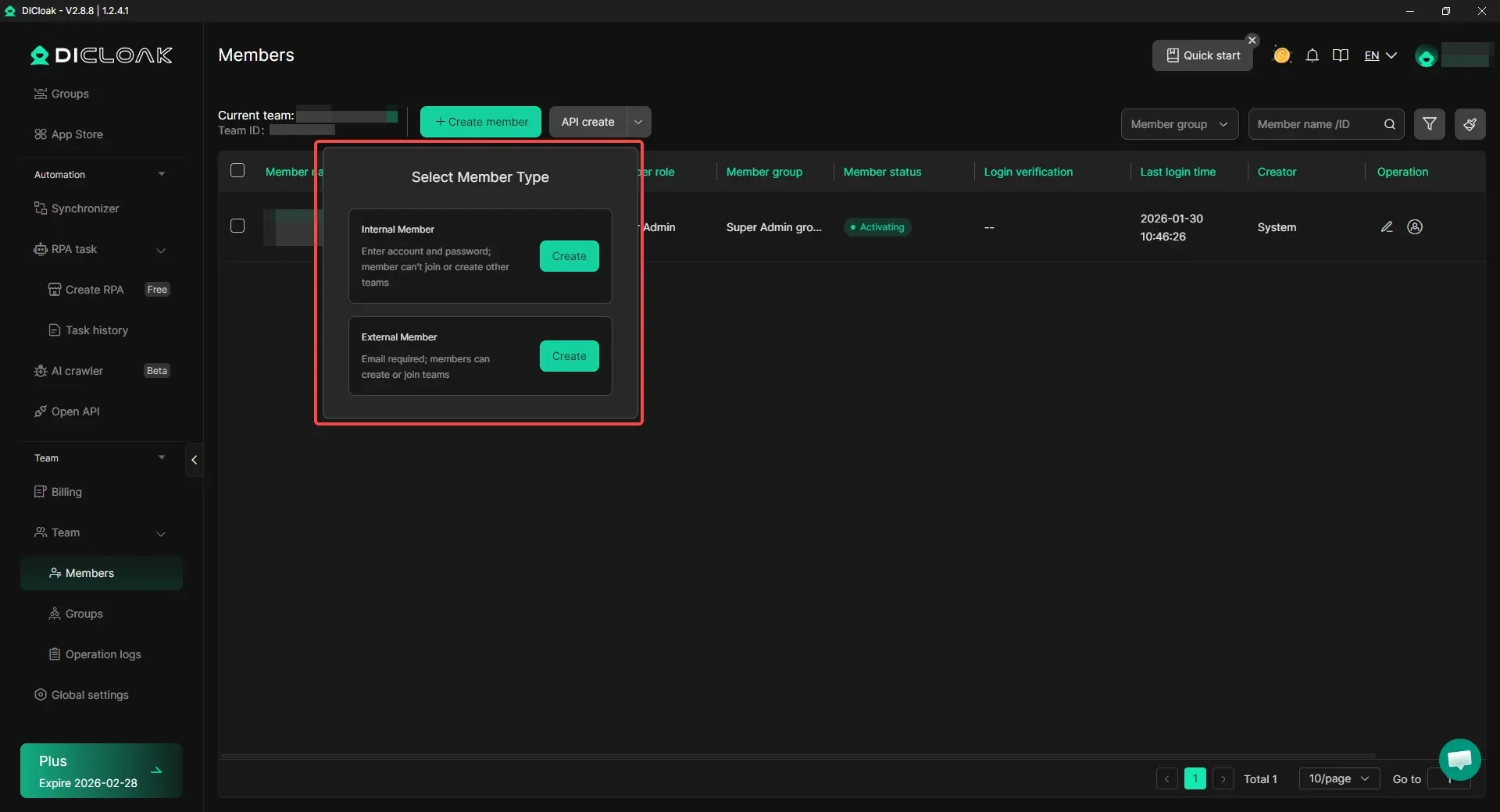
When several people manage Telegram accounts, access control is important. Users can share selected profiles with team members and set different permissions. A support member can use the Telegram profile they need. A manager can keep control over key accounts. This makes team work cleaner, especially when handling multiple Telegram channels, groups, or client accounts.
Frequently Asked Questions About What Telegram Is Used For
What is Telegram used for most often?
Telegram is used for personal chats, voice calls, file sharing, group discussions, public channels, and business updates. Many people also use it to follow creators, join online communities, manage customer support, or receive alerts from Telegram bots. In 2026, Telegram is more than a simple messaging app because it can support both private communication and large public communities.
Is Telegram used only for private messaging?
No. Private messaging is only one part of what Telegram is used for. Users can also join Telegram groups, follow Telegram channels, share large files, use bots, and manage community discussions. For example, a small brand may use a channel to post product updates and a group to answer customer questions.
What is Telegram used for in business?
Telegram is used in business for customer support, audience updates, community management, team communication, and simple automation. A company can use Telegram channels to share news, Telegram groups to talk with users, and Telegram bots to answer common questions. This makes it useful for ecommerce, SaaS, Web3 projects, creators, and service teams.
Is Telegram safe for daily use?
Telegram can be safe for daily use if users understand its privacy settings. Regular chats are cloud-based, so they can sync across devices. Secret Chats offer stronger privacy for one-to-one conversations, but they do not sync across all devices. Users should also be careful with fake groups, unknown bots, phishing links, and accounts that ask for login codes or payment details.
Can Telegram be used for managing multiple accounts?
Yes. Telegram can be used for multiple accounts, but managing many accounts in one normal browser may create confusion. Cookies, sessions, storage, and login states can overlap. For users who manage several Telegram channels, groups, or client accounts, separate browser profiles with custom proxy configuration can help keep each account environment cleaner and more stable.
Conclusion
Telegram is used for much more than sending messages. In 2026, people use it for personal chats, voice calls, file sharing, news updates, creator content, Telegram channels, Telegram groups, and business communication. Its cloud sync, large community tools, bots, and flexible privacy settings make it useful for both daily life and professional work.
For users asking what is Telegram used for, the answer depends on their needs. A creator may use it to share updates. A business may use it for customer support. A team may use it for quick project chats. Users who manage multiple Telegram accounts can also keep work cleaner by using separate browser profiles, stable access settings, and safer team permissions.
 Web Proxy Tools
 Free Tools
 Cookie Plugin
 UA Generator
 MAC Address Generator
 IP Generator
 IP Address List
 2FA Code Generator
 World Clock
 Anonymous Check
 WebRTC Leak Test
 UUID Generator
 Free Web Proxy Site
 Proxy Checker
 FB Ad Checker
 AI Web Scraping
 Free SMM Tools
 Twitter Shadowban Checker
 Instagram Name Checker
 UTM Generator
 Username Generator
 AI Hashtag Generator
 LinkedIn Headline Generator
 Social Media Image Resizer