One Instagram marketer boosted post reach by 60% after switching from generic tags to topic-focused hashtags, just by tracking which ones actually drove engagement. That spike isn’t luck. The gap between a post lost in the feed and one that gets noticed often comes down to knowing how to use hashtags effectively. Too many people guess, throw in trending tags, or stick to what looks popular. But the real gains come from a smarter approach: pairing hashtags with your audience’s real search habits, testing variations, and cutting out the clutter.
If you’re tired of posts getting buried or seeing zero bump in likes, the problem usually isn’t your content, it’s how you choose hashtags. Effective hashtag strategies aren’t just about popularity. The best practices for hashtags focus on relevance, timing, and avoiding banned or spammy tags that can tank your visibility. On platforms like Twitter and TikTok, the top posts often use fewer but sharper hashtags that match the topic and search intent, not just what’s trending. For example, Later.com’s guide shows how narrowing your tags to niche communities can double your engagement compared to broad, crowded keywords.
If you want your posts to actually reach the right people, it’s time to swap guesswork for proven methods. Here’s what separates hashtag noise from real results.
Why Using Hashtags the Wrong Way Hurts Your Reach
Most people think adding more hashtags means better reach. That’s a trap. When you ignore how to use hashtags effectively, you end up making your posts harder to find. Platforms like Instagram, TikTok, and Twitter don't just count your hashtags, they check if they're relevant, natural, and fit the topic. The wrong approach can block your posts from the feeds you want.
How Hashtags Impact Social Media Algorithms
Social platforms use hashtags to sort content and surface the right posts to the right people. If your hashtags match the topic and audience, the algorithm can push your post to more users searching those terms. But if you stuff posts with random or trending hashtags that don’t fit, the system spots it fast. Too many off-topic tags can make your content look like spam, dropping your reach or even hiding your post. Some platforms even use automation to spot these patterns, accounts that do this a lot get flagged or shadowbanned. The best practices for hashtags focus on quality over quantity, as shown in Later.com’s guide.
Common Hashtag Mistakes That Limit Engagement
The biggest mistake is using banned or completely unrelated hashtags. These can instantly block your post from search results. A lot of new users also copy long lists of hashtags from other posts, hoping for a boost. That move often backfires, since spammy or repeated tags trigger algorithm penalties. Stuffing a caption with too many hashtags is another fast way to get shadowbanned. If you want to know how to choose hashtags, start with smaller, niche tags that fit your content and audience. One wrong move can bury your post for weeks, making effective hashtag strategies a must if you care about real engagement.
What to Check Before Adding Hashtags to Your Posts
Choosing the right hashtags isn’t about picking what’s trending or stuffing in as many as you can. It’s about matching each tag to your content, checking for real activity, and making sure you don’t accidentally use tags that could bury your post. Here’s a practical checklist to help you use hashtags effectively every time.
How to Evaluate Hashtag Relevance and Popularity
Start with relevance. If the hashtag doesn’t fit your post’s topic or audience, it will only attract the wrong crowd, or none at all. The best practices for hashtags suggest matching each tag to your main message and the community you want to reach. For example, if you’re sharing a design tip, a tag like #designtips connects with people searching for advice, not just broad tags like #design.
Popularity matters, but too much can be a problem. Overused tags like #love or #instagood are flooded, your post disappears in seconds. Instead, check recent activity and search volume. Tools like RiteTag show if a hashtag is active but not oversaturated. Hashtags with steady, recent posts (not millions per minute) usually give you the best shot at visibility. This is at the core of how to use hashtags effectively, especially on platforms with fast-moving feeds.
Spotting Banned, Spammy, or Shadowbanned Hashtags
A hashtag might look popular but still be risky. Some tags get flagged for spam or banned content, even if you use them by accident, your post can get hidden or shadowbanned. Manual checks help: search the tag and see if recent posts show up, or if there’s a warning from the platform.
You can use tools like IQ Hashtags to scan for banned or risky tags before posting. If a hashtag has no recent activity or posts are missing, avoid it. Missing this step can tank your reach for weeks.
How to Choose the Right Hashtags for Every Platform

Choosing hashtags isn’t a copy-paste task across networks, each platform’s algorithm and user behavior rewards a different approach. If you want to know how to use hashtags effectively, you need to match your hashtag strategy to the rules of each channel, not just follow what’s trending.
Instagram Hashtag Rules and Best Practices
Instagram lets you add up to 30 hashtags, but most Instagram experts agree that 8–15 well-chosen tags work best. Piling on the maximum often triggers spam filters, so quality beats quantity. Mix three types: broad tags for reach (#travel), niche tags for community (#solotravelgirls), and branded tags tied to your brand or campaign. This blend helps you get seen by both new users and engaged fans. Rotate tags to avoid being flagged for repetitive posting.
Twitter/X and LinkedIn: Less Is More
On Twitter/X and LinkedIn, more than two hashtags can actually hurt your post’s performance. Stick to one or two sharp, relevant tags that fit the topic or event. For Twitter, look up what’s trending in your field, but don’t force popular tags if they’re not a fit. LinkedIn’s feed prefers clear, direct hashtags tied to industries or job roles, think #MarketingTips or #SaaS, not random catch-all tags. The best practices for hashtags here are simplicity and focus.
TikTok and Facebook: Context and Placement
TikTok’s For You page uses hashtags to decide who sees your video. Combine broad tags (#foryou) with specific ones (#3Dprinting), and put them in the caption, not the comments. On Facebook, hashtag visibility changes often. One or two hashtags can help, but overdoing it looks spammy. For both platforms, relevance is everything. If you want real reach, study what works in your niche and keep testing. That’s how to choose hashtags that actually move the needle.
How to Research and Build a High-Impact Hashtag List

Building a hashtag list that actually gets your posts seen starts with real research, not guesswork. If you want to know how to use hashtags effectively, you need to mix tools, competitor analysis, and smart organization. The goal: hit relevance and reach without getting lost in spam or trends that die out fast.
Using Tools to Discover Trending and Niche Hashtags
Free tools like RiteTag and Hashtagify let you check which hashtags are rising and which ones are fading. Paid tools add deeper tracking, showing which tags drive likes or comments over time. It pays to check performance, not just popularity, sometimes a niche tag pulls more real engagement than a crowded trending one. For TikTok and Instagram, platforms like Later.com break down which tags work for your topic. Watching the numbers helps you spot what’s actually moving the needle.
Analyzing Competitors and Industry Leaders
You can reverse-engineer posts from accounts that consistently rank high. Look at which hashtags they use, how many, and which ones repeat across their best content. If you see gaps, maybe your competitors miss a local or topic-specific tag, you can fill them. This is how most best practices for hashtags get found in the real world. Checking both big brands and niche leaders gives you a wider pool to pull from.
Organizing and Rotating Your Hashtag Sets
Instead of starting from scratch every post, build reusable hashtag groups for different themes or campaigns. Keep your sets fresh by rotating them, updating every one to two weeks is common, especially as trends shift. Stale hashtags can drop your reach, so tracking which lists perform and swapping out low-engagement tags is part of effective hashtag strategies.
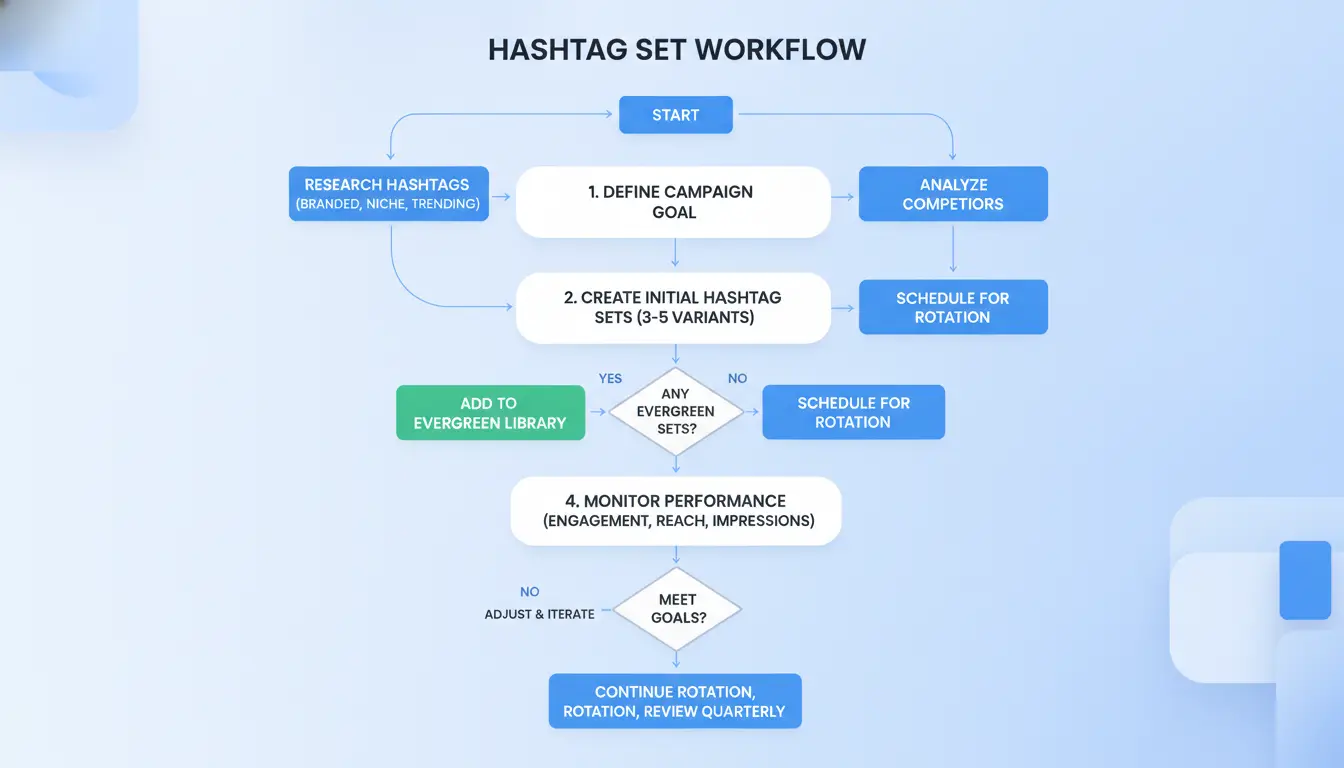
If you focus on how to choose hashtags that fit your audience and update them often, your list will keep your posts visible and avoid the common traps of overused or banned tags.
How to Track Hashtag Performance and Adjust Your Strategy
Tracking hashtag results is where effective hashtag strategies start to pay off. If you want to master how to use hashtags effectively, you need real data, not just guesses. Focusing on the right numbers helps you spot what’s actually working, so you can stop wasting time on hashtags that go nowhere.
Key Metrics to Monitor for Hashtag Success
The numbers that matter most are impressions (how many times your post showed up), reach (unique people who saw it), and engagement rates (likes, comments, shares per view). Most social platforms, like Instagram and TikTok, let you check these details for each post. Use the built-in analytics to see which hashtags show up in your top-performing posts.
If you use tools like Later or Hootsuite, you can dig deeper into hashtag-driven traffic. This shows if a hashtag is actually bringing new eyes to your content, not just boosting numbers on the surface.
A/B Testing and Iterating Your Hashtag Choices
Guessing rarely beats real testing. Try posting similar content with slightly different hashtags, one set focused on niche tags, another on broader terms. Compare the reach and engagement side by side. If a tag keeps showing weak results, swap it out. Add new hashtags based on what’s trending or what your analytics suggest.
You don’t have to change everything at once. Drop low performers and keep testing. This approach matches the best practices for hashtags and helps you stay ahead as trends shift.
Avoiding Over-Optimization and Staying Authentic
Reusing the exact same hashtags can hurt your reach. Mix things up to avoid looking spammy. A blend of trending tags and your core brand voice attracts real fans, not just bots or empty views.
The real trick in learning how to choose hashtags is staying flexible, what works now might stall later. Watch your numbers, trust your brand, and keep your mix fresh.
How to Manage Hashtags Safely When Handling Multiple Accounts
Risks of Copy-Pasting Hashtags Across Accounts
Platforms like Instagram and TikTok flag accounts that repeat the same hashtag sets. Copy-pasting lists makes it easy for detection systems to link profiles, especially when posting from the same device. If two accounts always push out posts with identical hashtags, bans or reach drops follow fast. The simple fix: build unique hashtag lists for each account. That’s a core part of any effective hashtag strategy and a key step in how to use hashtags effectively.
Safe Workflows for Teams and Agencies
Assign one person to research hashtags and another to handle posting. Keep a shared, regularly updated hashtag library to avoid using dead or banned tags. Good documentation makes it easier to follow best practices for hashtags, lower mistakes, and keep accounts safer during handoffs.
How DICloak Makes Multi-Account Hashtag Management Safer
You can use tools like DICloak to isolate browser profiles and set up different proxies for each social media account. This setup stops platforms from linking your accounts, even when posting similar content.
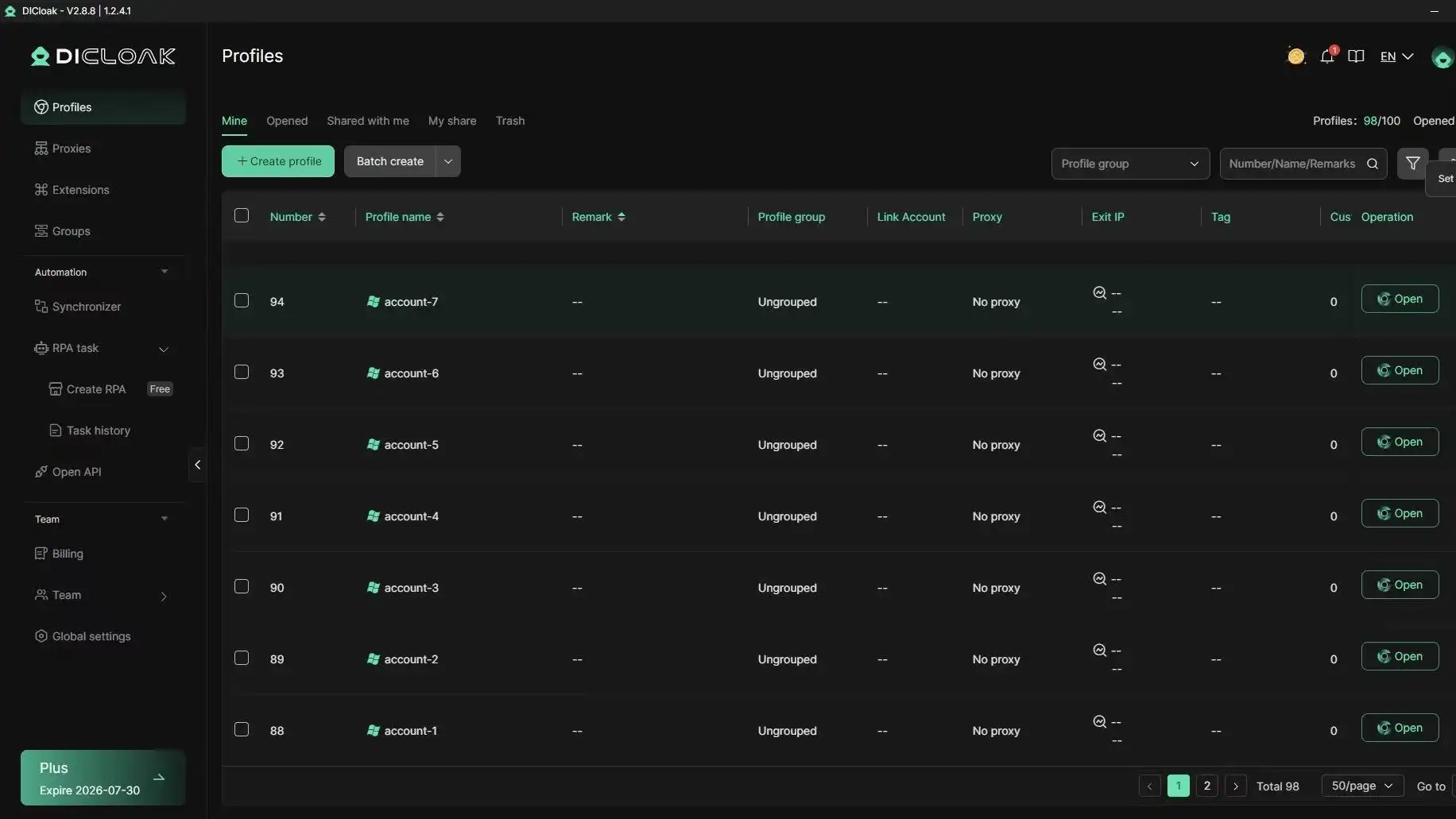
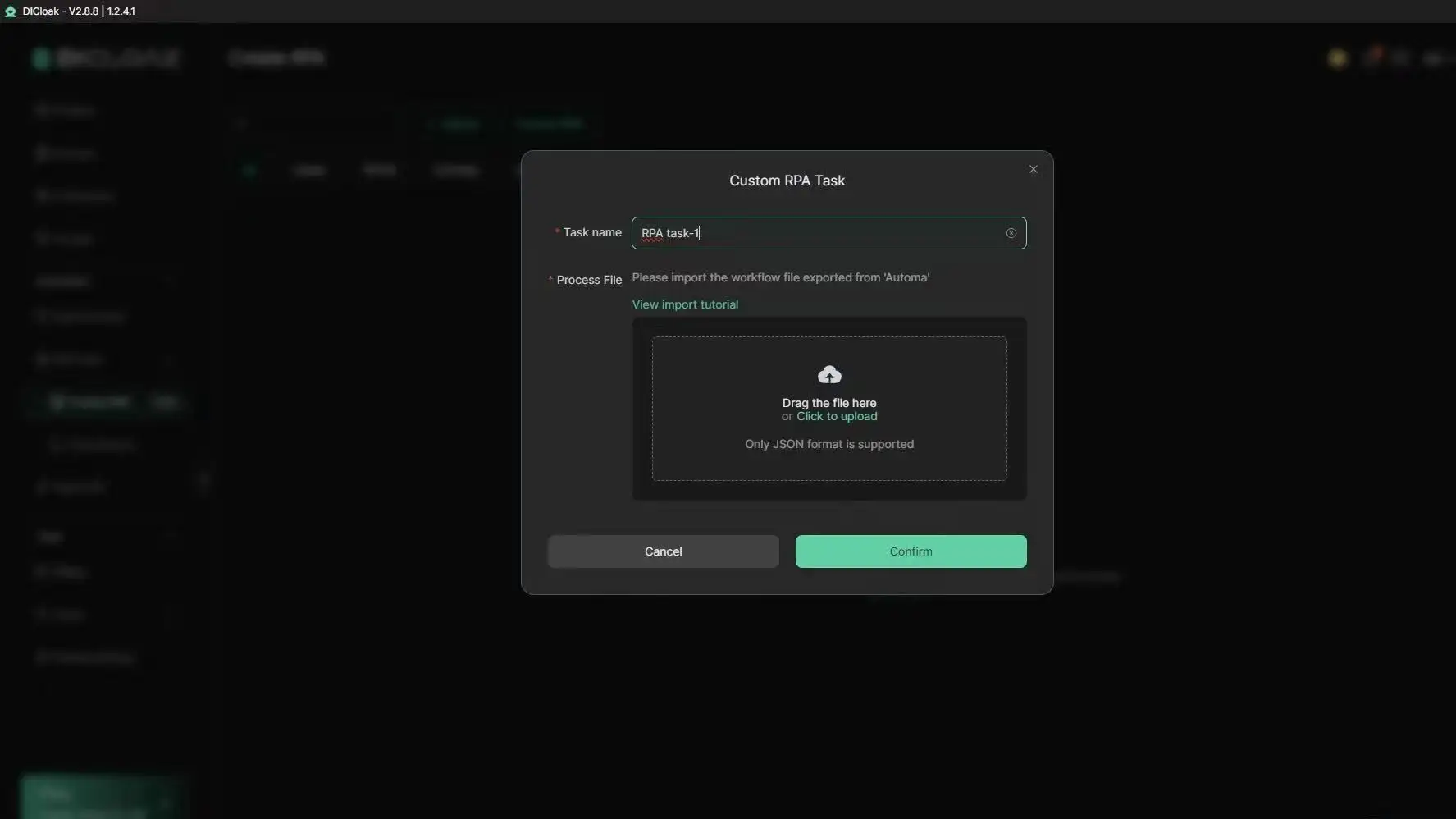
DICloak’s automation features rotate hashtags and cut down on manual errors, so you don’t repeat mistakes that trigger bans.
Mistakes to Avoid When Using Hashtags in 2024 and Beyond
Hashtag rules keep changing, and what worked last year can backfire now. If you want to master how to use hashtags effectively, you need to watch for old habits and new platform quirks. Here’s what trips up most users, and how you can dodge these mistakes.
Overusing or Repeating the Same Hashtags
Using the same hashtags on every post is a shortcut to getting flagged by platform algorithms. Instagram and TikTok both push down posts that recycle a hashtag list, even if you think you’re playing it safe. Repetition signals spam, not engagement. Instead, variety signals you’re posting real content, not just chasing reach. For effective hashtag strategies, mix up your tag choices and aim for a balance between broad and niche tags. If you notice engagement dropping, check your last ten posts, are you repeating the same set? That’s a red flag.
Ignoring Platform Updates and Community Guidelines
Platforms change their hashtag rules with little warning. Twitter, for example, now limits the visibility of posts using banned or overused tags. TikTok’s best practices for hashtags emphasize quality and relevance over quantity. Community guidelines also shift, what’s allowed can change fast. To avoid penalties, follow updates from Twitter’s help center, read TikTok’s official guidelines, and check trusted sources like Later.com’s hashtag updates. Staying current means you won’t get caught by surprise rules.
Neglecting Localization and Language Differences
Hashtag reach depends on your audience’s region and language. Using region-specific hashtags can boost local engagement, while missing them means your post might never reach the right people. If you’re targeting a multilingual audience, adapt your tags for each language. For example, a travel brand posting in English and Spanish should use both #TravelTips and #ConsejosDeViaje. Knowing how to choose hashtags for each market is part of using hashtags effectively. Test which tags drive real results, then adjust for each country you target.
When Advanced Tools and Automation Make Hashtag Campaigns Easier
The real shift in how to use hashtags effectively comes when you stop guessing and start working with the right tools. Manual hashtag research works for single posts, but at scale, mistakes pile up, wrong tags, missed trends, or repeating the same banned hashtags that trigger lower reach. By bringing in automation and analytics, you can spot what actually drives results and keep your campaigns running smoothly, even across dozens of accounts.
Choosing the Right Tools for Hashtag Research and Scheduling
Popular platforms like Later and Hootsuite help you test which hashtags bring in the most views or clicks. These tools show you which tags are growing and which are fading, so you avoid wasted effort. For teams, connecting hashtag research to your content calendar means you never scramble for last-minute tags. Most major scheduling tools now let you save hashtag lists for each campaign and schedule posts with the right tags ahead of time.
Automating Hashtag Rotation and Performance Tracking
Automation takes the headache out of switching up hashtags and checking results. Instead of copying and pasting tags every day, set up a tool to rotate hashtag sets based on post type or target audience. This cuts down on repeated mistakes like using the same tags too often, which many platforms flag as spam. For safe automation, use official platform integrations or tools that respect daily limits, never auto-posting at bot-like speeds. Tracking dashboards show which tags lift your reach and which need to be retired.
Scaling Hashtag Campaigns for Agencies and Brands
Running campaigns for brands or agencies means juggling hundreds of accounts and hashtag sets. Centralized management tools let you assign roles, set approval steps, and monitor every hashtag in use. Data security is key, stick to platforms with clear access controls and audit logs. Following effective hashtag strategies at scale means less time on manual checks and more on content that works, aligning with best practices for hashtags.
Frequently Asked Questions
How many hashtags should I use for effective results?
For effective hashtag strategies, match your hashtag count to the platform. On Instagram, 5–10 hashtags usually work well, though you can use up to 30. On Twitter/X and LinkedIn, stick to 1–2 relevant hashtags for best results. Using too many can look spammy and reduce engagement, so focus on quality over quantity.
How do I know if a hashtag is banned or shadowbanned?
To learn how to use hashtags effectively, always check if a hashtag is banned. Search for the hashtag on the platform and see if recent posts appear. If results are missing or blocked, avoid that tag. Tools like banned hashtag checkers can also help you verify hashtag safety before using them in posts.
Can I use the same hashtags on every post?
Repeating the same hashtags is not one of the best practices for hashtags. Social platforms may see this as spam, which can hurt your reach. Rotate hashtags and customize them for each post to stay visible. Mixing popular, niche, and branded hashtags helps you reach new audiences and use hashtags effectively.
What’s the best way to find trending hashtags in my niche?
To choose hashtags that work, use research tools like Hashtagify or RiteTag. Watch what hashtags your top competitors use. Also, check platform search suggestions for real-time trends. Tracking relevant, trending hashtags in your niche helps boost your visibility and engagement.
Do hashtags still work for Facebook and LinkedIn in 2024?
Yes, hashtags still work on Facebook and LinkedIn, but their impact is smaller than on Instagram or TikTok. For effective hashtag strategies on these platforms, use only 1–2 highly relevant hashtags per post. Focus on quality and context to reach the right audience without looking spammy.
Conclusion
Mastering hashtags means striking a balance between relevance, specificity, and reach, which helps your content get discovered by the right audience. By researching trends and analyzing your results, you can refine your hashtag strategy for maximum impact.
Try DICloak For Free
 Web Proxy Tools
 Free Tools
 Cookie Plugin
 UA Generator
 MAC Address Generator
 IP Generator
 IP Address List
 2FA Code Generator
 World Clock
 Anonymous Check
 WebRTC Leak Test
 UUID Generator
 Free Web Proxy Site
 Proxy Checker
 FB Ad Checker
 AI Web Scraping
 Free SMM Tools
 Twitter Shadowban Checker
 Instagram Name Checker
 UTM Generator
 Username Generator
 AI Hashtag Generator
 LinkedIn Headline Generator
 Social Media Image Resizer