YouTube creators looking to predict their ad revenue usually start with a youtube revenue calculator, but most hit a wall when the numbers don’t match what actually arrives in their account. The estimates can swing by a wide margin, even when channels have similar subscriber counts or video views. That’s frustrating when you’re deciding if it’s worth investing more time, launching a new series, or negotiating with sponsors.
The catch is, not all calculators factor in what really drives income. Things like CPM rates, audience location, niche, and engagement can move the needle much more than raw view counts. Relying on a youtube earnings estimator or a basic youtube money calculator without adjusting for these factors almost always leads to surprise shortfalls or unexplained spikes.
What actually matters is understanding how each input, like watch time, geography, or content type, changes your estimated payout. If you skip these details, you’ll set the wrong targets, overestimate sponsorship value, or make the wrong call on channel strategy. A good workflow means running your numbers through a calculator, but then checking which data points are adjustable versus hard-set, and knowing what each does to your actual revenue.
Here’s what to check first when you want to calculate youtube income accurately.
What Does a YouTube Revenue Calculator Actually Estimate?
A youtube revenue calculator gives you a ballpark figure for what your channel could make, but it does not tell the full story. It uses basic stats, like views and estimated ad rates, to guess your income. What it can’t do is adjust for the messy reality: policy shifts, sudden demonetization, or a niche that pays above or below the average. To make real decisions, you need to know both what the calculator covers and what it misses.
How Calculators Use Views, CPM, and RPM
- Most calculators start by multiplying your total views by a CPM (cost per thousand views). This is only a rough ad revenue number.
- RPM (revenue per thousand views) shows your actual payout after YouTube’s cut and includes all types of monetization, not just ads.
- A spike in views won’t always move RPM. That means doubling your views doesn’t guarantee double the money.
What Calculators Can’t Predict (and Why)
The biggest gap is that calculators can’t see the hidden rules and quirks that shape your final payout. For example, if your channel gets flagged for limited ads, even for one viral video, your ‘estimated’ income can drop by 60% overnight, and the tool has no way to flag that. Ad blockers also cut real earnings, but most calculators ignore them. Even channels in the same niche can see wild swings, since advertisers pay more for certain audiences or topics each quarter. If you only rely on the basic numbers, you’ll miss these swings and end up chasing targets that were never realistic.
Let’s say you run a tech channel. The calculator shows $5 CPM, so with 100,000 views, you expect $500. But if 30% of your audience uses ad blockers, and another 20% of your content is demonetized, your real payout could land closer to $250, without warning. This is what trips up most new creators: the tool gives a clean estimate, but the reality is full of small hidden losses that add up fast. The only way to get a useful number is to treat the calculator as a first-pass tool, then adjust for known risks and outliers before setting your expectations.
To make smarter revenue predictions, you’ll want to dig deeper into the factors that change your earnings the most, like audience location, advertiser demand, and seasonality, before you start planning your channel strategy.
Which Factors Change Your YouTube Earnings the Most in 2026?

View count alone tells you almost nothing about payout, what shifts your actual income is the mix of niche, audience location, and engagement details. Skip these, and you’ll end up with targets that don’t match reality, or see sudden drops that a calculator can’t explain.
Niche and Audience Location: Why CPM Varies
Picking a niche is not just about content, it’s about ad rates. Channels focused on finance or tech get higher CPMs than vlogs or gaming channels. But location is just as important: a US-based audience can earn 2-4 times more per thousand views than a similar channel aimed at India or Brazil. That’s why the same video can pay wildly different rates depending on who’s watching.
Video Length, Engagement, and Watch Time
Longer videos matter because they support more ad slots, think mid-roll ads after the 8-minute mark. If your videos are short, you miss out on those extra placements. But it’s not just about length. Watch time and engagement are what actually drive revenue up or down. For example, a 15-minute video with low retention (viewers drop out early) won’t serve all possible ads, leaving money on the table. If the audience watches most of the video and interacts, likes, comments, shares, the algorithm pushes the content harder, which means more views and higher payout potential. The catch: artificially boosting engagement doesn’t work long-term. Platforms detect patterns and throttle reach if the numbers look fake, so buying likes or views is only a short-term bump. If you see a spike in views but revenue stays flat, that’s usually because engagement is weak or watch time is low. The effect is clear when creators notice their RPM (revenue per thousand views) drops even as their channel grows. YouTube’s system rewards depth of interaction, not just size.
Ad Types, Seasonality, and Platform Changes
- Skippable ads pay less than non-skippable ones; placement depends on video length and content rating.
- Holidays and big events mean higher advertiser budgets, expect spikes in CPM during November and December, but drops in January.
- Platform changes, like new ad formats or policy shifts, can cut or boost earnings overnight. If you aren’t tracking these, your calculator results may lag actual payouts by weeks.
Each factor combines to set the real earning power of your channel. Just changing one, like targeting a new country or switching content type, can swing monthly income by 30% or more. Before you run your numbers, check these variables so your estimates reflect how YouTube actually pays. Next, you’ll see how to use these details in a step-by-step calculation.
How to Use a YouTube Revenue Calculator Step by Step

If you want more than just a rough guess, the workflow matters. A youtube revenue calculator can only give you a useful estimate if you feed it solid numbers and adjust for real-world CPM swings. Skip the details and you’ll end up with numbers that miss the mark by thousands.
Gathering Your Channel Data (Views, Subscribers, Watch Time)
- Open YouTube Studio and check “Analytics.” Grab your total views, subscriber count, and average watch time from the “Overview” and “Audience” tabs.
- Reason: Pulling from Analytics means you’re using up-to-date stats, not old screenshots or memory.
- Use the last 28-day window for channel stats.
- Reason: CPM and RPM can change fast, monthly data shows what advertisers are actually paying right now.
- If your channel is new or has seasonal spikes, mark those periods.
- Reason: Calculators struggle with sudden jumps; flagging spikes helps you avoid overestimating future payouts.
- For multi-channel setups, list each channel’s data separately.
- Reason: Mixing numbers hides which channel drives revenue and makes average CPM meaningless.
Entering Data and Adjusting CPM/RPM Settings
- Input your actual view, subscriber, and watch time numbers into the calculator form.
- Reason: Real numbers keep the model honest; guessing leads to inflated results.
- Set CPM or RPM based on your channel’s niche and geography. If you run a tech channel, use CPMs from US, Canada, and UK (often $2–$8). For gaming or entertainment, CPMs drop and vary more.
- Reason: CPMs for different topics and countries can swing by 300%. Using a generic number is the fastest way to get a useless estimate.
- If your niche is rare (like finance or medical), check industry reports or ask other creators for their CPMs.
- Reason: Calculators rarely include custom rates; external data fills the gap.
- Update CPMs when you see a sudden shift in advertiser spend.
- Reason: CPMs can tank around holidays or surge after product launches. Keeping your inputs current stops you from missing out or overshooting targets.
Interpreting Results and Avoiding Common Mistakes
- Treat the output as a ballpark figure, not a promise.
- Reason: Calculators don’t see demonetized videos, regional ad bans, or sudden algorithm changes.
- Compare the estimate to your actual YouTube Studio earnings.
- Reason: If the gap is more than 40%, check for wrong CPM, missing country data, or odd watch time patterns.
- Watch for “too good to be true” numbers. If the calculator says you’ll earn $10,000/month but your current payout is $4,000, flag the input and recheck CPM and geography.
- Reason: Overestimating is common, most tools assume perfect monetization, which almost never happens.
- If your numbers look off, rerun the tool with fresh data or a lower CPM.
- Reason: Updating inputs is faster than hunting for invisible errors.
The hardest part isn’t finding the right calculator, it’s knowing when your data is reliable enough to trust the estimate. That’s where most people slip, and it’s why the next section goes deep on why revenue projections often miss and how to get closer.
Why Most YouTube Revenue Estimates Are Wrong (and How to Get Closer)
Most errors come from missing hidden fees and assuming every view pays out, if you want your youtube revenue calculator results to match reality, you need to check what gets deducted and which views are skipped.
Overlooking Hidden Deductions and Policy Changes
YouTube takes a percentage of ad revenue, but it doesn’t stop there. Taxes, local fees, and even sudden policy changes can cut your payout without warning. If you only check your main dashboard, you’ll miss new deductions, especially after updates. This means your estimate can drop by 30% or more when you run the numbers through your calculator. Always review the latest payout policies and hidden fees before trusting your estimate.
Assuming All Views Are Monetized
Not every view brings ad money. Demonetized videos, ad-blocking users, and region-specific restrictions often mean big portions of your audience don’t generate revenue. YouTube may still show you the view count, but payout only happens for approved, ad-served sessions.
- Check which videos are marked as monetized, not just published.
- Review your analytics for geographic breakdown, some regions pay less or nothing.
- Look for spikes in demonetized content or ad-blocker rates in your reports.
Most calculators ignore these gaps, so manual adjustment is key. If you skip this, your projected earnings can overshoot actual payouts by thousands each month.
How Agencies and Teams Estimate Revenue for Multiple YouTube Channels
Agencies and managers run youtube revenue calculator workflows across several channels, but separating data and permissions is what keeps estimates reliable and prevents costly mix-ups.
Keeping Channel Data Separate and Secure
- Use browser profiles and proxies for each account to avoid leaks.
- Keep login credentials and analytics exports strictly per channel.
- Double-check before switching profiles, cross-posting or mixing analytics can scramble income reporting.
Coordinating Team Access and Permissions
Set clear roles for staff: one analyst pulls numbers, another reviews payouts, and a manager approves estimates. Don’t give blanket access, restrict each person to the channels they’re responsible for. The fastest way to spot errors is to require a second review before any numbers go into final reports.

Using DICloak to Safely Organize Multiple YouTube Accounts and Profiles for Revenue Tracking
Teams estimating revenue across several YouTube channels need more than just a youtube revenue calculator, they need to keep each account’s session, data, and access separate. For agencies or managers who handle multiple channels, browser-profile isolation, proxy configuration, and clear team permissions are what keep workflows reliable and clean. DICloak does not calculate YouTube income, but it does let operators control how each account is accessed in the browser, so spreadsheet errors, session mix-ups, or privacy leaks become much less likely.
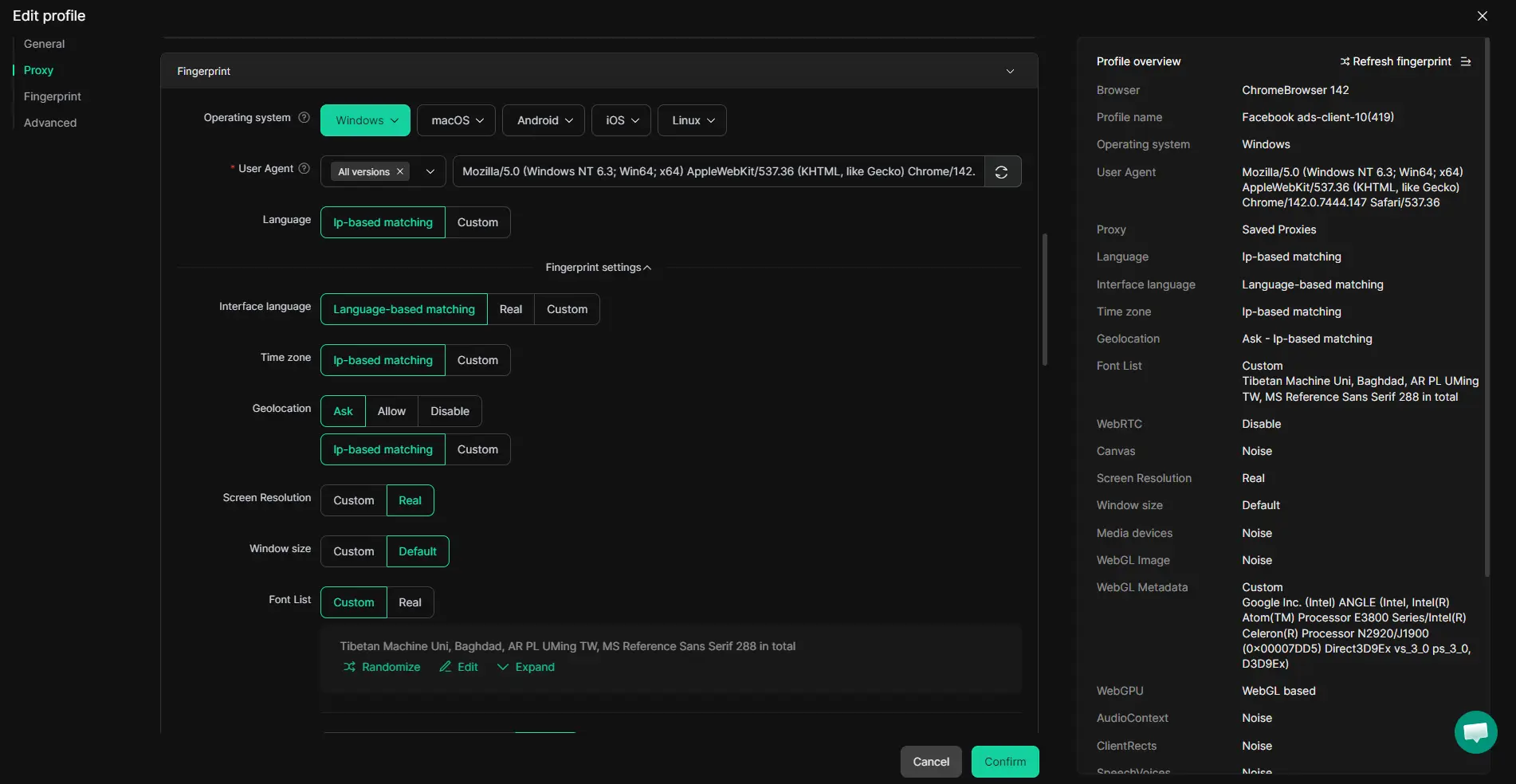
Isolating YouTube Accounts with Separate Browser Profiles and Fingerprint Settings
Operators can create a new browser profile in DICloak for every YouTube account, then set fingerprint signals like operating system, time zone, and language to match the channel’s usual environment. This way, each account runs in its own browser space, no cross-session confusion, no spilled cookies or settings. For example, an agency manager sets up a separate profile for each client’s channel and fine-tunes the fingerprint to avoid accidental overlap. The scope here is limited to browser profile separation; it does not manage YouTube content or revenue.
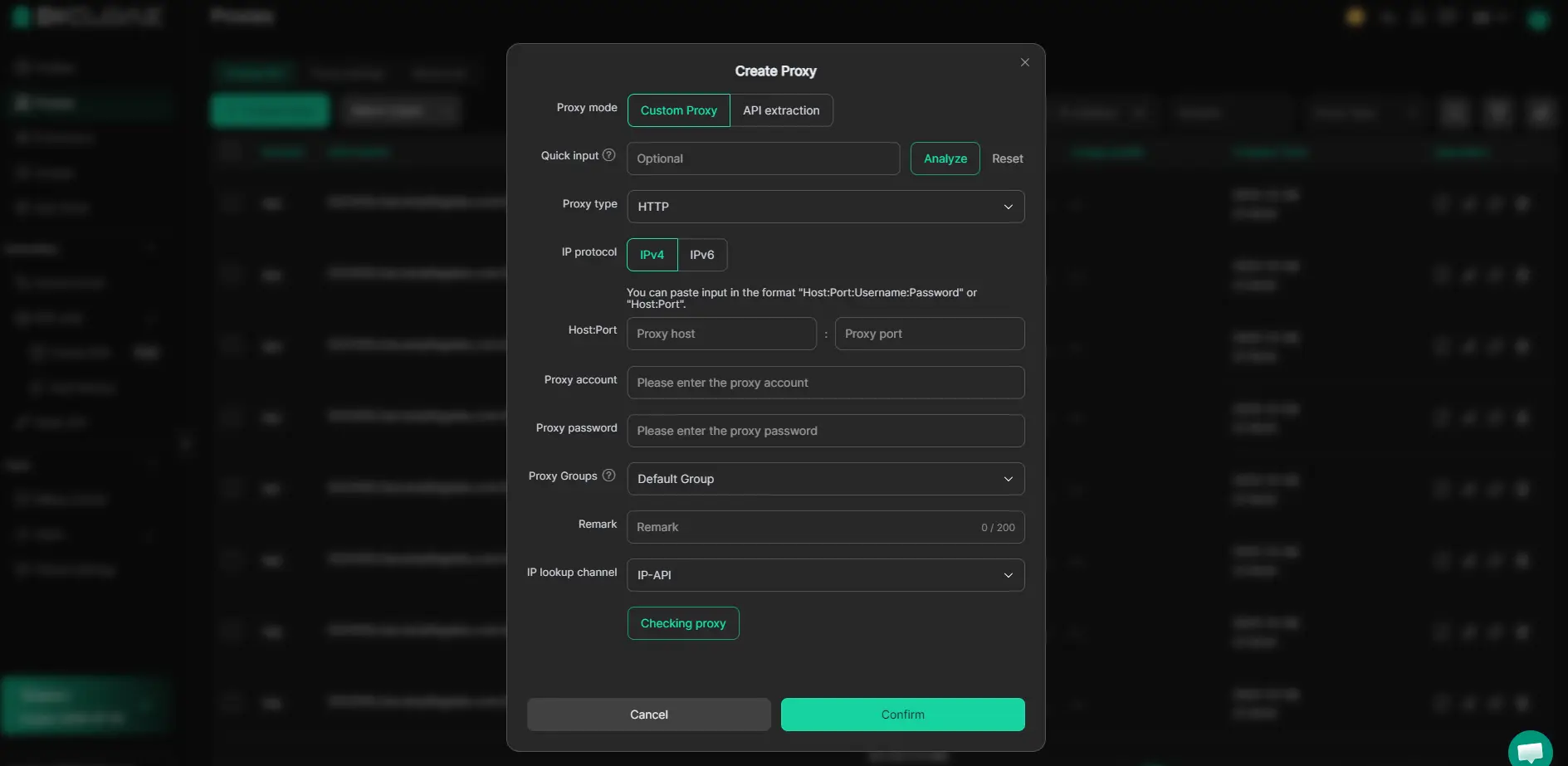
Configuring Proxies for Each YouTube Profile
If an account requires its own network connection, say, US for one channel, UK for another, operators can assign a user-provided proxy to each DICloak profile and test its connection before opening the session. This keeps IPs consistent per account and supports privacy needs, but the choice and quality of proxies are up to the user. DICloak stores these settings at the profile level, so you can check the exit IP and location before starting work. This step does not guarantee any platform outcome; it simply keeps the workflow organized.
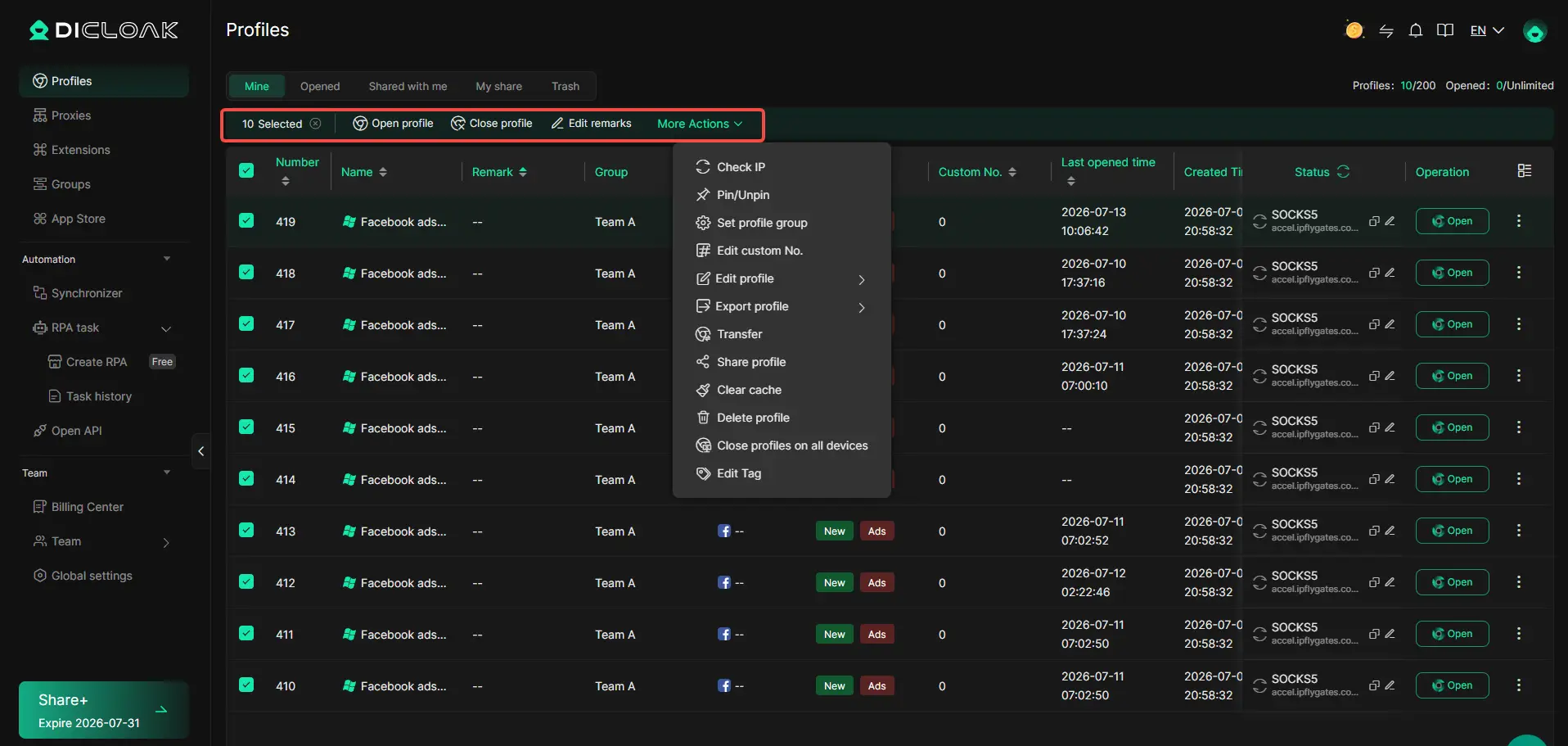
Setting Up Team Collaboration and Permissions
Admins can set which team members see or edit specific YouTube account profiles inside DICloak. By grouping profiles and assigning access, editors can focus only on their channels, without seeing client accounts or sensitive details they don’t need. Only actions inside DICloak are controlled; platform permissions stay unchanged.
For teams looking to trust revenue estimates, having a workflow where account access and session clarity are tightly managed is the real foundation for accurate tracking.
When Should You Trust a YouTube Revenue Calculator, and When Not To?
When you need a fast ballpark figure, a youtube revenue calculator is handy, especially for planning or quick channel comparisons. But if you want to predict your real payout, you’ll need detailed analytics from YouTube itself or a trusted third-party tool. Calculators work for rough estimates, not for setting budgets or forecasting income that depends on changing ad rates, audience location, or content type.
Best Use Cases for Revenue Calculators
| Use Case |
Calculator Accuracy |
Practical Value |
| Quick estimate for new channel |
Medium |
Planning only |
| Comparing channel performance |
Medium-High |
Spot trends |
| Setting payout targets |
Low |
Not reliable |
A revenue calculator is most useful for quick planning or comparing two channels, don’t use it to set your payout expectations.
Limitations and When to Use Advanced Analytics
Calculators miss details like ad type, geography, and seasonal rate changes. If you need to track real earnings, use YouTube Analytics or a third-party dashboard; calculators can’t account for these hidden variables.
Ready to dig into what else affects your YouTube income beyond calculators? The next section covers the unseen factors that change payouts in 2026.
What Else Impacts YouTube Income in 2026? (Beyond the Calculator)
Beyond what any youtube revenue calculator covers, real income depends on how you handle sponsorships, merch, memberships, and changes to platform rules, none of which calculators track directly.
Sponsorships, Merch, and Channel Memberships
- Paid brand deals often pay more than ad revenue and depend on niche, not just views.
- Merch sales and memberships bring extra income, but calculators ignore these streams.
- Membership perks can offset ad drops, don’t treat calculator estimates as your ceiling.
Platform Changes and Monetization Risks
New YouTube policies or ad rate shifts can change what counts as monetizable content overnight. If you don’t track updates, you’ll miss hidden changes that cut payout or restrict features. Staying alert to policy shifts is the difference between stable income and sudden drops.
Frequently Asked Questions About youtube revenue calculator
How accurate are YouTube revenue calculators in 2026?
YouTube revenue calculators give rough estimates based on average CPM and RPM values, but real payouts can differ. They can't account for all variables like video topics, viewer locations, or ad formats. For example, channels with more viewers in the U.S. often earn more. Use calculators for ballpark figures, not exact predictions.
What is the difference between CPM and RPM on YouTube?
CPM stands for "cost per thousand" ad impressions and measures how much advertisers pay per thousand ads shown. RPM means "revenue per thousand views" and reflects what creators actually earn after YouTube takes its share. RPM is usually lower than CPM since it considers YouTube’s cut and non-ad views.
Can I use a youtube revenue calculator for Shorts or Live Streams?
Some youtube revenue calculator tools now include options for Shorts and Live Streams. However, these formats have different payout structures. Shorts often use a fund model, while Live Streams rely more on Super Chat and memberships. Make sure the calculator covers these differences for a more realistic estimate.
Do I need to meet YouTube’s monetization requirements before using a revenue calculator?
You don’t have to meet YouTube’s monetization requirements to use a youtube earnings estimator. Anyone can input numbers to estimate potential income. But to earn real money, your channel must have at least 1,000 subscribers, 4,000 watch hours, and follow YouTube’s rules.
How do agencies keep client YouTube channel data private when estimating revenue?
Agencies protect client channel data by using separate browser profiles, proxies, and strict permission controls. This keeps information isolated from other accounts and prevents accidental access. Only authorized team members handle sensitive data, ensuring privacy during youtube money calculator sessions.
Once you have a clear estimate of your potential earnings, it's easier to strategize your content and monetization approach. Take advantage of tools that simplify these calculations and help you make informed decisions about your channel's growth. Try DICloak For Free
 Web Proxy Tools
 Free Tools
 Cookie Plugin
 UA Generator
 MAC Address Generator
 IP Generator
 IP Address List
 2FA Code Generator
 World Clock
 Anonymous Check
 WebRTC Leak Test
 UUID Generator
 Free Web Proxy Site
 Proxy Checker
 FB Ad Checker
 AI Web Scraping
 Free SMM Tools
 Twitter Shadowban Checker
 Instagram Name Checker
 UTM Generator
 Username Generator
 AI Hashtag Generator
 LinkedIn Headline Generator
 Social Media Image Resizer