More than 70% of new dropshipping stores never make a single sale, based on Shopify’s e-commerce benchmarks. Most people jump in thinking it’s easy money, then hit problems with suppliers, margins, or getting any traffic at all. If you’ve searched how to start dropshipping, you’ve already seen the hype: “Anyone can do it,” “No investment needed,” “Just pick a product and go.” But the reality is messier. Setting up a store is the simple part. Figuring out what actually sells, which suppliers won’t disappear, and how to avoid wasting your first $500 on useless ads, that’s where most beginners get stuck.
You need more than a tutorial that promises overnight profits. This guide breaks down what real sellers do differently: picking a niche that isn’t already saturated, testing products before buying ads, and using tools like Oberlo or AliExpress the right way. You’ll learn each step, from creating your store to handling your first sale, and what to watch out for so you don’t burn cash on day one.
Ready to see how real dropshipping starts? Start with what matters most: laying the foundation so your store isn’t just another abandoned project.
What Should You Know Before Starting Dropshipping?
Starting dropshipping sounds simple, but skipping the basics is a fast way to lose money. If you’re searching for how to start dropshipping, you need to know the real business model, how orders actually flow, and where most beginners get tripped up.
How Does Dropshipping Actually Work?
In dropshipping, you run a store but never touch the product. A customer places an order on your site. You then buy that exact item from a supplier, usually on AliExpress or similar platforms, who ships it straight to your buyer. You pocket the difference between what you charge and what you pay the supplier.
You don’t hold inventory or pay for stock upfront. But that also means you rely on your supplier for every order. If they run out, ship late, or make mistakes, your brand takes the hit, not theirs.
It helps to use tools like Oberlo to automate sending orders to suppliers and tracking shipments. This keeps the process as hands-off as possible, but nothing is ever risk-free.
What Are the Main Risks and Limitations?
Profit margins in dropshipping are much thinner than most guides admit. Expect 10%–30% after costs if you’re careful. Ads, returns, and payment fees eat into every sale. Some products look cheap to source, but shipping or hidden supplier fees can wipe out your gains.
Suppliers don’t always deliver as promised. Long shipping times, sometimes 2–4 weeks, frustrate customers and can lead to refund demands. If a supplier disappears or switches quality, you scramble to fix problems you didn’t cause.
The biggest risk is thinking dropshipping is easy money. Most stores fail because owners ignore these details. Before you get caught by surprise, map out the real costs and find suppliers you can reach directly, not just random listings.
How Do You Choose a Profitable Dropshipping Niche and Products?
Choosing the right niche and products is what decides whether your dropshipping store gets sales or sits empty. Before anything else, understand that picking “what’s popular” rarely works unless you know how to check real demand and spot hidden risks. Here’s how experienced sellers approach it, step by step.
What Makes a Good Dropshipping Niche?
A good niche isn’t just something you like. It needs steady demand and low enough competition that new sellers can break in. Search for products with hundreds of monthly sales but not so crowded you’re fighting against giant brands. Tools like Google Trends and the AliExpress Dropshipping Center help you check if a niche is growing or fading.
Check for restricted or risky categories too. For example, anything in health, beauty, or electronics often brings refund headaches or platform bans. Products with strict shipping rules, like batteries or liquids, are trouble for new stores. If you can’t explain the product and its risks in one sentence, skip it.
| Niche Factor |
What to Look For |
What to Avoid |
| Demand |
Consistent search interest |
Trend spikes only |
| Competition |
Few big players, some gaps |
Oversaturated by big brands |
| Risk Level |
No legal/shipping issues |
Restricted, high return rates |
Source: Oberlo Niche Validation Guide
How to Find Winning Products for Your Store
Start with product research tools like AliExpress and Oberlo. Search for items with lots of orders and real reviews, don’t just chase flashy ads. Winning products usually solve a problem or tap into a clear desire (like pet gadgets or home organizers).
Spot trends early, but don’t rely only on fads. Evergreen products, items that sell year-round, are safer when you’re learning how to start dropshipping. Track bestsellers, read customer reviews, and order samples yourself if possible. This simple routine saves you from wasting money on products that never move.
How Can You Find and Vet Reliable Dropshipping Suppliers?
Choosing the wrong supplier can turn a good idea into a refund nightmare. If you want to know how to start dropshipping without running into constant headaches, you need to know both where to search and how to separate the real partners from the risky ones.
Where Do Most Dropshippers Source Suppliers?
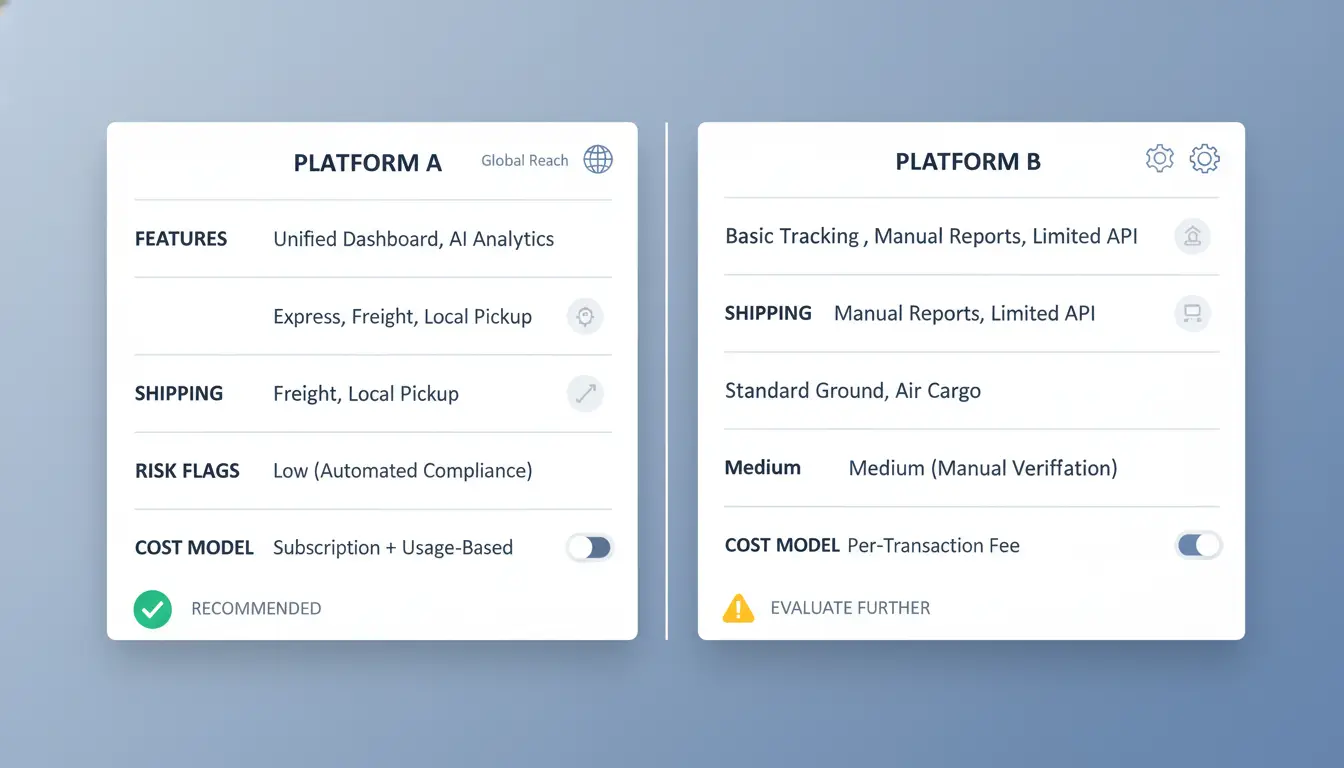
Most new dropshippers look for suppliers on big platforms like AliExpress and CJdropshipping. These sites let you browse thousands of products, check seller ratings, and see shipping options. For those who want faster shipping or better quality control, domestic options like Spocket focus on US and EU suppliers. Some sellers also reach out directly to manufacturers for private label deals, but this usually means higher minimum orders.
| Platform |
Main Region |
Typical Shipping Time |
Product Range |
Private Label Option |
| AliExpress |
Global |
10-30 days |
Huge |
Limited |
| CJdropshipping |
Global |
7-20 days |
Wide |
Yes |
| Spocket |
US/EU focus |
2-7 days |
Moderate |
Some |
Source: Platform official websites
How to Evaluate Supplier Quality and Trustworthiness
Not all suppliers are equal. Some look great on paper but cause trouble with late shipments or poor products. Watch for these red flags: no real reviews, vague or generic product photos, and slow or unclear replies. If a supplier changes prices or shipping methods often, that’s another warning.
Before you trust any supplier, always order a sample. Check the actual product, shipping speed, and packaging. Use chat or email to test how quickly and clearly they answer your questions, suppliers who ignore you now will not help when a customer complains. Never skip sample orders if you want your store’s reputation to last.
Learning how to start dropshipping isn’t just about setting up a website. It’s about building a process that filters out unreliable suppliers before they cost you money or trust.
What Are the Key Steps to Set Up Your Dropshipping Store?
Launching a dropshipping store means making a series of choices that will affect every sale you make. To avoid the common mistakes most beginners run into, you need to set up your foundation the right way. Here’s how to start dropshipping with a process that sets you up for real orders, not just a pretty site that never gets traffic.
Choosing the Right E-Commerce Platform
Most dropshippers pick between Shopify, WooCommerce, or a few other platforms. Shopify is easiest for beginners, setup is fast, and app integrations for dropshipping are simple. WooCommerce (a plugin for WordPress) gives more control but takes longer to launch and can break if you don’t know basic site maintenance.
Here’s a quick comparison:
| Platform |
Setup Speed |
Cost (per month) |
App Support |
Best For |
| Shopify |
Fast |
$39+ |
Excellent |
Quick launch, less tech |
| WooCommerce |
Moderate |
Hosting varies |
Good |
Customization, control |
| BigCommerce |
Fast |
$39+ |
Good |
Scaling up |
(Sources: Shopify pricing, WooCommerce, BigCommerce)
The platform you pick will affect your workflow, costs, and what tools you can use.
Setting Up Storefront, Payment, and Shipping
Once you choose a platform, start with your storefront. Use a clean design and a name that fits your niche. Don’t waste weeks tweaking your logo, pick a template and move on. Set up payment gateways like Stripe or PayPal so you can actually get paid. For shipping, use the platform’s built-in settings to define where you’ll ship and how you’ll charge for it. Many dropshippers link their store to AliExpress apps to automate orders, but always double-check supplier reliability before you turn on ads.
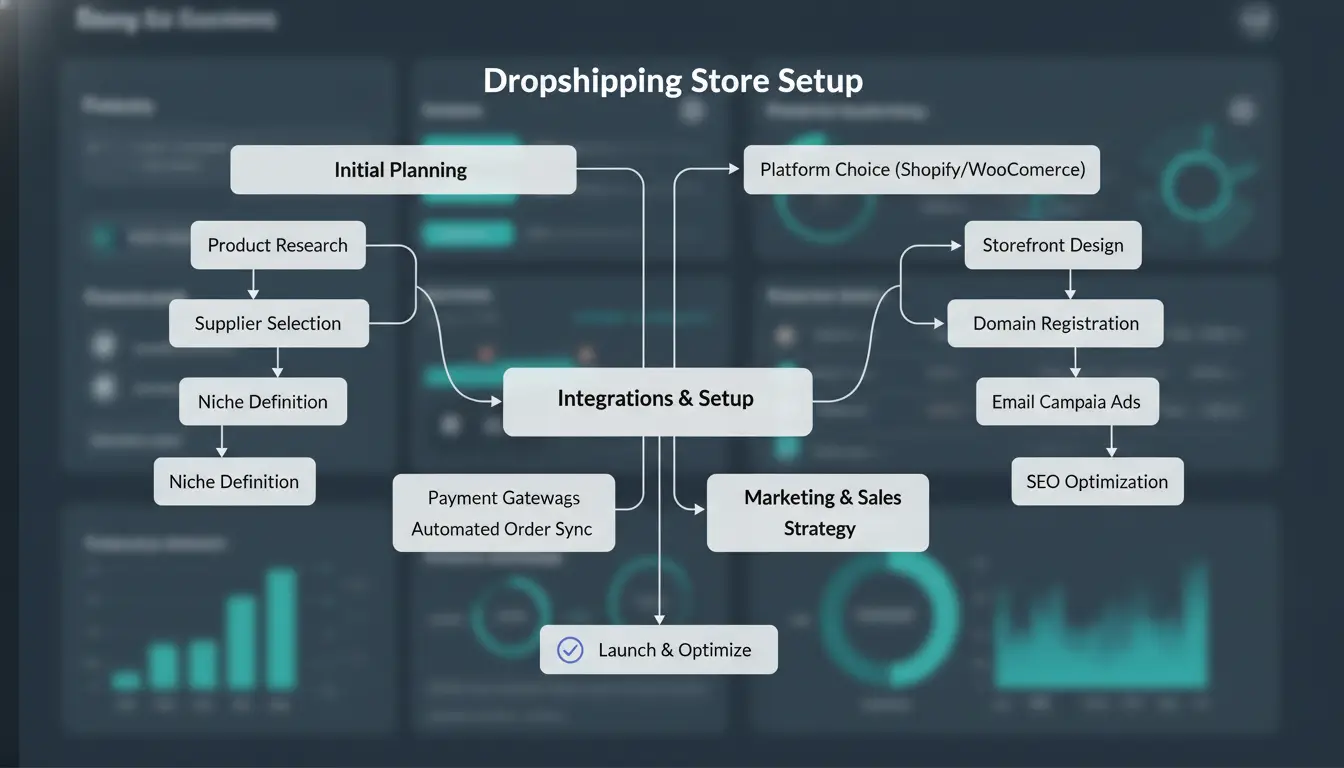
If you want to know how to start dropshipping without getting stuck, focus on simple steps that get your store live and ready to test products as quickly as possible.
How Do You Launch and Promote Your Dropshipping Store?
Getting your store online means nothing if no one visits or buys. The real work starts with reaching your first customers. Most people searching how to start dropshipping hit a wall here, not because they lack tools, but because they pick the wrong channel or throw money at ads with no plan. A smart launch means knowing what actually works for new stores and how to double down when you see results.
What Marketing Channels Work Best for New Stores?
Paid ads get you traffic fast, but not all ad platforms work the same. Facebook is still the go-to for testing products with a small budget. You can start with $10–$20 a day and see if people even click. TikTok ads can work for impulse buys, especially if your product is visual. Google Shopping pulls in buyers who are searching to buy right now, but you’ll need a product feed set up. Don’t ignore organic options, SEO can bring steady traffic once you rank for the right keywords, though it takes time. Creating short videos on Instagram or TikTok around your product can grab free views. Some sellers team up with small influencers for a flat fee or product sample, which gets you in front of real people without breaking the bank. 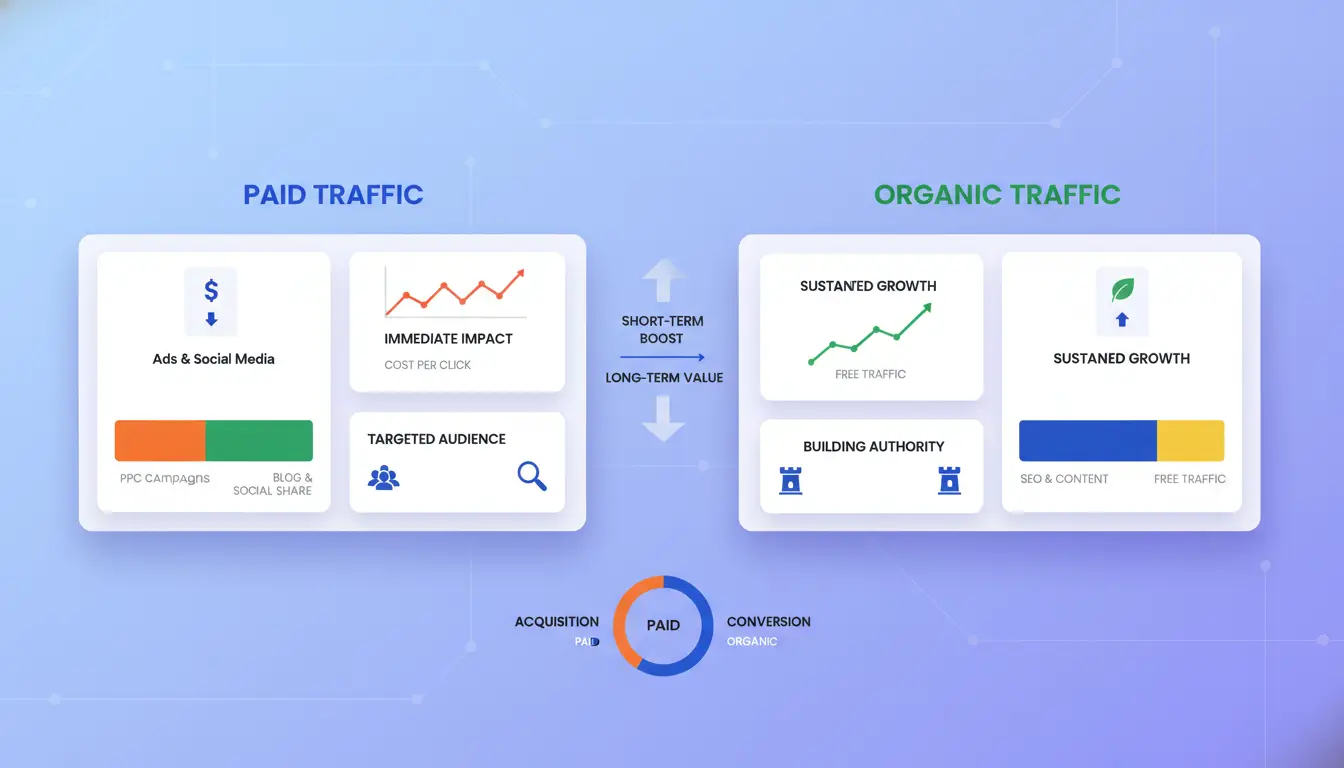
How to Track Results and improve Your Campaigns
Just turning on ads and hoping is a fast way to burn your budget. You need to watch a few numbers every day: cost per click, add-to-cart rate, and actual sales. If you spend $100 and don’t get a sale, pause and rethink the offer or the product page. Run simple split tests, change the headline or main image and see if more people buy. Most platforms like Facebook or Shopify have basic reporting built in. You can use tools like AliExpress or Oberlo to track which products ship fastest or get the best reviews. Tweaking your offer based on real data, not just gut feeling, is what separates stores that scale from stores that stall.
How Can You Manage Multiple Stores and Accounts Safely? (with DICloak)
Why Multi-Account Management Gets Risky in Dropshipping
Running several dropshipping stores or ad accounts from one device often leads to bans. Platforms flag shared IPs, browser fingerprints, and device info, so it’s easy to get all your accounts restricted at once. Even a small mistake, like logging into two stores on the same browser, can trigger a cross-store data leak or a full ad account shutdown. That’s why anyone searching for how to start dropshipping at scale soon runs into account safety problems.
How DICloak Makes Multi-Store Management Safer and Easier
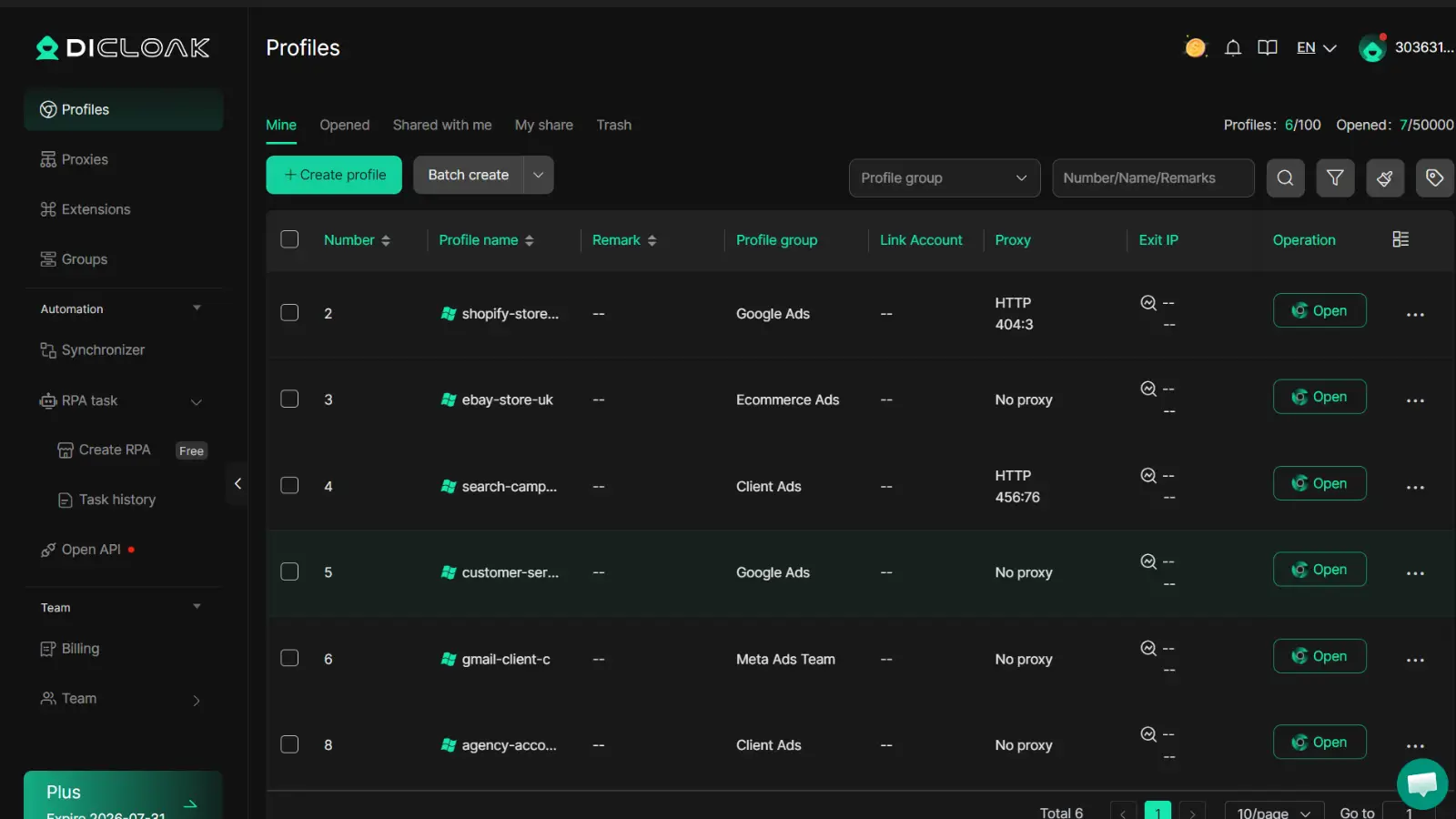
You can use tools like DICloak to create isolated browser profiles for each store, each with its own unique fingerprint and proxy. This setup keeps your stores from looking linked, lowering ban risk. DICloak supports flexible proxy integration and lets you assign profiles to team members without exposing the main login or recovery data. The real win is that each account stays cleanly separated, even if several people are working at once.
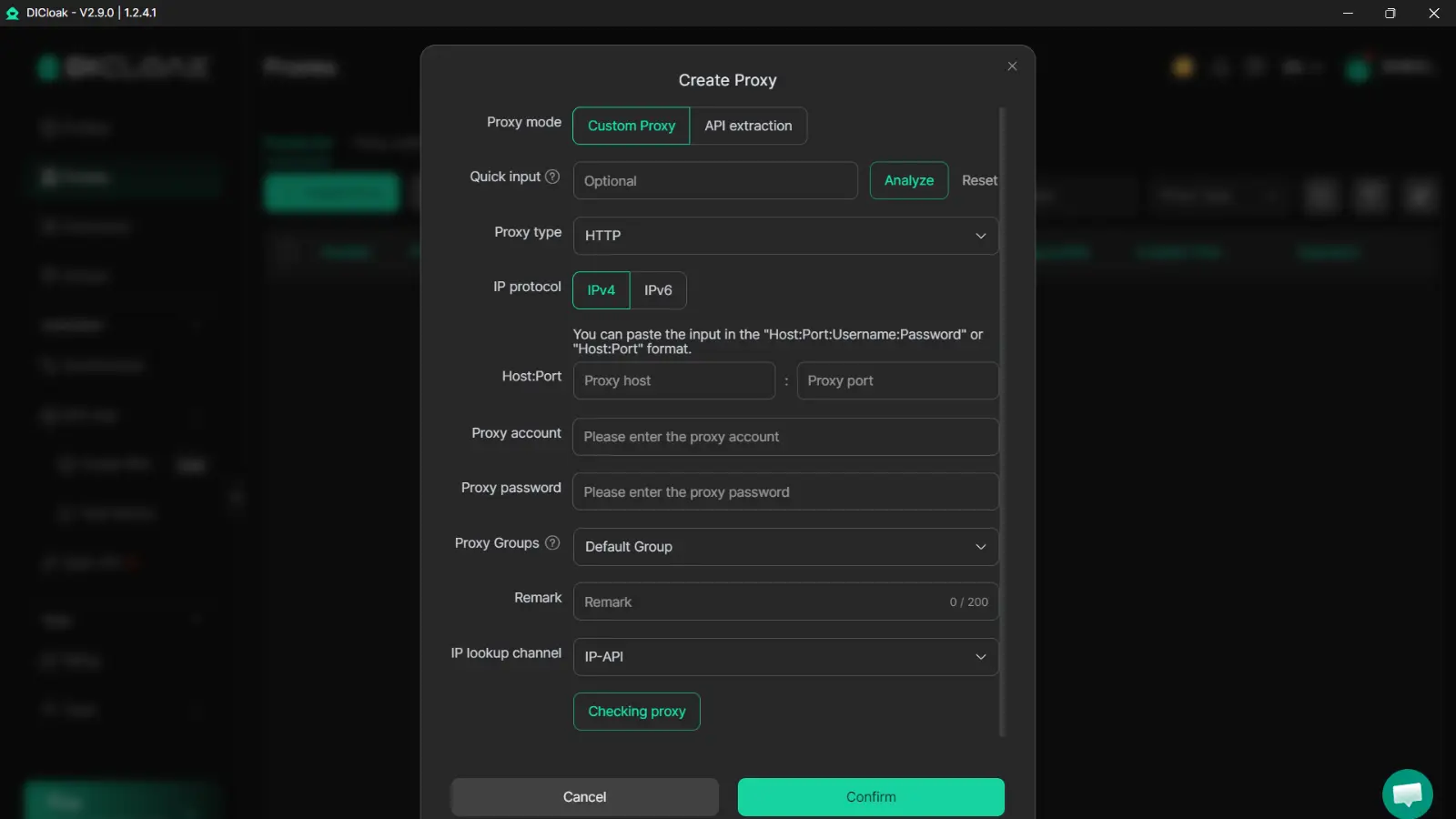
Automating Repetitive Tasks and Scaling Up
Bulk operations and RPA automation in DICloak help you process orders or update listings across accounts faster. Secure profile sharing means teams can handle customer service or ad adjustments without risking cross-account bans. For anyone figuring out how to start dropshipping with multiple stores, this is how real scaling happens with less stress.
What Common Mistakes Should New Dropshippers Avoid?
Starting out in dropshipping isn’t just about picking products and setting up a website. Most beginners lose money or get banned because they fall into the same traps. If you want to know how to start dropshipping without burning through your budget, pay close attention to these common mistakes.
Underestimating Costs and Overestimating Profits
It’s easy to get excited by screenshots showing huge sales, but profit is what matters. New dropshippers often forget about hidden costs, like payment processing fees, monthly app charges, and shipping upgrades. Ad spend can bleed your budget fast, especially if you run Facebook or TikTok ads hoping for instant results. Real returns are lower than most expect, and return rates in dropshipping can hit 15%, eating into your margins. Chargebacks are another silent killer; if a few customers complain, you might lose both the product and the payment processing account. Ignoring these numbers is why most stores fail before they even scale.
Ignoring Supplier and Shipping Issues
Finding cheap suppliers is not enough. Slow shipping frustrates buyers, especially when packages take weeks to arrive from overseas. Quality complaints spike if you never test the products yourself. When problems hit, you need a clear way to handle disputes and refunds or risk a flood of negative reviews. Platforms like AliExpress have built-in dispute tools, but learning how to use them well is part of how to start dropshipping that actually works.
Risky Account Practices That Trigger Bans
Trying to save time by running everything from your personal computer or mixing business and personal logins is a fast way to get banned. Marketplaces and payment processors flag accounts that share devices or IPs, thinking they’re fake or spammy. Always create separate business accounts and use dedicated devices or profiles. For sellers managing several stores or team members, you can use tools like DICloak to build isolated browser profiles that reduce ban risk.
When Does Dropshipping Make Sense, And When Should You Try Something Else?
Who Should Consider Dropshipping?
If you want to launch fast, have under $500 for setup and ads, and need to test ideas before risking more, dropshipping is a fit. It’s popular with people searching for “how to start dropshipping” because you don’t hold inventory. You focus on picking a niche, building a Shopify store, and running ads. For early tests, tools like Oberlo or AliExpress let you list products without buying stock.
When to Switch to Private Label or Holding Inventory
Once you see steady sales, slow shipping and weak branding will hold you back. If you’re losing repeat buyers or spending extra on complaints, moving to private label or holding stock can fix these problems. Dropshipping stops making sense when delivery and quality issues cost you more than the upfront savings.
| Dropshipping |
Private Label |
| Low cost upfront |
Control branding |
| Slow shipping |
Faster delivery |
Alternative E-Commerce Paths for Growth
Print-on-demand lets you sell custom shirts or mugs without bulk buying. Wholesale or hybrid models work if you want better prices and control as you grow. Each path has different risks and payoffs.
Frequently Asked Questions
Is dropshipping legal and allowed on major platforms?
Dropshipping is legal. Most major platforms like Shopify, Amazon, and eBay allow it, but each has rules. Shopify supports dropshipping businesses openly. Amazon allows dropshipping if you follow their guidelines, like not showing third-party branding. eBay allows dropshipping only if you ship directly from a wholesale supplier, not another retailer.
How much money do I need to start dropshipping?
You can start dropshipping with as little as $200–$500. Typical costs include a Shopify or similar store subscription, a domain name, and some marketing spend. You’ll also need cash to pay suppliers before customers get their orders. Budget more if you plan to run ads or order product samples.
Can I do dropshipping without any technical skills?
Yes, you can start dropshipping without technical skills. Platforms like Shopify and WooCommerce have simple drag-and-drop tools. Many apps automate tasks like order processing and product imports. You don’t need to code. There are also many free online guides and tutorials for beginners learning how to start dropshipping.
How long does it take to see profits from dropshipping?
Most people make their first sale within a few weeks after launching their store. But making steady profits can take 3–6 months. Success depends on choosing good products, setting up ads, and learning how to start dropshipping the right way. Profits grow as you test and improve your store.
What are the best countries to target for dropshipping?
The best countries to target are those with high online shopping rates and reliable shipping, like the US, UK, Australia, and Canada. Choose countries with strong payment systems and fast shipping options. Always check if your suppliers can deliver quickly to your chosen market. This helps avoid unhappy customers and returns.
Getting started with dropshipping involves careful research, choosing reliable suppliers, and building a user-friendly online store. By staying informed and adapting to market trends, you can create a profitable business with minimal upfront investment. Try DICloak For Free
 Web Proxy Tools
 Free Tools
 Cookie Plugin
 UA Generator
 MAC Address Generator
 IP Generator
 IP Address List
 2FA Code Generator
 World Clock
 Anonymous Check
 WebRTC Leak Test
 UUID Generator
 Free Web Proxy Site
 Proxy Checker
 FB Ad Checker
 AI Web Scraping
 Free SMM Tools
 Twitter Shadowban Checker
 Instagram Name Checker
 UTM Generator
 Username Generator
 AI Hashtag Generator
 LinkedIn Headline Generator
 Social Media Image Resizer