When you search for free TikTok likes, you will find three very different things bundled under the same phrase.
The first is organic growth, meaning likes you earn by posting content that people genuinely want to watch and share. The second is exchange networks, where you like other people's videos in return for them liking yours. The third is third-party generators and tools that promise to deliver likes automatically, usually with no effort required on your part.
These three are not the same thing. Organic likes carry real algorithmic weight. Exchange network likes are real accounts but low-intent engagement. Generator likes are almost always bots or scraped accounts. Knowing which category a tool falls into changes everything about whether it helps or hurts you.
How TikTok's Algorithm Weights Likes in 2026
Here is something most guides skip over: likes are not the top signal TikTok uses to decide whether your video gets pushed to more people.
In 2026, TikTok's For You page algorithm places the most weight on video completion rate. The threshold that tends to trigger wider distribution sits around 70%. If 70% or more of viewers watch your video to the end, TikTok reads that as strong content and pushes it further. A video with 500 genuine completions will almost always outperform one with 5,000 fake likes.
Shares carry more weight than likes in the current ranking model. A share signals that someone found your content worth passing on, which is a much stronger intent signal than a passive double-tap. Comments and saves also outrank likes in terms of algorithmic value.
Likes still matter, but mainly in two ways. First, they contribute to the overall engagement rate TikTok uses to score your content in the first hour after posting. Second, a high like count provides social proof that can nudge new viewers to engage. Neither of those benefits works if the likes come from bots that do not actually watch your video.
Why Most Free TikTok Likes Generators Are a Problem
Not every free tool is identical, so it is worth being specific about what you are actually dealing with.
Most generators that promise instant free TikTok likes fall into one of three categories. The first is bot networks, where automated accounts interact with your video. These accounts have no watch history, no real followers, and no behavioral patterns that look human. TikTok's detection systems flag unusual engagement spikes from accounts like these, and your video can be suppressed or your account flagged.
The second category is engagement farms, where real people in low-wage markets are paid to like videos in bulk. These likes come from real accounts, but the users do not watch your video, do not share it, and have no interest in your content. Your completion rate stays low, which tells the algorithm your content is not worth distributing. You get the likes but lose the distribution.
The third category is lead-generation traps. Many "free likes" tools ask for your TikTok login, your email address, or ask you to complete surveys. Some harvest your credentials. Others sell your email to marketing lists. The likes, if they arrive at all, are minimal. The data collection is the actual product.
There are a small number of exchange networks that operate differently, connecting real creators who agree to watch and like each other's content. These carry less risk than bots, but they still produce low-intent engagement and can distort your analytics in ways that make it harder to understand what content actually works.
Real Organic Strategies That Get You More Likes on TikTok
If you want TikTok engagement that actually moves your account forward, the work happens before and during production, not after.
Hook Quality in the First 1.5 Seconds
The first 1.5 seconds of your video determine whether someone keeps watching or scrolls. TikTok's own creator data consistently shows that videos with a clear, specific hook in the opening frame retain more viewers. A hook does not have to be dramatic. It just needs to answer the viewer's unspoken question: "why should I keep watching this?"
Specific hooks outperform vague ones. "I tested 5 TikTok posting times for 30 days" performs better than "here are some TikTok tips." The specificity creates a reason to stay.
Video Length and Completion Rate
Shorter videos are easier to complete, which means they tend to hit the 70% completion threshold more reliably. A 15-second video that gets watched fully by 80% of viewers will often outperform a 60-second video with 40% completion, even if the longer video has more total watch time.
That said, longer videos can work if the content genuinely holds attention throughout. The key is not to pad your videos. Every second that does not add value is a second where someone might scroll away.
CTAs That Feel Natural
Asking for likes directly can work, but it works better when it feels like a natural part of the conversation rather than a demand. "Double tap if you've been through this" performs better than "please like this video." The first version ties the action to an emotion. The second is a request that feels transactional.
Asking viewers to comment with a specific answer also drives engagement that the algorithm values more than likes. "Comment your answer below" gives people a reason to interact that feels active rather than passive.
Posting Time and Hashtag Strategy
Posting when your specific audience is active matters more than following generic "best time to post" guides. Check your TikTok analytics for when your followers are online and test posting 30 minutes before that window to give the algorithm time to index your video.
On hashtags: using three to five specific, relevant hashtags tends to outperform loading up on broad trending tags. Niche hashtags put your content in front of people who are actually interested in that topic, which improves your completion rate and engagement quality.
Engagement Tactics After You Post
Most creators treat posting as the finish line. It is actually the starting point for the first-hour engagement window that matters most to TikTok's distribution algorithm.
In the first hour after posting, reply to every comment you receive. Each reply generates a notification that can bring the commenter back to your video, adding another view and potentially a share. Pin a comment that adds context or asks a follow-up question to encourage more responses.
Use the reply-with-video feature when a comment gives you a genuine reason to respond with content. This creates a second video that links back to the original, driving traffic between the two and signaling ongoing engagement to the algorithm.
Stitch and duet other creators' content in your niche. When you engage with other videos, you appear in their comment sections and on their followers' For You pages. This is one of the most underused organic growth tactics for TikTok in 2026.
What Drives TikTok Likes at Scale When Posting Multiple Videos Per Week
If you post three to five videos per week, the variable that separates growing accounts from stagnant ones is consistency in content quality, not volume alone.
Posting more often helps only if each video gives the algorithm something to work with. One video per week that hits 75% completion and generates 50 shares will do more for your TikTok growth than five videos per week that each get 30% completion and no shares.
The accounts that grow fastest at volume tend to follow a testing framework. They post variations of the same core idea with different hooks, different lengths, or different formats, then double down on whatever version performs best. This is not guesswork. It is using your own data to find what your specific audience responds to.
Batch creating content helps here. If you film five videos in one session, you can schedule them across the week without the pressure of daily production. This frees up time to focus on the engagement tactics that happen after posting, which most creators skip.
Managing Multiple TikTok Accounts for Testing and Growth
Some creators and marketers run more than one TikTok account, whether to test content formats, manage separate brand identities, or handle client accounts. This is where the operational side of TikTok growth gets more complicated.
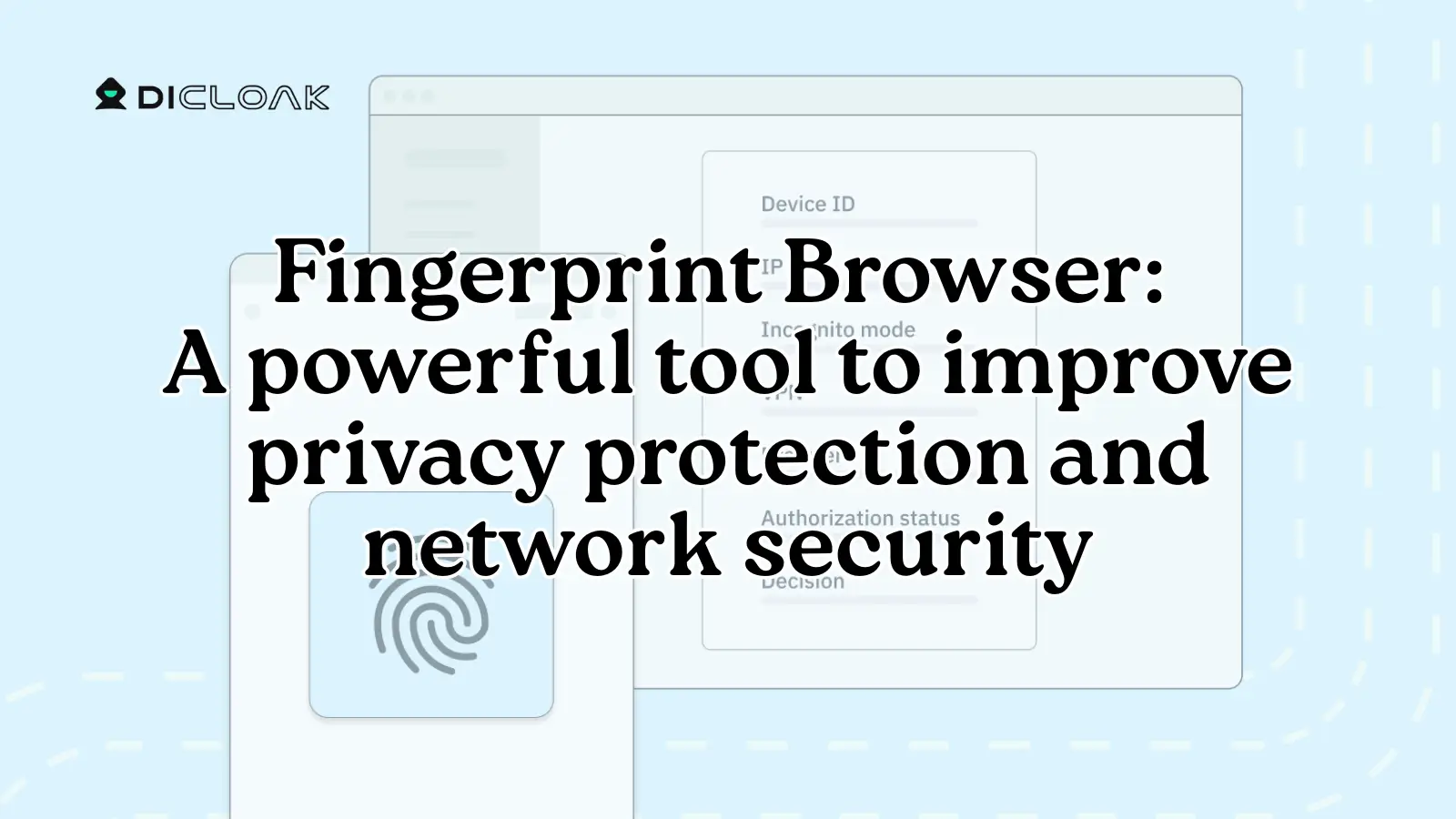
TikTok links accounts through device fingerprints, IP addresses, and behavioral patterns. If you log into multiple accounts from the same device and IP, TikTok may associate them and apply restrictions across all of them, especially if one account gets flagged.
For creators or agencies managing multiple TikTok profiles, they can try DICloak antidetect browser that provides isolated browser profiles, each with its own fingerprint and proxy configuration. Here is how that fits into a practical workflow:
- Each TikTok account runs in its own browser profile, so device and browser signals do not overlap between accounts.
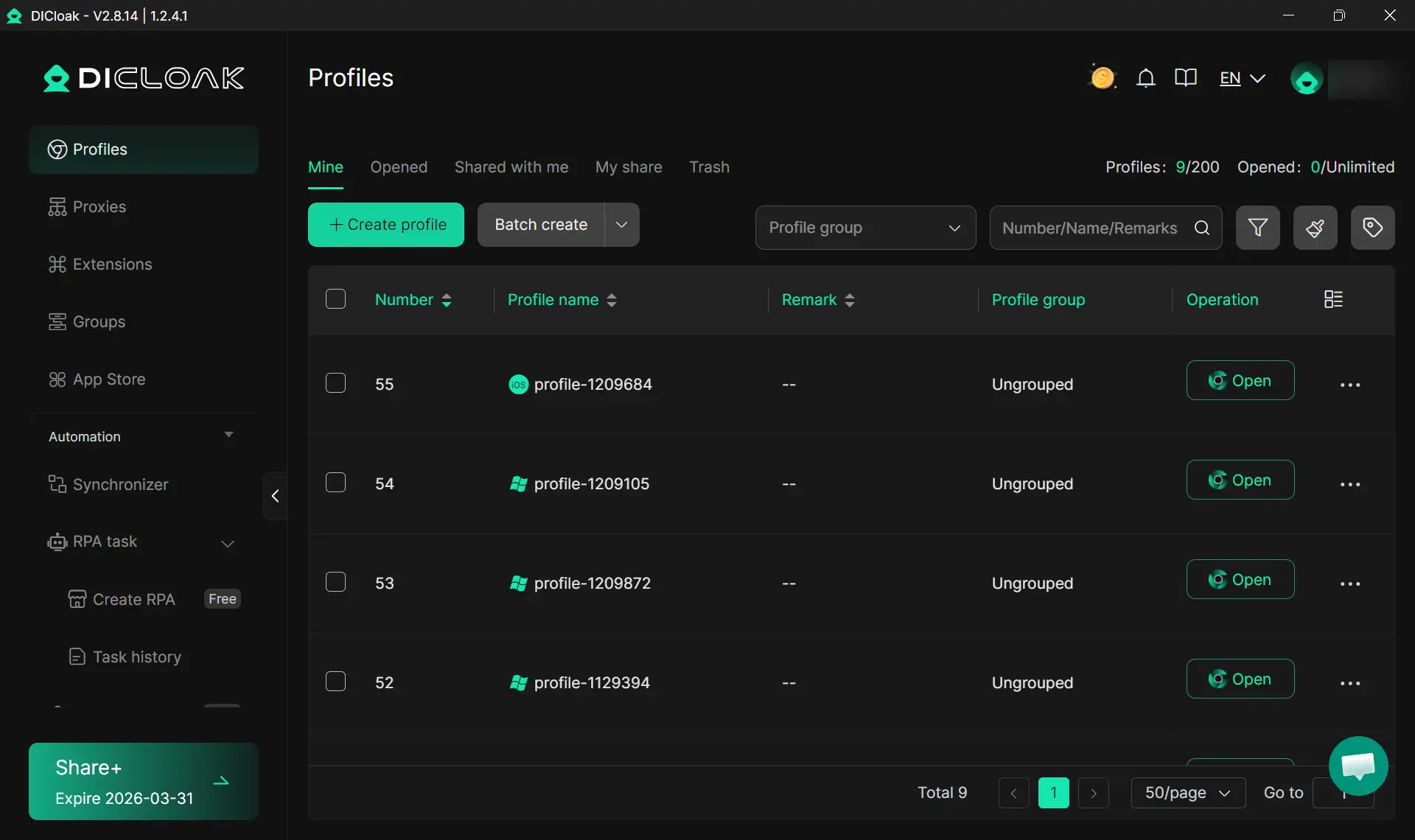
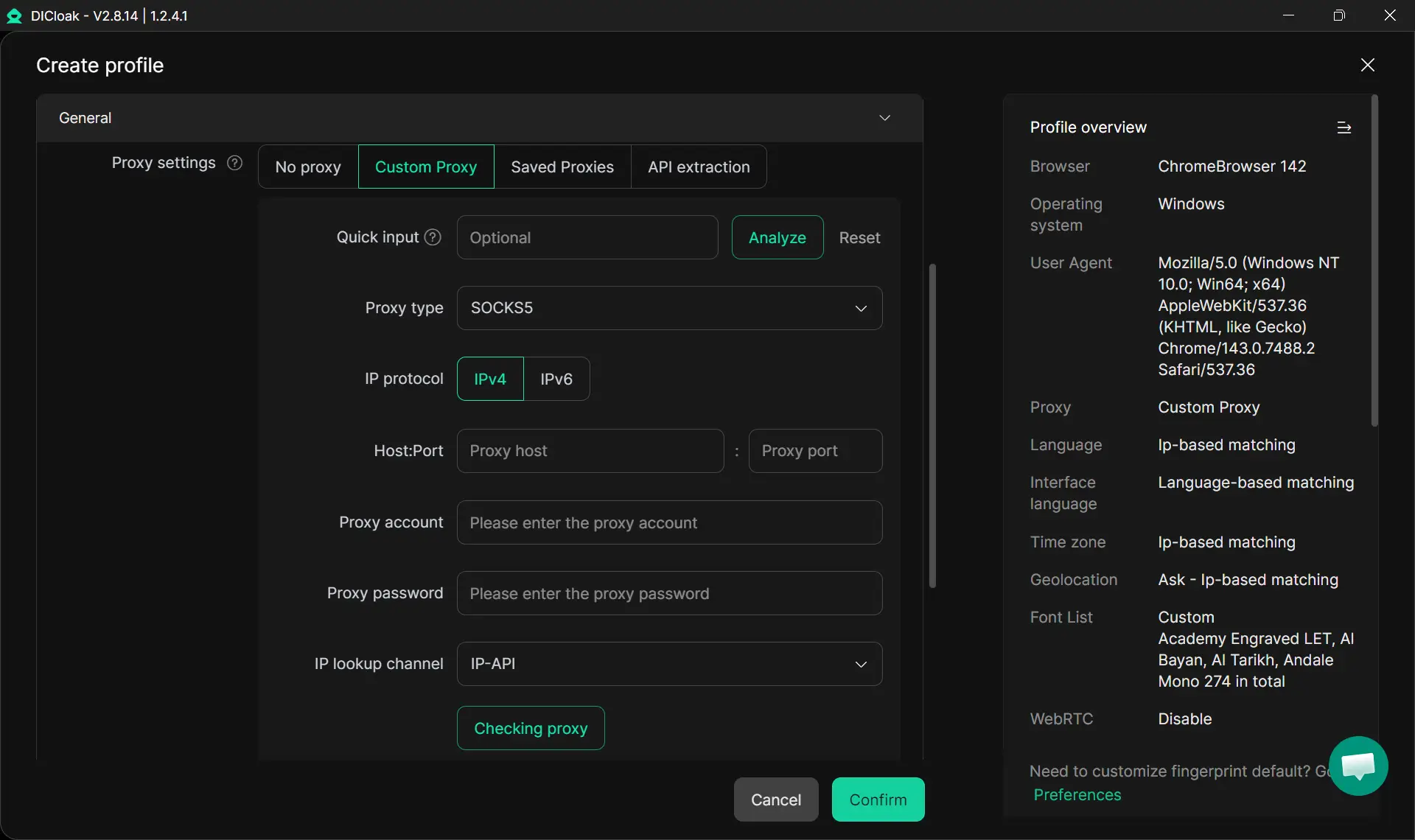
- You can assign different proxies to different profiles, giving each account a distinct IP address and location.
- Content testing across multiple accounts becomes easier to organize, since each profile keeps its own cookies, session data, and login state.
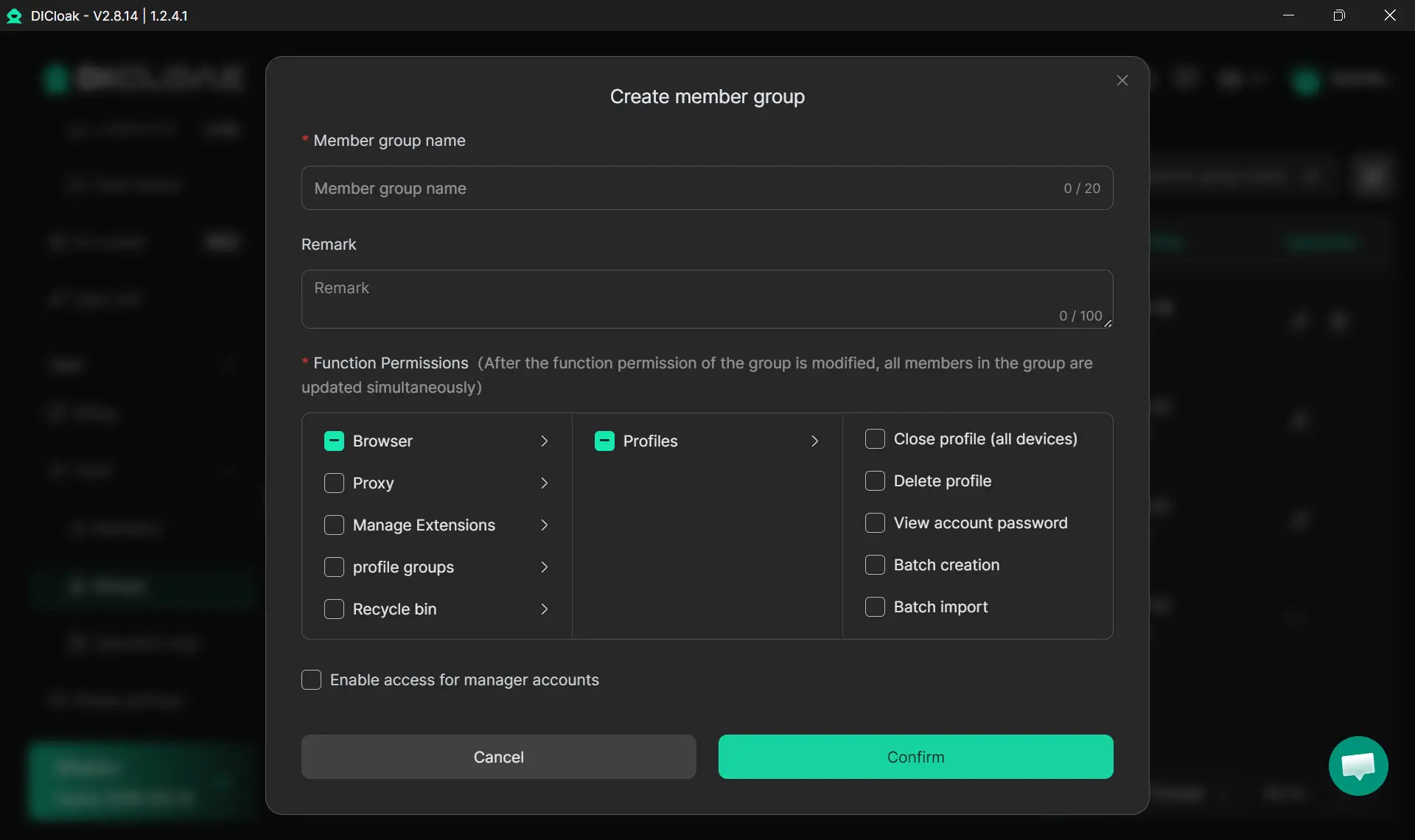
- Team members can access specific profiles without sharing login credentials, which reduces the risk of accidental cross-contamination between accounts.
- Posting schedules and account activity can be managed from a single interface without switching devices or browsers manually.
This kind of setup is most relevant for agencies, performance marketers, or creators who are seriously testing content strategy across multiple profiles rather than casual users with one account.
Risks You Should Know Before Using Any Third-Party Tool
Whether you are considering a likes generator, an exchange network, or any automation tool, the risks fall into a few clear categories.
Account flagging happens when TikTok detects unusual engagement patterns. A sudden spike of 2,000 likes from accounts with no watch history is a pattern TikTok's systems recognize. The result can range from reduced distribution to a full account suspension.
A TikTok shadowban is when your content stops appearing on the For You page without any notification. You can still post, your followers can still see your content, but new viewers stop finding you. This can last days or weeks and is often triggered by engagement manipulation or community guideline violations.
Data harvesting is the risk most people underestimate. If a tool asks for your TikTok password, do not use it. Even tools that ask only for your username and email can sell that data to third parties. The value of your account credentials and contact information often exceeds the value of the likes being offered.
Engagement drop after a fake spike is a practical problem even if your account avoids detection. When fake likes inflate your engagement rate and then disappear or stop interacting, your average engagement rate drops. This can make your account look less attractive to real followers and brand partners who review your analytics.
FAQs
Does getting free TikTok likes actually help your account grow?
It depends entirely on where the likes come from. Likes from real viewers who watch your video contribute to your engagement rate and social proof. Likes from bots or exchange networks can inflate your numbers but hurt your completion rate and algorithmic distribution. The net effect of fake likes is often negative.
What is the 70% completion rate threshold on TikTok?
TikTok's algorithm uses video completion rate as one of its strongest signals for pushing content to a wider audience. In 2026, videos that reach around 70% average completion tend to get significantly more distribution than those below that threshold. This is why a short video that gets watched fully often outperforms a longer video with partial views.
Can TikTok detect fake likes?
TikTok uses behavioral analysis, device fingerprinting, and account history to identify inauthentic engagement. Bot accounts have recognizable patterns, including no watch history, no real followers, and activity that does not match normal human behavior. TikTok regularly removes fake engagement and can flag or restrict accounts that receive it.
Is using a TikTok likes exchange safe?
Exchange networks carry less risk than bot generators because the likes come from real accounts. However, the engagement is still low-intent, meaning those users are not watching your video or sharing it. Your completion rate stays low, which limits distribution. There is also a terms of service risk, since coordinated inauthentic engagement violates TikTok's community guidelines.
How many hashtags should I use on TikTok in 2026?
Three to five specific, relevant hashtags tend to work better than loading up on broad trending tags. Niche hashtags place your content in front of people who are interested in that topic, which improves engagement quality. Broad hashtags like #fyp or #viral have so much competition that they rarely drive meaningful discovery for most accounts.
Why did my TikTok engagement drop after a spike?
A sudden drop in engagement after a spike often means the spike was driven by inauthentic activity that TikTok subsequently filtered out. It can also happen after a video goes semi-viral and the audience it reached was not your core demographic, leading to lower engagement on your next posts. Check your analytics to see whether the drop correlates with a specific video or time period.
The Bottom Line
Free TikTok likes from generators and bots are not worth the risk. The engagement does not help your distribution, the tools often harvest your data, and the short-term number boost can hurt your account's long-term performance.
What actually works in 2026 is building content that people complete and share. Focus on your hook, keep your videos tight, post when your audience is active, and engage hard in the first hour after posting. If you are testing content across multiple accounts or managing TikTok profiles at scale, make sure your setup keeps those accounts properly separated to avoid cross-account restrictions.
The creators growing fastest right now are treating TikTok like a testing environment, not a lottery. Post, measure completion rate and shares, identify what works, and repeat it. That is the strategy that compounds over time.
 Web Proxy Tools
 Free Tools
 Cookie Plugin
 UA Generator
 MAC Address Generator
 IP Generator
 IP Address List
 2FA Code Generator
 World Clock
 Anonymous Check
 WebRTC Leak Test
 UUID Generator
 Free Web Proxy Site
 Proxy Checker
 FB Ad Checker
 AI Web Scraping
 Free SMM Tools
 Twitter Shadowban Checker
 Instagram Name Checker
 UTM Generator
 Username Generator
 AI Hashtag Generator
 LinkedIn Headline Generator
 Social Media Image Resizer