If your team already works in Notion, it is easy to see why sharing Notion AI sounds useful. One person may use it to summarize meetings, another to draft content, while a manager may rely on it to search project knowledge. The problem starts when several people need access, but not everyone needs the same level of AI use or a separate paid seat.
So, can you share a Notion AI account with your team without simply passing around the password? Yes, but the best setup depends on who needs full AI access, who only needs shared pages, and whether your team needs to work from the same existing session. This guide explains Notion AI pricing and account-sharing rules, compares the main ways to share access, and shows where an antidetect browser like DICloak can fit into a team workflow.
Why Do Teams Want to Share a Notion AI Account?
Notion AI is the AI layer built into Notion. It helps users search workspace knowledge, summarize pages and meetings, draft content, and work with information already stored across projects, tasks, and databases. For teams already using Notion as a shared workspace, this makes AI useful inside the same place where daily work happens. Common team use cases include:
- Project managers checking project updates and task information.
- Content teams drafting, rewriting, and summarizing workspace content.
- Sales and client teams turning meeting notes into summaries and action items.
- Managers finding information across shared team knowledge.
The sharing question usually appears when only part of the team uses these AI features often. A small agency may have two employees who use Notion AI every day, a freelancer who needs it for one project, and clients who only review pages. Not everyone who needs access to Notion also needs full Notion AI access. Before choosing a sharing method, teams should first decide who actually needs AI and how often they use it. That makes pricing and Notion's account-sharing rules the next things to check.
How Much Does Notion AI Cost, and Does Notion Allow Account Sharing?
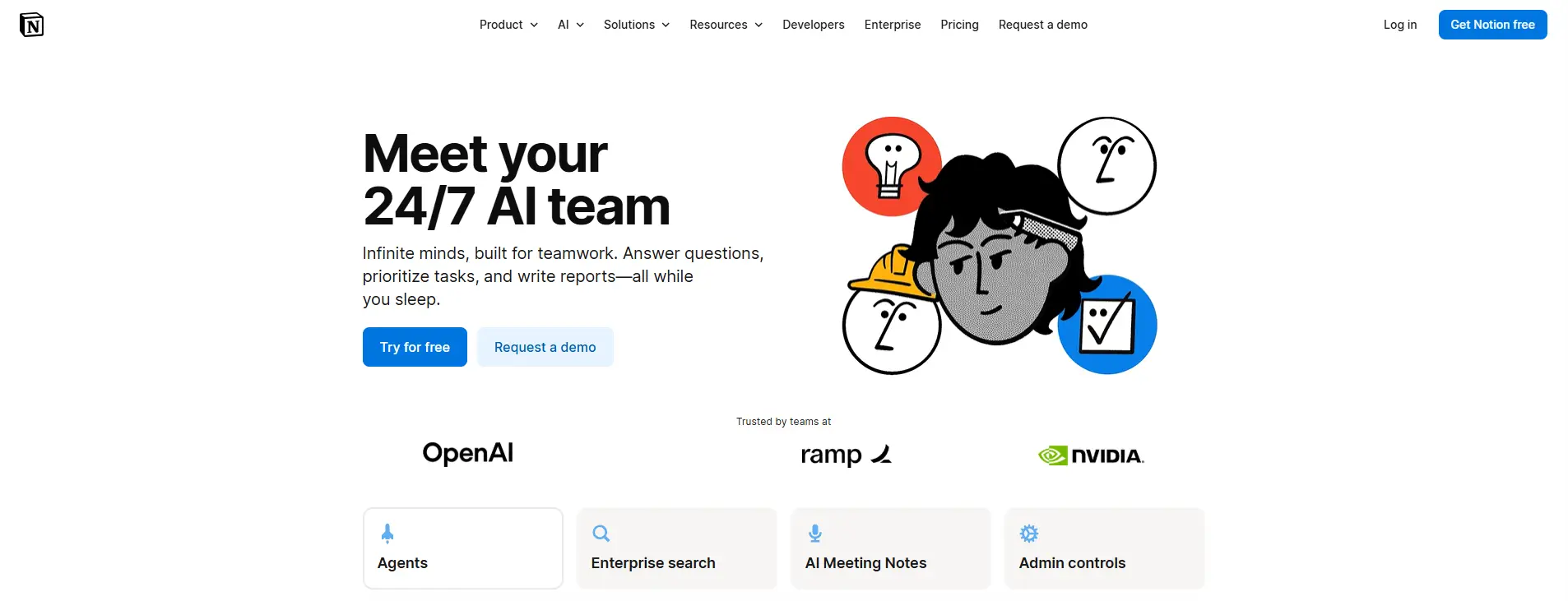
Notion AI is not priced as one team account that you buy once and pass around. In 2026, the main AI features are included in the Business plan at $20 per member per month on monthly billing, while Notion expects team members to use individual accounts rather than share one login.
Notion AI Pricing in 2026
Notion currently lists four plans in USD:
| Plan |
Monthly price |
Notion AI access |
| Free |
$0/member |
Limited AI trial |
| Plus |
$10/member |
Limited AI trial |
| Business |
$20/member |
Notion Agent, AI Meeting Notes, Enterprise Search, and other Business AI features |
| Enterprise |
Custom pricing |
Business features plus more enterprise controls |
For teams that use Notion AI regularly, Business is the main plan to look at. Since pricing is per member, a team with five people who all need Business access would pay for five seats rather than split one paid AI seat across the group. This is why teams should first decide who really needs AI and who only needs access to pages or project content.
Does Notion Allow You to Share One Login?
Notion is designed around individual user accounts. For normal team collaboration, members can use their own accounts and receive access through workspace roles, pages, and permissions. However, teams do not all have the same sharing needs. A full-time employee may need their own Notion AI access, while a client may only need a shared page. Some teams may also need temporary access to an existing logged-in session without sending the account password directly.
The best sharing method depends on what each person actually needs to access. Before choosing one, it helps to compare Notion's native team features with other ways to share access without simply passing the password around.
What Are the Best Ways to Share Notion AI With Your Team?
There is no single sharing method that fits every team. The best choice depends on whether someone needs regular Notion AI access, only needs to review content, or needs temporary access to an existing logged-in session.
Method 1: Add Team Members Through Notion
For employees who use Notion AI as part of their daily work, Notion's own team access is usually the simplest choice. Each person uses their own account, while workspace and page permissions control what they can access. This works best for long-term team members who need AI across projects, databases, and shared knowledge. The main trade-off is cost, since adding paid members can increase the workspace bill.
Method 2: Use Guests or Page Sharing for People Who Do Not Need AI
Not everyone who works with your team needs an AI seat. Clients, reviewers, and outside partners may only need to read, comment on, or edit specific pages. For example, an agency can give its internal team full workspace access while sharing only a project page with a client. If someone only needs the content, giving them broader AI access usually adds cost and complexity without solving a real problem.
Method 3: Use Password Manager for Credential Management
A password manager can help when several trusted people need access to the same account credentials. It keeps passwords out of email, chat messages, and shared documents, and access can be removed when a person leaves the team. However, everyone is still using the same underlying Notion account. A password manager controls how credentials are stored and shared, but it does not create separate Notion identities or different workspace permissions for each user.
Method 4: Use an Antidetect Browser for Team Collaboration
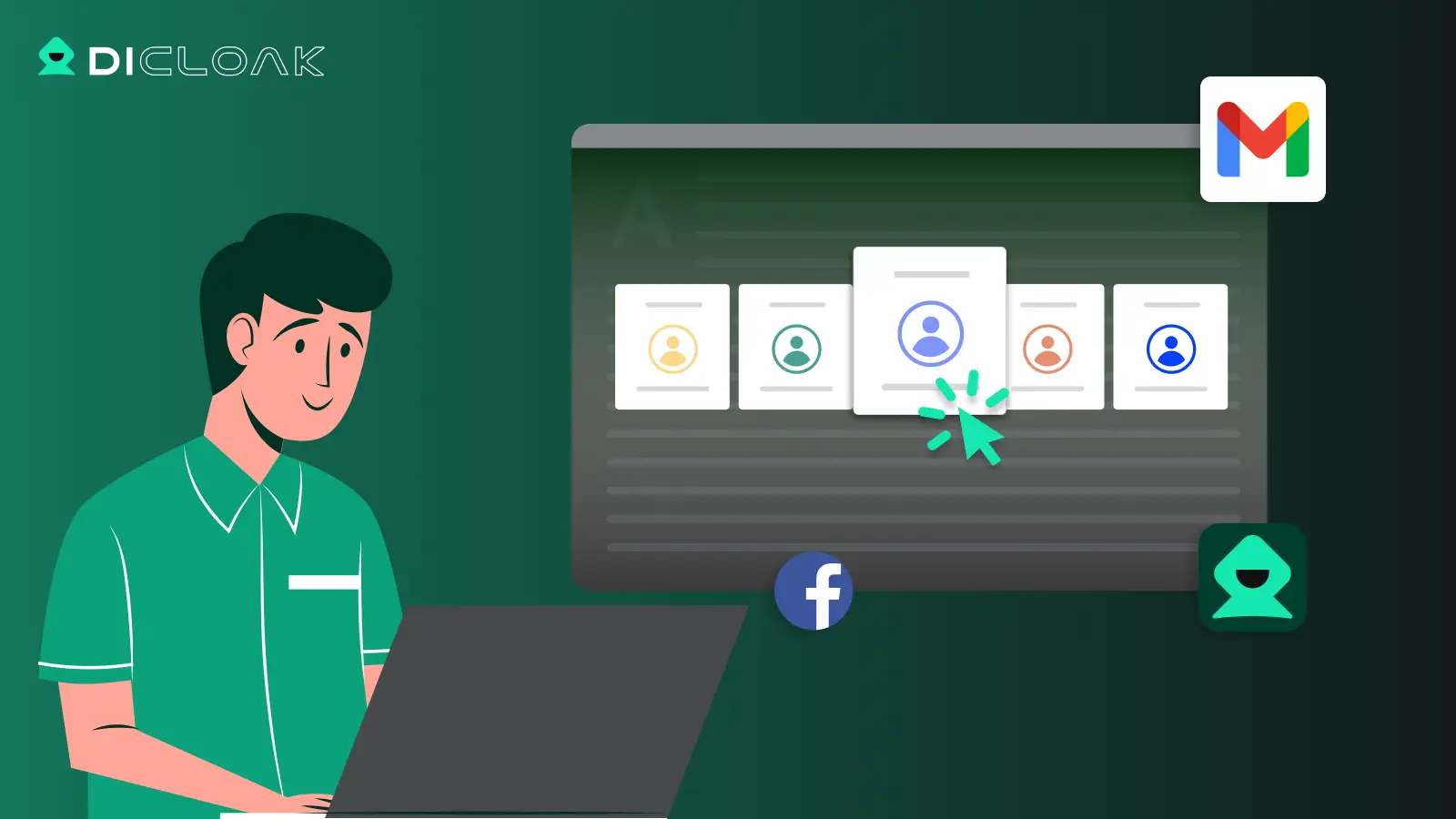
Some teams do not need another permanent Notion user. They may need a contractor or teammate to work from an existing logged-in browser session for a limited task. In this case, an antidetect browser like DICloak can be used to share a browser Profile instead of sending the Notion password directly. With Profile sharing, team permissions, and operation logs, access to that working session can be assigned and reviewed from the team side.
This method is most relevant for controlled session access, not as a replacement for Notion's own Member, Guest, or workspace permission system. For regular employees, native Notion access is usually the better fit; for an existing shared workflow, a browser Profile can give teams another way to manage access without passing credentials around.
Why Use DICloak to Share a Notion AI Account?
For teams that need to work from an existing logged-in Notion AI session, an antidetect browser like DICloak offers more control than simply sending the password to another person. It is especially useful for agencies, remote teams, or temporary contractors who need access to the same working setup.
- Keep the Notion session isolated and consistent: Each browser Profile keeps its own cookies, login session, and browser settings. Team members can work from the same configured Profile without mixing the session with their personal browser data or setting it up again on another device.
- Control how the team accesses the Profile: Profile sharing and team permissions let selected members use the Profile without giving everyone the login details. Operation logs also make it easier to review team activity and remove access when a project ends.
- Keep temporary collaboration more cost-efficient: A freelancer or short-term teammate may only need the existing Notion workflow for a limited period. In this type of case, sharing a configured Profile can reduce repeated setup work and make temporary access easier to manage.
The main value of an antidetect browser here is not just sharing an account. It is keeping one logged-in Notion session isolated, reusable, and easier to control across a team.
How to Share a Notion AI Account With DICloak
When a team needs to use the same existing Notion AI session, a dedicated browser Profile can keep the login in one managed place. With DICloak, selected teammates can use that Profile instead of repeatedly sending passwords or verification codes. This approach is most useful for teams that need controlled access to an existing logged-in session.
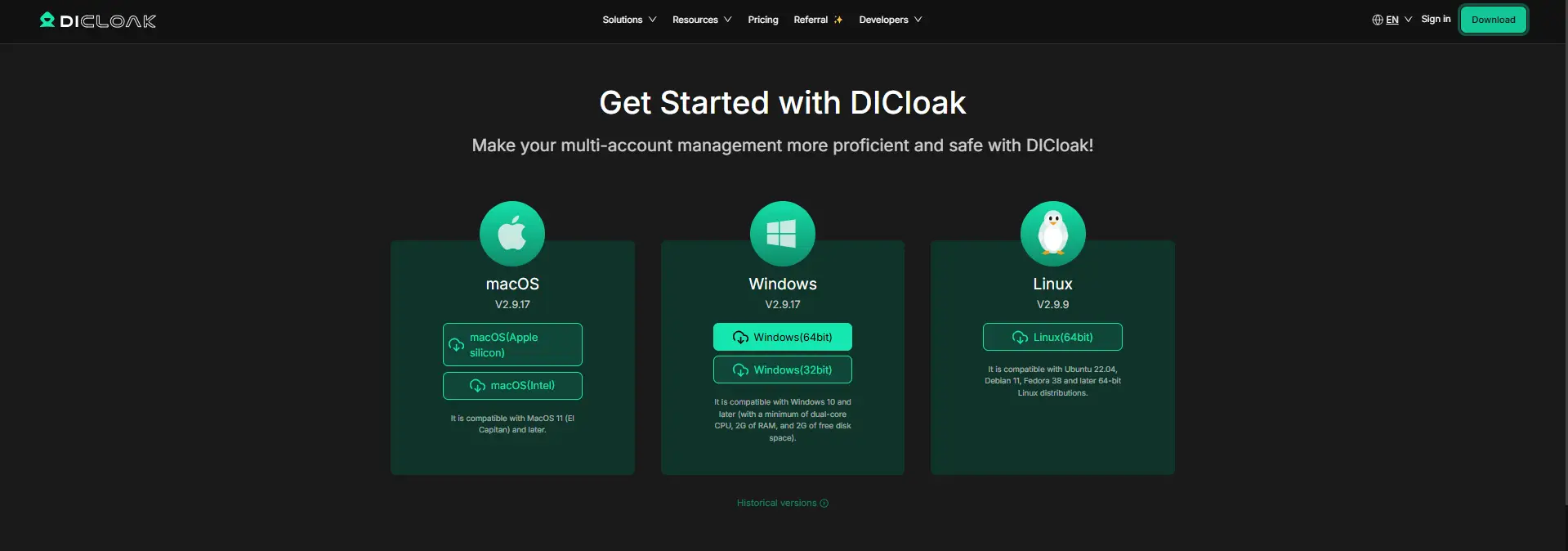
1. Set Up Your DICloak Team and Choose a Plan
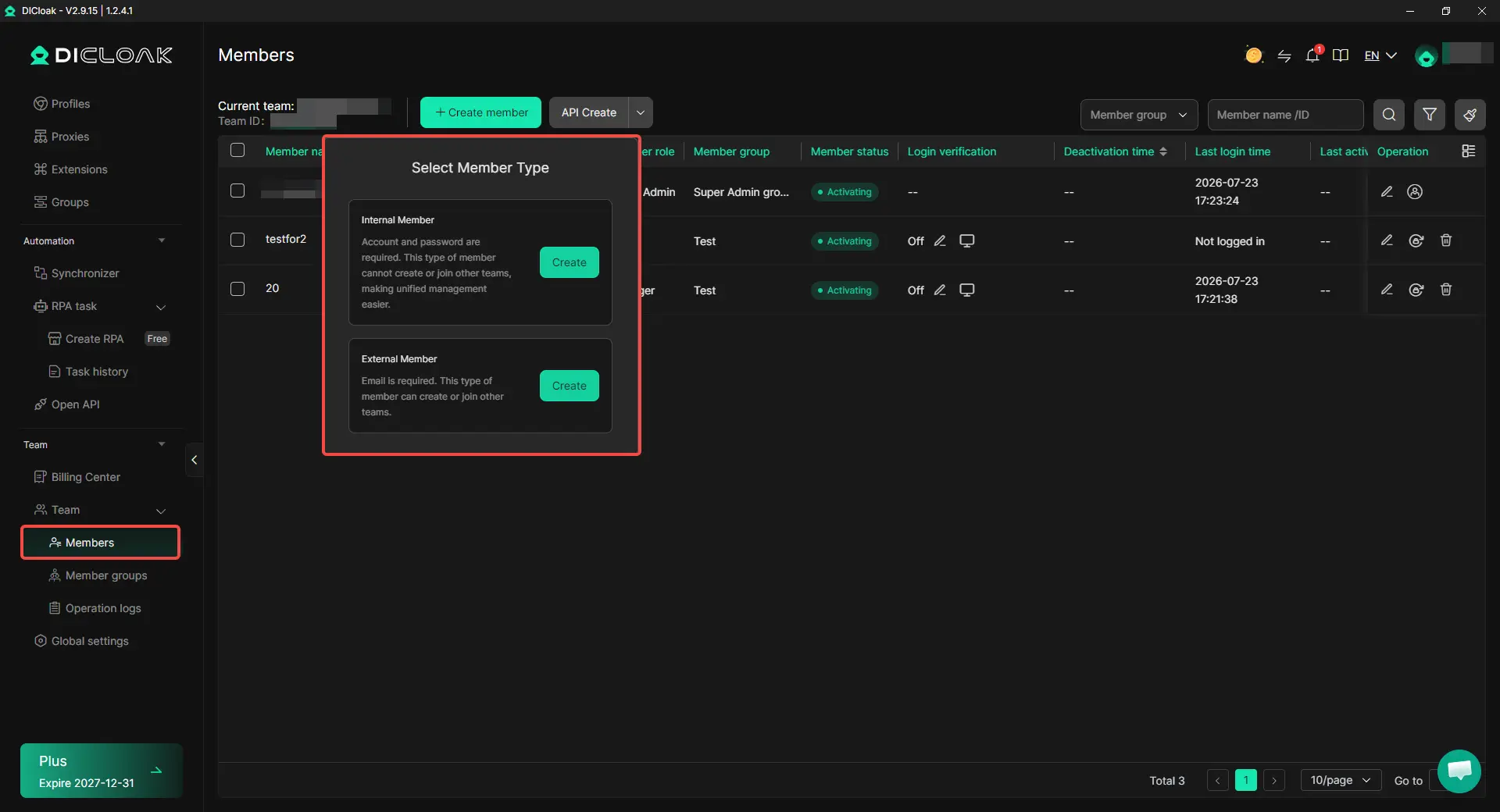
Install DICloak, create a team, and give each teammate their own member account. Choose a plan based on how many members and Profiles your team needs. This keeps team access separate from the Notion login itself.
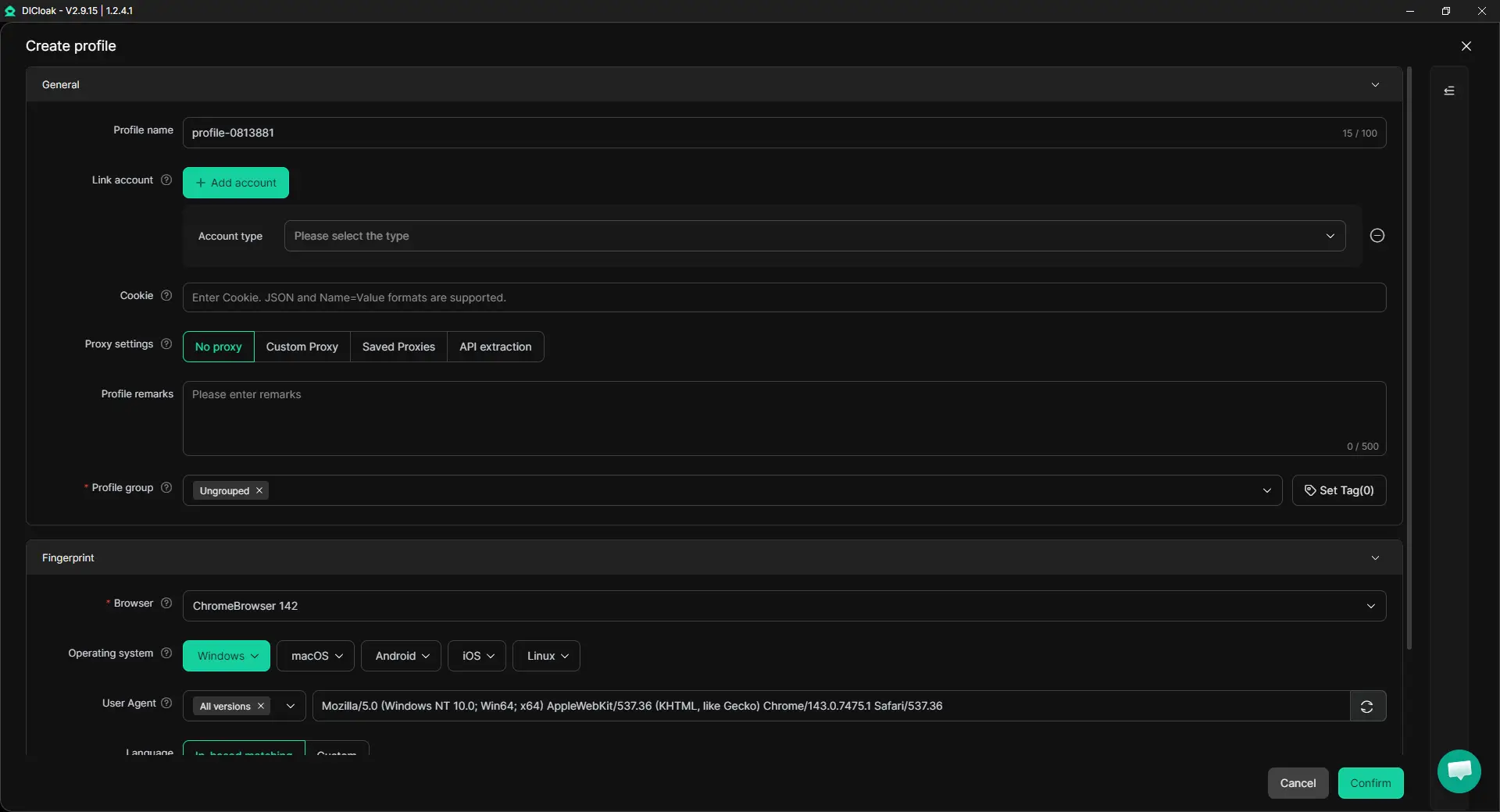
2. Create a Dedicated Notion AI Profile
Create a separate profile, such as Notion AI – Content Team. Configure the Profile settings, including fingerprint settings and a user-configured proxy if your workflow requires a specific network setup. Keeping the Notion session in its own Profile also separates its cookies and browser data from other work.
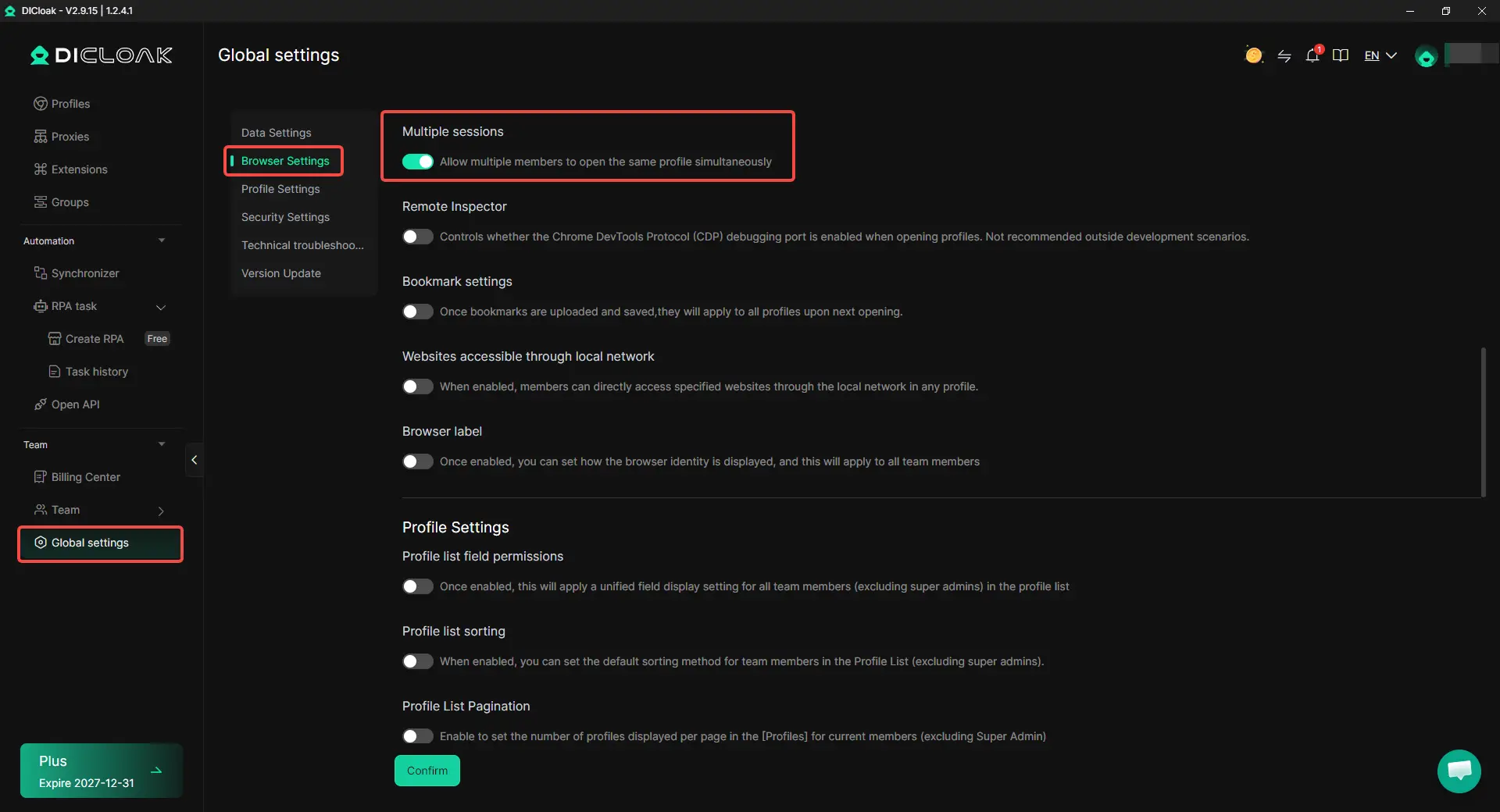
3. Enable Multiple Sessions Only If Your Team Needs It
If several teammates need to use the same Notion Profile at the same time, enable Multiple sessions. If people normally take turns, leave it off to keep the workflow simpler. Concurrent access should match how the team actually works.
4. Log In to Notion AI
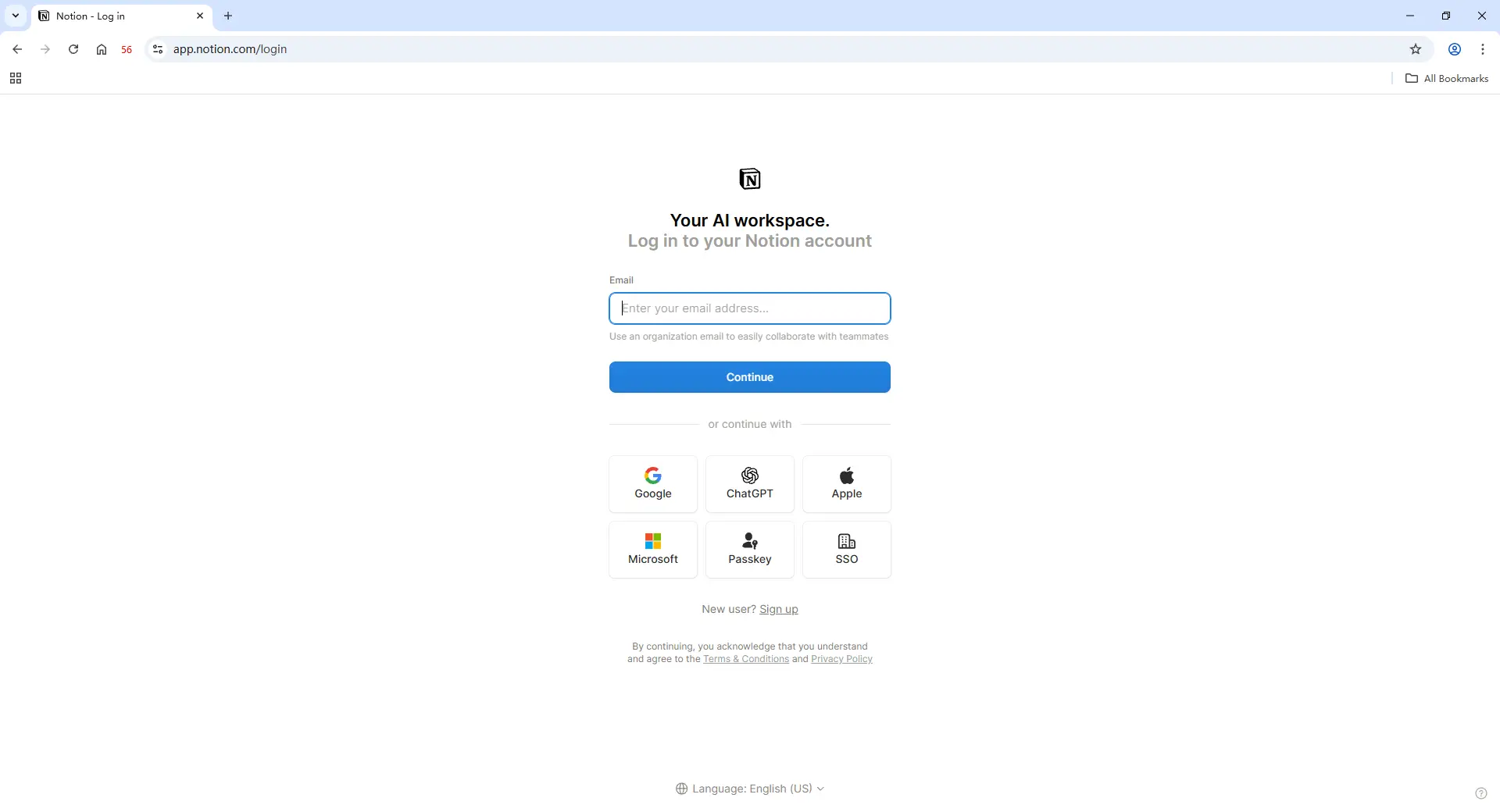
Open the Profile and sign in to Notion using the account owner's normal login method. Once the login session is stored in the Profile, assigned teammates can reopen the same working session without receiving the account password directly. This also reduces the need to repeat the initial login setup on each teammate's browser.
5. Share the Profile With Selected Team Members
Use Profile sharing and team permissions to decide who can access the Notion Profile. For example, a full-time employee may keep ongoing access, while a freelancer can receive access only for the project they are working on. Sensitive browser areas and saved passwords can also be restricted when the workflow requires it.
6. Manage Access and Review Activity
When a teammate or contractor no longer needs the Notion session, remove their Profile access instead of changing the entire team workflow. Operation Logs can also help admins review Profile-related activity and understand how shared access is being used. This is especially useful when contractors join and leave projects often.
Frequently Asked Questions About Sharing a Notion AI Account
Can multiple team members share the same Notion AI account?
Yes, teams can organize access in several ways depending on how they work. Regular employees can use Notion's own member system, while teams that need to work from the same existing login session can use a shared browser Profile. An antidetect browser like DICloak keeps the Notion login, cookies, and session inside one Profile that selected teammates can access.
Can I share Notion AI without giving my password to teammates?
Yes. One option is to invite teammates through Notion so they use their own accounts. If the goal is to share an existing logged-in Notion AI session, a browser Profile can also keep the login inside the Profile instead of sending the password through email or other team chats. With DICloak, Profile sharing and team permissions can be used to control who gets access.
Do all team members need their own Notion AI access?
No. It depends on what each person actually does. A writer or project manager may use Notion AI every day, while a client may only need to review a project page. Teams can save unnecessary setup and cost by giving AI access to people who use it and using Guest or page sharing for people who only need the content.
What is the easiest way to share Notion AI with a freelancer or contractor?
For a contractor who only joins for a short project, sharing an existing browser Profile can be convenient. The contractor can work from the configured Notion session without setting everything up again or receiving the account password directly. Using DICloak also makes it easier to give access to a specific Profile and remove that access when the project ends.
Is an antidetect browser useful for sharing Notion AI with a remote team?
It can be useful when several remote teammates need access to the same working session. A dedicated Profile keeps the Notion cookies, login state, and browser settings together, while Profile sharing and team permissions make the session easier to hand between team members. This is especially practical for agencies, distributed teams, and temporary collaboration where people may need to continue work from the same Notion setup.
Conclusion
Sharing a Notion AI account with a team in 2026 is less about passing around one login and more about choosing the right access method for each person. Full-time team members may need their own Notion access, while clients or reviewers may only need shared pages. For teams that need to work from the same existing logged-in session, an antidetect browser like DICloak can keep the Notion session inside one browser Profile and let selected teammates access it through Profile sharing and team permissions. The best way to share Notion AI without sharing passwords is to match the sharing method to the real workflow: use Notion's own collaboration tools for individual access, and use a managed browser Profile when the team needs to share the same working session.
 Web Proxy Tools
 Free Tools
 Cookie Plugin
 UA Generator
 MAC Address Generator
 IP Generator
 IP Address List
 2FA Code Generator
 World Clock
 Anonymous Check
 WebRTC Leak Test
 UUID Generator
 Free Web Proxy Site
 Proxy Checker
 FB Ad Checker
 AI Web Scraping
 Free SMM Tools
 Twitter Shadowban Checker
 Instagram Name Checker
 UTM Generator
 Username Generator
 AI Hashtag Generator
 LinkedIn Headline Generator
 Social Media Image Resizer