A new affiliate starts every 15 seconds on Amazon Associates, but most quit before payday. The biggest problem? Beginners jump into affiliate programs for beginners thinking sign-up equals money. They soon find out clicks don’t mean cash, and the first payout can take months. Common advice says “just pick the best affiliate networks for beginners and share your link,” but that’s only half the story. Without the right approach, people end up spinning their wheels: picking random offers, getting zero traffic, or missing basic terms that get their account banned.
The real pain isn’t finding a program, it’s turning effort into real income. You need to know which beginner affiliate marketing programs actually pay out, how to pick products that fit your audience, and what rookie mistakes drain your time. For example, some networks hold payouts for 60 days, while others close accounts if you miss a single rule. Tools like DICloak help serious affiliates run multiple accounts safely, but early mistakes can lock you out before you ever see a commission.
This guide breaks down exactly how to start affiliate marketing as a beginner, where the traps are, and what steps actually lead to your first payout. Here’s what most newcomers wish they’d done from day one.
What Should Beginners Know Before Joining an Affiliate Program?
Starting with affiliate programs for beginners sounds simple, but most newcomers miss key facts that cost them time and earnings. You don’t just sign up and start making money, there are rules, tracking systems, and some traps that only show up after you join.
How Affiliate Programs Actually Work for Beginners
The core idea is direct: you join a program, get a special tracking link, and share it. When someone clicks your link and buys, you earn a commission. Most beginner affiliate marketing programs use one of these payout models:
| Model |
What Counts for Payment |
Example Scenario |
| CPS (Cost Per Sale) |
You get paid if someone buys |
Amazon: $10 sale = $1 commission |
| CPA (Cost Per Action) |
You get paid for a signup or action |
User fills out a form = $2 |
| CPL (Cost Per Lead) |
You earn for a qualified lead |
Email submit = $0.50 |
These tracking links are how networks like Amazon Associates and ClickBank know who sent the sale. Payouts often have a minimum (like $50 or $100), and some networks wait up to 60 days to release your money.
What Are the Main Risks and Misconceptions for New Affiliates?
One common myth is that affiliate programs for beginners lead to fast, easy money. In reality, most payouts are slow, and some programs close your account if you break a rule, even by accident. Hidden terms can include not bidding on brand names, not using certain traffic sources, or having to meet a minimum number of sales.
The biggest mistake is ignoring the fine print, one missed rule can mean you lose all earnings. Before picking the best affiliate networks for beginners, read the terms twice and check support forums like Warrior Forum for real-world feedback. That’s how to start affiliate marketing as a beginner without tripping into the most common traps.
How Can You Spot a Beginner-Friendly Affiliate Program?
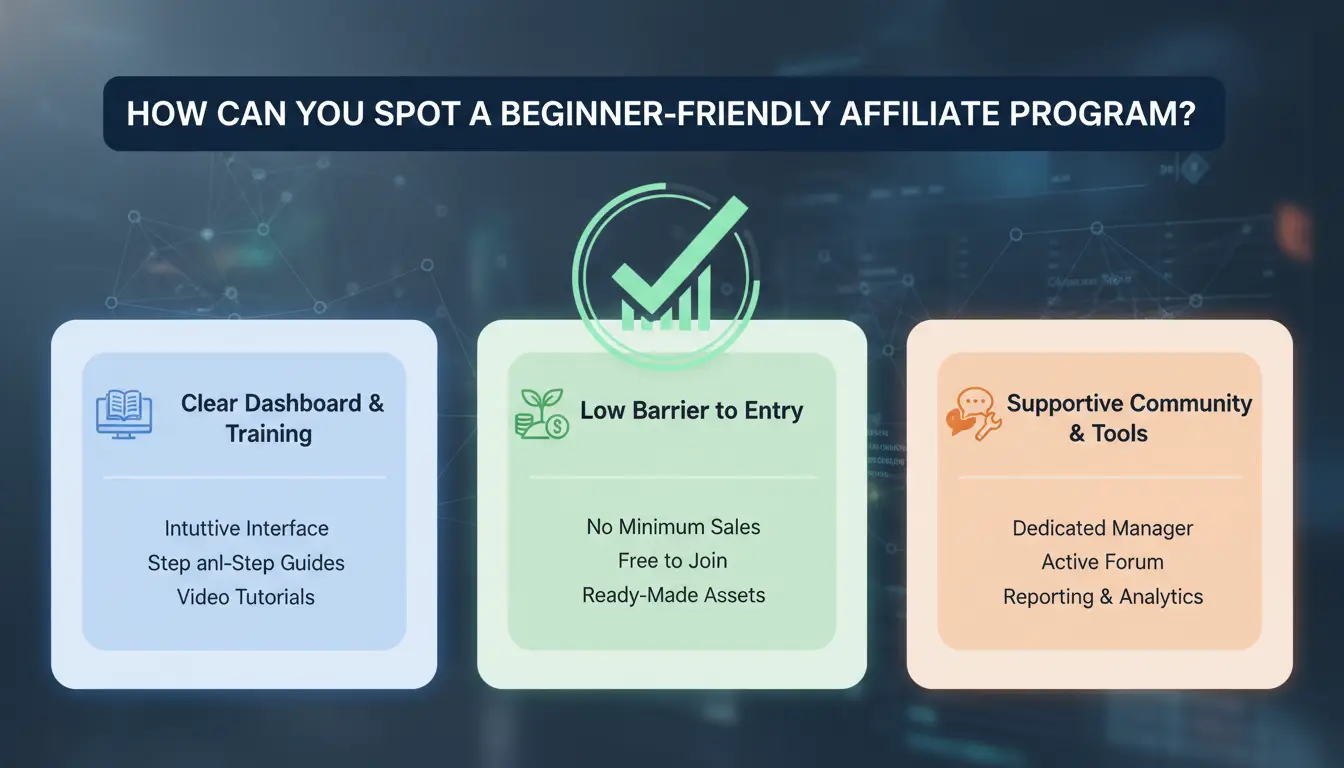
Getting started with affiliate programs for beginners is less about finding a signup link and more about avoiding traps that waste your time. The best beginner affiliate marketing programs stand out by giving you clear info, paying on time, and not hiding surprises in the fine print. If you’re new, it’s easy to get pulled into flashy offers, so knowing what to check makes all the difference.
Key Features of Legitimate Affiliate Programs
A solid affiliate program shows exactly how you earn and when you get paid. Look for a commission structure that spells out rates for each product, such as “5% per sale” or “$10 per lead.” Reliable programs like Amazon Associates and Rakuten use real-time dashboards so you can track clicks, sales, and payouts without guesswork.
Timely payment matters just as much. Some networks pay every month, while others hold funds for 30–60 days. Here’s a quick comparison:
| Network |
Payout Frequency |
Minimum Payout |
Tracking Quality |
| Amazon Associates |
Monthly |
$10 |
High |
| ClickBank |
Weekly/Biweekly |
$10 |
Medium |
| Rakuten |
Monthly |
$50 |
High |
Source: Official network sites
Red Flags: How to Avoid Scams and Low-Quality Programs
If a program promises “easy thousands” or unlimited earnings, it’s probably hiding risks. Scam affiliate programs often skip basic info, like who owns the company, or don’t list real support channels. No clear terms or payout details? That’s a warning sign. If reviews mention missing payments or slow responses, step away.
How to Research and Compare Affiliate Programs
Don’t rely on the official site alone. Search for real user reviews on forums like Affilorama or Reddit’s affiliate marketing. Test support by emailing or using chat, slow answers mean trouble ahead. Before joining, check if the program fits the way you plan to start affiliate marketing as a beginner. The best affiliate networks for beginners back up newcomers with clear guides and responsive support.
What Are the Best Affiliate Programs for Beginners Right Now?
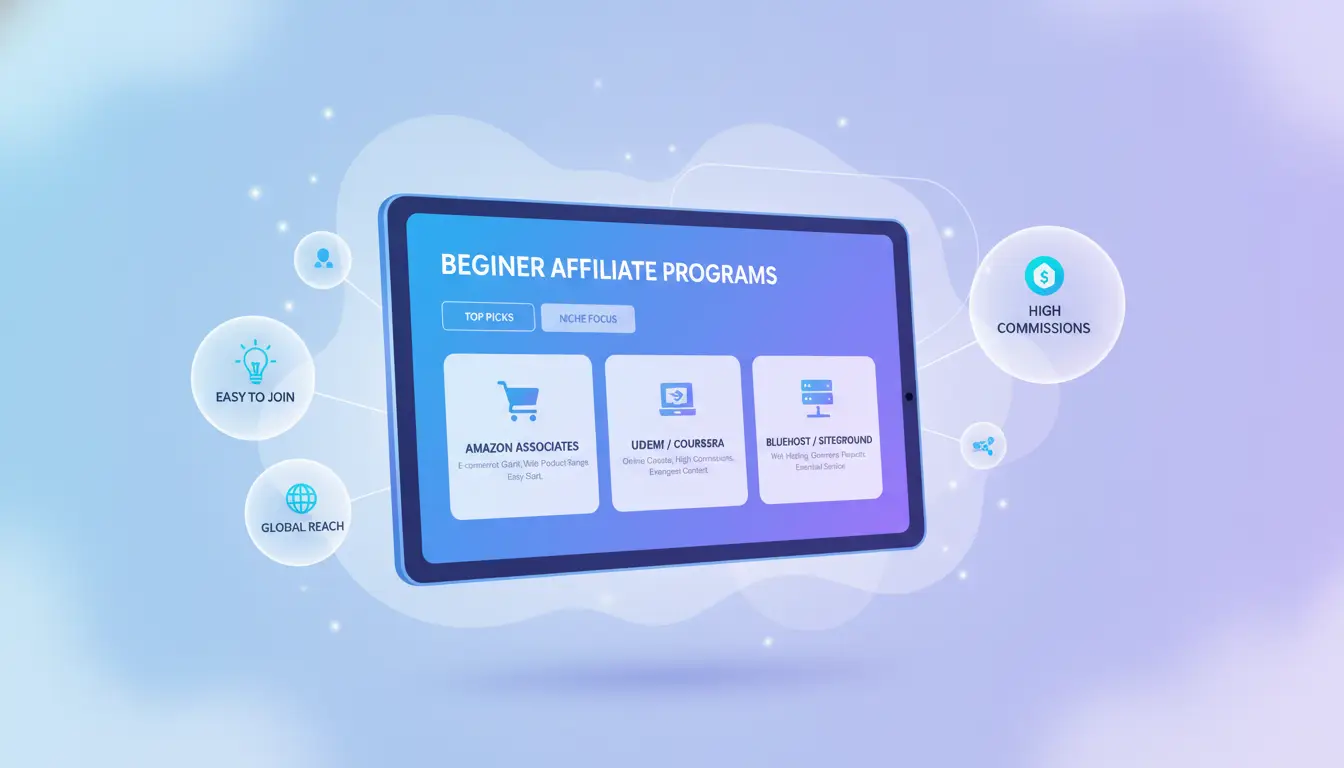
Finding the right affiliate programs for beginners can save months of wasted effort. The smartest move is to start with networks that actually pay out on time, offer simple rules, and match your audience. Here’s how to pick the best options and avoid the usual traps.
Top General Affiliate Networks for Beginners
Amazon Associates is the most popular entry point because you can promote nearly any product. The signup is simple, but you need to make three sales in your first 180 days or your account gets closed. Payouts start at $10, but average commission rates are low, about 3-5%. The upside is trust; buyers recognize Amazon, so conversion rates are higher.
ClickBank and ShareASale focus on digital and physical products. ClickBank lets you promote ebooks, courses, and software with commissions up to 50%. ShareASale offers physical goods, but approval can take longer, and some advertisers set strict site requirements.
| Network |
Products |
Commission Range |
Approval Ease |
Key Risk |
| Amazon |
Physical/Digital |
3-5% |
Easy |
Sale deadline, low rates |
| ClickBank |
Digital |
Up to 50% |
Moderate |
Product quality varies |
| ShareASale |
Physical/Digital |
5-20% |
Moderate |
Advertiser rules |
Sources: Amazon Associates, ClickBank, ShareASale
Image generation pending: Network comparison table Reason: AI image generation returned no usable image and no stock fallback was available
Best Niche Affiliate Programs for New Marketers
Big networks aren’t the only path. The eBay Partner Network works well for tech and collectibles, no big audience needed. Fiverr’s program pays up to $150 per referral and matches creators or freelancers with buyers. For software and tools, look at programs from HubSpot or Shopify. Picking a niche program helps if your audience is small but engaged.
Matching the right affiliate program to your content is what separates beginner affiliate marketing programs that pay from those that waste your time. If your site reviews gadgets, eBay fits. For design tips, Fiverr or Canva makes more sense.
How to Join and Get Approved as a Beginner
Most best affiliate networks for beginners ask for a website or social profile. Amazon lets you use YouTube or Instagram. Some programs, like ShareASale, want a privacy policy. If you get rejected, tweak your profile and reapply. Approval speed ranges from instant (ClickBank) to a week or more. Getting in is easier if you show you already create content, even with a small audience.
What Steps Should You Take to Start Earning with Affiliate Programs?
Getting started with affiliate programs for beginners means skipping guesswork and following a clear set of steps. The biggest mistake new affiliates make is rushing in without picking the right niche or platform. If you choose a topic you can’t write about, or a channel where your audience doesn’t hang out, you’ll waste weeks before seeing results. Here’s a direct roadmap to launch your first campaign and avoid common traps.
Choosing the Right Niche and Platform
The best way to start is by picking a niche you actually know, don’t chase high commissions if you can’t answer basic questions about the products. Look for beginner affiliate marketing programs with low payout thresholds and clear rules. Amazon Associates and ShareASale are popular for beginners.
Next, choose a platform that fits how you want to work. Blogs are good for long-form guides, YouTube works if you can create videos, and Instagram or TikTok are better for quick posts. If you can’t commit to regular content, pick a channel that matches your schedule.
Signing Up and Setting Up Your Affiliate Accounts
Once you’ve chosen your network, sign up with real information, fake data gets accounts banned. Most networks ask for identity checks and payment details right away. For example, ClickBank holds payouts for 60 days if your profile isn’t verified. Use a dedicated email for each network to keep things organized, and double-check payment setup so you don’t miss commissions.
Launching Your First Affiliate Promotion
Start by creating simple content that answers real questions. Add your affiliate links where they fit, not just everywhere. Use built-in tracking tools, most affiliate networks for beginners show click and sale stats. If you run multiple accounts or need to avoid detection, you can use DICloak to keep profiles safe.
You’ll save time and see real earnings faster when you follow this step-by-step process, instead of blindly copying what others do.
Why Do Many Beginners Fail or Get Their Accounts Restricted?
Getting started with affiliate programs for beginners sounds simple, but most newcomers run into trouble within weeks. Missing small rules can lead to lost earnings or a banned account before your first payout. Understanding the main reasons for failure helps you avoid the same mistakes.
Top Mistakes That Get Beginners in Trouble
Most beginners think posting their affiliate link everywhere will bring fast results. But spamming links, especially on social media or forums, usually gets accounts flagged or shut down. Popular programs like Amazon Associates and ClickBank have strict rules about where and how you can share links. If you ignore these policies or forget to add required disclosure statements, your account can be closed with no warning.
Another mistake is signing up for multiple accounts on the same platform using the same device or personal details. Many networks only allow one account per person. Trying to cheat this rule often means a permanent ban across all your profiles.
How Platforms Detect and Restrict Affiliate Accounts
Affiliate platforms use advanced tracking to spot risky behavior. They log your IP address, device fingerprint, and even mouse movements to find patterns linked to fake traffic or banned tactics. Sudden account logins from different countries, posting dozens of links in a single hour, or copying the same content across profiles all raise red flags.
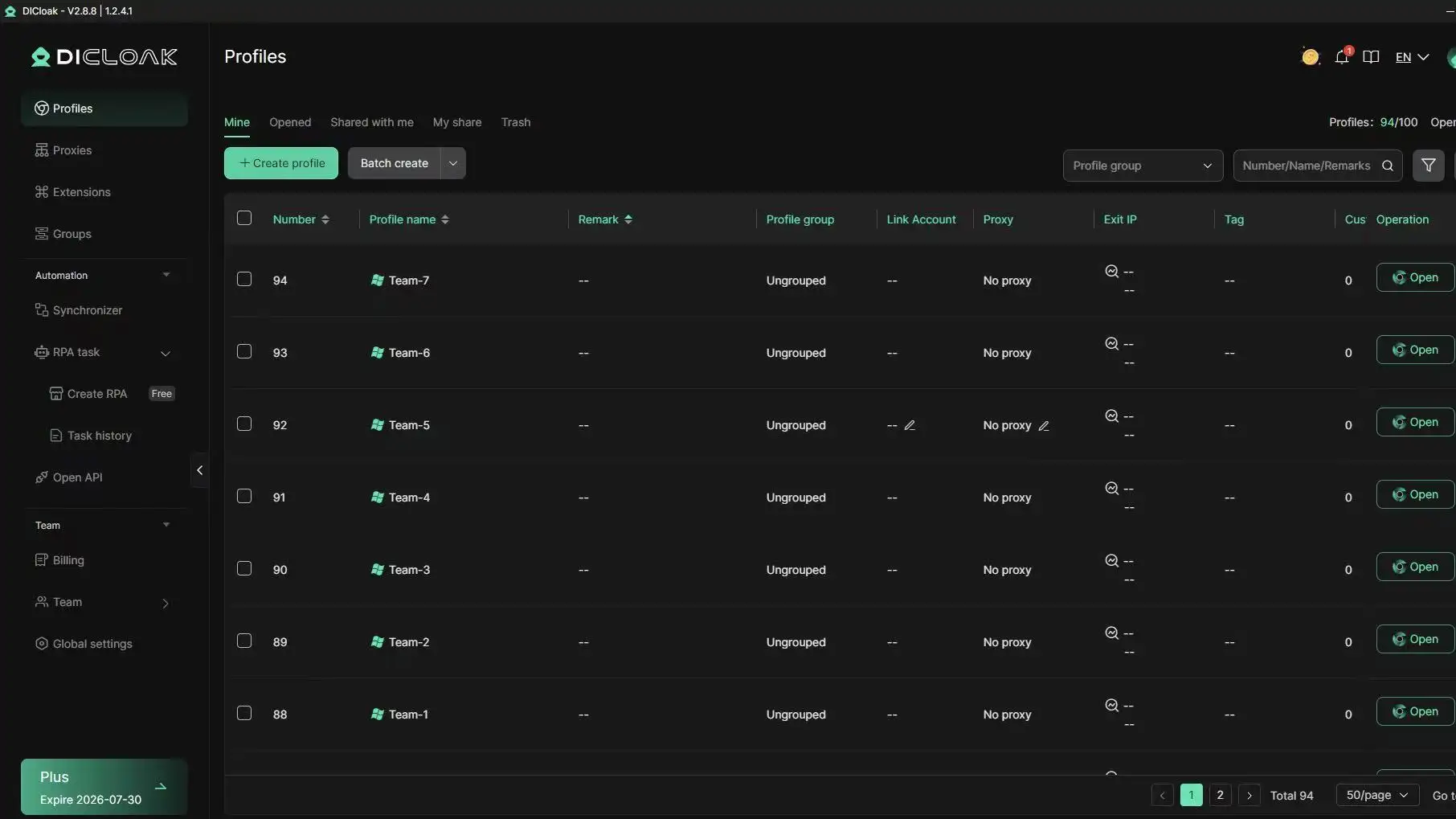
Some tools, like DICloak, let you set up unique browser profiles and proxies for each account, making it harder for networks to connect your identities. This is why experienced marketers often use antidetect browsers to keep their accounts safe.
What to Do If Your Affiliate Account Gets Restricted
If your account gets restricted, check your email for instructions. Most networks have an appeal process. Gather screenshots, proof of traffic sources, and your communication history. Submit everything they ask for right away.
To avoid future bans, read the program rules again and change any risky behavior. For those asking how to start affiliate marketing as a beginner, the most important lesson is this: Follow platform rules from day one or you risk losing all your work.
How Can Beginners Safely Manage Multiple Affiliate Accounts and Scale Up? (with DICloak)
Why Managing Multiple Accounts Gets Risky Fast
Running several accounts for affiliate programs for beginners sounds easy, but platforms quickly flag accounts that share the same IP address or browser fingerprint. Even small mistakes, like logging in from two locations or copying browser data, can get all your accounts banned. If you work with a team, one person’s error can take down every account.
How DICloak Makes Multi-Account Affiliate Marketing Safer and Easier
You can use DICloak to give each affiliate profile its own unique browser fingerprint and proxy. This means accounts look like they’re run by different real people, not a single user. DICloak’s RPA automation lets you handle repetitive jobs, like posting links or gathering stats, without logging in and out all day. These features are not just for experts; they directly solve the main risks for anyone learning how to start affiliate marketing as a beginner.
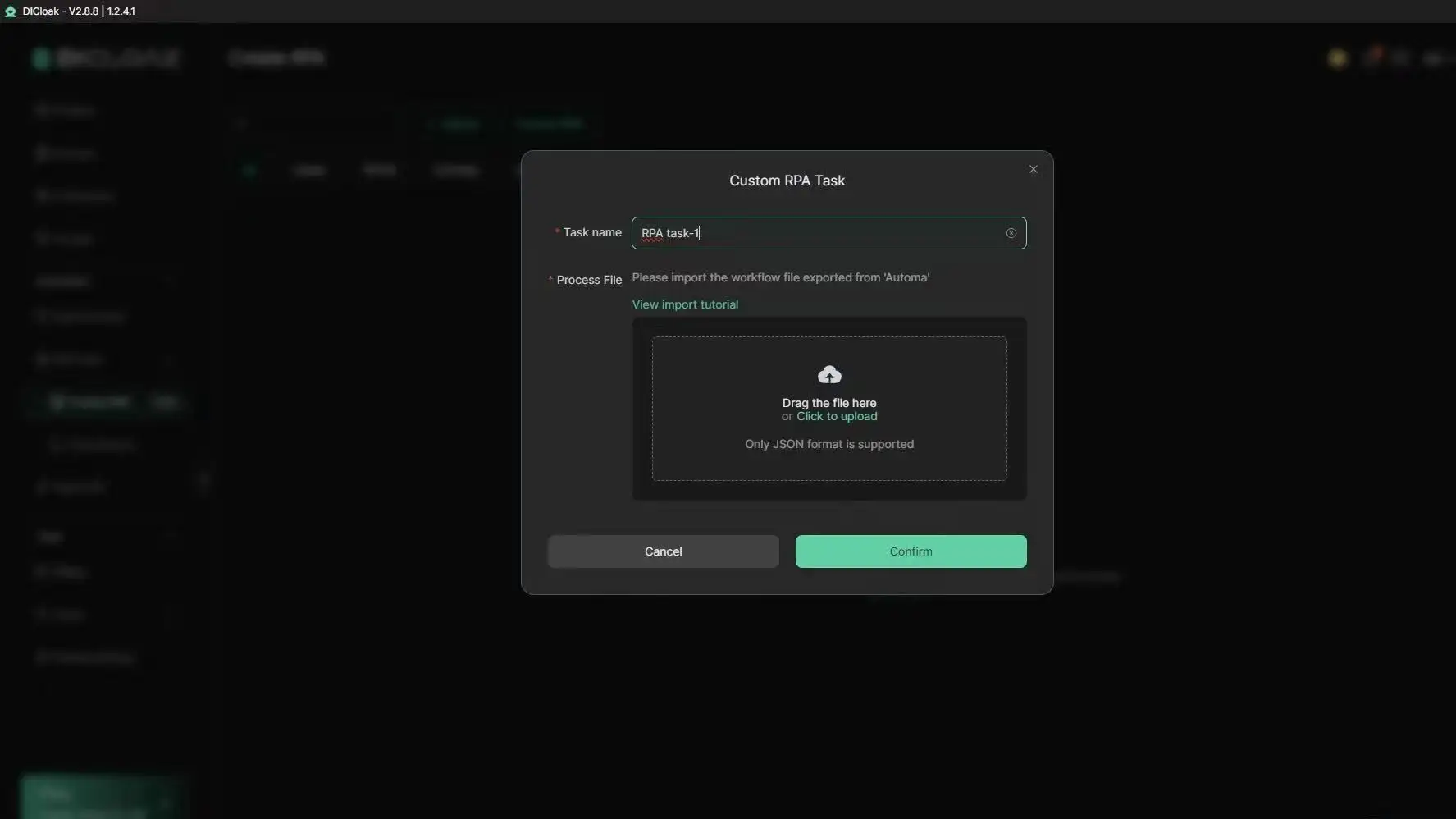
Practical Workflow: Setting Up and Automating Affiliate Accounts with DICloak
Start by creating a new browser profile for each network, like Amazon Associates or ShareASale, inside DICloak. Assign a proxy to each one. For teams, give each member access only to the profiles they need, and track actions with operation logs. This step cuts most beginner mistakes that usually get affiliate accounts shut down.
When Should You Switch Programs, Diversify, or Scale Your Affiliate Strategy?
Affiliate marketing rarely stays the same for long. If you only stick with one network or repeat old campaigns, you risk missing new payouts, better offers, or shifting rules that could leave you without income. Knowing when to adjust your approach separates beginners from those who build real, lasting results.
Signs It’s Time to Diversify Your Affiliate Portfolio
Pay attention if your commissions start dropping or program policies shift, some networks cut rates without warning or add new restrictions. This is common with Amazon Associates and other large platforms. If your audience stops clicking or buying, your offers may have gone stale. Search trends change fast, and even the best affiliate programs for beginners can lose steam if too many people promote the same product. When you see less engagement or smaller payouts, it’s time to look for new angles or add different networks.
How to Test and Add New Affiliate Programs Safely
Jumping into every new network is risky, some have payout delays or strict account rules. Start by running a small pilot campaign with a new offer. Track clicks, sign-ups, and payouts for at least two weeks. Compare results in a simple table:
| Program |
Payout Delay |
Min. Payout |
Traffic Quality Needed |
| Amazon Associates |
60 days |
$10 |
Any |
| ClickBank |
60 days |
$10 |
Niche/Global |
| ShareASale |
30 days |
$50 |
Niche |
Source: Amazon Associates, ClickBank, ShareASale
Testing on a small scale helps spot red flags before you invest real time or money.
Scaling Up: When to Invest in Tools, Teams, or Paid Traffic
Once you see steady payouts, look at workflow upgrades. You can use DICloak to manage multiple accounts safely or automate daily posting across networks. Hiring a freelancer to help with content or trying paid ads can speed growth, but only after your core campaigns earn consistent income. Scaling too soon can lock up cash and waste effort if your core offer isn't proven.
What Are the Most Common Questions Beginners Have About Affiliate Programs?
New affiliates often hit the same roadblocks. Here are the quick answers people search for most when starting with affiliate programs for beginners.
How do I find reliable affiliate programs for beginners?
Start with well-known networks like Amazon Associates, ClickBank, and ShareASale. These sites have clear rules and low payout thresholds, so you don’t need experience to join. Always check payout terms and support before signing up.
What does it take to get my first payout?
Each program sets a minimum payout, often $10 to $100. You must reach that amount in commissions before they pay, and some networks hold payments for 30–60 days. Missing a rule or using fake traffic can get your account closed before you ever see earnings.
Can I join more than one affiliate program as a beginner?
Yes, most people join several beginner affiliate marketing programs to test which works best for their audience. Just keep track of each program’s rules so you don’t accidentally break any.
The biggest pitfall? Not reading the rules, one overlooked detail can cost you all your commissions.
Frequently Asked Questions
Is it free to join affiliate programs for beginners?
Most reputable affiliate programs for beginners do not charge any fees to join. For example, Amazon Associates and ShareASale are free to sign up. Be careful with programs that ask for upfront payments, these can be scams. Always research a program before joining to make sure it’s trusted and has a good reputation.
Do I need a website to start with affiliate programs as a beginner?
You do not need a website to join beginner affiliate marketing programs. You can share your affiliate links on social media, YouTube, or even through email. However, having a website can help you build trust, provide more content, and attract search engine visitors, which can increase your chances of earning commissions.
How long does it take to earn your first commission in affiliate marketing?
With best affiliate networks for beginners, you might earn your first commission in a few weeks if you work consistently and promote products well. For some, it takes a few months to see earnings. Success depends on your niche, your traffic sources, and how actively you promote your affiliate links.
Can beginners join multiple affiliate programs at once?
Yes, beginners can join more than one affiliate program at a time. However, it’s smart to start with one or two beginner affiliate marketing programs first. This helps you learn the rules, stay organized, and avoid breaking program guidelines. Managing too many programs at once can get confusing and lead to mistakes.
What happens if someone clicks my affiliate link but doesn’t buy right away?
Most affiliate programs for beginners use cookies to track your referrals. If someone clicks your link but buys later, you can still earn a commission, if they buy within the cookie window. Cookie durations vary by program; Amazon’s cookie lasts 24 hours, while others may last 30 days or longer. Always check each program’s policy.
Conclusion
Getting started with affiliate programs is a practical way for beginners to earn online by promoting products and services they believe in. By choosing reputable networks, understanding your audience, and consistently applying best practices, you can build a sustainable income stream over time. Try DICloak For Free
 Web Proxy Tools
 Free Tools
 Cookie Plugin
 UA Generator
 MAC Address Generator
 IP Generator
 IP Address List
 2FA Code Generator
 World Clock
 Anonymous Check
 WebRTC Leak Test
 UUID Generator
 Free Web Proxy Site
 Proxy Checker
 FB Ad Checker
 AI Web Scraping
 Free SMM Tools
 Twitter Shadowban Checker
 Instagram Name Checker
 UTM Generator
 Username Generator
 AI Hashtag Generator
 LinkedIn Headline Generator
 Social Media Image Resizer