Instagram reach dropped by 60% for business accounts in 2025, leaving marketers scrambling for real answers (Hootsuite 2025 Instagram Trends). The usual hacks, post at peak hours, chase trending hashtags, copy what big brands do, aren’t cutting it. What’s actually working now is a mix of practical steps and smarter tools. For example, small teams are using proxy browsers to manage multiple accounts safely, while solo creators rely on automation to keep engagement steady. But most guides recycle the same advice, missing what marketers face on the ground: account bans, content fatigue, and wasted spend.
If you’re searching for social media marketing tips that make sense in 2024, skip the generic lists. This guide covers what practitioners actually use to grow, protect, and scale their social profiles. You’ll see why automation matters, how to avoid platform penalties, and when tools like DICloak help keep accounts safe on one device. It’s not about viral tricks, it’s about steady, repeatable wins for real teams.
Ready to see what top marketers are actually doing to boost reach and cut risk? Here’s what works in practice.
What Should You Set Up Before Launching a Social Media Marketing Campaign?
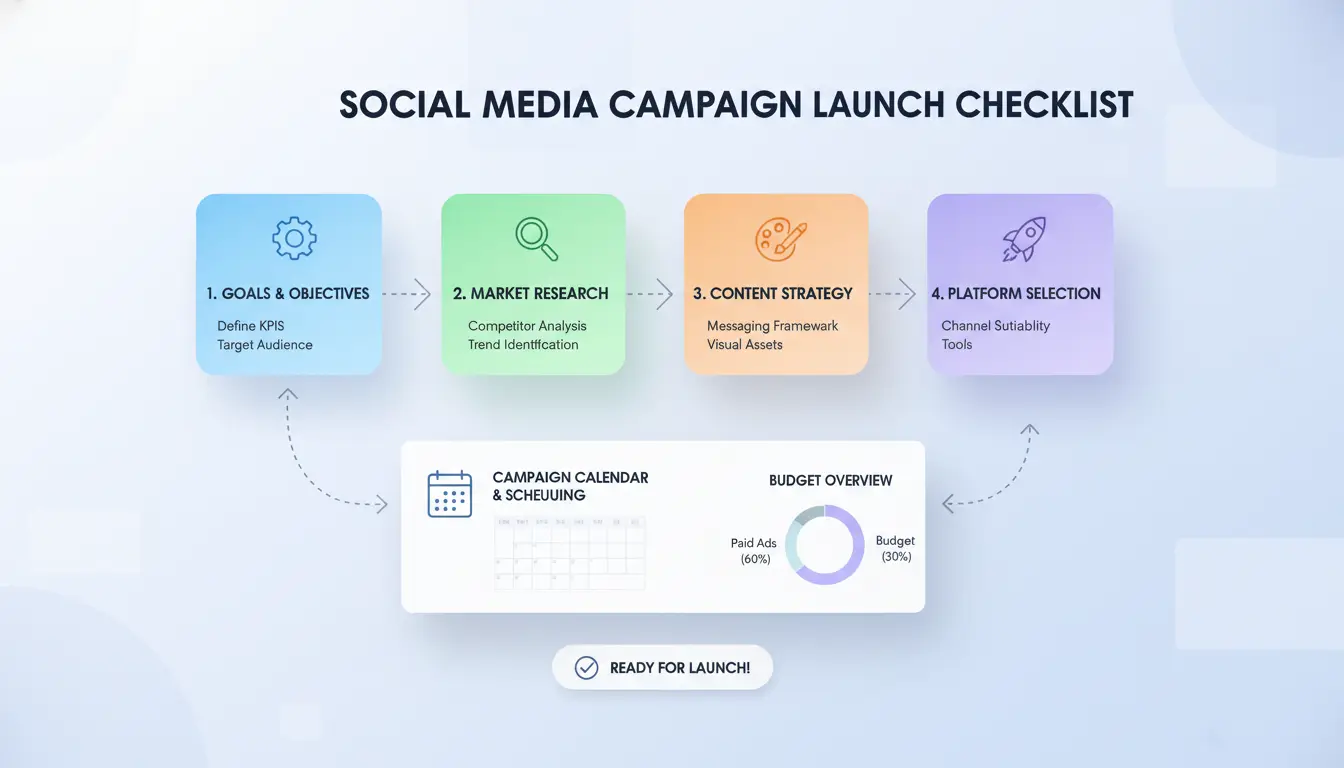
Rushing into posting without a plan is the fastest way to waste budget and get ignored. The most practical social media marketing tips start with groundwork, if you skip these steps, even the best content will fall flat.
Define Clear Goals and KPIs
Before you open any platform, pin down exactly what you want. Picking a vague goal like “get more followers” won’t help you measure results or make smart changes later. Instead, set specific, trackable objectives. For example, you might aim to increase website visits by 20% in 60 days, or to get 100 direct messages from new leads this month.
KPIs (key performance indicators) keep you honest. Common ones for social media include engagement rate (likes, comments, shares divided by followers), click-through rate on posts, and conversion rate from campaign links. Tracking these metrics makes it obvious what’s working. Most marketers check platform insights, but you can also use free tools like Google Analytics to connect clicks to outcomes.
Research Your Target Audience
Guessing your audience is a shortcut to wasted effort. Start by listing your main customer groups, age, location, job, and interests matter most. On Instagram, you might reach young creators; on LinkedIn, more professionals.
For deeper insight, run keyword searches on Similarweb or check trending topics on Twitter/X. Many rely on platform analytics to uncover when their audience is most active and what content gets real attention. If you manage multiple accounts for different groups, you can use tools like DICloak to keep each profile’s activity separate and reduce overlap risks.
How Do You Choose the Right Social Media Platforms for Your Brand?
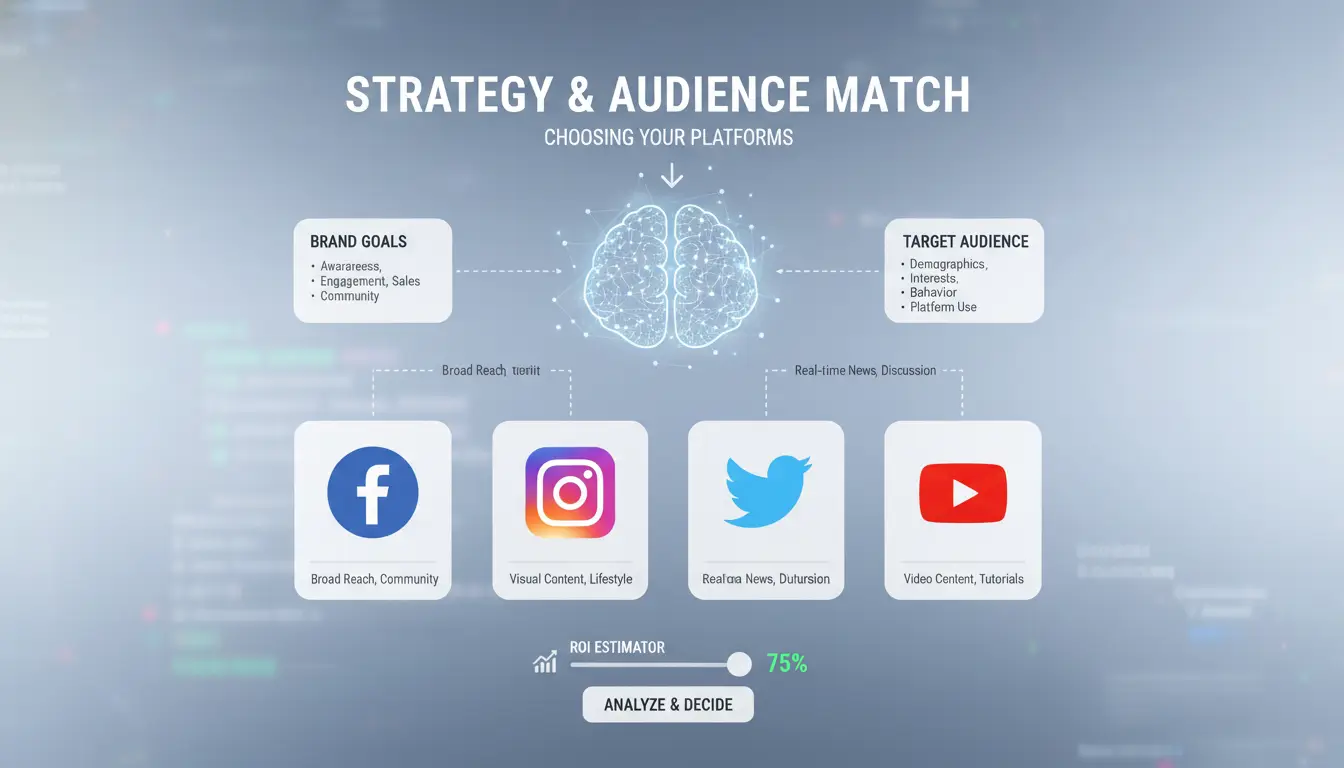
Choosing the right platform is not about chasing trends, it's about matching your business goals and audience. The biggest mistake is spreading effort across every channel, then seeing little return. Smart brands focus where their content fits and their customers actually spend time. If you want social media marketing tips that save time and avoid wasted spend, start by comparing platform strengths and matching them to your content style.
Platform Strengths and Weaknesses
Different platforms suit different goals. Facebook is good for building community and running paid ads. Instagram works best for visual brands and fast product launches. TikTok drives short, viral videos, great if your audience is young or you have creative content. LinkedIn targets professionals; it's better for B2B and recruiting. X (Twitter) is fast for news and direct chats, but harder for deep engagement. Niche platforms like Pinterest or Discord can pay off if your target group hangs out there.
| Platform |
Best For |
Weaknesses |
| Facebook |
Paid ads, groups |
Organic reach drops |
| Instagram |
Visual, lifestyle |
Harder for links |
| TikTok |
Viral, young users |
Content churn, bans |
| LinkedIn |
B2B, hiring |
Slow growth |
| X (Twitter) |
News, quick posts |
Low retention |
Source: Hootsuite Social Trends Report
Matching Platform to Audience and Content Type
Every platform rewards a certain content style. If you sell home goods, Instagram and Pinterest fit better than LinkedIn. Short-form video works on TikTok, but fails on LinkedIn. Look at where your customers spend time, use Statista's audience data to check age and interests. For B2B, focus on LinkedIn or Facebook groups. For youth markets, TikTok and Instagram are stronger. The best social media marketing tip is to go where your audience actually interacts, not just where you see competitors posting.
What Content Strategies Actually Drive Engagement and Growth?
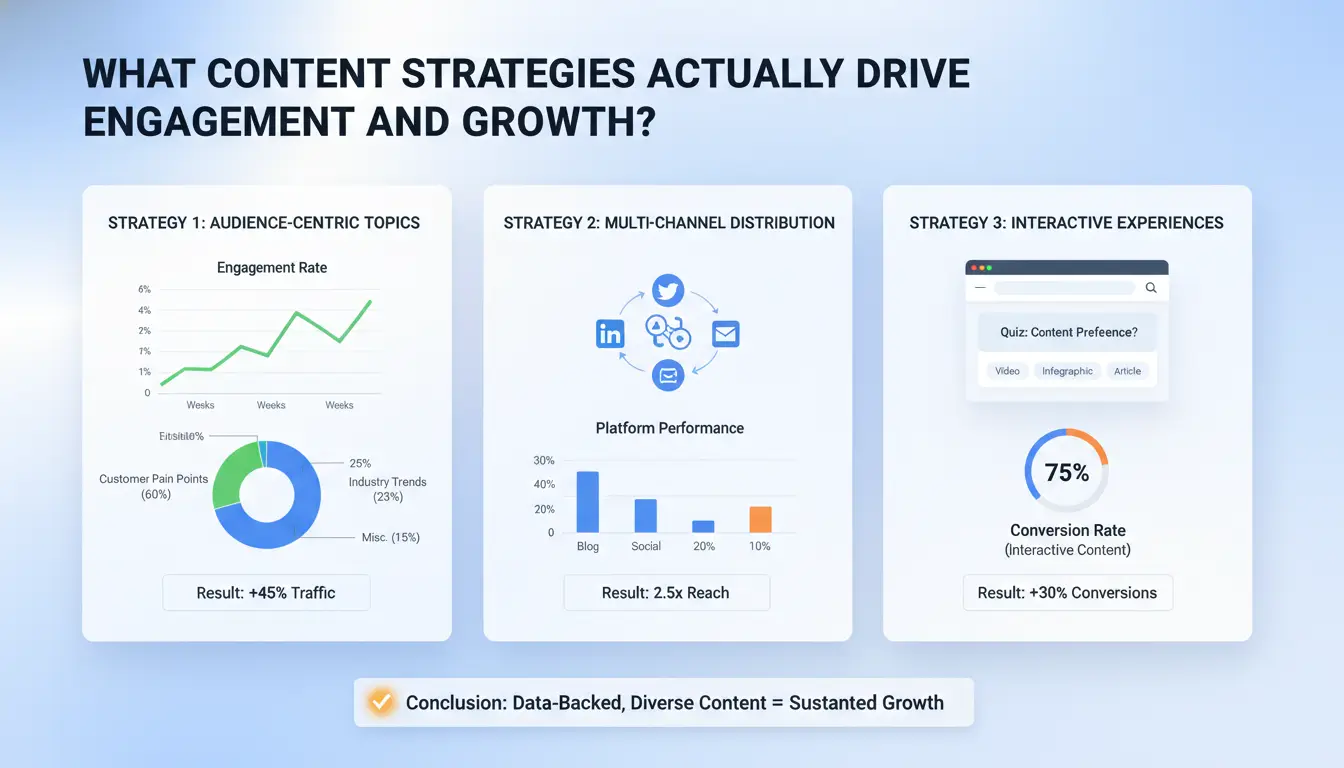
Getting real results on social platforms means doing more than posting at random times or copying what big brands do. The most useful social media marketing tips focus on content that teaches, solves real problems, or makes people want to join the conversation. If posts only push offers, followers lose interest fast.
Creating Value-Driven Content
Short videos, how-to threads, and real behind-the-scenes photos get more likes and shares than plain ads. For example, Instagram Reels or TikTok clips that show quick tips or daily work life often get stronger engagement. But it’s not just about format, timing and balance matter. A feed filled with only sales pitches will turn people off, but a mix of how-to guides, user stories, and light product mentions keeps attention.
A good rule is this: share two posts that teach or inspire for every one that promotes. This pattern helps build trust. Audiences come back for useful info, not just discounts. Hootsuite’s guide to content types breaks this down with examples from top brands.
Leveraging Trends and User-Generated Content
Jumping on trending topics works, but only if the trend fits your brand. Use Twitter’s trending page or TikTok’s Discover to spot what’s hot today. Quick reactions, like joining a meme or challenge, can bring in new followers, but a meme creator can help brands develop original, on-brand variations instead of simply copying a trending format. Copying trends without adding your own twist feels fake.
Encouraging your community to share photos or stories about your product also boosts reach. Some brands run monthly contests or feature user posts in their Stories. Campaigns that invite real users to participate often get up to twice the engagement of standard ads.
How Can You Avoid Common Mistakes That Sabotage Social Media Marketing?
Most failed campaigns don’t flop because of bad luck, they miss the basics that real marketers check every week. If you want social media marketing tips that actually prevent wasted time and budget, start by fixing these two mistakes.
Posting Without a Plan
Random posts might keep a feed active, but they rarely drive results. Accounts that post without a clear plan often see low engagement, missed trends, and audience confusion. Instead, top brands use a content calendar to map out what to post, when, and why. This keeps messages on track and avoids last-minute stress. Even a simple spreadsheet or a tool like Hootsuite helps teams stay organized. Pick key dates (like product launches or holidays), spread content types (video, stories, polls), and set reminders to review results. The difference is clear: planned posting builds trust and keeps followers interested.
Ignoring Analytics and Feedback
Some marketers keep posting the same way, no matter what the numbers say. This is risky, platforms like Instagram and Facebook give free data about what works. Watch metrics like reach, clicks, and comments. If a certain post type gets more shares or saves, lean into it. If a time slot falls flat, try another. Audience feedback also matters, respond to real comments, not just likes. Use these signals to adjust your next posts, not just repeat what failed before. The fastest way to waste budget is ignoring what your own numbers tell you.
Using these two social media marketing tips, planning posts and acting on data, cuts out most rookie mistakes. Teams that do this see better results month after month, even on a tight schedule.
Handling several social profiles isn’t just about keeping track, it’s about avoiding bans, wasted effort, and mistakes that cost you reach. Most platforms like Instagram, Facebook, and TikTok watch for patterns that signal automation or duplicate accounts. If you’re looking for social media marketing tips that really work, pay attention to how you manage logins, browser setups, and teamwork.
Risks of Multi-Account Management
Platforms flag accounts for things that look unnatural. This happens when you log into many profiles from the same browser, switch devices too often, or forget to separate fingerprints. Some marketers lose accounts because they reuse passwords or skip proxy setup, making it easy for platforms to link their profiles. Another common mistake is letting several team members share logins without tracking who did what. When activity spikes or login locations change suddenly, accounts get restricted or banned.
Tools and Workflow for Safe Multi-Account Operations
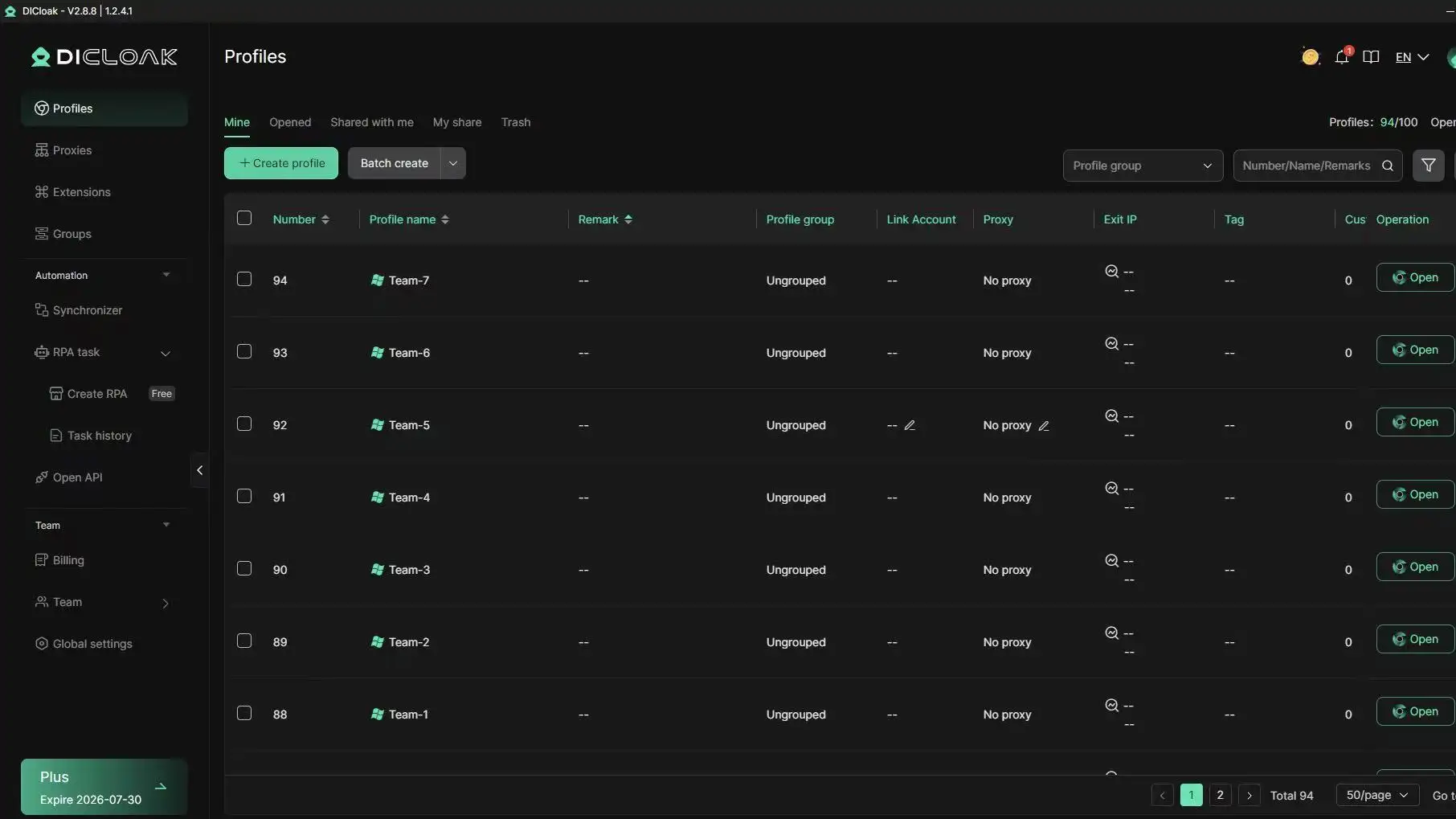
The safest way to handle multiple accounts is to separate everything. You can use tools like DICloak to create isolated browser profiles. Each profile has its own fingerprint and proxy, stopping platforms from spotting connections. For example, you can run ten Instagram accounts on one computer, each acting like a real user. Automation matters, too. DICloak’s RPA lets you set up repeat actions, like liking, commenting, and following, so your profiles stay active without slipping into bot patterns. Teams can assign permissions, track actions, and avoid mistakes with shared browser profiles and audit logs.
The most critical insight: If you don’t isolate each account’s browser fingerprint and activity, platforms will link your profiles and restrict them.
For more practical social media marketing tips, check the official Instagram business guide, Meta’s help center, and DICloak’s multi-account guide.
What Engagement Tactics Help Build a Loyal Audience?
Building real community takes more than daily posts. The best social media marketing tips go beyond content, what matters is how you interact after you hit publish. Fast, authentic replies and creative campaigns pull people back and set you apart from competitors.
Responding to Comments and Messages
Quick, genuine replies show followers you’re paying attention. Set aside time each day to answer questions or thank people for sharing. When facing negative feedback, avoid canned answers. Instead, acknowledge the concern and offer a clear next step. Consistency is key, slow replies can make even loyal fans drift.
Managing multiple accounts? You can use DICloak to avoid platform bans when your team replies from the same device. Isolated browser profiles and unique fingerprints keep each account safe, while RPA automation handles bulk replies and flags high-risk messages for review.
Running Contests, Polls, and Interactive Campaigns
Simple polls or giveaways spark real conversation. Always check platform rules, Facebook and Instagram have strict contest policies. Tools like DICloak let you run dozens of accounts for campaign testing, all with separate proxies to avoid detection. The right workflow means fewer bans, less wasted time, and stronger results.
How Should You Measure Social Media Marketing Success and Adjust Your Strategy?
Tracking real progress means cutting through vanity numbers and focusing on what actually drives growth. For anyone seeking actionable social media marketing tips, measuring the right metrics, then adapting fast, is the difference between steady results and wasted effort.
Tracking Key Metrics and ROI
Too many marketers chase likes and followers, but those rarely show true impact. What matters most are numbers tied to business goals: engagement rate, click-through rate, conversions, and cost per result. For example, tracking how many people click from Instagram to your website tells you more than follower count ever will. Tools like Meta Business Suite and Twitter Analytics let you monitor post performance, reach, and audience trends. If you run multiple accounts, using DICloak helps keep profiles separate and safe while you track each channel’s stats without risking bans or mix-ups.
Here’s a quick comparison of what each tool offers:
| Tool |
Metrics Tracked |
Reporting Features |
| Meta Business Suite |
Engagement, CTR, Reach |
Detailed post analytics |
| Twitter Analytics |
Impressions, Clicks |
Audience and trend reports |
| DICloak |
Account isolation, Logs |
Multi-account tracking |
Table: Feature comparison for social media analytics tools.
Source: official product pages.
Making Data-Driven Adjustments
Checking metrics only matters if you act on them. When a post flops, don’t guess, look for patterns. If engagement drops on certain days or content types, tweak your timing or topics. If your ad spend is rising but conversions stay flat, cut the campaign or try new creative. Top teams review weekly reports and set simple benchmarks, like “boost posts with engagement above 5%.” The most useful social media marketing tips? Change fast when results stall, waiting costs more than a quick pivot.
When Should You Consider Automation and Team Collaboration for Social Media Marketing?
Scaling social media marketing isn’t just about posting more often. The real challenge kicks in when daily tasks start piling up, replying to comments, scheduling posts, or running account checks. If you’ve hit the point where manual work eats hours and errors creep in, that’s your signal to start using automation and team tools. The best social media marketing tips in 2024 focus less on hacks and more on building a setup that handles growth safely.
Identifying Tasks for Automation
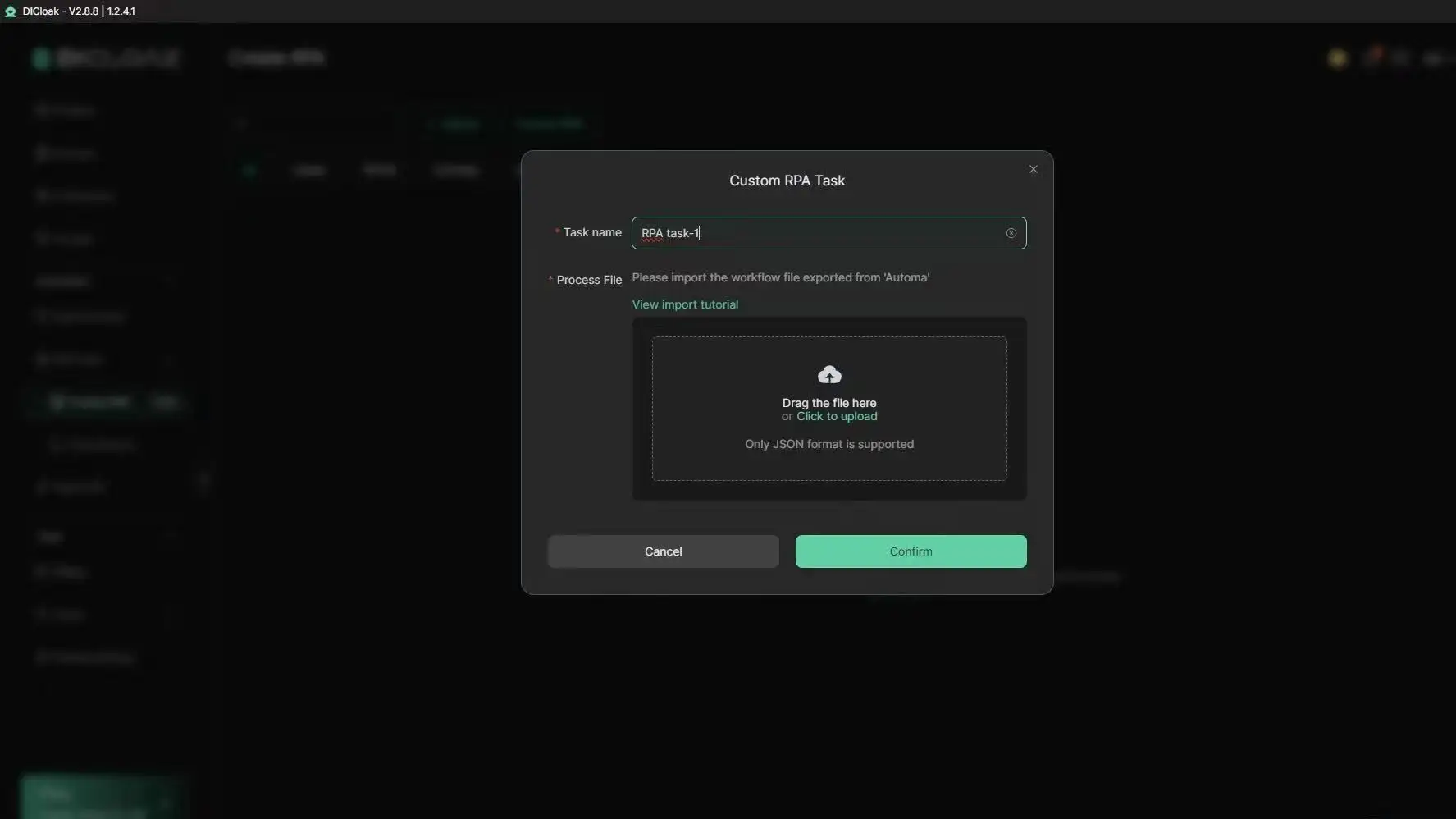
Routine actions drain time fast. Liking, commenting, following, and posting across multiple profiles are prime targets for automation. For example, tools like DICloak let you describe tasks in plain language and use RPA to act like a real user, helping avoid bans or flags. But automation isn’t a silver bullet. Platforms like Instagram and Twitter/X can detect bot patterns. Pushing too many actions at once, skipping human checks, or automating login flows can trigger restrictions.
The most practical tip: automate only what’s truly repetitive and keep engagement natural. Review activity logs regularly to catch mistakes before they snowball.
Collaborating Safely Across Teams
When you need multiple people managing accounts, permission control becomes critical. Giving blanket access risks confusion and accidental bans, especially if devices, IPs, or browser fingerprints overlap. Use tools that let you set role-based permissions, track who does what, and isolate each profile. With DICloak, teams can share browser profiles securely, bind accounts to unique proxies, and audit actions after they happen.
Avoid sharing passwords or mixing accounts on one device without proper isolation. A clear workflow and safe access tools protect both your accounts and your team from mistakes that can cost more than just lost followers.
Frequently Asked Questions
How often should you post on social media for best results?
For social media marketing tips, posting daily works well for platforms like Instagram and Facebook. Twitter often sees more engagement with 3–5 posts per day. Always check your audience’s activity and adjust. Consistency matters more than quantity, so stick to a schedule and monitor which times get the most likes and comments.
What are the best tools for scheduling social media posts?
Popular tools for scheduling include Buffer, Hootsuite, and Later. Buffer is easy to use and tracks analytics. Hootsuite supports bulk scheduling and multiple platforms. Later is great for visual planning, especially for Instagram. These tools help organize your social media marketing tips and keep your posts consistent.
How do you handle negative comments or criticism on social media?
Respond politely and quickly. Thank the person for their feedback. If possible, offer a solution or ask to continue the conversation privately. Never delete or ignore comments unless they break rules. Staying professional shows you value your audience and helps build trust in your brand.
Is it safe to use proxies for social media account management?
Proxies can protect your privacy and help manage multiple accounts. However, using unreliable proxies may risk account bans. Always choose trusted providers, avoid sharing login data, and follow platform rules. For effective social media marketing tips, prioritize account safety and use proxies only when needed.
Can automation hurt your social media engagement?
Automation helps schedule posts and save time. But overusing it can make your content feel spammy or impersonal. Balance automated posts with real-time engagement, like answering comments. Smart social media marketing tips suggest using automation for routine tasks, but keep your brand voice personal and active.
Conclusion
Mastering social media marketing comes down to creating authentic content, engaging with your audience, and consistently analyzing your results for improvement. By implementing these strategies, businesses can build stronger online communities and achieve meaningful growth.
Try DICloak For Free
 Web Proxy Tools
 Free Tools
 Cookie Plugin
 UA Generator
 MAC Address Generator
 IP Generator
 IP Address List
 2FA Code Generator
 World Clock
 Anonymous Check
 WebRTC Leak Test
 UUID Generator
 Free Web Proxy Site
 Proxy Checker
 FB Ad Checker
 AI Web Scraping
 Free SMM Tools
 Twitter Shadowban Checker
 Instagram Name Checker
 UTM Generator
 Username Generator
 AI Hashtag Generator
 LinkedIn Headline Generator
 Social Media Image Resizer