A US-based small business owner tried to boost her Facebook page by ordering 2,000 followers from a popular online marketplace. She paid $45 and saw her follower count jump overnight. But within a week, Facebook flagged her page for “inauthentic activity,” cut her reach by more than half, and deleted over 1,500 of the new followers. This is not a rare story, searches for buy facebook followers have spiked as people want quick results, but easy gains often bring hidden trouble.
Most sellers promise “real accounts” and “no risk,” but the reality is different. Facebook’s detection tech gets better every year, and most bought followers are bots or inactive profiles. Meta’s own policy warns: fake engagement can get pages restricted or banned. Even if accounts stay up, paid followers rarely bring real likes or sales. For agencies and marketers, one careless buy can ruin months of work and damage client trust.
The real question isn’t just “where can I buy followers,” but “what happens after you do?” This guide walks through the real risks, what to check before paying, and safer ways to grow your Facebook presence. Knowing these facts before you buy can save you time, money, and your reputation. Here’s what to focus on before making any move.
What to Check Before You Buy Facebook Followers
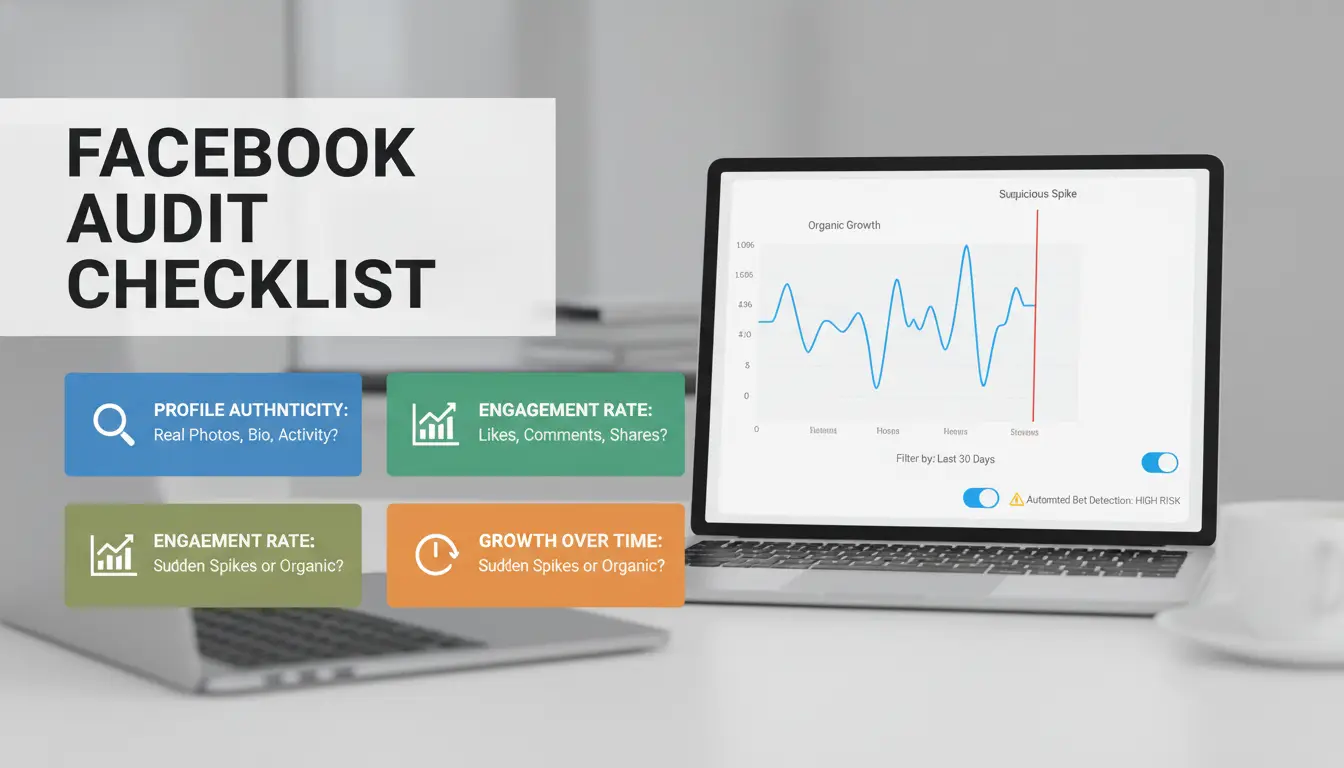
Buying Facebook followers sounds easy, but most offers hide real risks. Before you spend money, look for signs that the followers are real, not fake bots. A few careful checks can help you avoid wasting money, or losing your page.
How to Spot Real vs Fake Followers
Real followers show signs of actual activity. Check if profiles have recent posts, real profile pictures, and public comments or likes on their timelines. Fake followers often have empty profiles, no friends, or only one or two pictures. A sudden spike in your follower count, with no increase in likes or comments, usually means fakes.
Country and age data should match your target audience. If you’re a local business and half your new followers come from countries that don’t fit your market, something’s off. Bots and low-quality sellers often deliver followers from random countries or with strange names. Real followers will have a mix of ages, genders, and normal posting patterns.
| Signal |
Real Follower |
Fake Follower |
| Profile activity |
Regular posts, likes |
No posts, silent |
| Profile photo |
Realistic |
Stock image or none |
| Friends list |
Normal range |
Few or none |
| Demographics |
Matches target |
Random or mismatched |
| Engagement |
Comments, shares |
No visible activity |
Seller Red Flags That Signal a Scam
Anyone selling “instant followers” or “guaranteed growth” is likely using fakes. If the price seems too low, it usually means bots. Reputable sellers show real reviews and explain how they deliver followers. Scam sellers often hide their contact info or avoid sharing refund details.
If you can’t find a way to contact support or see clear refund rules, walk away. Paying without these checks almost always leads to wasted money and account problems. For safer growth, focus on real engagement, not just numbers.
Why Some Bought Facebook Followers Drop or Get Your Page Flagged
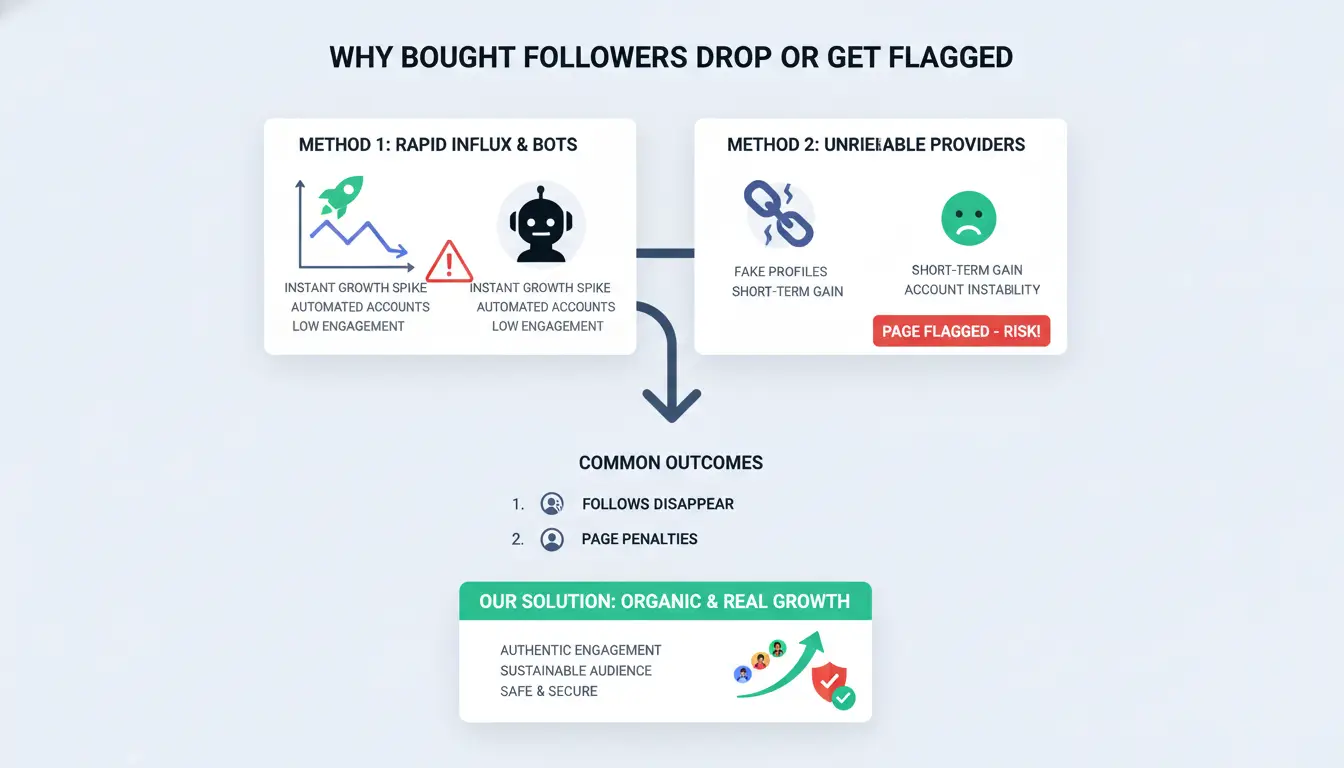
Buying Facebook followers sounds easy, but most people run into the same problems: follower numbers drop, or the page gets flagged. The core issue is Facebook’s detection system and the low quality of most bought accounts.
Common Causes of Follower Drop
Most sellers offer large numbers of followers for a low price. These are almost always bots or inactive profiles. Facebook’s algorithm checks for fake accounts. When it spots a pattern, like hundreds of new followers with no profile activity, it removes them fast. Profiles with no posts, friends, or real photos are the first to disappear. Even if the count goes up for a few days, you’ll often see it fall again as Facebook does clean-up sweeps.
The reason is simple: fake followers don’t act like real people. They don’t like, comment, or share. If you buy facebook followers from a seller who promises “instant delivery,” you’re likely getting a batch of low-quality accounts that will vanish within weeks.
How Bought Followers Can Trigger Page Restrictions
Sudden jumps in follower count look suspicious. Facebook’s system tracks growth speed. If a page gains 500 followers in a night, but engagement (likes, comments, shares) stays low, the algorithm sees a mismatch. This can get your page flagged for fake engagement, which means reach drops or, in some cases, the page gets restricted or banned.
Low engagement is another red flag. Real followers interact with posts. If you have 10,000 followers but only 10 likes per post, Facebook may shadowban your content. Pages hit by this often see traffic drop overnight.
The biggest risk is losing both the money you paid and the reputation you built.
How Facebook Follower Pricing Really Works
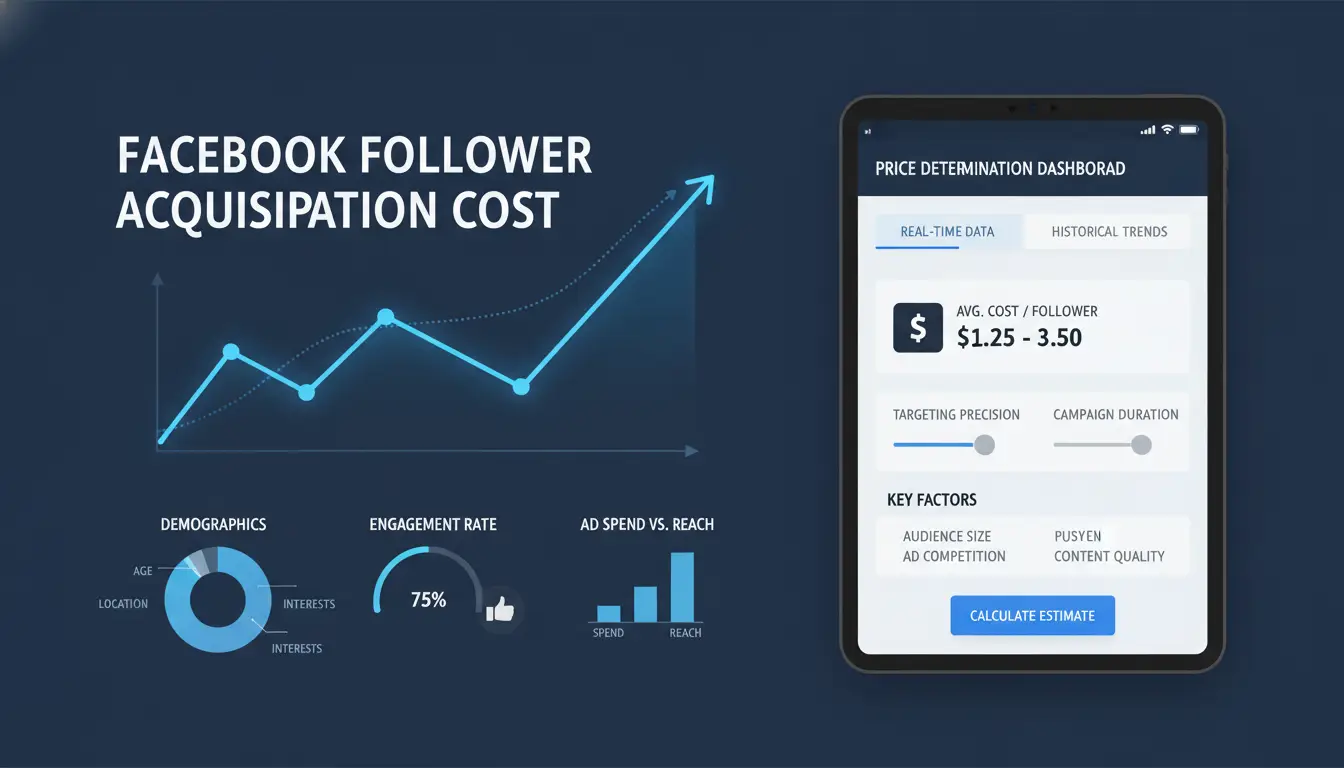
Buying Facebook followers isn’t just about picking the cheapest offer. Prices jump up and down for reasons most sellers won’t explain, and some “deals” actually cost more in the long run. Real buyers want to know what drives those prices, how to spot fake quality claims, and where the numbers actually come from. Here’s what matters most before you buy Facebook followers.
Aged vs Fresh Followers: Why Age Matters
Aged followers, accounts created years ago, almost always cost more than fresh ones. Sellers charge higher prices because old accounts have real “trust signals”: longer history, past posts, and sometimes friends lists that look natural. These details make aged followers less likely to trigger Facebook’s fake account checks.
Freshly made followers are cheaper, but they’re easy for Facebook to spot. Most get removed quickly, and your follower count drops. Retention rates for aged accounts are usually higher, so you’ll keep more followers over time. If you see a seller offering “instant 1000 followers for $5,” you’re almost always buying fresh, low-retention bots.
Country, Activity, and Engagement: How These Affect Price
Where followers come from changes the price a lot. Targeted country followers, like U.S. or U.K., cost more than random “worldwide” accounts because they’re harder to source and look more real for local brands. Active followers, who post or like things, cost more than passive ones that just sit idle. If you want followers who might actually engage with your posts, expect to pay extra.
Here’s a simple breakdown:
| Follower Type |
Typical Price Range |
Why It Costs More |
| Aged, U.S., Active |
$15–$40 per 1000 |
Harder to source, higher trust |
| Fresh, Random Country |
$3–$7 per 1000 |
Easy to mass-produce |
| Active (Any Country) |
$8–$20 per 1000 |
Some activity, better retention |
Table: Typical 2026 Facebook follower prices, see Social Tradia and Influencer Marketing Hub for examples.
The main risk is paying premium rates for low-quality followers, always check the age, country, and recent activity before you buy.
Where Most Buyers Get Scammed When Purchasing Facebook Followers
Buying Facebook followers looks easy on the surface, but most scams happen where the promises sound too good to be true or the payment process puts you at risk. The real traps aren’t just hidden, they’re built into how most follower sellers operate. If you’re not careful, you can lose your money or damage your Facebook page beyond repair.
Fake Guarantees and Overpromising
Sellers often claim “lifetime followers” or promise that every new follower will like, comment, and boost your reach. What actually happens is far less impressive. Most of these followers are either bots or inactive accounts that disappear after a few weeks. Facebook’s detection systems catch fake engagement quickly, sometimes within days. When sellers push “guaranteed engagement” or “permanent followers,” you should treat those as red flags. The most common scam is promising results the seller can’t deliver or that violate Meta’s community standards. If your page shows sudden growth from fake profiles, you risk restriction or even a ban.
Payment and Delivery Risks
Scammers make the payment process risky by using unsafe methods. They may ask for direct transfers or push you into using untraceable digital currencies. Once you pay, delivery is often delayed or doesn’t happen at all. Some sellers send a few followers then disappear, or worse, demand more money for “extra services.” It’s common for buyers to pay and get nothing, especially when there’s no clear refund policy or official support channel. The safest way is to use trusted platforms with buyer protection, or work with sellers who have real, verified reviews (Trustpilot).
If you plan to buy facebook followers, focus on how the seller handles payment and delivery. Avoid any deal where guarantees sound unrealistic or the payment method feels unsafe. One careless click can cost you both money and your page’s reputation.
What to Change Right After You Buy Facebook Followers
Buying Facebook followers might boost your numbers overnight, but what you do next decides whether your page stays safe, or gets flagged. Right after you buy facebook followers, small changes can protect your page and help the new followers blend in. Rushing in or doing nothing invites problems.
Adjusting Page Activity and Engagement
A sudden spike in followers with no change in page activity looks fake to both Facebook and real users. Start by updating your posting schedule. Spread out new posts so your timeline doesn't look empty or abandoned. Mix up your content, share photos, short videos, and questions that invite comments. The goal is to show real activity, not just numbers.
Encourage your real audience to interact. Ask simple questions, run a poll, or reply to comments quickly. This helps drown out fake or inactive followers and can convince Facebook’s algorithm your page is still active. If you use tools like Meta Business Suite, check which posts get real engagement, not just inflated follower counts.
Monitoring Follower Quality and Drops
The days after you buy facebook followers are risky. Use Facebook Insights to watch for sudden drops, this is often the first sign Facebook is removing fake accounts. Check where your new followers come from. If you see a wave from countries that don’t match your audience, or accounts with no profile pictures and odd names, that’s a red flag.
Track changes daily for at least a week. If you see fake engagement, remove or block the worst offenders. For agencies and teams, you can use DICloak to manage multiple accounts with separate browser profiles, which lowers the chance of platform bans when switching between client pages.
The biggest mistake is to ignore the changes after you buy, fixing problems early is the only way to avoid losing your page.
Managing multiple Facebook accounts for clients or campaigns is risky, one mistake can link accounts and trigger bans. Buying facebook followers adds more risk, since Facebook tracks browser fingerprints and proxy overlaps. Teams need more than just different passwords or emails to stay safe.
Isolated Browser Profiles and Custom Proxy Configuration
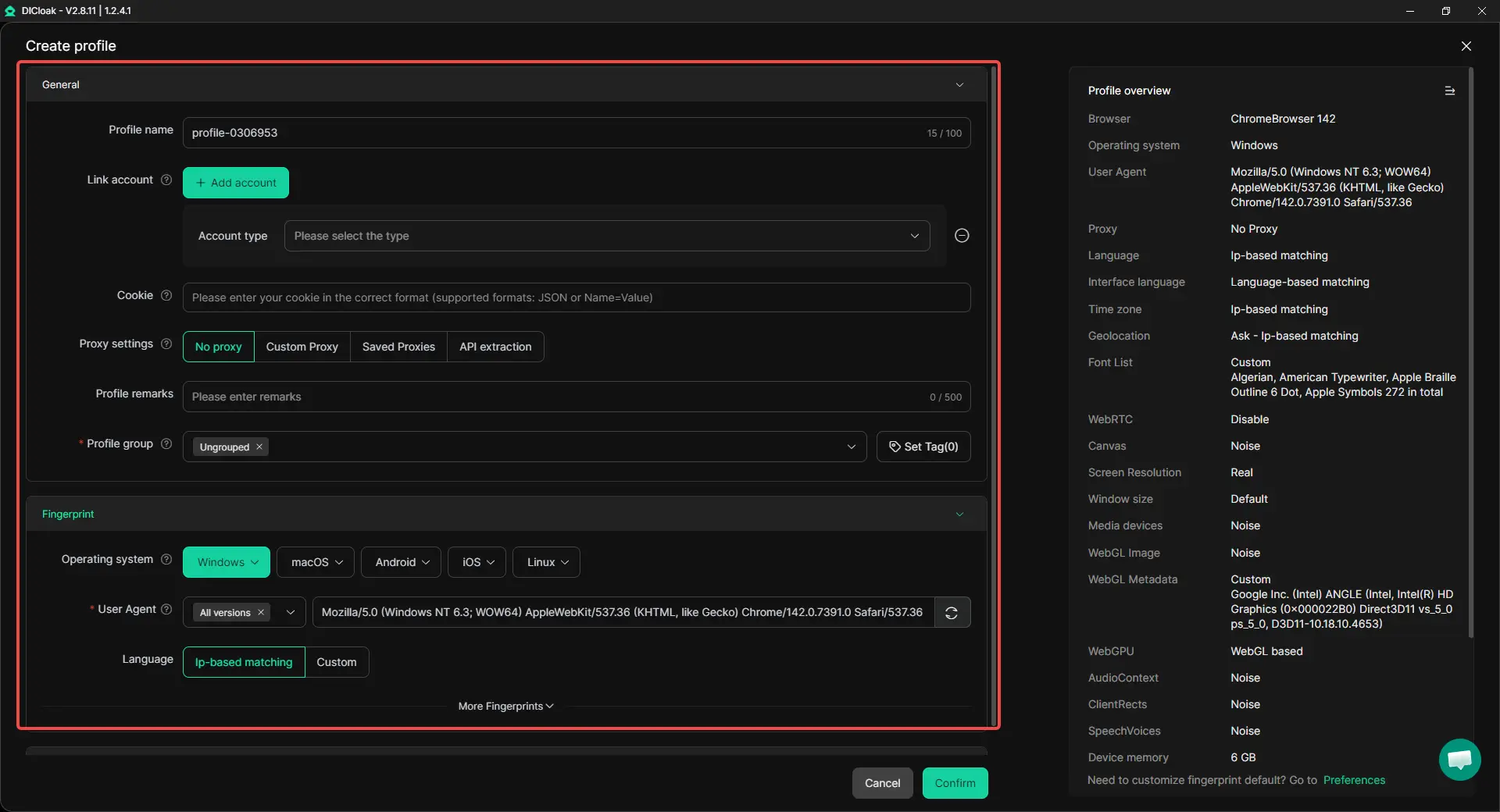
You can use DICloak to give each Facebook account its own isolated browser profile and unique fingerprint. This setup stops Facebook from linking accounts through shared device traits. Assigning a separate proxy to each account also hides your real location. If one account gets flagged, the others stay safe. Agencies often handle 10, 20, or even 50+ accounts, without isolation, all could get banned in a single sweep.
Team Collaboration, Automation, and Bulk Operations
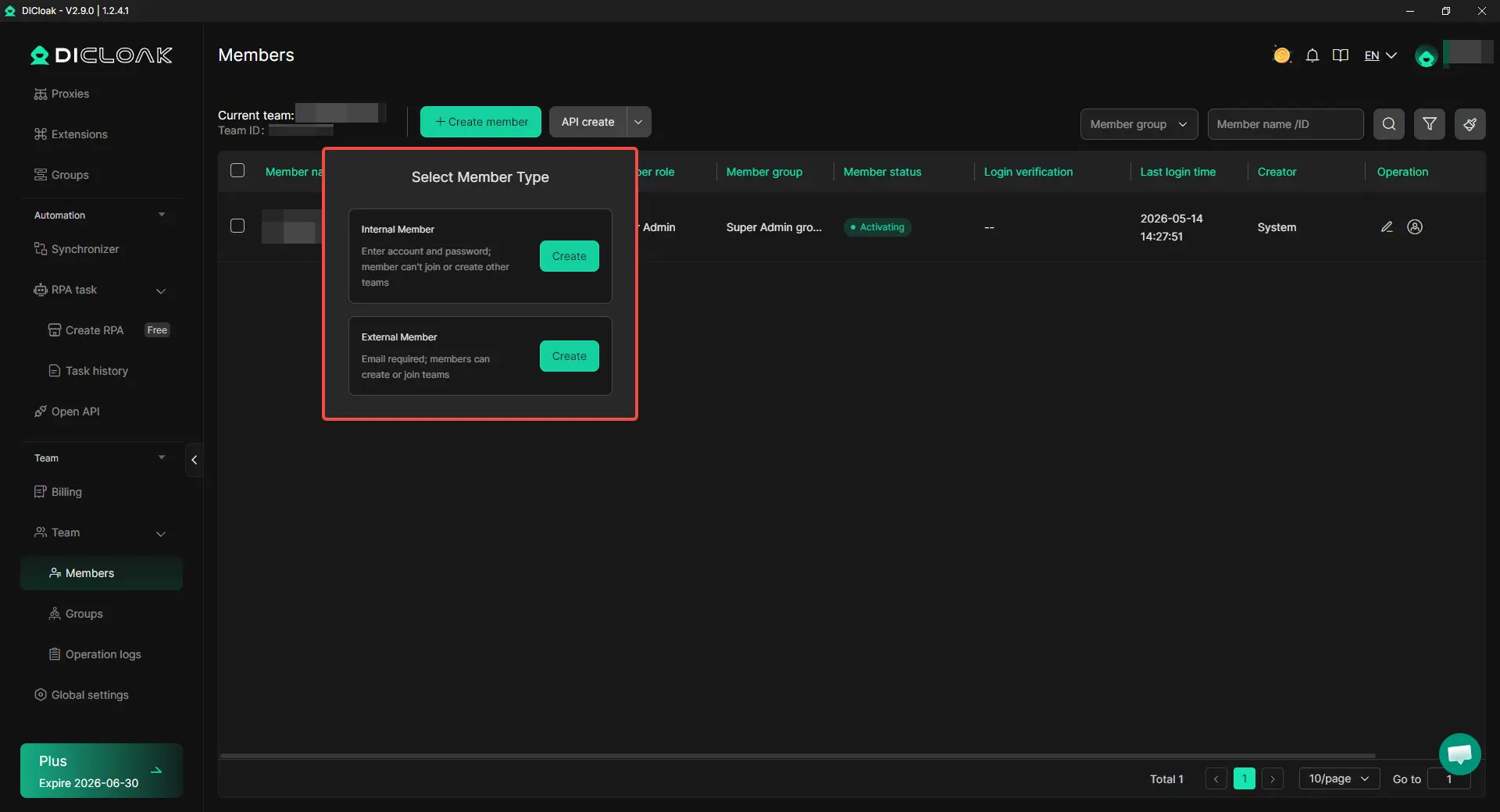
Tools like DICloak let you share account access with teammates while controlling permissions for each profile. Bulk actions and built-in RPA (robotic process automation) handle repetitive tasks like posting or replying, so you don’t need to copy-paste across tabs. This reduces mistakes that get accounts flagged and saves hours every week.
For agencies who buy facebook followers or manage growth campaigns, this workflow is safer and easier than manual juggling.
When Buying Facebook Followers Is the Wrong Choice: Organic Growth Alternatives
Buying Facebook followers sounds fast, but it often does more harm than good. Most sellers promise “real accounts,” yet what you actually get are fake or abandoned profiles. Facebook’s systems can spot fake engagement quickly, sometimes in days. If your page gets flagged, you might lose access, and rebuilding trust takes much longer. Before you decide to buy Facebook followers, it’s smart to look at what happens next and what safer growth methods exist.
Risks of Relying Only on Bought Followers
Most pages that only buy followers hit a wall. Engagement drops because fake followers don’t comment, share, or like your posts. Real users notice when a page has 10,000 followers but only 2 likes per post. That gap hurts your reputation. Facebook also watches for sudden spikes or patterns in followers. Pages with suspicious growth can get “shadow restricted,” meaning your posts barely reach anyone, even if the page isn’t banned outright. Meta explains these risks in its rules. For agencies, one bad batch can cost you a client.
Organic Growth Strategies That Actually Work
If you want your Facebook page to last, focus on methods that bring real people. Post content that solves problems, answers questions, or entertains. Host Q&As, run polls, or share stories your audience cares about. Building a true community takes time, but each new follower is more likely to stick around and interact. You can use Facebook Ads to target the right people, set a small budget to test what works. Teaming up with other pages or creators (collaborations) can double your reach for free.
| Growth Method |
Real Engagement |
Page Safety |
Cost |
Long-term Value |
| Bought Followers |
Low |
High Risk |
Low/High |
Poor |
| Organic Strategies |
High |
Safe |
Flexible |
Strong |
How to Decide If Buying Facebook Followers Fits Your Page Goals
Goal Alignment and ROI Considerations
If your page’s main goal is real engagement, like comments, shares, or sales, buying Facebook followers often backfires. Fake or inactive followers can damage your brand’s trust and lower your reach, since Facebook’s algorithm will show posts to fewer real users. A quick spike in numbers may look impressive, but it rarely leads to real results. For most brands, quality matters more than a big follower count.
Situations Where Buying Makes Sense
Buying followers can make sense only in narrow cases. For example, a brand-new page launching a campaign might buy facebook followers to create social proof and avoid looking empty. This works best if you combine it with real content and organic growth. Agencies sometimes use this to give a new client’s page a “starter layer,” but it’s risky if done alone. Compare your long-term goals before you buy.
Frequently Asked Questions
Is it legal to buy Facebook followers?
Buying Facebook followers is not illegal in most countries, but it does break Facebook’s terms of service. This means your account could get flagged, suspended, or banned. Some countries have extra rules about buying fake engagement, so check local laws before you buy Facebook followers. Always review Facebook’s policies to avoid risks.
Can buying followers improve my page engagement?
When you buy Facebook followers, your follower count goes up, but engagement (likes, comments, shares) may not. Many bought followers are fake or inactive, so they won’t interact with your posts. Low engagement rates can hurt your page’s reach and may alert Facebook’s automated systems to suspicious activity.
How many followers should I buy to avoid detection?
To avoid detection, do not buy thousands of followers at once. A safe strategy is to buy Facebook followers in small batches, like 50 to 100 per week, and mix with organic growth. Gradual increases look more natural and are less likely to trigger Facebook’s fraud filters.
What should I do if my bought followers start dropping?
If your bought Facebook followers start dropping, monitor your page daily. Contact the seller to see if they offer a refill guarantee. Also, increase your content activity to attract real followers. A mix of purchased and organic followers helps your page look more authentic and stable.
Can I use proxies to manage multiple Facebook accounts safely?
Yes, proxies can help you manage several Facebook accounts by hiding your real IP address. Tools like DICloak let you switch IPs easily, reducing the risk of account bans. Always use high-quality proxies and avoid logging in from the same device to protect all your accounts.
Ultimately, buying Facebook followers can offer a quick boost, but genuine engagement and sustainable growth come from authentic interactions and quality content. Consider your long-term goals and choose strategies that align with your brand's reputation and audience trust. Try DICloak For Free
 Web Proxy Tools
 Free Tools
 Cookie Plugin
 UA Generator
 MAC Address Generator
 IP Generator
 IP Address List
 2FA Code Generator
 World Clock
 Anonymous Check
 WebRTC Leak Test
 UUID Generator
 Free Web Proxy Site
 Proxy Checker
 FB Ad Checker
 AI Web Scraping
 Free SMM Tools
 Twitter Shadowban Checker
 Instagram Name Checker
 UTM Generator
 Username Generator
 AI Hashtag Generator
 LinkedIn Headline Generator
 Social Media Image Resizer