For digital publishers and advertisers, the pivot from disruptive display ads to native advertising has become a necessity for maintaining a healthy ROI. Native advertising, content recommendations that mirror the form and function of the editorial environment, allows brands to reach users when they are in "discovery mode."
In this space, two platforms stand as the undisputed giants: Taboola and Outbrain. While they share a common goal of content monetization and distribution, their operational philosophies, traffic requirements, and audience granularities differ significantly. This guide provides a professional comparison of these platforms to help you determine which network aligns with your specific traffic volume and revenue objectives.
Understanding the Core Differences Between Taboola vs Outbrain
Both companies are pioneers of the content discovery model, with Outbrain launching in 2006 and Taboola following in 2007. Despite their similarities, they have carved out distinct niches in the digital ecosystem.
| Feature |
Taboola |
Outbrain |
| Founded |
2007 |
2006 |
| Global Monthly Reach |
340M+ users |
250M+ users |
| Primary Content Focus |
E-commerce, mobile apps, and products |
News, blog posts, and branded content |
| Targeting Options |
Normal |
Specific |
| Revenue Model |
CPC and CPM |
CPC |
| Unique Features |
AI Ad Maker, Taboola Newsroom |
Lookalike Audiences |
| Entry Barrier |
Flexible; preferred high volume |
High (Minimum 10M views/month) |
While Taboola is the flexible workhorse of the industry—accommodating everything from niche e-commerce products to mobile app installs—Outbrain positions itself as the "premium" editorial choice. Outbrain’s stricter content guidelines and focus on news-heavy environments create a more controlled, "high-vibe" atmosphere for advertisers.
One notable differentiator for publishers is Taboola Newsroom, a suite of data-backed insights that allows editors to see which stories are trending in real-time and how users are engaging with content across the web.
Traffic Requirements and Entry Barriers
The most immediate hurdle for any publisher is the threshold for entry.
- Outbrain’s High Barrier: Outbrain is notoriously selective. To be accepted as a publisher, you typically need a minimum of 10 million page views per month. This high barrier is intentional; it ensures that advertisers' content only appears on premium, high-authority news sites.
- Taboola’s Accessibility: Taboola does not enforce a rigid traffic minimum. While they certainly prefer high-volume publishers to maximize revenue, they are far more accessible to mid-sized publishers and those focusing on diverse content types like product galleries or specialized e-commerce blogs.
Decision Tip: Conduct an immediate audit of your monthly analytics. If your site consistently delivers over 10 million views and maintains a serious news or editorial tone, apply for Outbrain to access their premium advertiser pool. If you are a mid-market publisher or focus on niche products and apps, Taboola is your most viable and flexible path to monetization.

Comparing Revenue Models and Reach
Understanding the mechanics of how you earn and reach users is vital for scaling.
Revenue Models: CPC vs. CPM Taboola offers publishers more flexibility by supporting both CPC (Cost Per Click) and CPM (Cost Per Mille/Thousand Impressions). This means you can earn based on either direct user engagement or simple visibility. Outbrain remains strictly CPC-focused. From a strategic standpoint, Outbrain’s model is superior for publishers who have highly engaged audiences that click frequently, while Taboola’s CPM option provides a safety net for publishers who prioritize total impressions and visibility.
Reach and Targeting Depth Taboola’s massive reach of 340M+ users provides broader flexibility, making it the preferred choice for international scale and niche product targeting. However, Outbrain provides more "Specific" targeting options. Because Outbrain has exclusive partnerships with top-tier news outlets, they can offer advertisers more granular control over where their content appears, which often results in higher-quality traffic for the advertiser and higher long-term value for the publisher.
Practical Strategies to Boost Earnings
To maximize native ad performance, you must move beyond "set it and forget it" placements.
- A/B Test Everything: Don't stop at ad formats. You must A/B test your landing pages to ensure that once a user clicks, the ROI is maintained. Experiment with video ads vs. sidebar widgets to see which yields a higher CTR (Click-Through Rate).
- Visual and Headline Optimization: Native ads live or die by the creative. Use high-contrast visuals and compelling (but not clickbait) headlines. Ensure the content—such as how-to guides or reviews—actually delivers on the headline’s promise to keep engagement metrics high.
- Strategic Placement: Avoid intrusive layouts. The "end-of-article" widget is the gold standard because it reaches users who have just finished consuming a piece of content and are looking for "what's next."
- Leverage External Traffic: Use social media and email marketing to funnel users to your high-performing native ad pages. A surge in social traffic often correlates with increased engagement on the native widgets hosted on that page.
Scaling Native Ad Operations with DICloak
As native ad operations grow, teams often need to manage multiple accounts, workflows, or campaign categories at the same time. In that kind of setup, keeping account environments organized becomes more important, especially when different accounts need to be handled with clearer separation.
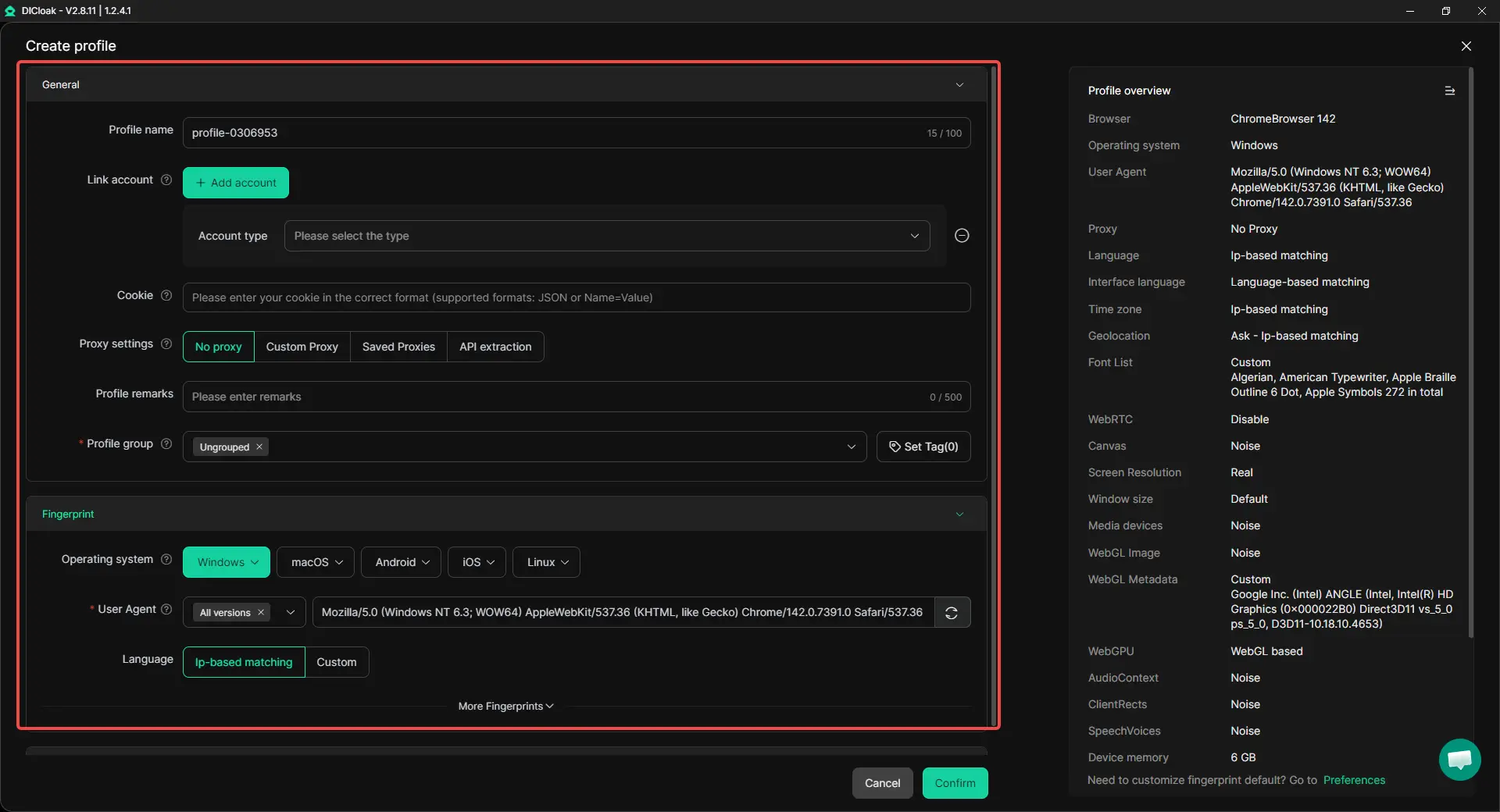
Managing more isolated profiles for multiple accounts
With DICloak, users can manage different accounts through separate browser profiles. Each profile keeps its own fingerprint settings, cookies, cache, and local browser data, which can help reduce unnecessary overlap between account environments and make multi-account operations easier to organize.
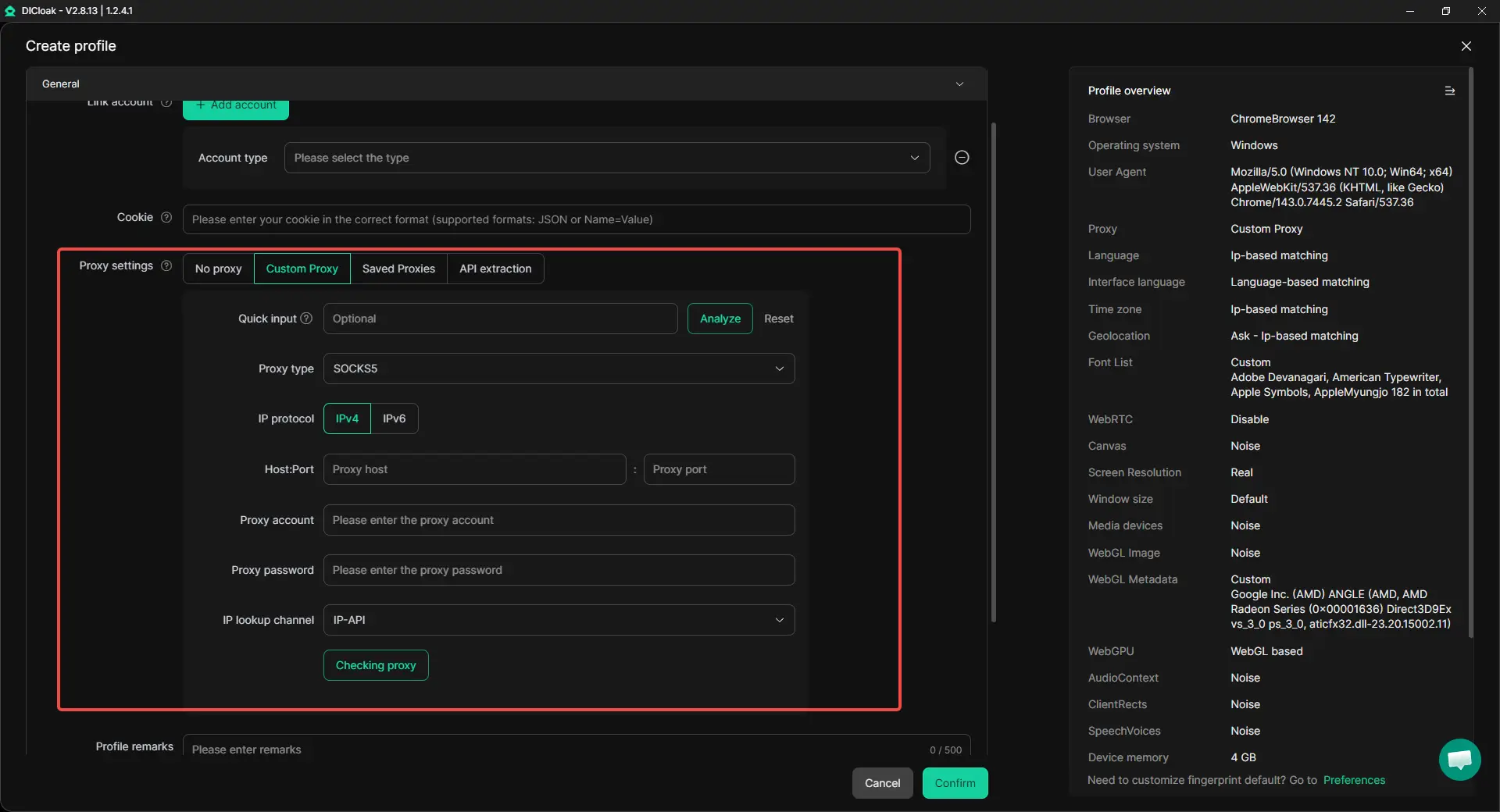
Using custom-configured proxies for more flexible account setup
With DICloak, users can assign a custom-configured proxy to each browser profile based on their own operational needs. This makes it easier to run different accounts with different network settings and maintain a more structured setup across multiple campaigns or account groups.
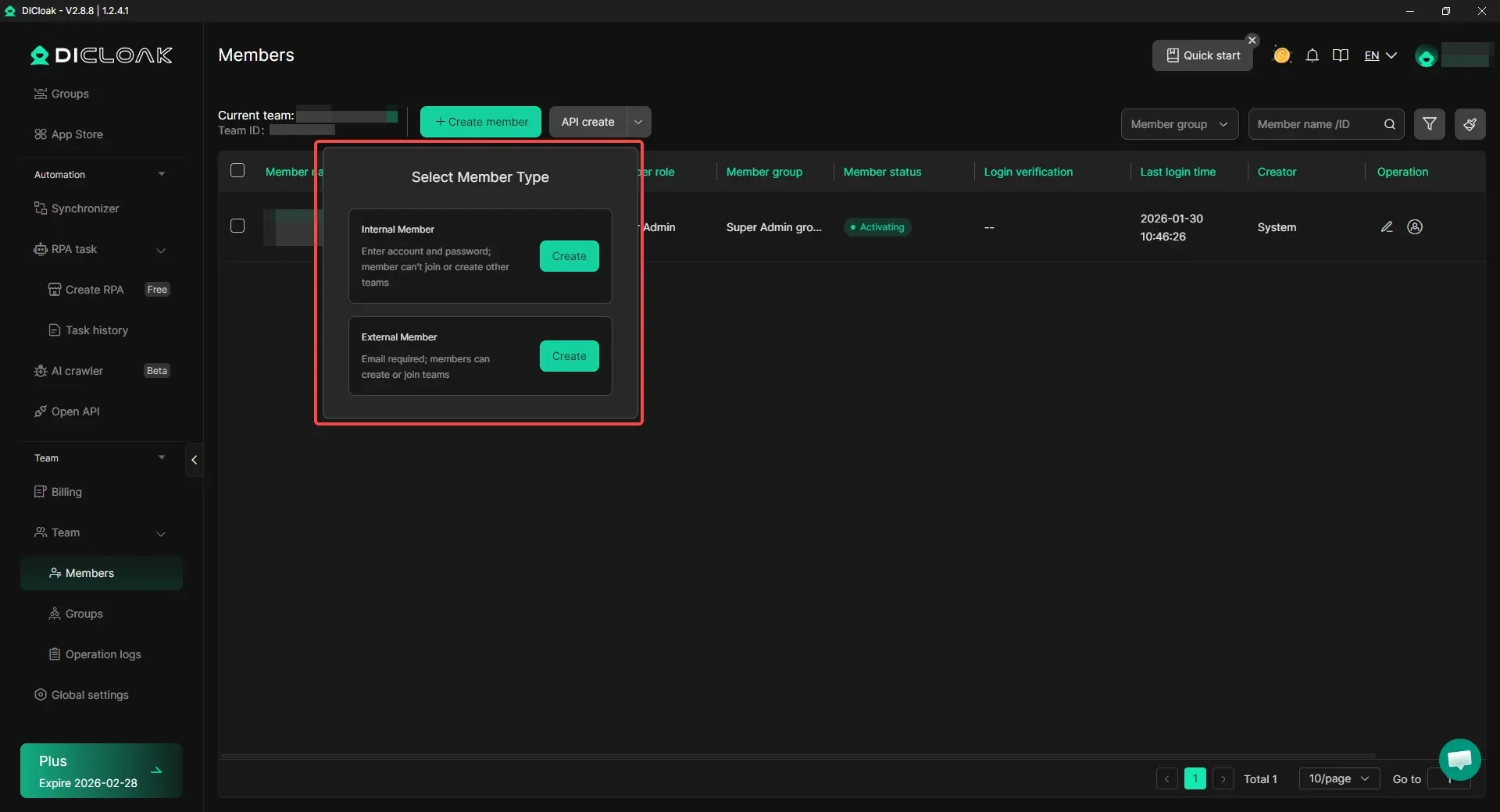
Facilitating team collaboration
When several team members need access to the same advertising workflow, with DICloak, users can organize work around specific browser profiles instead of relying on one shared browser profile. This can help teams keep account access more consistent and make collaboration easier to manage across day-to-day operations.
Conclusion
The "best" platform is entirely dependent on your scale. Taboola is the premier choice for e-commerce, mobile apps, and mid-sized publishers who value flexibility and a lower barrier to entry. Outbrain remains the elite choice for high-traffic news organizations that can meet the 10-million-view threshold and want access to premium, engagement-focused advertisers.
FAQ
Is Outbrain owned by Taboola?
No. While a merger was proposed in 2019, the deal was officially terminated in 2020. They remain independent competitors.
Are there alternatives to these two?
Yes. Major alternatives include Google AdSense (for ease of entry), MGID (for global reach), and Revcontent, which is specifically known for its premium partnerships and high engagement rates.
Does Taboola have an AI tool?
Yes, Taboola offers an AI Ad Maker designed to help advertisers generate high-performing creatives and headlines more efficiently.
Which platform is better for e-commerce?
Taboola is generally superior for e-commerce. Its diverse publisher network and focus on product discovery make it better suited for direct-to-consumer sales.
Can I use social media to help my native ads?
Absolutely. Driving social traffic to a page hosting native ads increases the pool of potential clickers, which directly boosts your revenue and improves the page’s overall engagement metrics.
Does Outbrain have a traffic minimum?
Yes. Outbrain generally requires publishers to have at least 10 million monthly page views and high-quality editorial content.
 Web Proxy Tools
 Free Tools
 Cookie Plugin
 UA Generator
 MAC Address Generator
 IP Generator
 IP Address List
 2FA Code Generator
 World Clock
 Anonymous Check
 WebRTC Leak Test
 UUID Generator
 Free Web Proxy Site
 Proxy Checker
 FB Ad Checker
 AI Web Scraping
 Free SMM Tools
 Twitter Shadowban Checker
 Instagram Name Checker
 UTM Generator
 Username Generator
 AI Hashtag Generator
 LinkedIn Headline Generator
 Social Media Image Resizer