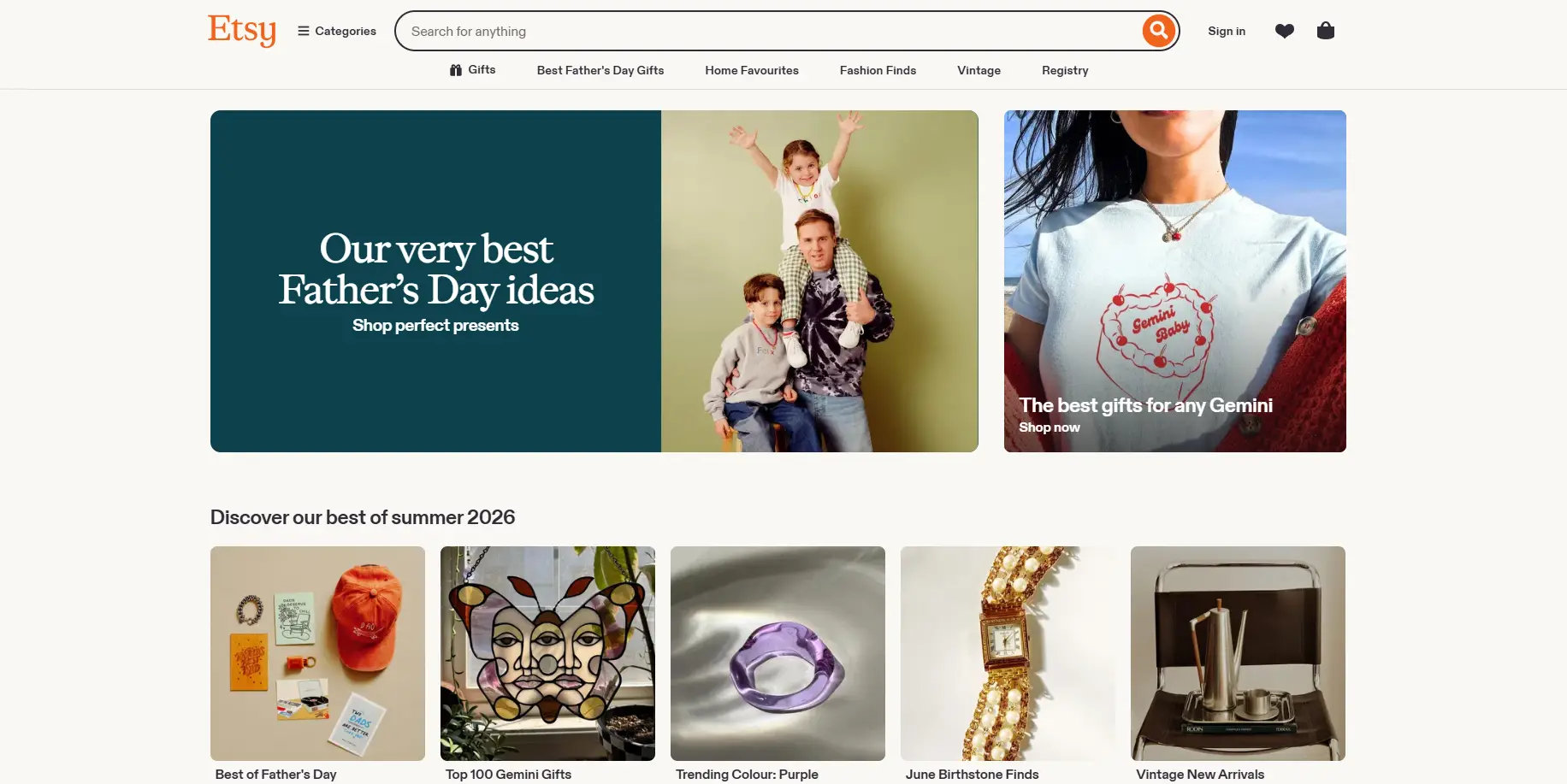
Managing multiple Etsy shops can be a smart move in 2026, but only when each shop is built with a clear purpose. Etsy is still a large and competitive marketplace, with about 5.6 million active sellers, 86.5 million active buyers, and $10.5 billion in Etsy marketplace gross merchandise sales in 2025. That means sellers have real room to grow, but they also need cleaner systems to manage brands, products, orders, and account access.
Many Etsy sellers open a second shop for good reasons. One store may sell handmade wedding invitations, while another focuses on pet-themed digital prints or print-on-demand products. The risk starts when shops share the same browser sessions, product photos, titles, customer support templates, or messy records. This guide explains how to manage multiple Etsy shops without getting them linked by keeping each shop’s account, brand, content, team access, and browser profile organized from the start.
Can You Have More Than One Etsy Shop in 2026?
Yes, you can have more than one Etsy shop in 2026. Etsy allows sellers to run multiple shops, but each shop needs its own Etsy account and its own email address.
This means you cannot open two shops under the same Etsy login. If you want to open a second shop, you need to create another Etsy account for that shop. The new shop should also have a clear business purpose, not just repeat the same products from your first store.
Etsy does not publish one simple shop limit that applies to every seller. In practice, the better question is not "How many Etsy shops can I have?" It is "Can I manage each shop as a real and separate business?" A seller who runs two focused brands is in a much stronger position than a seller who opens several nearly identical shops to get more search space.
For example, one seller may run one shop for handmade leather wallets and another shop for digital planner templates. These products serve different buyers. They need different photos, titles, keywords, delivery methods, and customer support. In that case, separate shops can make the shopping experience clearer.
But opening several shops to list the same item again and again is a different story. That can look like an attempt to manipulate search, avoid limits, or create fake market coverage. It can also confuse buyers when they see the same product across many stores with only small changes.
Etsy shop information should also stay true and accurate. Seller identity, payment details, tax information, business address, and contact details should match the real business behind the shop. If one person or company runs more than one shop, the records should be clean enough to explain why each shop exists.
A good rule is this: Etsy allows multiple shops, but each shop should have its own account, email, brand purpose, and clean operating records.
| Basic Rule |
What It Means for Sellers |
| One shop needs one Etsy account |
You need a separate login for each shop |
| One account needs one email address |
Each shop should use a unique email |
| Shops need a real purpose |
Different brands or product lines make more sense than copied stores |
| Business records must be accurate |
Identity, payment, tax, and contact details should be true |
| Management gets harder as shops grow |
More shops mean more orders, messages, listings, and files to track |
The first challenge is not opening another shop. The real challenge is managing multiple Etsy shops without mixing accounts, records, customer messages, and daily work. That is where many sellers start to run into problems.
Why Etsy Sellers Open Multiple Shops
Most Etsy sellers open another shop because one store can no longer explain the whole business clearly. A second Etsy shop makes sense only when it has a clear reason to exist.
This is also the first step in keeping multiple Etsy shops clean and easy to manage. When every shop has its own purpose, it is easier to separate products, records, customer messages, and daily work. Common reasons include:
- Different product categories: One shop may sell handmade jewelry, while another sells digital downloads. These products need different photos, keywords, delivery methods, and customer support.
- Different brands: A seller may keep a high-end wedding brand separate from a lower-priced home decor brand. Each brand needs its own style, tone, and pricing.
- Handmade vs print-on-demand: Handmade products often need custom work and personal messages. Print-on-demand products depend more on designs, suppliers, and fulfillment settings.
- Different target audiences: Wedding buyers, pet owners, and business gift buyers do not shop in the same way. Separate shops can make each buying journey clearer.
- Testing a new niche: A seller may open a new shop to test a fresh product line without changing to an established store. The new shop should not copy the old shop’s listings or branding.
- Agency or team management: Freelancers, studios, POD teams, and support teams may manage several client or brand shops. Clear separation helps avoid mixed orders, files, and messages.
A second Etsy shop is worth opening when it helps buyers understand the brand better. If the new shop only repeats the same products, it may create more management work and more accounting risk.
How Etsy May Link Multiple Shops
Even when each Etsy shop has a separate account and email, certain signals may suggest a connection between shops. One signal alone usually isn’t a problem, but risk grows when several technical or business signals overlap. Understanding these signals helps sellers organize shops more clearly.
| Link Signal |
What It Means |
Why It Matters |
| Account details |
Shops share related names, emails, or login data |
Etsy may notice ownership links |
| Browser sessions |
Shops use the same cookies, local storage, or login history |
Mixed sessions can make shops appear connected |
| Device fingerprint |
Shops use the same browser and device setup |
Repeated technical traits may link shops |
| IP and network patterns |
Shops log in from the same network or unstable connections |
Unusual access may increase review risk |
| Payment and tax information |
Shops share bank accounts, tax IDs, or legal details |
Helps Etsy verify identity and compliance |
| Listing overlap |
Shops sell the same products with identical photos |
Could appear as duplicate shops or search manipulation |
| Branding similarity |
Shops use the same logos, descriptions, or style |
May reduce perceived independence between shops |
| Team access |
Multiple people access many shops without structured roles |
Can create login confusion and permission risks |
By keeping these signals separated—different logins, browsers, devices, and branding—sellers can reduce accidental linkage. Clear organization of accounts, payment info, and operational records is often enough to prevent overlapping signals from creating problems.
For example, a seller managing a handmade jewelry shop and a digital download shop may use separate browsers, separate local storage, and independent branding for each shop. Even if they log in from the same home network, clear separation in account and product setup helps maintain shop independence.
How to Manage Multiple Etsy Shops Effectively
Managing multiple Etsy shops is easier when each store has a clear purpose, separate records, and consistent operational routines. The goal is to treat each shop as its own business while keeping workflow organized and repeatable.
Give Each Shop a Clear Business Purpose
Every Etsy shop should have its own identity. Do not open multiple shops just to occupy more search space or duplicate products. A shop should target a distinct audience, product line, or brand tone.
For instance, a shop for handmade wedding invitations and another for pet-themed digital prints serve different buyers and require separate branding. Two shops selling the same invitations with slightly altered titles could increase risk and confusion.
Keep Shop Records Organized
Each shop should maintain independent records, including:
- Email addresses
- Shop names
- Brand assets
- Listing files, SKUs, and pricing
- Shipping and fulfillment settings
Using a simple table to track listings, keywords, images, and order status can help. Clear records prevent mistakes like uploading the wrong file, using the wrong photo, or copying a listing from one shop to another by accident.
| Shop Name |
Product Type |
Keywords |
Order Status |
Notes |
| Wedding Invites |
Handmade cards |
wedding, invitations |
15 open orders |
Customizable fonts |
| Pet Prints |
Digital art |
dogs, cats, printable |
8 open orders |
Instant download |
Manage Orders and Customer Support Separately
Keep each shop’s orders, messages, and customer support templates distinct. Delivery times, refund policies, and after-sales instructions should match the specific shop.
For example, a buyer ordering a custom mug from a digital shop should not receive a reply formatted for a handmade card shop. Team members should always know which shop they are handling to avoid mistakes.
Create a Consistent Environment for Each Shop
Avoid logging into multiple shops in the same browser session or switching devices randomly. Each shop benefits from a stable, repeatable environment with clear login habits and operation records.
A clean Etsy setup means each shop has a stable login environment instead of being opened randomly from different browsers, devices, and networks. For example, a seller may dedicate one browser profile to the wedding shop and another to the pet shop, keeping cookies, cache, and session data separate. This reduces accidental linkage and operational errors.
By following these steps, sellers can manage multiple Etsy shops efficiently, maintain brand clarity, and minimize the risk of cross-shop mistakes.
Common Mistakes That Make Etsy Shops Look Connected
Even with separate accounts, Etsy shops can appear linked if browser sessions, product content, branding, SEO patterns, or support habits overlap. Small overlaps may confuse buyers and weaken shop identity.
- Using One Browser for Every Shop: Mixing cookies, sessions, and login history in a single browser can create confusion. Each shop should have a stable browser and login routine to prevent mistakes.
- Selling the Same Items Across Shops: Repeating the same products in multiple shops can make them feel like copies. For instance, two shops selling identical invitation templates with minor title changes appear less like distinct brands.
- Reusing Photos, Descriptions, or SEO: Using the same images, wording, titles, tags, or keywords weakens each shop’s individuality. Buyers may struggle to see the stores as separate brands.
- Mixing Customer Support: Applying the wrong templates or sending messages from the wrong shop damages trust. Teams must track which shop they are handling for orders and inquiries.
- Opening a New Shop Before Fixing Issues: Launching another shop while existing problems persist—like late orders, policy violations, or IP complaints—carries risk into the new store. A second shop should expand the business, not repeat unresolved issues.
Will Etsy Suspend All Your Shops If One Shop Gets Suspended?
Not necessarily. Whether other Etsy shops are affected depends on the reason for the suspension, the relationship between accounts, and the severity of the violation. Sellers should treat each shop separately but investigate risks across all stores.
If one shop is suspended due to listing errors, payment issues, identity verification problems, intellectual property complaints, customer service failures, or policy violations, other shops should be checked immediately. Similar problems may exist and should be corrected to prevent further issues.
Do not open a new shop as a workaround for a suspended store. That approach often worsens the situation. Instead, read Etsy’s notification carefully to understand the reason for the suspension. Confirm which listings, policies, or account details triggered the action.
If the suspension can be appealed, prepare clear, accurate, and specific materials. Include screenshots, order histories, correspondence with buyers, and any evidence showing compliance. When communicating with Etsy, keep the facts concise and avoid sending duplicate or confusing messages.
For example, a seller whose digital download shop was suspended for incorrect copyright claims should first review all other shops for similar listings. They may need to adjust product descriptions or remove items before any appeal. Opening a new shop at this point does not remove the risk and may be flagged by Etsy.
If one Etsy shop is suspended, the safest first step is not to open another shop. The safest step is to understand the reason, fix the issue, and review whether other shops share the same risk.
How to Manage Multiple Etsy Shops with DICloak
When sellers manage several Etsy shops, the main challenge is keeping each shop’s login data, browser session, team access, and daily tasks separate. With DICloak, sellers can create one browser profile for each Etsy shop, so cookies, local storage, login sessions, fingerprint settings, and proxy settings stay organized by shop.
For example, a wedding invitation shop and a pet-themed digital print shop can each have their own profile. The seller can open the right profile, work on the right store, and avoid logging in and out of several Etsy accounts in one normal browser.
Useful ways to manage Etsy shops with DICloak include:
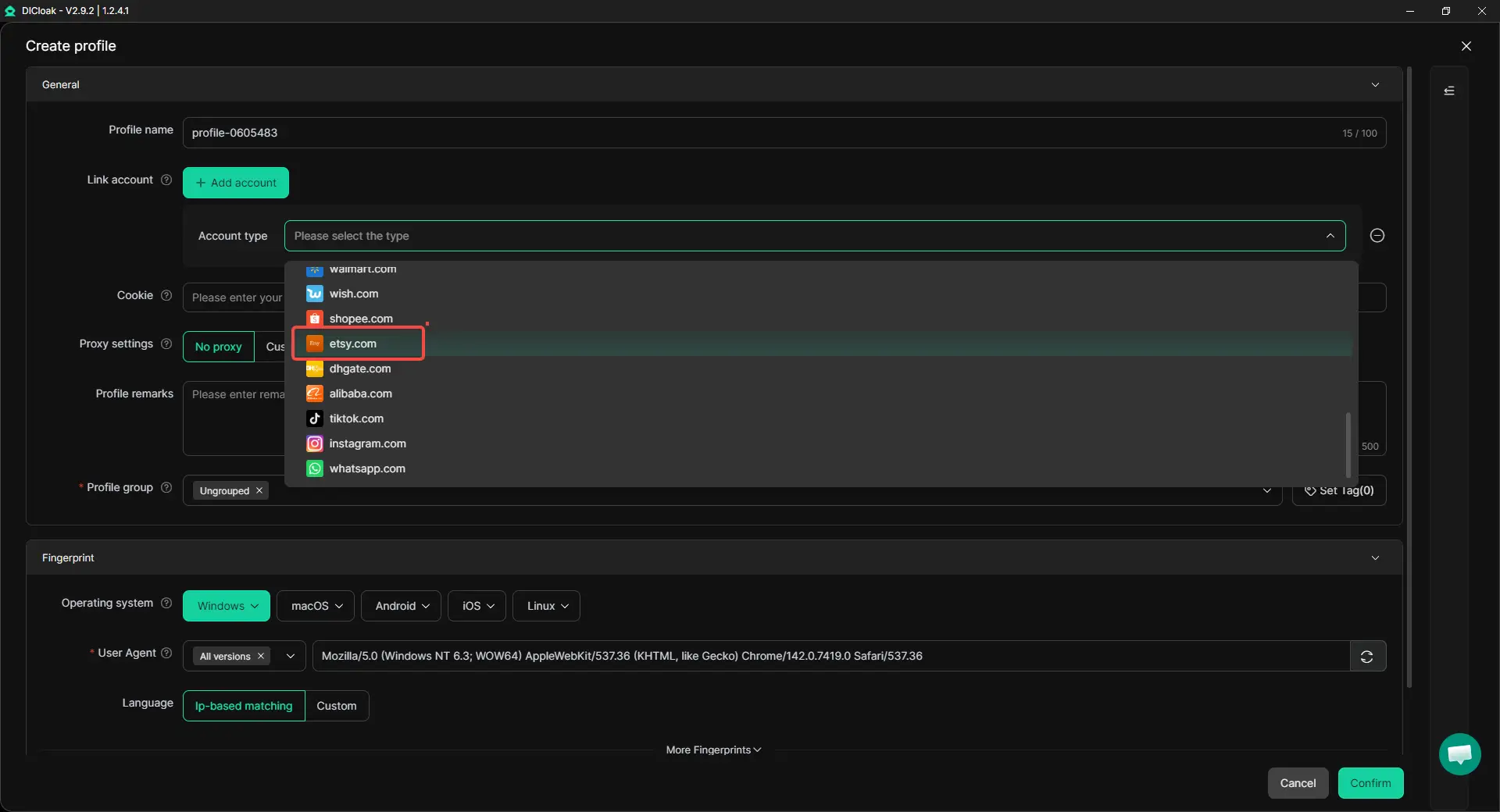
- Separate browser profiles for each shop: Each Etsy shop can have its own browser space, helping keep cookies, sessions, bookmarks, and local storage from mixing.
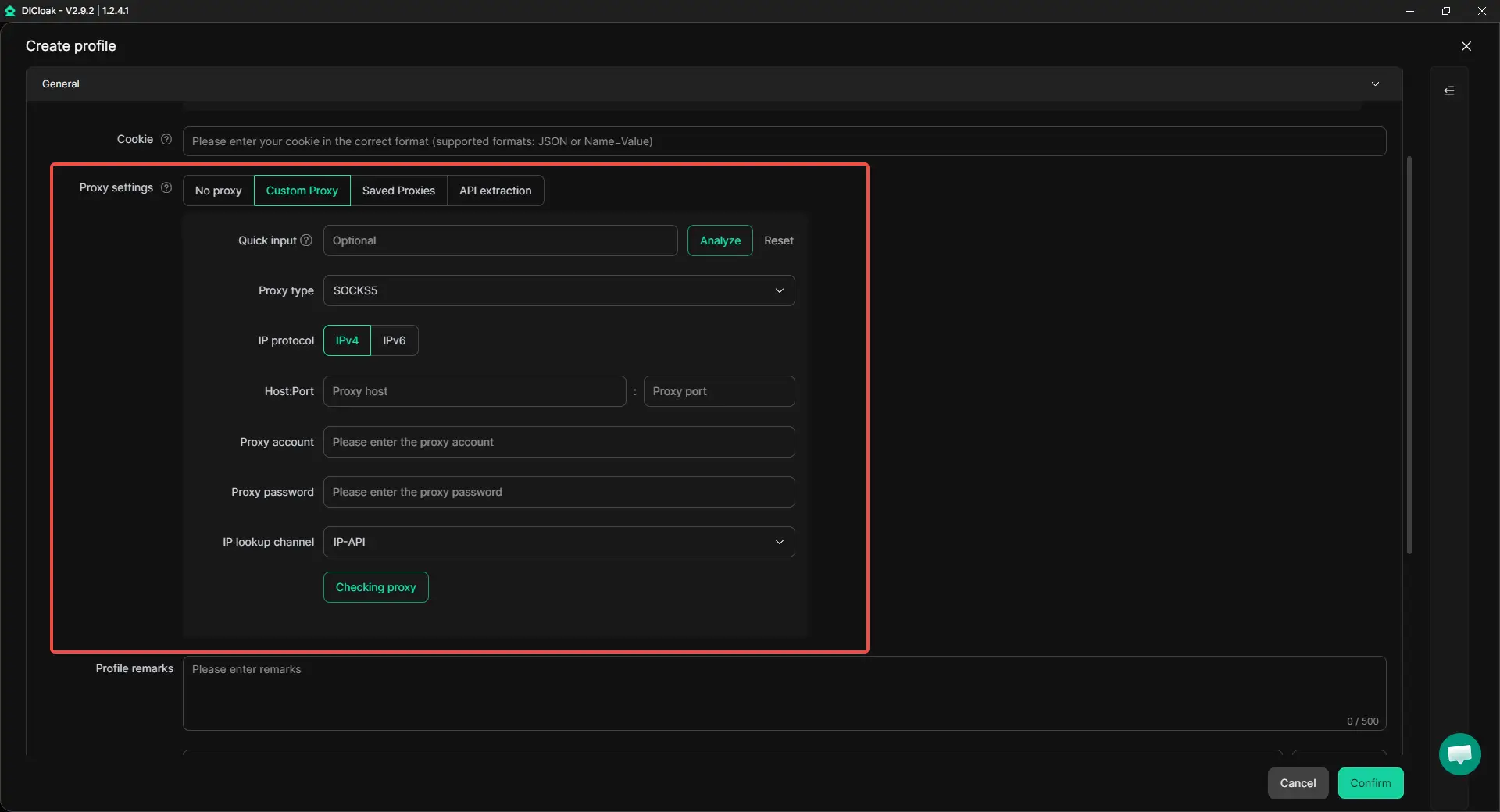
- Custom proxy configuration: Sellers can add their own HTTP, HTTPS, or SOCKS5 proxy settings to each profile when they need a stable access setup for different shops.
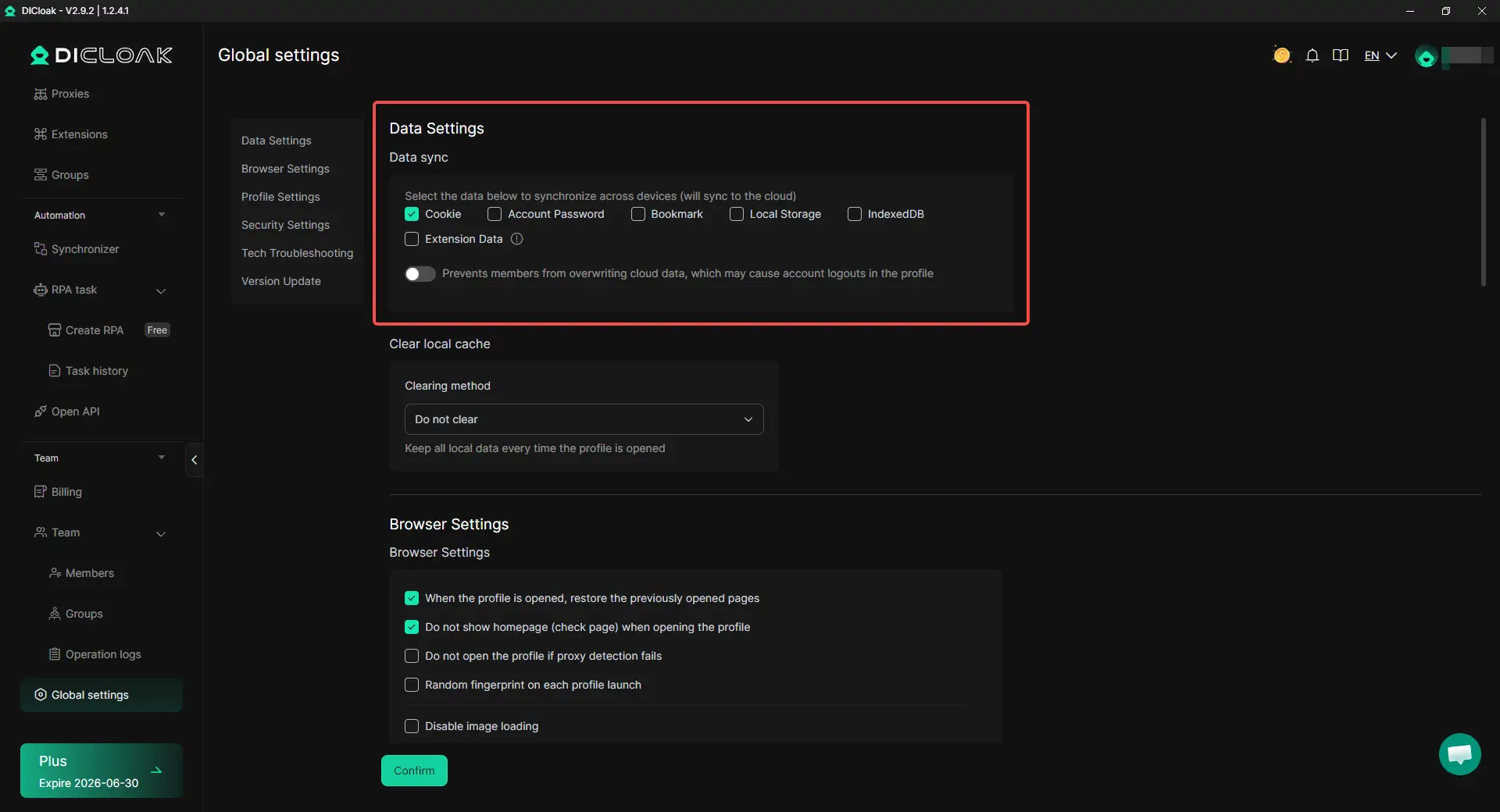
- Team collaboration with data synchronization: For teams managing Etsy shops together, synchronized profile data helps keep the working environment consistent across devices. Cookies, bookmarks, account passwords, local storage, IndexedDB, and extension data can be synced based on the user’s settings. This makes it easier for customer support staff, listing managers, and store operators to continue work without repeatedly setting up the same profile from scratch.
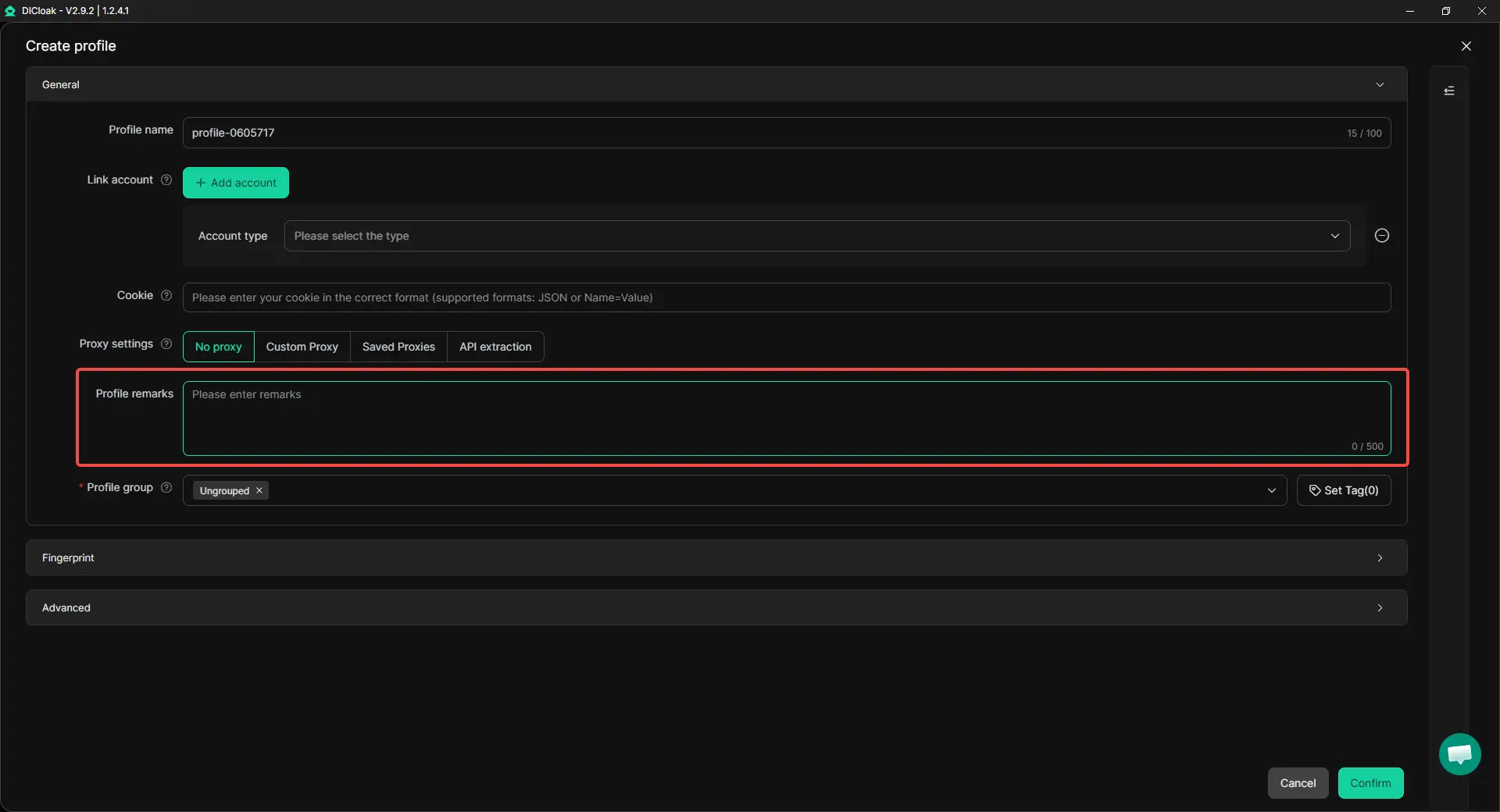
- Profile notes and operation records: Teams can keep clearer records of which shop profile was opened, who handled the task, and what still needs follow-up. This is useful when several people manage orders, listings, customer messages, or product updates.
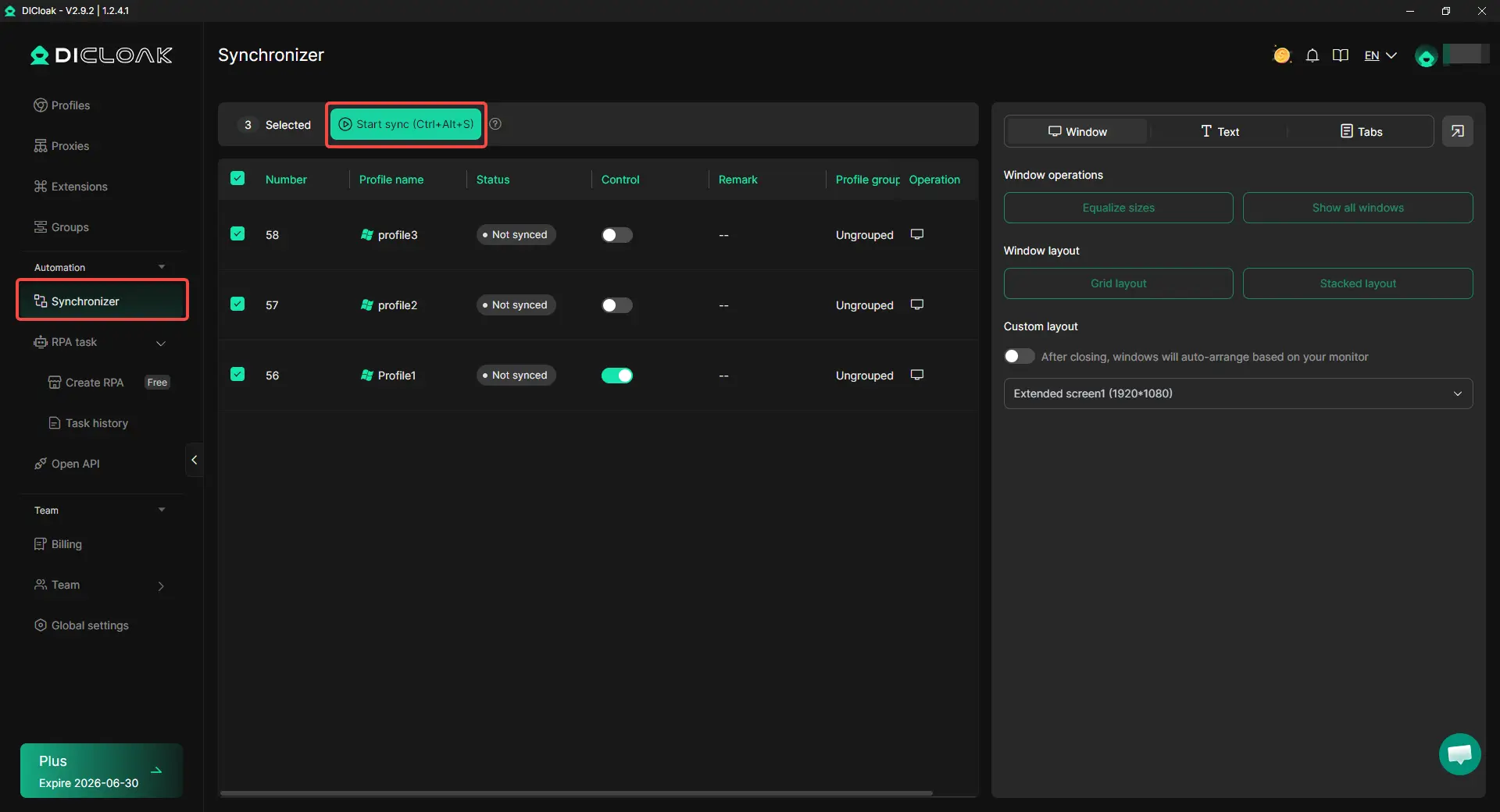
- Synchronizer for repeated actions: Teams that manage several profiles can repeat basic browser actions across multiple windows. This can reduce manual clicking when checking shop pages, reviewing listings, or performing the same routine task across several Etsy shop profiles.
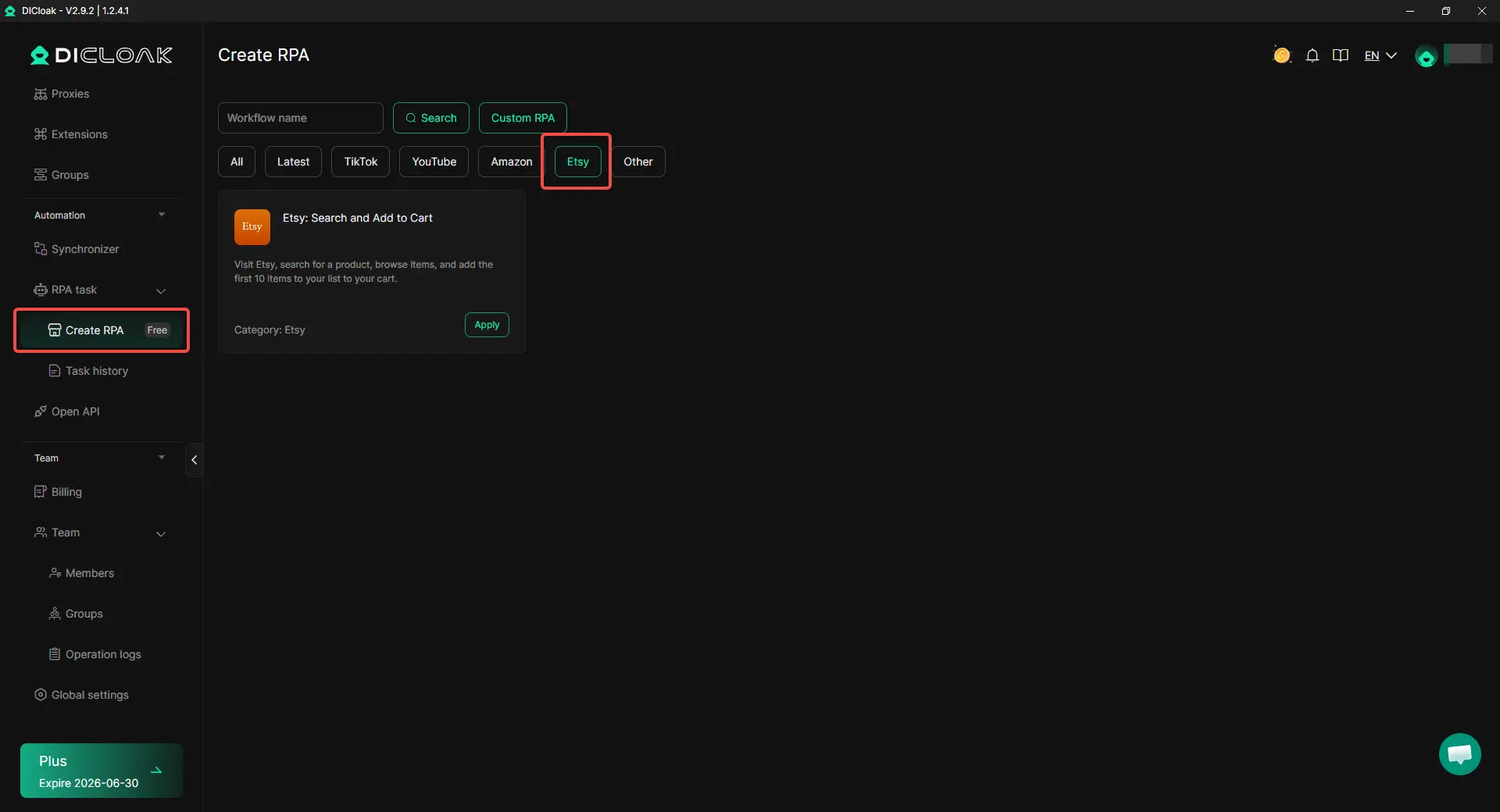
- Etsy RPA template for routine testing: The Etsy template can help sellers test Etsy search and cart flows inside a browser profile. For example, a seller can use it to check whether product pages open correctly, how items appear during browsing, or whether the cart process works smoothly during internal testing. This saves time and reduces repeated manual steps when managing several shops.
A clean Etsy setup means each shop has a stable, repeatable login environment. With DICloak, sellers can manage multiple Etsy shops from one device while keeping shop profiles, proxy settings, team access, synced data, and repeated tasks better organized.
This setup is most useful for Etsy sellers running different brands, POD teams handling several stores, freelancers supporting client shops, and agencies that need profile sharing without giving every team member direct Etsy account access.
Best Practices for Managing Multiple Etsy Shops in 2026
Managing several Etsy shops successfully requires clear rules and consistent habits. Following these practices helps sellers maintain shop independence, reduce mistakes, and improve operational efficiency.
- Use one Etsy account and one email for each shop.
- Give each shop a clear business reason.
- Keep product catalogs separate.
- Avoid listing the same products in several shops.
- Do not reuse the same photos, titles, and descriptions across shops.
- Keep customer support templates separate.
- Track orders and performance by shop.
- Use a consistent browser profile for each shop.
- Assign team roles clearly for each shop.
- Fix policy issues before opening or scaling more shops.
- Do not use extra shops to avoid rules, manipulate search, or continue suspended activity.
By following these practices, sellers can safely grow multiple Etsy stores, maintain distinct brand identities, and reduce operational risks across shops. For example, separating handmade wedding invitations from pet-themed digital products into different shops makes daily order management and customer support simpler while keeping each brand clear.
FAQs About Managing Multiple Etsy Shops
Can I open multiple Etsy shops without them being linked?
Yes, you can run multiple Etsy shops safely if each shop has its own account, email, and business purpose. To reduce accidental linkage, keep product catalogs, customer support, and branding separate. Using an Antidetect Browser like DICloak can help maintain independent login sessions, unique fingerprints, and separate environments for each shop.
How should I handle customer support across multiple shops?
Each shop should have its own support templates, refund messages, and order handling process. Mixing messages between shops can confuse buyers and harm trust. Teams managing multiple stores can use DICloak Antidetect Browser’s profile sharing and data sync features to ensure each support member sees only the relevant shop environment.
Is it safe to use the same computer for all Etsy shops?
It is possible, but risk increases if sessions, cookies, and local storage mix. Each shop should ideally have a stable and repeatable environment. Antidetect Browsers like DICloak allow separate profiles with isolated browser data, so multiple shops can be managed from one device without crossing session or fingerprint signals.
Can I run the same product in more than one shop?
Repeating products across shops is discouraged because it may appear like duplicate listings or search manipulation. Each shop should have distinct products, photos, and SEO. Sellers can use DICloak Antidetect Browser to keep product files, sessions, and listing updates separated for each store, reducing the chance of mistakes.
What should I do if one shop gets suspended?
If a shop is suspended, do not open a new shop to bypass the issue. First, identify the reason, fix policy or product problems, and check whether other shops share similar risks. Using an Antidetect Browser like DICloak can help manage multiple shops during review or recovery, keeping login sessions, fingerprints, and proxies separated while addressing issues safely.
Conclusion
Managing multiple Etsy shops successfully in 2026 requires treating each store as an independent business. Sellers should use a separate Etsy account and email for every shop, maintain distinct product catalogs, branding, and customer support templates, and keep operational records organized. Risks of shops appearing linked increase when browsers, sessions, fingerprints, proxies, and team activity overlap, or when products, photos, titles, and SEO templates are reused across stores. Tools like an Antidetect Browser, such as DICloak, help maintain isolated browser profiles, synchronized team access, and automation for routine tasks, making multi-shop management more efficient and structured.
The safest approach is to give each shop a clear business purpose, monitor operational consistency, and address policy or listing issues promptly before scaling or opening additional shops. In short, clear separation, organized workflows, and consistent shop environments are key to running multiple Etsy stores without accidental linkage, providing a professional setup that is easy to manage and reduces operational risk.
 Web Proxy Tools
 Free Tools
 Cookie Plugin
 UA Generator
 MAC Address Generator
 IP Generator
 IP Address List
 2FA Code Generator
 World Clock
 Anonymous Check
 WebRTC Leak Test
 UUID Generator
 Free Web Proxy Site
 Proxy Checker
 FB Ad Checker
 AI Web Scraping
 Free SMM Tools
 Twitter Shadowban Checker
 Instagram Name Checker
 UTM Generator
 Username Generator
 AI Hashtag Generator
 LinkedIn Headline Generator
 Social Media Image Resizer