Understanding the Basics of Twitch Monetization – The First Step to How to Make Money on Twitch
Before learning how to make money on Twitch, it is important to understand how the platform works and how creators start earning. Twitch is not just a place to play games online. It is a full live-streaming platform where creators build communities and earn income through viewer support and platform tools. Understanding these basics will help you see where the real earning opportunities come from.
What is Twitch?
Twitch is a live-streaming platform where people broadcast video in real time. Most streams focus on gaming, but many creators also stream music, art, talk shows, or everyday life content. Viewers can watch the stream and interact with the creator through a live chat. This real-time interaction is one of the main reasons Twitch became so popular.
For example, imagine a gamer streaming a popular game like Fortnite. While playing, they talk with viewers who are typing messages in the chat. The streamer might answer questions, react to comments, or thank viewers for support. Over time, regular viewers begin to return to the same channel. This creates a community around the streamer.
That community is the key to how to make money on Twitch. When viewers enjoy the content and feel connected to the creator, they often support the stream through subscriptions, donations, or other features.
Many successful streamers started small. One common example shared by new creators is streaming for a few friends at first. After weeks of consistent streaming, more viewers slowly discover the channel through Twitch’s categories and recommendations. Once the audience grows, monetization becomes possible.
How Twitch Works: An Overview of the Platform
To understand how to make money on Twitch, you first need to see how the platform works for both creators and viewers.
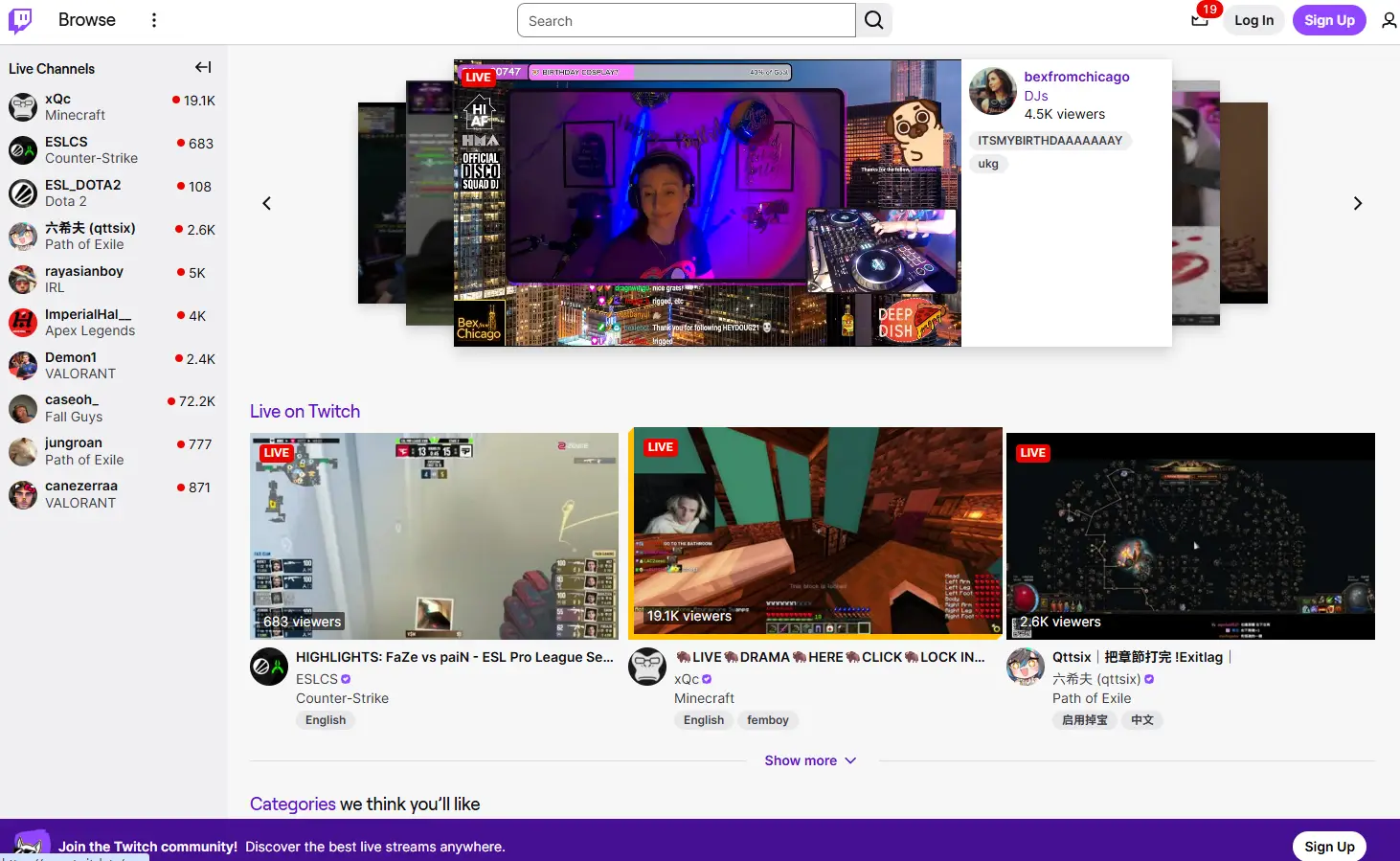
A streamer uses broadcasting software to send video to Twitch. This video appears on the streamer’s channel page. Anyone can watch the stream live and interact through chat. Viewers can also follow the channel to get notifications when the streamer goes live.
Twitch organizes content into categories such as specific games, creative streams, or “Just Chatting.” This helps viewers find streams that match their interests. If someone searches for a game like Minecraft, they will see many streamers playing that game.
Here is a simple example of how this leads to monetization:
- A streamer plays a popular game three nights a week.
- After a few months, about 20 viewers watch regularly.
- Some viewers decide to subscribe to support the channel.
- Others send Bits or donations during exciting moments.
Once a streamer qualifies for Twitch’s monetization programs, these viewer actions can turn into real income. Twitch provides several built-in tools such as subscriptions, Bits, and ads that allow creators to earn from their audience.
However, not every new streamer can earn money right away. Twitch first requires creators to reach certain milestones before unlocking these monetization features.
Twitch Affiliates vs. Partners: What You Need to Know
When researching how to make money on Twitch, you will often see two important terms: Affiliate and Partner. These are the two main monetization levels on Twitch.
The Twitch Affiliate Program is usually the first step. It allows smaller creators to start earning money from their streams. To become an Affiliate, a streamer must reach certain milestones such as gaining followers, streaming regularly, and maintaining a small average audience. For example, many guidelines mention reaching about 50 followers, streaming on several days, and maintaining around 3 average viewers before receiving an invitation.
Once accepted as an Affiliate, creators unlock several ways to earn money:
- Channel subscriptions
- Bits (a virtual tipping system)
- A share of ad revenue
These features allow even small streamers to begin generating income.
The next level is the Twitch Partner Program. This program is designed for larger and more established creators who consistently attract a bigger audience. Partners usually have much higher average viewership and a strong streaming schedule. They also gain additional benefits such as better visibility on the platform and improved revenue opportunities.
For example, a streamer who averages 5–10 viewers might reach Affiliate status within a few months. But a streamer who consistently attracts dozens or even hundreds of viewers may eventually qualify for Partner.
In simple terms:
- Affiliate = first step toward earning money on Twitch
- Partner = advanced level with larger audiences and higher income potential
Understanding this path is essential for anyone learning how to make money on Twitch. Most successful streamers start as Affiliates, grow their communities, and then work toward becoming Partners as their audience expands.
Navigating Twitch’s Ecosystem to Understand How to Make Money on Twitch
In the previous section, we looked at what Twitch is and how creators start earning through Affiliate or Partner status. But to truly understand how to make money on Twitch, you also need to understand the platform’s ecosystem.
Twitch is not only a streaming site. It is a business platform with rules, revenue systems, and community standards. Streamers who understand these systems often grow faster and avoid common mistakes. Knowing how Twitch earns money—and how creators share that revenue—helps you build a more stable streaming career.
Twitch’s Business Model: How Streamers Get Paid
Twitch works like a shared revenue platform. The company earns money through ads, subscriptions, and virtual items. Then it shares part of that revenue with streamers.
This is the foundation of how to make money on Twitch.
Here are the main ways the system works.
Viewers can subscribe to a channel each month. A basic subscription usually costs around five dollars. In most cases, Twitch and the streamer split that revenue. Many creators receive about half of the subscription price.
For example, imagine a small streamer who has:
- 80 subscribers
- each paying about $5 per month
If the revenue is split evenly, the streamer may earn around $200 per month from subscriptions alone.
For larger channels, the number grows quickly. Some mid-size streamers with a few hundred subscribers earn a few thousand dollars each month from subscriptions.
Twitch also runs ads during streams. When viewers watch these ads, the platform shares a portion of the ad revenue with the streamer.
Typically, creators receive around 30% to 55% of ad revenue, depending on their program and ad settings.
For example:
- A streamer averages 75 viewers
- They run ads during their stream
- Ads may bring an extra $100–$200 per month depending on viewership and ad demand.
Ads usually are not the biggest income source, but they add steady background revenue.
- Bits and Other Viewer Support
Twitch also sells a virtual currency called Bits. Viewers buy Bits from Twitch and use them to “cheer” during a stream. The streamer then receives part of that value as income.
This system benefits both sides:
- Twitch earns money when viewers buy Bits
- Streamers earn when viewers use them during streams
Because of this shared system, Twitch encourages creators to build active communities. The stronger the community, the more likely viewers will support the streamer.
A good example of this model is a mid-size gaming streamer who streams four nights a week. Over time they build a community of 50–100 regular viewers. Some subscribe, others send Bits, and ads run during the stream. By combining these income sources, many creators turn streaming into a side income of several hundred dollars per month.
This is why learning the platform’s business model is an important step in understanding how to make money on Twitch.
Staying Updated with Twitch Policies and Guidelines
Making money on Twitch is not only about viewers and content. Streamers must also follow Twitch’s rules. These rules protect the community and ensure the platform stays safe for everyone.
Twitch has Community Guidelines and Terms of Service that explain what content is allowed on the platform. These rules apply to videos, chat messages, usernames, and even on-screen graphics.
For example, Twitch does not allow:
- harassment or hateful conduct
- explicit sexual content or nudity
- certain types of dangerous or illegal behavior
Streams that contain sensitive topics may also require a content classification label, such as for mature games or drug-related content.
Why does this matter for creators learning how to make money on Twitch?
Because breaking these rules can lead to serious problems.
A streamer who violates the guidelines may face:
- temporary suspension
- demonetization
- permanent account bans
For example, some new streamers accidentally play copyrighted music during a live stream. Twitch may mute parts of the video or issue copyright warnings. If this happens repeatedly, it can hurt the channel’s growth and income.
Another important rule involves simulcasting. Twitch now allows creators to stream to multiple platforms at the same time, but they must still follow certain restrictions. For instance, streamers cannot direct viewers away from Twitch during the live broadcast itself.
Smart creators regularly check Twitch updates and policy changes. The platform often adjusts monetization tools, partnership rules, and community guidelines as it grows.
In simple terms, successful streamers treat their channel like a small business. They focus on content, community, and platform rules at the same time.
By understanding both the business model and the platform policies, creators build a safer and more reliable path toward how to make money on Twitch.
Key Monetization Methods on Twitch – The Core Strategies for How to Make Money on Twitch
In the previous section, we explored how Twitch’s ecosystem works and how streamers get paid through the platform. Now let’s look at the practical side of how to make money on Twitch.
Most successful streamers do not rely on just one income source. Instead, they combine several monetization methods. These can include subscriptions, viewer support, ads, sponsorships, and selling products. Using multiple income streams helps creators build more stable earnings over time.
Below are the most common ways Twitch creators earn money today.
Twitch Subscriptions: The Core Revenue Stream
Subscriptions are one of the most important parts of how to make money on Twitch. A subscription allows viewers to support a streamer by paying a monthly fee. In return, they receive special benefits such as custom emotes, badges, or ad-free viewing on that channel.
Twitch usually offers three subscription tiers, with prices around $4.99, $9.99, and $24.99 per month. Many creators receive roughly half of that revenue, though the exact split can vary.
For example, imagine a small streamer who has:
- 60 subscribers
- each paying about $5 per month
With a typical revenue split, that streamer might earn around $150–$180 per month from subscriptions alone.
Some creators also run events called “subathons.” During these events, each new subscription adds more time to the stream. One famous example was streamer Ludwig, who held a month-long subathon that attracted hundreds of thousands of subscriptions.
This shows how subscriptions can become a powerful income source when a community grows.
Donations and Tips: Direct Support from Viewers
Another common way to learn how to make money on Twitch is through direct donations. These tips usually come through third-party tools such as Streamlabs or similar platforms.
Unlike subscriptions, donations go almost entirely to the streamer. Viewers often donate during exciting moments in a stream. For example:
- A viewer donates $5 after a streamer wins a difficult game match.
- Another viewer sends $10 with a message that appears on screen.
Even small donations add up. A streamer with only 10–20 active viewers might receive $20–$50 per stream from donations during active sessions.
Many creators also display donation goals on screen. For instance, a streamer may set a goal to upgrade their microphone or camera. When viewers see that progress bar moving closer to the goal, they often feel motivated to contribute.
Bits and Cheers: Twitch’s Built-In Micro-Donations
Twitch also has its own built-in tipping system called Bits. Viewers buy Bits from Twitch and then use them to “cheer” during a live stream. When a viewer sends Bits, the streamer receives a portion of that value as income.
For example:
- A viewer cheers with 500 Bits during a stream.
- That support appears in chat with a special animation.
- The streamer receives the payment from those Bits.
This system makes it easy for viewers to support creators without leaving the Twitch platform. It also helps create fun moments during streams. Many creators celebrate Bit donations by playing sound alerts or reacting live on camera.
Over time, small Bit donations from many viewers can become a meaningful income stream.
Advertising Revenue: Making Money from Twitch Ads
Advertising is another important part of how to make money on Twitch. Twitch runs ads during live streams and shares a portion of the revenue with creators.
These ads work using a system called CPM (cost per thousand impressions). In many cases, ad revenue averages around $3 to $5 per 1,000 views, though this can vary based on audience location and advertiser demand.
For example:
- A streamer averages 100 viewers.
- Ads play during breaks in the stream.
- If the stream generates 100,000 ad impressions in a month, the creator might earn around $175 or more depending on the revenue split.
Some creators also join Twitch’s Ad Incentive Program, which rewards them for running a certain number of ads per hour. In some cases, this can increase the creator’s share of ad revenue up to about 55%.
Ads usually are not the biggest income source, but they provide consistent background earnings.
Sponsorships and Brand Partnerships
As a channel grows, brands may reach out to collaborate. Sponsorships are one of the most profitable ways to expand how to make money on Twitch.
In a sponsorship deal, a company pays a streamer to promote a product or service during a broadcast. This might include:
- using a gaming headset on stream
- promoting a software tool
- playing a sponsored game
For example, a mid-size streamer with around 500 viewers may earn several hundred dollars for a sponsored stream. Larger creators can earn thousands for brand partnerships.
Sponsors usually look for creators who have strong communities. Brands care more about viewer engagement than raw follower numbers.
Affiliate marketing is another strategy many streamers use. In this model, creators promote a product and receive a commission when viewers buy through their special link.
For example, a gaming streamer might share affiliate links for:
- gaming keyboards
- streaming microphones
- PC accessories
If a viewer clicks the link and buys the product, the streamer receives a small percentage of the sale.
This method works well because viewers often trust the equipment and tools used by their favorite creators.
Selling Merchandise and Personal Brand Products
Many creators also build their own brand by selling merchandise. This can include:
- T-shirts
- hoodies
- stickers
- mugs
- gaming accessories
Selling merchandise allows streamers to turn their channel identity into real products. Fans enjoy buying items that represent their favorite creator or community.
For example, a streamer with a recognizable catchphrase might print that phrase on T-shirts and sell them through an online store. Even selling 20–30 shirts per month can add a few hundred dollars in extra income.
Merchandise also helps strengthen the community. When viewers wear a streamer’s merch, they feel more connected to the channel.
In reality, the most successful creators combine several of these strategies. A typical Twitch income might include subscriptions, Bits, donations, ads, sponsorships, and merchandise sales working together.
By learning how each method works and experimenting with different options, creators gradually build a sustainable system for how to make money on Twitch.
How to Make Money on Twitch: A Step-by-Step Monetization Strategy
In the previous section, we explored the main ways Twitch creators earn money, such as subscriptions, ads, and sponsorships. But understanding those income sources is only the first step. To truly learn how to make money on Twitch, you also need a clear growth strategy.
Most streamers do not become profitable overnight. Growth usually starts with a small audience and slowly builds into a loyal community. The key is to focus on three things: gaining followers, creating engaging content, and promoting your stream beyond Twitch. Many experts say that success on Twitch comes from consistent content, strong community interaction, and smart promotion across platforms.
Let’s break this process down step by step.
Building a Follower Base: The Foundation of Monetization
A strong follower base is the foundation of how to make money on Twitch**.** Without viewers, subscriptions and donations will not happen.
Twitch also requires creators to reach certain milestones before unlocking monetization tools. For example, many streamers aim to reach around 50 followers and an average of about 3 viewers in order to qualify for the Affiliate program.
This may sound small, but it takes effort and consistency.
For example, a beginner streamer might start with only two or three viewers. After streaming regularly for a few weeks, those viewers may return and bring friends. Over time, the channel slowly grows.
Many successful creators recommend setting simple goals first:
- Reach the first 25–50 followers
- Stream consistently every week
- Focus on viewer interaction
Once a channel reaches these early milestones, monetization becomes possible.
Engaging Content Creation
Content is one of the most important factors in how to make money on Twitch. People return to streams that are entertaining, helpful, or unique.
For example, some streamers build their brand around a specific type of content:
- speed-running difficult games
- teaching new players strategies
- reacting to gaming news
- chatting with viewers while playing casual games
The goal is to give viewers a reason to come back.
Experts often suggest creating content that reflects your personality and interests rather than copying other streamers. Unique content helps a channel stand out in a platform with thousands of active streams.
For instance, one streamer might combine gaming with storytelling. Another might run weekly challenge streams. Even small creative ideas can help build a loyal audience.
Community Interaction and Engagement
Twitch is different from traditional video platforms. The real power of Twitch comes from live interaction.
Successful streamers spend a lot of time talking with their chat. They answer questions, react to comments, and thank viewers for support.
Imagine a viewer joining a stream for the first time. If the streamer reads their message and responds directly, that viewer is far more likely to stay and return later.
Community interaction can include:
- greeting new viewers
- asking questions in chat
- hosting community game nights
- thanking subscribers and donors live
Many small creators say that simply responding to chat messages helped them grow from 5 viewers to 20 or more over time.
Cross-Platform Promotion: Expanding Your Reach
One important lesson many new streamers learn is that Twitch alone does not always provide enough discovery. Many viewers discover creators through other platforms first.
Because of this, cross-platform promotion is an important part of how to make money on Twitch.
Creators often promote their streams on:
- YouTube
- TikTok
- Twitter (X)
- Discord communities
Short clips from live streams work especially well. A funny or exciting moment can go viral and attract new viewers to a Twitch channel.
In fact, many growth guides recommend using short-form content to drive traffic to Twitch streams.
For example, a streamer might post a 20-second clip of an intense gaming moment on TikTok. If that clip gets thousands of views, some of those viewers may visit the streamer’s Twitch channel to watch future streams.
Utilizing Social Media for Growth
Social media helps streamers stay connected with their audience even when they are not live.
For example, creators often use Twitter or Discord to:
- announce streaming schedules
- share highlights
- interact with fans
- collaborate with other streamers
Consistency also matters. Many successful creators follow a weekly streaming schedule so viewers know exactly when they will go live.
When viewers expect your streams at a certain time, they are more likely to return regularly.
Over time, this routine helps transform casual viewers into loyal supporters.
Tools to Help You Grow Faster and Improve Your Strategy for How to Make Money on Twitch
In the previous section, we discussed strategies such as building followers, promoting your stream on social media, and managing multiple accounts. These steps are important if you want to understand how to make money on Twitch. However, most successful creators also rely on specific tools that help them work faster, improve stream quality, and manage their communities.
Streaming today is more than just turning on a camera and playing a game. Creators often manage graphics, alerts, moderation, analytics, and marketing at the same time. The right tools can make these tasks much easier and help you grow your channel faster.
Below are several popular tools many Twitch creators use.
Streaming Software: OBS Studio and Streamlabs
A professional stream usually starts with reliable broadcasting software. One of the most widely used tools is OBS Studio. It is free and open-source software that allows streamers to capture gameplay, manage scenes, mix audio, and stream live to platforms like Twitch.
For example, a beginner streamer might set up three simple scenes:
- a starting screen
- the gameplay screen
- a “stream ending” screen
These simple visuals make the stream look more organized and professional. When viewers see a clean layout and clear audio, they are more likely to stay longer. Higher watch time often leads to more subscriptions and donations, which are key parts of how to make money on Twitch.
Another popular option is Streamlabs, which combines streaming tools, alerts, overlays, and chat features in one platform. It helps beginners start streaming quickly without needing many separate tools.
Many creators start with Streamlabs and later move to more customized setups as their channel grows.
Stream Alerts and Overlay Tools: StreamElements
As a channel grows, interactive features become very important. Tools like StreamElements allow creators to add alerts, overlays, and on-screen notifications during a stream.
For example, when a viewer subscribes or donates, an alert animation can appear on the screen. This creates excitement and encourages other viewers to participate.
StreamElements also offers features such as:
- loyalty points for viewers
- tip overlays
- customizable stream layouts
These features help make streams more interactive. When viewers feel engaged, they are more likely to support the channel financially.
Chat Moderation and Automation: Nightbot
Managing chat can become difficult when a stream becomes popular. Messages appear quickly, and spam can sometimes interrupt conversations.
This is why many streamers use Nightbot, a chatbot that helps automate moderation and chat commands.
For example, Nightbot can:
- automatically remove spam messages
- post helpful links in chat
- run timers that remind viewers to follow the channel
Some streamers also use it to run simple giveaways or song requests. By keeping chat organized, creators can focus more on entertaining their audience.
Analytics Tools: Twitch Dashboard, TwitchTracker, and SullyGnome
Understanding your data is another key step in how to make money on Twitch. Analytics tools help creators see what works and what does not.
Twitch itself provides built-in analytics that show:
- viewer numbers
- watch time
- follower growth
- revenue from subscriptions, Bits, and ads.
There are also external analytics tools such as TwitchTracker and SullyGnome that analyze channel growth and game trends.
For example, a streamer might notice that their viewer count doubles when they play a certain game. By focusing more streams on that game, they can grow faster.
Small insights like this can make a big difference in a channel’s growth.
Community Tools: Discord
Many Twitch creators also build communities outside the stream. Discord is one of the most popular platforms for this purpose.
Discord allows streamers to create private communities where viewers can chat, share ideas, and interact even when the stream is offline.
For example, a streamer might create channels for:
- game discussions
- stream announcements
- community events
When viewers feel part of a community, they are more likely to return to future streams and support the creator.
Managing Multiple Accounts Efficiently with DICloak
As creators grow across different platforms, they often manage many accounts at once. These may include Twitch, YouTube, TikTok, Twitter, and marketing accounts.
Handling multiple accounts from the same browser can sometimes create management problems. This is where tools like DICloak can help.
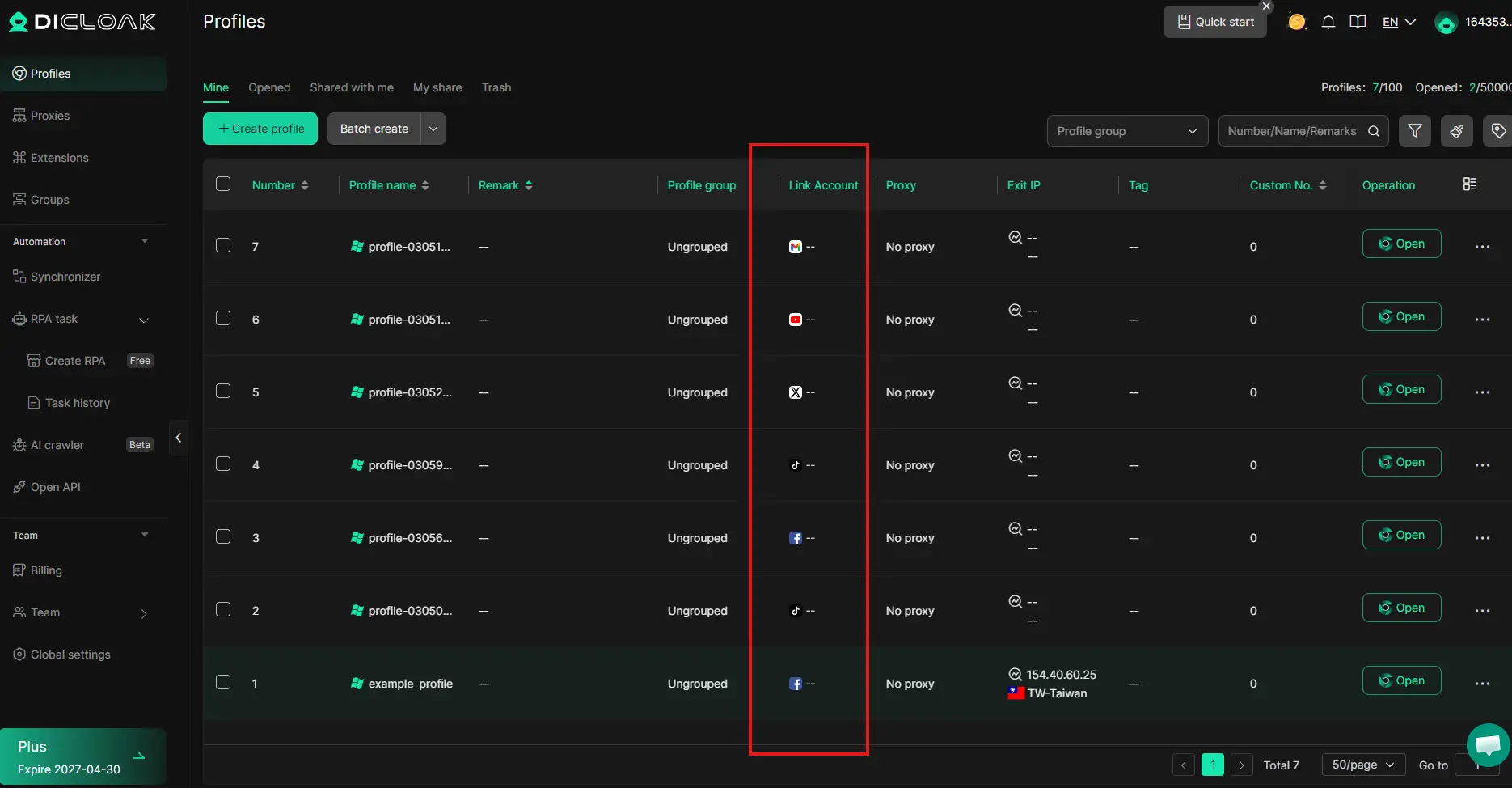
DICloak is an antidetect browser designed for managing multiple online profiles safely. It allows users to create isolated browser profiles for different accounts. This means each account runs with its own settings and digital fingerprint.
For example, a streamer might use separate profiles for:
- their main Twitch channel
- a secondary testing channel
- social media promotion accounts
- affiliate marketing campaigns
This setup helps keep accounts organized and reduces the risk of conflicts between them.
For creators working across many platforms, tools like DICloak can simplify workflows and make it easier to manage their online presence while growing their strategy for how to make money on Twitch.
In reality, tools alone do not create success. The most important elements are still creativity, consistency, and community engagement. But when combined with strong content and smart promotion, the right tools can greatly support your journey in learning how to make money on Twitch.
Conclusion: Your Path to Success on Twitch and How to Make Money on Twitch
Success on Twitch usually starts with a small audience and steady effort. Many creators begin with only a few viewers, but by streaming regularly and interacting with chat, they slowly build a loyal community. Once a channel reaches Twitch Affiliate status, creators can begin earning through subscriptions, donations, Bits, ads, and other monetization methods.
Growing a channel also requires promotion outside Twitch. Many streamers share clips on YouTube or TikTok, connect with viewers on Discord, and experiment with different content ideas. These small steps help attract new viewers and increase income opportunities.
As your online presence expands, managing several accounts across platforms can become complicated. Tools like DICloak help creators organize multiple accounts in separate browser profiles, making it easier to manage Twitch and social media activities safely.
In the end, how to make money on Twitch is not about quick success. It is about consistency, creativity, and building real connections with viewers while using the right tools to support your growth.
Frequently Asked Questions About Making Money on Twitch
How many followers do you need to make money on Twitch?
You usually need to join the Twitch Affiliate Program before using Twitch’s main monetization tools. To qualify, most creators need about 50 followers, several streaming days, and around 3 average viewers within a 30-day period.
For example, a new streamer who streams a few times each week may reach these numbers within a few months. Once accepted as an Affiliate, they can start earning through subscriptions, Bits, and ads. This is often the first real step in how to make money on Twitch.
How much money do small Twitch streamers make?
Small Twitch streamers usually earn a modest income at first. Many beginners make around $50–$300 per month, depending on their viewers, subscriptions, and donations.
For example, a streamer with 15–20 regular viewers and a few subscribers may earn about $100 per month from subscriptions and tips. As the audience grows, income can increase.
Can you make money on Twitch without being an Affiliate or Partner?
Yes. Even before reaching Affiliate status, some creators earn money through donation links, sponsorships, or affiliate product promotions.
For instance, a small streamer may share a donation link or promote gaming gear during a stream. While the income may be small at first, it still helps beginners start learning how to make money on Twitch while growing their channel.
 Web Proxy Tools
 Free Tools
 Cookie Plugin
 UA Generator
 MAC Address Generator
 IP Generator
 IP Address List
 2FA Code Generator
 World Clock
 Anonymous Check
 WebRTC Leak Test
 UUID Generator
 Free Web Proxy Site
 Proxy Checker
 FB Ad Checker
 AI Web Scraping
 Free SMM Tools
 Twitter Shadowban Checker
 Instagram Name Checker
 UTM Generator
 Username Generator
 AI Hashtag Generator
 LinkedIn Headline Generator
 Social Media Image Resizer