If you’ve encountered a restricted Coinbase account, you’re not alone. Many users face this issue, and it can be frustrating, especially when you’re unable to send or withdraw your crypto. Whether it’s due to a security check or an issue with your account, understanding why your Coinbase account is restricted is the first step toward resolving it.
This guide will explain why Coinbase restricts accounts, how long it typically lasts, and how to fix the issue.
Why Coinbase Restricts Accounts
Coinbase can restrict your account for several reasons. Here’s a breakdown:
1. Incomplete Identity Verification
If you haven't completed or updated your identity verification, Coinbase might restrict your account. For example, submitting expired documents can stop you from trading or withdrawing.
2. Suspicious or Unusual Activity
Coinbase uses a fraud detection system to flag unusual activity, like failed logins or transactions from unexpected locations. For example, logging in from a new country can trigger a restriction until they confirm it’s you.
3. Violation of Coinbase’s Terms
If you violate Coinbase’s rules, such as using automation tools or a VPN, your account may be restricted. For instance, if you use a trading bot or hide your location with a VPN, Coinbase may freeze your account until the issue is resolved.
4. Chargebacks or Bank Issues
Pending chargebacks or failed bank transactions can lead to a restricted Coinbase account. For example, if a payment is disputed, Coinbase might hold your account until it's sorted out.
5. Multiple Login Attempts or IP Mismatches
If Coinbase notices too many failed login attempts or inconsistent IP addresses, your account might be restricted. For instance, logging in from both your home and a different country in a short time can raise security flags.
6. KYC (Know Your Customer) Issues
If your KYC verification is incomplete or outdated, you could face restrictions, especially when trying to withdraw or send crypto. For example, if your ID isn’t up to date, your account may only allow withdrawals until you verify your identity.
Common Implications of Account Restrictions
When your Coinbase account is restricted:
You can’t trade or buy/sell crypto.
Withdrawals may be blocked.
Access to some features could be limited.
For example, if you have a restricted Coinbase account due to verification issues, you can still view your portfolio but won’t be able to withdraw or trade until the problem is fixed.
Steps to Resolve Your Coinbase Account Restrictions
If your Coinbase account is restricted, don’t worry. There are several steps you can take to resolve the issue. Here’s a guide to help you get back on track.
Check Your Email and Notifications
Coinbase typically sends an email or notification when your account is restricted. This email will explain why the restriction was placed and what you need to do to resolve it. For example, if your account is restricted due to an incomplete verification process, the email may direct you to upload missing documents.
Tip: Always check your spam folder if you don’t see the email in your inbox.
Complete Identity Verification Requirements
One of the most common reasons for a Coinbase account restricted status is incomplete identity verification. Coinbase follows strict KYC (Know Your Customer) guidelines, so make sure you’ve uploaded valid and current identification documents. If Coinbase requested specific documents, such as a government-issued ID or proof of address, ensure they are clear and legible.
For instance, if your ID is expired, your account may remain restricted until you submit an updated version.
Review Recent Account Activity
If your account was flagged for suspicious activity, such as multiple failed login attempts or unusual transactions, it’s important to review your recent activity. This could help identify what triggered the restriction. If you notice any unfamiliar transactions, it’s crucial to report them to Coinbase as soon as possible.
For example, if Coinbase flagged your account after a large transaction, checking the activity might help you clarify whether it was a mistake or an issue that needs attention.
Resolve Pending Transactions or Payment Issues
Another common reason for account restrictions is unresolved payments, like pending chargebacks or failed bank transactions. If you have any open payment issues, such as a chargeback request from your bank, Coinbase might freeze your account until these are sorted.
Make sure your payment details are up to date, and check your bank statements to confirm that all transactions were processed correctly.
Contacting Coinbase Support for Assistance
If you’ve completed the steps above and your Coinbase account is still restricted, it’s time to reach out to Coinbase Customer Support. You can contact them directly through the support center on their website. Be prepared to provide any requested documents or information to help them resolve the issue faster.
For example, if you’ve submitted the wrong verification documents, customer support can guide you on submitting the right ones.
Expected Timeframes for Resolution
The time it takes to resolve a Coinbase account restriction can vary depending on the issue. If it’s related to identity verification or document submission, you can usually expect it to be fixed within 1-3 days once the necessary documents are uploaded.
If your account is under security review, such as due to suspicious activity or a security flag, the review may take several business days, but it could be longer depending on the complexity.
For more serious issues, like compliance violations or fraud investigations, it can take anywhere from a few weeks to longer for the restriction to be resolved. Coinbase will usually update you on the status, but if you don’t hear anything in the expected timeframe, it’s a good idea to contact Coinbase Support for an update.
Preventive Measures to Avoid Future Restrictions
If you've had a Coinbase account restricted, you understand how disruptive it can be. To minimize the risk of future restrictions, it’s important to follow simple security and compliance practices that keep your account running smoothly.
Keep your KYC information up-to-date. Regularly update your identity documents to avoid issues when verifying your account.
Avoid logging in from unknown locations or multiple devices. Coinbase flags inconsistent login patterns as suspicious. If you frequently switch devices or locations, try using a secure, dedicated environment to access your account.
Verify your identity early. Completing all verification steps, such as uploading your ID and linking payment methods during the setup process, can prevent delays and restrictions later.
Maintain predictable account activity. Unusual spikes in transaction volume or withdrawals can trigger Coinbase’s fraud detection systems. Stick to consistent activity to avoid unnecessary flags.
One helpful tool to manage multiple accounts and keep everything compliant is DICloak. It’s especially useful if you're managing various crypto portfolios and need to stay under the radar, avoiding security flags from platforms like Coinbase.
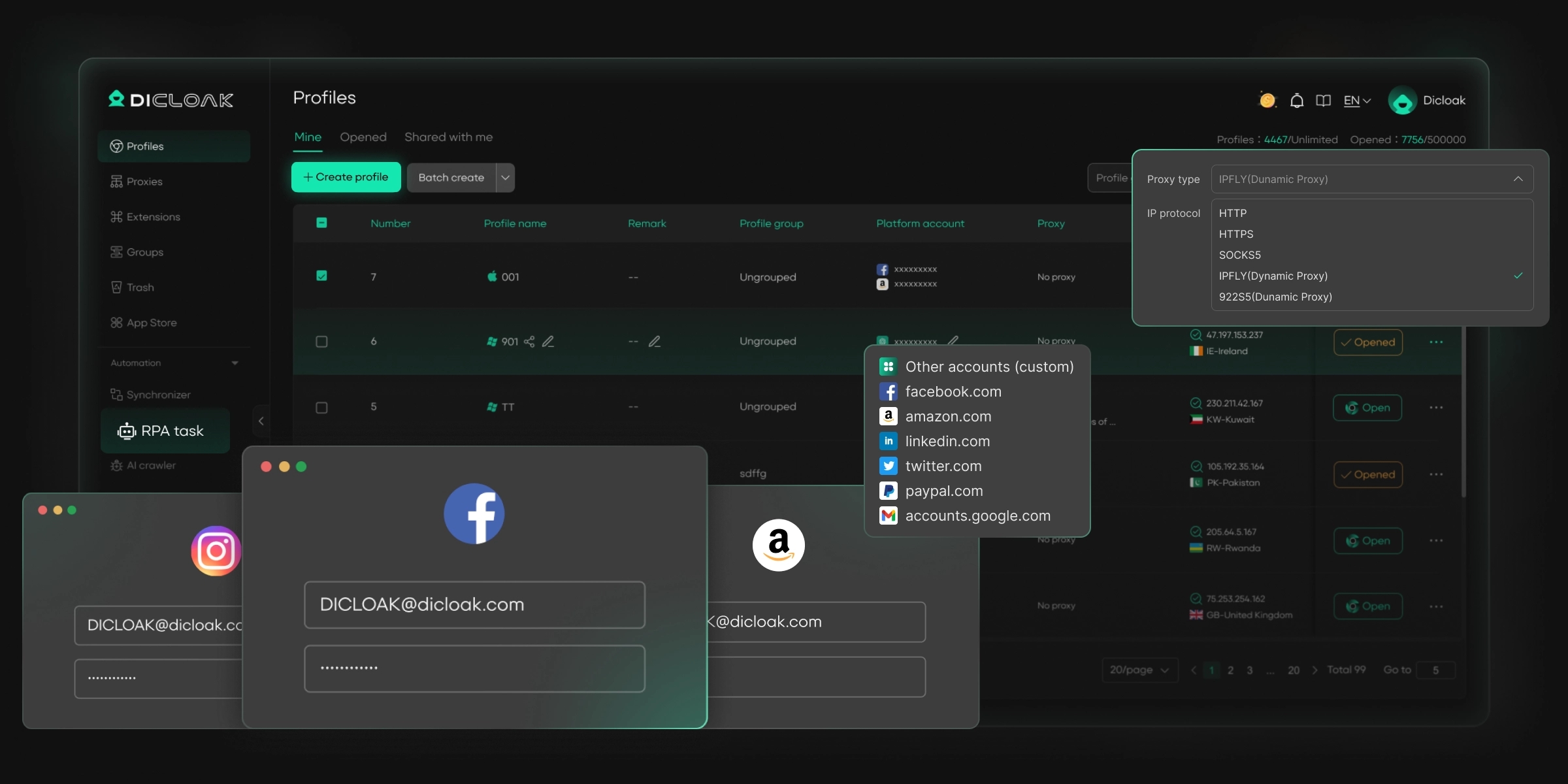
⚡The DICloak Antidetect Browser has become a global favorite for its unparalleled ability to efficiently and securely manage multiple accounts. Designed for professionals in social media management, affiliate marketing, traffic arbitrage, e-commerce, account farming, airdrops, and more, DICloak offers powerful features like RPA automation, bulk operations, and a window synchronizer. Additionally, it allows you to customize fingerprints and integrate proxies for each profile, ensuring top-level security and operational efficiency. It’s the ultimate tool for seamless, secure, and scalable operations.
What Makes DICloak Stand Out?
✅ Manage 1,000+ Accounts on One Device: Stop wasting money on extra hardware! DICloak allows you to manage multiple accounts on a single device, cutting costs and boosting efficiency.
✅ Guaranteed Account Safety, No Ban Risks: Every account gets its own isolated browser profile with custom fingerprints and IPs, drastically reducing the risk of bans. Your accounts, your control!
✅ Flexible Proxy Configuration for Maximum Performance: Seamlessly integrate with all major proxy protocols (HTTP/HTTPS, SOCKS5) and manage your proxy pool with bulk operations. No more struggling with IP management—DICloak has you covered.
✅ Streamlined Team Collaboration for Better Results: Easily manage your team with advanced tools like profile sharing, permission settings, data isolation, and operation logs. Your team works smarter, not harder.
✅ Automate the Grind with RPA: DICloak's built-in RPA saves you hours of manual work. Automate repetitive tasks, streamline workflows, and focus on what really matters—growing your business.
✅ Powerful Bulk Tools to Scale Your Operations: Create, import, and launch multiple browser profiles in one click. DICloak makes scaling your business as easy as it gets.
✅ Compatible with All Major Operating Systems: Based on the Chrome core, DICloak supports simulating Windows, Mac, iOS, Android, and Linux operating systems. No matter what platform you need, DICloak has you covered.
🔗 Ready to Get Started?
Visit the DICloak website to explore more details and choose the plan that’s right for you. Start for free today and experience the power of secure, efficient, and scalable multi-account management!
Frequently Asked Questions (FAQs) About Coinbase Account Restrictions
If your Coinbase account is restricted, you likely have many questions. Here are answers to some of the most common ones.
Can I Use a Different Network to Access Coinbase?
Using a different network, such as a new IP address or location, can trigger security alerts on Coinbase. It may make your coinbase account appear suspicious, especially if your login location changes suddenly. To avoid this, always try to log in from a familiar and consistent location. This helps prevent triggering security measures that could lead to coinbase account restrictions.
How Long Does Verification Take?
The verification process on Coinbase can take anywhere from a few minutes to several days. If you’ve submitted all required documents correctly, the process usually takes about 24 to 72 hours. However, if your documents need further review or are unclear, it may take longer. You’ll receive updates via email or in your Coinbase notifications.
What Should I Do If My Account is Permanently Restricted?
If your Coinbase account is permanently restricted, Coinbase will usually send you an email explaining the reason. Depending on the cause, there might be little you can do to reverse the decision. However, if you believe it was an error, you can contact Coinbase Customer Support for clarification or to appeal the restriction.
Can I Open Another Coinbase Account If Mine is Restricted?
It’s against Coinbase’s terms of service to open another coinbase account if your current one is restricted. Doing so can result in further restrictions. Instead, focus on resolving the issue with your existing coinbase account. If you’re unsure why your coinbase account was restricted, contacting Coinbase Customer Support for assistance is the best option.
Conclusion
To avoid Coinbase account restrictions and keep your account running smoothly, it's important to stay proactive. Regularly update your identity verification, keep an eye on your account activity, and address any issues promptly. If your account is restricted, follow the steps to resolve it—such as verifying your documents and contacting Coinbase Customer Support. By staying informed and taking action early, you can minimize disruptions and enjoy a secure Coinbase and cryptocurrency trading experience.
 Web Proxy Tools
 Free Tools
 Cookie Plugin
 UA Generator
 MAC Address Generator
 IP Generator
 IP Address List
 2FA Code Generator
 World Clock
 Anonymous Check
 WebRTC Leak Test
 UUID Generator
 Free Web Proxy Site
 Proxy Checker
 FB Ad Checker
 AI Web Scraping
 Free SMM Tools
 Twitter Shadowban Checker
 Instagram Name Checker
 UTM Generator
 Username Generator
 AI Hashtag Generator
 LinkedIn Headline Generator
 Social Media Image Resizer