Canva AI is useful for design, content, and marketing work, but sharing it with a team raises a simple question: how do you give other people access without passing around one Canva password? For a small team, freelancer, or agency managing client accounts, the answer is not always just “add another user.” Cost, AI access, account ownership, and the way your team actually works all affect the best setup.
This guide explains the main ways to use Canva AI with a team without sharing passwords, from Canva Business and design sharing to controlled access to an existing browser session. You will also see where an antidetect browser like DICloak fits when a team needs to manage shared Canva sessions or several client accounts in a more organized way.
Can You Share Canva AI With a Team Without Sharing Your Password?
Yes. You can share access to Canva AI without sending the account password to every teammate, but the setup depends on how the account will be used. For regular team use, the simplest option is to give each person their own Canva access through Canva Business or an existing team workspace. This avoids sharing one login while still letting members work with the designs and AI tools available to them.
Some teams, however, specifically need to share access to an existing Canva account or logged-in browser session. This is more common for agencies, temporary operators, or teams working with client-owned accounts. In that case, the problem is not just password sharing. It is how to let trusted teammates access the same account session while keeping that access controlled. Canva AI account sharing without passing around the password is possible, but teams should first decide whether they need separate user access or controlled access to an existing account session.
How Much Does Canva AI Cost for a Team, and What Does Canva Allow?
Canva Pro and Canva Business are built for different types of use. Pro is priced for one person, while Business is priced per person and adds team collaboration and admin tools, so one Pro subscription should not be treated as a multi-user team plan.
Canva Pro vs. Canva Business for Team Use
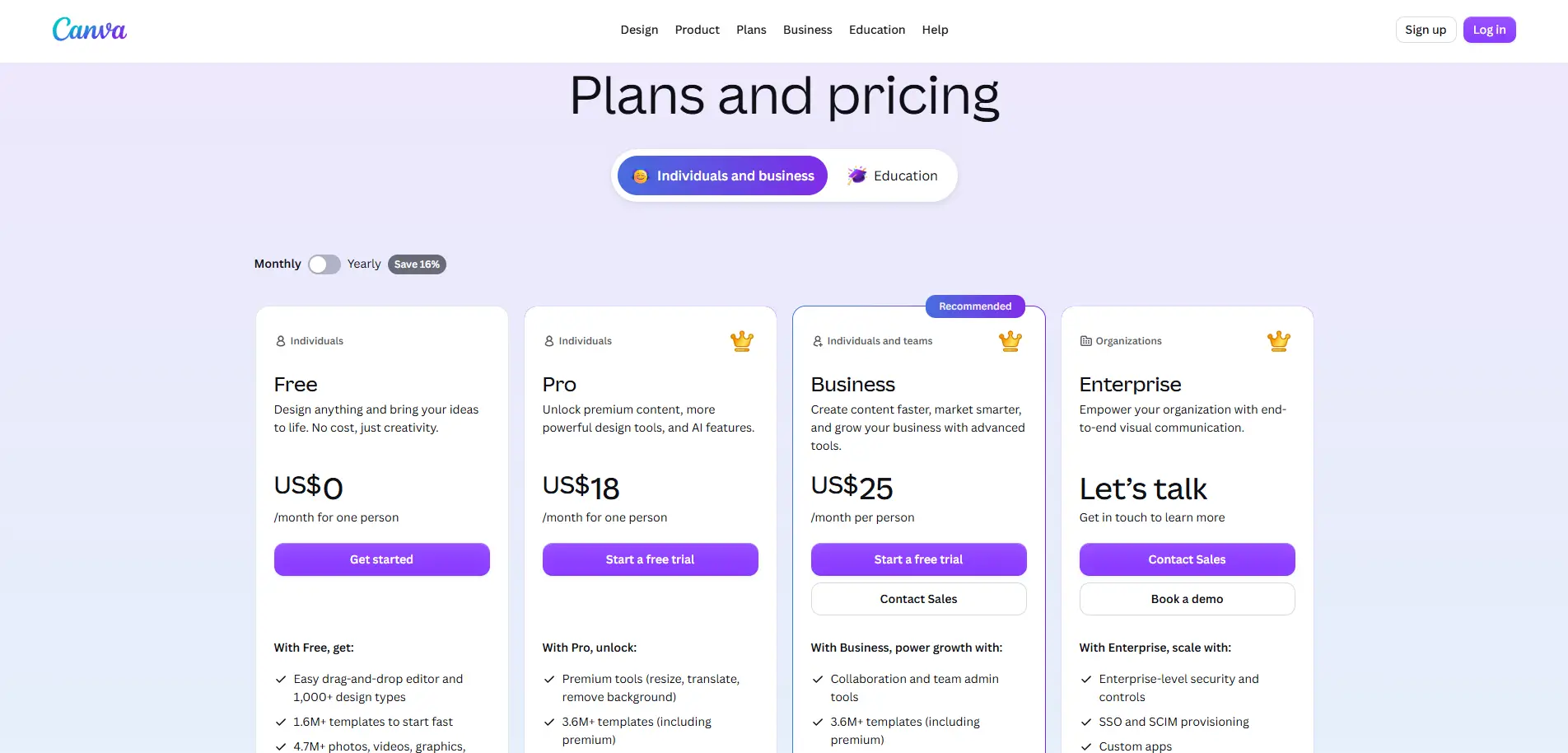
On Canva's current pricing page, Canva Pro costs $18 per month for one person, while Canva Business costs $25 per month per person on monthly billing. Business is the more relevant option when several people need regular access because each member can work through their own account instead of relying on one shared login.
The AI limits are also different. Canva Pro includes 10× more AI usage than Canva Free, while Business includes 20× more, covering Standard, Premium, and Ultra AI tools. Business also supports paid AI top-ups and AI Pass add-ons. The actual number of uses can vary by tool and AI tier, so teams should look at their real workload rather than assume every prompt uses the same amount.
For example, a teammate who only reviews a few designs may not need a paid Business seat. But if several designers or marketers use Canva AI every day, separate Business access is usually a clearer fit than trying to stretch one Pro account across the whole team.
Does Canva Allow Multiple People to Use the Same Login?
Canva Pro is listed as a plan for one person, not as a shared team subscription. Canva Business is the plan designed for individuals and teams, with per-person pricing and team management features.
That distinction matters for account sharing. Keeping the password hidden does not turn one Canva Pro subscription into multiple Canva users. If several people need regular Canva AI access, the first option to compare is separate team access. If the goal is instead to give a trusted teammate access to an existing account session, that is a different type of sharing and requires a different setup.
What Are the Ways to Use Canva AI With a Team Without Sharing Passwords?
There are four practical ways to give a team access without simply passing one Canva password around. The best choice depends on whether people need their own Canva AI access, only need to edit shared work, or need controlled access to an existing account session.
1. Add Team Members Through Canva Business
For an internal team that uses Canva every week, Canva Business is usually the first option to consider. Each member signs in with their own Canva account and can use the team resources and AI access included with the plan. This fits marketing teams, designers, and long-term collaborators who need regular access. The trade-off is costly, since adding ongoing team members can mean paying for more seats.
2. Share Individual Designs or Projects
If someone only needs to review, comment on, or edit a few designs, sharing the design itself may be enough. This works well for clients, freelance reviewers, and short-term collaborators. Sharing a Canva design is not the same as sharing your Canva AI subscription. The recipient's AI access still depends on their own Canva plan, so this method works best when they need the content rather than your paid AI features.
3. Use an Antidetect Browser for Managed Browser Profile Access
For agencies or teams managing several authorized Canva accounts, browser session organization becomes a separate problem. With an antidetect browser like DICloak, teams can keep Canva accounts in separate browser Profiles, share selected Profiles with teammates, and use team permissions to control who can open each one.
| Method |
Best for |
Own Canva login |
Canva AI access |
Main limitation |
| Canva Business |
Ongoing team use |
Yes |
Based on plan |
Extra seat cost |
| Design sharing |
One-off collaboration |
Yes |
Based on recipient's plan |
Does not share your AI access |
| Antidetect browser |
Multi-account or session management |
Depends on setup |
Depends on Canva account |
Does not replace Canva licensing |
For most regular teams, Canva Business is the cleaner starting point. When the real challenge is managing several existing Canva sessions or client accounts, a structured browser Profile setup becomes more useful.
Why Would a Team Use DICloak to Manage Canva Account Access?
Canva Business works well when every teammate uses their own account. But agencies, remote teams, and contractors often face a different problem: they need to share access to existing Canva accounts without sending login details back and forth. With DICloak Antidetect Browser, teams can organize those shared account sessions in a more practical way:
- Keep Canva accounts separate: Each Canva account can run in its own browser Profile with separate cookies and login data. This makes it easier to manage an agency account alongside several client accounts without mixing sessions.
- Give each teammate only the access they need: With Profile sharing and team permissions, a designer can work on Client A's Canva account while another teammate handles Client B. Team leads can keep access to both when needed.
- Make account handoffs easier: Instead of sending passwords again when work moves from one operator to another, the team can share the relevant browser Profile and continue from the saved session.
- Remove access after a project ends: If a freelancer only joins for one campaign, access to the assigned Canva Profile can be removed once the work is finished.
For teams managing several Canva accounts, the main challenge is often not the password itself. It is keeping sessions separate, assigning the right account to the right person, and making handoffs easier. In these cases, using an antidetect browser like DICloak gives the team more control over shared Canva account access.
How to Use DICloak to Share Canva Access With Your Team
If your team needs to work inside the same existing Canva account, you can keep the logged-in session inside one browser Profile and share that Profile with selected teammates. With DICloak, the setup is mainly about creating the Profile once, signing in to Canva, and then controlling who can open it.
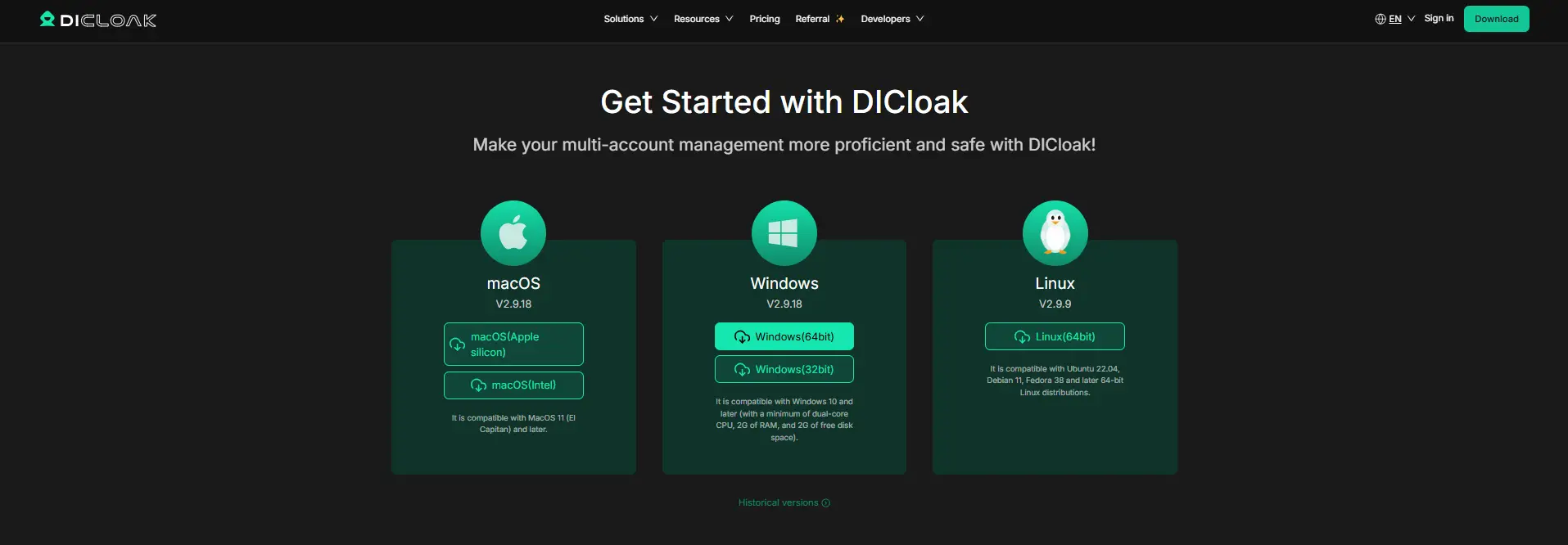
Step 1: Download and Install DICloak
Go to the official DICloak download page, install the desktop app and create an account. The account owner should handle the first setup because this person will create the Canva Profile and manage team access later.
Step 2: Choose a Plan That Supports Team Sharing
Select a DICloak plan based on how many teammates need access and how many browser Profiles you plan to manage. For a small Canva team, the main things to check are team-member support and Profile sharing rather than advanced automation features.
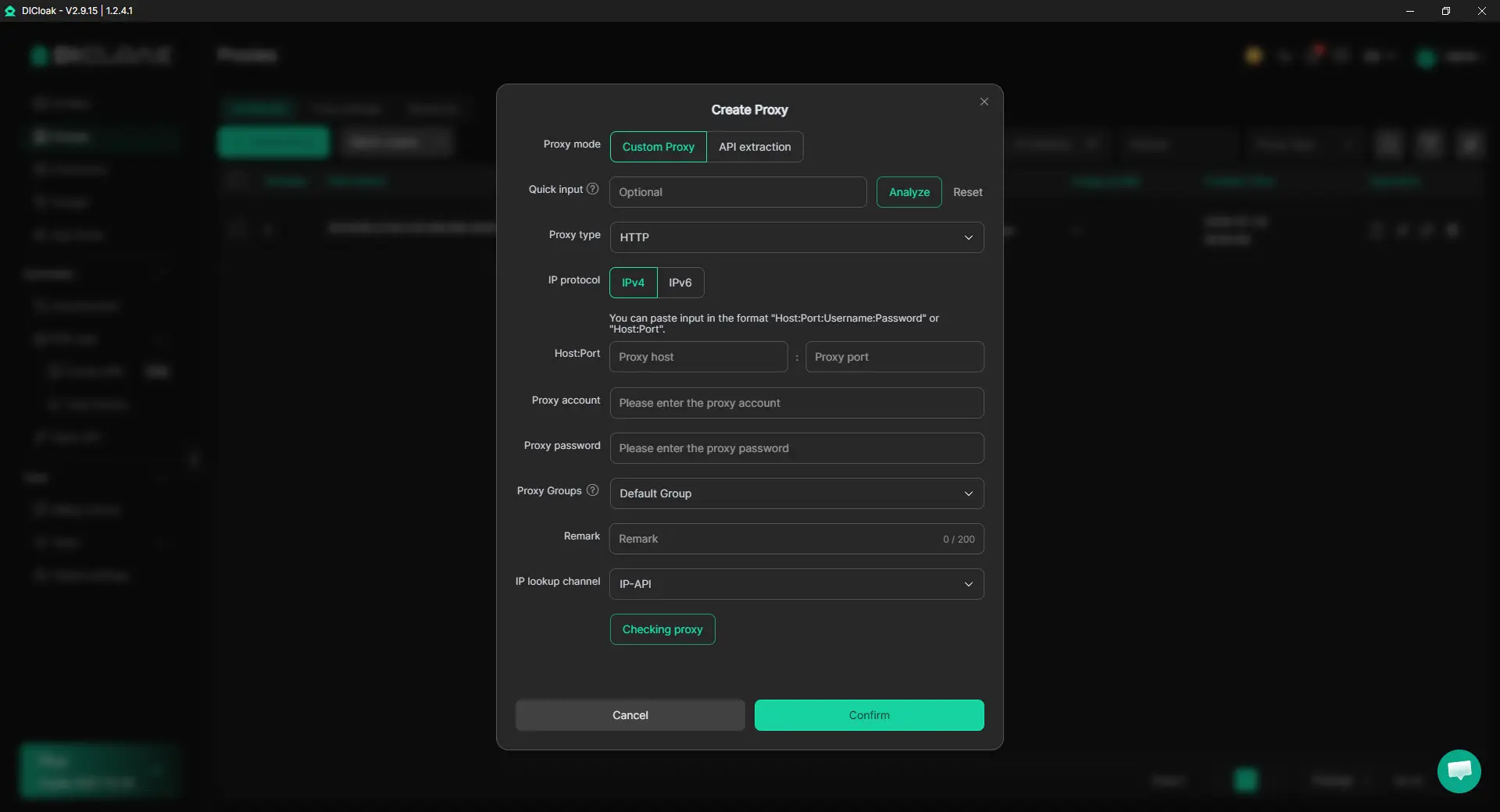
Step 3: Add a Stable Proxy If Your Setup Uses One
A proxy is optional. If your team already uses a user-configured proxy for this Canva account, you can assign it to the Profile so teammates return to the same network setup when they open it. Teams need to provide their own proxy connection when this is required.
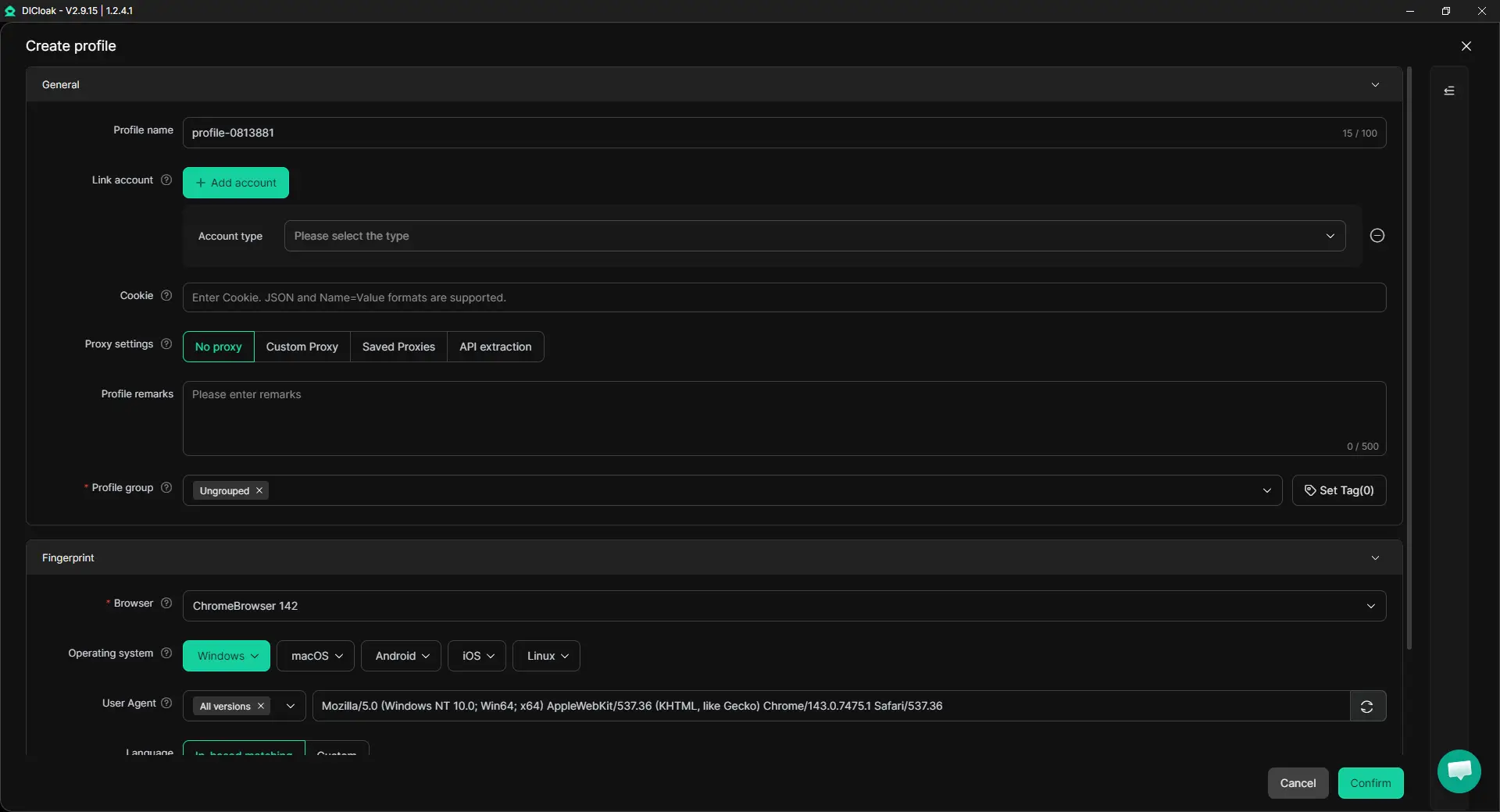
Step 4: Create a Dedicated Canva Browser Profile
Create one browser Profile for the shared Canva account and keep it separate from other client or team accounts. The Profile stores the cookies, login state, and browser data together, so the next teammate can continue from the same browser setup.
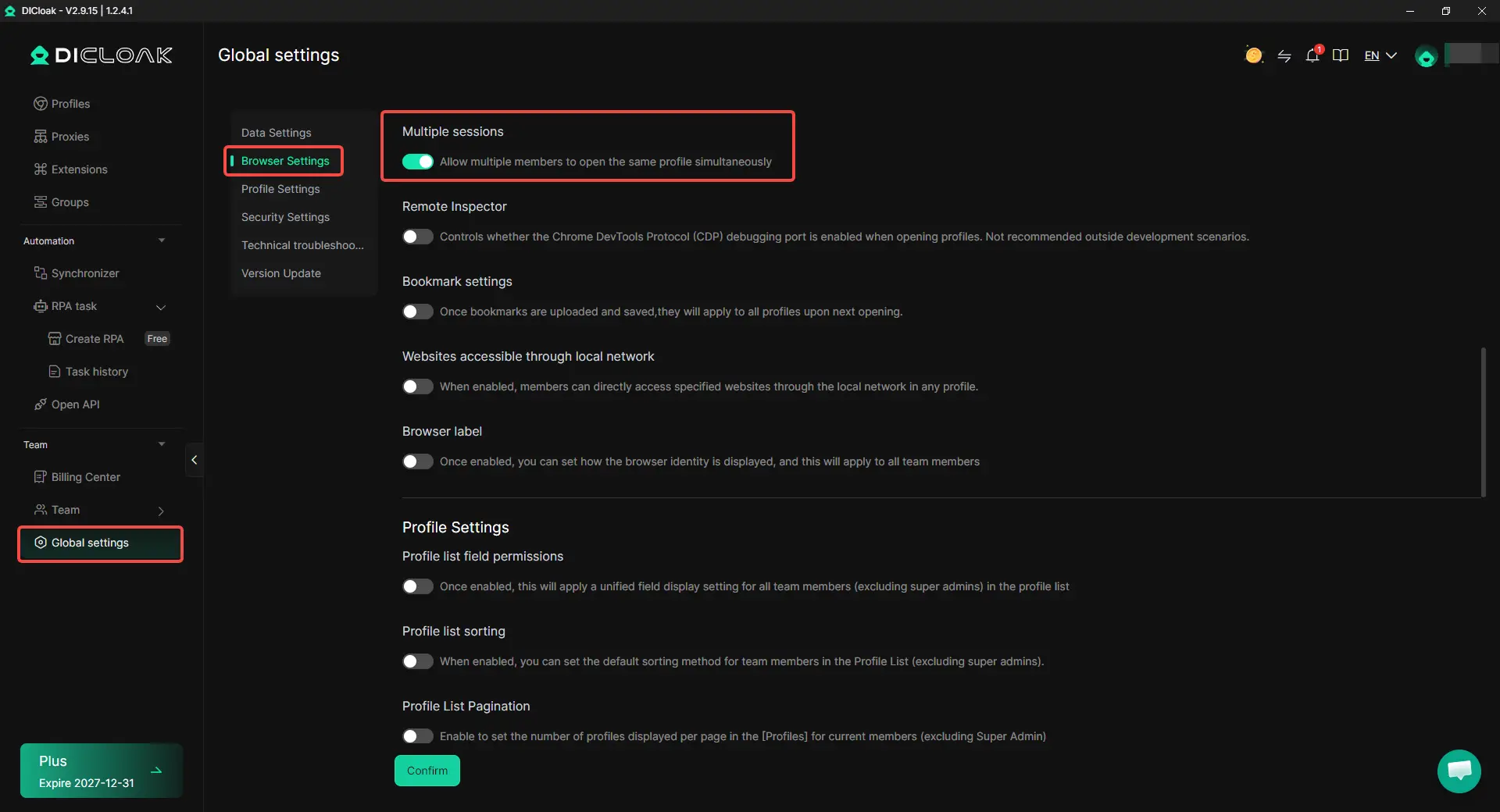
Step 5: Enable Multiple Sessions Only When Needed
If more than one teammate needs to open the same Canva Profile at the same time, enable Multiple sessions in the relevant settings. If your team normally takes turns, a simple handoff is easier to manage and this option is not necessary.
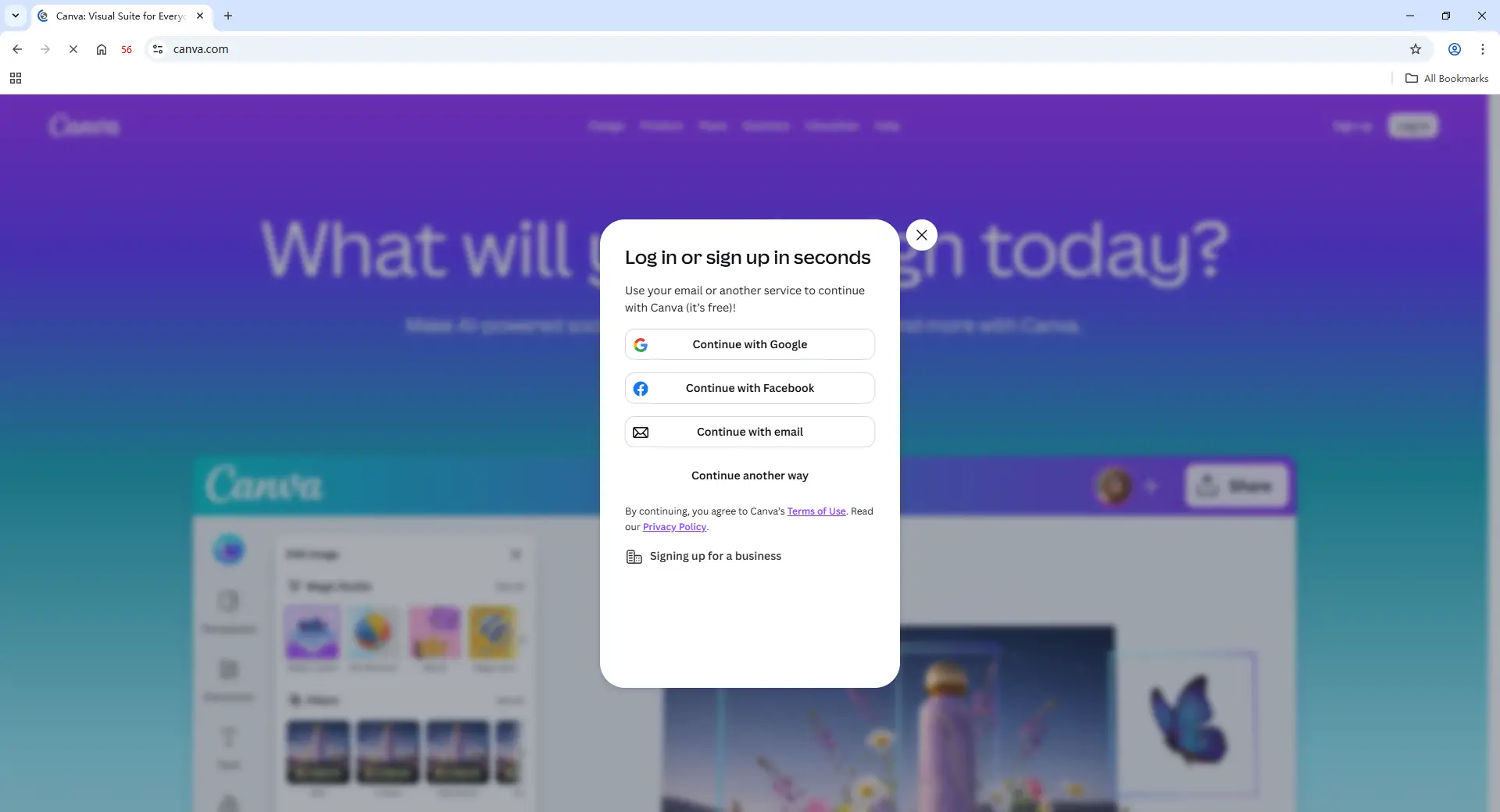
Step 6: Log In to Canva
Open the new Profile, visit Canva, and sign in to the account. Once the session is saved inside the Profile, teammates with access can return to that logged-in session instead of asking for the password each time.
Step 7: Add Team Members and Share the Profile
Invite the teammates who need the account, then assign access to the Canva Profile through the team and Profile-sharing controls. For example, an agency can share one client's Canva Profile with the designer working on that project without giving the same access to every team member.
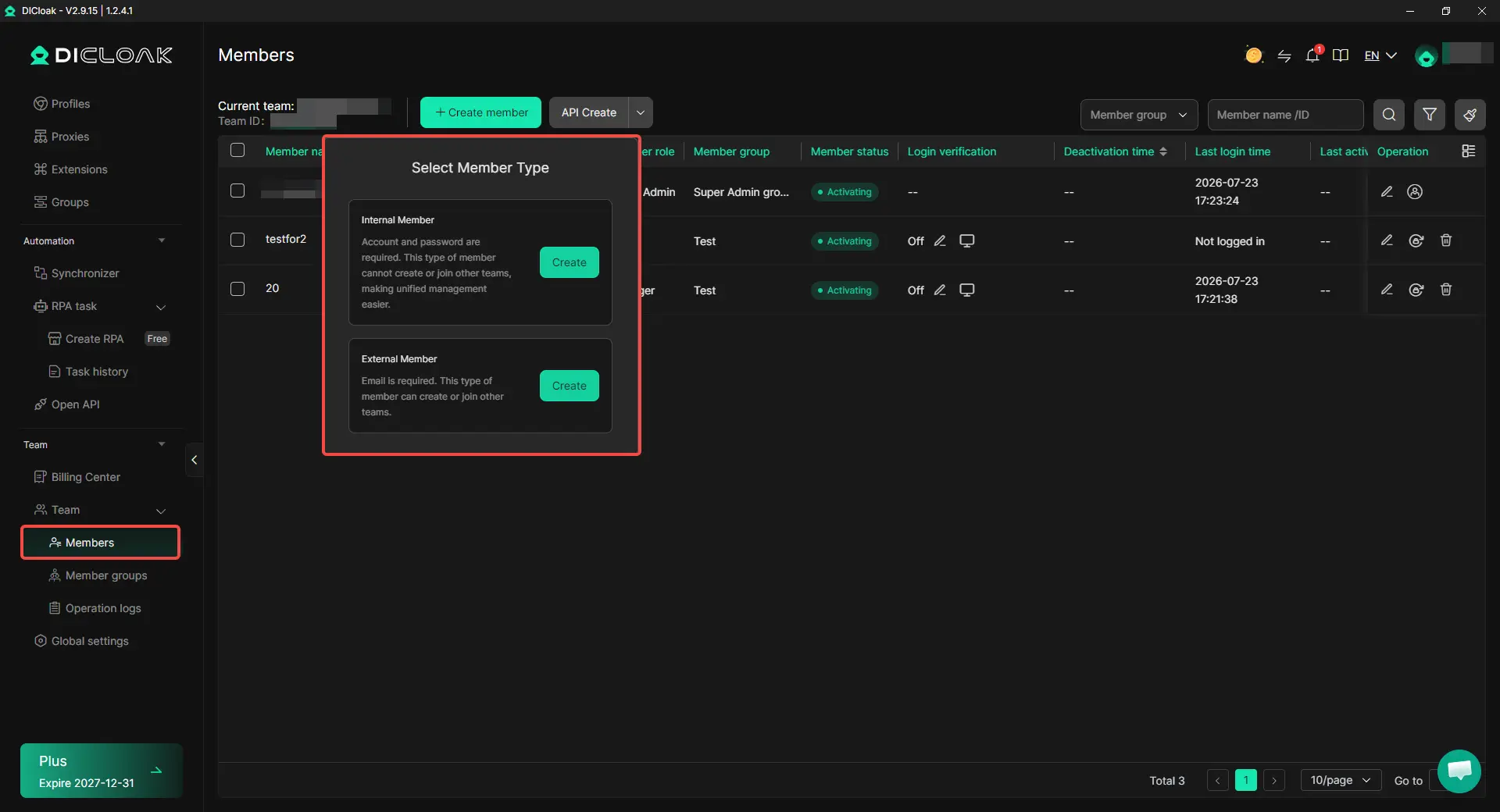
Step 8: Open the Shared Canva Profile
After a teammate joins the team and receives Profile access, the Canva Profile will appear in their DICloak app. They can launch it from their own computer and continue working from the existing Canva session.

For shared Canva account access, the most practical setup is one dedicated browser Profile, one saved login session, and clear access for the people who actually need the account. When a project ends or a contractor leaves, Profile access can be removed without rebuilding the setup for the rest of the team.
Frequently Asked Questions About Using Canva AI With a Team Without Sharing Passwords
1. Can multiple people use the same Canva Pro account?
Canva Pro is designed mainly for one user, so it should not be treated as a team subscription for several regular users. If several employees need their own Canva AI access every day, Canva Business is usually the clearer option because each person can use their own login. If the real need is to let a trusted teammate continue work inside an existing Canva session without repeatedly sharing the password, an antidetect browser like DICloak can be used to keep that session in a dedicated browser Profile and share Profile access with selected team members.
2. Does sharing a Canva design also share my Canva AI access?
No. Sharing a design, folder, or project gives another person access to that content, but it does not automatically give them the same Canva AI allowance or paid features as the account owner. Their AI access still depends on their own Canva plan, which is why design sharing works best for reviewers, clients, or short-term collaborators who mainly need to view or edit existing work.
3. Can a freelancer work on an existing Canva account without receiving the password?
Yes, if the team uses a controlled shared browser session rather than sending the login details directly to the freelancer. For example, with an antidetect browser like DICloak, an existing Canva session can stay inside a dedicated browser Profile and that Profile can be shared with the freelancer who needs it. When the project ends, the team can remove that Profile access instead of leaving the login session on the freelancer's normal browser.
4. What is the easiest way to manage several client Canva accounts with a team?
For agencies managing several client accounts, keeping each Canva account in a separate browser Profile is usually easier than logging in and out of all of them in one browser. Using DICloak Antidetect Browser, teams can separate the saved sessions, assign specific Profiles to different teammates, and keep Client A's Canva account apart from Client B's. This becomes more useful as the number of client accounts and operators grows.
5. Should a team use Canva Business or an antidetect browser for Canva AI sharing?
The answer depends on what the team needs to share. Canva Business is better when each teammate needs their own ongoing Canva access and AI entitlement, while an antidetect browser like DICloak is more useful when the team needs to manage and hand off existing Canva browser sessions across selected members.
Conclusion
Canva AI can be used with a team without passing one password around, but the best setup depends on what the team actually needs. Canva Business is the clearer choice when each person needs regular access to Canva AI with their own login, while design sharing works better for short-term collaborators who only need specific files. For agencies or teams managing existing Canva sessions across several client accounts, using an antidetect browser like DICloak can make session sharing easier by keeping accounts in separate browser Profiles and controlling which teammates can access each one.
The key point is that Canva AI team sharing is not only a password problem. It is an access-management problem. Teams should first decide whether they need individual Canva access, simple design sharing, or controlled access to an existing browser session, then choose the method that matches that real use case.
 Web Proxy Tools
 Free Tools
 Cookie Plugin
 UA Generator
 MAC Address Generator
 IP Generator
 IP Address List
 2FA Code Generator
 World Clock
 Anonymous Check
 WebRTC Leak Test
 UUID Generator
 Free Web Proxy Site
 Proxy Checker
 FB Ad Checker
 AI Web Scraping
 Free SMM Tools
 Twitter Shadowban Checker
 Instagram Name Checker
 UTM Generator
 Username Generator
 AI Hashtag Generator
 LinkedIn Headline Generator
 Social Media Image Resizer