Trustpilot is a well-known review platform where customers share their experiences and businesses build public trust. That is why some brands feel tempted to buy Trustpilot reviews, but Trustpilot bans fake reviews, and U.S. rules now also target the sale and purchase of fake consumer reviews.
For businesses, reviews can shape first impressions, clicks, and buying decisions. Good reviews can help a brand grow, but fake reviews can damage trust, bring platform penalties, and create legal risk that is much harder to fix later.
What is Trustpilot
Trustpilot is a famous review site that acts like a public report card for businesses. With over 300 million reviews and 67 million active users every month, Trustpilot is the first place millions of people go to see if a brand is honest or a scam. It is more than just a website; it is where a company’s reputation lives. When you search for a shop on Google, the first thing you often see are those gold stars from Trustpilot.
These stars change how we spend our money. Think about the last time you saw a website with zero reviews. You probably felt a bit nervous about clicking "buy." Most people will walk away from a blank profile because they don't want to take a risk. This creates a big problem for new brands that are actually working hard.
How Trustpilot Collects and Displays Reviews
To rank well and help your customers, you need to understand the mechanics behind the stars. Trustpilot uses a very specific system to gather feedback and show it to the world.
How Trustpilot Collects Reviews
Trustpilot does not just wait for people to leave a comment. They are very active in getting customers to speak up. Here is how they do it:
- Automatic Emails: When you buy something online, Trustpilot often sends an email a few days later. It asks, "How was your experience?" If you reply, your review gets a Verified badge. This tells everyone you actually spent money with that brand.
- Business Links: Many shops put a link on their receipts or in their chat boxes. This makes it very easy for a happy customer to leave a five-star rating in just a few seconds.
- Direct Visits: Anyone can go to Trustpilot.com, search for a company, and write a review. Trustpilot checks these "organic" reviews carefully to make sure they are real.
How Trustpilot Displays Reviews
How the site shows your data is just as important as how it gets it. They use a smart system to calculate your reputation.
- The TrustScore: This is not a simple math average. Trustpilot cares more about your newest reviews. If you had bad service last year but are great now, your score will go up fast. This "recency" keeps the data fresh for shoppers.
- Star Ratings: They use a 1 to 5-star scale. A "4.5" or higher turns the bar green, which is the "Gold Standard" for trust.
- TrustBoxes: These are small widgets that companies put on their own websites. For example, a new tech startup might put a TrustBox on their checkout page. When a customer sees those 5-star icons right before they pay, they feel much safer.
The Importance of Trustpilot Reviews for Businesses
Here are the main reasons why Trustpilot reviews are so important today:
- They Turn Browsers into Buyers: Most people will not spend money on a website they don’t know. When they see a high Trustpilot score, their "buyer anxiety" disappears. It’s like a friend telling them, "Don’t worry, this shop is safe."
- A Major SEO Boost: Google loves fresh, honest content. Trustpilot reviews help your brand show up higher in search results. Plus, those gold stars often appear right under your website link on Google, which makes more people want to click.
- Better Conversion Rates: Using a TrustBox widget on your checkout page can keep people from leaving. When a customer sees a "4.8" rating right before they pay, they are much more likely to finish the purchase.
- Higher Ad Performance: If you run Google Ads, your Trustpilot rating can show up there, too. This makes your ads look more professional and can lower the amount you pay for every click.
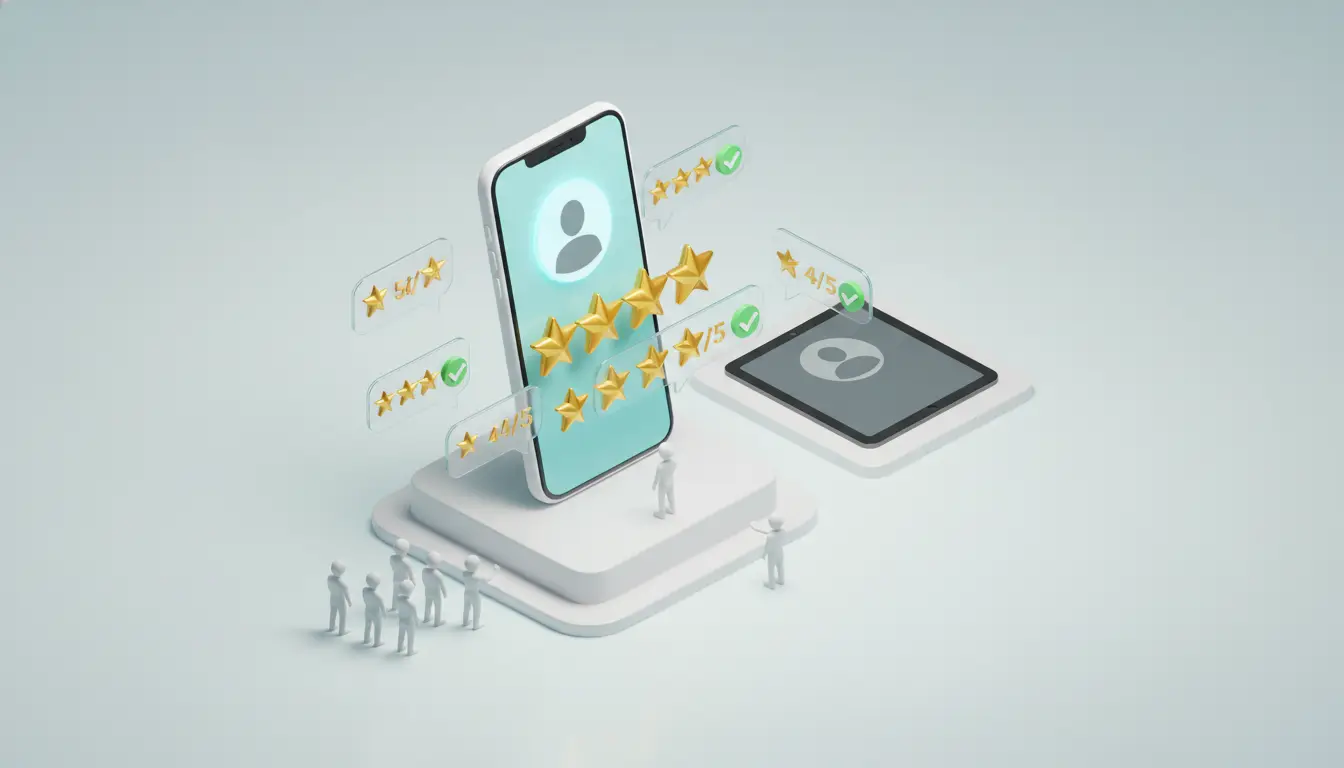
Is buying Trustpilot Reviews legal
When people ask if it is legal to buy Trustpilot reviews, the answer is actually quite serious. It is not just a small mistake; it is a legal issue in many countries. In 2026, the law is very clear: fake reviews are a form of fraud. Governments are now working harder than ever to protect shoppers from being tricked.
Strict Laws in the United States
In the U.S., the Federal Trade Commission (FTC) treats fake reviews as "deceptive marketing." This means they see it as lying to customers to get their money. The penalties are very high.
- Massive Fines: A business can be fined over $50,000 for every single fake review. This can add up to millions of dollars very quickly.
- Serious Crime: Under "wire fraud" laws, people who run these schemes can even face time in prison. The government wants everyone to know that honesty online is not optional.
New Rules in the UK (2025-2026)
The UK has also passed a new law called the DMCC Act. Since April 2025, buying or selling fake reviews has been strictly illegal.
- Big Penalties: If a company gets caught, they can be fined 10% of all the money they make worldwide.
- Global Impact: This shows that even if you are a small business, the legal risks of trying to buy Trustpilot reviews are now huge.
Real Examples of Enforcement
We are already seeing companies get in trouble for this. For example,
So it is clear that regulators and platforms treat fake reviews as fraud.
The risks of buying Trustpilot Reviews
When businesses search buy Trustpilot reviews, they often hope for faster growth and more trust. But the risks usually show up in three clear areas: the platform, your business, and your visibility.
Platform consequences
Trustpilot enforces aggressively. Buying fake reviews triggers:
- Automatic removal of fake reviews
- Account suspension
- Feature restrictions
- Public warning banners
- Contract termination
- Full profile removal
- Legal action
Business consequences
Fake reviews create long-term reputation damage. Once customers suspect manipulation, trust drops permanently.
Buying reviews increases:
- Customer churn
- Lost sales
- Negative media coverage
- Higher acquisition costs
- Investor distrust
- B2B partnership loss
visibility risks
Reviews influence about 15 percent of Google’s local ranking algorithm.
- Fake review activity triggers:
- Search ranking drops
- Local pack removal
- Lower click-through rates
- Algorithmic trust penalties
Why buying reviews doesn’t actually work long-term
- The boost does not last. Some businesses try to buy Trustpilot reviews to get quick social proof. But Trustpilot says fake reviews are strictly prohibited and will be removed. Trustpilot also reports that all submitted reviews are checked by automated fake-review detection systems, and its 2025 Trust Report says 7.4% of submitted reviews were detected as fake and removed in 2024. That means a short-term lift can disappear later, leaving the business with the same weak profile it had before.
- Customers can often tell when reviews feel fake. When many reviews sound too similar, too vague, or too perfect, people start to doubt them. And once trust drops, it is hard to win back.
- It does not fix the real business problem. Fake reviews cannot improve product quality, shipping speed, customer service, or refund handling. They only cover up weak points for a short time. If the customer experience stays the same, real complaints will keep coming. So even if a company chooses to buy Trustpilot reviews, the root issue is still there, and the reputation problem usually returns. This is an inference from how review systems work and from Trustpilot’s focus on authentic customer feedback.
- The legal risk can grow over time. The FTC says its Rule on the Use of Consumer Reviews and Testimonials took effect on October 21, 2024, and it addresses deceptive conduct involving consumer reviews and testimonials. The FTC also says the rule can support civil penalties for knowing violations.
- Dishonest review tactics can cause bigger damage than the business expects. A strong example is Fashion Nova. The FTC said the company blocked negative product reviews, creating a misleading picture for shoppers, and the case ended with a $4.2 million settlement.
How to Get More Reviews on Trustpilot
Now that you know why Trustpilot is so important, and making fake reviews can cause illegal issues, here are some proven strategies that will help you get more Trustpilot reviews:
Ask Customers to Leave a Review
If you never ask, you may not get many reviews. Reach out to past customers and invite them to share their experience on Trustpilot. This is one of the simplest and most effective methods. You can ask in person, by text, through email, or even on receipts to make the process easy.
Use an Automated Review Invitation Tool
Podium’s automated review invitation tool can make the review request process much easier with scheduled messages and support features. It can send review requests automatically after a purchase or service, or at another point you choose in the customer journey.
You can also personalize the review requests, which helps keep your brand voice consistent across customer communication.
With automation, businesses can collect reviews more regularly without doing everything by hand. This saves time and can help grow your total review count over time.
Set Up Automatic Invitations Through an Ecommerce Integration
Trustpilot can connect with your ecommerce platform, allowing it to send review invites to customers automatically.
This means customers can be asked for feedback without your team sending each request manually. It makes the process easier for your business and simple for customers as well. With ecommerce integration, you can also place Trustpilot review widgets on product pages to support engagement.
Send Follow-Up Reminders
Sometimes customers simply forget to leave feedback. A reminder can help. You can send follow-up messages by SMS or email to customers who have not yet reviewed your business.
Some people may respond after just one reminder. Others may need more encouragement. You can begin with simple reminder emails or texts, then consider adding extra motivation later if needed.
A good timing option is to send reminders around one week and one month after the purchase or service.
When you use Podium together with Trustpilot, it can strengthen your online presence. It also makes the feedback process feel easier for customers, which can support your reputation.
Display Trustpilot Reviews on Your Website
Your website is a strong place to highlight positive feedback. Add Trustpilot reviews to your homepage so more visitors can see them and be guided to your Trustpilot profile.
You can use Trustpilot widgets or badges to show your overall score and recent reviews.
Respond to Reviews You Already Have
If customers have already reviewed your business on Trustpilot, take time to reply to both positive and negative reviews in a professional and timely way.
This shows that you value feedback, and it can encourage more people to share their opinions as well.
Use Social Media
Social media can help you promote your Trustpilot presence and invite followers to leave feedback. Share strong reviews as social proof and add a clear call to action asking people to review your business.
Using DICloak to Support Multi-Brand Review Management
Many businesses think about ways to buy Trustpilot reviews when they struggle to manage customer communication, brand accounts, and daily workflows across different stores or projects. But in the long run, a better solution is to improve how your team works instead of relying on risky shortcuts.
DICloak helps teams manage multiple business accounts with separate browser profiles, unique fingerprints, and isolated profiles. This can be useful for brands that handle different stores, regions, or client projects at the same time. With a more organized setup, teams can respond faster, keep account activity separate, and support a smoother customer experience. That matters because better service and better follow-up are what help businesses earn real reviews on Trustpilot over time, instead of trying to buy Trustpilot reviews.
How DICloak Can Help Daily Review Operations
Instead of focusing on buying reviews, businesses can use DICloak to support the real work behind reputation growth. For example, teams can separate accounts by brand, market, or staff role, which makes daily management clearer and reduces confusion. This is especially helpful for agencies, multi-store sellers, or teams handling several customer-facing workflows at once.
Here are some steps you can follow:
- Head to DICloak's website, download the app, and sign up using your Google account or email.
- Once your account is registered, you can directly use the free trial with 5 profiles. Also you can choose a paid plan that fits your team size and the number of accounts you need to manage.
- Click “Create Profile” and enter a profile name. Also, you can bulk import profiles if you need.
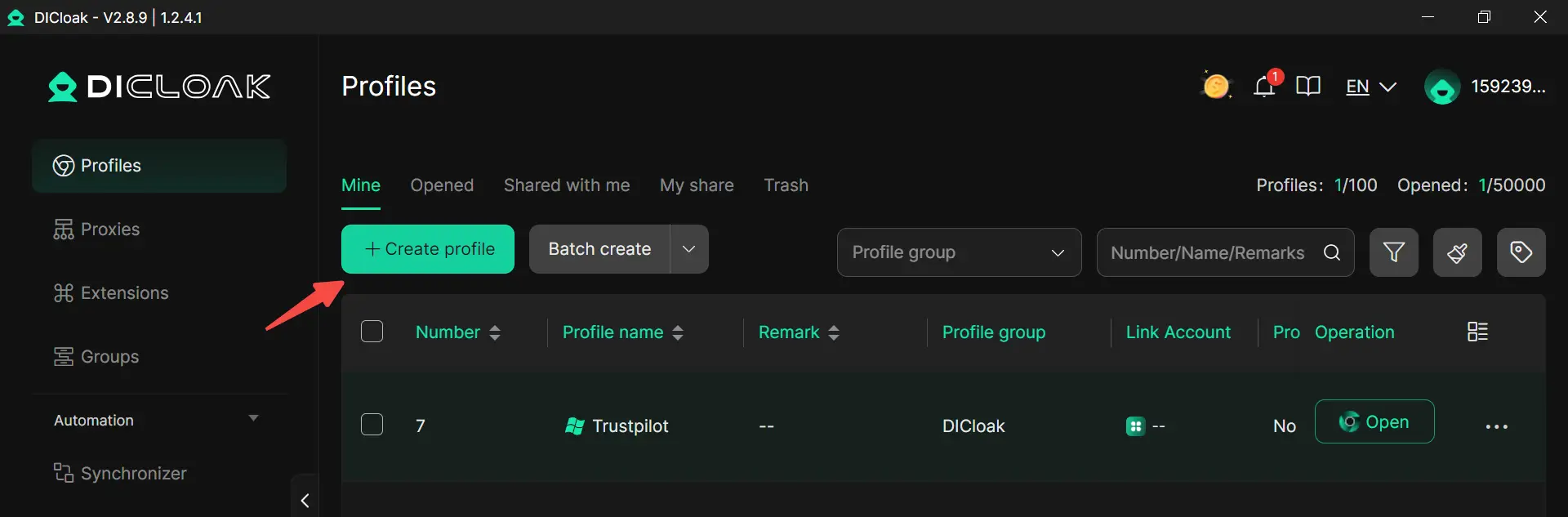
- Add your accounts or cookie data.
- Set the profile group if you want to organize better.
- Configure your purchased proxies.
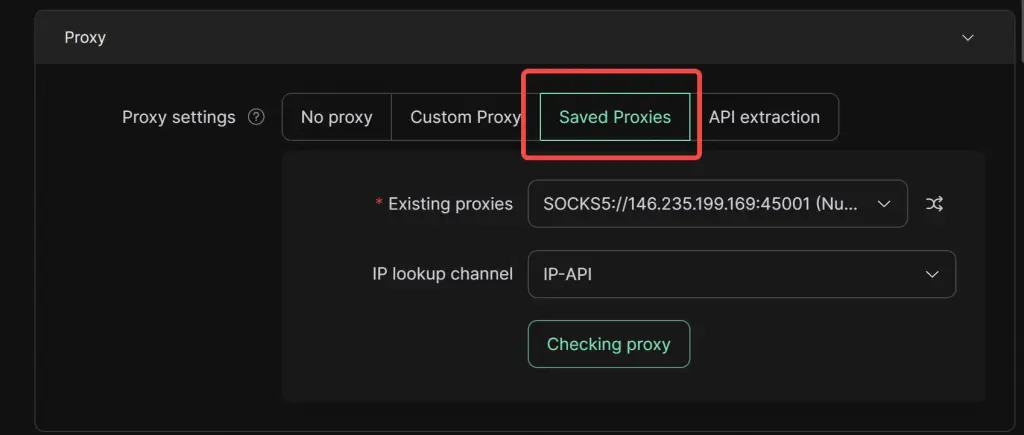
- Click confirm and open the Profile
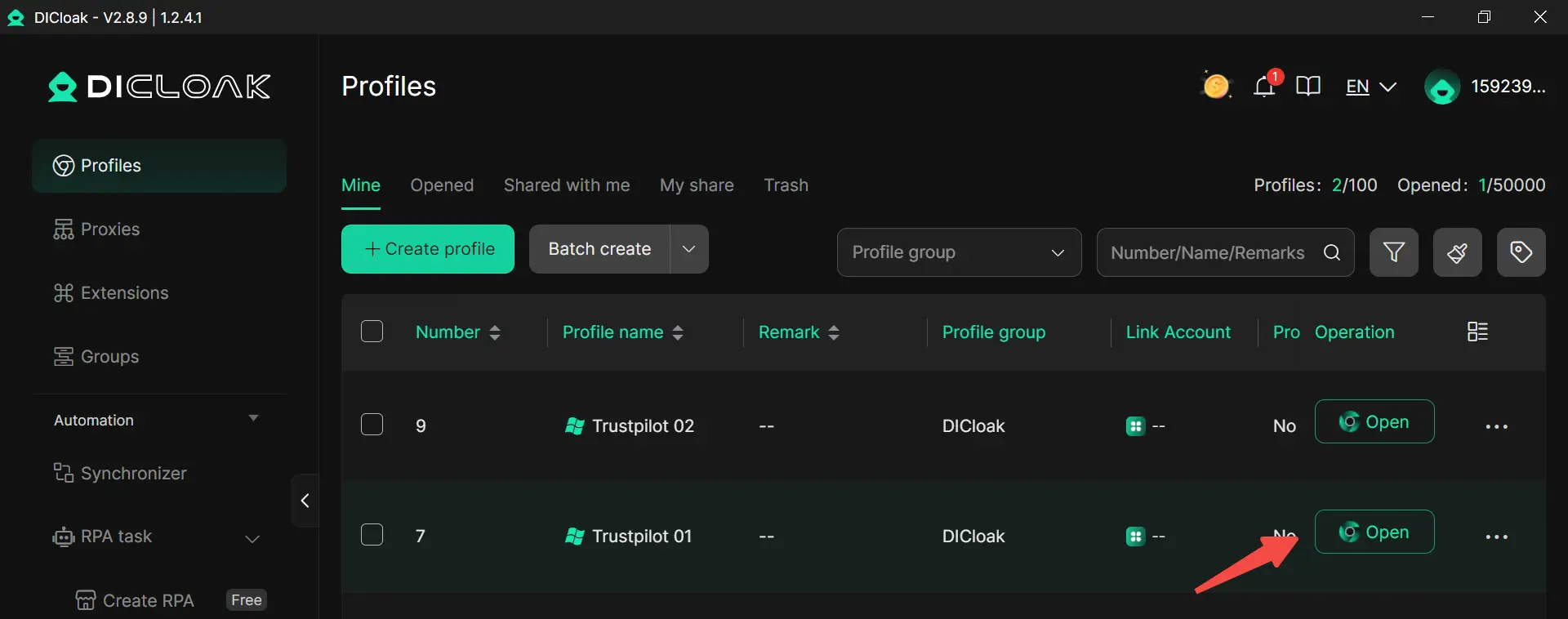
Advanced Configuration for Managing Multiple accounts
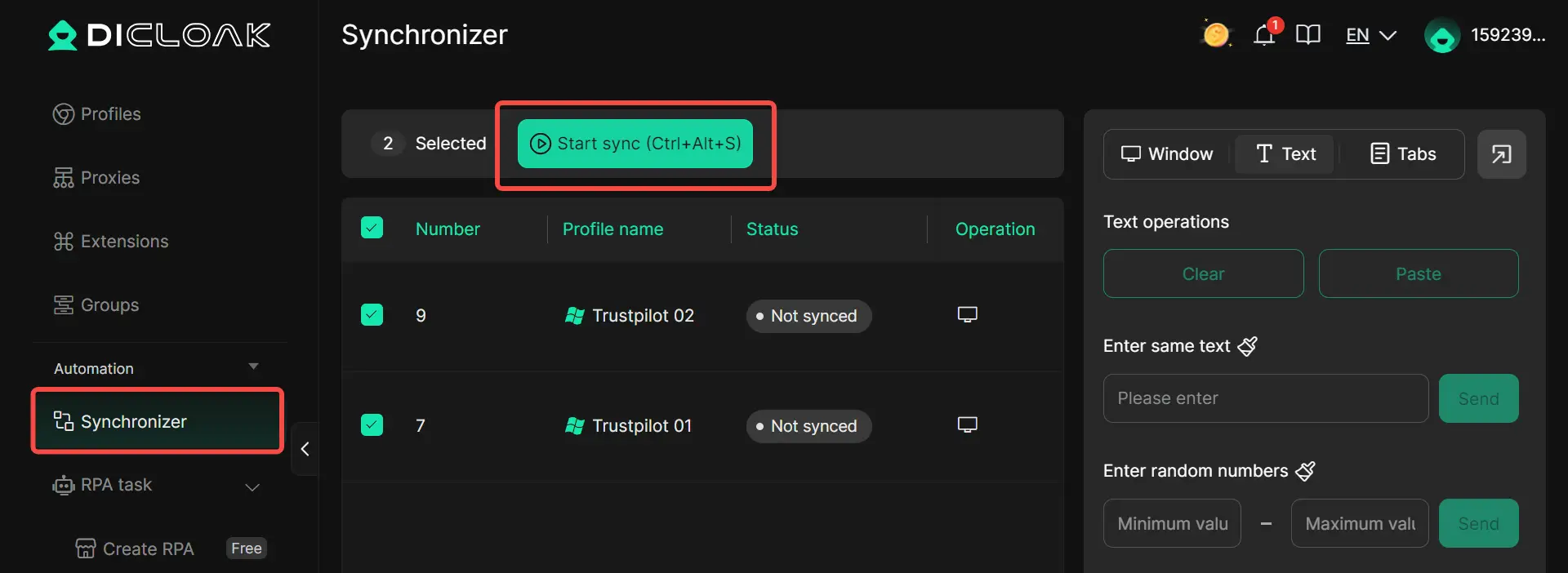
Window Synchronization
You can use the window synchronization feature to manage multiple e-commerce accounts in parallel, reducing repetitive tasks.
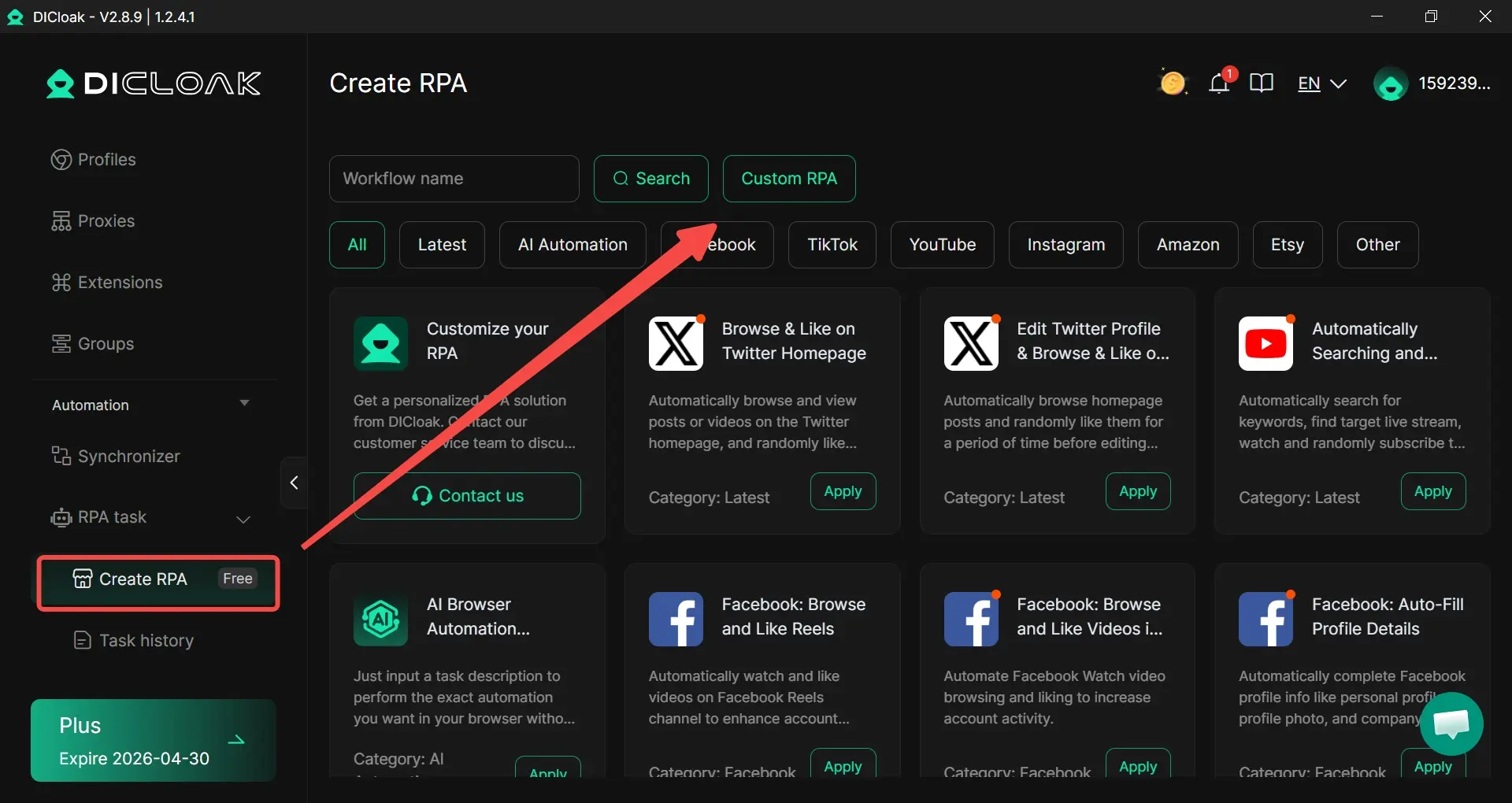
RPA Function
The RPA feature helps automate account nurturing, saving time and labor, and improving account management efficiency. (You can contact DICloak support for customized RPA processes.)
Better Team Efficiency for Long-Term Review Growth
When operations are more stable, it becomes easier to follow up with customers, reply to feedback, and keep service quality consistent. Over time, this creates the kind of real customer experience that leads to honest reviews. It is a tool that can help teams stay organized while building a stronger review strategy in a safer way.
Conclusion
Trying to buy Trustpilot reviews may look like a quick way to grow, but it creates bigger problems over time. Fake reviews can lead to platform action, legal risk, weaker visibility, and long-term damage to customer trust.
A better path is to earn real reviews through strong service, smart follow-ups, and better daily operations. For businesses managing many stores, tools like DICloak can help keep account workflows organized and stable, so the focus stays on real customer experience instead of risky shortcuts. In the end, honest reviews do more than improve your rating. They build a reputation that can actually last.
FAQs About Buying Trustpilot Reviews
Can you legally buy Trustpilot reviews?
No, trying to buy Trustpilot reviews can create serious legal and platform risks. In many countries, fake reviews are treated as deceptive marketing, and platforms like Trustpilot clearly ban them.
Is it safe to buy Trustpilot reviews for a new business?
No, it is not safe to buy Trustpilot reviews, even for a new business. Fake reviews can be removed, your profile can be flagged, and customers may lose trust in your brand if they notice suspicious patterns.
What happens if a company decides to buy Trustpilot reviews?
If a business chooses to buy Trustpilot reviews, it may face review removal, account restrictions, lower trust, and possible legal penalties. In the long run, the damage can be much bigger than the short-term benefit.
Why do some businesses try to buy Trustpilot reviews?
Some brands try to buy Trustpilot reviews because they want faster growth, better ratings, and stronger social proof. But this shortcut usually fails over time because it does not improve the real customer experience or build lasting trust.
What is a better alternative than trying to buy Trustpilot reviews?
A better alternative to buy Trustpilot reviews is to focus on real review growth. Businesses can ask customers for feedback, use automated review requests, send reminders, improve service quality, and manage operations better to earn genuine reviews over time.
 Web Proxy Tools
 Free Tools
 Cookie Plugin
 UA Generator
 MAC Address Generator
 IP Generator
 IP Address List
 2FA Code Generator
 World Clock
 Anonymous Check
 WebRTC Leak Test
 UUID Generator
 Free Web Proxy Site
 Proxy Checker
 FB Ad Checker
 AI Web Scraping
 Free SMM Tools
 Twitter Shadowban Checker
 Instagram Name Checker
 UTM Generator
 Username Generator
 AI Hashtag Generator
 LinkedIn Headline Generator
 Social Media Image Resizer