Only about 10% of dropshipping stores ever see steady profits, based on Shopify’s own analysis of store survival rates. What trips up most sellers isn’t launching a store, it’s picking products that actually move. Lists of “winning” items get copied everywhere, but by the time you find them, those trends are usually already overrun. The real frustration comes when your “hot” product sits unsold, while a competitor with a simple kitchen tool racks up orders day after day.
So what makes the best dropshipping products different from the usual copycat picks? It’s not just about finding what’s viral right now. The real winners are items that solve a nagging problem, can’t be found at big box stores, and have just enough novelty to spark impulse buys. You’ll spot them in unexpected niches, often hiding in plain sight, think posture correctors, pet gadgets, or kitchen organizers. But guessing isn’t enough. Top sellers dig into real data: Google Trends spikes, TikTok and Instagram virality, even the sudden appearance of similar products on AliExpress or Oberlo.
The difference between a product that sells and one that collects dust usually comes down to how you research, test, and spot signals before everyone else piles in. Here’s what actually works when you want to build a product list that keeps orders coming.
What Makes a Dropshipping Product Worth Selling?
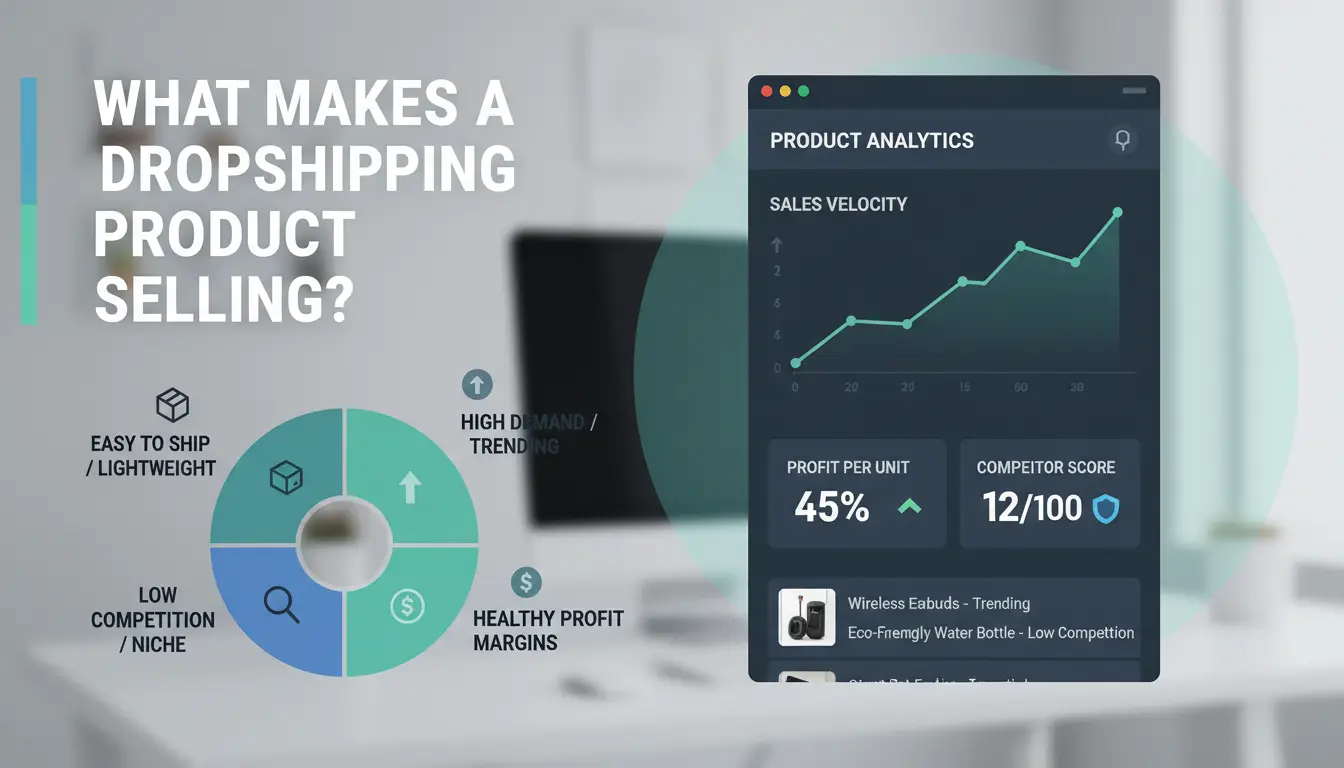
The best dropshipping products aren’t just trending, they meet real needs, have strong buyer signals, and avoid painful logistics. If you’re tired of guessing, focus on what actually drives repeat orders and keeps margins healthy.
High Demand vs. Saturation: How to Judge Real Opportunity
A product looks promising when you see consistent search spikes in Google Trends and viral buzz on platforms like TikTok or Instagram. But high demand doesn’t guarantee sales, if dozens of sellers flood the market, price wars start and profits shrink fast. You can spot saturation when similar listings appear everywhere on AliExpress and shipping times drag out.
The most reliable signal is steady demand with limited competition. Use keyword tools to check search volume, and scan social feeds for fresh, low-competition niches.
Profit Margins and Shipping Practicality
Don’t rely on supplier price tags alone. True margin means factoring in platform fees, returns, and hidden shipping costs. For example, a $10 gadget selling for $30 might net $8 after all costs if shipping is cheap and returns are rare. Heavy or fragile items, like glassware, often eat up profits through damage or high shipping fees.
Check this quick table:
| Product Type |
Shipping Risk |
Typical Margin |
| Lightweight gadget |
Low |
20-35% |
| Apparel |
Medium |
15-30% |
| Bulky item |
High |
5-15% |
(Source: Oberlo, AliExpress)
The best dropshipping products balance demand, margin, and ease of delivery, don’t settle for anything less.
How to Find Profitable Dropshipping Products Step by Step
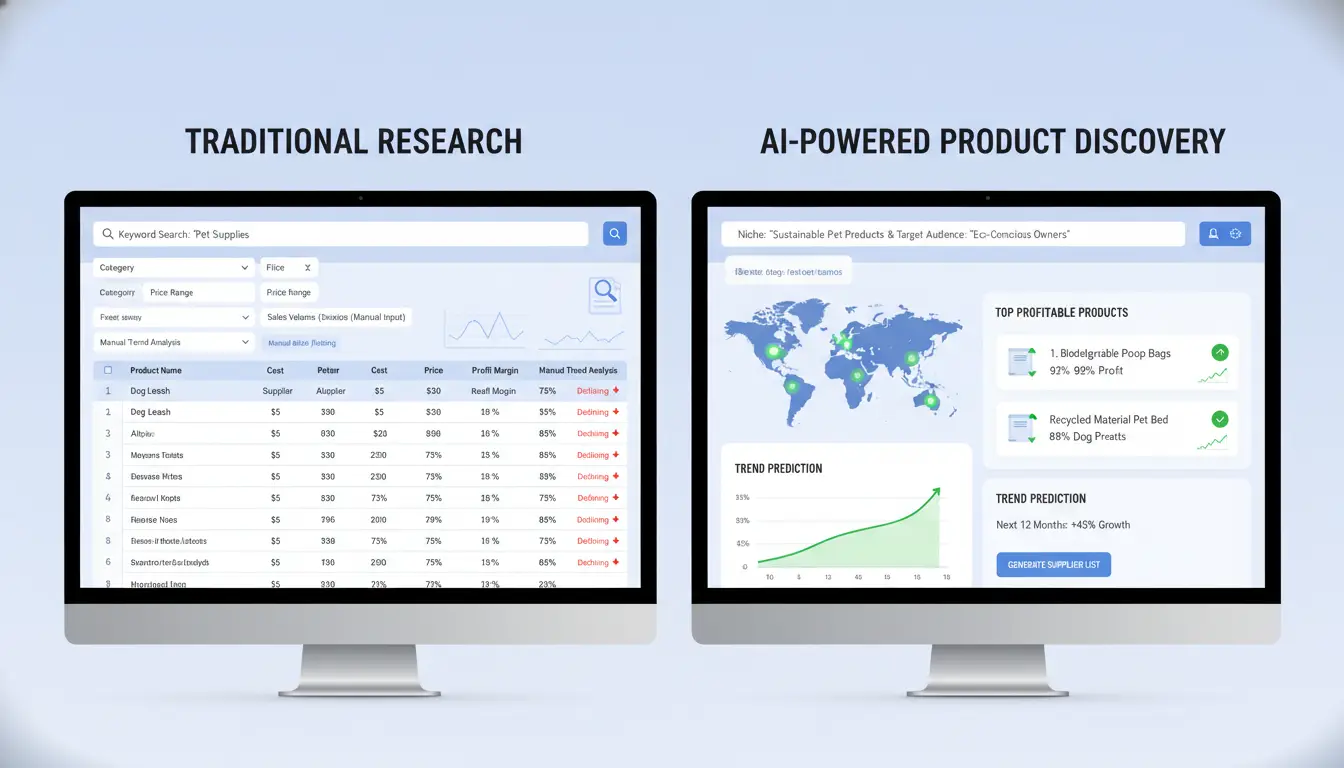
Spotting the best dropshipping products isn’t about luck, it’s about following repeatable steps that filter out hype and guesswork. The process starts with proper research, then moves to validation before you risk money on ads or inventory.
Market Research: Tools and Techniques
You can use product research platforms like AliExpress or Oberlo to track what’s trending. These tools show sales volumes, order growth, and real-time popularity spikes. Checking what’s hot on TikTok or Instagram gives you clues about viral items, but don’t stop there. Dig into competitor stores. Look at their best sellers, promo banners, and what’s getting reviewed, sites like SaleHoo and Shopify help spot patterns. Comparing product categories, pricing, and customer reviews side by side often reveals hidden winners.
Validating Product Potential Before Investing
Before you call anything the best dropshipping product, check reviews and buyer feedback. Poor ratings or repeated complaints are red flags. Test new items with small ad budgets, $50–$100 is enough to see if clicks turn into buys. Try Facebook ads or Instagram promotions for fast results. If you get real sales and positive feedback, scale up. If not, drop the product and move on. The most profitable dropshipping items are those that show real demand before everyone else notices. This saves money and avoids wasted effort.
Why Some 'Best' Dropshipping Products Fail: Common Mistakes and Red Flags
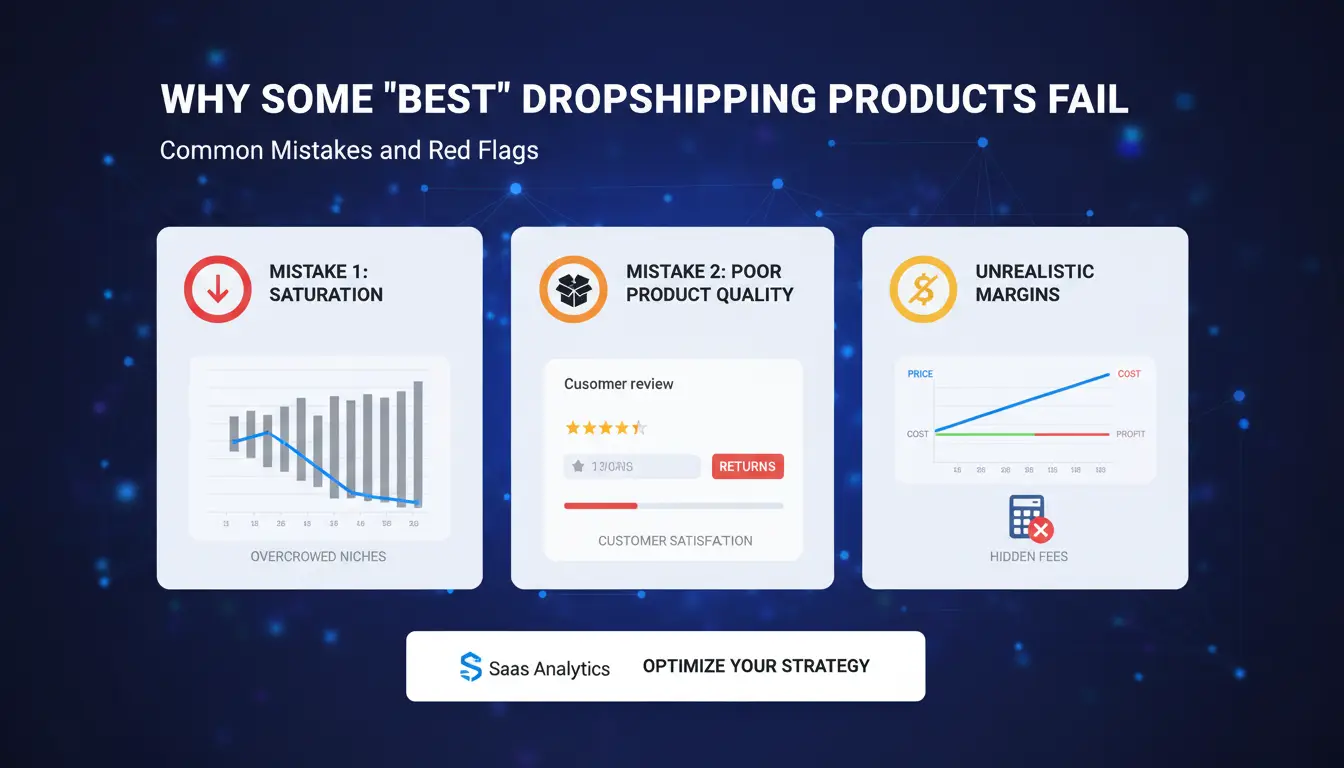
Even products that look perfect on paper can flop hard. That happens when sellers chase hype, ignore supplier risks, or miss early warning signs. Spotting these pitfalls early keeps you from wasting time and money.
Overhyped Trends: When Popularity Backfires
On platforms like AliExpress or Oberlo, trend-driven products explode overnight. But when too many sellers pile in, prices drop and ad costs spike. The timing is tricky, by the time a product starts trending on Google Trends, it’s often already saturated. What looks like the best dropshipping products one week turns into unsellable inventory the next. The real risk is buying big while the hype fades, leaving you stuck with slow-moving stock. Watch for trend cycles and act fast, but avoid betting everything on a single viral item.
Supplier Issues and Quality Control
A product’s quality depends entirely on your supplier. Unreliable suppliers often ship late, send poor packaging, or cut corners on materials. This leads to returns, bad reviews, and angry buyers. Check seller ratings, ask for sample orders, and compare refund rates. Handling complaints is easier if you build a clear return policy and track feedback. If you see repeated issues, like missing tracking numbers or fake product photos, switch suppliers before the damage spreads. The best dropshipping products only work when the supply chain is steady and trustworthy.
Which Dropshipping Product Types Actually Perform Well in 2024?
When sellers talk about the best dropshipping products, they’re not just guessing, they’re following clear patterns. Winning products stand out for solving daily problems, riding social media waves, or filling gaps big retailers miss. Quick-moving sellers keep an eye on Google Trends and what’s taking off on AliExpress and Oberlo. But what categories are actually delivering results this year?
Niche Products vs. General Merchandise
Going niche often means less competition and a more loyal customer. For example, pet gadgets for specific breeds or vegan beauty tools reach buyers with real intent. Niche targeting also makes marketing cheaper and more focused.
Broad categories, like “home goods” or “tech accessories”, attract more shoppers but bring heavy competition and price wars. Generic phone cases or mass-market kitchen tools get buried fast unless they have a viral twist.
The most reliable way to win is to go deep in a niche where you can spot trends before they hit mainstream shelves.
Examples of Winning Products: What’s Hot Now
Smart sellers in 2024 are moving pet accessories like calming beds, eco-friendly kitchen swaps (think reusable wraps), and portable tech gadgets such as mini projectors. Beauty products, especially those trending on TikTok, like facial cleansing brushes, keep making the rounds.
Eco-friendly and wellness-focused items also sell well, especially when they solve a clear pain point. Watch for what’s getting repeat buzz across Instagram and YouTube reviews.
How to Manage Multiple Dropshipping Stores Safely and Efficiently
Running several dropshipping stores sounds simple, until one mistake links your accounts and triggers bans. If you’re chasing the best dropshipping products, the real challenge is keeping each store isolated, so a slip-up in one doesn’t drag down the rest.
Risks of Multi-Account Management
Most platforms like Shopify, AliExpress, and eBay track users by browser fingerprint, cookies, and IP address. If you log into two stores from the same device or network, detection systems may flag your accounts as related. That’s how entire store networks get banned overnight, especially when selling trending items or testing new niches.
Fingerprint issues go deeper than IP. Even changing browsers isn’t enough. Platforms can spot matching plugins, fonts, or screen settings. Account linking happens fast when you reuse recovery emails, phone numbers, or payment methods. Forgetting these details means risking months of work on your best dropshipping products.
Using DICloak for Secure Multi-Store Operations
You can use DICloak to create isolated browser profiles for each store. Each profile gets its own fingerprint, cookies, and proxy setup, so stores never “see” each other, even if you handle dozens at once. For teams, DICloak lets you share store access without leaking control, thanks to permission settings and audit logs.
The most important step is never mixing store logins or payment flows across profiles, otherwise, detection systems connect your accounts.
How to Test and Scale Winning Dropshipping Products
Ad Testing and Conversion Tracking
Testing the best dropshipping products starts with small ad campaigns on channels like Facebook or TikTok. Set a clear daily budget and track clicks, add-to-carts, and real sales instead of just likes. Watch for cost per purchase, if it’s too high after a few days, cut the product fast. Use conversion tracking pixels from Meta and Google Ads to see which ads lead to real orders.
Scaling Up Without Losing Quality
Scaling means more orders and more moving parts. Inventory can run out or suppliers get slow, so double-check fulfillment speed and customer service as you grow. Juggling several stores or ad accounts gets risky, platforms flag accounts linked by browser fingerprints or shared IPs. You can use tools like DICloak to isolate each store in its own browser profile, each with a unique fingerprint and proxy. This setup lets you safely run multiple dropshipping brands or ad accounts on one device without bans, while team members can log in with set permissions to handle support or fulfillment.
When to Move On: Signs Your Dropshipping Product Isn’t Working
Even the best dropshipping products can flop if you ignore warning signs. Most dropshippers lose money not by picking bad items, but by holding on too long after the data turns sour. Knowing when to pull the plug is what keeps your store alive.
Metrics That Signal Trouble
If your product page is getting views but barely any sales, that’s a red flag. Low conversion rates, usually under 2% for dropshipping, mean shoppers aren’t convinced. Another signal: high return or complaint rates. If more than 5% of buyers ask for refunds or complain about quality, the product isn’t delivering what people expect. Watch for sudden dips in repeat purchases, too. Numbers don’t lie, when these trends show up, your profit is leaking fast.
Pivoting to New Products or Niches
Sticking with a dud wastes time and cash. Start by checking trending items on Google Trends and TikTok Shop. Dig into what’s gaining traction on AliExpress. Build a shortlist, then test with small batches or quick ads. Run $50–$100 in Facebook or TikTok ads to gauge real demand before you commit. If a new product hits over 3% conversion and buyers aren’t complaining, you’ve likely found a better fit. Fast pivots keep your store from sinking, ignore the sunk cost, follow the data.
FAQ: Best Dropshipping Products and Common Selection Questions
What makes a dropshipping product “the best” for new sellers?
The best dropshipping products aren’t just trending, they have low competition, solve a real need, and ship reliably. Look for items that show steady demand on Google Trends and don’t appear in every major retailer. If a product has consistent five-star reviews on AliExpress and buyers return for reorders, it’s a strong signal.
How do you know if a product is too saturated to succeed?
If you spot dozens of sellers with identical photos and prices, that item is likely saturated. Search TikTok for the product name, when ads flood your feed, margins usually shrink fast. Too many similar listings on Oberlo also mean you’ll face tough competition.
Which niches have the most reliable winners?
Pet accessories, home organization, and personal wellness gear often lead the pack. These categories see repeat sales and steady interest. Choosing a product that solves a daily hassle gives you the best shot at long-term orders.
Frequently Asked Questions
Are best dropshipping products always trending items?
Best dropshipping products aren’t always trending items. Trending products can bring quick sales but also fade fast. Relying only on trends can be risky because demand might drop suddenly. Look for products that balance trend appeal with steady demand, like phone accessories or home fitness gear, to build a more stable dropshipping business.
Can I use the same product for multiple dropshipping stores?
You can use the same product for different stores, but it’s risky. Duplicate listings may hurt your SEO and confuse buyers. To stand out, change your branding, target different customer groups, or add unique product descriptions. This approach helps you increase the potential of best dropshipping products without hurting your store’s reputation.
How often should I update my dropshipping product catalog?
Review your dropshipping catalog at least every quarter. Check for new best dropshipping products and remove low-performing items. Use tools to track sales and customer feedback. Staying updated helps you spot market changes early, keep your store fresh, and avoid selling outdated products.
What’s the safest way to manage multiple dropshipping accounts?
To manage multiple dropshipping accounts safely, use isolated browser profiles for each store. Add proxies to keep your logins separate. Workflow tools like Trello or Asana can organize tasks and track orders. This setup reduces risks of account confusion and helps you stay organized.
Is it better to focus on one niche or sell a variety of products?
Focusing on one niche makes marketing easier and builds customer loyalty. Selling a variety lets you test more best dropshipping products and reach a wider audience. Niche stores often get repeat buyers, while general stores can catch trends faster. Choose based on your goals and resources.
Selecting the best dropshipping products requires staying updated with market trends and focusing on items that offer genuine value to customers. By researching thoroughly and adapting to shifts in consumer demand, you can set your store apart and boost your chances of success. Try DICloak For Free
 Web Proxy Tools
 Free Tools
 Cookie Plugin
 UA Generator
 MAC Address Generator
 IP Generator
 IP Address List
 2FA Code Generator
 World Clock
 Anonymous Check
 WebRTC Leak Test
 UUID Generator
 Free Web Proxy Site
 Proxy Checker
 FB Ad Checker
 AI Web Scraping
 Free SMM Tools
 Twitter Shadowban Checker
 Instagram Name Checker
 UTM Generator
 Username Generator
 AI Hashtag Generator
 LinkedIn Headline Generator
 Social Media Image Resizer