In 2026, more users are starting to question whether Discord is still the best place for gaming, private group chats, and team communication. What once felt convenient and familiar now raises more concerns around privacy, data exposure, cluttered workflows, and performance under heavier use. As people become more aware of how their conversations, files, and online identities are handled, the demand for safer and more focused communication tools keeps growing. This shift is pushing users to look beyond Discord and compare alternatives that offer better voice quality, stronger privacy, cleaner collaboration, or more control over how communities operate. This article explores why that change is happening and which platforms are becoming the strongest options in 2026.

Why are users moving away from Discord in 2026?
The post-Discord era of 2026 is defined by a massive migration toward platforms that treat security as a foundational requirement rather than a secondary feature. For years, the gaming giant struggled with significant architectural vulnerabilities, including high-profile confidential data leaks and an aggressive data collection model that prioritized advertising metrics over user integrity. While Discord served as the social glue for a generation, its historical baggage and reactive approach to safety have driven technical users and privacy advocates toward hardened alternatives.
The reality of encryption and data collection
Reflecting on the 2025 security pivots, Discord finally introduced end-to-end encryption (E2EE) for voice and video calls, but the rollout was widely criticized by digital architects for its limited scope. The core issue remains: E2EE does not extend to group chats or direct messages. This architectural gap leaves the vast majority of user data—text-based intellectual property and sensitive personal history—plaintext-accessible on the server side. In an age of sophisticated breaches, leaving such a massive data lake unprotected is an unacceptable risk for communities focused on long-term data integrity.
Evolving privacy expectations
In 2026, the modern user experience is no longer judged solely by its UI polish, but by how it respects the user's digital footprint. There is a growing demand for uncomplicated platforms that eliminate the friction between usability and secure data protection. Users now prioritize "zero-trust" environments where privacy is baked into the protocol, moving away from the "social gaming hub" model that commoditizes community interactions.
Which alternatives provide the best lag-free voice for DISCORD?
For competitive environments where every millisecond of latency is a liability, specialized VoIP communication systems remain the gold standard, prioritizing technical performance over social bloating.
High-fidelity audio and low processing delay
TeamSpeak has solidified its position in 2026 by focusing strictly on the audio stack. By implementing advanced background noise reduction and automatic volume adjustment, it provides a surgical level of clarity that social-first apps cannot match. These features are processed with minimal overhead, ensuring that voice packets are prioritized to eliminate the processing delays that often plague Discord’s resource-heavy desktop client.
Immersive positional audio features
Mumble remains the premier open-source choice for players seeking technical immersion. Its standout feature is positional audio, which uses a plugin-based system to correlate a teammate’s voice with their actual coordinates in the game world. This creates a spatial soundstage where audio clarity and direction provide tactical data, enhancing situational awareness in competitive tactical shooters and immersive RPGs.
What is the most secure option for private group communication?
Anonymity and data integrity are the primary drivers for groups moving toward hardened messaging infrastructures that support strict data retention policies.
Self-destructing messages and "Burnout" features
Troop Messenger has gained significant traction by offering the "Burnout" feature, a critical tool for maintaining a clean data lifecycle. This allows users to set granular self-destruct timers for sensitive information. Once the timer elapses, the data is purged entirely from the platform, ensuring that confidential discussions do not leave a permanent digital trail that could be exploited in future breaches—a vital requirement for organizational compliance.
Military-grade encryption standards
In contrast to Discord’s partial encryption, platforms like TeamSpeak and Signal utilize military-grade encryption standards to secure communication channels. By hardening the server-side infrastructure and ensuring that keys are handled at the edge, these platforms offer a level of data integrity that meets the standards of high-stakes privacy advocates and professional teams alike.
Can professional teams replace Discord with structured collaboration tools?
The chaotic, "always-on" nature of Discord often hinders professional productivity. In 2026, remote and hybrid teams are shifting toward structured environments designed to reduce cognitive load.
Streamlining communication with threaded conversations
Pumble has emerged as the leading alternative for teams that require organized communication. By utilizing threaded conversations, Pumble ensures that all responses to a specific query are grouped chronologically. This significantly reduces the cognitive load of asynchronous communication in high-velocity environments, allowing team members to follow complex project updates with a single click rather than scrolling through an endless stream of disorganized messages.
Centralizing workflows and file sharing
A professional "digital headquarters" requires centralizing workflows to minimize context switching. Pumble achieves this through customizable notifications that allow users to silo their focus and an integrated file-sharing system that eliminates the need to launch third-party storage applications. This structural focus allows teams to maintain high-output environments without the social distractions inherent in gaming-centric interfaces.
How can specialized tools enhance your anonymity on these platforms?
DICloak can add another layer of privacy protection when using communication platforms by helping users separate identities more clearly.
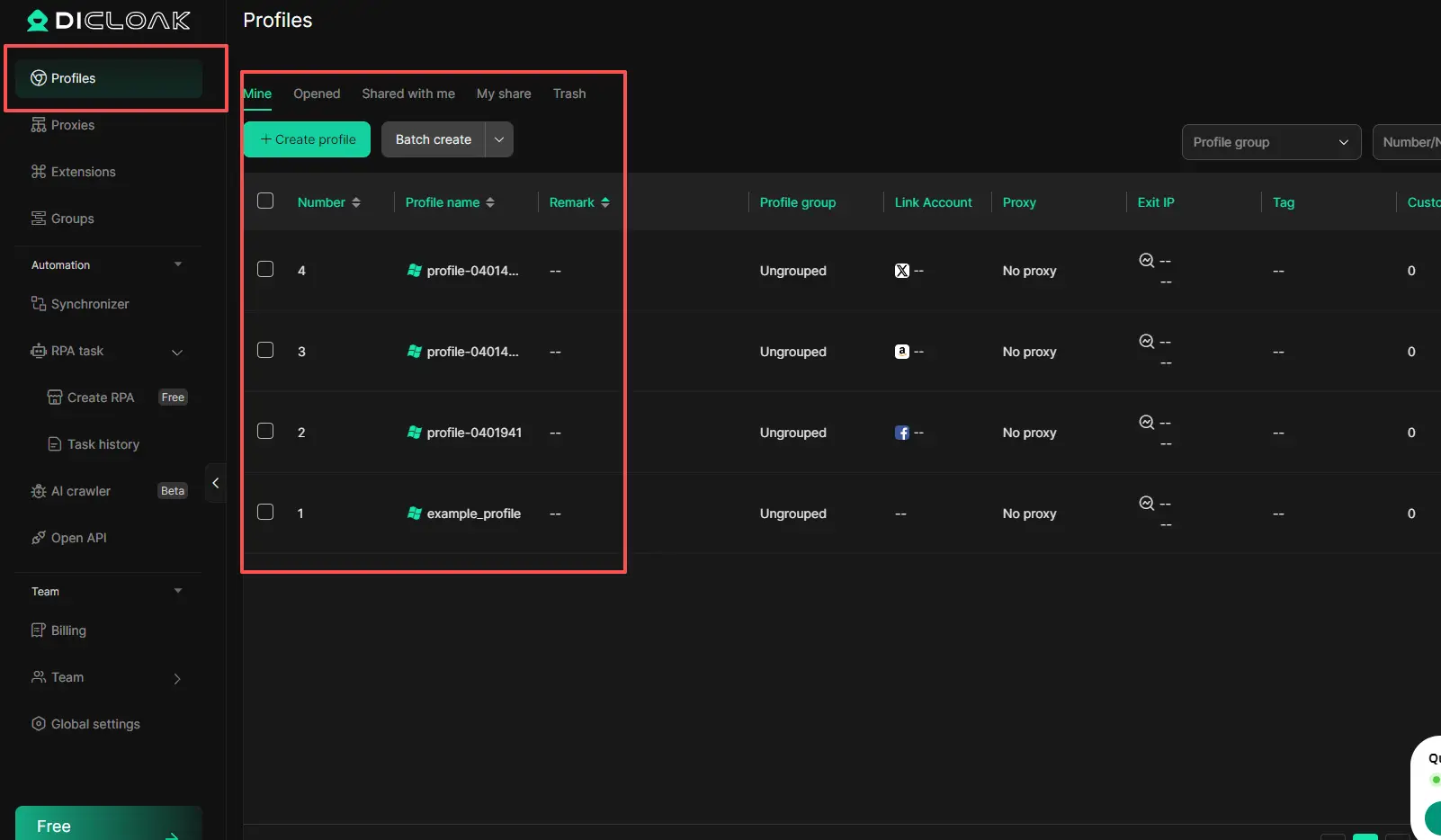
- Isolated browser profiles: Each account can run in its own profile, which helps avoid mixing cookies, sessions, and browsing data.
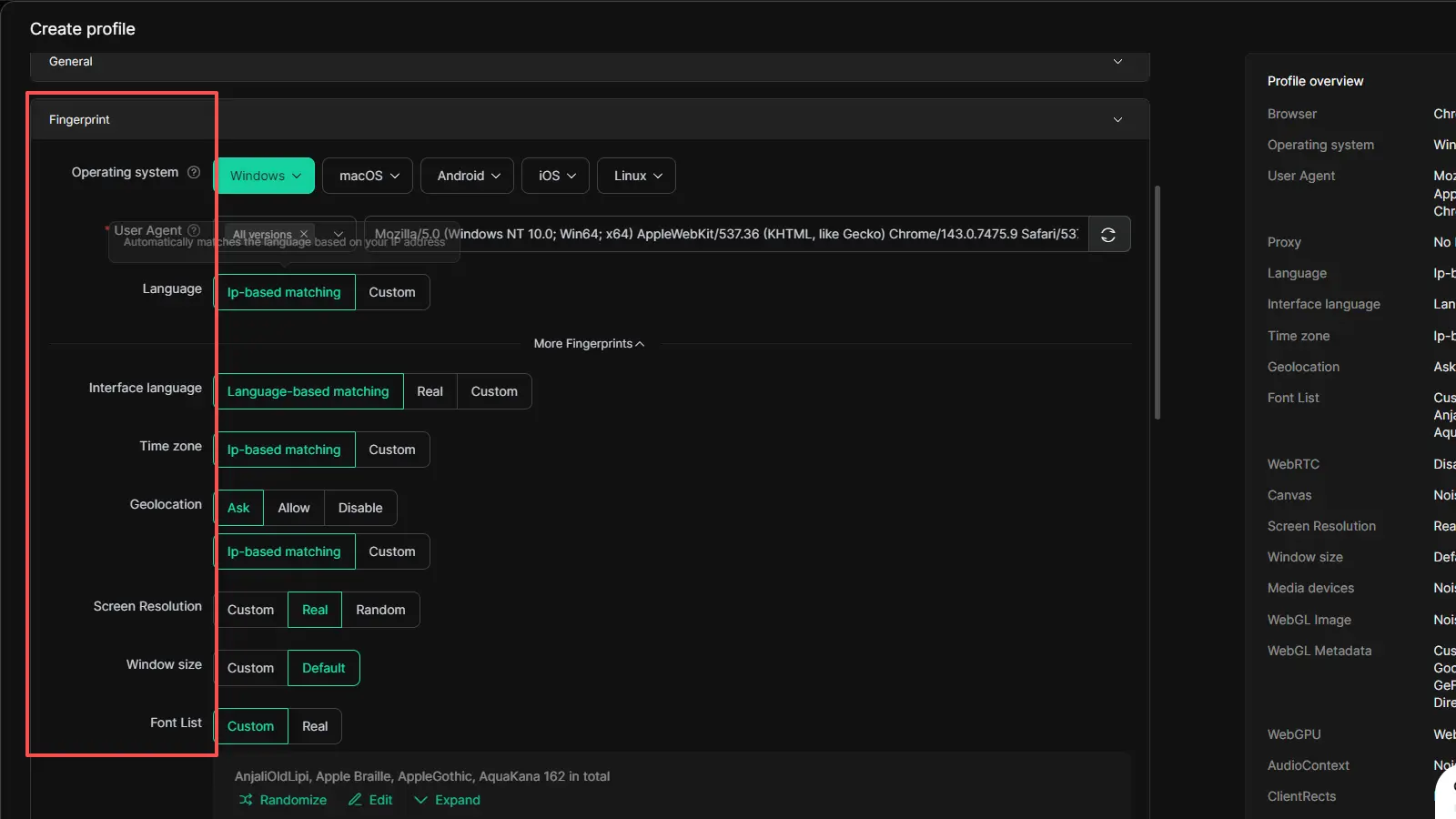
- Custom fingerprint settings: Different profiles can use different fingerprint configurations, reducing the chance of accounts being linked through browser signals.
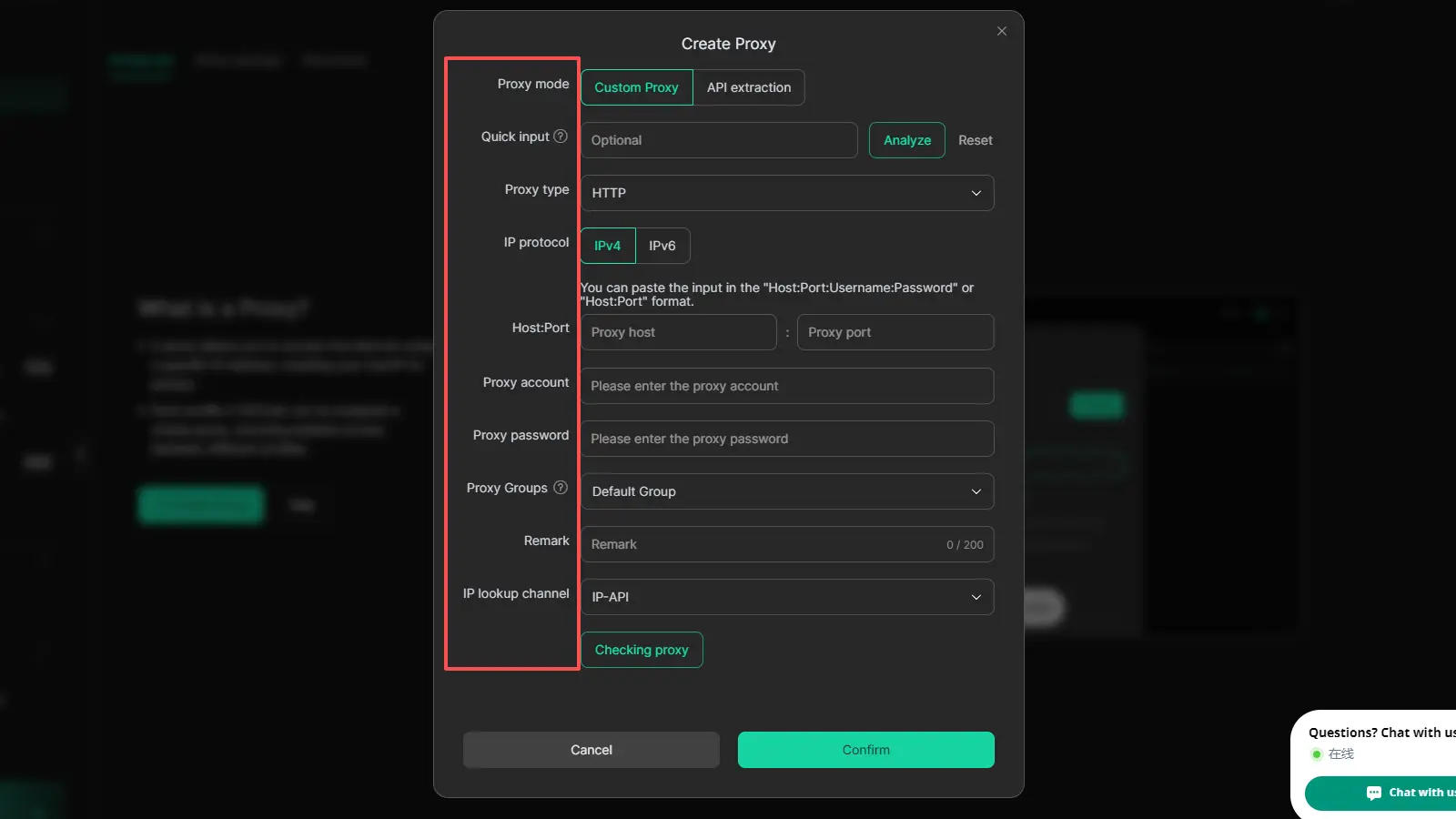
- Flexible proxy configuration: Users can assign different proxies to different profiles, which helps lower the risk of IP-based account association.
- Safer multi-account management: This setup makes it easier to manage work, private, and project-related accounts separately in a more controlled way.
What are the risks of community fragmentation when switching apps?
Despite the technical advantages, migrating a community involves social friction that can lead to fragmentation.
Managing the learning curve and feature parity
Many secure alternatives prioritize utility over aesthetics, resulting in "basic interfaces" that lack the visual richness of Discord. A major hurdle for platforms like Mumble is the lack of browsing support; the inability to browse public servers or access a web-based client creates a higher barrier to entry for casual users who are accustomed to Discord’s low-friction discovery model.
The challenge of contact synchronization
Friction is also inherent in platforms that require personal identifiers. WhatsApp, while offering high-quality encrypted calls, requires a phone number for synchronization—a major deterrent for users who wish to remain anonymous within a community. Moving from a public server model to one requiring specific invitations can stifle the organic growth that many communities rely on to remain vibrant.
Which free alternatives offer the best value for casual users?
For those who don't need enterprise-level features but want to exit the Discord data-harvesting ecosystem, several high-value free options exist.
Leveraging popular instant messaging for group calls
For users who already have established contact lists, Signal and WhatsApp provide zero-cost entry points for large-scale audio and video calls. Signal, in particular, is the industry gold standard for privacy, offering full E2EE for all data types. However, both platforms come with the trade-off of requiring personal data, such as a phone number, which can be a hurdle for purely online acquaintances.
Open-source solutions for total control
Open-source VoIP solutions like Mumble offer the highest value for those who want total transparency. These platforms allow communities to host their own servers, providing complete control over the hardware and data. This eliminates the risk of corporate data harvesting and subscription fees, making it the preferred choice for technical enthusiasts who value sovereignty over a polished UI.
How to decide which communication app is right for your group?
Choosing a platform in 2026 requires a clear assessment of your community’s primary objectives.
Identifying your primary communication priority
- The Gamer: Focus on VoIP quality, low latency, and spatial audio (e.g., TeamSpeak or Mumble).
- The Remote Team: Focus on workflow integration, file management, and threaded organization (e.g., Pumble or Troop Messenger).
- The Privacy Advocate: Focus on full end-to-end encryption, anonymity, and data destruction (e.g., Signal or Troop Messenger).
Testing the migration with a pilot group
Before committing to a full migration, conduct a staged rollout with a small pilot group. This allows you to verify that critical technical features—such as screen sharing, poll functions, and mobile app stability—meet the specific operational needs of your group before the legacy Discord server is decommissioned.
Frequently Asked Questions
Q1:Which alternative is best for reducing gaming lag?
TeamSpeak and Mumble are the premier choices for lag-free communication. Their focus on background noise reduction, automatic volume adjustment, and low-overhead processing makes them superior to social-first platforms for competitive play.
Q2:Is there a free alternative for large teams?
Pumble offers a robust free plan that includes core communication and organizational features. For teams that want absolute control and have the technical capacity to host their own infrastructure, Mumble provides an excellent open-source, zero-cost framework.
Q3:Do these alternatives offer end-to-end encryption for text?
Yes. Unlike Discord, platforms like Signal and Troop Messenger provide full E2EE for text conversations, ensuring your written data is protected from server-side vulnerabilities.
Q4:How can I protect my IP while using voice chat?
The most effective method is using a residential or mobile proxy to mask your IP. Integrating these proxies into an antidetect browser provides a layer of hardware abstraction that ensures your location and identity remain private during active voice sessions.
Q5:What is the best way to handle sensitive documents?
Troop Messenger is specifically designed for this via its "Burnout" feature. By setting self-destruct timers, you ensure that sensitive files are automatically purged from the system after they have served their purpose.
Conclusion
Selecting a replacement for Discord in 2026 is a choice between privacy, technical performance, and professional structure. While no single tool perfectly mirrors Discord’s massive social ecosystem, the shift toward specialized infrastructure has yielded platforms that are far more secure and reliable. By utilizing supplemental security layers like proxies and the aforementioned antidetect browser to isolate your digital environment, you can maximize the anonymity and stability of your communication stack, regardless of the platform you choose.
 Web Proxy Tools
 Free Tools
 Cookie Plugin
 UA Generator
 MAC Address Generator
 IP Generator
 IP Address List
 2FA Code Generator
 World Clock
 Anonymous Check
 WebRTC Leak Test
 UUID Generator
 Free Web Proxy Site
 Proxy Checker
 FB Ad Checker
 AI Web Scraping
 Free SMM Tools
 Twitter Shadowban Checker
 Instagram Name Checker
 UTM Generator
 Username Generator
 AI Hashtag Generator
 LinkedIn Headline Generator
 Social Media Image Resizer