When a YouTube creator posts a new video and sees their views drop by 80% overnight, without any warning or copyright strike, the most likely culprit is shadow banning. Hundreds of threads on Reddit and YouTube Help Community have flagged cases where channels suddenly stop appearing in search, recommended videos, or even comments, but nothing is shown in the dashboard. That’s why so many creators are searching why is shadow banning ruining youtube, and why the real issue is bigger than just lost traffic.
It’s not just the sudden drop in views. The real pain runs deeper: you can upload, but your content gets buried. The YouTube algorithm hidden bans make creators waste weeks chasing “fixes” that never work, while engagement, revenue, and trust drain away. Unlike a normal ban, there’s no email, no explanation, only silent penalties. This leaves creators guessing whether their content, their metadata, or their account triggered the filter. For many, the worst part is not knowing what caused the shadow ban or how to get out.
If you’re seeing strange patterns, comments not showing up, videos stuck with zero impressions, or subscribers asking why your uploads never appear, understanding YouTube shadow ban effects is the first step. These signs often mean your channel is being quietly filtered. Here’s what creators need to watch for, what risks are real in 2026, and which actions actually help.
What Does Shadow Banning on YouTube Actually Mean in 2026?
The term “shadow banning” describes what happens when YouTube quietly limits your channel’s reach without sending any warning or suspension notice. Unlike a clear ban, you don’t get an email or pop-up. Instead, your videos stop getting recommended, your comments vanish for most users, and uploads seem invisible even to long-time subscribers. This is why creators searching “why is shadow banning ruining youtube” are often frustrated, most fixes don’t work because the penalty is hidden, not public.
How Shadow Banning Differs from Regular Bans
A regular ban or suspension is direct: your channel gets blocked, you can’t upload, and YouTube tells you what happened. With a shadow ban, the platform’s algorithm quietly filters your content. You keep uploading, but impressions drop, comments don’t show up, and analytics look broken. Many creators mistake these signs for glitches or “algorithm changes,” wasting time on fixes that don’t solve the real issue. The biggest difference is that shadow bans are invisible, your channel operates, but almost nobody sees your content.
YouTube shadow ban effects are tricky because there’s no clear signal of what caused them. Most creators only realize something is wrong after days of zero growth or strange engagement drops.
What Triggers a Shadow Ban on YouTube
Shadow banning often starts when the YouTube algorithm spots policy violations, spam signals, or engagement anomalies. For example, using misleading tags, paid fake engagement, or rapid comment spam can trigger the filter. Sometimes, mass community reporting or sudden spikes in dislikes flag a channel for review.
How shadow banning impacts creators is worse in 2026 than ever. YouTube’s hidden bans now combine algorithmic signals with community feedback, making it harder to tell what triggered the penalty. The result? Creators spend weeks guessing, while their channels lose reach and trust.
Why Is Shadow Banning Considered So Harmful for YouTube Creators?
YouTube shadow ban effects reach way beyond lost views. What makes shadow banning ruin YouTube for creators is how it quietly destroys trust, income, and the hope of channel growth, all without a clear warning. The platform’s algorithm can filter videos, hide comments, or bury uploads, and creators often spend weeks chasing fake “fixes” while their numbers keep dropping. Here’s how the damage actually plays out in 2026.
How Shadow Banning Silently Kills Channel Growth
A shadow ban means your uploads stop appearing in recommendations or search results, even for subscribers. You might see your videos getting blocked from trending, or showing up only if someone types your exact channel name. This silent filter cuts off new audience reach. For most channels, growth curves flatten overnight, sometimes so sharply that you lose half your usual impressions in a week. Many creators notice that their engagement rates drop, but the cause stays hidden.
The Financial and Emotional Impact on Creators
Revenue takes a hit fast. When YouTube algorithm hidden bans suppress your content, ad impressions plummet and you risk demonetization. For those relying on brand deals or Patreon, lower visibility means sponsors pull out or fans stop supporting. But the worst hit is emotional, creators get stuck in a cycle of frustration and burnout, never knowing what triggered the ban or how to fix it. YouTube’s lack of clear feedback leaves you guessing, which makes every upload feel like a gamble. The silent nature of shadow banning destroys creator confidence and pushes many to abandon their channels.
If you’re seeing strange drops in engagement, the next step is figuring out how to tell if your YouTube channel is actually shadow banned.
How Can You Tell If Your YouTube Channel Is Shadow Banned?
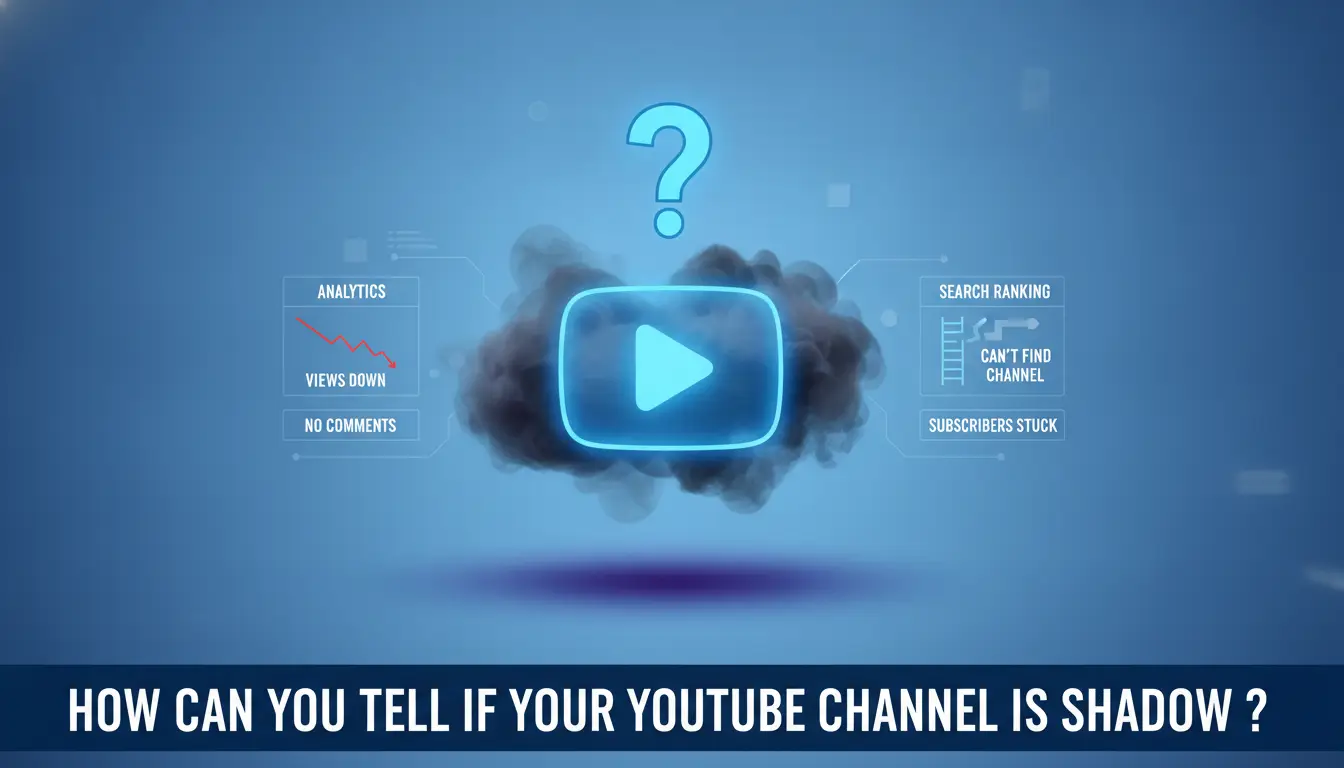
Knowing whether your channel is shadow banned can feel like chasing ghosts. Most creators never get an alert, only silent drops in reach and engagement. If you’re trying to figure out why is shadow banning ruining YouTube for you, the signs are subtle but real. Here’s what to check before you waste weeks adjusting your content or metadata.
Warning Signs Most Creators Miss
The first thing most creators notice is a sudden drop in views. Sometimes, videos that did well before now get almost zero impressions. Comments disappear, even from loyal subscribers, or never show up on public threads. Your uploads stop appearing in search results or “Recommended” feeds for keywords you used to rank for. If subscribers ask why they can’t find your new videos, it’s a strong clue. These are classic YouTube shadow ban effects that go far beyond normal algorithm changes.
How to Test for a Shadow Ban
Don’t rely on your own account or browser, YouTube algorithm hidden bans often block content just for logged-in users or by IP. Run searches for your channel and video titles in incognito mode, or use a proxy to simulate a fresh location. Ask at least three people in different regions to search for your latest upload with exact keywords. If none can find it, your channel is likely filtered. Compare your analytics: if impressions tank but your subscriber count stays steady, you’re probably shadow banned. 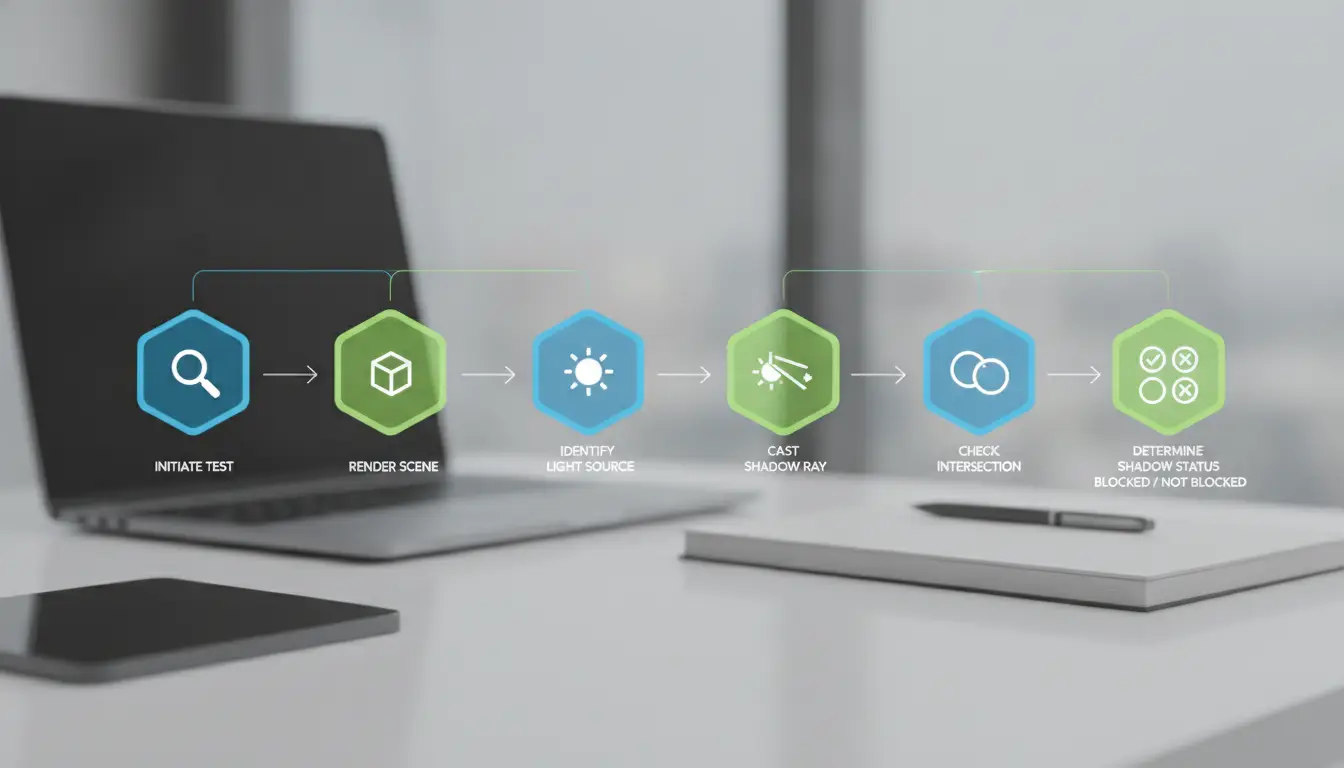
Common Mistakes When Diagnosing a Shadow Ban
Many creators confuse a shadow ban with poor content performance. Sometimes, YouTube changes its algorithm and pushes different topics, this isn’t a ban. Misreading analytics is common: if your content drops off after a policy update or demonetization, it’s not always hidden. The most critical insight is this, if your content vanishes from search and external recommendations for multiple users, you’re not just seeing low performance; you’re likely facing a shadow ban.
Next: What triggers these bans and why shadow banning impacts creators so much in 2026.
What Usually Triggers a Shadow Ban on YouTube in 2026?
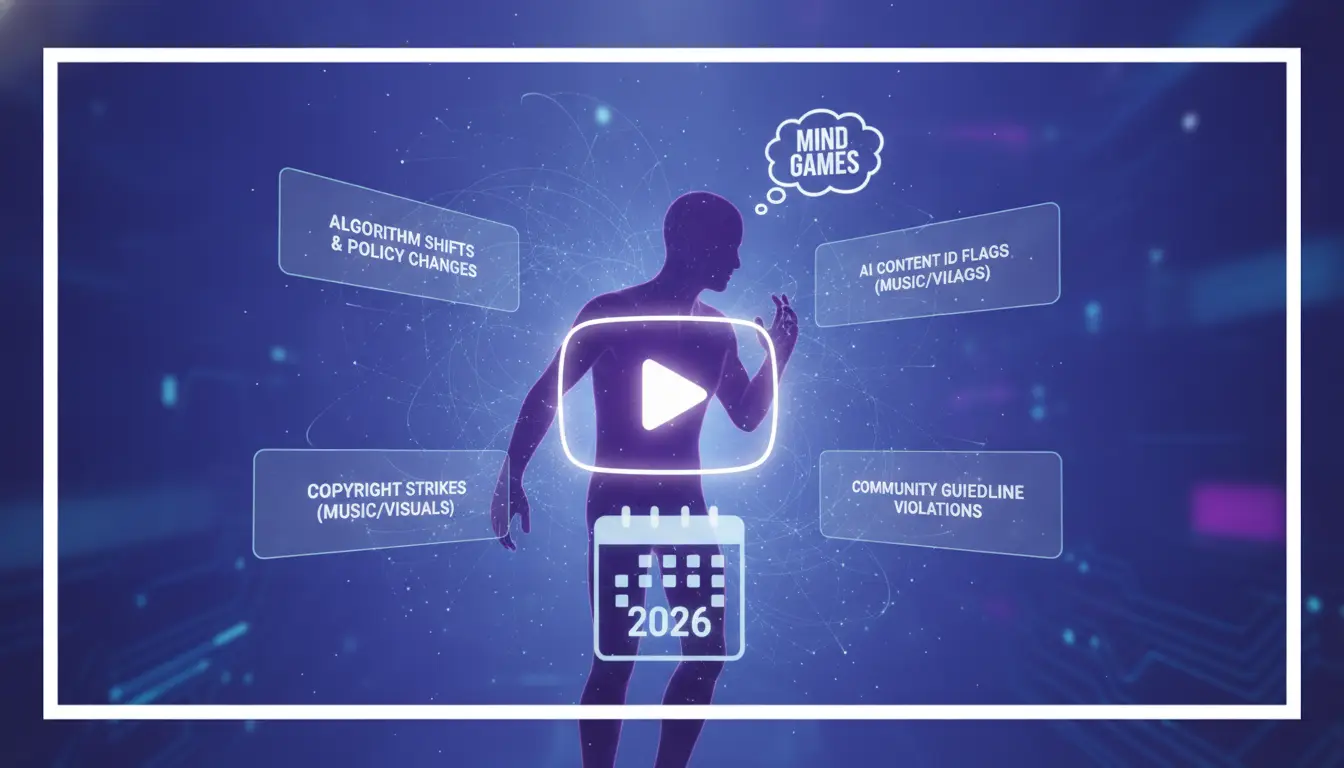
Creators who ask “why is shadow banning ruining youtube” are often stuck in the dark because YouTube rarely explains what triggered the filter. By 2026, the platform’s detection systems have become stricter, flagging behavior that used to slip by. If you want to avoid YouTube shadow ban effects, pay attention to these common triggers.
Content and Policy Violations
YouTube’s algorithm now scans for spammy titles, tags, and descriptions. If you cram keywords or use misleading clickbait, your videos are more likely to be filtered. Copyright strikes or repeated violations of community guidelines, like posting hate speech or graphic content, are direct red flags. Even a single strike can push your channel into a hidden ban, making it almost invisible in search and recommendations. Creators who ignore these warnings often find their reach drops overnight.
Suspicious Engagement Patterns
Sudden spikes in likes or comments, especially if they come from accounts with little history, alert YouTube’s system. Using engagement pods, buying fake likes, or running automation scripts are risky. The algorithm looks for unnatural growth and patterns that don’t match normal user behavior. If your channel gets flagged for this, you may notice how shadow banning impacts creators: comments disappear, videos stall, and your subscriber count stops moving. Real engagement matters; fake boosts only make things worse.
Account Linking and Device Fingerprinting
Running multiple channels from the same device or IP now triggers YouTube’s detection systems. If you manage several accounts for different projects, using the same login location sets off alarms. Device fingerprinting ties accounts together, even switching browsers doesn’t hide this. Linking too many accounts or sharing devices with flagged users increases your risk of YouTube algorithm hidden bans. For teams, separating devices and using dedicated proxies is the safer route.
Many creators are still guessing, but these triggers are the real reason why shadow banning is ruining youtube for so many. Next, it’s clear these bans are forcing marketers to rethink how they approach YouTube.
Why Traditional Growth Tactics Are Failing
A few years ago, social media marketers could get away with mass account creation, automated comment bots, and coordinated like campaigns. Now, these tactics are nearly useless, YouTube’s algorithm hidden bans catch them almost instantly. Marketers who push too hard see their entire network of channels get filtered, not just one. That’s why “why is shadow banning ruining YouTube” is such a common search in 2026. Even if you use fresh accounts or cycle through proxies, the platform picks up patterns. YouTube shadow ban effects are more severe than a simple suspension. Instead of getting blocked outright, your videos stop reaching new viewers, and your engagement drops to near zero. Most agencies find out too late, after weeks wasted posting content that never shows up.
How Agencies and Brands Are Adapting
The old playbook is gone. Agencies now focus less on volume and more on authentic engagement. That means real comments, collaborations, and slower growth curves. It’s not just about avoiding detection, it’s about proving to YouTube that your activity is organic. Brands use isolated environments and proxies to keep accounts separated, but they know technical tricks alone aren’t enough. They monitor for sudden drops in impressions or engagement, switching tactics quickly if the signs of a YouTube shadow ban appear. The biggest change: agencies now treat risk management as part of the core workflow, not an afterthought.
What This Means for Small Creators
For solo creators, the shift is tough. Without access to advanced tools or proxy setups, it’s harder to avoid algorithmic detection. Competing with agencies means playing by stricter rules, no shortcuts, no automation. If you want to grow, you need to focus on steady engagement and avoid risky behaviors. How shadow banning impacts creators is clear: mistakes cost more now. A single action can bury your channel, and recovery is slow. Small creators have to watch their analytics closely and learn from every dip or spike, guessing is no longer an option.
How DICloak Helps Social Media Marketers Avoid YouTube Shadow Bans
Marketers dealing with shadow banning on YouTube know the pain, accounts get flagged, engagement tanks, and nobody tells you what went wrong. The main trigger? Platforms spot patterns between accounts: same device, identical IP, or repetitive actions. That’s exactly why is shadow banning ruining youtube for agencies running multiple channels.
Isolated Browser Profiles and Custom Fingerprints
You can use DICloak to run each YouTube account in its own isolated browser profile. That means every channel looks like it’s coming from a separate device, with a unique fingerprint. YouTube’s algorithm hidden bans often target linked accounts, so this separation reduces the risk of cross-account penalties.
Proxy Integration and Team Collaboration
Assigning a different proxy to each browser profile stops YouTube from connecting accounts based on IP. Tools like DICloak let you set team permissions, so only approved staff access certain channels, lowering accidental pattern triggers. This helps agencies manage clients without risking mass shadow bans.
Automating Safe Engagement with RPA
RPA automation in DICloak lets you schedule actions and mimic natural user behavior. Instead of repeating the same clicks, automated workflows help avoid detection. When shadow banning impacts creators, safe automation is the difference between steady growth and sudden silence.
What Can You Do If You Suspect Your YouTube Channel Is Shadow Banned?
YouTube’s shadow bans in 2026 are more common, but harder to spot. If you’re asking “why is shadow banning ruining YouTube,” the real problem is how silent penalties destroy your reach without any warning. You need to act fast, guessing won’t fix it.
Immediate Steps to Take
Don’t just keep uploading and hope the ban lifts. Start by reviewing your last 5–10 uploads. Look for videos with sudden drops in impressions or comments that never appear publicly. Delete or unlist anything that used clickbait titles, excessive tags, or automation tools, these trigger YouTube algorithm hidden bans. Pause all risky activities, like mass uploading or using third-party bots to boost engagement. If you run multiple channels, stop cross-posting identical content. Changing too much at once can make things worse, so handle one fix at a time.
How to Appeal or Request a Review
YouTube rarely admits shadow bans, but you can still try to appeal. Use YouTube Help to submit a support ticket. Attach screenshots showing the drop in reach, and export analytics from YouTube Studio, focus on impressions, watch time, and comment visibility. If you have proof that your videos violate no guidelines, state it clearly. For creators with larger followings, mention your channel’s history and positive engagement. Sometimes support replies with canned messages, so if you get blocked, try the YouTube Community Forum for extra visibility.
Long-Term Strategies to Stay Safe
If you recover, don’t fall into the same patterns. Spread your uploads across different topics and avoid repeating content formats. Build real engagement, reply to comments, create polls, and collaborate with other creators. If you rely only on paid boosts or bots, you’ll get hit again. Diversifying to platforms like TikTok or Instagram adds a safety net against future YouTube shadow ban effects. The creators who survive shadow banning are the ones who pivot quickly and keep their audience active.
When Is It Time to Rethink Your YouTube Strategy Because of Shadow Banning?
YouTube creators know the grind, upload, improve, wait for traction. But if you’re caught in the cycle of hidden bans and algorithm filters, the usual fixes don’t work. If shadow banning keeps sabotaging your channel, sticking to old routines only wastes your effort. Here’s how to spot when it’s time to pivot, what options you really have, and how to future-proof your content without betting everything on YouTube.
Signs You Need a New Approach
Patterns matter. If you’ve had multiple videos flagged or growth stalls for months, even after appeals and tweaks, it’s not a fluke. YouTube algorithm hidden bans often leave creators chasing their tails. Support tickets go unanswered, and “manual review” rarely changes the outcome. When engagement never recovers, and the platform doesn’t help, that’s your cue: the old playbook isn’t enough. These are the classic YouTube shadow ban effects, silent, repeated, and sticky.
Alternatives to Relying Solely on YouTube
Creators who rely only on YouTube risk losing their audience overnight. Many switch to TikTok, Instagram, or even long-form content on Substack and podcasts. Building an email list matters more than ever, when YouTube stops showing your work, you can still reach your community directly. Owned channels and Discord groups let you keep conversations alive, even if YouTube suppresses your uploads.
How to Future-Proof Your Content Strategy
Chasing algorithm tricks is a losing game. Focus on content people value and keep it authentic, forced engagement hacks often trigger bans. Stay current with YouTube’s policy updates and review creator forums for new risks. If shadow banning is ruining YouTube for you, diversify your platforms and protect your audience, don’t wait until the next silent penalty wipes out your progress.
Frequently Asked Questions About why is shadow banning ruining youtube
Can you recover from a YouTube shadow ban in 2026?
If you’re shadow banned, you can sometimes recover by fixing flagged content and following YouTube’s guidelines. Removing problematic videos, avoiding spammy behavior, and appealing to YouTube support may help. However, why is shadow banning ruining youtube is that creators often face lasting damage to their reach, and recovery isn’t guaranteed.
Does using proxies help avoid shadow banning on YouTube?
Proxies can mask your IP address, but they don’t prevent a YouTube shadow ban. YouTube tracks accounts, behavior, and content, not just location. Proxies might help with privacy but won’t stop the algorithm from flagging or hiding your videos. Why is shadow banning ruining youtube? Because these bans target creators, not just technical details.
Is shadow banning always permanent on YouTube?
Shadow bans can be temporary or long-term. Sometimes, YouTube’s algorithm suppresses content for weeks or months, especially after policy violations. If creators fix issues and avoid repeat offenses, bans may lift. YouTube shadow ban effects vary, but repeated violations can make bans last longer or become permanent.
How do you know if your content is being suppressed by the algorithm or shadow banned?
YouTube algorithm hidden bans cause low views, missing notifications, and drops in engagement. If your videos don’t reach subscribers, or analytics show sudden drops without clear reasons, you might be shadow banned. Compare performance with similar channels and review community guidelines notices to spot suppression.
Are certain niches or topics more likely to be shadow banned on YouTube?
Yes, topics like politics, health, and controversial issues are high-risk. Why is shadow banning ruining youtube for these creators? YouTube’s policy enforcement is stricter, so these channels often face hidden bans or suppression. Sensitive keywords and repeated violations raise the chances of being shadow banned.
Shadow banning on YouTube undermines creators' visibility and silences diverse voices without transparency, eroding trust in the platform. When content is hidden without explanation, it discourages innovation and authentic engagement, making it harder for viewers to discover new perspectives. Try DICloak For Free
 Web Proxy Tools
 Free Tools
 Cookie Plugin
 UA Generator
 MAC Address Generator
 IP Generator
 IP Address List
 2FA Code Generator
 World Clock
 Anonymous Check
 WebRTC Leak Test
 UUID Generator
 Free Web Proxy Site
 Proxy Checker
 FB Ad Checker
 AI Web Scraping
 Free SMM Tools
 Twitter Shadowban Checker
 Instagram Name Checker
 UTM Generator
 Username Generator
 AI Hashtag Generator
 LinkedIn Headline Generator
 Social Media Image Resizer