Many people who want faster growth on X start by looking up buy old twitter accounts. The reason is simple. Aged accounts often look more established than brand-new ones. They may seem more trustworthy, more active, and easier to use for marketing, outreach, or brand promotion. But that does not mean they are always a smart choice. Buying an old Twitter account can come with hidden risks, from scams and weak account quality to restrictions and account loss later on. That is why it is important to look at both the benefits and the risks before making a decision. In this guide, we will break down what old Twitter accounts really offer, what problems buyers should watch for, and what safer options may work better in 2026.
Why Do People Search for “Buy Old Twitter Accounts”?
Many people search for buy old twitter accounts because they want a faster start on X. A new account often begins with no history, no trust, and very little reach. An older account can look more established at first glance. It may seem less empty, more credible, and more ready for posting, outreach, or brand activity. That is why aged accounts often attract attention from marketers, small teams, and users who want quick visibility.
Why do aged accounts seem more attractive than new ones?
Aged accounts seem attractive because they appear more settled. People often believe an older profile looks more natural than a brand-new one. In some cases, it may already have profile history, past activity, or existing followers. This can make the account feel easier to use right away. For someone searching buy old twitter accounts, the appeal is usually speed. They do not want to spend weeks or months building an account from zero.
What business or marketing needs drive this demand?
The demand often comes from users who want to save time. A brand may want to test outreach, content promotion, or audience response without starting from an empty profile. Some users also believe older accounts can help them look more established during early campaign work. In simple terms, people search buy old twitter accounts because they hope an aged account will shorten the slow starting phase and help them move faster.
Are aged Twitter accounts really better for growth?
Not always. An old account may look stronger at the start, but age alone does not guarantee better results. Real growth still depends on content quality, audience fit, posting habits, and account health. An account can be old and still have weak engagement, poor history, or hidden risks. That is why the idea of buy old twitter accounts attracts many people, but the actual value is often less simple than it first appears. In many cases, an older account may save time at the beginning, but it does not replace the need for real trust and real engagement.
What Risks Come With Buying Old Twitter Accounts?
The idea to buy old twitter accounts may look simple, but the risks are often bigger than people expect. An aged account can carry old problems that are hard to see at first. It may already have weak trust signals, a bad posting history, or past activity that does not match your goals. On top of that, X says it does not allow inauthentic activity that manipulates the platform, and its handle policy says licenses are non-transferable and attempts to sell or transfer a handle or even the whole account can lead to the handle being reclaimed and accounts being suspended.
Why can bought accounts get flagged, limited, or suspended?
A bought account can get flagged because its behavior may suddenly change. The login location may shift, the device pattern may change, or the content style may look different from the account’s past activity. X says it fights inauthentic accounts and suspicious behavior, and it may use anti-spam challenges like email, phone, or CAPTCHA checks to confirm that the real account holder is in control. If that control looks unclear, the account may face limits or suspension.
What scam risks should buyers watch for?
Scam risk is another big problem. A seller may offer an account with fake followers, poor engagement, or a hidden compromise history. In worse cases, the original owner may still control the email, phone, or recovery path, which means the account could be taken back later. X’s rules also prohibit using credentials or other account data without direct authorization, so an account with messy ownership history can create extra risk from the start.
What legal, ethical, and platform policy concerns matter most?
The biggest concern is that buying old accounts can conflict with platform rules and create ownership problems. X’s handle marketplace policy says account and handle rights are non-transferable, and attempted sales or transfers can trigger enforcement. Paid features are also tied to a single account and are not transferable between accounts, which adds another layer of risk if the account has Premium or monetization value attached to it. From a business point of view, that means the decision to buy old twitter accounts is not just a pricing question. It is also a policy, trust, and long-term account safety question.
How to Check Whether an Old Twitter Account Is Risky
Before people buy old twitter accounts, they usually look at age, followers, and price. But those are only surface details. A risky account often shows problems in its history, behavior, or ownership trail. That is why checking account quality matters more than just checking account age.
What account history signals should you review?
Start with the basics. Look at posting history, follower quality, engagement patterns, and profile changes. A long gap in activity, sudden topic changes, or old posts that do not match the current profile can all be warning signs. It also helps to check whether the account has a clean email and phone setup, because X may require ownership checks such as email or phone verification when account activity looks unusual.
How can you spot fake, hacked, or low-quality accounts?
The biggest red flags are signs of compromise or fake activity. X says compromised accounts may show unexpected posts, strange follows or unfollows, changed account information, or other actions the real owner did not approve. Low-quality accounts may also have weak engagement, generic followers, or a posting pattern that looks empty for long periods and then suddenly active again. If the account history feels broken or unnatural, that is a reason to be careful.
What warning signs suggest the account may not be worth it?
Some warning signs are simple. If the seller cannot clearly show account history, recovery access, and stable ownership, the risk is high. If the account already looks limited, locked, or tied to past rule problems, it may be even harder to use later. X says accounts can be placed in a limited state, required to verify ownership, or suspended when suspicious or rule-violating behavior is detected. So even if an account looks old, that does not mean it is a good asset. In many cases, the safer conclusion is that an account with messy history is not worth buying at all.
Are Old Twitter Accounts Worth the Cost?
Many people search buy old twitter accounts because they think an aged account will save time. Sometimes that is true on the surface. An older account may look more established than a brand-new one. But cost and value are not the same thing. On X, account quality, ownership stability, and policy risk matter more than age alone. X also says it may limit, challenge, or suspend accounts involved in suspicious or inauthentic behavior, which means a “cheap” old account can become expensive very quickly if it stops being usable.
What factors affect the value of an aged account?
The value of an aged account depends on more than its creation date. Buyers usually look at account history, audience quality, posting consistency, recovery access, and whether the account has any signs of past abuse or platform issues. If the account has weak trust signals, long inactivity, or unclear ownership, its value drops fast. X’s own help pages also show that active use, profile stability, and non-deceptive behavior matter for account standing, especially for accounts tied to Premium features.
Why do follower count and account age not tell the full story?
A high follower count can look impressive, but it does not guarantee real reach, trust, or future performance. The same is true for account age. An account can be old and still have poor engagement, low-quality followers, or a history that does not match your goals. In other words, age and followers are easy to measure, but they do not tell you whether the account is healthy, stable, or worth using. That matters even more on X because the platform specifically restricts inauthentic behavior and can take enforcement action when it sees manipulation signals.
When does buying an old account become a poor investment?
Buying an old account becomes a poor investment when the risk is higher than the usable value. That usually happens when ownership is unclear, recovery access is weak, the posting history looks unnatural, or the account could easily face review, limits, or suspension after transfer. It is also a poor bet when the buyer assumes the account can simply be treated like a transferable digital asset. X says account and handle rights are non-transferable in its handle marketplace rules, and it can reclaim handles under its terms. That means the decision to buy old twitter accounts is rarely just about price. It is really about whether the account can stay useful, stable, and worth the risk over time.
What Are Safer Alternatives to Buying Old Twitter Accounts?
After looking at the risks, a better question is this: what can brands do instead of trying to buy old twitter accounts? In many cases, the safer path is to build a clean account from the start. That gives you full control over the profile, the security settings, and the content direction. It also avoids many of the ownership and policy problems that come with aged accounts. X’s rules are clear that accounts must be authentic, and the platform can act against misleading or inauthentic behavior.
How can brands build trust with new accounts more safely?
The first step is to make the account complete and secure. X’s own guidance highlights basics like a profile name, profile image, confirmed email or phone, a strong password, and two-factor authentication. A clear bio, website link, and consistent profile details also help the account look real and professional. In simple terms, trust starts with a complete profile and stable account security, not just account age.
What content and engagement strategies help accounts grow faster?
Growth usually comes from useful content and steady activity. X’s own publishing tips recommend teasing content before posting, pinning strong content to the profile, breaking longer content into threads, and replying to early readers to build momentum. That advice matters because real engagement sends a stronger signal than an old creation date. For brands, this means posting with a clear niche, staying active, and interacting with the right audience instead of looking for shortcuts.
When is organic account building the better long-term choice?
Organic account building is usually the better choice when a brand wants long-term stability. A clean account with clear ownership is easier to secure, easier to recover, and less likely to carry hidden problems from the past. It also fits better with X’s authenticity rules and avoids the transfer risk that comes with bought accounts. So while people still search buy old twitter accounts, building an account the right way is often the safer investment over time.
For some teams, the real challenge is not whether to buy old twitter accounts, but how to manage multiple accounts without creating more risk. When several accounts are active at the same time, small mistakes can lead to login problems, mixed sessions, or account reviews. X also says it can take action when multiple accounts are used in ways that break its authenticity and platform manipulation rules, so cleaner account management matters.
Why does account separation matter in multi-account work?
Account separation matters because shared sessions and messy login habits can create avoidable problems. If teams keep switching between accounts in an unstructured way, it becomes easier to mix cookies, confuse recovery settings, or lose track of which app or device is tied to which account. X’s help pages also stress account security basics like unique passwords, secure email access, and protected reset settings, which all become more important when more than one account is involved.
What operational mistakes increase account risk?
The biggest mistakes are usually simple. Reusing passwords, sharing the same recovery details carelessly, failing to secure the email behind the account, or leaving old third-party app access connected can all increase risk. X warns that compromised accounts may require password resets, ownership checks, or other recovery steps, and repeated failed logins can also trigger temporary lockouts. In short, weak security habits often cause more damage than the number of accounts itself.
How can teams keep account workflows more organized?
The safest approach is to keep workflows clear and simple. Teams should know who manages each account, which email and phone details belong to it, and which connected apps still have access. It also helps to review sessions and third-party permissions regularly, use strong security settings like two-factor authentication, and avoid ad hoc account sharing. When account roles and access rules are organized, teams are less likely to run into preventable security or suspension problems later.
How DICloak Can Support Multi-Account Operations
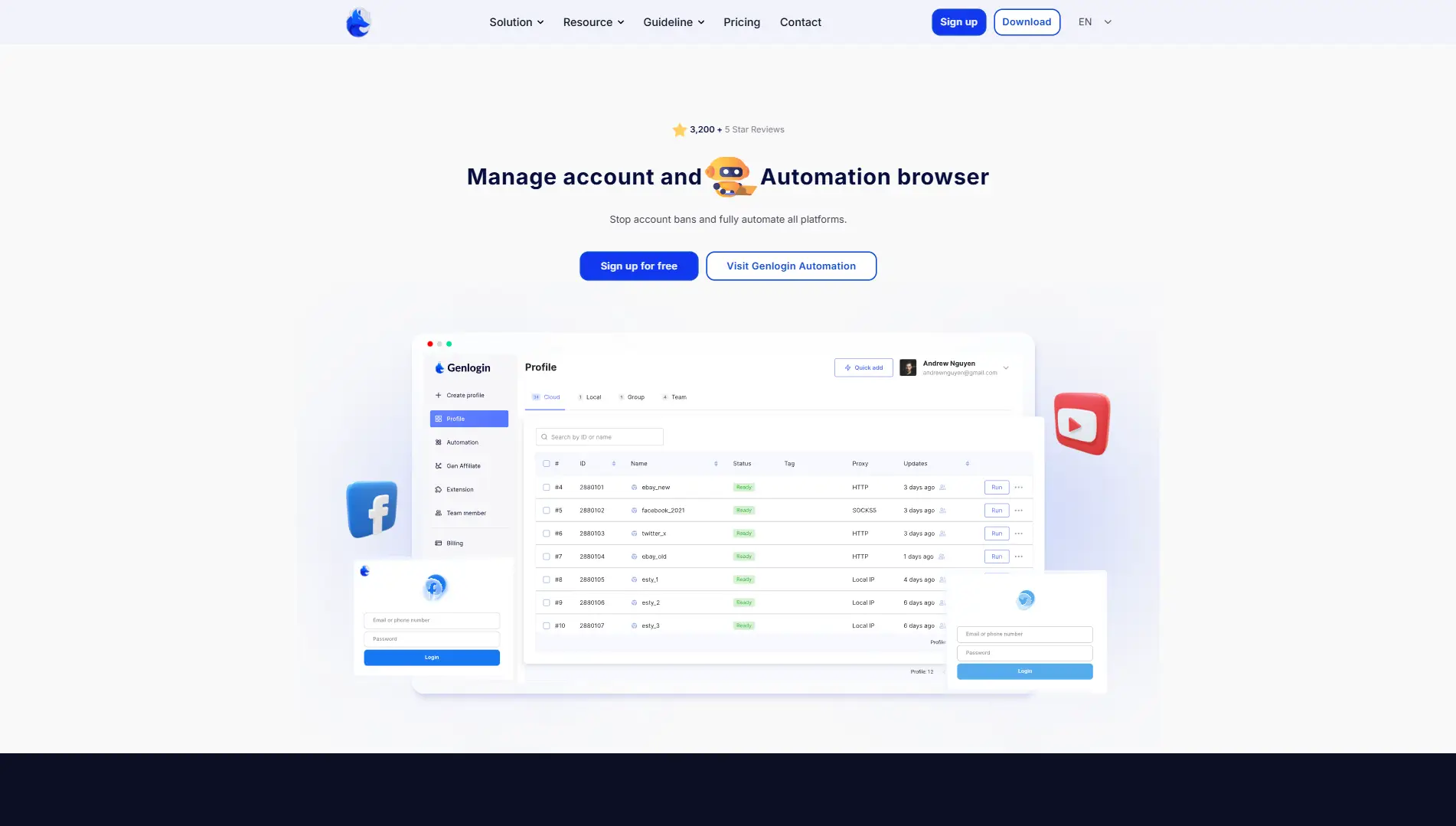
If the safer choice is to build clean accounts instead of trying to buy old twitter accounts, the next step is managing them well. That is where DICloak can help. It is built for multi-account work, with isolated browser profiles, custom fingerprint settings, proxy support, and team tools that make account operations easier to organize.
Managing Multiple Twitter Accounts in Isolated Browser Profiles
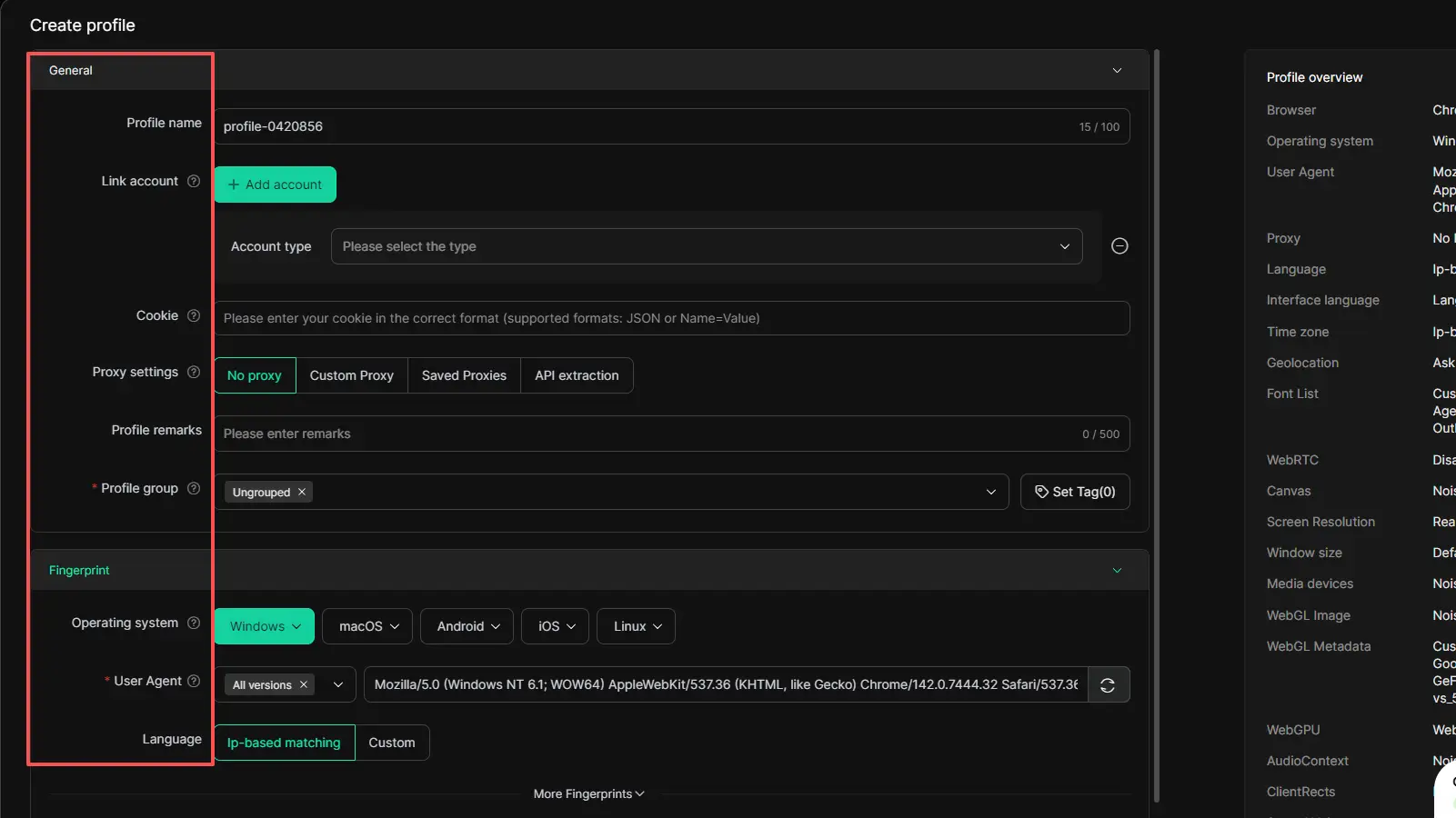
DICloak lets each Twitter account run in its own browser profile. This helps keep accounts separate instead of mixing everything in one browser session. For teams handling several accounts, that makes daily management cleaner and more controlled.
Reducing Cookie Conflicts and Account Crossover
A common problem in multi-account work is cookie mixing and account crossover. DICloak helps reduce that risk by keeping browser data separated by profile. It also supports proxy setup for each profile, which gives users more control over different account environments.
Improving Team Collaboration for Social Media Work
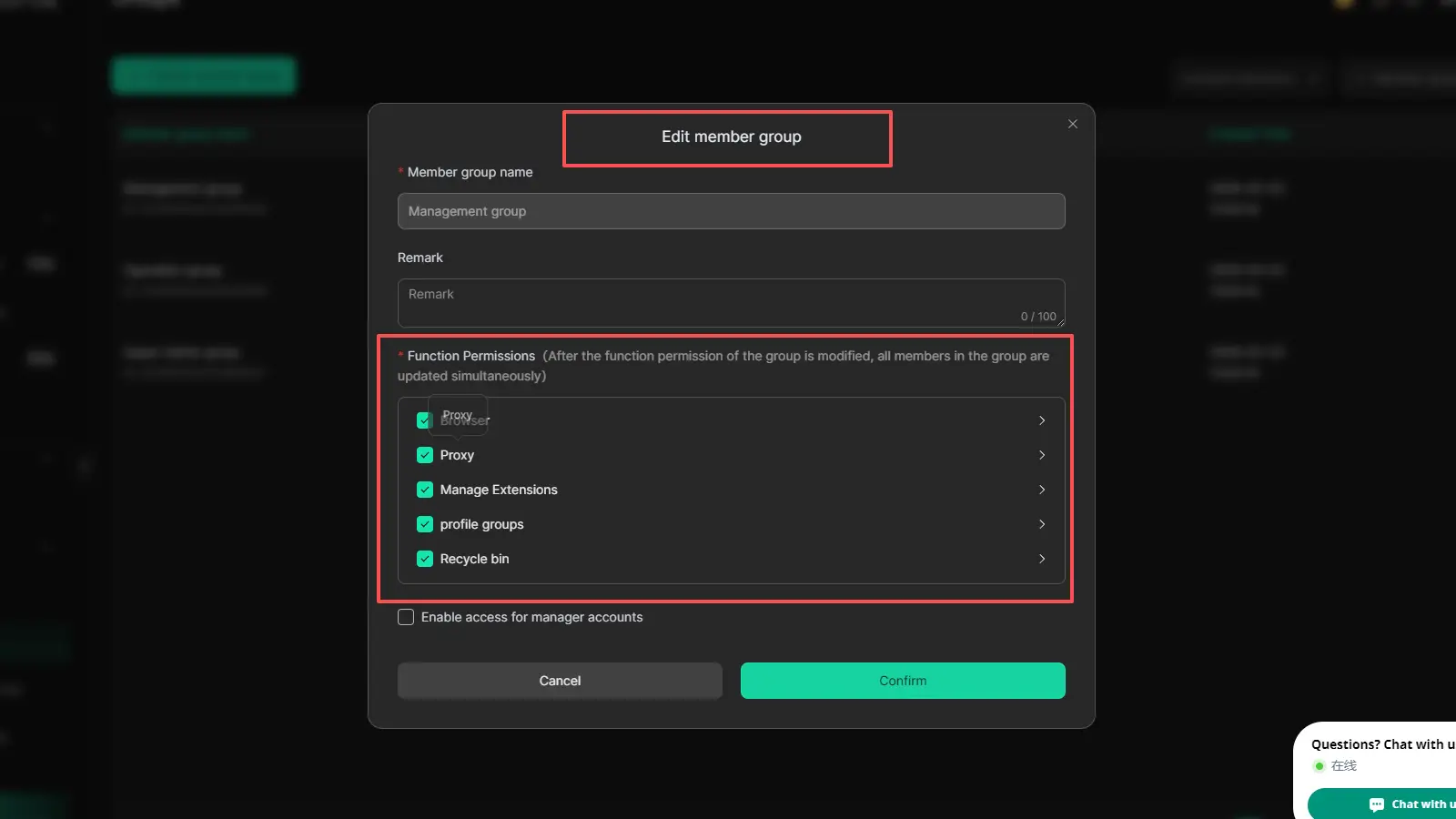
DICloak also works well for teams. It supports profile sharing, member permissions, and operation logs, so account access can be managed in a more organized way. Features like website access restrictions and security protection mode add another layer of control, which is helpful for shared social media work.
FAQs About Buy Old Twitter Accounts
Q1: Is it legal to buy old Twitter accounts?
The bigger issue is usually platform policy, not just local law. If you want to buy old twitter accounts, you should know that X says handle rights are non-transferable, and attempts to sell or transfer a handle or even a whole account can lead to the handle being reclaimed and involved accounts being suspended.
Q2: Can a purchased Twitter account be recovered by the original owner?
Yes, that risk is real. When people buy old twitter accounts, the original owner may still control the email, phone number, or recovery path. If that happens, the account can be challenged, recovered, or locked later, especially if ownership signals do not look clean. X also says compromised accounts may show strange changes in posts, follows, or account settings.
Q3: Why do some aged accounts get suspended after transfer?
Aged accounts can get suspended or limited when the platform sees unusual changes. For users trying to buy old twitter accounts, common problems include sudden login changes, mismatched behavior, unclear ownership, or signs of inauthentic activity. X says it may limit or challenge accounts that appear suspicious or break its authenticity rules.
Q4: Are old Twitter accounts better than starting a new one?
Not always. People search buy old twitter accounts because older accounts seem faster and easier to use, but age alone does not guarantee trust, reach, or account health. A new account with clear ownership, good security, and steady content is often more stable over time than an old account with hidden risks. This is an inference based on X’s policies around authenticity, account challenges, and recovery.
Q5: What is the safest alternative to buy old Twitter accounts?
The safest alternative to buy old twitter accounts is usually building a new account the right way. That means using a complete profile, strong security, stable ownership, and real content to grow trust over time. This avoids transfer-related policy risk and reduces the chance of recovery disputes or account limits later.
Conclusion
The idea to buy old twitter accounts may sound like a fast shortcut, but it often comes with more risk than people expect. Account history, ownership issues, scam risk, and platform rules can all turn an aged account into a poor investment. For some users, an old account may look attractive at first, but age and follower count do not guarantee real value. In many cases, building a clean account from the start is the safer and smarter path. For teams that need to manage multiple accounts, the real priority should be staying organized, protecting account access, and reducing avoidable risk over time.
 Web Proxy Tools
 Free Tools
 Cookie Plugin
 UA Generator
 MAC Address Generator
 IP Generator
 IP Address List
 2FA Code Generator
 World Clock
 Anonymous Check
 WebRTC Leak Test
 UUID Generator
 Free Web Proxy Site
 Proxy Checker
 FB Ad Checker
 AI Web Scraping
 Free SMM Tools
 Twitter Shadowban Checker
 Instagram Name Checker
 UTM Generator
 Username Generator
 AI Hashtag Generator
 LinkedIn Headline Generator
 Social Media Image Resizer