When a single mistake can trigger instant bans across dozens of assets, buying YouTube accounts in bulk isn’t just risky, it’s a minefield. One agency lost access to 120 channels overnight after Google flagged fingerprint overlaps and recycled recovery emails, according to Reddit’s r/YouTube. That’s not rare; bulk buyers are now seeing stricter account checks and faster clampdowns, especially when accounts are transferred from sellers who use the same device or IP for mass registration. The promise sounds simple: pay, receive bulk YouTube accounts, and start scaling. But the fine print hides what matters, are those accounts aged? Is the recovery info truly wiped? Will buying multiple YouTube accounts actually let you run campaigns safely, or will you be caught in the next sweep?
If you’re searching for how to buy youtube accounts in bulk or want to purchase youtube accounts in bulk for marketing, automation, or channel launches, there’s more to check than price and delivery speed. Hidden risks, like session leaks, mismatched fingerprints, and recycled credentials, can turn a cheap deal into a costly rebuild. This guide details what to verify before you pay, why some bulk accounts fail even when they look clean, and how to set up safer management workflows. From high-volume buying steps to handling account handovers, here’s what experienced teams do differently to keep their channels alive.
What Should You Check Before Buying YouTube Accounts in Bulk?
Paying for bulk YouTube accounts isn’t just a matter of finding a seller and sending money. If you skip even one key step, you could end up with locked channels, accounts that drop off in days, or funds lost to a scam. Before you buy youtube accounts in bulk, slow down and check what really matters, not just a spreadsheet of emails and passwords.
How to Spot Real vs. Fake YouTube Accounts
Too many bulk sellers offer accounts that look real on the surface but fall apart in use. Don’t just ask for “aged” or “verified” accounts. Instead, check for consistent activity, have these accounts watched videos, left comments, or uploaded anything? Real bulk youtube accounts will show a history of genuine engagement, not just a profile photo and a registration date.
Look for warning signs: accounts with no subscriptions, no watch history, or generic profile images are often farmed or automated. If you receive test logins, use a different IP and browser for each, if all accounts trigger “unusual activity” warnings, they’re likely linked or recycled. If you want to buy multiple youtube accounts for marketing, insist on proof of activity, not just spreadsheets.
What Makes a Seller Trustworthy (or Not)
A seller’s social proof matters more than a fancy website. Search for reviews on sites like Trustpilot or Reddit’s r/socialmedia. A trustworthy seller will have consistent feedback, not just a handful of one-line praises. Watch for sellers who refuse live tests, rush you to bulk deals, or won’t explain how their accounts are created; these are classic scam flags.
Legit sellers often agree to a small paid test batch or let you check accounts before full delivery. If you’re about to purchase youtube accounts in bulk and the seller blocks these steps, walk away. If you skip these checks, you risk losing both money and the ability to run stable campaigns.
Now, even with careful checks, bulk-bought YouTube accounts still get banned at a high rate, so what’s actually causing these bans?
Why Do Bulk-Bought YouTube Accounts Get Banned So Fast?
Buying YouTube accounts in bulk looks like a shortcut for fast channel launches or mass marketing, but bans often hit weeks, or even hours, after you log in. The main triggers aren’t about the seller’s promises, but about how YouTube’s systems spot patterns that don’t match normal user behavior. Understanding these detection points is what separates accounts that last from those that get wiped in a sweep.
How YouTube Detects Suspicious Bulk Activity
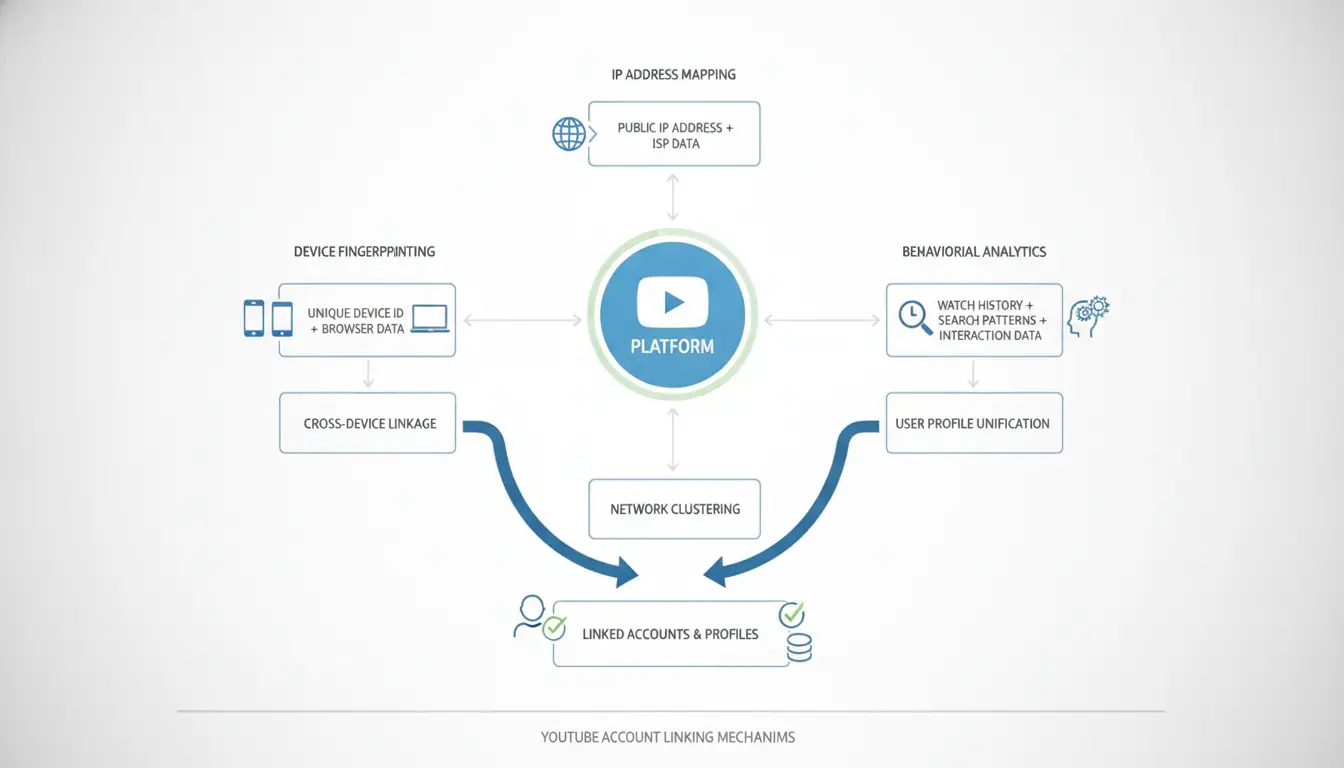
YouTube tracks more than just logins. When you buy youtube accounts in bulk, the biggest risk is that many accounts end up showing the same IP address, device fingerprint, or browser configuration. For example, logging into 30 new accounts from the same laptop, even across different browsers, creates a clear pattern. YouTube’s anti-abuse system flags these clusters, comparing device IDs, time zones, and even hardware details.
Mass actions, like uploading videos or changing settings on several accounts within minutes, raise another set of red flags. Even if each account is technically unique, too many actions from one network or device group can link them together. The more “bulk” your workflow looks, the easier it is for YouTube’s detection algorithms to connect the dots.
Common Mistakes That Lead to Instant Restrictions
Most bans aren’t random. They usually follow a set of mistakes that repeat across teams trying to buy multiple YouTube accounts and push them live at once. Logging in too quickly, skipping proxy setup, or reusing browser profiles from one account to the next are common triggers. Automation scripts that act faster than any real person can, like subscribing, liking, or commenting from dozens of accounts in seconds, also set off alarms.
Even changing recovery emails or passwords in rapid-fire batches can make YouTube freeze accounts for “suspicious activity.” The safest approach is to stagger logins, separate browser profiles, and treat each account as if it really belongs to a different human. That reduces the chance your entire batch disappears before you even start. Next: why some bulk youtube accounts cost much less, and what that actually means for survival.
How Is Bulk YouTube Account Pricing Set, and What’s Actually Worth Paying?
Getting fair pricing when you buy YouTube accounts in bulk isn’t just about hunting for the lowest number. What you’re really paying for is how long those accounts last, which platforms they can survive on, and whether you’ll have to clean up problems later. Before you transfer funds, understand what moves the price up or down, and when “cheap” is a warning sign, not a win.
What Factors Drive Bulk Account Prices
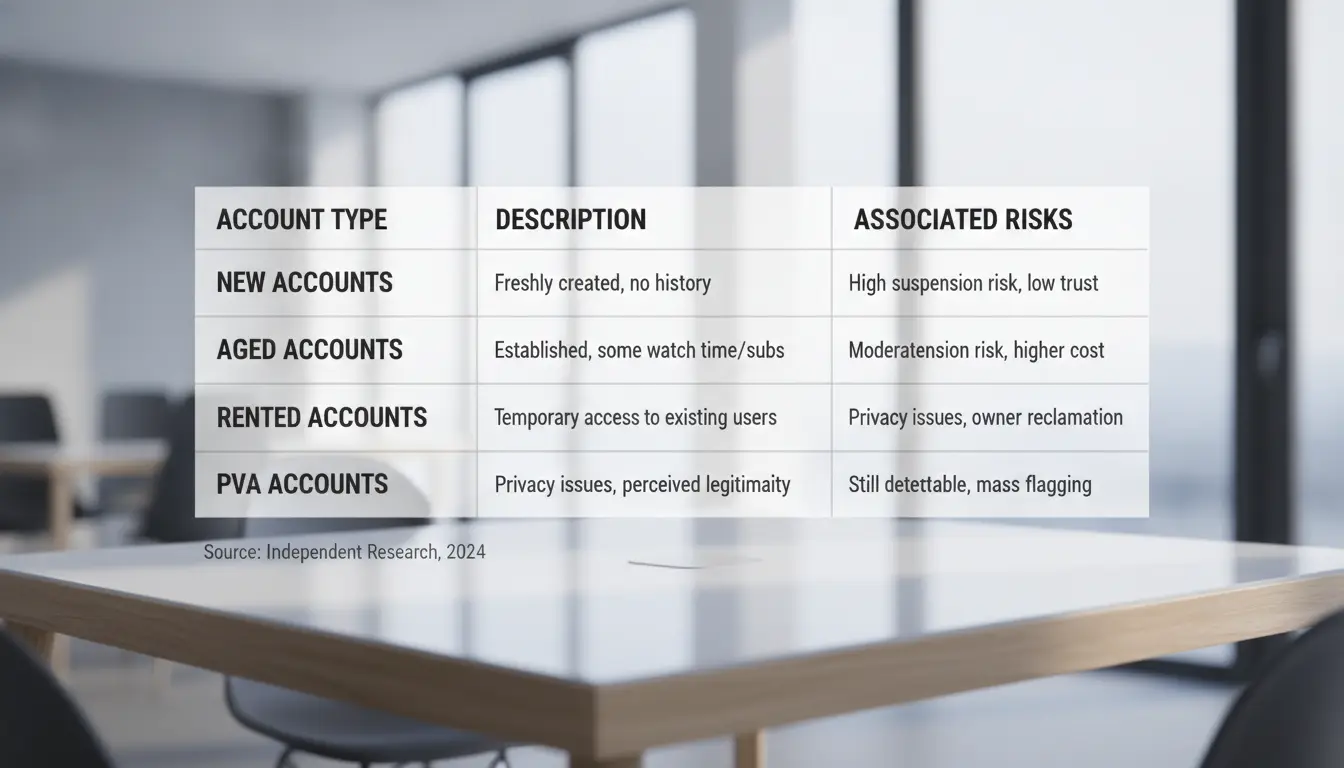
Not all bulk YouTube accounts are equal. The main pricing drivers are age, country, verification, and channel history. For example, aged accounts (6+ months old) usually cost more because they’re less likely to trigger review or suspension during bulk use. Accounts from countries with higher trust scores, like the US, UK, or Germany, tend to cost more than mass-registered accounts from random regions.
Another difference: whether the accounts are phone verified (PVA) or just email created. PVA batches can cost 30–60% more but pass platform checks better. Some sellers offer accounts that already have videos uploaded, basic channel setup, or organic-looking activity. Those extras raise price, but also raise the odds the account survives a campaign. See the table:
| Account Type |
Typical Price Range |
Risk Level |
Notes |
| Fresh, Email Only |
$0.20–$0.50 |
High |
Easy to mass-ban, often recycled |
| Fresh, PVA |
$0.50–$1.50 |
Medium |
Better survival, still short-lived |
| Aged, PVA |
$1.50–$5.00 |
Low |
Harder to create, lasts longer |
| Aged, PVA, Setup |
$3.00–$8.00+ |
Lowest |
With history, much harder to ban |
Source: YouTube Help and current bulk seller listings
When a Cheap Account Is Actually a Bad Deal
A deal that looks great on price often hides problems. Low-cost, low-quality batches, especially below $0.40 per account, are usually automated dumps. They share similar fingerprints, use recycled phone numbers, or have reused recovery emails. That means when you buy multiple YouTube accounts this way, you risk a sweep: one ban triggers dozens more.
Don’t just compare based on price per account. Ask the seller for batch samples, details on age, and proof of phone verification. If they dodge these, expect issues. Paying a little more for clean, aged, unique accounts saves you the cost and time of constant replacements. The next section covers how scams actually happen when you purchase YouTube accounts in bulk, so you can spot them before you lose money.
Where Do Most Buyers Get Scammed When Purchasing YouTube Accounts in Bulk?
Bulk buying sounds simple, but actual scam rates stay high, especially for teams new to large orders. The same tricks hit both newcomers and experienced marketers. Here’s where deals break down, and what to watch for before you buy youtube accounts in bulk.
Marketplace vs. Private Seller Risks
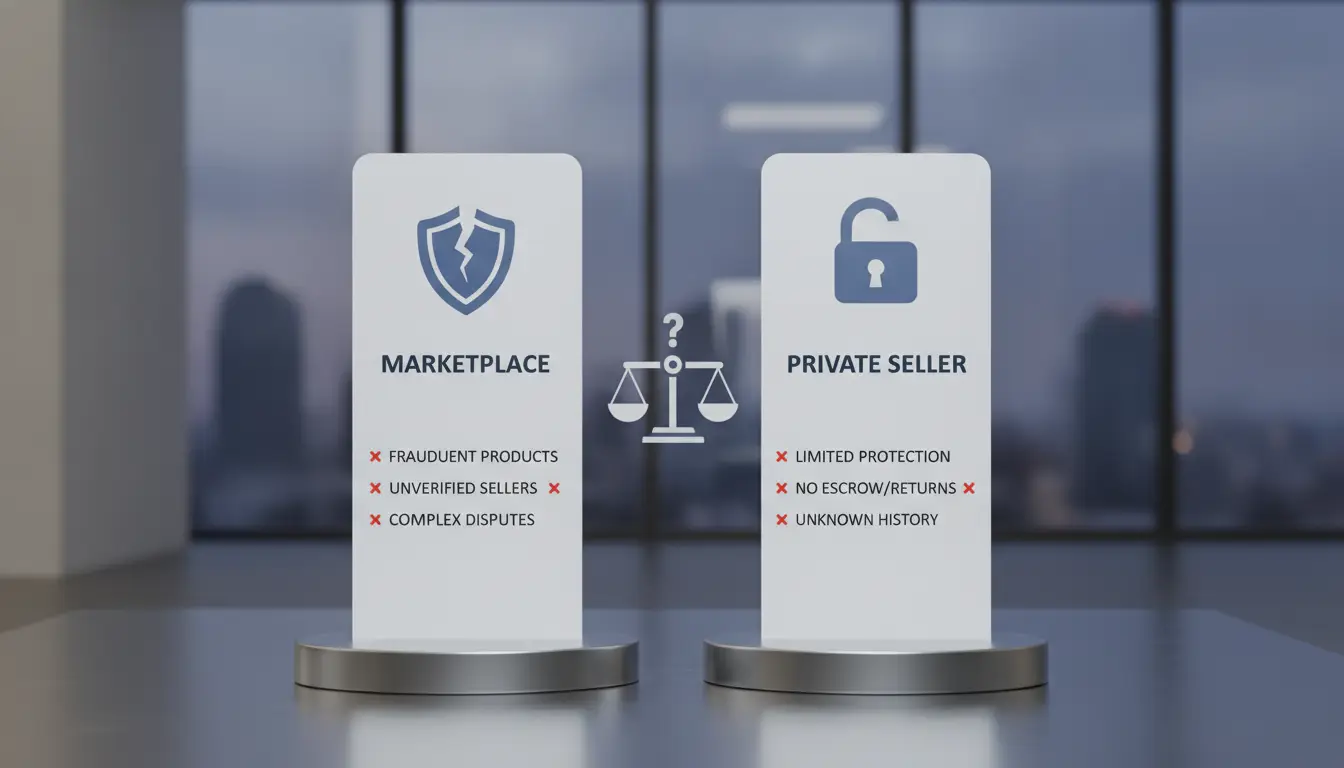
Public marketplaces often look safer, but many run on fake reviews and recycled listings. Mass sellers may promise “aged” or “verified” bulk youtube accounts, yet often ship accounts created in batches with the same device or IP. That gets them flagged within days, sometimes before you log in. Private sellers claim better quality or exclusive sources. The real risk? No oversight. If a seller vanishes after payment or sends reused credentials, there’s rarely any recourse.
Escrow and middlemen help, but only if you’re using a trusted service. On Telegram or Discord, so-called “guarantors” often work with the seller. If the escrow handles both funds and account delivery, you can still get locked out if accounts fail or recovery info isn’t cleared. On PlayerUp, EpicNPC, or other trading forums, review the latest scam reports, look for threads where buyers lost funds on bulk deals.
Red Flags Before, During, and After Payment
The payment method says a lot. Demands for crypto only, especially with “discount for bulk,” are a classic scam signal. Avoid sellers who refuse to use any platform with chargeback options, or who offer “guarantees” that disappear after you pay. Some sellers provide fake screenshots or doctored logs to “prove” accounts are aged or active. After payment, refund promises often become endless delays or demands for extra verification.
The easiest way to get scammed? Rushing into a deal because a seller shows you a big follower count, a “verified” badge, or claims instant delivery, without letting you test a sample account or check recovery details yourself.
If you do get the accounts, don’t assume the risk ends there. The real challenge starts as soon as you log in, covered in the next section on immediate changes after transfer.
What Should You Change Immediately After Taking Over Bulk YouTube Accounts?
Buying YouTube accounts in bulk is never the end, what you do in the first hour matters most. You can lose everything to hidden owner access or trip automated bans before your campaign even starts. The right steps here can make the difference between stable new channels and a pile of locked accounts.
Securing Accounts: Passwords, Recovery, and Ownership
Change every password right away, don’t use the same password for all accounts. If you skip this, the original seller or anyone who got the old list can get back in. Update recovery email and phone numbers to your own, and confirm these changes by logging in from a clean device. Some sellers leave backup codes or third-party apps connected. Check the Google Account security page for “third-party access” and remove anything you don’t recognize. If you notice an old recovery email reappearing or can’t remove a backup contact, the account may have a hidden backdoor, replace it or contact support.
How to Prepare Accounts for New Use Without Triggering Bans
Bulk YouTube accounts are more fragile in the first week after transfer. If you buy multiple YouTube accounts and start uploading or changing details on day one, Google’s risk systems can flag you as a mass abuser. Instead, log in from a fresh browser profile and proxy for each account. Wait 24–48 hours before making big changes like adding channel art or linking AdSense. Start with light actions: watch a few videos, update the bio, or comment naturally. Spread these steps over several days, sudden activity spikes look fake and can trip automated reviews.
If you skip the slow warmup, bans and verification prompts are almost guaranteed. It only takes one misstep to lose the whole batch. Getting these basics right sets you up for safer team management, which is the next challenge most bulk buyers face.
How to Manage Bulk YouTube Accounts Safely as a Team (and How DICloak Helps)
Why Team Use Increases Risk: IP, Fingerprint, and Permission Issues
When multiple people handle bulk YouTube accounts, the risk jumps fast. Shared logins on the same device or browser can link accounts together, making them easier for YouTube to flag. Even small mistakes, like logging two accounts from the same IP or browser fingerprint, can trigger mass bans. Teams often overlook how easy it is to cross-link accounts with recycled credentials or sloppy session handling.
How DICloak Makes Bulk Account Management Safer
You can use DICloak to keep every YouTube account in a separate browser profile, each with its own fingerprint and proxy. This isolation stops accidental cross-linking and reduces bans. For teams, DICloak lets you assign access to specific profiles, set permission levels, and review actions through audit logs. That means you control who sees which account, and you can catch mistakes before they turn into a sweep.
Practical Steps: Using DICloak for Bulk YouTube Accounts
Set up one DICloak profile per account, bind a unique proxy, and share access only with team members who need it. Use RPA automation to handle repetitive tasks, like login, channel checks, or uploads, without manual errors. Isolation plus clear permissions is the single biggest factor in keeping bulk YouTube accounts alive when buying in bulk.
When Is Buying YouTube Accounts in Bulk the Wrong Move?
Buying YouTube accounts in bulk can look like a shortcut, but it’s not always the best call. Some teams end up rebuilding from scratch, or worse, watching their channels get banned, because they chose the wrong approach for their goals. Here’s when buying goes sideways, and when building yourself beats shortcuts.
Use Cases Where Buying Makes Sense (and Where It Doesn’t)
If you need a fast start for testing ad creatives, automation, or running growth-hacking experiments, buying bulk YouTube accounts can help, if you handle risk and use strong management tools. But for long-term content, brand channels, or anything tied to a real business, buying often creates more problems than it solves.
Legal and compliance risks are easy to miss. YouTube’s terms ban buying and selling accounts, so if your project is tied to a public brand or monetization, a sweep or user report can wipe out all progress, even if you thought those accounts were “safe.” You can see the difference in risk and fit here:
| Scenario |
Buying Bulk Accounts |
Organic Growth |
| Fast testing / short-term campaigns |
✔️ |
❌ |
| Brand / monetized channels |
❌ |
✔️ |
| Automation (risky actions) |
✔️ (if careful) |
❌ |
| Compliance / legal exposure |
❌ |
✔️ |
Alternatives: Growing Accounts Organically vs. Buying
Growing accounts yourself takes time, but it’s much harder for YouTube to link or ban them in a sweep. With organic growth, you control every signup, recovery detail, and activity, nothing is recycled or shared across buyers. This pays off for anyone who needs accounts to last, or can’t afford to lose them overnight.
Buying bulk accounts can work for low-stakes, disposable use, but it can backfire fast if you need control, trust, or stability. The safest move for any account you care about is to build it yourself, even if that means going slower at first. The FAQ below covers more edge cases and practical tips for 2026.
FAQ: Bulk YouTube Account Buying in 2026
Is it legal to buy YouTube accounts in bulk?
Buying YouTube accounts in bulk usually breaks YouTube’s Terms of Service. Accounts can be banned or deleted, and money is rarely refunded if caught. Check your country’s laws, some have extra rules on digital identity sales.
Can I pay with crypto for bulk YouTube accounts?
Most bulk sellers accept crypto because it’s hard to reverse payments or trace buyers. This also means you have less recourse if a deal goes bad. Use trusted marketplaces and never send funds before seeing proof the accounts exist.
How many accounts should a beginner buy at once?
Start small. Test with 2–5 accounts before scaling up. This lets you spot recycled or flagged accounts early, instead of losing a bigger investment.
Can I use bulk YouTube accounts on one device?
Running multiple YouTube accounts on a single device triggers detection fast. Use separate profiles or a browser fingerprinting tool to reduce risk.
Is buying better than building for channel launches?
For speed, buying can help. For long-term safety, building accounts yourself, or using aged, clean accounts, is usually safer.
Frequently Asked Questions About buy youtube accounts in bulk
Is it legal to buy YouTube accounts in bulk in 2026?
Buying YouTube accounts in bulk often breaks YouTube’s rules, but it isn’t always illegal in every country. Some countries allow purchasing accounts, while YouTube’s policies forbid it. If you buy youtube accounts in bulk, your accounts can be banned or deleted. Always check your local laws and YouTube’s terms before purchasing.
Can I pay for bulk YouTube accounts with crypto safely?
Paying with crypto is common when you buy multiple youtube accounts. Crypto payments are fast and private, but if you get scammed, you can’t get your money back. Only pay trusted sellers and use escrow services to protect your funds. Double-check seller reviews and reputation before any crypto transaction.
How many bulk YouTube accounts can I safely manage from one device?
Managing bulk youtube accounts from one device is risky if you don’t use isolation tools. Using separate browser profiles, proxies, and tools like DICloak helps prevent detection. With good isolation, you can safely operate 5–30 accounts, but poor setup can lead to mass bans. Always keep accounts separated.
What’s the best way to avoid mass bans after you purchase YouTube accounts in bulk?
To avoid mass bans after you purchase youtube accounts in bulk, isolate each account’s IP address and browser fingerprint. Warm up accounts slowly by watching videos, subscribing, or commenting over several days. Don’t perform risky actions on all accounts at once. These steps reduce detection and increase account lifespan.
Can I use bought YouTube accounts for monetization or ads?
Using bought YouTube accounts for monetization or ads is very risky. YouTube can flag accounts for unusual activity and claw back earnings. Many users report losing channel access or ad revenue after buying accounts. If you buy youtube accounts in bulk, expect high ban rates and strict review for monetization.
Buying YouTube accounts in bulk can offer marketers and businesses a fast track to scaling their online presence, but it comes with risks such as violating platform policies and potential account quality issues. It's important to evaluate your sources carefully and ensure you have reliable tools to protect your privacy and manage accounts effectively. Try DICloak For Free
 Web Proxy Tools
 Free Tools
 Cookie Plugin
 UA Generator
 MAC Address Generator
 IP Generator
 IP Address List
 2FA Code Generator
 World Clock
 Anonymous Check
 WebRTC Leak Test
 UUID Generator
 Free Web Proxy Site
 Proxy Checker
 FB Ad Checker
 AI Web Scraping
 Free SMM Tools
 Twitter Shadowban Checker
 Instagram Name Checker
 UTM Generator
 Username Generator
 AI Hashtag Generator
 LinkedIn Headline Generator
 Social Media Image Resizer