Have you ever wondered how websites know where you’re located or how businesses detect suspicious online activity? The IP2 network makes all of this possible. By analyzing IP addresses, it provides businesses with powerful insights into user behavior, location, and potential risks. Whether you're looking to enhance security, deliver personalized experiences, or improve marketing strategies, the IP2 network can help. In this guide, we’ll break down how it works, the benefits it offers, and how you can leverage it for success. Ready to see how it can transform your digital approach? Let’s explore!
What is the IP2 Network?
The ip2 network is a system that helps computers and services learn more about an online user’s IP address. An IP address is a number that shows where a device connects to the internet. The IP2 network maps these addresses to useful details like location, Internet Service Provider (ISP), connection type, and risk level. This makes the internet smarter and safer for people and businesses online.
For example, online stores can show prices in the local currency, or banks can detect fraud by checking if logins are from unusual locations.The IP2 network plays a vital role in making the internet safer and smarter for both users and businesses.
Key Features of the IP2 Network
- IP Geolocation: Identifies the physical location of a user.
- ISP & Connection Data: Shows whether the user is on mobile or broadband.
- Risk Insights: Flags high-risk IP addresses to prevent fraud.
- Proxy Detection: Identifies users hiding their location.
These features help businesses customize services, enhance security, and comply with regional regulations.

How the IP2 Network Works?
Technical Mechanisms Behind the IP2 Network
The IP2 network maps IP addresses to essential data like location, ISP, and risk level. It works by checking an IP address against a large, updated database. This database contains information sourced from ISPs, network scans, and user feedback. The system returns data quickly, allowing businesses to act fast and make informed decisions.
Role of ISP Partnerships and User Contributions
The accuracy of the IP2 network is supported by ISP partnerships and user contributions. ISPs provide updates on IP ranges and location changes, keeping data reliable. Users can also contribute by sharing location information through apps, helping improve the accuracy of the database over time. This collaboration ensures that the ip2 network remains current and precise.
Getting Started with the IP2 Network
Step-by-Step Guide to Accessing the IP2 Network
To begin using the ip2 network, you first need access to an IP2 online service or API. Many providers offer web‑based tools that give you IP data in real time without heavy setup. For example, some IP geolocation APIs let you send an IP address and return details like country, city, ISP, and proxy status over the internet.
Here is a simple sequence to start:
1. Choose a trusted IP2 service provider. Look for one with good accuracy and clear documentation.
2. Sign up for an account. Many services offer free plans or trials to begin.
3. Get your API key or access token. This key lets you make queries to the ip2 network services.
4. Connect to the API endpoint. Use a tool or code to send the IP you want to check.
5. Review results online. The response shows geolocation, network info, and security flags in a simple format.
This process makes the ip2 network available to your app or website quickly and safely.
Installation and Configuration Tips
Once you have access to an IP2 online service, you need to configure it for your needs. First, read the provider’s documentation. It explains how to build requests and how to format responses.
Here are practical tips:
- Keep your API key secure. Don’t share it publicly.
- Test with a few IPs first. Try local and foreign IPs to see what data comes back.
- Check rate limits. Free plans often limit daily queries. Upgrade if you need more access.
- Use simple code helpers. Many providers offer libraries or sample code to make setup easier.
Benefits of the IP2 Network
High Data Accuracy and Global Coverage
The IP2 network provides accurate IP data, including location, ISP, and connection type. This data is updated frequently, ensuring businesses get reliable and current information. With global coverage, the ip2 network helps companies reach users worldwide and make informed decisions. Its high accuracy reduces errors in location and identity checks, making it ideal for security and fraud prevention.
Enhanced Decision‑Making Capabilities
The IP2 network enables better decision‑making across industries. It allows businesses to:
- Identify and block risky traffic for better security.
- Personalize content for users based on their region and preferences.
- Ensure compliance with regional laws and avoid penalties.
- Optimize marketing strategies by targeting users more effectively.
With accurate IP insights from the ip2 online service, businesses can improve performance and reduce risks.
Real-World Applications of the IP2 Network
The IP2 network plays a key role in cybersecurity, marketing, and compliance. By providing accurate IP data, it helps businesses make smarter decisions and protect users.
Use Cases in Cybersecurity
The IP2 network helps security teams detect and block threats. It checks the source of IP addresses and flags suspicious activity, such as logins from unusual locations or proxies. This prevents fraud and strengthens security layers.
Applications in Marketing Analytics and Compliance
In marketing, IP2 network data helps personalize content based on location and user behavior, improving engagement and performance. It also ensures compliance by restricting access to services based on regional laws, avoiding legal issues.
Challenges and Limitations of the IP2 Network
While the IP2 network provides valuable data, it does have some limitations that can affect its accuracy and effectiveness.
The IP2 network offers good location data, but it’s not always precise. IP addresses are often grouped in broad ranges, which means the exact location may not always be accurate, especially at the city or street level.
Many devices use dynamic IPs that change frequently, especially with mobile networks. This can lead to inaccurate or outdated location data when using the IP2 network.
The IP2 network relies on regular updates from various sources. However, there can be delays between changes in IP allocations and when those updates are reflected in the database.
- Privacy and Legal Constraints
Using IP2 network data must comply with privacy laws like GDPR. Organizations need to be careful with how they use and store location and IP information to avoid legal issues.
Legal and Ethical Considerations
As the IP2 network becomes more common in business and online systems, it’s important to understand the legal and ethical issues that come with using IP data. This helps teams use ip2 online data in a way that is safe, fair, and compliant with the law.
Understanding the Legal Grey Areas
Laws about location and IP data vary by region. In Europe, IP addresses are often treated as personal data under the GDPR when they can link to a real person. This means companies must protect IP data and follow strict rules about how it is collected and used. Failure to comply with GDPR can lead to fines and legal challenges.
In the United States, state laws like the California Consumer Privacy Act (CCPA) include location data under personal information. Companies must disclose what data they collect and how they use it. Some states now require clear user consent before using precise location data.
Because legal standards are still evolving, the IP2 network may fall into legal “grey areas” where rules are not yet clear. Companies must stay informed and adjust their privacy practices as new laws emerge.
Ethical Implications of Using the IP2 Network
Beyond legal rules, there are ethical concerns with using IP data. Even when the law allows collection of IP addresses, using that data without transparency can hurt user trust. Users may feel uneasy if they don’t know how their IP information is used. Ethical use means being clear with users about IP tracking and giving them control where possible.
Another ethical issue is data minimization. Collect only what is needed for the task. Holding excessive IP data can increase risk if there is a data breach. Teams should limit retention and protect stored IP information. This approach not only aligns with many privacy laws, but also shows respect for user privacy.
Understanding both legal and ethical responsibilities helps businesses use the IP2 network in a way that protects users and supports long‑term trust.
Why choose DICloak Antidetect Browsers for your business?
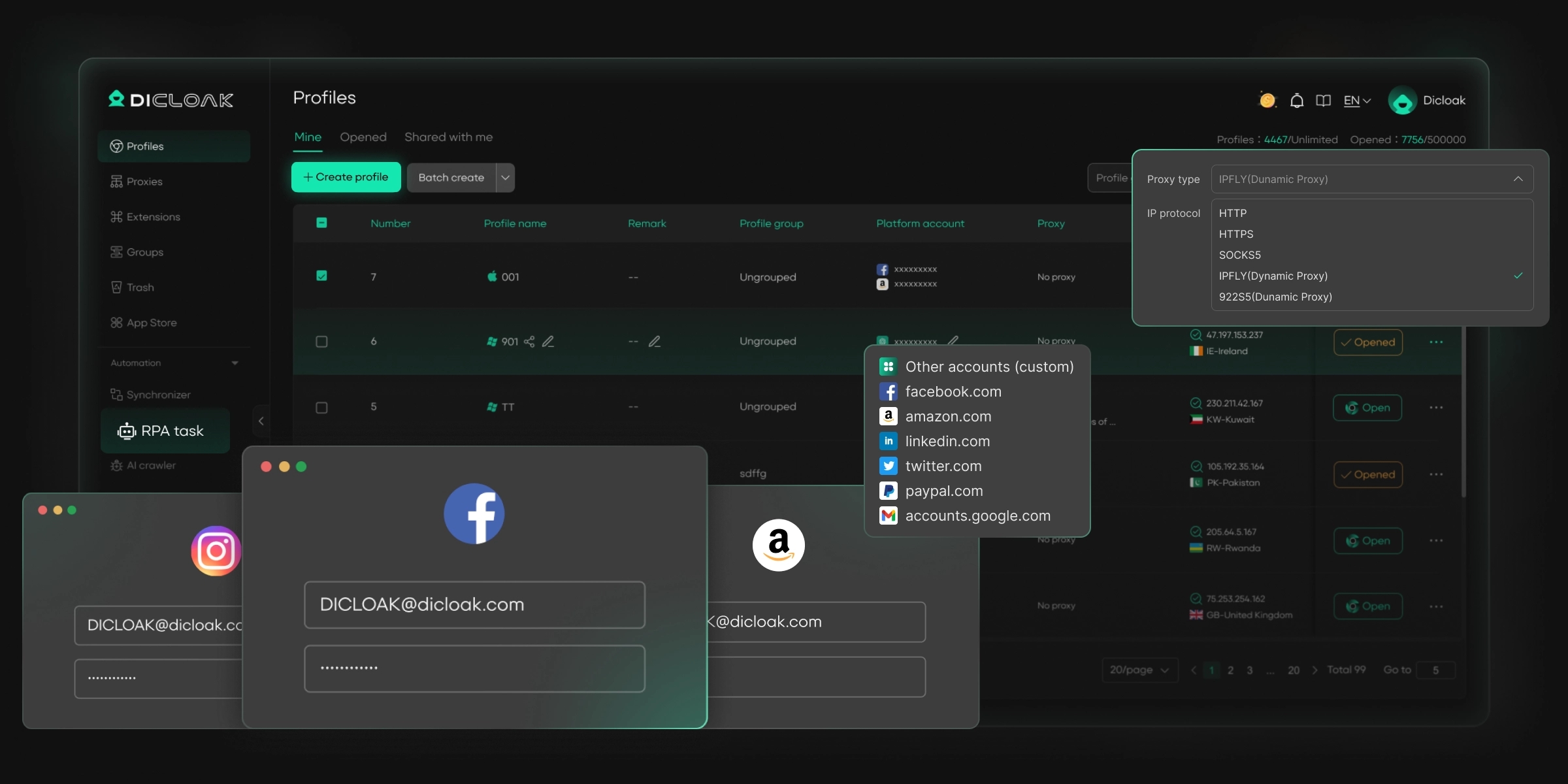
⚡The DICloak Antidetect Browser has become a global favorite for its unparalleled ability to efficiently and securely manage multiple accounts. Designed for professionals in airdrops, DICloak offers powerful features like RPA automation, bulk operations, and synchronizer. Additionally, it allows you to customize fingerprints and integrate proxies for each profile, ensuring top-level security and operational efficiency. It’s the ultimate tool for seamless, secure, and scalable operations.
What Makes DICloak Stand Out?
✅ Manage 1,000+ Accounts on One Device: Stop wasting money on extra hardware! DICloak allows you to manage multiple accounts on a single device, cutting costs and boosting efficiency.
✅ Guaranteed Account Safety, No Ban Risks: Every account gets its own isolated browser profile with custom fingerprints and IPs, drastically reducing the risk of bans. Your accounts, your control!
✅ Flexible Proxy Configuration for Maximum Performance: Seamlessly integrate with all major proxy protocols (HTTP/HTTPS, SOCKS5) and manage your proxy pool with bulk operations. No more struggling with IP management—DICloak has you covered.
✅ Streamlined Team Collaboration for Better Results: Easily manage your team with advanced tools like profile sharing, permission settings, data isolation, and operation logs. Your team works smarter, not harder.
✅ Automate the Grind with RPA: DICloak's built-in RPA saves you hours of manual work. Automate repetitive tasks, streamline workflows, and focus on what really matters—growing your business.
✅ Powerful Bulk Tools to Scale Your Operations: Create, import, and launch multiple browser profiles in one click. DICloak makes scaling your business as easy as it gets.
✅ Compatible with All Major Operating Systems: Based on the Chrome core, DICloak supports simulating Windows, Mac, iOS, Android, and Linux operating systems. No matter what platform you need, DICloak has you covered.
🔗 Ready to Get Started?
Visit the DICloak website to explore more details and choose the plan that’s right for you. Start for free today and experience the power of secure, efficient, and scalable multi-account management!
The Future of the IP2 Network
The IP2 network is evolving rapidly. As technology advances, IP data will become even more important for businesses, offering smarter solutions for security, marketing, and compliance.
Trends and Innovations on the Horizon
- AI and Machine Learning: AI will improve IP data accuracy and speed, making real‑time insights more valuable.
- 5G and Mobile Growth: The rise of 5G and more connected devices will increase the demand for fast, accurate IP data.
- IoT Device Expansion: With billions of new devices online, the IP2 network will track and manage dynamic IPs.
- Edge Computing: Data processing closer to users will require quicker IP insights, improving performance.
Predictions for the Evolution of the IP2 Network
- More Integration: IP data will be integrated into more platforms, from security to marketing.
- Hybrid Data Accuracy: Combining IP data with behavioral insights will increase reliability.
- Stronger Compliance: Tools will evolve to help businesses comply with privacy laws globally.
- Predictive Insights: Future systems will not only show data but predict user behavior and risks in real time.
IP2 Network vs. Tor: A Comparative Overview
The IP2 network and Tor serve very different purposes online. This comparison helps readers see where each technology fits in the digital world.
| Feature |
IP2 Network |
Tor |
| Goal |
Provides data about IP addresses (location, ISP, risk) |
Hides user identity and activity online |
| Function |
IP data lookup and analysis |
Anonymous routing of internet traffic |
| Typical Use |
Security checks, marketing, compliance |
Private browsing and hidden services |
| Data Type |
Structured, real‑time IP intelligence |
Encrypted traffic routing |
| Audience |
Businesses and developers |
Individuals needing privacy |
| Example Output |
City, region, network info |
Encrypted, anonymous connection |
Key Differences Explained
- Purpose: The IP2 network is built for data insight. It tells you where an IP originates and what it likely represents. Tor is built to protect who is using an IP and what they do online.
- Use Cases: Companies use ip2 online data to make decisions about security and content. Tor users aim to avoid tracking and keep their online behavior private.
- Output: The IP2 network returns clear, structured data about addresses. Tor returns no data about the user’s location; instead, it conceals it and creates an encrypted path through volunteers’ machines.
In short, the IP2 network helps you understand internet traffic. Tor helps you hide from that traffic analysis. They are not competitors but tools for very different needs in the digital space.
Conclusion
The IP2 network is a powerful tool for businesses and developers looking to leverage real‑time IP data for enhanced security, marketing, and compliance. By offering detailed insights into IP addresses, such as location, ISP, and risk factors, the IP2 network enables smarter decision‑making and better user experiences. Despite some challenges, like varying accuracy and dynamic IPs, its benefits far outweigh the limitations. As technology evolves, the IP2 network will continue to play a critical role in shaping digital security, data management, and privacy.
FAQs About IP2 Network
What is the IP2 Network and how does it work?
The IP2 network is a system that maps IP addresses to key data, such as location, ISP, and device type. It helps businesses understand online traffic by providing real-time, accurate IP data to improve security, compliance, and marketing strategies.
How can businesses benefit from using the IP2 Network?
The IP2 network offers businesses valuable insights into user locations, network behaviors, and risk levels. This data helps improve decision-making in areas like fraud prevention, content localization, and targeted marketing, ultimately enhancing user experience and security.
What are the challenges of using the IP2 Network?
While the IP2 network provides useful data, its accuracy can vary. Factors like dynamic IP addresses, frequent changes in location, and the use of proxies can affect the precision of geolocation. Businesses must also consider privacy laws when using IP data.
How can I get started with the IP2 Network?
To start using the IP2 network, choose a trusted service provider, sign up for an account, and obtain an API key. Once set up, you can integrate IP data into your systems for real-time location tracking, security checks, and more.
How does the IP2 Network differ from Tor?
The IP2 network provides data about IP addresses for analysis, such as location and ISP. In contrast, Tor is a privacy tool designed to hide users’ identities and online activities. While the IP2 network focuses on understanding traffic, Tor focuses on anonymity and security.
 Web Proxy Tools
 Free Tools
 Cookie Plugin
 UA Generator
 MAC Address Generator
 IP Generator
 IP Address List
 2FA Code Generator
 World Clock
 Anonymous Check
 WebRTC Leak Test
 UUID Generator
 Free Web Proxy Site
 Proxy Checker
 FB Ad Checker
 AI Web Scraping
 Free SMM Tools
 Twitter Shadowban Checker
 Instagram Name Checker
 UTM Generator
 Username Generator
 AI Hashtag Generator
 LinkedIn Headline Generator
 Social Media Image Resizer