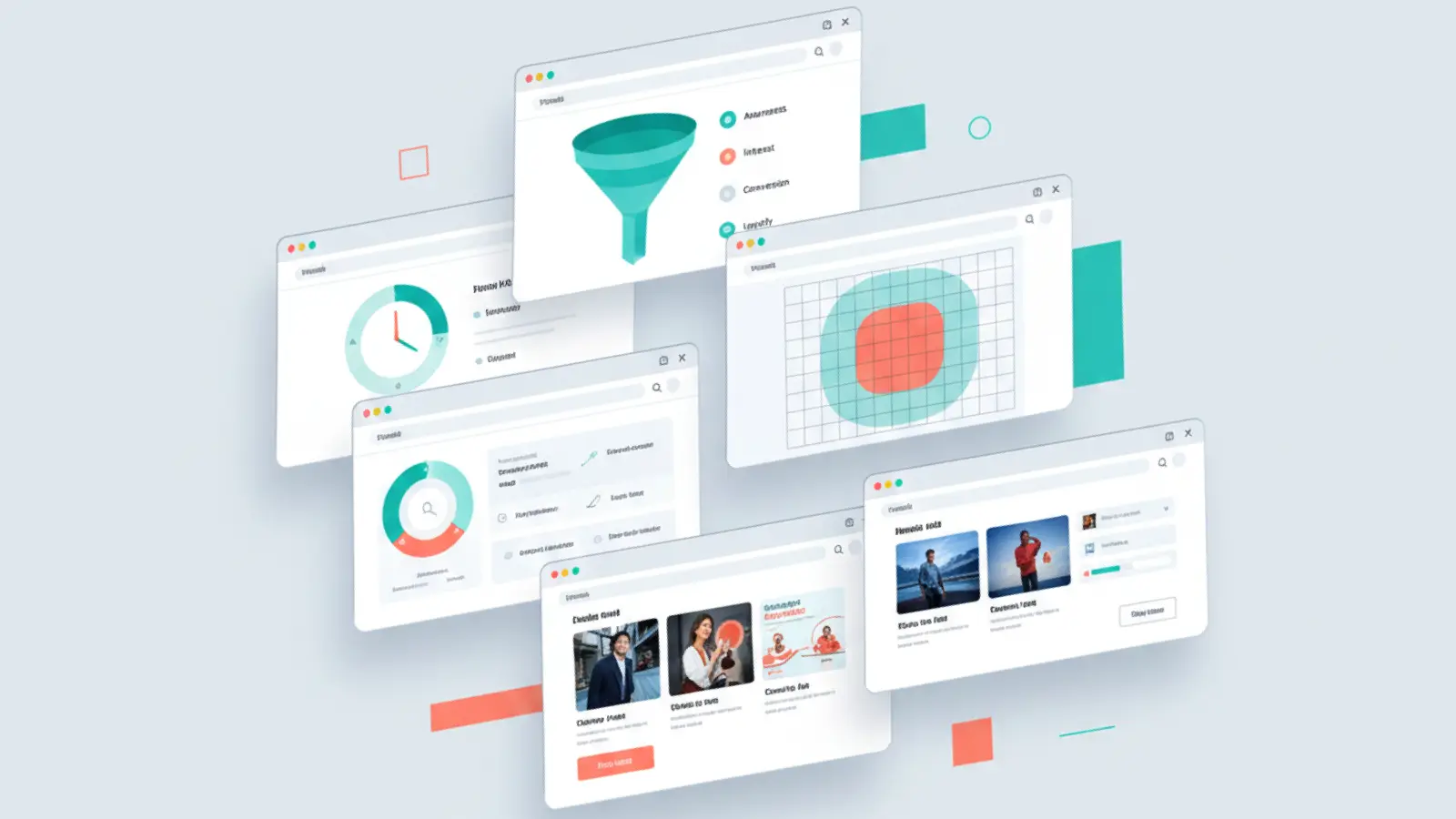
A Facebook Ad Agency can help businesses run better ads, reduce wasted spend, and improve ROI in 2026. From creative testing to audience targeting and campaign tracking, the right agency can turn Facebook ads into a more stable growth channel.
What is a Facebook Ad Agency and How Does It Work?
A Facebook Ad Agency is a team or company that helps businesses run ads on Facebook and other Meta platforms. Many brands use a Facebook Ad Agency when they want better results but do not have the time or skills to manage ads themselves. The goal is simple: spend less, get more results, and improve return on investment (ROI).
Definition and Core Services
A Facebook Ad Agency handles the full ad process from start to finish. This usually includes audience research, ad creative design, campaign setup, budget planning, testing, and performance tracking.
For example, an online store selling fitness gear may hire a Facebook Ad Agency to find the right audience, create video ads, and test different offers. Instead of guessing, the agency uses data to improve results over time. They may test two ad versions, see which one gets more clicks, and move more budget to the better one.
Most agencies also manage retargeting ads. This means showing ads to people who already visited your website but did not buy. This step alone can increase conversions without needing more traffic.
Key Roles of a Facebook Ad Agency
A Facebook Ad Agency usually has different roles working together. Media buyers handle ad setup and budgets. Creative teams design images, videos, and copy. Analysts track results and suggest changes.
For example, if an ad is getting views but no sales, the analyst may suggest changing the message or landing page. The creative team updates the ad, and the media buyer tests it again.
This teamwork helps businesses avoid common mistakes, like targeting the wrong audience or wasting budget on ads that do not convert. Over time, this structured approach can lead to better and more stable results.
Why Businesses Need Facebook Ad Agencies in 2026
Facebook ads are more automated than before, but they are not easier for every business. Meta now uses more AI tools for audience finding, placements, budgets, and campaign optimization. This can help performance, but it also means brands need stronger creative, cleaner tracking, and smarter testing. A Facebook Ad Agency helps businesses manage these moving parts without wasting budget.
Navigating Algorithm Changes
Meta’s ad system keeps moving toward AI-driven delivery. Tools like Advantage+ Audience can use AI to find people who are more likely to take action, instead of relying only on manual interest targeting. That sounds simple, but it also changes how campaigns should be built.
For example, a small e-commerce brand may still try to target only one narrow interest group. In 2026, that may limit delivery too much. A Facebook Ad Agency can test broader audiences, improve the ad creative, and let Meta’s system learn from better signals.
Maximizing Ad Spend Efficiency
Ad spend can disappear fast when campaigns are not managed well. A weak offer, poor tracking setup, or bad creative can waste money even if the audience is right. An agency helps control this by testing ads, watching cost per result, and moving budget toward what performs best.
For example, if one ad gets many clicks but few sales, the agency may test a clearer product video, stronger headline, or better landing page. This helps the business spend less on weak ads and more on ads that bring real results.
Leveraging Advanced Targeting Techniques
Targeting in 2026 is less about picking dozens of small interests and more about giving Meta the right data and direction. Advantage+ Audience can use AI to expand beyond basic inputs and find likely customers across Facebook and Instagram.
A Facebook Ad Agency can combine this with retargeting, customer lists, pixel data, and creative testing. For example, a local service business may target people near its city, retarget website visitors, and test different offers for new leads. This creates a more complete system than simply boosting a post.
Top Services Offered by Facebook Ad Agencies
A Facebook Ad Agency does more than just run ads. It builds a full system to help businesses get better results over time. The main services focus on creative, targeting, and performance tracking. These three parts work together to improve ROI.
Ad Creative Development
Ad creative is one of the most important parts of Facebook ads in 2026. This includes images, videos, headlines, and ad copy. Strong creative helps stop users from scrolling and makes them take action.
For example, an online store may test two video ads. One shows product features, while the other shows real customer use. If the second one gets more sales, the agency will focus on that style and create similar ads. This kind of testing helps find what works faster.
Audience Segmentation and Targeting
A Facebook Ad Agency helps find the right audience for each campaign. In 2026, targeting is not only about interests. It also includes broad audiences, retargeting, and customer data.
For example, a brand may run one campaign for new users and another for people who already visited the website. The agency separates these groups and shows different messages to each one. This makes ads more relevant and improves results.
Performance Tracking and Reporting
Tracking is how agencies know what is working and what is not. They monitor key data like clicks, conversions, cost per result, and return on ad spend.
For example, if one campaign has a high cost but low sales, the agency will adjust or stop it. If another campaign performs well, they increase the budget. Clear reports also help businesses understand where their money goes and what they gain from it.
This ongoing tracking and adjustment is what helps a Facebook Ad Agency improve performance over time.
How to Choose the Right Facebook Ad Agency
Not every Facebook Ad Agency will fit your business. Some focus on e-commerce, while others work with local services or lead generation. Choosing the right one can save time and money, while the wrong choice can waste your budget. It helps to look at experience, past results, and how they charge.
Evaluating Expertise and Experience
Start by checking what kind of clients the agency works with. An agency that understands your industry will usually perform better.
For example, an agency that runs ads for online stores knows how to handle product feeds, retargeting, and checkout tracking. But that same agency may not be as strong with local service ads like real estate or home repair.
Also ask how they manage campaigns. Do they test creatives often? Do they explain their strategy clearly? A good Facebook Ad Agency should be able to explain what they do in simple terms, not just use complex words.
Checking Case Studies and Success Stories
Case studies show real results. Look for clear examples with numbers, not just general claims.
For example, a strong case study may show how a brand reduced cost per purchase by 30% or increased sales with a new ad strategy. This gives you a better idea of what the agency can actually do.
If possible, ask for examples that match your business type. Results from a similar industry are more useful than random success stories.
Understanding Pricing and Contract Terms
Pricing models can vary. Some agencies charge a monthly fee, while others take a percentage of ad spend. There may also be setup fees or minimum budgets.
For example, a small business may not need a high-cost agency with large minimum spend requirements. A simpler plan may work better at the start.
Also check contract terms. Some agencies require long commitments, while others offer flexible monthly plans. It is safer to start with a shorter agreement so you can test the partnership before committing long term.
Best Practices for Working with a Facebook Ad Agency
Hiring a Facebook Ad Agency is only the first step. The real results come from how you work together. Clear goals and steady communication help both sides stay aligned and avoid wasted budget.
Setting Clear Goals and Expectations
Before launching campaigns, define what success means. This could be more sales, lower cost per lead, or higher return on ad spend. For example, an online store may want to reduce cost per purchase from $30 to $20. A local business may focus on getting 50 qualified leads per month. When goals are clear, the Facebook Ad Agency can build campaigns around those targets instead of guessing. Also set expectations about timelines. Ads often need testing time. Results may improve over weeks, not days.
Maintaining Open Communication
Good communication keeps campaigns on track. Share updates about your business, such as new products, offers, or seasonal changes. For example, if you launch a limited-time sale, the agency needs to know early so they can adjust ads and budgets. Without this, you may miss key opportunities. Regular check-ins also help. Weekly or bi-weekly updates allow you to review results, ask questions, and make quick changes. A strong working relationship with your Facebook Ad Agency can lead to better and more stable performance over time.
Common Challenges in Facebook Advertising and How Agencies Solve Them
Facebook ads can bring strong results, but they also come with real challenges. A Facebook Ad Agency helps businesses handle these problems before they waste too much budget or lose account access.
Ad Account Suspensions and Compliance Issues
Ad account suspensions are one of the biggest risks. They can happen because of rejected ads, unclear landing pages, restricted product claims, or repeated policy mistakes. For example, a skincare brand may get ads rejected if it promises “instant results” or uses before-and-after images in a risky way.
A Facebook Ad Agency helps by reviewing ad copy, creative, landing pages, and offer claims before launch. They also keep records of rejected ads and adjust wording to reduce future issues. This helps the business stay safer and avoid repeated policy violations.
Low Engagement Rates and Ad Fatigue
Low engagement often happens when people see the same ad too many times. Over time, they stop clicking, costs rise, and results drop. This is called ad fatigue. For example, an online store may run one product video for weeks. At first, sales look good. Later, clicks drop and cost per purchase rises. A Facebook Ad Agency can fix this by testing new hooks, images, videos, headlines, and offers. They may also rotate creatives and refresh audiences. This keeps ads feeling new and helps campaigns perform more steadily over time.
Industries That Benefit Most from Facebook Ad Agencies
Not every business needs a Facebook Ad Agency at the same level, but some industries see strong results when ads are managed well. These businesses often rely on online traffic, leads, or direct sales, so better ad performance can quickly increase revenue.
E-commerce and Retail
E-commerce brands are one of the biggest winners. Facebook and Instagram ads are built for product discovery, retargeting, and impulse buying.
For example, a clothing store can show ads to new users, then retarget visitors who viewed products but did not buy. A Facebook Ad Agency can test product videos, run seasonal offers, and adjust budgets daily to improve sales. This kind of setup can turn ads into a steady source of revenue.
SaaS and Technology Companies
SaaS companies use Facebook ads to generate leads, free trials, and sign-ups. The challenge is often explaining the product clearly and getting users to trust the service.
For example, a software company may run ads offering a free trial or demo. A Facebook Ad Agency can test different messages, landing pages, and targeting strategies to find users who are more likely to convert. Over time, this helps reduce cost per lead and improve customer quality.
Local Businesses and Startups
Local businesses benefit from targeted ads in a specific area. Restaurants, gyms, salons, and home services can reach nearby customers quickly.
For example, a local gym may run ads offering a free first session. A Facebook Ad Agency can target users within a certain distance, adjust ads based on time of day, and promote limited-time deals. This helps bring in new customers without wasting budget outside the service area.
Startups also benefit because they need fast growth. With the right strategy, ads can help them test offers, find their audience, and scale faster.
Managing Facebook Account Operations with DICloak
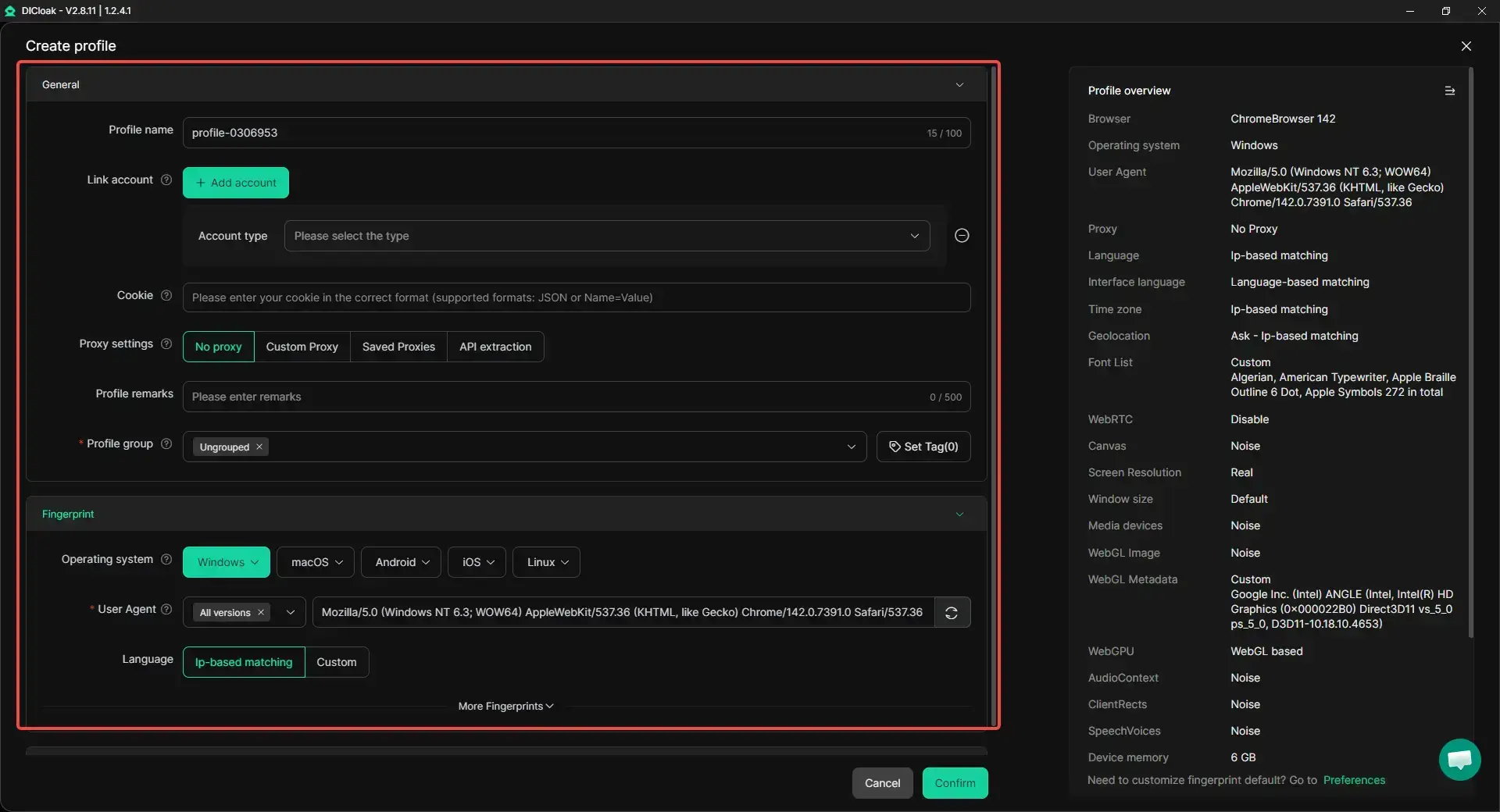
Managing Facebook accounts on shared devices can easily lead to login conflicts, security checks, and access risks. A more controlled setup helps reduce these problems. DICloak is designed for that kind of account management, with isolated browser profiles, permission controls, and automation tools.
- Profile isolation and custom proxy configuration: Users can place different Facebook accounts in separate browser profiles instead of running everything in one browser session. Each profile can keep its own cookies, cache, and login state, and users can configure a separate proxy for each one. This makes it easier to keep account environments apart and manage multiple accounts more clearly.
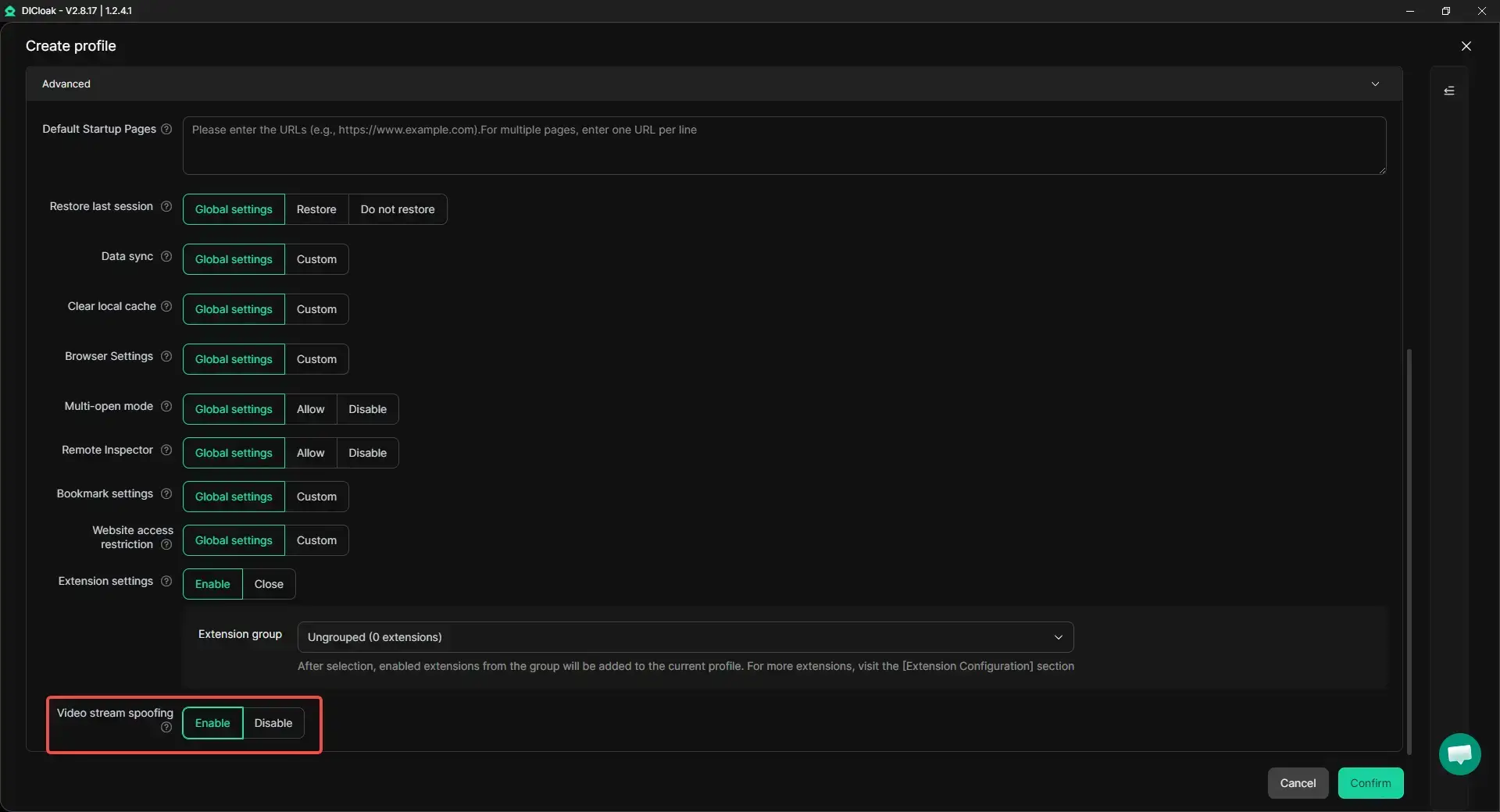
- Handling video selfie verification with less disruption: When Facebook triggers video selfie verification, repeated checks can interrupt account operations. In these cases, users can use DICloak's Video Stream Spoofing feature to upload pre-recorded video files directly through the webpage, which can make verification-related steps easier to handle inside a more consistent browser profile.
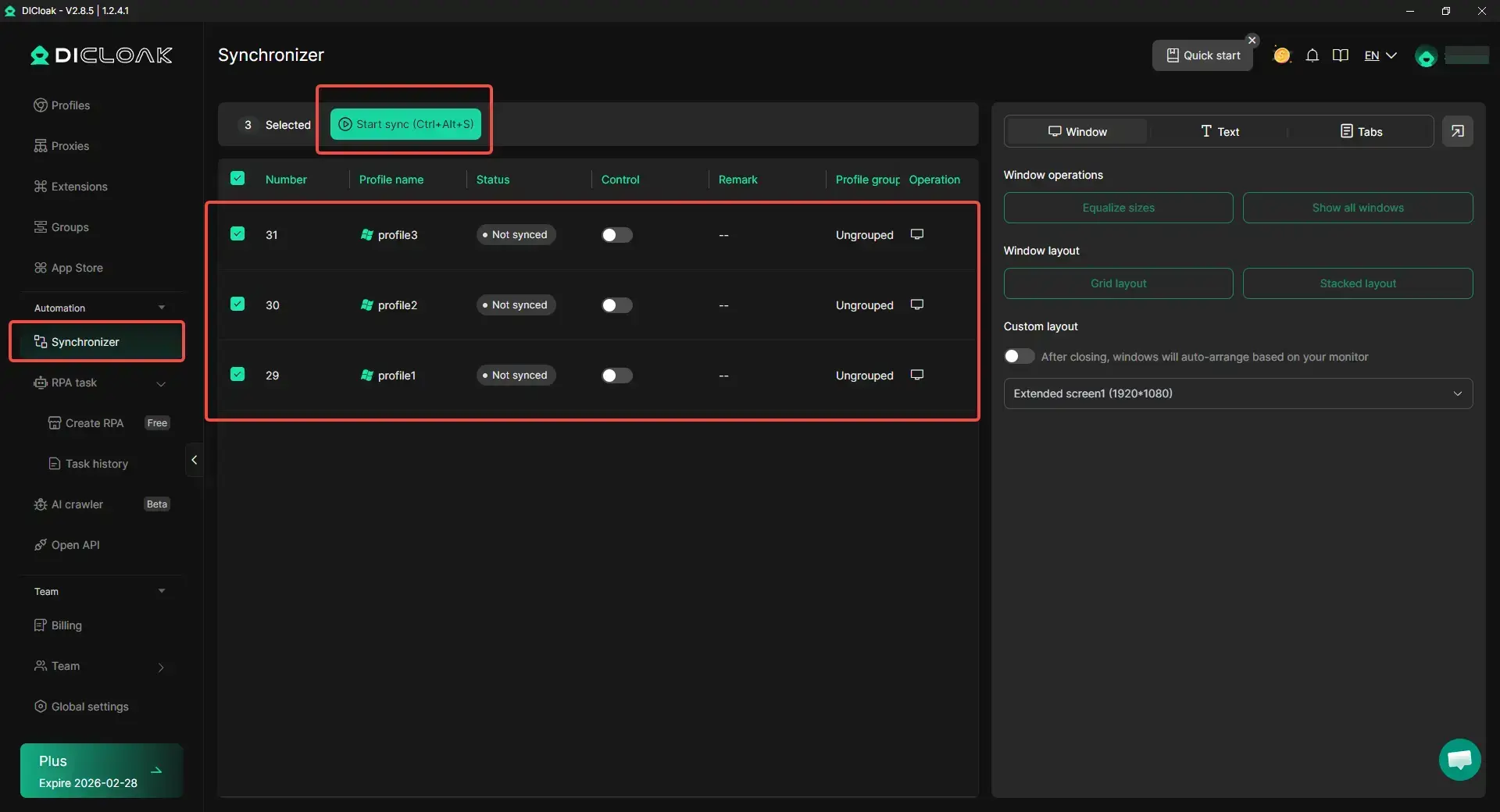
- Synchronizer for multi-account tasks: When the same basic action needs to be repeated across several Facebook accounts, users can use Synchronizer to perform those steps more efficiently. This can be useful for simple multi-account operations without needing to click through each profile one by one.
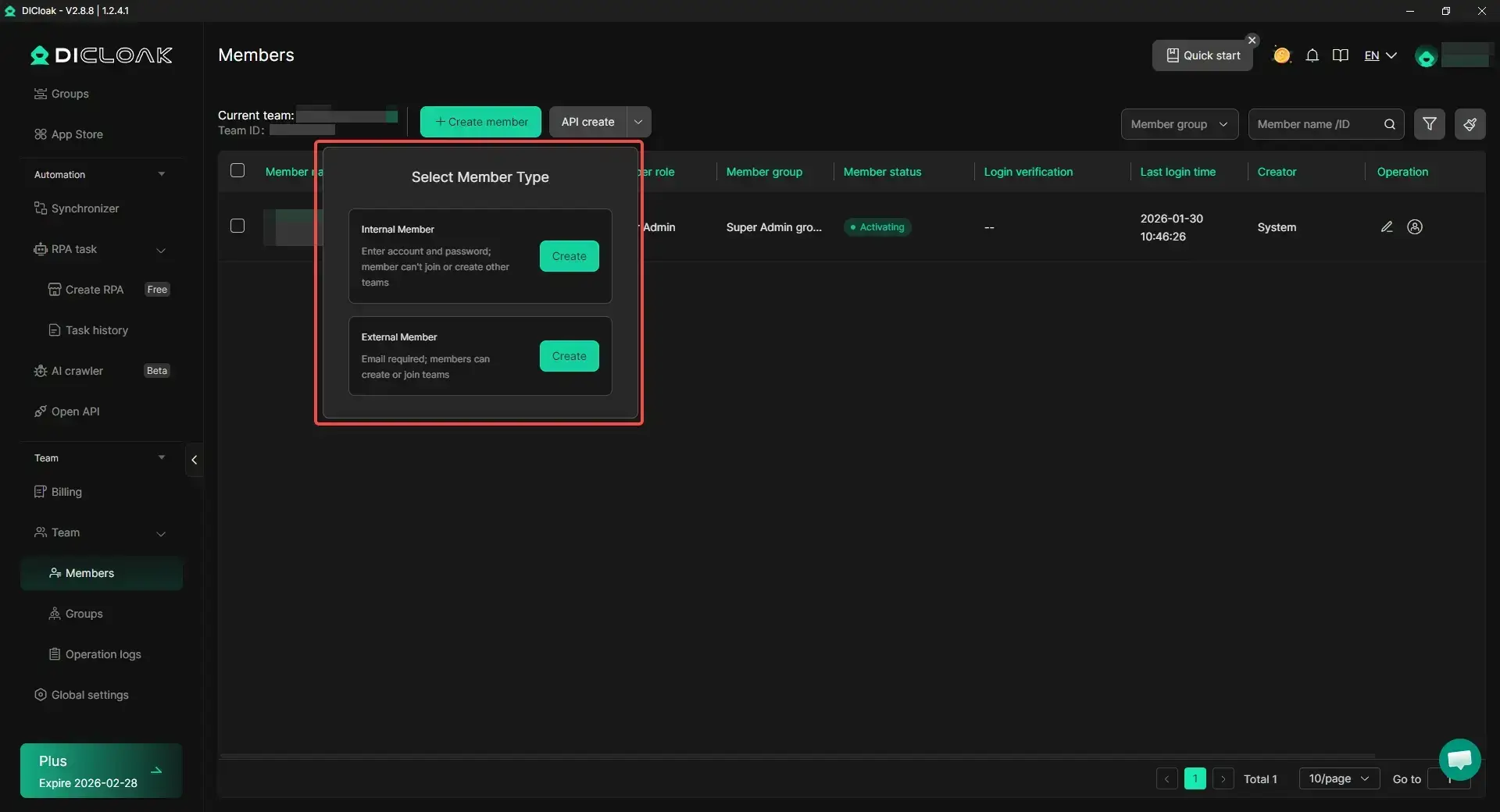
- Team collaboration and access management: When more than one person is involved in account operations, users can organize profile access more clearly through team collaboration and permission controls. This can make shared account management easier to handle while keeping different account environments separated.
FAQ About Facebook Ad Agency
What does a Facebook ad agency do?
A facebook ad agency helps businesses plan, create, run, and improve Facebook ad campaigns. This can include ad design, audience targeting, budget control, testing, tracking, and reporting.
How much does a facebook ad agency cost?
The cost depends on the agency, service level, and ad budget. Some agencies charge a monthly fee, while others charge based on ad spend. Small businesses should check setup fees, contract length, and minimum budget before signing.
Is hiring a Facebook ad agency worth it?
Yes, it can be worth it if your business spends money on ads but struggles with low sales, weak targeting, or poor tracking. A good facebook ad agency can reduce wasted spend and improve ROI over time.
How long does it take to see results from a Facebook ad agency?
Some results can appear in the first few weeks, but stable results usually take longer. A facebook ad agency needs time to test audiences, creatives, offers, and landing pages before scaling the best campaigns.
Can a Facebook ad agency help if my ad account gets restricted?
Yes. A facebook ad agency can review your ads, landing pages, and account setup to find possible policy issues. They can also help you adjust campaigns and prepare better appeals, but they cannot guarantee account recovery.
Conclusion
Choosing the right Facebook Ad Agency is about more than price. Look for clear experience, real case studies, strong communication, and a process built around testing and reporting. With the right partner and proper account management, businesses can get better results from every ad dollar.
 Web Proxy Tools
 Free Tools
 Cookie Plugin
 UA Generator
 MAC Address Generator
 IP Generator
 IP Address List
 2FA Code Generator
 World Clock
 Anonymous Check
 WebRTC Leak Test
 UUID Generator
 Free Web Proxy Site
 Proxy Checker
 FB Ad Checker
 AI Web Scraping
 Free SMM Tools
 Twitter Shadowban Checker
 Instagram Name Checker
 UTM Generator
 Username Generator
 AI Hashtag Generator
 LinkedIn Headline Generator
 Social Media Image Resizer