YouTube in 2026 is a $4 trillion ecosystem—a high-stakes battlefield where 2.7 billion users drive massive capital to a select group of professional operators. While billions watch, most creators remain trapped in "hobbyist" obscurity because they fail to treat their channel as a data-driven business. This is not a guide for the casual uploader. This is a strategic roadmap for the creator-entrepreneur ready to navigate the platform's algorithms, multi-tier monetization requirements, and professional security protocols to build a high-growth revenue engine.
Are you eligible for making money on YouTube in 2026?
To turn a channel into a business, you must view the YouTube Partner Program (YPP) as a two-stage growth ladder. You don't just "get monetized"; you progress through a capitalization phase that scales alongside your audience.
Meet the Tier 1 expanded requirements
Tier 1 is your infrastructure phase. It grants access to fan funding tools like paid memberships, Super Chats, and Super Stickers. To qualify, you must execute on these specific benchmarks:
- Subscribers: Maintain a minimum of 500.
- Content Velocity: Publish at least 3 public videos within a rolling 90-day window.
- Engagement Threshold: Secure 3,000 public watch hours in the last 12 months OR 3 million Shorts views in the last 90 days.
Execute the jump to Tier 2 for full capitalization
Tier 2 is where the primary revenue driver—Ads—comes into play. You do not need to reapply, but you must reach the following milestones to unlock the full payout engine:
- Subscribers: Scale to 1,000.
- Engagement: Reach 4,000 public watch hours in the last 12 months OR 10 million Shorts views in the last 90 days.
- Compliance: You must enable two-factor authentication (2FA) and have a verified AdSense account linked to your channel.
How much money can you make on YouTube from ads?
Views are a vanity metric; RPM (Revenue Per Mille) is the only number that impacts your bottom line. You must understand the math behind the payout before you can optimize it.
The difference between CPM and RPM
Advertisers pay a CPM (Cost Per Mille) ranging from $2 to $40 for every 1,000 impressions. However, you must focus on your RPM, which is your actual take-home pay after YouTube’s cut. In 2026, the platform takes a 45% commission on long-form content (leaving you with 55%) and a 55% commission on Shorts (leaving you with 45%). Furthermore, be aware that YouTube takes a 30% commission on all fan funding, such as Super Chats and Stickers.
Strategic levers for higher payouts
Your payout rate is not static. You must optimize for:
- Geography: Traffic from high-income regions (US/Europe) commands the highest CPMs.
- Ad Format: Mid-roll and non-skippable ads drive higher revenue but require higher retention.
- Payment Logistics: Payments are issued via AdSense once you hit the $100 threshold, typically one month after the billing cycle ends. Budget your cash flow accordingly.
What types of YouTube channels make the most money?
You must audit your niche selection against advertiser demand. If your niche doesn't attract high-value advertisers, your growth will be capped regardless of your view count.
Why high-paying niches like finance and tech win
Advertisers are willing to pay $15–$40 CPMs to reach audiences interested in finance, B2B technology, and specialized education. These viewers represent high-intent consumers looking to make significant investments, making them the most profitable targets for your content strategy.
Finding the gap between your interests and market demand
Successful 2026 creators dominate narrow, authoritative topics—think DIY, marketing, or coding—rather than broad entertainment. This specificity builds a "high-value" audience that brands are desperate to reach, allowing you to command premium sponsorship rates and higher ad revenue.
How do you make money on YouTube before 1,000 subscribers?
The 1,000-subscriber mark is a psychological barrier, not a financial one. You must deploy alternative revenue streams from day one.
Building a revenue stream through affiliate marketing
Integrate affiliate links directly into your descriptions. For those in the US, keep a close watch on the YouTube Shopping Affiliates program, which allows you to tag products from major retailers (like Amazon) directly in your videos. This is the most effective way to monetize tech reviews and tutorials before you have access to AdSense.
Leveraging fan funding and external platforms
Use platforms like Patreon or Buy Me a Coffee to establish direct support. Selling digital products or online courses converts your expertise into immediate cash flow, bypassing the gatekeeping of the official Partner Program.
Why do many YouTubers struggle to make consistent money?
Success in 2026 is about risk mitigation. You must avoid the structural flaws that kill most channels.
The danger of depending on a single income source
Relying solely on AdSense is a high-risk gamble. Algorithm shifts or advertiser boycotts can wipe out your income overnight. You must diversify into sponsorships, merch, and digital products to ensure business stability.
How poor SEO and irregular publishing kill growth
The algorithm demands predictability. If you lack a consistent publishing schedule or ignore keyword optimization in titles and tags, the system will stop recommending your content. You are competing for discovery; SEO is your primary weapon.
Managing multiple niche channels safely for maximum growth
Scaling a YouTube business often requires managing a portfolio of channels across different regions and niches. At this level, account security is no longer optional—it is a matter of enterprise survival. Professional agencies and multi-channel creators avoid using standard browsers to manage their assets. To prevent "Umbrella Bans"—where a single policy violation on one account destroys an entire 10-channel portfolio—you may use professional isolation tools like DICloak.
Efficient Multi-Account Management
By creating multiple browser profiles with unique fingerprints, DICloak lets you manage different online accounts on platforms like YouTube without raising suspicion. Each profile operates independently, keeping your operations smooth and organized while reducing the risk of bans.
- Operate Multiple Accounts Safely from a Single Device
- Maintain Unique Fingerprints for Each Account
- Reduce Risk of Platform Detection and Account Bans
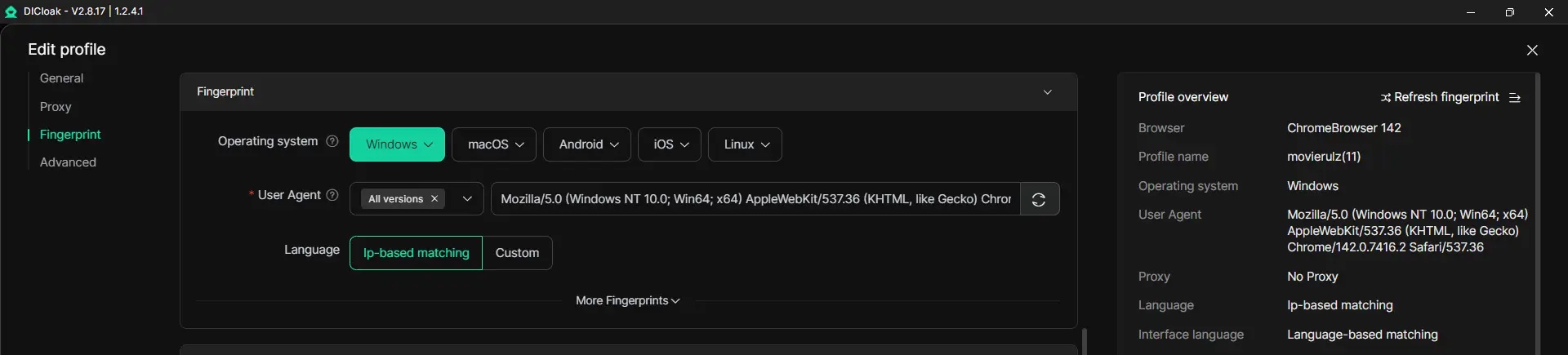
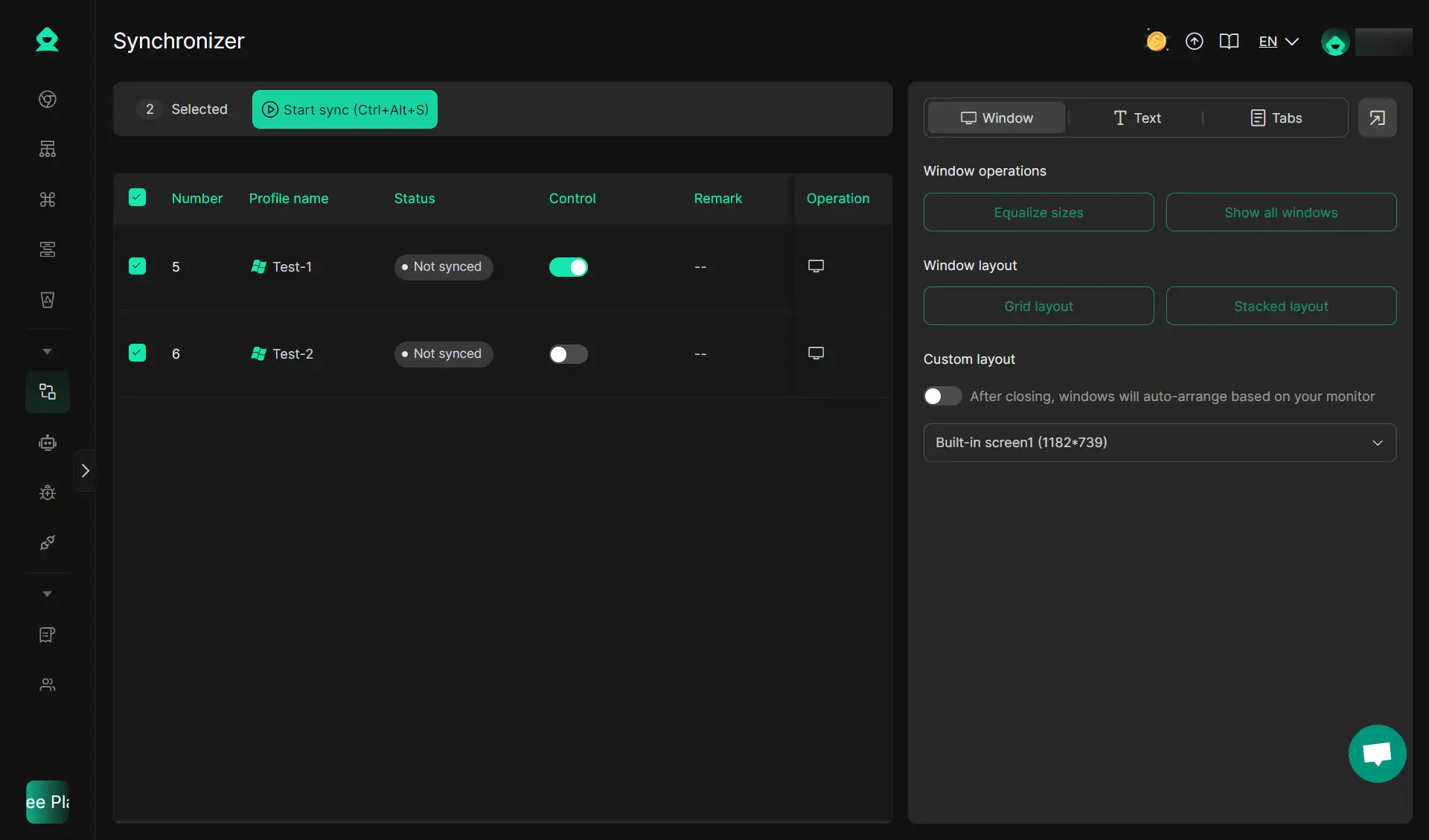
DICloak’s RPA and Multi-Window Synchronizer streamline repetitive tasks and simulate real user behavior with customizable speeds and random delays. Whether posting content, performing bulk actions, or managing multiple processes at once, these automation tools keep your accounts active and compliant while freeing you from tedious manual work.
- Automate Repetitive Tasks Across Accounts
- Save Time and Reduce Manual Effort
- Keep Accounts Active and Compliant
Maximize Earnings Across Platforms
Bulk account management and automated tasks allow you to expand your reach, and optimize revenue streams across platforms. DICloak turns each browser profile into a real, independent user, enabling efficient scaling of your online money-making activities.
- Increase Revenue Across Accounts
- Boost Engagement Automatically
- Scale Operations Safely
Start earning online smarter and safer—manage multiple accounts effortlessly with DICloak today!
Should you focus on Shorts or long-form videos to make money?
The most effective 2026 strategy is a hybrid model, but you must understand the different financial mechanics of each format.
Using Shorts as a growth springboard
Shorts are your primary lead generation tool. While the payout is low—averaging $10–$60 per million views—revenue is distributed from a shared ad pool. This means you are competing for a "share of views" rather than a fixed CPM. Use Shorts to funnel viewers to your high-margin long-form content.
Maximizing retention in long-form videos
Long-form content is your profit center. To win here, you must master the "First 15 Seconds" rule. This window determines your trajectory on the Audience Retention Graph. Use chapters, cliffhangers, and timestamps to keep viewers engaged; higher retention directly correlates to more mid-roll ad opportunities and higher RPM.
How to bypass regional monetization limits and audience restrictions
Geographic restrictions are a barrier to global revenue. Advanced creators use technical workarounds to access high-value markets.
Analyzing trends and ads in different countries
By using DICloak to view YouTube as a user in the US or Europe, you can see exactly which ads are running and which topics are trending in high-CPM regions. This allows you to tailor your content specifically for the audiences that pay the most.
Safely managing client accounts in an agency setting
For agency owners, keeping client fingerprints isolated is the industry standard. This ensures that a client’s internal account issues don't trigger a "chain reaction" ban that affects your other clients. Professional isolation is the foundation of client trust and business continuity.
Conclusion
The path to YouTube success in 2026 is clear: treat the platform as a business, not a playground. Focus on high-value niches, diversify your income streams, and use professional security tools like DICloak to scale your operations safely. Consistency and technical security are the hallmarks of a creator who thrives while others fade.
FAQs about how do you make money on YouTube
How much can I earn per 1,000 views on YouTube in 2026?
Standard ad revenue averages $1–$10 per 1,000 views. However, in "Money" niches like finance or tech, you can command $15–$40 per 1,000 views due to higher advertiser competition.
Can I still make money if my channel isn't in the Partner Program?
Absolutely. Use affiliate marketing, direct brand sponsorships, and fan funding platforms like Patreon to generate revenue before you hit the 1,000-subscriber threshold.
Does YouTube pay for Shorts views?
Yes, but the revenue comes from a shared ad pool. Payouts are significantly lower than long-form, typically ranging from $10 to $60 per million views.
Why is my YouTube income decreasing?
The most common reasons are drops in audience retention and irregular posting. You must religiously analyze your Audience Retention Graphs in YouTube Analytics to identify where viewers are dropping off and adjust your hooks accordingly.
How long does it take to get the first payout?
It depends on your growth speed, but you must reach the $100 threshold before AdSense issues a payment. Payments are usually processed one month after the billing cycle ends.
 Web Proxy Tools
 Free Tools
 Cookie Plugin
 UA Generator
 MAC Address Generator
 IP Generator
 IP Address List
 2FA Code Generator
 World Clock
 Anonymous Check
 WebRTC Leak Test
 UUID Generator
 Free Web Proxy Site
 Proxy Checker
 FB Ad Checker
 AI Web Scraping
 Free SMM Tools
 Twitter Shadowban Checker
 Instagram Name Checker
 UTM Generator
 Username Generator
 AI Hashtag Generator
 LinkedIn Headline Generator
 Social Media Image Resizer