Learning how to promote YouTube videos in 2026 is harder than just posting a link and waiting for views. Viewers have more choices now. They scroll fast, skip fast, and only click when a video feels useful right away.
That is why YouTube promotion needs a full plan. Your topic, title, thumbnail, Shorts, comments, playlists, social posts, and analytics all work together. When each part is clear, your video has a better chance to reach the right people and keep them watching.
Why Are Your YouTube Videos Not Getting Enough Views?
Many creators search for how to promote YouTube videos only after a video has already failed. But strong YouTube video promotion starts before publishing. Your topic, title, thumbnail, opening, and first round of sharing all affect whether people click and keep watching.
YouTube growth is not only about luck. YouTube Studio shows impressions, click-through rate, average view duration, traffic sources, and audience retention. These numbers help you see whether your video is easy to find, easy to click, and strong enough to hold attention.
Common reasons your videos may not get enough views include:
- Your topic does not match what viewers are searching for. A broad idea like “My Editing Tips” may not match a clear need. A better angle is “How to Edit YouTube Shorts Faster on CapCut.” Good YouTube SEO starts with choosing a topic people already care about.
- Your title and thumbnail do not earn the click. A title like “My New Setup” may interest loyal fans, but new viewers need more context. “Budget YouTube Studio Setup Under $300” is clearer. The thumbnail should also show one simple promise, not too many small details.
- Your audience retention is too low. If viewers leave in the first 30 seconds, the opening may be too slow. A fitness video called “10-Minute Morning Workout” should start with movement quickly, not a long intro. Better retention can help increase YouTube views over time.
- Your promotion starts too late. Many creators upload first and plan promotion later. A better YouTube marketing strategy prepares Shorts, social captions, email copy, community posts, and pinned comments before the video goes live.
When people ask how to promote YouTube videos in 2026, the answer is not just “share more.” The better answer is to choose the right topic, package it clearly, keep viewers watching, and promote the video with the right context.
How to Optimize Your YouTube Videos Before and After Publishing
Once you know why a video is not getting views, you can fix the parts that affect discovery, clicks, and watch time. Good YouTube SEO is not about repeating keywords. It is about helping the right viewer find your video and understand its value fast.
A smart plan for how to promote YouTube videos starts before upload. Choose a clear topic, package it well, and use YouTube features to keep viewers moving through your channel.
Research keywords before choosing the final video angle
Keyword research should happen before filming. A broad topic like “YouTube tips” is hard to compete for. A clearer topic like “how to get your first 1,000 YouTube subscribers in 2026” gives the video a stronger direction.
Useful places to find keyword ideas include:
- YouTube search suggestions: Check what people already search for.
- Google Trends: See whether a topic is rising or fading.
- YouTube Studio: Find past videos that still get search traffic.
- Competitor videos: Study strong videos in your niche without copying them.
- SEO tools: Use TubeBuddy or vidIQ to check keyword ideas and competition.
A fitness creator may start with “fitness tips,” but that topic is too wide. “10-minute home workout for beginners” is clearer. It speaks to one viewer need. That makes YouTube video promotion easier later because your Shorts, captions, and emails all have a clear message.
Write SEO-friendly titles and descriptions that still sound natural
A good title should be clear, useful, and easy to read. It can include the main keyword, but it should not look forced. “How to Promote YouTube Videos and Get More Views in 2026” is stronger than a title packed with repeated keywords.
When writing titles, focus on:
- Topic: What is the video about?
- Benefit: What will the viewer get?
- Natural keyword use: Add the keyword only where it fits.
The description should support the title. The first few lines should explain what the viewer will learn and who the video is for.
A natural opening description could read like this:“In this video, you will learn how to promote YouTube videos with free methods, better YouTube SEO, Shorts, comments, and social media posts. It is made for small creators who want to increase YouTube views without wasting money.” This sounds natural. It also gives YouTube and viewers clear context.
Create thumbnails that make the video easy to understand
A thumbnail should show one clear idea. It should not be full of small text, arrows, and screenshots. Most people will see it on a phone, so it must be easy to understand quickly.
A strong thumbnail often includes:
- One main subject: A face, product, result, or problem.
- Short text: Three to five words are enough.
- Clear contrast: The main idea should stand out.
- Honest promise: The image should match the video.
For a video about low views, a thumbnail with a flat chart and the words “Why No Views?” is clear. It works better than a crowded image with too many tips.
The title and thumbnail should support each other. If the title is “How to Promote YouTube Videos in 2026,” the thumbnail could say “Get Seen Faster.” This adds meaning without repeating the same words.
Use chapters, tags, hashtags, end screens, and cards the right way
After publishing, YouTube features can help viewers stay longer and watch more. Use each feature with a clear purpose:
- Chapters: Help viewers jump to useful parts in longer videos.
- Tags: Add a few related terms or common misspellings.
- Hashtags: Group the video by topic, such as #YouTubeSEO.
- End screens: Send viewers to the next useful video or playlist.
- Cards: Link to related content when it helps the viewer.
For a 12-minute video about how to promote YouTube videos, chapters could cover why views are low, how to choose keywords, how to improve titles and thumbnails, how to use Shorts, and what to check in YouTube Analytics.
End screens and cards should feel natural. If a viewer just watched a video about thumbnails, send them to a video about title writing or YouTube SEO. This keeps the learning path clear and can help increase YouTube views across the whole channel.
What Are the Best Free Ways to Promote YouTube Videos?
After your topic, title, thumbnail, and YouTube features are ready, the next step is free promotion. This part matters because even a strong video may need a first push. The goal is not to post the same link everywhere. A better YouTube marketing strategy shares the video in ways that fit each platform and each audience.
YouTube’s own promotion guidance includes sharing videos through websites, forums, newsletters, social platforms, blogs, and other channels. That matters because YouTube growth does not always start inside YouTube. Sometimes the first loyal viewers come from places where people already know your voice or trust your advice.
Share each video differently on TikTok, Instagram, Facebook, and LinkedIn
Each platform has its own style, so do not post the same YouTube link everywhere. When you promote YouTube videos, adjust the message for each audience.
For a video about how to promote YouTube videos in 2026, you could share it like this:
- TikTok: Show one quick mistake, such as a weak title.
- Instagram: Post a short Reel with one visual tip.
- Facebook: Share it in a group only when it answers a real question.
- LinkedIn: Turn the idea into a short lesson for creators or marketers.
This makes free YouTube video promotion feel more natural. A cooking channel, for example, could share a fast recipe clip on TikTok, a finished meal Reel on Instagram, and a useful budget cooking answer in a Facebook group. The topic stays the same, but the message changes for each platform.
Turn one long video into Shorts, clips, posts, and newsletter content
A long YouTube video should not stay in one format. One strong video can become several smaller pieces and reach people who do not know your channel yet.
A 10-minute tutorial can become:
- 2 or 3 YouTube Shorts
- 1 Instagram Reel
- 1 TikTok clip
- 1 LinkedIn or Facebook post
- 1 short newsletter section
- 1 blog checklist
This helps creators increase YouTube views without making a new full video every day. A fitness creator, for instance, can turn a “20-Minute Beginner Workout” into a Short showing one move, then guide viewers to the full routine. The Short should still be useful by itself, so the full video feels like a natural next step.
Use online communities without spamming your video link
Online communities can help you promote YouTube videos, but only when the video fits the discussion. Reddit, Facebook Groups, Quora, Discord servers, and niche forums are not free ad spaces. People go there to ask questions and solve problems.
Join the conversation before sharing a link. Give a useful answer first, then share your video only if it adds more value and the group rules allow it.
Bad community promotion looks like this:
- Posting the same link in many groups
- Ignoring community rules
- Using fake questions or fake praise
- Sharing videos that do not match the topic
A camera creator, for example, could answer a question about dark indoor video first. Then they can share a YouTube tutorial that shows the settings in action. This feels helpful, not spammy.
Build loyal viewers through comments, pinned comments, and replies
Free promotion can also happen in your comment section. Loyal viewers often grow from real replies, helpful pinned comments, and small conversations.
A pinned comment can guide the next step. For a video about YouTube thumbnails, you could ask, “Which thumbnail problem do you see most on your channel?” This can bring better comments than a plain “Like and subscribe.”
Comments can also give you new video ideas. If several viewers ask the same question, turn it into your next video. Replying early also shows viewers that a real person is behind the channel, which can help increase YouTube views over time.
Work with creators who share a similar audience
Collaboration is one of the strongest free ways to promote YouTube videos. It works best when two creators share a similar audience but offer different value.
A video editor could work with a camera reviewer. A fitness coach could work with a meal prep creator. Their viewers may care about both topics, so the partnership feels natural.
Collaboration can be simple:
- Mention another creator’s helpful video.
- Invite a creator to share one short tip.
- Create two videos on the same topic from different angles.
- Share each other’s clips when they fit.
- Host a short live session and reuse the best parts.
For instance, a phone filming creator and a video editing creator could work together. One shows how to shoot better clips. The other shows how to edit them for YouTube Shorts. Both channels reach the right audience.
This is the heart of smart free promotion. Do not chase views from random people. Reach the people who are most likely to care, watch, comment, and come back. That is a stronger answer to how to promote YouTube videos in 2026 than posting links everywhere and hoping something works.
How to Use YouTube Shorts, Playlists, and Early Engagement to Boost Reach
Free promotion works better when viewers have a clear next step. Shorts can bring in new people. Playlists can keep them watching. Early engagement can help a new video get its first push. Together, these parts make YouTube video promotion more organized.
This part of how to promote YouTube videos is not about posting more links. It is about giving viewers a smooth path from a short clip, to a full video, to another useful video.
Use YouTube Shorts to bring new viewers to longer videos
Shorts can reach people who may not search for your full video yet. A good Short can show one useful tip, one mistake, or one strong moment from the longer video.
For a 12-minute video about how to promote YouTube videos in 2026, a creator could make three Shorts:
- A thumbnail mistake that lowers clicks
- A quick tip for better YouTube SEO
- A warning about posting the same link everywhere
Each Short should give value by itself. It should not only tell people to watch the full video. When the clip is useful, the longer video feels like the natural next step.
Create playlists that match viewer intent and increase watch time
Playlists help viewers keep learning without searching again. They work best when they are built around one clear need.
A creator growth channel could use playlists such as:
- YouTube SEO for beginners
- Thumbnail and title tips
- Shorts strategy
- Free ways to promote YouTube videos
- YouTube Analytics basics
This supports a stronger YouTube marketing strategy because each video leads to another useful video. A viewer who watches a thumbnail guide may also want a title guide or a click-through rate video. That path can help increase YouTube views across the whole channel.
Share the video with your strongest audience in the first 48 hours
The first two days after publishing are a good time to reach people who already care. These may be email subscribers, active followers, community members, or past viewers who often comment.
A small launch plan can be simple:
- First hour: Share the video with your email list or closest community.
- Same day: Post one Short or Reel that shows the strongest idea.
- Next day: Share a useful text post on LinkedIn, Facebook, or a niche group.
- After comments arrive: Reply to good questions and turn them into pinned comment ideas.
This feels better than dropping the same link everywhere. A warm audience is more likely to watch longer, comment, and share.
Adjust the title or thumbnail if early signals are weak
Early data can show whether your video packaging is working. If impressions are growing but clicks are low, the title or thumbnail may need work. If people click but leave fast, the video may not match the promise.
Make small changes first:
- Low clicks may mean the thumbnail is unclear.
- A vague title may need a clearer benefit.
- Fast drop-offs may mean the opening is too slow.
- Wrong traffic may mean the description or playlist does not match well.
A title like “My YouTube Growth Plan” may feel too vague. “How I Plan 30 Days of YouTube Videos” is clearer. A thumbnail with a calendar and “30-Day Plan” also gives viewers a faster reason to click.
Shorts, playlists, early sharing, and small title or thumbnail changes all work together. They make it easier to promote YouTube videos without relying only on luck.
How to Use YouTube Analytics to Improve Your Promotion Strategy
After using Shorts, playlists, and early sharing, check what the data shows. YouTube Analytics helps you see who clicked, how long they watched, and where the views came from. This turns YouTube video promotion into a clearer plan.
Data also helps you understand how to promote YouTube videos better next time. If people see the video but do not click, the title or thumbnail may need work. If they click but leave early, the opening may be weak.
Key things to check in YouTube Analytics include:
- Click-through rate, average view duration, and traffic sources. CTR shows how often people clicked after seeing the video. Average view duration shows how long they stayed. Traffic sources show whether views came from YouTube Search, Shorts, suggested videos, social media, or websites.
- Viewer drop-off points. Audience retention shows where viewers stop watching. A big drop in the first 30 seconds often means the intro is too slow. A drop in the middle may mean one section feels too long.
- Shorts, search, suggested videos, and external traffic. Each traffic source has a different value. Shorts can bring fast reach. Search traffic can bring steady views. Suggested videos work when your topic matches what viewers already watch. External traffic works when posts, blogs, or emails reach the right people.
- Top-performing videos. Your best videos can show what to make next. Do not only look at total views. Check retention, comments, traffic sources, and repeat viewer interest.
A creator growth channel may find that thumbnail videos perform better than broad growth tips. The next series could cover thumbnail mistakes, title and thumbnail pairing, and real channel reviews. Over time, this kind of data helps you promote YouTube videos with less guessing and better results.
Should You Use Paid Promotion for YouTube Videos?
After checking YouTube Analytics, it is easier to decide if paid promotion is worth using. If a video has a clear topic, strong retention, and a good next step, ads may help it reach more people. If the video has weak watch time or a confusing thumbnail, ads may only make the problem cost more.
Paid ads can support how to promote YouTube videos, but they should not replace good content, YouTube SEO, or free promotion.
When YouTube Ads can help your channel grow
YouTube Ads can help when the video has a clear goal. This may include a product demo, webinar invite, brand story, tutorial, or local campaign.
For example, a software company may promote a YouTube tutorial that shows how its tool solves one common problem. This is stronger than paying to promote a random video with no clear next step.
Paid promotion works best when you already know who should watch the video and what they should do after watching.
Why paid views do not always lead to loyal subscribers
Paid views can help increase YouTube views, but views do not always mean real growth. Some viewers may watch once and never return.
Oneupweb shared a useful test from March 2024. The team spent $500 on YouTube video promotion and got 10,200 views, 583.7 hours of watch time, and 63 new subscribers. After 90 days, only 10 new viewers returned, and 7 new subscribers had left.
This shows why paid promotion should be used with care. A channel still needs strong videos, playlists, and clear reasons for viewers to come back.
How to set a small test budget before scaling
Start with a small test before increasing the budget. Test one clear audience, one video, and one goal.
A simple test should track:
- Watch time
- Click-through rate
- New subscribers
- Website visits
- Returning viewers
For a video about YouTube video promotion, one test audience could be small business owners. Another could be new creators. If one group watches longer and takes action, that group may be worth a larger budget.
How YouTube Ads compare with TikTok, Instagram, and Facebook ads
YouTube Ads work well for tutorials, reviews, demos, and search-based topics. TikTok and Instagram are better for short hooks and fast discovery. Facebook can still work for local audiences, groups, and retargeting.
A smart YouTube marketing strategy does not rely on one paid channel. Use YouTube Ads when the video is ready, the audience is clear, and the result can be measured. That makes paid promotion a useful tool, not a shortcut.
When a team learns how to promote YouTube videos at scale, the hard part is often daily account management. One video may need to be shared on YouTube, TikTok, Instagram, Facebook, LinkedIn, and niche communities. If all accounts run in one normal browser, cookies, sessions, and login data can easily mix.
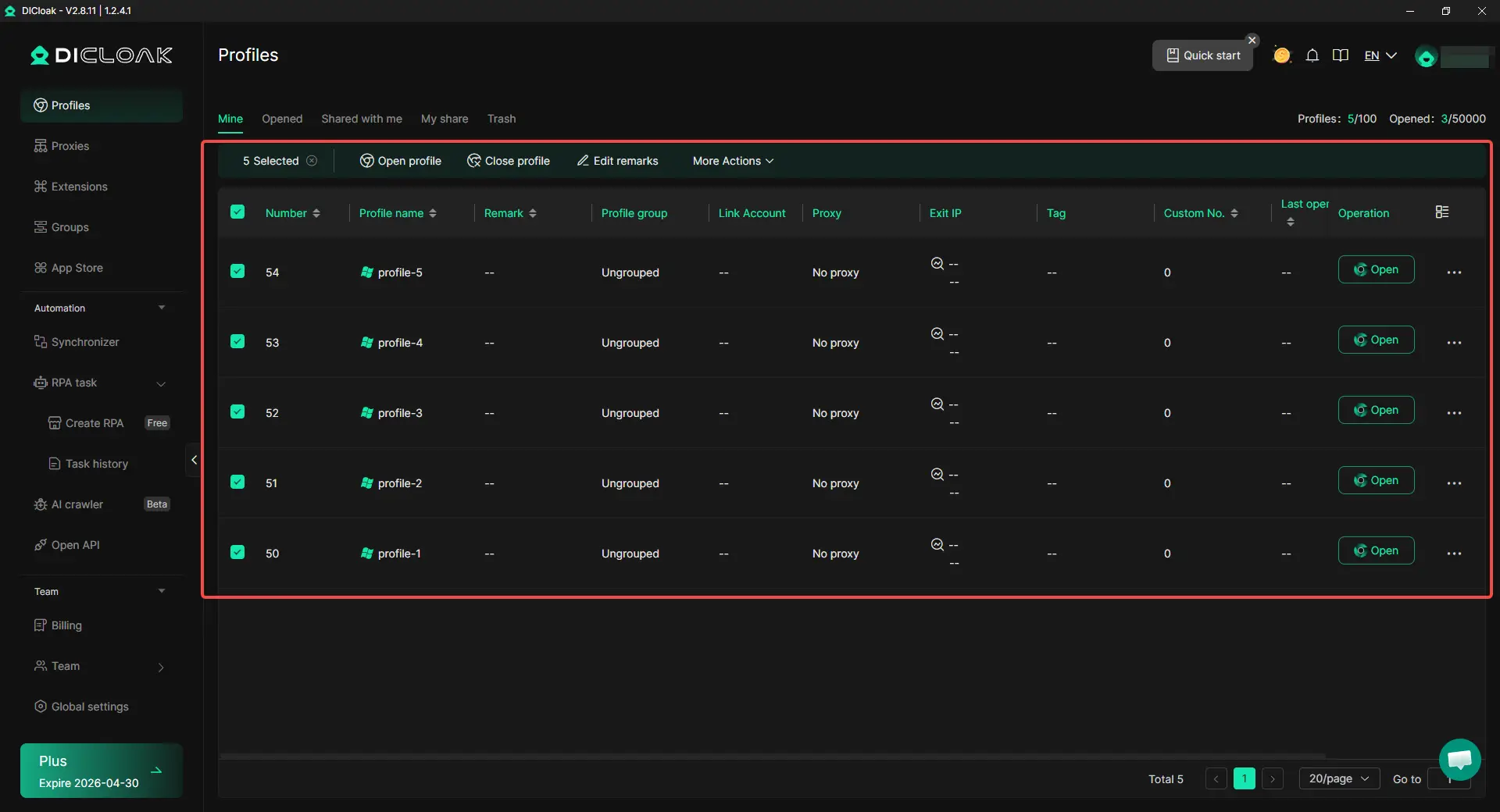
With DICloak, users can manage promotion tasks in separate browser profiles. Each profile can have its own fingerprint, cookies, session data, and custom proxy configuration. This helps social media managers, agencies, and brand teams keep accounts more organized while working on YouTube video promotion.
Manage accounts in separate browser profiles
Users can place each YouTube, TikTok, Instagram, Facebook, or LinkedIn account in its own DICloak profile. This keeps account environments separate and reduces confusion when several brands, creators, or regions are managed on one device. For example, a team promoting one video for the U.S. market and another for Brazil can keep each account setup separate instead of switching logins in the same browser.
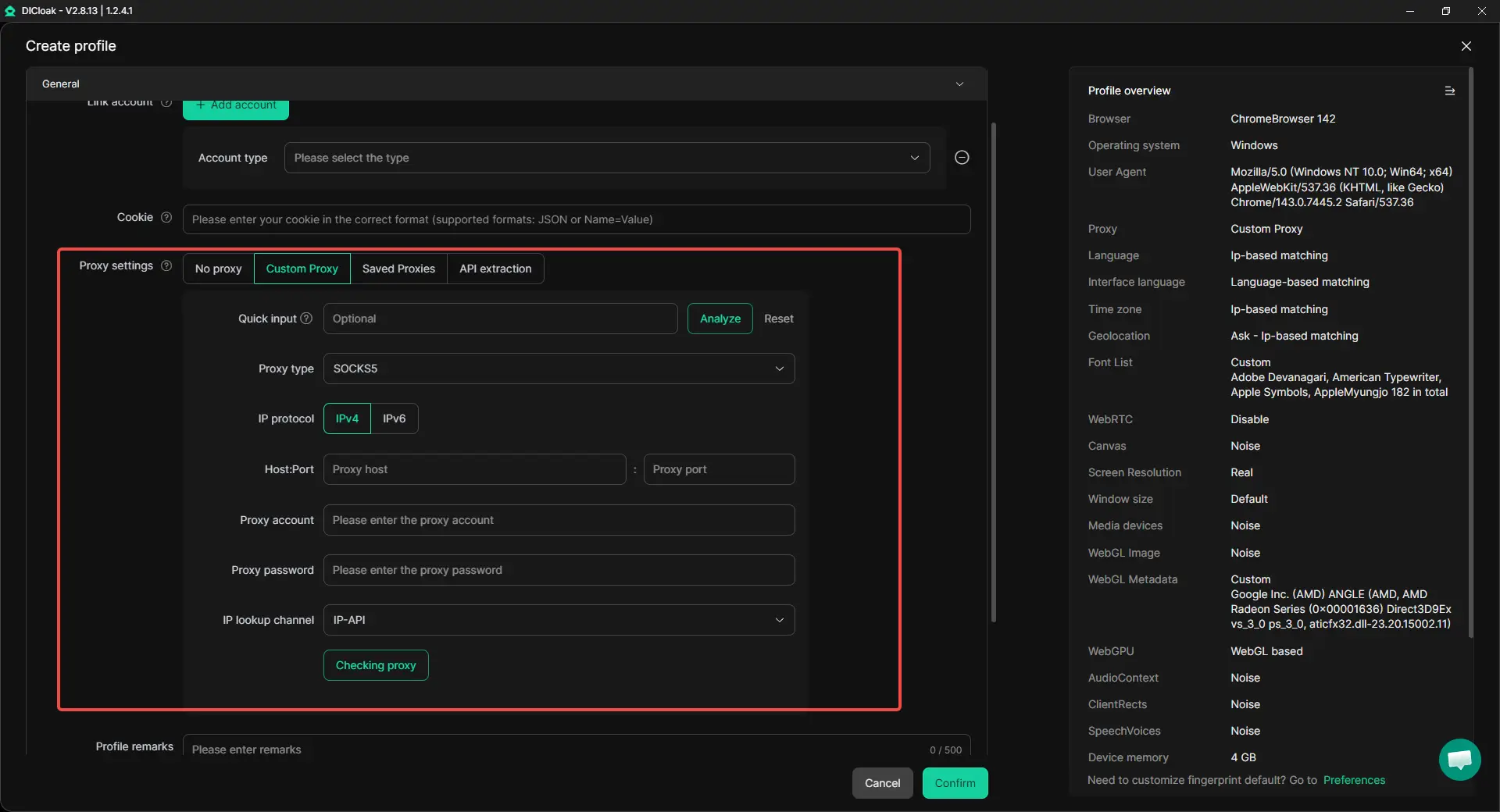
Use custom proxy configuration for regional promotion
Some campaigns need stable regional access. With custom proxy configuration, users can assign different proxies to different profiles. This is useful when a YouTube marketing strategy includes local accounts, regional content checks, or market-specific social posts.
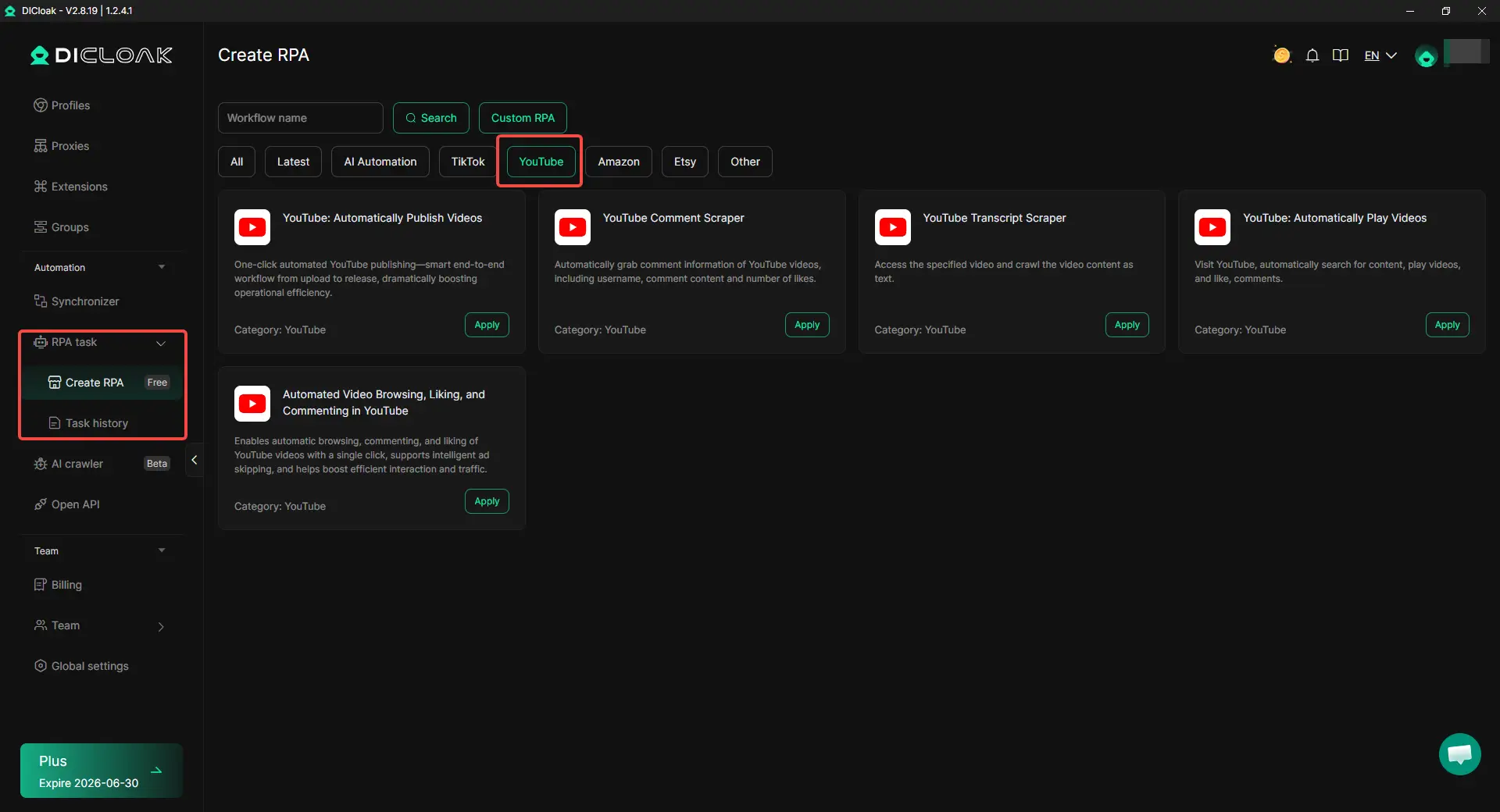
Automate repeated tasks with RPA
Promotion includes many small repeated tasks, such as opening videos, checking comments, collecting transcripts, or preparing posts across profiles. With DICloak’s RPA templates, users can automate tasks like YouTube comment scraping, transcript scraping, video publishing, and browsing actions.
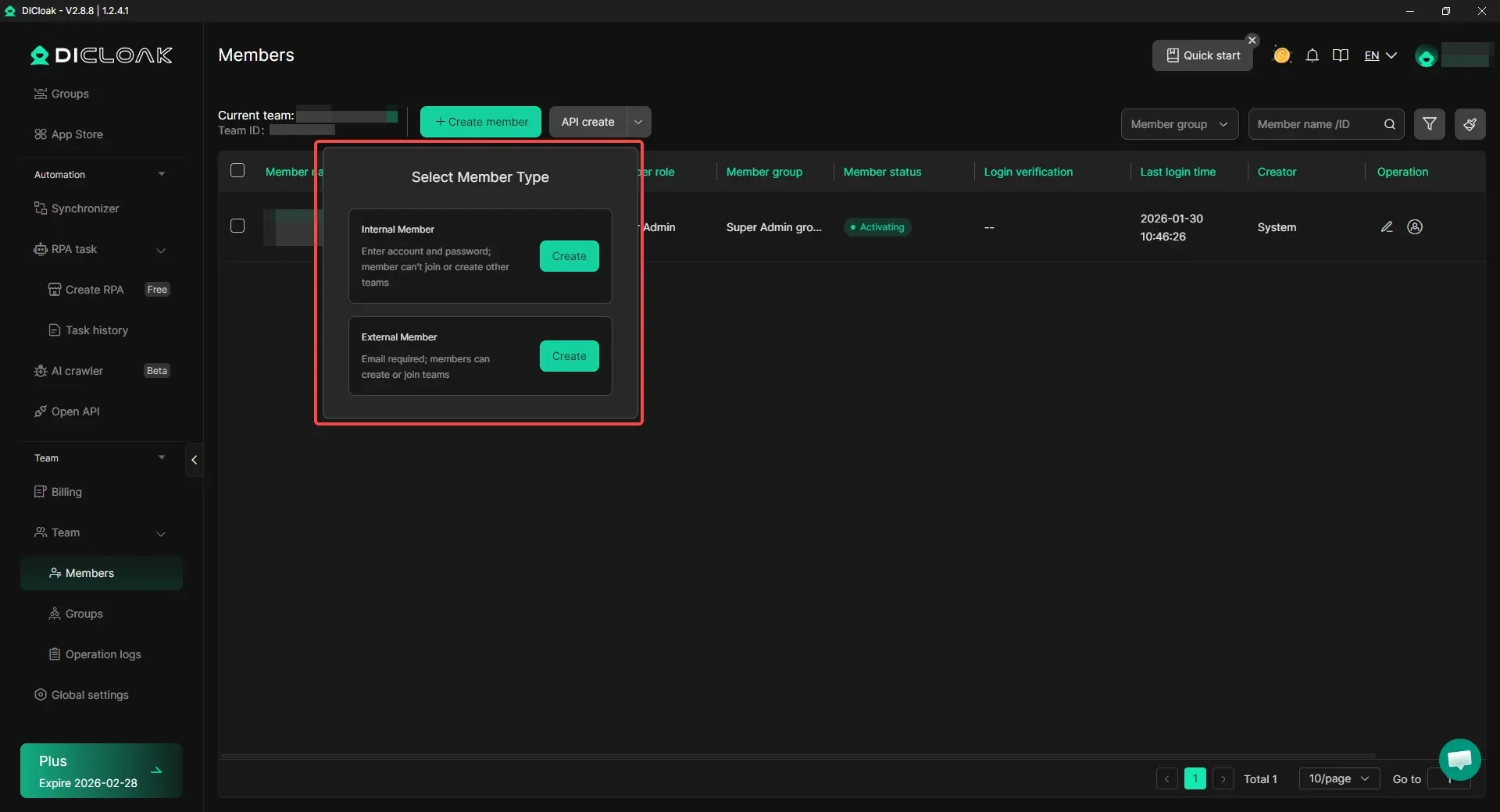
Improve team collaboration with shared profiles and permissions
For agencies and teams, profile sharing and permission control can make work safer and clearer. Team members can access the profiles they need without sharing raw passwords or full account control. This setup helps users promote YouTube videos across many channels with less account overlap, fewer manual steps, and better team management.
Frequently Asked Questions about How to Promote YouTube Videos
1. How often should I promote a new YouTube video?
You should promote a new YouTube video in the first 48 hours, then share it again later with a new angle. For example, one post can focus on the main lesson, while another can share a short clip or viewer question.
2. Can I promote YouTube videos without a large audience?
Yes. You can promote YouTube videos through Shorts, niche communities, email lists, and creator collaborations. A small but interested audience is often better than random traffic that leaves fast.
3. Do hashtags help increase YouTube views?
Hashtags can help group your video by topic, but they are not the main ranking factor. A clear title, strong thumbnail, good retention, and smart YouTube SEO matter more.
4. Should I change my title or thumbnail after publishing?
Yes, if early data shows weak clicks. If impressions are rising but views stay low, try a clearer title or thumbnail. Change one thing at a time so you can see what worked.
5. How can teams promote YouTube videos more safely?
Teams can use separate browser profiles, clear permissions, and stable account environments. This helps avoid mixed sessions when several people manage YouTube and social media promotion together.
Conclusion
Promoting YouTube videos in 2026 starts with clear topics, strong titles, useful thumbnails, and natural YouTube SEO. These basics help viewers find, click, and trust your video. After publishing, use Shorts, playlists, social media, comments, and communities to bring in the right audience. Then check YouTube Analytics to improve weak titles, slow openings, and poor traffic sources.
Paid promotion can help, but only when the video already performs well. For teams, DICloak can also make YouTube video promotion easier with separate profiles, custom proxy configuration, RPA, and permission control.
 Web Proxy Tools
 Free Tools
 Cookie Plugin
 UA Generator
 MAC Address Generator
 IP Generator
 IP Address List
 2FA Code Generator
 World Clock
 Anonymous Check
 WebRTC Leak Test
 UUID Generator
 Free Web Proxy Site
 Proxy Checker
 FB Ad Checker
 AI Web Scraping
 Free SMM Tools
 Twitter Shadowban Checker
 Instagram Name Checker
 UTM Generator
 Username Generator
 AI Hashtag Generator
 LinkedIn Headline Generator
 Social Media Image Resizer