If you are asking is redbubble legit or is redbubble trustable, you are not alone. Redbubble is a well-known print-on-demand marketplace, but many buyers and sellers still have questions about how reliable it really is. Some people like the wide product range and the chance to support independent artists. Others worry about print quality, shipping delays, refunds, or seller fees. In this guide, we will look at how Redbubble works, what real users often say about it, and what you should know before you buy or sell on the platform.
What is Redbubble and How Does It Work?
To decide is redbubble legit or is redbubble trustable, it helps to first know what Redbubble actually does. Redbubble is a marketplace where independent artists upload designs, and customers buy those designs on made-to-order products.
Redbubble's Business Model
Redbubble works like a print-on-demand marketplace. An artist opens a shop, uploads artwork, and places that design on products in the shop. When a customer places an order, the item is produced to order by Redbubble’s third-party printing and shipping partners, then sent to the buyer. The artist earns money from the sale, usually through the markup added to the product’s base price, although fees can affect final earnings. This setup is a big reason people ask is redbubble legit, because Redbubble mainly acts as the platform between the artist, the printer, and the customer.
Types of Products Available on Redbubble
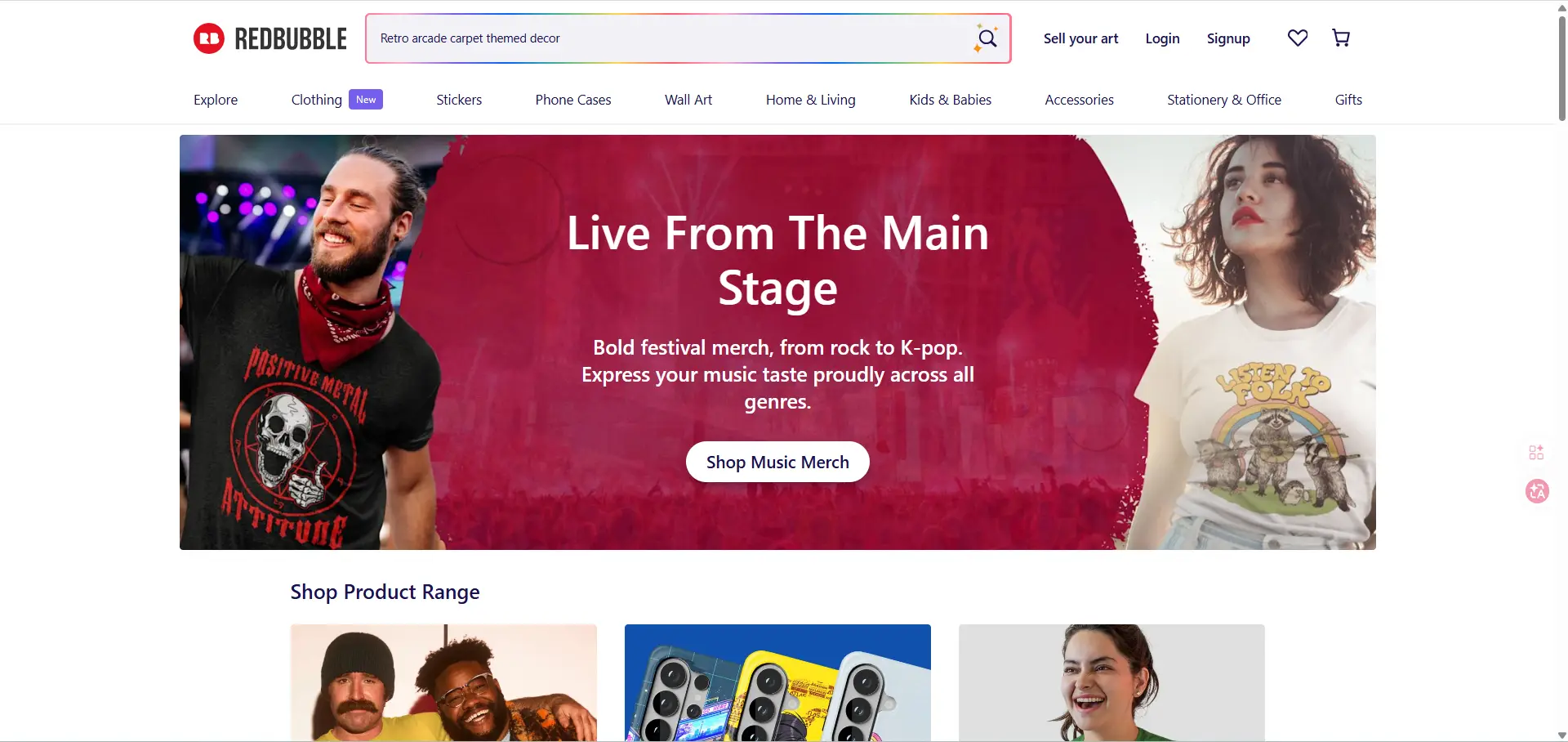
Redbubble offers a wide mix of products, which helps explain why the site gets so much buyer interest. On its official site, Redbubble says designs can appear on more than 70 products, including T-shirts, stickers, phone cases, wall art, and home decor. In simple terms, one drawing can show up as a laptop sticker, a framed print, or even a pillow, depending on what the artist enables. The site also has officially licensed fan art in some categories, which can make the marketplace feel more trustable to some shoppers.
How Artists and Designers Use Redbubble
For artists, Redbubble is mostly a low-barrier way to start selling without buying inventory first. The artist uploads a file, adds a title, tags, and a description, then adjusts how the design looks on each product preview. Redbubble says a shop becomes public only after the artist uploads at least 5 public works and enables at least 1 product for each one. So, a small designer who makes funny cat art or simple text stickers can test ideas fast, see what gets clicks, and grow a shop step by step instead of paying for bulk stock up front. That practical setup is one reason some users feel is redbubble trustable is a fair question, but also why many creators still try it first.
Is Redbubble a Legit or Trustworthy Platform?
When people ask is redbubble legit or is redbubble trustable, the answer is not a simple yes or no. Redbubble looks like a real and working marketplace, not a fake store. It has normal checkout options, public return rules, seller payout rules, account verification steps, and active brand partnership and product safety pages. At the same time, trust on Redbubble is not always steady, because orders are printed and shipped through third-party partners in different places, so quality and delivery can feel uneven from one order to the next.
User Reviews and Ratings Analysis
User opinion is mixed, and that matters a lot when judging whether is redbubble legit. Some buyers report good support, quick replacements, and products they liked. But many recent reviews complain about faded prints, grainy images, slow shipping, split deliveries, or items that looked better on the product page than in real life. Some sellers also feel frustrated by the current fee structure, because fees can take a large share of earnings on lower-tier accounts. So the stronger conclusion is this: Redbubble is a real platform, but the experience can vary a lot depending on the product, the print partner, and the artist shop you choose.
Security and Payment Safeguards
The payment and account side looks fairly standard for a legitimate platform. Buyers can use major cards, PayPal, Apple Pay, gift cards, and in some places Afterpay or Clearpay. For artists, setup includes email confirmation, payment details, and phone verification before the store is fully ready. Sensitive account changes also require access to the connected email, which adds a basic ownership check. Payouts for artists follow a fixed cycle, with payments starting at the beginning of the month and expected by the 15th once the payment threshold is met. These are useful signs for readers asking is redbubble trustable, even if they do not remove every risk tied to printing quality or support speed.
Transparency in Policies
Redbubble is fairly clear about its rules, and that helps people judge the platform with more confidence. Buyers can read return and exchange terms before ordering, including the 30-day window for many problem orders. Artists can also see the account fee structure in plain numbers: Standard accounts face a 50% platform fee on monthly earnings, Premium accounts 20%, and Pro accounts 0%. There are also public pages for payment timing, privacy, user agreement, and product safety in the EU market. That does not mean every user will feel happy with the rules, especially sellers who think the fees are too high. Still, the policies are visible enough that users can understand the trade-offs before they commit.
Redbubble Product Quality: What to Expect
Redbubble quality is real, but not perfectly even. That is because products are made by different print partners, with different print methods, on different materials. So one sticker order may feel great, while a shirt from another order may only feel average. Redbubble also makes clear that colors can shift from screen to print, and even the same product type can look a little different across print runs.
Materials and Printing Standards
The baseline is decent, especially for simple designs. Most basic T-shirts are cotton, many apparel items use direct-to-garment printing, and full-print items use sublimation. That matters because these methods do not behave the same way. Direct-to-garment usually works well for everyday graphic shirts, while sublimation tends to hold color into the fabric better on polyester-based items. Stickers are one of the stronger product types on the site, since they use scuff-resistant vinyl rather than thin paper stock. Apparel printing also uses water-based, non-toxic inks, which is a good sign for basic product standards.
Customer Feedback on Product Durability
In real use, durability seems most dependable on stickers and simpler prints. Shirts can still look good, but they need more care. Redbubble recommends cold washing and line drying to help prints last longer, which usually means the print is not something you should treat roughly from day one. Recent customer feedback shows the gap clearly: some buyers are fine with the shirt blank but unhappy with fading, patchiness, or print quality after washing, while others feel the product looks close enough to what they expected. So the safer view is not “all Redbubble products are bad.” It is that durability depends a lot on product type, print quality, and how complex the design is.
Common Issues Reported by Buyers
The most common problems are pretty consistent. Buyers often mention colors looking darker or duller than on screen, fine details not printing as sharply as expected, and some apparel prints looking speckled or uneven. A few buyers also get confused when one order arrives in separate packages, because different products may come from different print partners. On apparel, a new shirt can also arrive with a slight smell or residue from the print process, though that usually goes away after washing. The good part is that Redbubble does offer a 30-day return window for items that arrive in poor condition, so buyers do have a path to ask for a fix when quality misses the mark.
Shipping and Delivery Experience on Redbubble
Shipping is one of the biggest reasons people stop and ask is redbubble legit or is redbubble trustable. In most cases, orders do arrive, but the delivery experience is not always smooth. That is because Redbubble uses a print-on-demand model. Your item is made after you order it, then shipped by outside print and delivery partners. So the full wait time includes both production time and shipping time, not just mailing time.
Shipping Times and Costs
Redbubble does not use one flat shipping rule for every order. The final cost and delivery window change based on your country, the shipping method, the products in the cart, and even the kind of packaging needed. Standard and Express shipping may both be available, but not for every order. A mixed order can also take longer and cost more because different items may be printed by different partners. That is why one sticker order may move quickly, while a larger order with apparel and wall art may take more time and arrive in parts.
Packaging Quality and Protection
Packaging is decent in the basic sense, but it is not one single standard across the whole site. Posters are rolled in sturdy tube boxes, art prints usually go in flat mailers when possible, and framed pieces ship in fitted boxes. That sounds reassuring for wall art, but it also shows why buyer experience can feel uneven across product types. Since different products come from different partners, the packaging can feel careful on one order and more ordinary on another. This is one reason some buyers feel Redbubble is trustable for simple items, but less predictable for larger or more fragile ones.
Handling Delays and Lost Orders
When delays happen, Redbubble does give buyers a process to follow. Order history can show the estimated delivery date, tracking details when available, and whether items are still in production or already shipped. If the last estimated date passes, Redbubble tells buyers to wait a day or two, then report the order within 30 days if it still does not arrive. For damaged or missing orders, support may offer a replacement or a voucher, though user feedback suggests the support experience can feel inconsistent. Reviews often mention delayed deliveries, missing items, or split shipments that confuse buyers, even though some customers do still get problems fixed.
Redbubble's Return and Refund Policies
Return rules matter a lot when people ask is redbubble legit or is redbubble trustable. On this part, Redbubble looks like a real platform with a working policy, but it is not as flexible as a big general retailer. Because items are made after you order, the window to cancel is short, and many return problems have to go through customer support instead of a fast self-serve system.
How the Return Process Works
The basic process is fairly clear. For most items, buyers can submit a return request within 30 days after delivery. If the problem is size, style, or color, there is also an exchange route. To do that, the buyer usually needs the order number and the same email used for the purchase. One detail many people miss is timing: if you want to cancel for a full refund, the request usually needs to be made within two hours of placing the order. After that, the item may already be in production. Redbubble also says support replies within about 48 hours, so the process works, but it is not instant.
Refund Timelines and Conditions
Refund timing is normal, but not especially fast. Once a refund is processed, the money may take about 5 to 10 business days to show up, and in some cases it may not appear until the next billing cycle. There are also limits that matter. Return, exchange, or refund requests can be denied in cases tied to fraud, suspected abuse, or similar problems. On large returns worth more than $250 before discounts, a 20% restocking fee can apply. So if someone asks is redbubble trustable, the fair answer here is yes, the refund system exists, but buyers should read the conditions before they order.
Challenges Customers Face with Returns
The biggest return problems are not about whether a policy exists. They are about friction. Buyers sometimes realize too late that two hours is a very short cancel window for a made-to-order item. Others get stuck because the request has to match the original purchase email, or because they expected a simple store-style return and instead had to open a support ticket. On review sites, some customers praise easy replacements, but others complain about slow replies, delayed refunds, or trouble resolving delivery problems. That does not make Redbubble fake. It just means the return experience can feel smooth in one case and frustrating in another.
Common Complaints and Criticisms of Redbubble
A big part of answering is redbubble legit or is redbubble trustable is looking at what people complain about most. The pattern is pretty clear. Buyers often get frustrated when the final item does not look as clean, centered, or well-made as the product page suggests. Sellers, on the other hand, often worry about fees, weak margins, and sudden content reviews. Those problems do not prove Redbubble is fake, but they do explain why trust feels uneven on the platform.
Issues with Product Customization
One common complaint is that customization can feel less exact than buyers expect. On Redbubble, one design is adapted across many product types, and that can create problems with placement, scaling, and detail. Recent buyer reviews mention mugs with compressed images, hoodies with artwork printed too high, and stickers that looked blurrier than expected. On the seller side, the upload system also makes it clear that artists need to check how each design sits on each product and sometimes replace or adjust images by hand, which shows that a good preview does not always happen automatically.
Concerns About Pricing and Value
Pricing is another weak spot. For buyers, the complaint is often simple: the item may feel too expensive once shipping is added, especially if the product quality lands in the “just okay” range. Recent reviews mention flimsy magnets, weak print quality, and shipping costs that felt too high for what arrived. For sellers, the value question is even sharper. As of March 2026, Standard accounts lose 50% of monthly earnings to platform fees, Premium accounts lose 20%, and extra markup above 20% can trigger another 50% fee on that added portion. That makes it harder for smaller artists to price competitively and still keep a decent margin.
Intellectual Property and Copyright Disputes
Copyright is one of the most sensitive areas on Redbubble. Artists are responsible for what they upload, and works can be removed after a notice and takedown report. In more serious cases, accounts can be permanently disabled, and linked accounts can be affected too. This creates a lot of tension because some fan art is allowed through approved brand partnership programs, while other work that looks similar may still be removed. So the real complaint here is not just “copyright exists.” It is that many artists find the line hard to read until a design gets flagged.
Redbubble's Role in Supporting Independent Artists
One reason Redbubble still gets attention in 2026 is its connection to independent artists. The platform is built around creator-made designs, and that shapes how many people judge it. If you are wondering is redbubble legit or is redbubble trustable, this part matters because Redbubble is not just selling generic products under one brand name. It gives artists a way to put their work on many products and earn from each sale, which is a big part of why both buyers and sellers keep using it.
How Artists Earn Money on Redbubble
Artists do not need to buy stock first. They upload artwork, place it on products, and earn through the margin added to the base price. The markup is flexible, so an artist can raise or lower it by product. A simple example on Redbubble’s help pages shows that if a US classic T-shirt has a $20 base price and the artist sets a 20% markup, the artist margin is $4 before account fees. Payment is not instant, though. Artists need to reach a $20, £20, or €20 threshold after fees, and eligible payments are processed at the start of the month and should arrive by the 15th. That means Redbubble can work as a low-risk starting point, but it is usually better for gradual income than fast cash.
Tools and Resources for Creators
Redbubble does give creators a workable starter system. The setup path is simple: create products, set up the shop, and add payment details in the Artist Dashboard. New accounts may take up to five business days to be classified and become visible in search, so there is usually a short waiting period at the start. Beyond setup, creators also get practical guidance through Redbubble’s artist help content and blog resources, including artwork sizing, format help, and self-promotion advice. That does not guarantee success, but it does show the platform is not just leaving new artists alone after signup.
Success Stories from Redbubble Artists
Redbubble does have real artist growth stories, even if they are not the norm for every shop. Its Artist Ambassador program is built to lift artist voices and give selected creators a stronger place in the community. Recent spotlight pieces show artists like DEMOONTIER being invited into the ambassador program after gaining attention for a bold visual style, while Gremren is featured as a professional independent artist with a clear brand identity. These examples do not mean every seller will do well. But they do show that some artists use Redbubble as more than a side page for random uploads. For creators with a clear style and steady output, the platform can become a real showcase as well as a sales channel.
Boost Redbubble Business With Secure Multi-account Management
If a Redbubble business grows beyond one simple workflow, organization starts to matter as much as design quality. That does not mean trying to get around platform rules. It means keeping each work area cleaner and easier to manage. Redbubble does allow multiple accounts in some cases, but it can close accounts used to get around the 30-work daily upload limit across accounts, and it also limits repeated use of the same bank details across different accounts. So the smarter path is simple: stay within the rules, then build a setup that keeps each account or task separate.
Keep Each Redbubble Store Separate with Isolated Browser Profiles
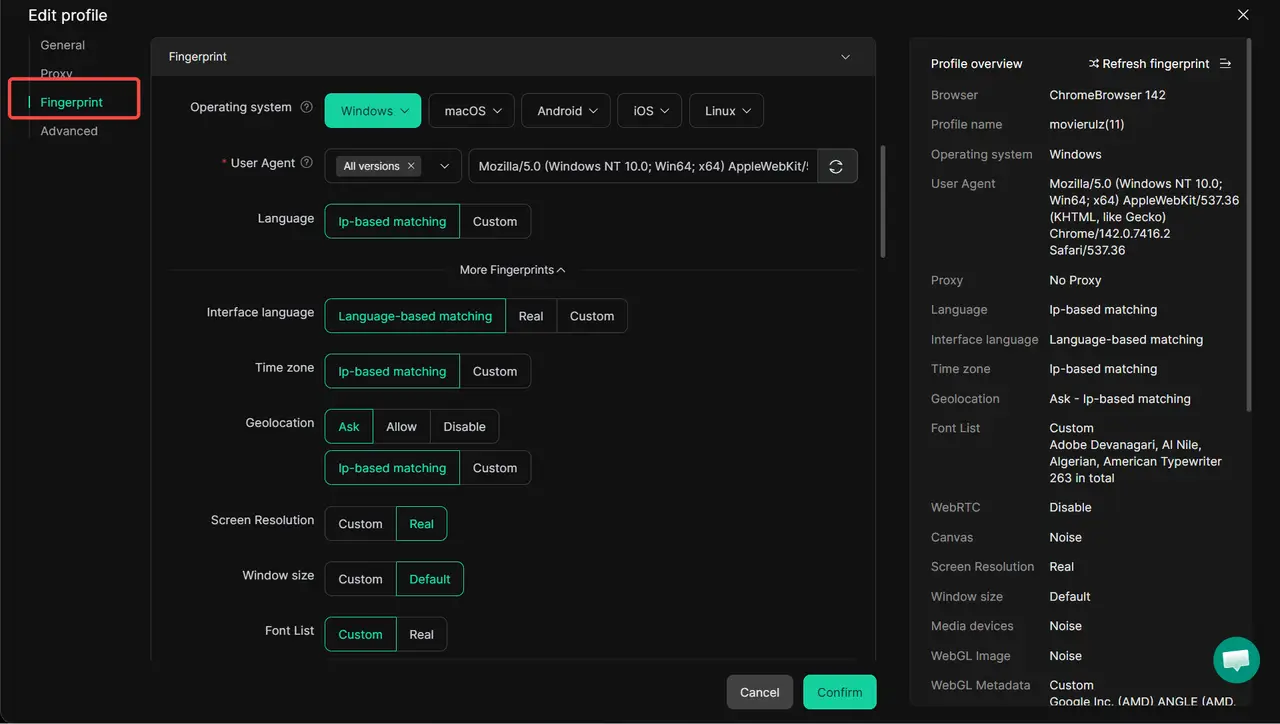
When drafts, cookies, saved logins, and shop activity all sit in one regular browser, small mistakes can pile up fast. DICloak is built around separate browser profiles, so each account can run in its own isolated browser profile. For a Redbubble seller, that can make it easier to keep one profile for one store, one niche, or one team task, instead of mixing everything together. It also makes review and troubleshooting simpler when one shop has a login issue, a listing problem, or a workflow error.
Reduce Cross-Account Risk with Flexible Proxy Configuration
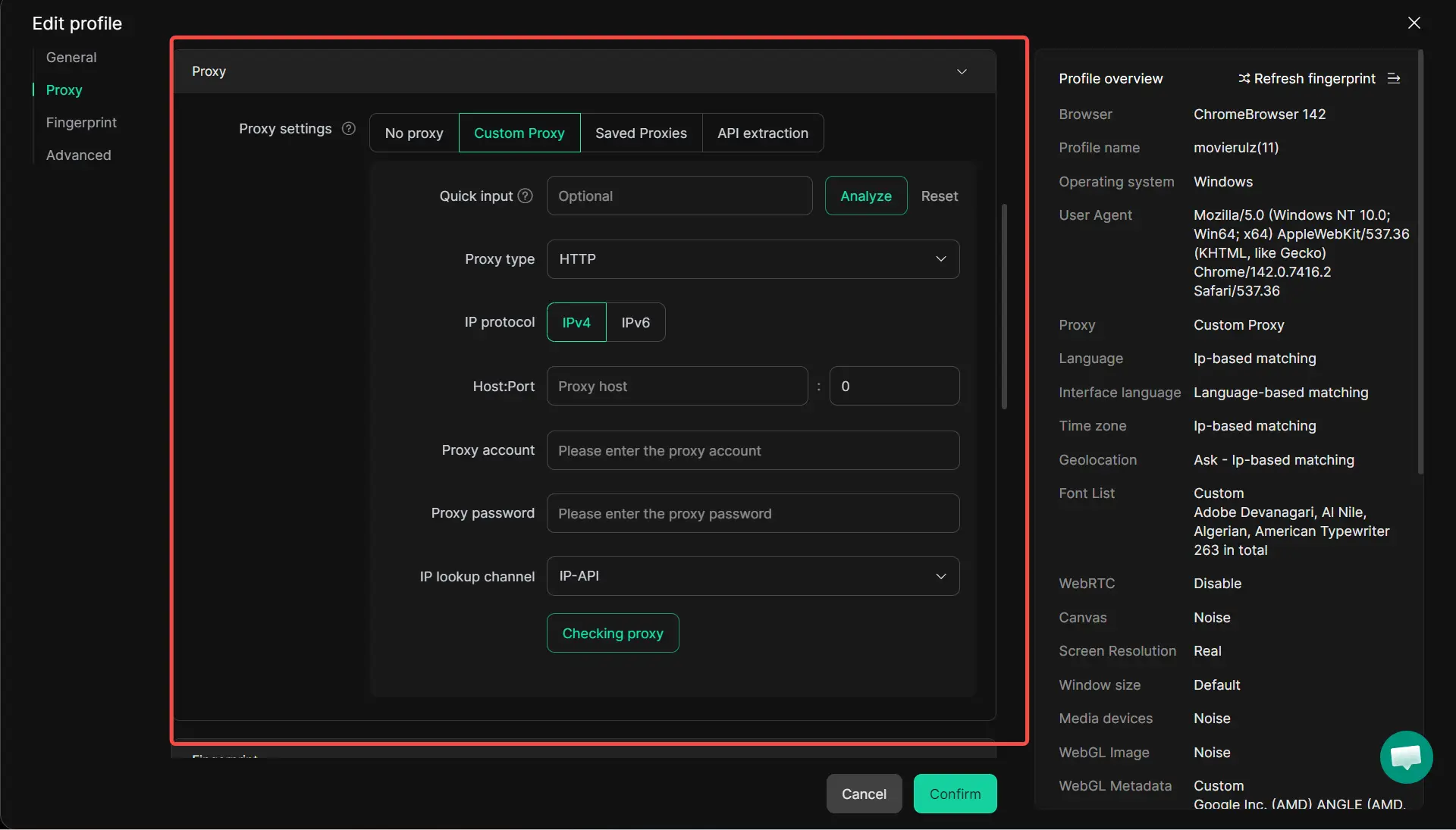
A clean setup is not only about the browser window. Network setup matters too. DICloak lets users add their own proxies when creating profiles, and it supports HTTP, HTTPS, and SOCKS5 proxy types. In practice, that gives sellers more control over how each profile connects, which may help reduce unnecessary cross-profile association. DICloak itself is not a proxy provider, so users still need to buy and configure their own proxies based on their needs. That makes the setup more flexible, especially for sellers who want each Redbubble workflow to stay more clearly separated.
Save Time as You Scale with Bulk Operations and Team Access Control
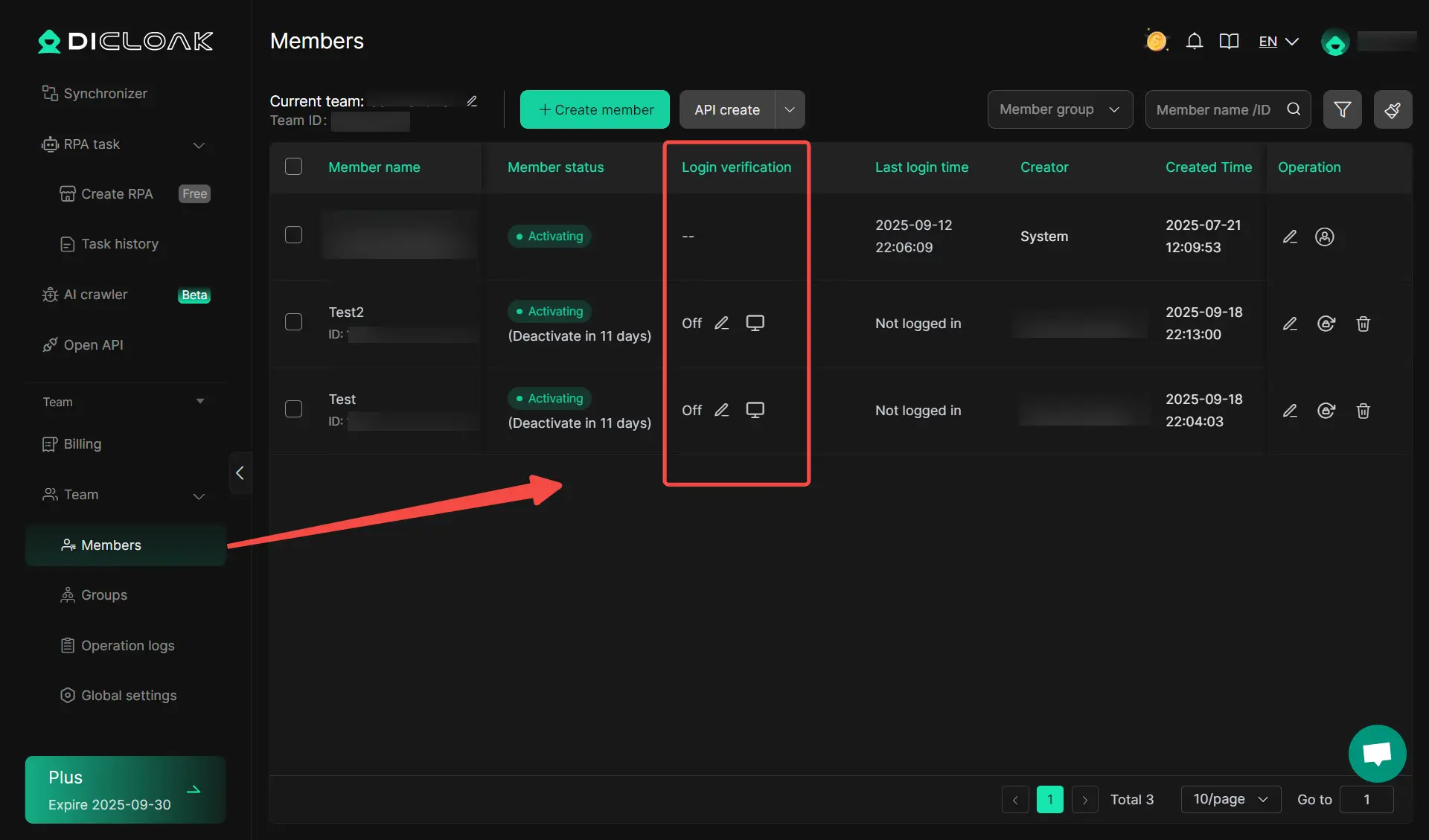
Growth gets messy when the real bottleneck is daily admin work. DICloak supports bulk actions for browser profiles, including opening, closing, transferring, and deleting profiles. It also supports team management. So if one person handles uploads, another checks store activity, and another manages design files, access can be split more clearly instead of passing around one shared setup. For a growing Redbubble business, that can save time, reduce confusion, and make team work easier to control.
FAQs About Is Redbubble Legit or Trustable
Is Redbubble safe to use for online shopping?
For most buyers, yes. Redbubble uses standard online payment options like major credit cards, PayPal, Apple Pay, and, in some countries, Afterpay or Clearpay. It also has a working return system and order support process, which are normal signs of a real shopping platform. That said, “safe to use” does not mean every order feels perfect. Print quality, shipping speed, and support can still vary.
Does Redbubble sell authentic and original designs?
Many designs come from independent artists, and some fan art on the site is officially licensed through Redbubble’s Fan Art Program. But not every upload is guaranteed to be original. Copyright complaints, removals, and account actions do happen, which is why buyers should still use judgment when shopping for branded or very familiar designs.
How long does it take to receive an order from Redbubble?
There is no one fixed delivery time for every order. Redbubble’s estimate includes both production time and shipping time, since items are made after you buy them. At checkout, buyers can usually see Standard and Express options, and mixed orders may arrive in separate packages if different products are made by different print partners.
Can I trust Redbubble with my payment information?
Redbubble’s checkout setup looks like a normal online store, not a suspicious payment flow. It accepts major payment methods and requires billing details that match the card information. That makes it reasonable to say Redbubble is trustable on the payment side for most shoppers, even if that does not remove other concerns like shipping delays or product quality.
What should I do if I receive a defective product?
The best step is to submit a return request as soon as possible. Redbubble gives buyers 30 days from the latest estimated delivery date for items that arrive in poor condition. It also helps to keep the item, take clear photos of the problem, and include them in the request. In many cases, the fix is a replacement order or a Redbubble voucher, though shipping fees may not be included.
Conclusion
So, is redbubble legit and trustable? Yes, Redbubble is a real platform, and many people do use it to buy art-based products or sell their designs online. But is redbubble trustable in every case? Not fully. The experience can vary depending on the product, the print partner, the seller, and the type of issue you run into. For buyers, it is best to check product details and shop quality before ordering. For sellers, it is important to understand the fee structure, copyright rules, and account setup before putting in too much time. Redbubble can still be worth trying in 2026, but it works best when you go in with clear expectations.
 Web Proxy Tools
 Free Tools
 Cookie Plugin
 UA Generator
 MAC Address Generator
 IP Generator
 IP Address List
 2FA Code Generator
 World Clock
 Anonymous Check
 WebRTC Leak Test
 UUID Generator
 Free Web Proxy Site
 Proxy Checker
 FB Ad Checker
 AI Web Scraping
 Free SMM Tools
 Twitter Shadowban Checker
 Instagram Name Checker
 UTM Generator
 Username Generator
 AI Hashtag Generator
 LinkedIn Headline Generator
 Social Media Image Resizer