You keep reading advice about working harder or finding better products, but the real headache is different, most dropshippers hit a wall because they can’t spot what’s actually holding them back. One week your ads look good, the next week your margins vanish. Figuring out how to improve dropshipping skills isn’t about tips you’ve already heard a hundred times; it’s about breaking through the hidden bottlenecks that stall your growth.
The risk is wasting months chasing tactics that never fix your main problems. Many sellers keep changing suppliers, running new campaigns, or copying “winning products,” but results barely move. If you’re stuck in that cycle, you’re not alone, dropshipping skill improvement isn’t just about effort, it’s about where you aim it.
What actually gets you better at dropshipping in 2026 is learning to spot patterns that signal trouble, knowing when to double down versus when to pivot, and building habits that let you handle setbacks fast. The gap between average and top sellers usually comes down to one thing: how quickly you can turn mistakes into working strategies. If you want dropshipping skills tips that go past the surface, it starts with fixing what’s slowing you down, not just working harder.
Start by identifying where your process breaks down most often. That’s where the biggest improvement happens.
What Skills Actually Matter Most for Dropshipping Success in 2026?
The fastest way to see real results isn’t learning every tool, it’s focusing on the few dropshipping skills that directly drive profit and keep your store out of trouble. If you want to know how to improve dropshipping skills, start by doubling down on supplier management, product research, and building repeatable marketing routines. These three areas decide whether you’ll stay stuck or actually break through.
Supplier Evaluation and Relationship Management
A reliable supplier does two things: they ship on time and deliver what you promised your customer. If you can’t get clear answers from a supplier on delivery times, product quality, or returns, move on. Most of the time, the biggest dropshipping failures come from trusting a supplier you haven’t properly tested, so always order samples and negotiate in writing.
Product and Market Research
Spotting winning products is less about luck and more about seeing what’s already working in the market. The real skill is knowing how to read sales data, track trend spikes, and check competitor ads to avoid wasting your ad budget on duds. For example, sellers who only chase trending items from public lists usually end up competing on price and burning through cash, while those who dig into niche products with steady demand can build stable revenue. If you rely only on volume sellers or ignore seasonality, you’ll get stuck with inventory that stops moving as soon as the trend cools off. The hard part isn’t just finding “hot” products, it’s knowing when a product’s window is already closing and when it’s worth testing something off the radar.
Marketing, Customer Acquisition, and Retention
- Test ad creatives in small batches before scaling, blowing your whole ad budget on one angle rarely works.
- Use email or SMS to reach past customers with targeted offers instead of chasing new buyers for every sale.
- Track your refund and complaint rates weekly, high churn usually means weak product fit or poor service.
If you skip these steps, customer loyalty drops fast, and you’ll spend more fixing churn than growing sales.
The pattern is clear: even experienced dropshippers get tripped up by weak supplier checks, lazy product research, or random marketing. The next section breaks down the most common mistakes and how to spot trouble before it eats your margins.
Why Most Dropshippers Struggle: Common Mistakes and How to Avoid Them
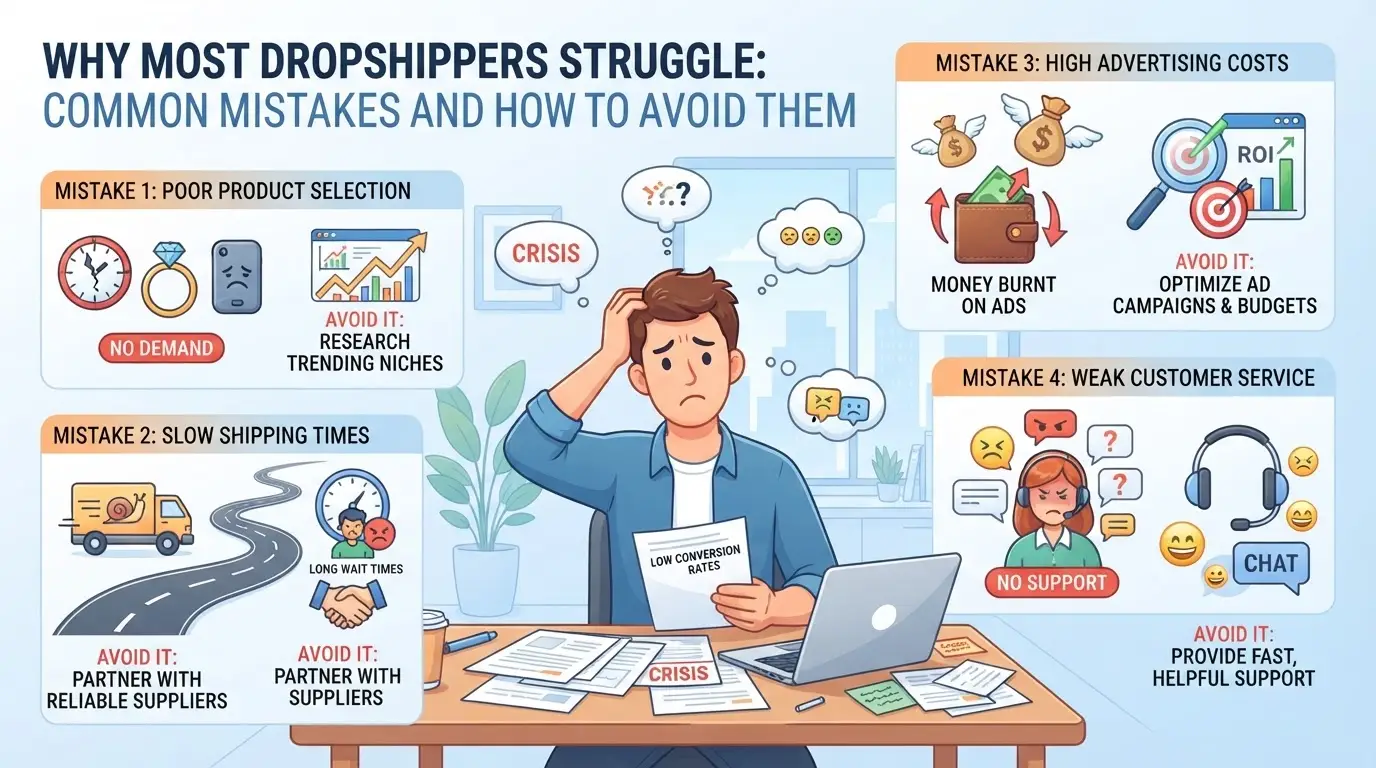
If your dropshipping results plateau, the problem often traces back to repeating avoidable mistakes, not just lack of effort. Fixing these issues is the fastest way to level up, so focus on the habits that keep your business stuck.
Relying on One Supplier or Product
Putting all your orders through one supplier or hinging sales on a single product leaves you exposed. When that supplier has stock issues or the product trend shifts, your entire operation can stall. Start testing backup suppliers and diversify your catalog early, waiting until a crisis hits usually means you're scrambling too late.
Ignoring Customer Experience
Poor shipping updates or slow refunds turn small hiccups into lost repeat buyers.
- Customers can get frustrated by delays and unclear answers.
- Build a system to track shipments and handle returns fast, this keeps your store’s reputation intact.
Neglecting Financial Tracking
Missing out on hidden fees or not tracking cash flow tightly is how profits vanish. Use simple spreadsheets or accounting tools to check margins weekly; even a small error can add up over dozens of transactions.
Overcomplicating Marketing Channels
Trying to run ads on every platform at once usually leads to thin results and wasted spend. Pick one or two channels that fit your product, learn them well, and only branch out after you’re making consistent sales.
Spotting weak points in your workflow is the real start of dropshipping skill improvement, next, build new habits that fix them.
How to Build Dropshipping Skills Step by Step (Beginner to Advanced)
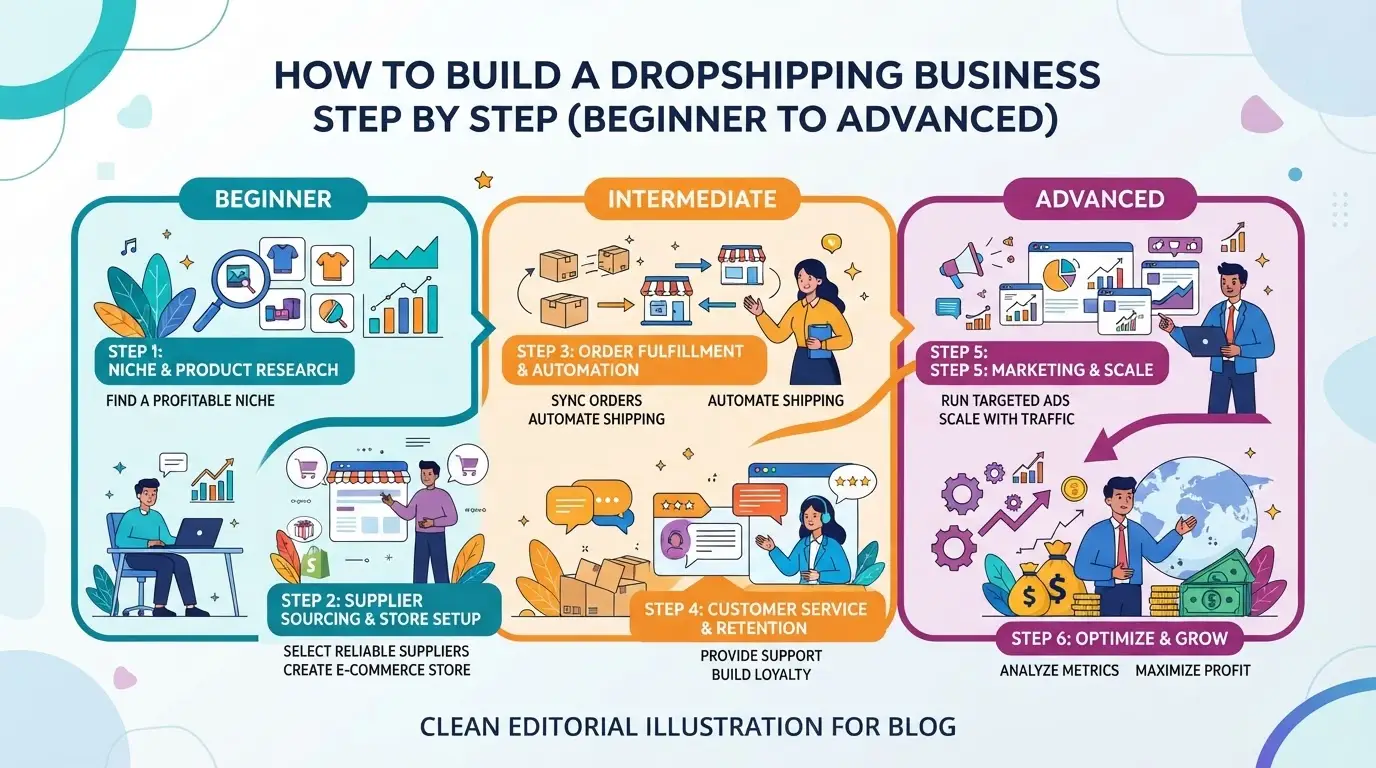
Getting better at dropshipping isn’t about random trial and error. You need a practical path that helps you spot weak points, fix what’s slowing you down, and build habits you can scale. Here’s how to improve dropshipping skills, broken down from starter to advanced.
Step 1: Master the Basics, Platform Setup and Product Selection
- Pick your e-commerce platform (Shopify, WooCommerce, or another). Skip platforms with hidden fees or strange plugins, those waste time.
- Validate product ideas with real search volume. If your item has less than 500 monthly searches, it’s usually not worth launching.
- Check product demand with Google Trends or keyword tools. If results are flat or falling, pivot before spending money.
Step 2: Develop Supplier Communication and Order Management
- Request sample orders from suppliers. If they refuse or delay, move on, hidden problems often show up later.
- Inspect every sample for defects, packaging, and delivery speed. Weak samples signal future headaches.
- Track each order and flag late shipments. Missing tracking updates mean you’ll deal with angry customers and refund requests.
Step 3: Learn Effective Marketing and Customer Service
- Run your first ad campaign with a $50 test budget. If you burn through it with zero sales, pause and check your targeting.
- Build basic support workflows, auto-replies for common questions, and a clear refund policy.
- Collect feedback after every sale. If reviews drop below 4 stars, customers are spotting issues you missed.
Step 4: Analyze Results and improve
- Monitor conversion rates, average order value, and refund rates. If any metric falls outside your target, dig for root causes.
- Set up A/B tests, headlines, product photos, or checkout flows. If results don’t improve after two tests, rethink your offers.
- Review analytics weekly. If you skip this step, small leaks pile up and kill profit.
Step 5: Scale Up, Automation, Multi-Account, and Team Workflows
- Add stores or accounts only after your first setup stays profitable for two months. Expanding too early multiplies your mistakes.
- Delegate routine tasks, order processing, customer support, to free up your time for strategy.
- Use automation tools for inventory updates and order syncing. Manual updates quickly become error-prone as you grow.
Top sellers move fastest by fixing weak spots before scaling, rushing just spreads problems across all your stores.
Once you’ve built the basics, the next skill jump comes from picking suppliers and products that don’t drag your process down. That’s where many new sellers stumble, and it’s the next thing you’ll want to get right.
What to Look for When Choosing Suppliers and Products in 2026
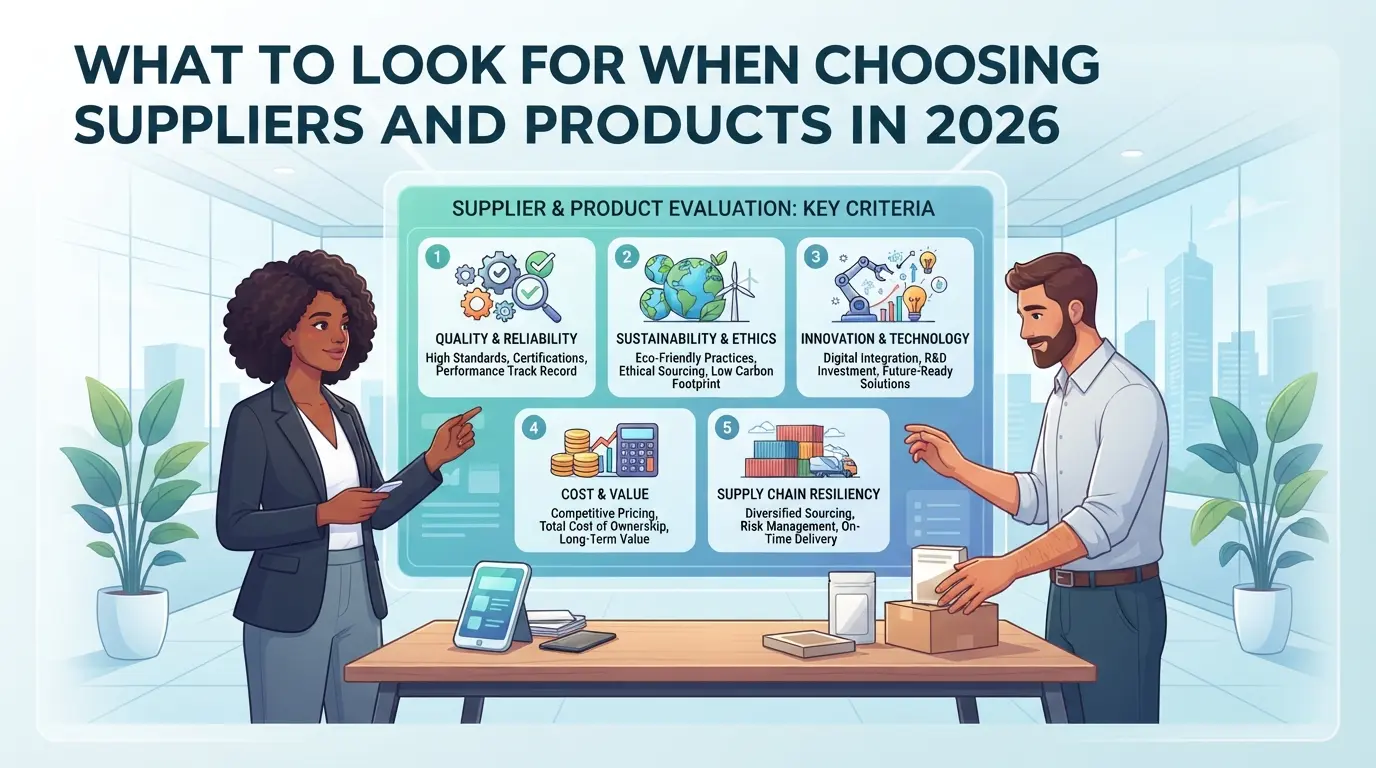
Picking the wrong supplier or product wipes out months of progress, no amount of dropshipping skill improvement can make up for broken supply chains or low-quality goods. Here’s what to actually check before you commit.
Supplier Verification and Communication
You can’t afford to guess if a supplier is real. Always check business credentials, scan third-party reviews, and send a test message. If they take more than 24 hours to reply or dodge questions about order issues, move on. A supplier who answers fast and gives straight answers is worth ten with flashy catalogs.
Product Quality and Compliance
- Order a sample and check for defects or missing parts.
- Ask for compliance certificates or test reports, especially for electronics or children’s items.
- Inspect packaging and labeling to spot shortcuts or fakes.
Shipping, Returns, and After-Sale Support
If a supplier won’t give you real tracking info or dodges questions about returns, that’s a red flag. Delivery estimates should match your store promise, late shipments and no-refund policies will wreck your reputation.
Pricing, Margins, and Inventory Stability
If you only look at supplier price, you’ll miss hidden costs and run out of stock when it matters most. Double-check every fee before listing a product.
- Calculate the true landed cost, including shipping, customs, and payment fees.
- Set alerts for low inventory or sudden price hikes.
- Confirm restock frequency so you’re not left selling out-of-stock products.
The right checks now mean fewer headaches when you start managing multiple stores and teams. Skip these steps, and you’ll spend more time fixing messes than building your dropshipping skills.
Using DICloak to Separate, Secure, and Scale Multi-Store Account Workflows
Keeping multiple dropshipping stores and team accounts organized gets tricky fast, especially as you grow past single-account setups. The real skill gap isn’t just knowing how to improve dropshipping skills, but figuring out how to separate workflows, limit risk, and make sure everyone on your team handles only what they’re supposed to. Tools like DICloak don’t run your stores for you, but they do let operators build safer workflows by splitting browser profiles, assigning proxies, and controlling who gets access. For anyone running several platform accounts or onboarding new team members, getting these layers right is what keeps chaos from creeping in.
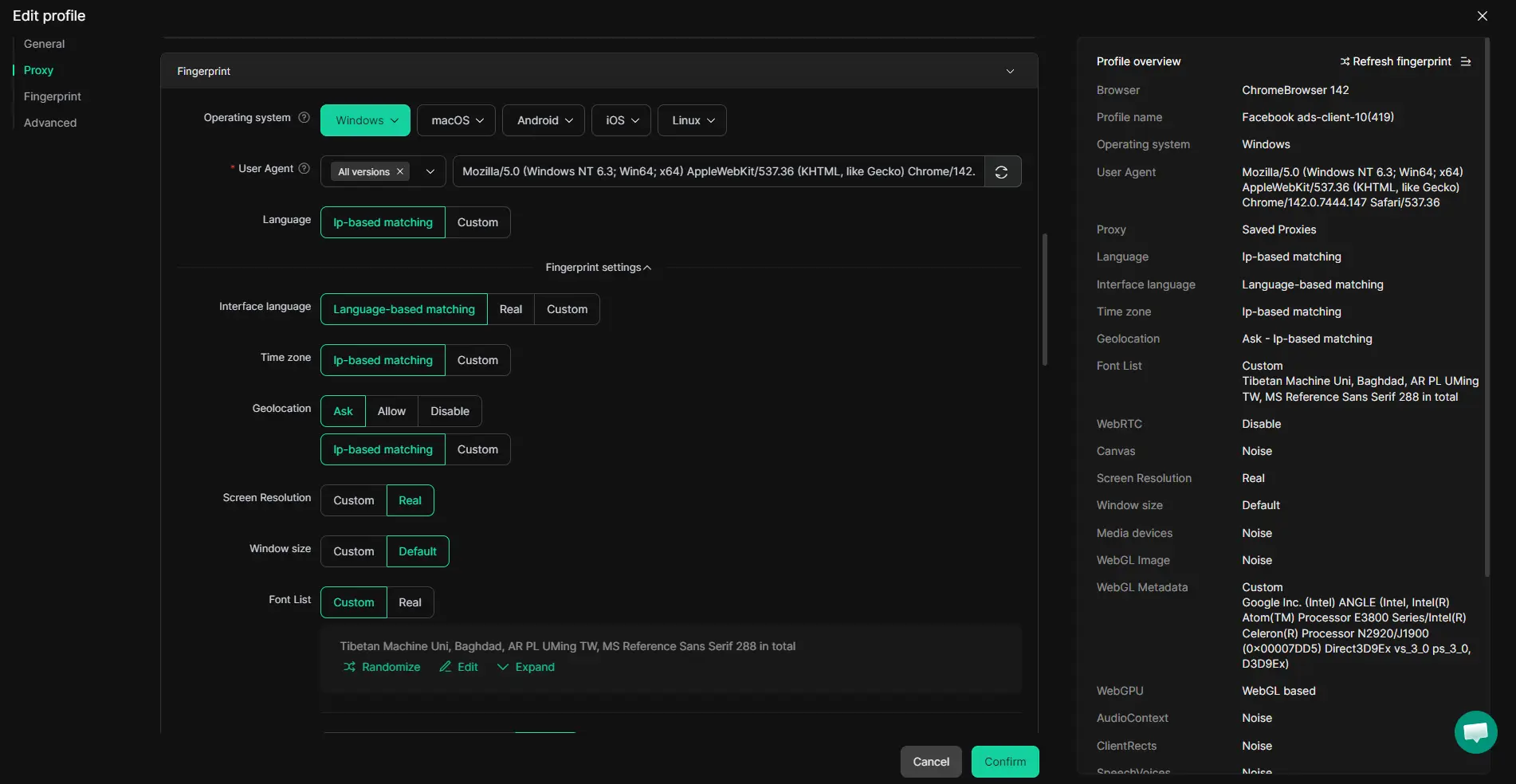
Using Profile Isolation and Fingerprint Configuration to Separate Store Accounts
Operators who manage multiple stores or platform accounts need each login session to stay in its own browser profile. With DICloak, you can create a separate profile for every account or store, making sure browser storage, cookies, and settings don’t overlap. Each profile can be set up with fingerprint signals that match the store’s real-world conditions, like time zone, language, or screen size, without blending sessions or risking confusion. The scope is limited to browser-profile settings; it does not change anything inside your store or supplier platform. This setup is what lets teams keep accounts cleanly separated and avoids cross-session clutter that leads to mistakes later.
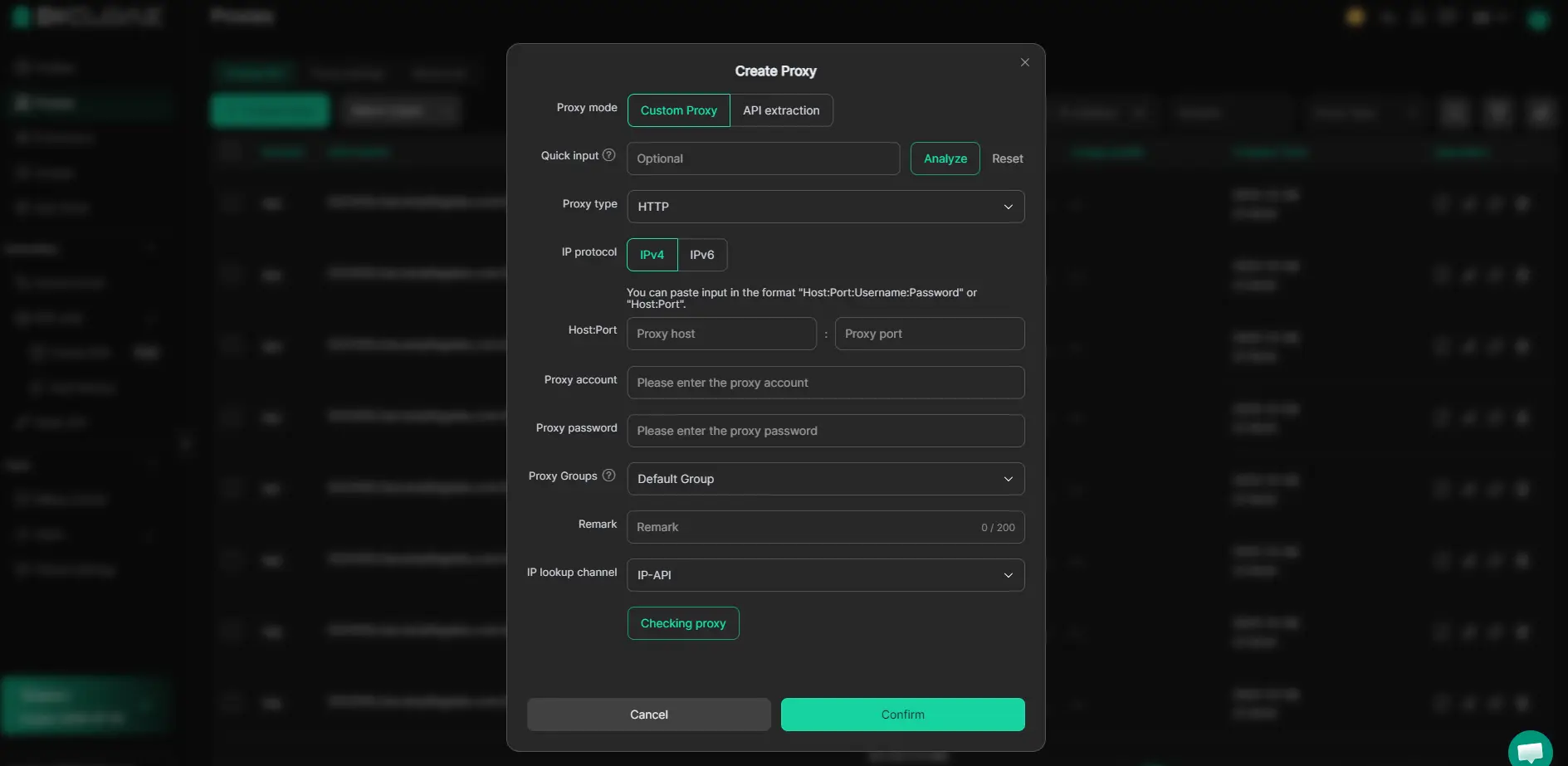
Assigning Proxies to Each Store for Network Separation
Once profiles are set up, users can assign their own proxies to each one. This means every store account can operate with its own network exit, giving operators the chance to test location consistency and avoid the pitfalls that come from shared IPs or region mismatches. You can add a SOCKS5 or HTTPS proxy per DICloak profile and run a built-in connectivity check to confirm the exit IP, country, and time zone. The responsibility for proxy quality and compliance stays with the user; DICloak only stores and applies the settings. This process reduces confusion and helps keep profiles from getting tangled up by network overlap.
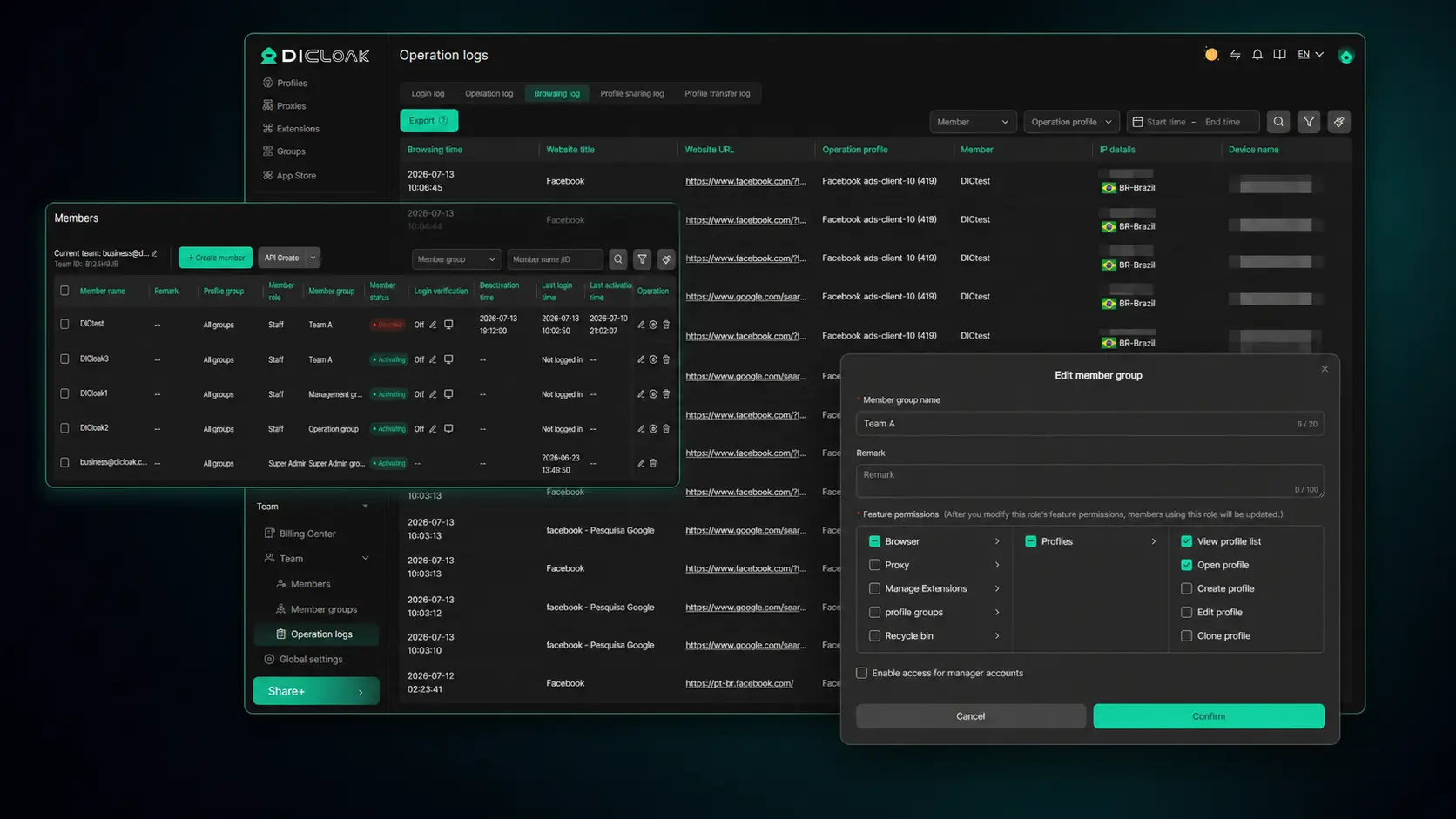
Team Permissions for Assigned Browser Profiles
When multiple people work across the same set of stores, it’s easy for accidental changes or data leaks to happen. Admins can use DICloak to create member groups and set up profile-access permissions, so each team member only sees and manages what’s truly needed for their role. You can restrict profile access by group, limit which fields regular members see, and keep sensitive functions out of reach unless required. The scope is strictly inside DICloak; these controls don’t replace permissions in your store platform itself. Giving every member only the access they need is the single best move for cutting down team mistakes and keeping workflows tight.
As you tighten up these workflow layers, you’ll find it easier to track progress and spot weak points, the next step in dropshipping skill improvement.
How to Keep Improving: Tracking Progress and Updating Your Dropshipping Skills
If you want to know how to improve dropshipping skills and keep up in 2026, track real changes, don’t rely on “busy work” or follower counts. Skill growth shows up in fewer mistakes, faster fixes, and higher profit per store.
Setting Measurable Skill Goals
Pick one weak spot to fix each month, like cutting returns or speeding up order handling. Use real numbers and feedback: if refund rates drop 20%, you’re moving forward.
Staying Updated with Industry Trends
Follow trusted dropshipping sources and join active seller groups. The fastest way to spot new threats or tactics is by talking to operators who test ideas in real stores, industry forums and Discord channels usually reveal shifts before blogs do.
Experimenting and Reviewing Regularly
Try one new tool or tactic every month, then review what actually changed. For example, switching payment processors can show if checkout rates jump or drop, not just “feel” more convenient.
When to Seek Advanced Training or Mentorship
- You hit a plateau for 2+ months
- Your fixes stop working across stores
- You can’t explain why a strategy failed
Find mentors or courses that answer your actual pain points, avoid generic “success” programs.
When to Scale Up: Signs You’re Ready for Advanced Dropshipping Workflows
Scaling up isn’t just about wanting bigger numbers, it’s about knowing exactly when your dropshipping operation can handle more volume, more complexity, and more risk. If you’re asking how to improve dropshipping skills, the real answer is recognizing when stability beats speed. Expanding too early means chaos; waiting too long means missed growth.
Consistent Profits and Order Volume
Stable profits and steady order volume are the baseline, random spikes or dips mean you’re not ready. Compare your numbers:
| Signal |
Ready to Scale? |
Caution Needed? |
| Weekly profit |
$500+ |
Under $200 |
| Order volume |
30+ per week |
Fluctuates wildly |
If your numbers bounce between extremes, focus on fixing processes before adding complexity.
Solid Supplier and Fulfillment Systems
Reliable logistics make scaling possible. If you see late shipments, frequent errors, or supplier silence, you’re not ready. Test your system by running a week of orders with zero manual fixes. If you can’t, bottlenecks will multiply as you grow.
The most practical signal is when your suppliers handle 90%+ of orders without intervention, anything less, and scaling means trouble.
Team and Tool Readiness
You need more hands or automation when tasks pile up or mistakes slip through. If you’re still doing everything yourself, adding team members or using multi-account tools becomes necessary once daily workload hits two hours or more.
When your workflow feels like you’re just putting out fires, it’s time to upgrade your systems or bring in help.
Risk Management and Compliance
Growth increases exposure to platform bans and legal issues. Before scaling, make sure you understand platform rules and have basic compliance checks, like store terms, tax IDs, and clear refund processes.
Missing these steps means a single mistake can wipe out months of progress.
Frequently Asked Questions About how to improve dropshipping skills
How long does it take to improve dropshipping skills?
Most people see clear progress in 1–3 months if they practice every day and study key topics. Start with product research and order fulfillment. Set weekly goals and review your results. Tracking sales and testing new strategies can help you learn faster. Consistent effort matters more than your starting skill level.
Can I improve dropshipping skills without prior e-commerce experience?
Yes, you can get better at dropshipping even if you’re new to e-commerce. Begin by learning the basics, like finding suppliers and setting up a simple store. Watch tutorials and practice with small test orders. Expect challenges, but hands-on practice will help you understand the process and build your confidence.
What are the best tools for improving dropshipping skills in 2026?
Use tools that help with product research, like AliShark or Sell The Trend. Automation apps such as AutoDS can save you time on order management. For team workflows or multiple stores, look for platforms with multi-account support. Chrome extensions and analytics dashboards are also helpful for tracking performance.
Is it necessary to use proxies or browser profiles for dropshipping?
You only need proxies or browser profiles if you run multiple stores or accounts. These tools help prevent linking issues and reduce the risk of bans from platforms like Shopify or eBay. If you manage one store, they aren’t needed. For advanced dropshipping skill improvement, secure browsing becomes more important.
How do I keep my dropshipping skills up to date?
Stay current by following dropshipping news, joining online groups, and reading forums like Reddit or Facebook groups. Review your store’s workflow and sales each month. Watch for new tools and strategies that others share. Continuous learning and networking are key to improving and staying successful in dropshipping.
Now is the time to put your newfound strategies into action, testing different tools and approaches to discover what works best for your business. Evaluate your results regularly and keep refining your systems for continued growth and efficiency. Try DICloak For Free
 Web Proxy Tools
 Free Tools
 Cookie Plugin
 UA Generator
 MAC Address Generator
 IP Generator
 IP Address List
 2FA Code Generator
 World Clock
 Anonymous Check
 WebRTC Leak Test
 UUID Generator
 Free Web Proxy Site
 Proxy Checker
 FB Ad Checker
 AI Web Scraping
 Free SMM Tools
 Twitter Shadowban Checker
 Instagram Name Checker
 UTM Generator
 Username Generator
 AI Hashtag Generator
 LinkedIn Headline Generator
 Social Media Image Resizer