A single affiliate campaign can get shut down overnight if your accounts are flagged, your tracking links are blocked, or your ads trigger the wrong filter on Facebook or Google. That’s the reality many new marketers face, less than 30% of beginners see any profit in their first three months, according to Ahrefs. Affiliate marketing for beginners looks simple on paper, just sign up, copy a link, and wait for commissions. But the real challenge is not finding programs, it’s keeping your accounts alive, your traffic real, and your links working.
Most guides about how to start affiliate marketing skip the reasons new accounts get restricted or why platforms like TikTok and Instagram shut down promotions without warning. You’re left with generic affiliate marketing step-by-step lists, but not the real traps, like using one IP for too many accounts, or copying content without knowing platform rules. These mistakes cost time and money, and they’re why so many quit early.
This guide breaks down what actually works for new affiliates: how to spot risky shortcuts, what platforms check behind the scenes, and the first steps that make your setup less likely to fail. If you’re ready to skip the trial-and-error, here’s what matters most before your first campaign goes live.
What Should Beginners Really Know Before Starting Affiliate Marketing?
What affiliate marketing actually is (beyond the hype)
Affiliate marketing for beginners often looks easy in YouTube ads or blog posts. The truth is different. You sign up for a program, get a custom link, and share it. If someone buys through your link, you get a small payout. That’s the basic flow. But most networks, like Amazon Associates or ClickBank, have strict rules about traffic sources, content, and even how you disclose your links. It’s not instant passive income. Most beginners don’t earn much in the first months. You need to build trust, get real traffic, and keep accounts alive. Platforms shut down fake or duplicate profiles fast, especially on TikTok and Instagram. Copying content or spamming links can get you banned. The hype skips these details.
What skills and resources you need to get started
To start, you need basic research skills, clear writing, and the patience to learn each platform’s rules. You don’t need fancy websites or paid tools right away. Many guides on how to start affiliate marketing push paid courses or “secret” software, but the real advantage is knowing how to avoid beginner mistakes. You should know how to pick legit programs, set up a clean profile, and use simple tracking tools to see what works. One smart tip: keep each social or ad account on its own browser profile or use proxies so platforms see them as separate users. This helps reduce bans, especially as you scale. For affiliate marketing tips for beginners, focus on learning what gets accounts restricted and how to run tests safely. If you want to manage many accounts or automate simple tasks, you can use tools like DICloak to keep each affiliate profile isolated and safer.
Why Do So Many Beginners Fail at Affiliate Marketing?
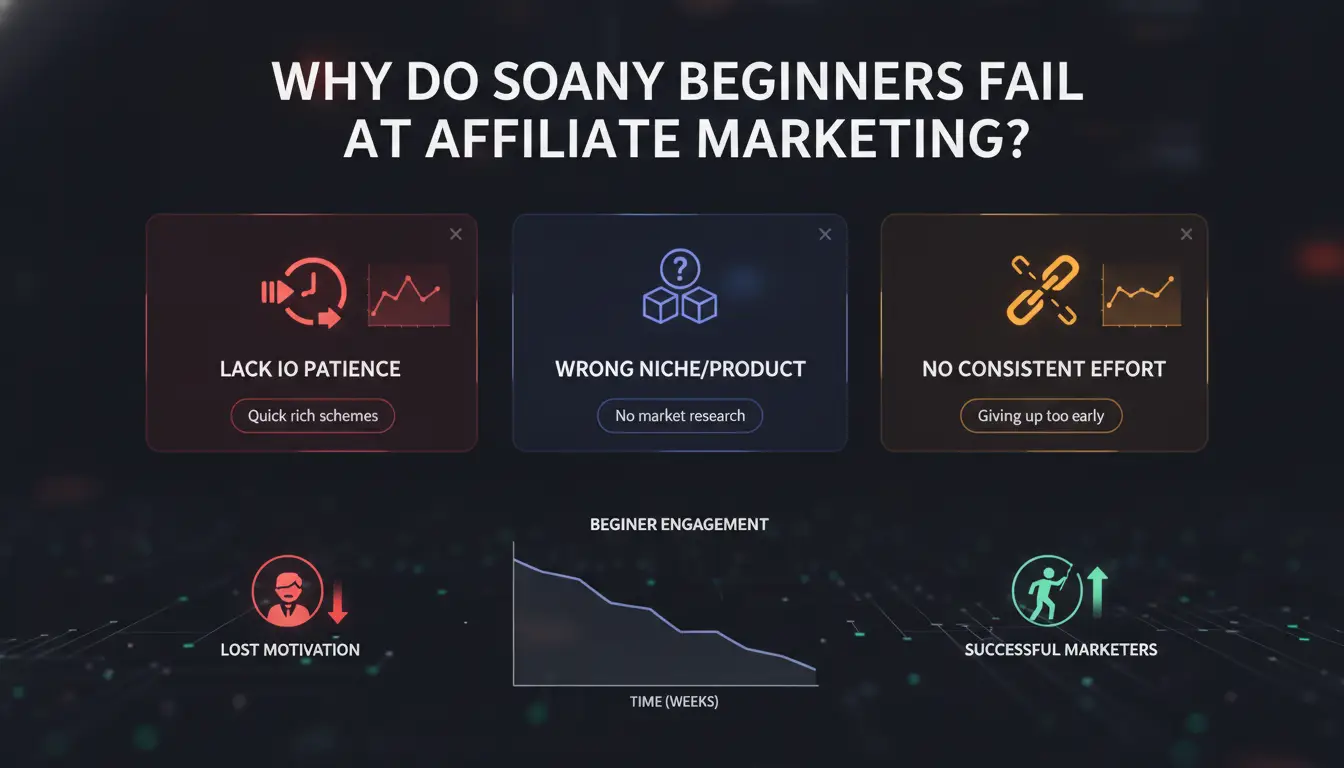
Affiliate marketing for beginners often looks simple on paper, but the real reasons most quit are not obvious. It’s not just about picking a program or building a landing page, mistakes in judgment, rules, and focus end up costing more than most expect.
Chasing high commissions without understanding the product
High payout offers grab a lot of attention, especially in guides on how to start affiliate marketing. But the fastest way to lose money is to push “get rich quick” deals you don’t understand. These often promise huge returns with little effort, but behind the scenes, the products are low quality or even scams. If you can’t answer real questions about what you’re promoting, your audience will catch on fast. A simple check: look for offers that guarantee income or seem too easy. If the landing page hides details or the offer isn’t on reliable networks like CJ Affiliate or Rakuten, reconsider before signing up.
Ignoring platform rules and compliance
Affiliate marketing step-by-step lists rarely cover the details that get accounts banned. For example, most social networks and ad platforms require you to disclose affiliate links. Skip that, and your posts can be removed or your accounts suspended. Instagram, Facebook, and TikTok each have different rules about where and how you can share links. Missing these details means you might build up accounts only to see them shut down without warning. Always check the official policies before posting.
Trying to promote too many products and platforms at once
The push to do more, more products, more platforms, burns out new affiliates fast. It feels productive, but it spreads your attention thin. Focusing on one platform and product at the start builds real results and lets you learn faster. Without that, overwhelm sets in. Use affiliate marketing tips for beginners that stress building up one channel, not chasing every trend. Starting simple beats burning out and quitting.
How Does Affiliate Marketing Actually Work (Step by Step)?
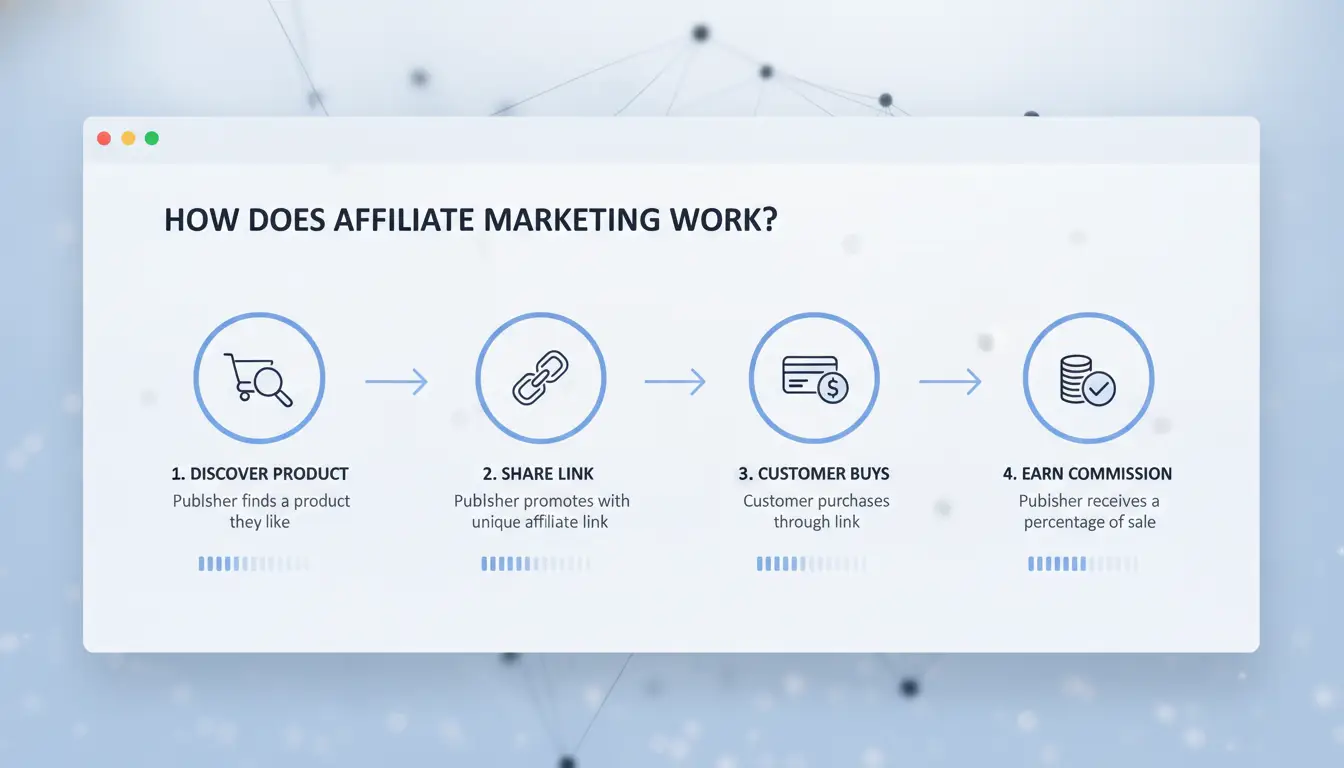
Affiliate marketing for beginners is often described as "share a link, earn money," but the real process is more detailed. Most new affiliates get lost in the setup or miss small details that can stop earnings or get accounts flagged. Here’s how the real workflow breaks down, from signup to payout, so you see where mistakes usually happen and how to avoid them.
How affiliate links and tracking work
Every affiliate program gives you a unique tracking link. This link tells the company who sent the visitor. If someone clicks your link and buys, the system logs your ID and attributes the sale to you. The process is automated, but it relies on cookies or similar tech. Some programs use a 30-day cookie window, meaning if your referral buys within 30 days, you still get credit. Full details for how tracking works are explained on Amazon Associates.
The typical affiliate marketing workflow
You start by joining an affiliate program (like ClickBank or CJ Affiliate). Next, choose products that fit your audience. The company gives you a tracking link for each offer. You promote the link through a website, social media, or email. When someone clicks and buys, you earn a commission. Payments usually come monthly after you hit a minimum payout, often $50–$100. See below for a simple step-by-step:
| Step |
What Happens |
| Join Program |
Apply and get approved |
| Get Link |
Access unique tracking links |
| Promote Offer |
Share links via content or ads |
| Earn Commission |
Paid when someone buys through you |
How payment, approval, and account restrictions work
Affiliate programs have rules about payouts. You must cross a set threshold, usually $50 or $100, before money is sent. Common delays happen if the buyer cancels, uses fake info, or if your account has suspicious activity. Some platforms, like ShareASale, reject commissions for returns or fraud. Missing one policy or promoting the wrong way can freeze your earnings. Always read the program’s terms before promoting.
What Should You Check Before Joining Any Affiliate Program?
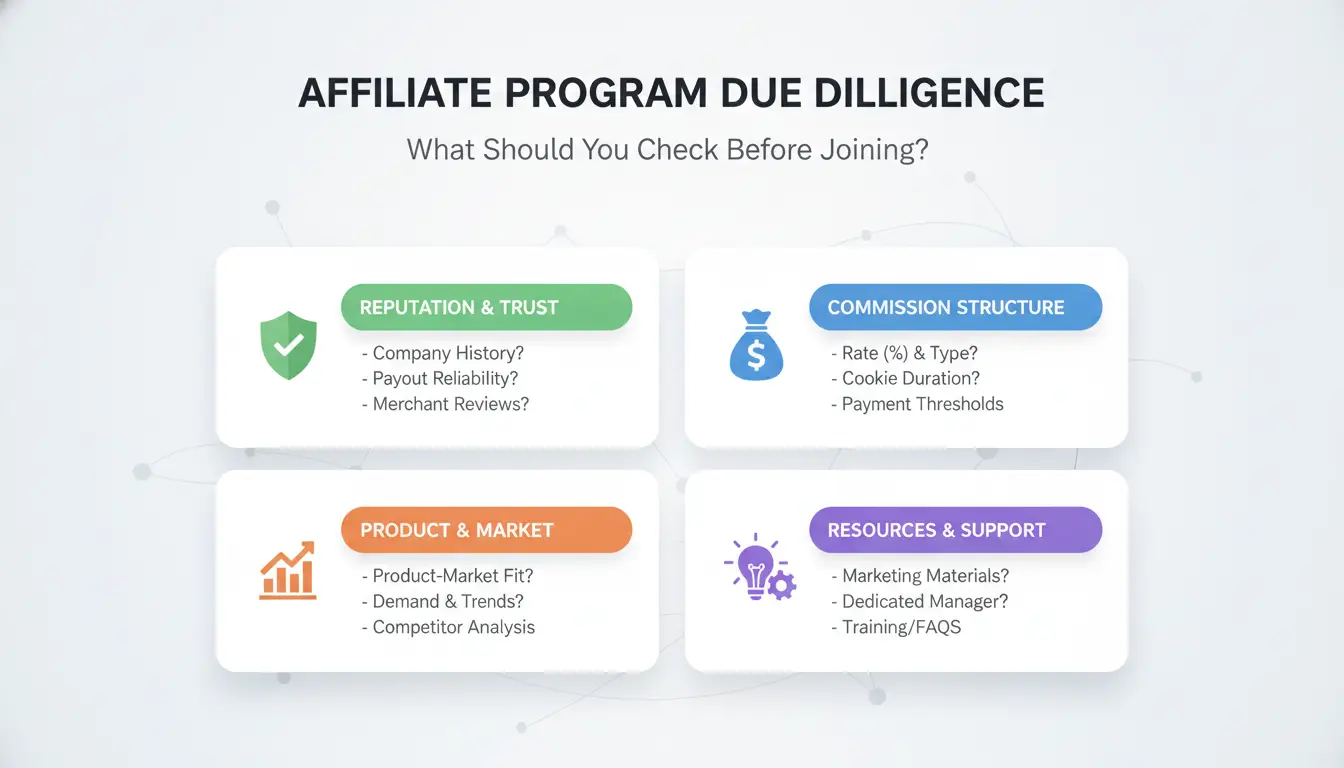
Affiliate marketing for beginners often gets risky fast, not because people can’t pick a niche, but because they join programs without checking the basics. Some “opportunities” turn out to be scams, while others pay so little you’ll waste weeks for a single payout. Before you sign up, it’s worth checking these points.
How to spot legitimate vs. risky affiliate programs
Start by searching for reviews on sites like Affpaying or Trustpilot. If you can’t find any real feedback about a program, that’s a warning sign. Check if the company has a working website, real contact information, and clear terms. Stay away from programs that promise fast income with no work, require “membership fees,” or only pay you for recruiting others. If a program hides its owner or payout history, skip it, too many beginners lose money on fake offers.
What commission structures and payout terms mean
Affiliate marketing step-by-step guides often mention “CPS” (cost per sale), “CPA” (cost per action), recurring, and hybrid payouts. Here’s how they compare:
| Model |
How You Earn |
Typical Use Case |
| CPS |
Paid per sale |
eCommerce, software |
| CPA |
Paid per signup |
Finance, surveys |
| Recurring |
Paid monthly |
SaaS, memberships |
| Hybrid |
Mix of above |
Complex offers |
High commission rates (like 50% or more) can look good, but always check the payout threshold and timing. Some programs set a high minimum payout or delay payments for months. If the terms aren’t clear, that’s a red flag. Real programs like Amazon Associates or ClickBank list details up front.
What support and resources good programs provide
Look for programs that give you a dashboard, tracking links, and ready-made banners or images. Check if there’s a real support team you can reach, not just a chatbot. For affiliate marketing tips for beginners, strong resources matter: you’ll need help fixing broken links or understanding rules. A clear training section, sample creatives, and a fast way to contact support can save you hours when something breaks.
How to Pick Your First Affiliate Niche and Platform (Without Regret)
How to match your interests and skills to profitable niches
Plenty of affiliate marketing for beginners guides say “follow your passion.” That’s rarely enough. If you only pick what you love, you risk choosing a niche with tiny payouts or heavy competition. Start by listing topics you know or want to learn. Then, check if those topics have real buying intent, look for products with affiliate programs, see if people search for those items using Google Trends or in Amazon’s best seller lists. Passion helps you stick with it, but don’t ignore numbers. Search for existing affiliate websites in your niche. If you see dozens of big sites with huge followings, that’s a warning: breaking in will be tough. On the other hand, if there’s no competition, it might mean people aren’t buying.
Choosing the right platform for your strengths (blog, YouTube, social, etc.)
Not every platform fits every beginner. Blogs are good if you like writing and want long-term results. YouTube works if you’re okay being on camera or making voice-overs. Social media platforms like Instagram or TikTok move fast but may ban affiliate links without notice, check their rules before starting. Here’s a simple comparison:
| Platform |
Best For |
Typical Startup Cost |
Risk of Account Ban |
| Blog |
Writers, planners |
$30–100/year |
Low |
| YouTube |
Talkers, creators |
Free–$100 |
Medium |
| Instagram |
Fast movers |
Free–$50 |
High |
| TikTok |
Trend seekers |
Free |
High |
Source: YouTube Help, Amazon Associates, TikTok Creator Marketplace
The biggest mistake is spreading yourself across too many platforms at once. Pick one and build steady habits before adding another.
What to do if your first niche or platform isn’t working
Sometimes, your first pick flops. Maybe clicks are low or your account gets flagged. Don’t scrap everything, pivot. For example, if your “how to start affiliate marketing” blog gets no visitors, try making short YouTube videos on “affiliate marketing tips for beginners” using the same research. Stick if you see slow but real growth after a few weeks. Switch if you’re hitting dead ends everywhere. Each attempt teaches you more than guides ever will.
How to Manage Multiple Affiliate Accounts and Stay Safe (DICloak Integration)
Why beginners get flagged or banned when running multiple accounts
Most platforms like Instagram or TikTok track your IP, device fingerprint, and behavior patterns. If you log in to five affiliate accounts from the same browser, or reuse content, you risk instant bans. Platform rules are strict, posting too fast, skipping verification steps, or using one device for many accounts triggers detection. Many affiliate marketing tips for beginners skip these traps, but missing them can cost your campaigns.
How DICloak helps you run multiple accounts securely
You can use DICloak to create a unique browser profile for each affiliate account, with its own fingerprint and dedicated proxy. This setup protects accounts from being linked by platform detection systems. For affiliate marketing for beginners, running each account in a separate environment means fewer bans and longer account life. DICloak lets you handle accounts across Facebook, TikTok, and other networks safely.
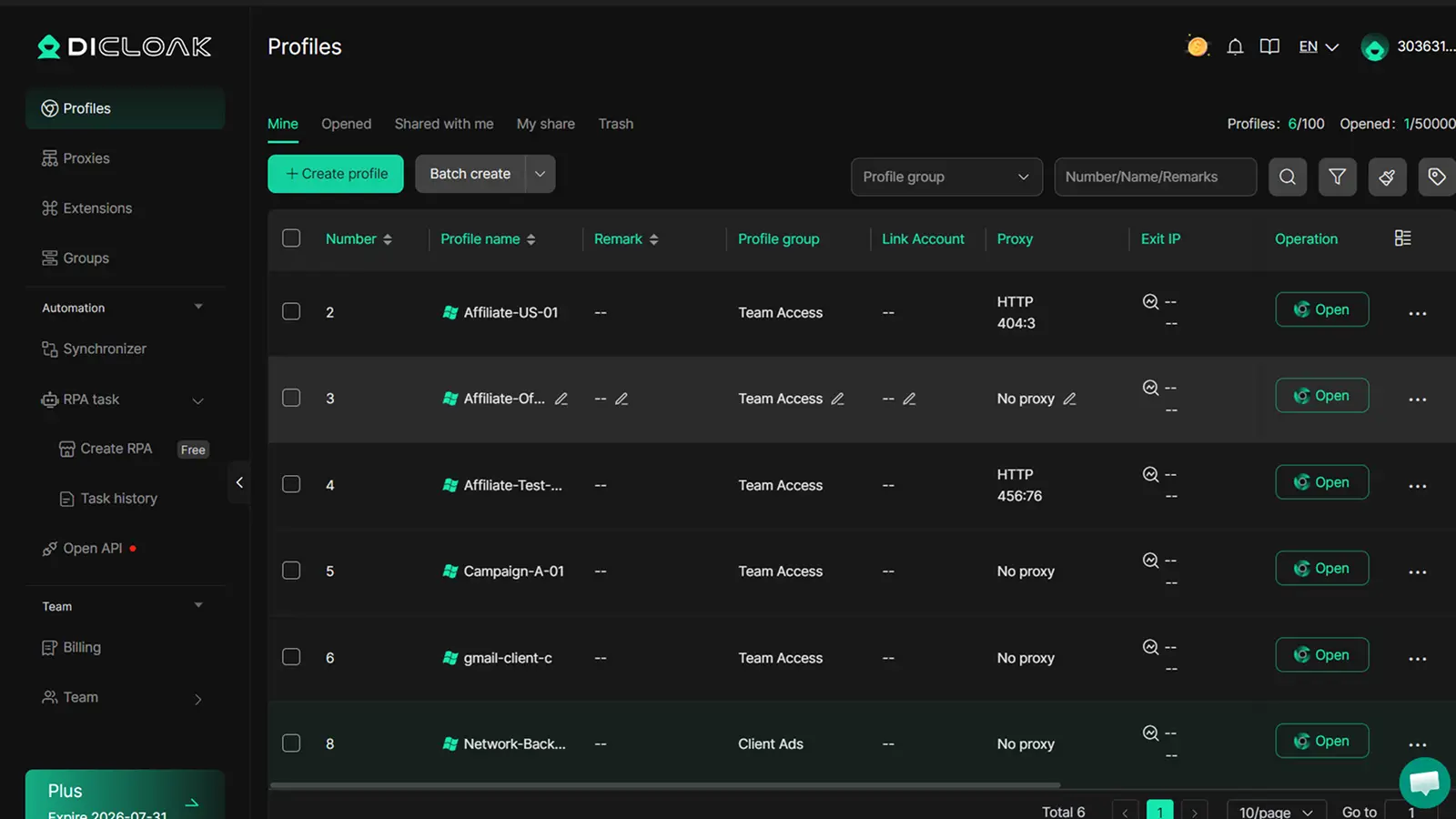
How to automate and scale affiliate operations with DICloak
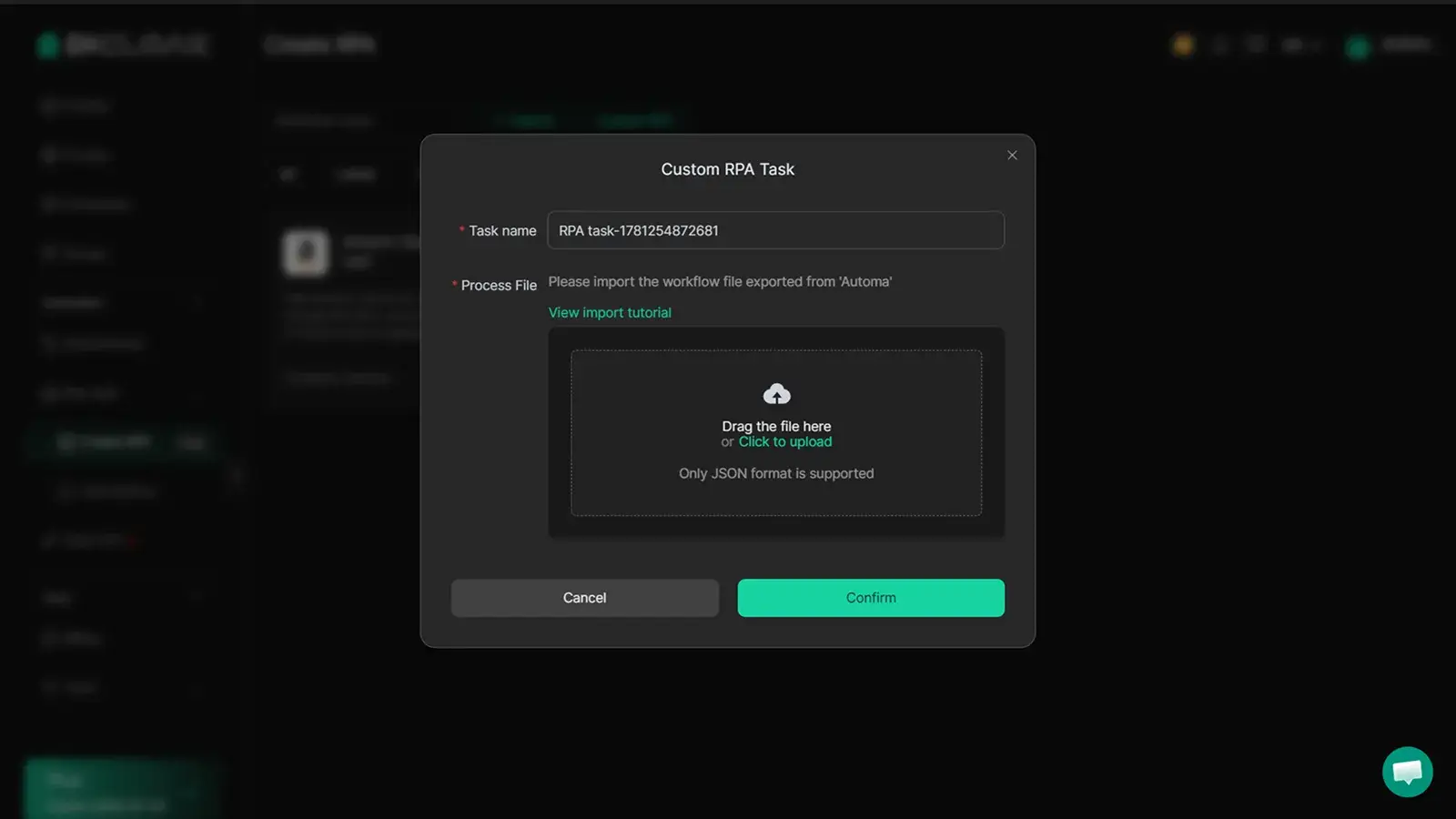
Tools like DICloak let you automate repetitive tasks, posting, logging in, or even campaign tweaks, using RPA workflows. As your team grows, you can control permissions and share browser profiles securely. Automating these steps reduces mistakes and keeps your affiliate marketing step-by-step workflow under control.
What to Do When Your Affiliate Links Don’t Convert (Troubleshooting for Beginners)
Affiliate marketing for beginners can feel like a guessing game when clicks don’t turn into sales. Most new affiliates hit this wall early, traffic comes in, but commissions stay at zero. Here’s how to break down what’s wrong and fix it fast.
How to check if your links are working and tracking properly
Start with the basics: click your own links in an incognito window. Make sure you land on the right page and your affiliate ID shows up in the URL. If you’re using tracking pixels (like Facebook or Google Ads), check that they fire in the browser’s developer tools. A missing or broken pixel means sales won’t be tracked, even if a user buys.
Common mistakes include copying the wrong link from your affiliate dashboard, using old codes, or double-redirects that strip out tracking. It’s worth checking the official Amazon Associates help page for step-by-step guidance. If you work with multiple networks, keep a simple spreadsheet to track which links go where and test each one before launching traffic.
Why traffic doesn’t always mean sales
Seeing hundreds of clicks but no conversions? The problem is usually a mismatch, your content attracts one type of visitor, but the offer fits another. For example, a blog about student budgeting won’t convert well if you’re pushing high-end gadgets.
Another trap is buying low-quality traffic; cheap sources rarely convert. Real users who trust your advice are the ones who buy. Neil Patel’s guide highlights that untargeted visitors rarely drive real sales.
How to improve your content and calls to action
Affiliate marketing tips for beginners often skip testing, but tweaking just one line in your call to action or changing an image can boost clicks. The fastest wins come from rewriting headlines and comparing results. Use A/B testing, even swapping button colors or text can show what works best.
If you’re new to how to start affiliate marketing, focus on one product, track every change, and don’t expect instant results. Small tests, clear tracking, and matching the right offer to your audience make the biggest difference.
What Are the Best Practices for Growing and Scaling as a Beginner Affiliate Marketer?
Starting out in affiliate marketing for beginners is more than joining a network and posting links. If you want to build a steady income, focus on a few high-impact habits that protect your accounts and help you spot what actually works.
How to track your results and learn from analytics
You can’t improve what you don’t measure. Start by tracking clicks, conversions, and payout per product. Most affiliate networks like Amazon Associates and CJ Affiliate offer built-in dashboards. Watch for spikes and dips, did a new post bring more clicks, or did traffic drop after a platform update? Use free tools like Google Analytics to see where visitors come from and which pages drive affiliate link clicks. The fastest way to learn is by checking analytics every week, not just at the end of the month. This helps you spot which content or channels deserve more of your time.
When to add new products, platforms, or accounts
Trying to scale too soon is a classic mistake in affiliate marketing step-by-step guides. Only add new products or launch accounts on another platform when your current ones are bringing steady clicks and payouts. Watch for signs: Are you regularly hitting minimum payout? Is content getting engagement without bans or restrictions? If you need to run multiple accounts safely, especially for social or ad platforms, use a tool like DICloak to avoid detection and keep each account’s fingerprint unique. Scaling works best when risk stays low.
How to keep learning and avoid burnout
Affiliate marketing tips for beginners usually miss this: rules and platform trends change fast. Follow updates on trusted sources like Ahrefs Blog or Neil Patel, and join online groups where people share real issues. Don’t try to do everything alone, find one or two partners to share notes and split research. That way, you stay sharp without burning out.
Frequently Asked Questions
Do I need a website to start affiliate marketing as a beginner?
No, you don’t need a website to start affiliate marketing for beginners. You can use social media, YouTube, or free blogging platforms. A website gives you more control and looks professional, but social media and YouTube are faster to set up. Each option has pros and cons, like reach, trust, and long-term growth.
How long does it take for beginners to make money with affiliate marketing?
Most beginners need at least a few months to see results. If you follow a proven affiliate marketing step-by-step plan and work consistently, you might earn your first commission in 1-3 months. Building trust, learning what works, and getting traffic takes time and effort. Quick profits are rare.
Is affiliate marketing legal for beginners in every country?
Affiliate marketing for beginners is legal in most countries, but rules can vary. Some places have strict advertising laws, or ban certain products. You must disclose affiliate links in most regions. Always check your local laws and the rules of each affiliate program before starting.
Can beginners do affiliate marketing without spending money?
Yes, you can start affiliate marketing for beginners with no money by using free channels like social media or YouTube. However, investing in a website, ads, or tools can help you grow faster. Most free methods require more time and effort to see results.
What are the safest ways for beginners to promote affiliate links?
The safest ways include using your own blog, YouTube channel, or social media accounts. Always follow the rules of each platform and disclose affiliate links clearly. Avoid spamming links. Good affiliate marketing tips for beginners include focusing on trust, sharing helpful content, and being honest with your audience.
Affiliate marketing offers a flexible way to earn income online, but success depends on choosing the right products, understanding your audience, and consistently optimizing your strategies. By staying informed and leveraging useful tools, beginners can build a strong foundation and grow their affiliate business over time. Try DICloak For Free
 Web Proxy Tools
 Free Tools
 Cookie Plugin
 UA Generator
 MAC Address Generator
 IP Generator
 IP Address List
 2FA Code Generator
 World Clock
 Anonymous Check
 WebRTC Leak Test
 UUID Generator
 Free Web Proxy Site
 Proxy Checker
 FB Ad Checker
 AI Web Scraping
 Free SMM Tools
 Twitter Shadowban Checker
 Instagram Name Checker
 UTM Generator
 Username Generator
 AI Hashtag Generator
 LinkedIn Headline Generator
 Social Media Image Resizer