On March 2026, thousands of users woke up to see the Telegram app blocked across most Indian networks, leaving group admins, traders, and channel owners scrambling for answers. News spread fast, but the official reason for the telegram banned in india was not just “security.” The Indian government ordered the ban after Telegram failed to share admin details for channels linked to illegal activity, including exam leaks and fraud reports, as covered by NDTV and Business Standard. For users, the sudden restriction wasn’t just about losing chat access, it meant real loss: channel owners lost reach, business groups were locked out, and many accounts faced permanent closure.
But the ban didn’t hit everyone the same way. Some users found workarounds, while others saw their accounts flagged or restricted overnight. The reason why telegram is banned in india isn’t just about app policy, it’s about how admins manage privacy, control, and account safety under new rules. If you rely on Telegram for team tasks, content sharing, or trading, the fallout goes beyond a blocked app. Handling account risks, avoiding restrictions, and keeping workflows stable now takes extra care.
Here’s what drives the ban, how it impacts real users, and practical steps for safer account management, especially for those running teams or channels.
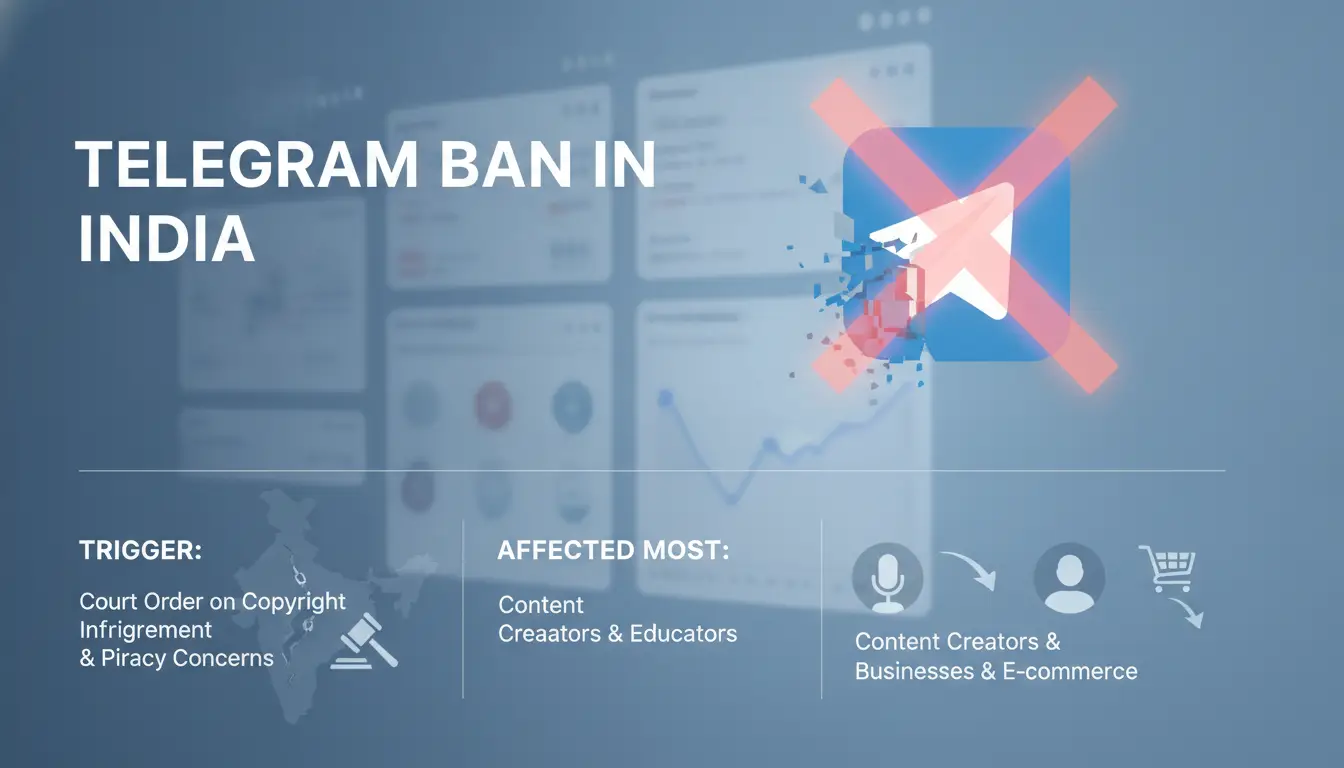
What Triggered the Telegram Ban in India and Who Was Affected Most?
What specific incidents led to the ban?
The ban on Telegram in India didn’t come out of nowhere. It followed a surge in exam paper leaks for high-profile government exams. In early 2024, several states saw questions for police recruitment and civil service tests circulating on Telegram channels before exam days. Groups with thousands of members were sharing answer keys and leaked papers, fueling nationwide outrage. The Indian Express detailed how channels with up to 50,000 users spread these files just hours before the tests.
Facing public pressure, state governments pushed for action. Law enforcement filed cases against channel admins and asked Telegram for user data. When Telegram did not respond with user details, courts ordered the app blocked at the ISP level in states like Gujarat and Assam. The Ministry of Electronics and Information Technology supported these moves, saying Telegram’s refusal to comply with local data-sharing laws left no choice but to restrict access.
Which users and sectors were most impacted?
The telegram ban in india hit some groups much harder than others. The first to feel the impact were students and exam candidates. Many used Telegram for study groups and updates on test schedules. When the app was blocked, these students lost access to notes, answer discussions, and real-time alerts, right before their exams.
But the fallout spread wider. Businesses running marketing or sales channels on Telegram lost their communication lines overnight. Social media marketers, especially those managing Telegram channels for business, saw audience reach drop to zero in affected regions. For trading groups and content creators, the block meant lost income and broken workflows.
The harshest blow fell on those relying most on Telegram for daily operations, students preparing for government exams and teams running business channels suddenly found themselves cut off or even permanently restricted. Many are still searching for safer ways to handle account risks now that the telegram app blocked india story continues to unfold.
Why Did the Indian Government Decide to Block Telegram?
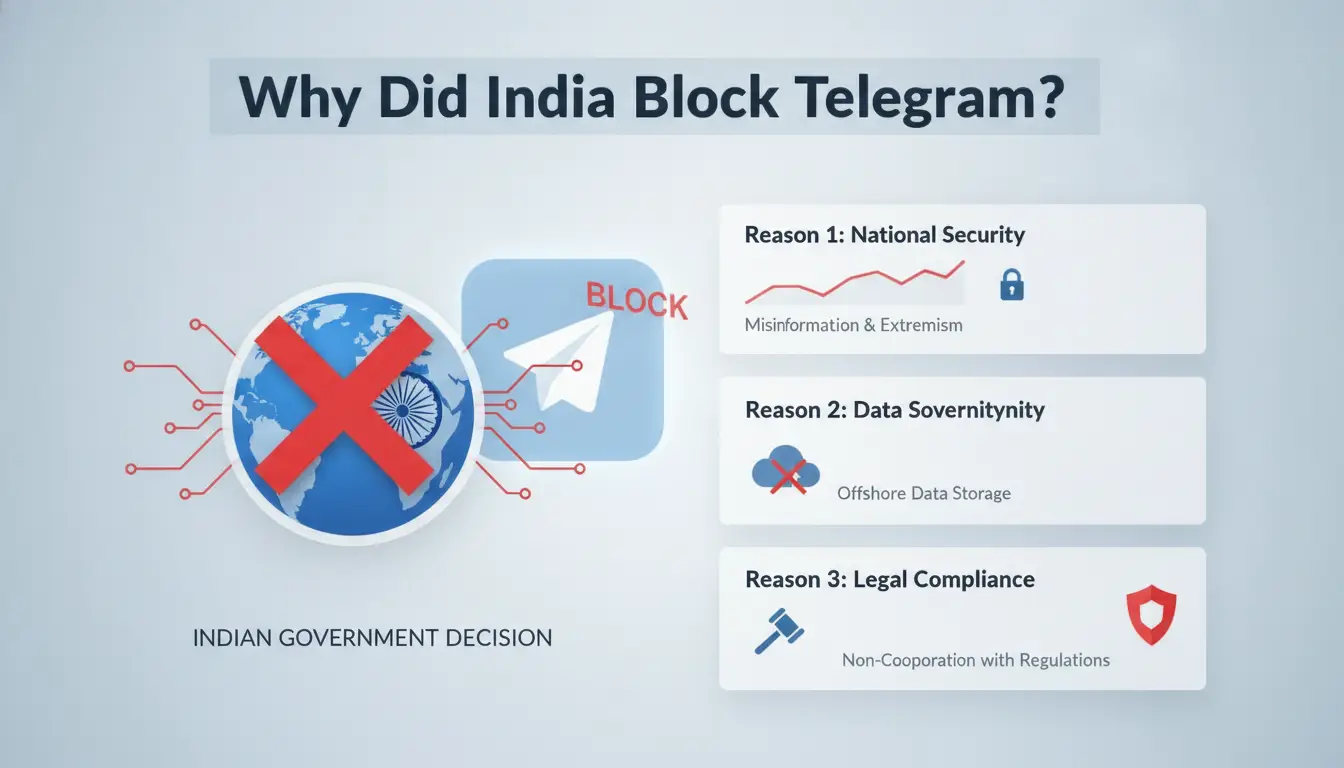
The official ban on Telegram in India didn’t happen overnight. It followed a series of incidents that made the app a focus for regulators. The keyword "telegram banned in india" started trending as questions grew about public safety and legal responsibility. Many users wanted clarity, not just about blocked accounts, but about the real reasons behind the ban.
What government concerns were cited?
Indian officials pointed to two main issues: the spread of leaked exam papers and the difficulty in tracking illegal activity. Telegram channels had become popular for sharing study materials, but some were also used to distribute stolen exam papers. This triggered panic among students and made authorities nervous about the app’s role in cheating scandals.
The second concern was about privacy and traceability. Telegram’s focus on encrypted chats meant law enforcement struggled to identify who was running illegal groups or channels. Unlike platforms where admins can be traced easily, Telegram’s anonymous features made it harder to investigate scams, fraud, or content violations. Officials argued that this lack of oversight let risky activity grow, especially when it came to organized cheating or financial scams.
How did authorities justify the ban legally?
Legal action followed after repeated complaints from state governments and educational boards. The Indian government used sections of the Information Technology Act to force internet providers to block the app. Orders came from both administrative bodies and courts, as seen in the Delhi High Court’s involvement. This gave the ban a formal legal basis, not just a technical block.
Authorities said the telegram ban in india was needed to protect exam integrity and stop criminal activity. The move also pressured Telegram to share admin details and comply with local data requests. For users searching "why telegram is banned in india", the real issue is the gap between privacy features and regulatory demands, the inability to trace admins or content was the tipping point.
What Risks Do Users Face When Telegram Is Banned or Blocked?
When "telegram banned in india" hits search trends, it’s not just a tech glitch, real account risks show up overnight. Users lose access to channels, business groups stop working, and chat history can disappear with no warning. These problems aren’t just about the app being blocked; they’re about what happens to your account, your data, and your privacy when rules change fast.
What happens to accounts and data during a ban?
A ban like the "telegram app blocked india" event means you can’t reach your chats, files, or group members. For admins, losing control of a channel or business group can shut down deals, support, or even payments. Many users don’t realize that when local internet providers block Telegram, cloud backups can become unreachable. That means chat history, shared files, and even contact lists may be lost for good. If your account gets flagged during a ban, Telegram may lock or delete it, especially if you use workarounds that break Telegram’s terms. Worse, if devices or servers holding your data are seized or inspected, sensitive info like contact lists could be exposed to authorities or attackers.
What mistakes increase user risk?
The most common mistake is turning to unofficial apps or risky proxies after a "telegram ban in india" alert. These tools often promise access but can steal your login or leak your messages. Another big risk: sharing passwords, recovery codes, or channel invites in panic. During past bans, users who posted sensitive info in public groups or forums saw their accounts hijacked and their channels deleted. Sending private data through untrusted links or new tools during a ban is a fast way to lose control. The real danger is thinking a quick workaround is safe without checking who controls your access and where your data goes.
How Can Businesses and Marketers Adapt to Messaging App Bans in India?
After the telegram banned in india event, teams had to rethink daily communication and marketing. Losing a channel like Telegram overnight meant missing out on audiences, breaking workflows, and risking brand confusion. Here’s how to keep your business running when the next ban hits.
What alternative channels can be used safely?
When Telegram app blocked India headlines started trending, many switched to WhatsApp, Signal, or enterprise tools like Slack. The safest move is using platforms with a legal presence in India and a public record of compliance. For marketing, WhatsApp Business allows broadcast lists and catalogs, while Signal offers private group chats, but lacks some automation. Email and SMS regain value for direct customer alerts.
Smart teams don’t rely on just one app. Creating multi-channel plans means if one gets banned, others keep working. This approach is common among firms that handle sensitive data or run online communities. They map out backup options and test reach on each channel before a crisis.
| Platform |
Compliance in India |
Group/Channel Support |
Notes |
| WhatsApp |
Yes |
Groups, Broadcast |
Popular, strong support |
| Signal |
Yes |
Groups |
Private, less automation |
| Slack |
Yes |
Channels |
For teams, not public |
| Telegram |
No (when banned) |
Channels, Groups |
Banned during restrictions |
Sources: WhatsApp FAQ, Signal Support, Slack Features
How to keep marketing operations running smoothly?
Brands that survived the telegram ban in india didn’t just wait it out. They moved followers to backup channels early, updated website banners, and used email to explain changes. Protecting your brand means controlling the story, don’t let confused users spread rumors.
Keep engagement up by sharing content on every active channel. Short, clear updates help audiences switch platforms. If you use automation or team accounts, make sure access is secure. For teams managing multiple logins, you can use browser profile tools like DICloak to separate accounts and lower the risk of lockouts or detection.
The main lesson: never build your whole audience on just one app, especially when rules can change overnight.
What Should You Avoid Doing When Telegram Is Banned in India?
When the telegram banned in india, panic often pushes users into risky choices. The biggest mistakes usually happen when people rush to restore access without thinking about security or legality. If you rely on Telegram for business, team operations, or community management, avoiding these errors matters more than ever. Here’s what to watch out for, so you don’t lose accounts, trigger legal trouble, or compromise your group.
Why using unofficial proxies or third-party apps is risky
Trying to bypass a telegram ban in india with random proxies or unofficial apps almost always backfires. Many third-party tools promise quick fixes, but most lack real security. Some capture login credentials or inject malware, others log your chats or steal recovery codes. Even popular proxy lists can expose your account to phishing or spam. Once you hand over your session or login to a tool you can’t verify, you risk permanent compromise. If Telegram detects unusual logins or session movements, your account may get flagged or restricted. This isn’t just theory, users who tried free proxy apps during bans saw their channels locked and accounts suspended overnight. Trusting unknown tools is the fastest way to lose control of your data. 
What legal and compliance risks should you watch for?
When the telegram app blocked india, legal risks matter as much as technical ones. Indian government bans often come with clear orders: using banned apps or helping others access them can result in penalties. The Ministry of Electronics and IT publishes lists of restricted apps and spells out compliance steps. Ignoring these can mean fines or even criminal charges for admins and group owners. To check if you’re compliant, look up the latest advisories from CERT-In and confirm your company policy matches government rules. Sharing access, running channels, or distributing workarounds during a ban could put your whole team at risk. If you run a group, pause activity and review legal guidance before taking action.
How DICloak Helps Social Media Marketers Manage Accounts Safely During App Bans
How DICloak isolates accounts and reduces ban risk
When "telegram banned in india" hit, teams running more than one account saw them get flagged together. That’s because mass bans often use browser fingerprints and IP checks to link accounts. You can use DICloak to set up a unique browser profile for each Telegram profile, with a separate proxy and fingerprint. This stops platforms from tying accounts together, even if the telegram app is blocked in india again. It works for other social platforms, not just Telegram.
How DICloak supports team workflows and automation
Teams need to share access, but that gets risky when bans hit. DICloak lets you share browser profiles without exposing passwords. You can set who gets access and limit risky actions. For busy marketers, DICloak’s automation tools help with posting, checking messages, or switching accounts fast, so no one gets locked out.
Why DICloak is a safer choice for marketers during uncertain times
When rules change overnight, like with the telegram ban in india, keeping accounts and data safe requires tools built for privacy and control. DICloak encrypts all account data and adapts quickly to new platform restrictions. That makes it a solid pick for teams who can’t afford downtime.
When Could Telegram Return to India? What to Watch for Next
What legal and policy changes could allow Telegram back?
The timeline for Telegram’s return depends on two main routes: legal appeals and government requirements. Court cases challenging the telegram ban in india are still pending. If judges rule that Telegram meets privacy and content controls, the block could be lifted. But even if courts don’t act fast, government regulators may offer new compliance measures. For example, the app might need to build extra admin tools, give authorities access to flagged channel data, or adjust how it handles user complaints. These policy changes often track how WhatsApp and other platforms handled bans or restrictions, as seen in previous disputes. The app’s return is rarely quick, legal and technical checks stall progress. The most critical point: watch for signs that Telegram is willing to meet new local requirements or share regular updates with officials.
What should users and businesses watch for in the news?
Anyone affected by why telegram is banned in india should monitor two news streams. Official statements from the Ministry of Electronics and IT usually preview policy shifts or new app requirements. Updates from Telegram’s own channels, industry groups, and tech news sites like TechCrunch or The Economic Times signal whether negotiations are moving. If Telegram posts about changes in its privacy tools or talks with Indian regulators, it’s a clue the telegram app blocked india could be reversed soon.
How to Prepare for Future Messaging App Bans in India
When the news broke about Telegram banned in India, many users had no plan B. The sudden block of the Telegram app in India showed how fragile a single-channel setup really is. Here’s how both individuals and businesses can stay ahead if similar bans happen again, whether it’s Telegram or any other app.
What steps can individuals and businesses take now?
Start by backing up your critical data. Export chat histories, save contact lists, and download files you can’t afford to lose. Telegram’s desktop app lets you export entire conversations, this is a step few remember until access is lost. For business channels, keep records of admin rights and team roles offline so you can rebuild groups elsewhere if needed.
Don’t wait for a crisis to test other tools. Create backup channels on WhatsApp, Signal, or email lists. Train your contacts to follow updates in more than one place. For teams, map out which workflows depend on Telegram and set up alternatives, cloud drives for file sharing, or Slack for group chat. If you run multiple accounts or manage access for a group, tools like DICloak can help by allowing separate browser profiles and proxy setups, making it easier to switch channels if Telegram is blocked.
How to stay compliant and minimize disruption?
Keep an eye on policy updates from Indian authorities and messaging app announcements. If you rely on Telegram for business, assign someone to track changes and alert your team when rules shift. Regularly update your app and monitor which features may be blocked or restricted.
Train your team to avoid risky behaviors, like sharing sensitive data or ignoring new security requirements. Hold short sessions to walk through safe account management and alternative communication plans. The teams that adapt fastest are those with clear routines for switching tools and sharing updates.
When you see why Telegram is banned in India, it’s a warning: app blocks can happen without notice. Planning now means you won’t be left scrambling the next time the Telegram app is blocked in India.
Frequently Asked Questions
Is Telegram permanently banned in India or is it a temporary block?
As of now, the telegram ban in India is a temporary block. Indian courts ordered the ban due to concerns about illegal content. Telegram is appealing the decision. The government may review the ban if Telegram improves compliance. Users should check for updates, as the status of Telegram being banned in India can change with new court rulings.
Can Indian users access Telegram legally during the ban?
While the telegram app is blocked in India by internet service providers, using workarounds like proxys is not legal. Accessing banned apps can risk fines or legal issues under Indian law. It is safest to avoid using Telegram until the ban is lifted or the app is officially restored.
What alternatives to Telegram are safe and compliant in India?
Popular alternatives to Telegram include WhatsApp, Signal, and Google Messages. These apps follow Indian regulations and have privacy settings. WhatsApp offers end-to-end encryption, while Signal is known for extra security. All three are available on app stores and widely used by Indian users and businesses.
How can businesses protect their data and contacts during messaging app bans?
Businesses should regularly back up chat data and contact lists to secure cloud storage or offline files. Export important conversations from messaging apps before any ban takes effect. Use strong passwords and two-factor authentication on all accounts to prevent unauthorized access.
Will using a proxy to access Telegram put my account at risk?
Using proxies or proxys to bypass the telegram app blocked India order can expose your account to risks. Telegram may detect unusual login locations and flag or suspend your account. Indian authorities may also track proxy usage. To avoid issues, do not access the app during the ban.
The ban on Telegram in India highlights ongoing challenges around internet freedom, privacy, and regulatory control. As users seek secure alternatives to stay connected and safeguard their communications, exploring new platforms becomes increasingly important. Try DICloak For Free
 Web Proxy Tools
 Free Tools
 Cookie Plugin
 UA Generator
 MAC Address Generator
 IP Generator
 IP Address List
 2FA Code Generator
 World Clock
 Anonymous Check
 WebRTC Leak Test
 UUID Generator
 Free Web Proxy Site
 Proxy Checker
 FB Ad Checker
 AI Web Scraping
 Free SMM Tools
 Twitter Shadowban Checker
 Instagram Name Checker
 UTM Generator
 Username Generator
 AI Hashtag Generator
 LinkedIn Headline Generator
 Social Media Image Resizer