It’s a universally frustrating experience: you’re in the middle of browsing your feed, managing a business page, or connecting with friends, and suddenly, you’re logged out. Millions of users, from casual connectors to professional social media managers, regularly confront this issue, asking the same question: "Why is Facebook logging me out?". This interruption can be more than just an annoyance; it can disrupt workflows, jeopardize ad campaigns, and spark concerns about account security.
This guide, fully updated for 2026, is designed to provide clear answers. We will explore the most common reasons behind these unexpected logouts, offer simple step-by-step solutions to get you back in, and provide long-term prevention strategies to ensure a stable and secure Facebook experience.
Why Is Facebook Logging Me Out? The Most Common Culprits
The "Facebook logging me out" issue can stem from several distinct sources, ranging from your own device to Facebook's servers. Understanding the cause is the first step toward finding a permanent solution.
Account Security Triggers
Facebook's automated security system is a primary reason for forced logouts. To protect your account, the platform closely monitors login activity. Any unusual behavior can trigger a protective logout of all active sessions. For example, logging in from a new device for the first time or from a different country while on vacation can be flagged as suspicious. For a marketer managing client accounts, such a flag can lead to a disabled ad account, making this more than a simple inconvenience. Similarly, if Facebook suspects that someone else is attempting to access your account, especially if your password is weak or has been exposed in a data breach, it may log you out everywhere as a critical safety measure.
Browser and Device Hiccups
Often, the problem lies with the browser or device you are using to access Facebook. These technical hiccups can create session errors that prevent you from staying logged in.
- Outdated Browser: An old version of your web browser may contain bugs or compatibility issues that interfere with Facebook's complex session management scripts.
- Corrupted Cache and Cookies: Over time, your browser accumulates data (cache and cookies) to speed up loading times. If this data becomes old or damaged, it can confuse Facebook's servers and prevent them from validating your login session.
- Conflicting Extensions: Certain browser extensions, particularly those designed for ad blocking or enhancing privacy, can inadvertently block the scripts Facebook uses to keep you logged in.
Facebook App or Server Glitches
Sometimes, the problem isn't on your end at all. The issue could be with Facebook itself. Widespread logouts can occur due to server downtime, scheduled platform maintenance, or bugs within a new update. On mobile, using an outdated version of the Facebook app can also lead to instability and unexpected session terminations.
Unstable Internet Connections
A poor or fluctuating internet connection can be a major cause of logouts. Facebook requires a stable connection to maintain a secure session, and an unstable one can cause a session break. If your phone, for instance, is constantly switching between a weak Wi--Fi signal and your mobile data network, Facebook might interpret each switch as a new, potentially insecure session attempt, triggering a protective logout.
Account Settings Conflicts
Your own browser settings can prevent Facebook from keeping you logged in. The most common conflict arises from cookie settings. If your browser is configured to block all third-party or all site cookies, Facebook will be unable to store the necessary data to remember your login information, forcing you to sign in every time.
Quick Fixes When Facebook Logging Me Out
When you're facing repeated logouts, here are immediate, actionable solutions you can try to resolve the problem quickly. Based on the common culprits above, your first line of defense should address browser data and outdated software, as these are the easiest issues to solve.
First Step: Clear Your Browser and App Data
Old or corrupted data is a frequent culprit. Clearing it forces your browser or app to start fresh with Facebook.
To clear cache and cookies on a desktop browser (like Chrome):
1. Go to Settings.
2. Navigate to Privacy and security.
3. Click Clear browsing data.
4. Select Cookies and other site data and Cached images and files, then click Clear data.
To clear the cache on the Facebook mobile app:
- For Android (steps may vary by device):
1. Long-press the app icon and tap App Info.
2. Select Storage & cache.
3. Tap Clear Cache.
- For iOS: On iOS, you cannot clear the cache directly. You must offload or reinstall the app.
1. Go to Settings > General > iPhone Storage.
2. Find and tap on Facebook.
3. Tap Offload App and then Reinstall App.
After completing these steps, try to log back into your Facebook account.
Second Step: Update Everything You Use for Facebook
Running the latest version of your software is crucial for stability and security, as updates often include fixes for bugs that cause login issues.
- Check for and install updates for your web browser (e.g., Chrome, Firefox, Safari).
- Update the official Facebook mobile app from the Google Play Store or Apple App Store.
- Ensure your device's operating system (e.g., iOS, Android, Windows, macOS) is up to date.
Solving the Facebook Logging Me Out Problem with Account Security
If the quick fixes didn't work, the problem is likely related to account security flags, which require a direct review of your settings. These steps are critical for securing your account against unauthorized access.
Review Your Active Login Sessions
Go to Facebook's “Settings > Security and Login section”. Here, you will see a list under the heading "Where you're logged in." Carefully review this list for any devices or locations that you do not recognize. If you find a suspicious session, click on it and select "Log Out" to immediately terminate its access.
Strengthen Your Security with 2FA
We strongly recommend setting up two-factor authentication (2FA). This feature adds a powerful, extra layer of security to your account by requiring a second verification step (like a code sent to your phone) when logging in from a new device. Enabling 2FA is the single most effective way to prevent unauthorized access, thereby eliminating forced logouts caused by hacking attempts.
A Professional Solution to Prevent Facebook Logging Me Out Across Multiple Accounts
For social media managers, marketers, and e-commerce professionals who manage multiple Facebook accounts, frequent logouts are more than an inconvenience—they are often a sign of platform restrictions that threaten business operations. For these users, the "Account Security Triggers" discussed earlier are not about being hacked, but about Facebook’s own security model flagging legitimate multi-account management as suspicious behavior. For this, a more robust solution is required.
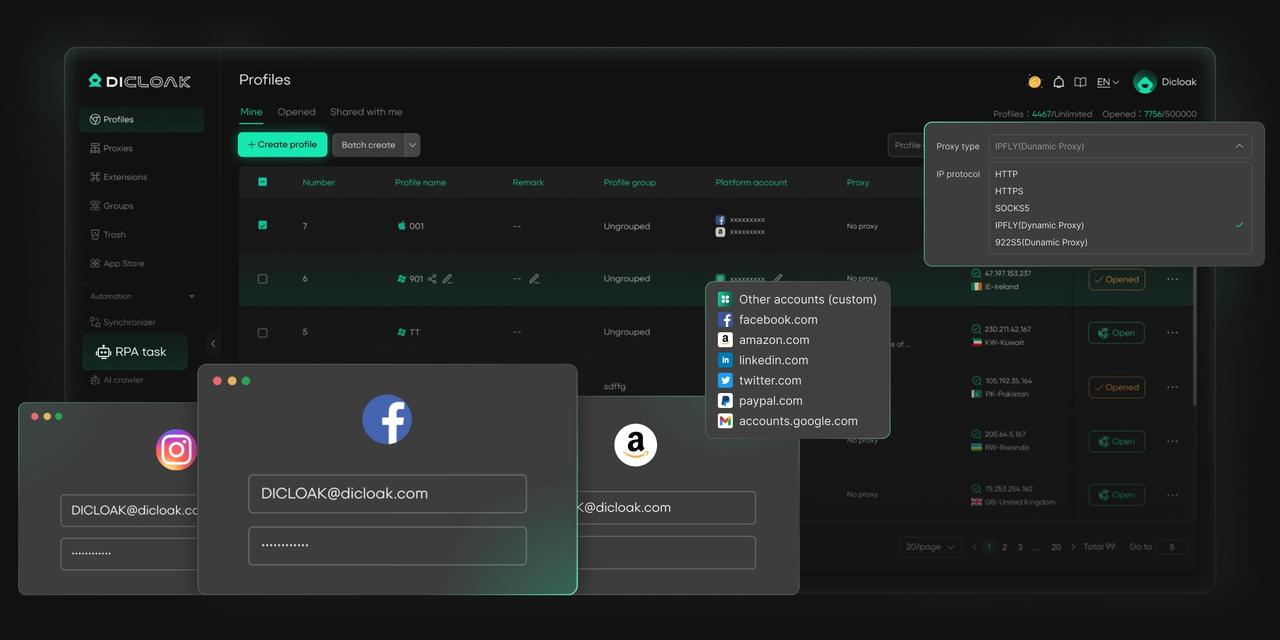
An antidetect browser like DICloak is designed specifically for this purpose. It works by creating multiple, completely isolated virtual browser profiles. Each profile has its own unique browser fingerprint (including details like time zone, operating system, and screen resolution), making each account appear as if it's being accessed from a different, legitimate device.
- Avoids Detection: By providing each account with a unique browser fingerprint, DICloak prevents Facebook from linking your accounts together and flagging them as suspicious.
- Manages Multiple Logins: It allows you to securely manage dozens of Facebook accounts simultaneously from one computer without triggering security logouts or conflicts.
- Enhances Stability: This controlled environment significantly reduces profile errors and protects your valuable advertising accounts from being flagged or disabled due to unusual login patterns.
Long-Term Strategies to Avoid the “Facebook Logging Me Out” Issue
Adopting good digital habits is the best way to prevent the logout problem from recurring. Follow these best practices for a seamless experience.
Practice Good Password Hygiene
Create a strong, unique password for your Facebook account that is not reused on any other website. A good password should be long and include a mix of letters, numbers, and symbols. To maintain security, change your password every few months. Consider using a reputable password manager to help you create and keep track of complex, unique passwords for all your accounts.
Be Mindful of Where You Log In
Avoid logging into your Facebook account on public or shared computers, such as those in libraries, hotels, or internet cafes. These devices may be infected with malware or keylogging software designed to steal login information. Always use your own trusted devices.
Monitor Your Login Activity
Make it a regular habit to check your login activity in the "Security and Login" settings. Furthermore, enable "Login Alerts" in this same section. With this feature activated, Facebook will instantly notify you via email or a push notification if a login occurs from an unrecognized device or browser, allowing you to take immediate action if needed.
Frequently Asked Questions About Facebook Logging Me Out
Why does Facebook Logging Me Out keep happening on my phone?
Facebook Logging Me Out on mobile devices is usually caused by one of three things: an unstable internet connection that constantly switches between Wi-Fi and mobile data, an outdated version of the Facebook app, or a full app cache that causes performance issues. When Facebook Logging Me Out happens repeatedly, try clearing the cache and updating the app first, as these steps resolve most cases.
Can frequent IP or network changes cause Facebook Logging Me Out?
Yes. Frequent changes in your network environment can sometimes trigger Facebook Logging Me Out. When your IP address or connection route changes often, your location may appear to jump between different regions in a short time. Facebook’s security system may interpret this as unusual or risky behavior, and as a result, Facebook Logging Me Out can occur as a protective security measure.
If I change my password, will it stop Facebook Logging Me Out?
Changing your password will immediately log out all active sessions on every device. This is an important step if you think Facebook Logging Me Out is caused by unauthorized access. However, changing your password will not fix Facebook Logging Me Out issues caused by corrupted browser cache, app bugs, or unstable network connections.
How many devices can I be logged into Facebook on at once without Facebook Logging Me Out
Facebook does not publish an official device limit. However, logging in on too many devices at the same time can be flagged as unusual behavior. In some cases, this may trigger Facebook Logging Me Out on older or inactive sessions automatically.
Is Facebook Logging Me Out a sign that my account has been hacked?
Sometimes, but not always. While Facebook Logging Me Out can indicate a security breach, it is more often caused by browser issues, app errors, or network instability. Always check your “Security and Login” settings for unknown devices or locations. If you notice anything suspicious, change your password immediately and enable two-factor authentication to prevent further Facebook Logging Me Out incidents.
Conclusion: Stay Logged In and Secure
So, why does Facebook Logging Me Out keep happening? In most cases, the cause falls into one of three areas: security triggers, technical problems with your browser or app, or an unstable internet connection. The good news is that Facebook Logging Me Out can usually be fixed with simple actions like clearing cache, updating software, and reviewing security settings.
For professional users who manage multiple accounts and cannot afford Facebook Logging Me Out, advanced tools like DICloak offer stable, isolated browser profiles that reduce detection risks and prevent repeated logouts.
Don’t let Facebook Logging Me Out disrupt your digital workflow. Take action today to secure your account and enjoy a stable, uninterrupted Facebook experience.
 Web Proxy Tools
 Free Tools
 Cookie Plugin
 UA Generator
 MAC Address Generator
 IP Generator
 IP Address List
 2FA Code Generator
 World Clock
 Anonymous Check
 WebRTC Leak Test
 UUID Generator
 Free Web Proxy Site
 Proxy Checker
 FB Ad Checker
 AI Web Scraping
 Free SMM Tools
 Twitter Shadowban Checker
 Instagram Name Checker
 UTM Generator
 Username Generator
 AI Hashtag Generator
 LinkedIn Headline Generator
 Social Media Image Resizer