Trying to buy eBay seller accounts can feel like a shortcut, but it’s easy to miss the traps until you’re stuck with an account that gets flagged, or worse, banned, days after purchase. Sellers promise clean histories and “aged” accounts, yet you’re the one on the hook if a transfer leaves digital fingerprints or the previous owner kept a backdoor.
Most guides say to check feedback and ratings, but that’s not enough. A high feedback score only shows public history. It says nothing about unaddressed restrictions, policy violations, or linked accounts that could get your new store shut down the first time you try to list products or run ads. If the account was ever used with risky software or cross-linked to a suspended store, even a fresh login with your info can trigger instant review.
What really matters is what’s hidden: device fingerprints, proxy or IP mismatches, leftover cookies, and whether the seller can prove the old owner has zero access. Skipping these details means risking chargebacks, payout holds, and wasted ad spend. The safest buyers check more than just seller promises, they verify technical traces, demand full control handover, and confirm there are no invisible links to past bans.
So before you transfer a dollar or accept credentials, here’s what to check if you want to actually keep the account running.
What Should You Check Before Buying an eBay Seller Account?
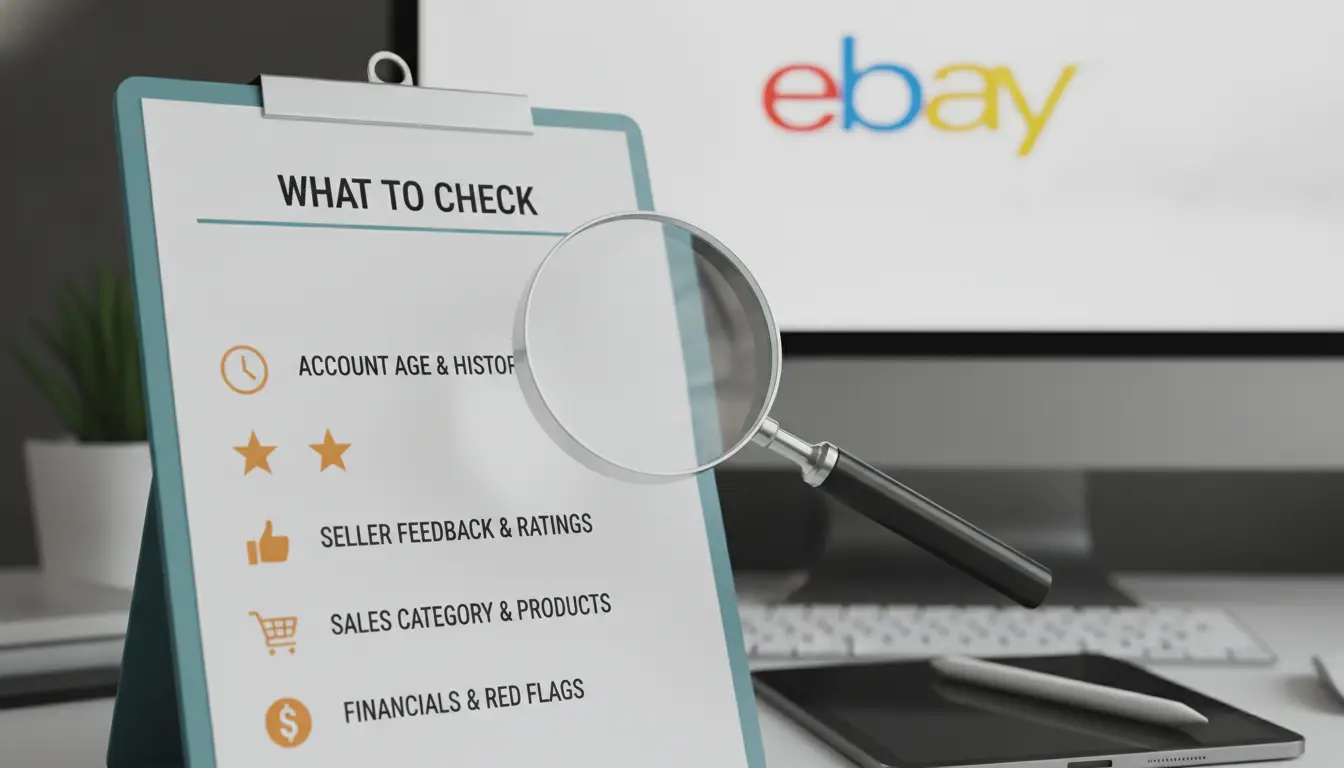
Before you buy eBay seller accounts, don’t get distracted by just the price or the seller’s promises. The real decision is whether the account can actually keep running under your control without tripping eBay’s risk systems. Missing a single detail here can get you locked out or flagged the moment you try to sell.
Account Age and Feedback History
Older accounts with steady feedback usually last longer after transfer. Accounts under 6 months old are much more likely to trigger eBay’s new seller limits or get flagged during your first listings. Still, an old account with only a few feedbacks, or feedback that’s mostly as a buyer, isn’t much safer than a new one.
What matters far more than just the number is how feedback is spaced over time and whether it shows real sales activity.
Selling Limits and Payment Status
If you skip selling limits and payment checks, you risk buying an account that looks good but can’t actually support your business model. Here’s what to confirm every time:
- Selling limits: Check both monthly item count and dollar value. Some “established” accounts are stuck at 10 items/month.
- Payment method: Make sure the payout account can be fully changed to yours, with no pending holds or unresolved cases.
- Stripe/Payoneer/Bank: Verify the payment gateway is not linked to risky or unrelated entities.
Country, Phone, and Email Source
Country mismatch is a common reason for forced reviews or instant holds. Don’t just look at the flag, see where the IP and phone actually came from. Avoid recycled phone numbers and emails that have been reused on other banned accounts.
- Confirm the registration country matches your planned use (shipping and tax settings can break if not).
- Check that the phone number and email are new and not tied to mass-sold accounts or previous bans.
- Ask for proof that all recovery data will be transferred and that no one else can access the reset link or device.
If the seller can’t show these details before payment, walk away. Too many buyers only realize they’ve inherited a problem account after their first payout gets held or a login triggers “suspicious activity.”
Buyers who rush this step end up fighting uphill, appealing to eBay support, losing inventory, or watching their payout freeze for months. The next section explains why even “clean” accounts can get suspended right after handover, and what to expect in those first days.
Why Some Bought eBay Accounts Get Restricted or Suspended So Quickly
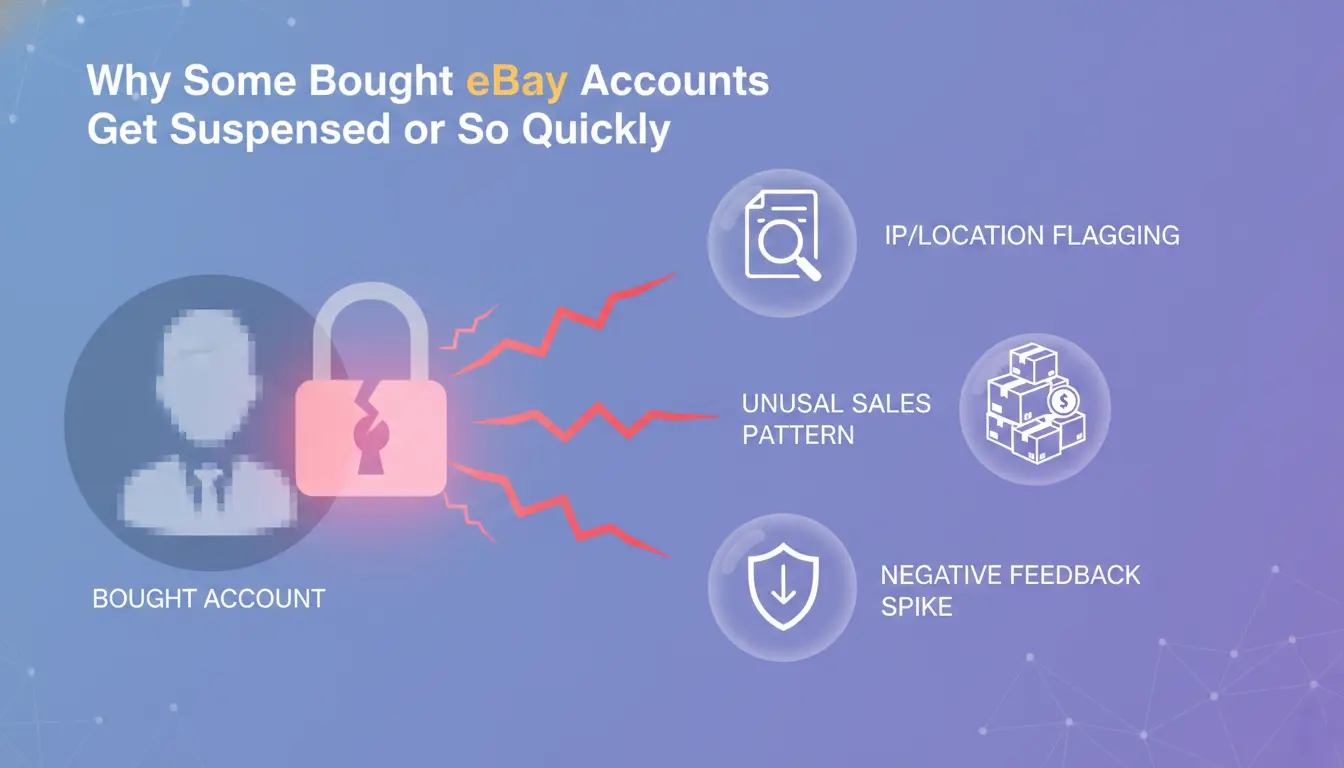
Even after you check all the basics before you buy eBay seller accounts, many get hit with restrictions almost right away. The main reason is that risk doesn’t disappear when money changes hands, old issues, hidden signals, and sloppy handover all come back to bite you.
Seller Misrepresentation and Hidden Issues
The core problem is accounts that aren’t what the seller claims. Some sellers pass off brand-new accounts as “aged,” or they hide old warnings and policy strikes that trigger review as soon as you log in. If you get an account with a clean-looking dashboard but a hidden block in its history, the first listing or payout request can freeze the account. Most fast suspensions trace back to these hidden problems, not something you did after buying.
Platform Detection Signals
eBay’s system doesn’t just look at credentials, it watches device fingerprints, IP addresses, and activity. If you access an account from a device or location that doesn’t match its history, eBay’s risk engine flags it for review. For example, logging in from a new country or switching from a mobile device to a desktop can set off alerts. If the last owner used a consistent proxy in France, and you jump onto a home IP in Texas, that hard switch almost guarantees a security check. Even something as small as skipping the cookies from the old session can cause a mismatch. The tradeoff is speed versus safety: a fast login from your usual setup feels efficient, but it’s a red flag. The safe approach, using the same device and network as the seller for the first login, takes more effort but reduces the risk of instant suspension.
Buyer Mistakes After Transfer
Most buyers trigger problems by:
- Logging in from “burned” or flagged locations (public Wi-Fi, reused proxies)
- Changing password, email, and payout info all at once instead of waiting between steps
- Trying to list expensive or high-risk items before the account has established normal behavior
Each action on its own might not set off a review, but stacking them makes restrictions much more likely. A new owner who rushes through setup without letting the account “warm up” is the easiest target for eBay’s automated checks.
Buying an eBay seller account is only half the battle; surviving the first week without getting hit by a restriction depends on how you handle device traces, account changes, and the account’s hidden past. Too many people focus only on price, but what you’re really paying for is a clean slate, if there’s a single red flag, the cost of lost time and money is always higher than a “bargain” account. The next thing to sort out is how to judge if the asking price matches these hidden risks.
How to Tell If the Price for an eBay Seller Account Is Fair
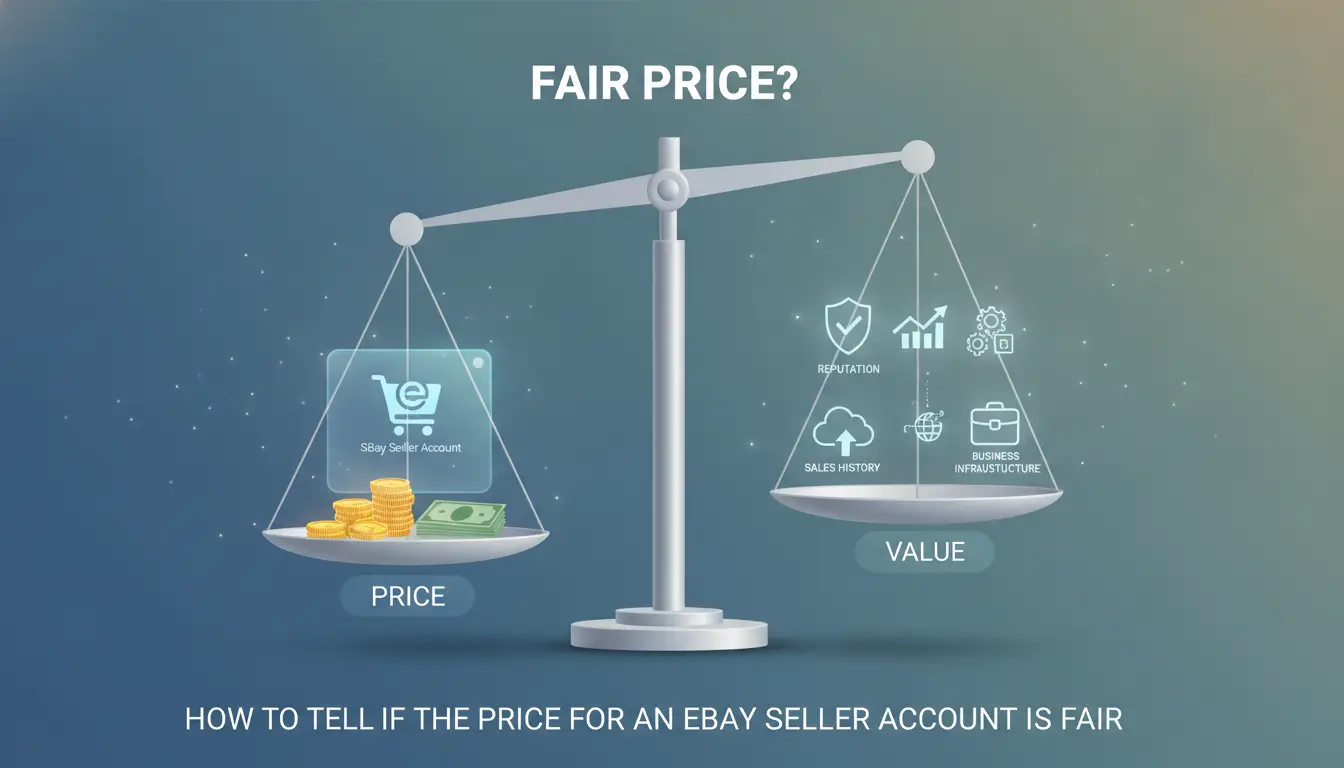
Judging a fair price for an eBay seller account starts with knowing what you’re actually getting. Don’t just compare numbers, look at account age, feedback, country, payment setup, and what’s included in the transfer. Sellers often hide risks behind a polished listing, so you need to ask the right questions before sending money.
Aged vs Fresh Accounts
| Type |
Typical Price |
Main Risks |
When Worth Paying More |
| Fresh |
Low |
High chance of restriction, no history |
Almost never, unless you need a throwaway |
| 1-2 Years |
Medium |
Possible past issues, limited feedback |
If you need verified age |
| 3+ Years |
High |
Used for risky activity, false age claim |
When clean history can be proven |
Aged accounts cost more because age signals trust to eBay’s system, but paying extra only makes sense if the seller proves the account’s history is clean and ownership can be fully transferred.
Country, Feedback, and Payment Setup
A US or UK-registered account almost always costs more than accounts from less regulated regions, since platform limits and payout options vary by country. High feedback and a working payment method can double the asking price, just know that fake feedback or unverifiable payment setups are a red flag.
Hidden Fees and Transfer Costs
Watch for “extras” that drive up the total: sellers sometimes charge for the email address, phone number, or even the proxy you’ll need to match the account’s login history. Sometimes a low upfront price means you’ll get hit with add-on costs or pay extra for a safe handover method.
If a price is much lower than similar listings, it usually means there are missing details or hidden risks, like a disabled payout method or suspicious feedback. The next section explains where most buyers lose money or get scammed when they rush the process.
Where Buyers Usually Get Scammed When Purchasing eBay Seller Accounts
Buyers run into scams when sellers hide the account’s real history or use sketchy payment setups. The most common losses happen when you trust a seller’s claims without checking for proof, pay up-front with no protection, or grab accounts from private forums with no way to verify reputation.
Fake Account Listings and False Claims
Scammers post eBay seller accounts that never existed or inflate their age and feedback numbers. If you only look at screenshots or take “100% positive feedback” at face value, you risk buying a ghost account that vanishes after payment. Always demand live video proof and ask for full account details before sending money.
Unsafe Payment Methods and No Guarantees
Paying with crypto or gift cards leaves you zero recourse if the seller disappears. Even “trusted” sellers can vanish once funds clear.
- Sellers may vanish after payment, leaving you locked out or with a banned account.
- Use escrow with a clear handover process, if the seller refuses, walk away.
Marketplace and Forum Risks
Private marketplaces and forums offer no buyer protection, and profiles can be faked. You might see high “reputation scores” that mean nothing if the forum owner doesn’t vet sellers. If you can’t independently verify seller reviews or if the platform has no buyer support, your risk of getting scammed jumps fast.
Next, once you actually get the login, the critical move is changing all recovery options before you do anything else.
What to Change Right After You Take Over an eBay Seller Account
If you just got access to a new eBay seller account, don’t rush to list products or move money. What you do in the first hour can make or break your shot at keeping the account live. Here’s how to avoid triggering eBay’s detection systems and reduce the risk of restriction.
Login and Device Setup
- Use a fresh browser profile or a device that’s never logged into any eBay account. This keeps old cookies and fingerprint data from leaking across accounts.
- Set a dedicated proxy with a stable location near the account’s original country. If you log in from a far-away IP or public Wi-Fi, eBay’s system may flag it for review.
- Never connect your personal accounts or bookmarks to the same browser. Accidentally syncing Google or Facebook data is a fast way to link accounts and lose both.
If you see a security check or device verification prompt, stop and double-check your proxy and setup. Forcing your way through can lock the account or send alerts to the old owner.
Profile, Email, and Security Updates
- Change the email and phone to your own, but wait at least 24 hours after the first login, immediate changes can look suspicious to eBay.
- Update the password right after changing contact info. If you do it before, the old owner may get a reset link and regain access.
- Remove recovery methods you don’t control. Any leftover backup email or phone could let the seller reclaim the account later.
If you get a warning about “unusual activity” when editing these settings, pause for a few hours, too many changes at once often triggers fraud checks.
Activity Warm-Up and Usage Patterns
- Start with basic browsing, view messages, check order history, and click around the dashboard for a few days before listing anything.
- Add a small, low-value item as your first listing. Avoid sudden bulk uploads or ad campaigns.
- Respond to any eBay prompts or verification requests right away. Ignoring them often leads to restriction.
Jumping straight into aggressive selling after you acquire eBay seller accounts is the fastest way to lose them. Small, human-like actions signal to eBay that nothing’s off.
The next step is keeping multiple accounts safe at scale, especially if you’re managing a team or running several stores.
How Teams Can Safely Manage Multiple eBay Seller Accounts with DICloak
Teams running multiple eBay seller accounts need more than just separate logins, they need isolated environments, clear permission controls, and reliable logs. Buying eBay seller accounts without a workflow plan is a quick way to trigger cross-account detection or lose track of who did what.
Isolated Browser Profiles and Proxy Configuration
Teams can create a separate browser profile for each eBay account and connect each profile to its own user-provided proxy. DICloak keeps cookies, browser storage, fingerprints, and proxy settings separated between profiles, helping operators avoid accidental session overlap when several team members manage different stores.
Profile Sharing, Permission Control, and Operation Logs
Teams can share account access without handing over raw credentials. Admins set permissions for who can view, edit, or use profiles, so nobody accidentally exposes sensitive accounts to the wrong device or network. Operation logs in DICloak record actions by user and profile, making it easy to trace changes or spot risky behavior.
Bulk Operations and RPA Automation
- Run bulk listings or relist actions across multiple accounts with RPA scripts.
- Schedule account-specific tasks (like price updates) without mixing sessions.
- Export logs and workflow reports for audits or troubleshooting.
The biggest practical advantage is that teams avoid the messy overlap of cookies, device signals, and login histories, issues that trigger most platform warnings. DICloak does not guarantee accounts will pass platform checks; it gives teams more control at the profile and workflow layer. This setup makes scaling safer, but operators still need to check for hidden risks before expanding.
When Buying an eBay Seller Account Is Not the Best Option
Buying an eBay seller account sometimes brings more trouble than starting fresh. Here’s when building organically is safer, less risky, or simply smarter.
Organic Growth vs. Buying
- If you want long-term control and fewer restrictions, create your own account.
- Building trust with buyers and eBay is easier when you own the full history.
- Organic accounts avoid hidden bans and legacy issues that sellers often miss.
Platform Policy and Legal Risks
eBay’s official policy prohibits account transfers, if you buy eBay seller accounts and get caught, the platform can suspend your store for violating terms. That risk doesn’t just affect your listing; it can block payouts and freeze inventory. Even a minor mismatch in registration details or IP address is enough to trigger manual review, so the safest path is usually to grow your own account from the ground up.
Frequently Asked Questions About buy eBay seller accounts
Is it legal to buy eBay seller accounts in 2026?
Buying eBay seller accounts can break eBay’s terms of service and may be illegal in some regions. Always check eBay’s rules and your local laws before you buy eBay seller accounts. Some countries have strict rules about account transfers, and eBay may ban accounts involved in suspicious transfers.
Can I use a proxy to manage multiple eBay seller accounts safely?
Proxies can help keep each seller account separate by giving them different IP addresses. This lowers the chance of all your accounts getting linked and suspended. However, you still need to set up each account with unique details and keep workflows separate to avoid eBay’s detection systems.
How many eBay seller accounts can I operate at once?
eBay allows users to have multiple seller accounts, but each must follow its rules and policies. Managing more accounts increases suspension risk if workflows overlap. Using careful workflows and tools to keep accounts separated helps reduce risk when you operate more than one eBay store account.
What happens if an account I buy gets suspended right after transfer?
If you acquire eBay seller accounts and one gets suspended after transfer, the platform may not restore it. Check if the seller offers any guarantees or support. Always document the transfer and understand eBay’s appeal process, but know that some suspensions are permanent.
Are aged eBay seller accounts always better than fresh ones?
Aged accounts often have higher selling limits and more trust with eBay, which can help new sellers. Still, an aged account with a bad history or fake information is risky. Always check the account’s feedback, transaction history, and past violations before you buy eBay seller accounts.
Before moving forward, carefully weigh your options and ensure you work with reputable providers who prioritize security and compliance. Taking the right steps now can help simplify your online business and minimize unnecessary risks. Try DICloak For Free
 Web Proxy Tools
 Free Tools
 Cookie Plugin
 UA Generator
 MAC Address Generator
 IP Generator
 IP Address List
 2FA Code Generator
 World Clock
 Anonymous Check
 WebRTC Leak Test
 UUID Generator
 Free Web Proxy Site
 Proxy Checker
 FB Ad Checker
 AI Web Scraping
 Free SMM Tools
 Twitter Shadowban Checker
 Instagram Name Checker
 UTM Generator
 Username Generator
 AI Hashtag Generator
 LinkedIn Headline Generator
 Social Media Image Resizer