Managing dozens, or hundreds, of accounts by hand gets messy fast. Most people hit a wall when they try to scale social media growth, ad testing, or bulk registration without reliable automation. At this point, the idea of setting up a bot farm looks tempting: run scripts or tools to handle accounts, automate posting, boost metrics, or drive clicks. But as soon as you start, the risks pile up, platform bans, wasted spend, and lost accounts that seemed safe yesterday.
A social media bot farm or click farm isn’t just about running scripts. Many setups rely on cheap proxies, recycled device fingerprints, and basic automation. That works until platforms catch the pattern, then the entire batch can go down in hours. People who only see the upfront gains often miss how fast detection methods adapt, or how one bad setup can ruin dozens of accounts at once.
It’s easy to get pulled into chasing numbers without thinking through the hidden costs. Real operators focus less on the automation itself, and more on how to keep each account isolated, manage profiles safely, and spot weak points before they become disasters. Getting the technical workflow right matters more than pure scale. That’s what separates a wiped bot farm from one that survives a full review cycle.
Before diving into bot farm setups and common mistakes, start with what actually defines a bot farm, and why platforms keep tightening controls.
What Is a Bot Farm and Why Do They Still Matter in 2026?
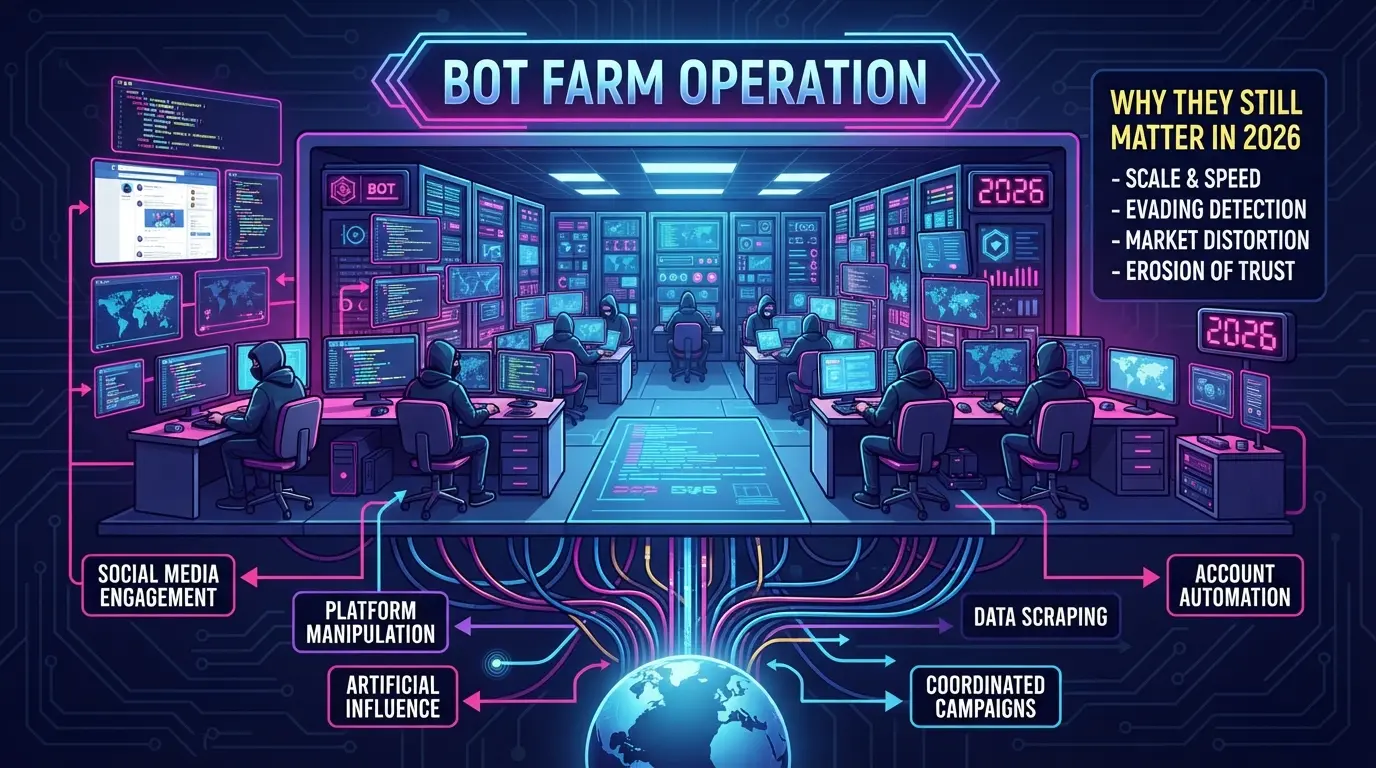
A bot farm is a group of automated accounts controlled in bulk to fake human actions online. Even in 2026, platforms keep fighting these setups because operators keep finding ways around new defenses.
How the Definition of 'Bot Farm' Has Changed Over Time
Early click farms were mostly rows of cheap phones or computers with people or scripts clicking ads and liking posts. Now, most large-scale farms use AI-driven bots that can mimic human patterns, swap digital fingerprints, and run hundreds of accounts at once.
Typical Goals and Use Cases for Bot Farms
Operators usually set up these farms to boost numbers where it matters for profit or influence. For example, an e-commerce seller might run a farm to flood a site with fake reviews, pushing real brands down in search results. On social media, these setups can drive fake engagement, likes, shares, comments, to make an account look popular. Ad fraud is another goal: farms can click ads thousands of times, draining real budgets with fake traffic. The tradeoff is always the same: every extra account raises the reward but also the risk of mass detection. If even one browser fingerprint or network pattern leaks, platforms can link and ban the entire batch. That’s why some operators keep farms small and isolated, while others chase scale and accept heavy losses when they get caught.
Why Bot Farms Remain a Problem in 2026
- Detection tools keep improving, but so do AI-powered bots, neither side stands still.
- New platforms mean new loopholes, so farms shift to wherever rules are weakest.
- One missed pattern, like a shared IP or repeated browser fingerprint, can still burn dozens of accounts in minutes.
The core challenge now isn’t just building bigger farms, it’s keeping each automated account separate enough to survive the latest platform review. Next, see what actually goes into a modern bot farm setup and why the details matter more than ever.
How Do Bot Farms Actually Work? Inside the Modern Setup
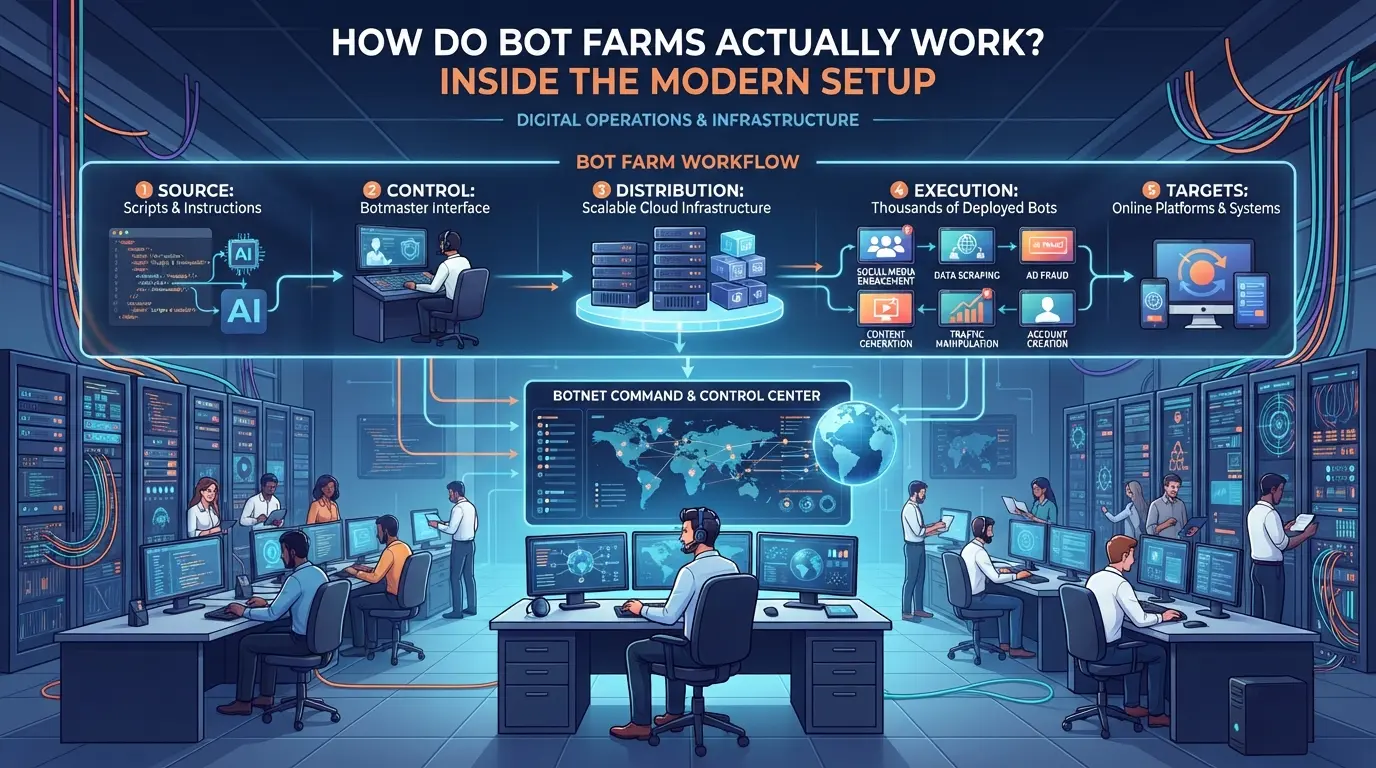
Most people imagine rows of cheap phones or scripts running nonstop. The real setup is about building a system that can hide activity, fake real users, and survive platform crackdowns. One weak link, like a reused proxy or a sloppy fingerprint, can expose the whole operation, so every layer matters.
Infrastructure: Devices, Proxies, and Browser Fingerprints
Operators pick between racks of phones, headless browsers, or cloud servers, each with different costs and risks. Physical devices look more genuine but are slow to scale. Cloud setups with emulators or browser profiles are fast, but fingerprints often overlap. Proxies swap IP addresses to mask location, but cheap ones get flagged in days. The hardest part is making every device and browser look unique.
Account Creation: Sourcing, Automation, and Identity Tricks
Getting thousands of accounts means solving hurdles that platforms keep raising. Some buy bulk-registered accounts on forums, but these often share fingerprints or phone sources, making them easy targets. Others script the whole sign-up flow, using automated SMS services for verification. The headache comes when platforms demand fresh phone numbers or block popular email domains. A common failure is burning through an entire batch because one reused phone number or device ID triggers a cascade of bans, especially if all the accounts log in from the same subnet. Even with automation, operators spend hours just finding fresh identity sources and tweaking scripts for each platform's new checks.
Automation: Scripts, RPA, and AI-Driven Behavior
- Rule-based scripts repeat set actions, fast but easy to spot if behavior is identical.
- RPA tools (robotic process automation) mimic mouse clicks and typing, which helps avoid bulk bans but slows down scaling.
- AI-driven bots try to randomize timing, click patterns, and even chat responses, but slip-ups, like posting too fast or missing a captcha, still trigger reviews.
The hardest part isn’t just building the tools, it’s keeping every piece isolated and unpredictable so one mistake doesn’t take out everything at once.
What Are the Main Risks and Downsides of Bot Farms?
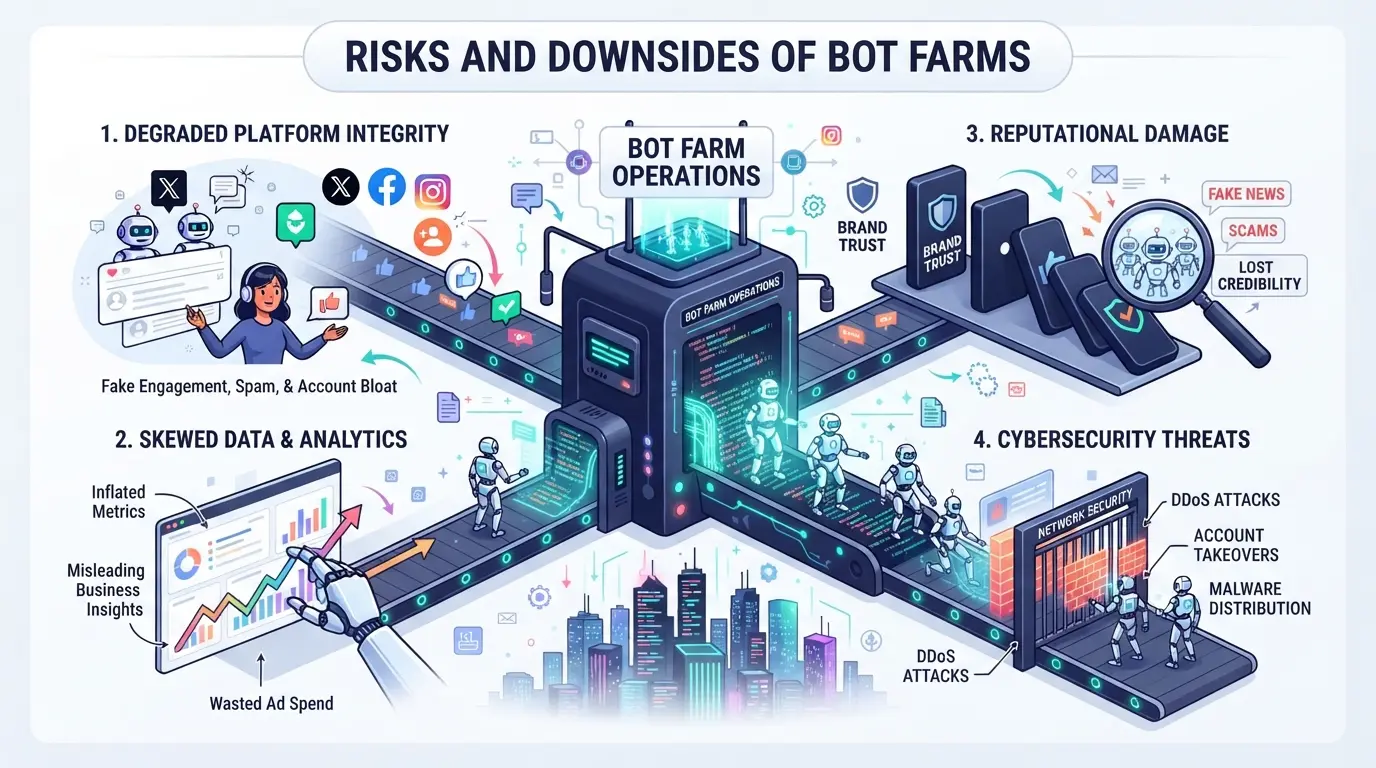
Anyone thinking about running or interacting with a bot farm needs to see how fast things can go wrong. The biggest risks aren’t just technical, they include losing all accounts in hours, facing legal penalties, and damaging your brand for years.
Operational Risks: Account Loss, Detection, and Blacklisting
Platforms use fingerprinting, behavioral analysis, and batch pattern detection to spot bot farms. When flagged, operators often lose hundreds of accounts in one sweep. Infrastructure tied to detected activity, proxies, devices, automation scripts, can get blacklisted, which means future setups fail even before launch.
Legal and Compliance Risks in 2026
Laws have tightened in the past two years. Running large-scale automated account farms now falls under fraud, unauthorized access, or data manipulation in most regions. Real cases show fines and criminal charges for both operators and clients using these services. Even buying engagement from a click farm is enough to trigger platform bans, especially after platforms started sharing evidence with regulators. Missing a compliance check can turn a small operation into a legal nightmare, especially if your accounts touch finance, e-commerce, or government platforms. Enforcement is unpredictable, sometimes nothing happens for months, then one update triggers mass legal notices.
Reputation and Business Impact
- Brands linked to bots lose trust fast, reputation damage often spreads beyond the original platform.
- Financial losses pile up from wasted ad spend, locked accounts, and failed campaigns.
- Partners and vendors drop clients once bot farm activity is detected, cutting off business channels immediately.
Even if you dodge detection for a while, the fallout from a single platform update can wipe out months of work. Next, it pays to know the signs, spotting bot farm patterns early is the only way to avoid getting swept up in mass bans.
How Can You Spot Signs of a Bot Farm? Practical Detection Tips
If you’re seeing strange spikes in activity or odd patterns in your analytics, you’re likely dealing with automated accounts. The fastest way to spot trouble is to check for patterns that don’t line up with real user behavior, especially sudden bursts or copy-paste actions.
Unusual Patterns in Follows, Likes, or Comments
A real user base rarely grows in perfect waves. When you see hundreds of new follows in minutes, or likes coming from accounts that were just created, that usually points to scripted activity. Generic comments like “Great post.” repeated dozens of times are another giveaway. The easiest sign is when engagement happens in tight clusters, especially from accounts with no real profile details.
Traffic and Analytics Red Flags
- Bounce rate jumps above 80% from new referrers
- Device strings show rare combinations (like Chrome 99 on Windows XP)
- Traffic spikes at odd hours, with most sessions lasting under 10 seconds
Behavioral Signs: Timing, Language, and Automation Footprints
If you notice activity round-the-clock, with no drop for sleep hours, you’re almost certainly seeing scripts. Identical messages across multiple accounts, or actions that repeat every few minutes, are classic automation footprints.
- Check for posts or actions every 2-5 minutes, 24 hours a day
- Spot nearly identical language or typos across many accounts
- Look for login attempts from different countries within one hour
These checks help you separate natural growth from automated farms. If anything feels off, dig deeper, missing these signs early can get your platform flagged or your content buried. Next, it’s worth understanding how running multiple accounts can cross the line, and what safer options exist.
When Does Running Multiple Accounts Cross the Line? Safer Alternatives to Bot Farms
Legitimate Reasons for Multi-Account Use
Teams, agencies, and some business owners need more than one account to handle tasks like client support, ad management, or platform testing. Running personal or work accounts isn’t a problem, what matters is intent and method.
Key Differences: Bot Farm vs. Compliant Multi-Account Workflow
Automated setups that hide user identity, run scripts at scale, or fake activity usually cross the line. For example, using a tool to sign up hundreds of accounts and post the same comment everywhere is a common red flag. By contrast, a business with a team of real users, each controlling a few accounts for separate clients, can stay compliant, if those accounts follow platform rules and show normal, human activity. The trouble starts when accounts share networks, devices, or patterns that make them look linked, even if the intent is clean.
Best Practices for Reducing Risk of Account Linkage
- Use a dedicated browser profile for each account, never mix sessions or logins.
- Keep device fingerprints and network signals stable; don’t jump between IP addresses or device types.
- Avoid large-scale automation or repeating actions across accounts at the same time.
Trying to manage everything from one browser or device nearly always triggers detection systems. Even without bad intentions, sloppy setup can get real accounts flagged. Keeping accounts isolated, profiles, proxies, and habits, cuts risk by making each one look like a separate real user.
The next step is learning how to set up these isolated profiles and automation tools without giving platforms an easy way to link your accounts. That’s where technical workflow matters.
How to Separate Platform Accounts with Isolated Profiles, Proxies, and Automation in DICloak
Operators handling multiple platform accounts face a familiar risk: one careless setup can expose every login to bot farm detection. Instead of stacking accounts in a shared browser or network, teams can use DICloak to keep each session isolated and workflows consistent. This approach is for those who need to manage accounts safely, without slipping into bot farm patterns that platforms flag fast.
Creating Isolated Browser Profiles and Configuring Fingerprints
To avoid cross-linking, operators can create a separate browser profile for each platform account in DICloak. Each profile holds its own browser storage and configurable fingerprint signals, like User Agent, language, time zone, and device details. This lets teams run account sessions side by side, keeping login environments fully separated during work. The scope is limited to browser-profile access; it does not change the connected SaaS tool. 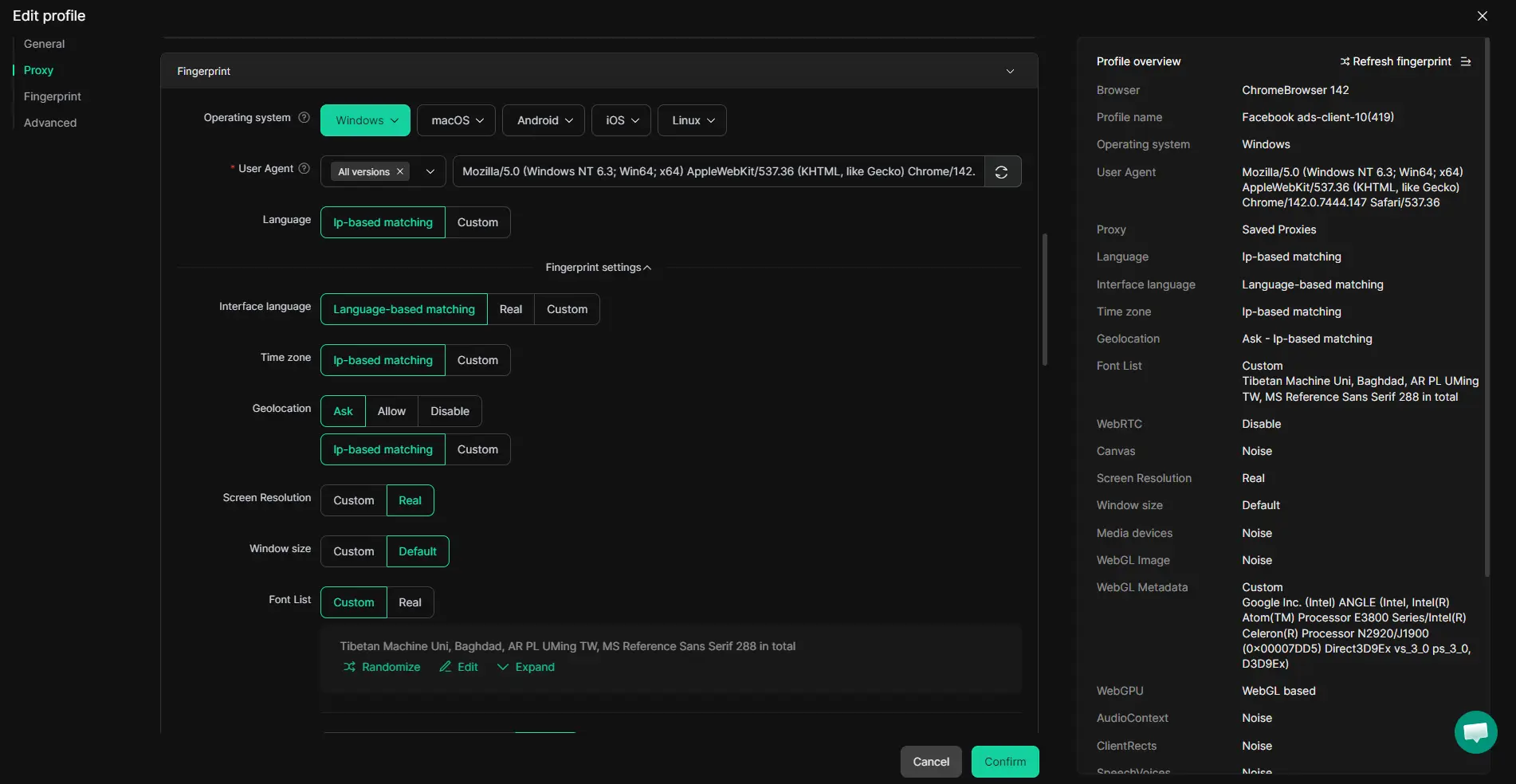
User-Provided Proxy Configuration for Assigned Profiles
A consistent, separate network connection is key for each profile. Operators can manually enter proxy details for every browser profile, host, port, username, password, and use the built-in connectivity check to confirm the connection. DICloak stores these user-provided proxies per profile but does not sell or supply proxies. Testing the proxy before opening a session avoids accidental overlap or network errors later. 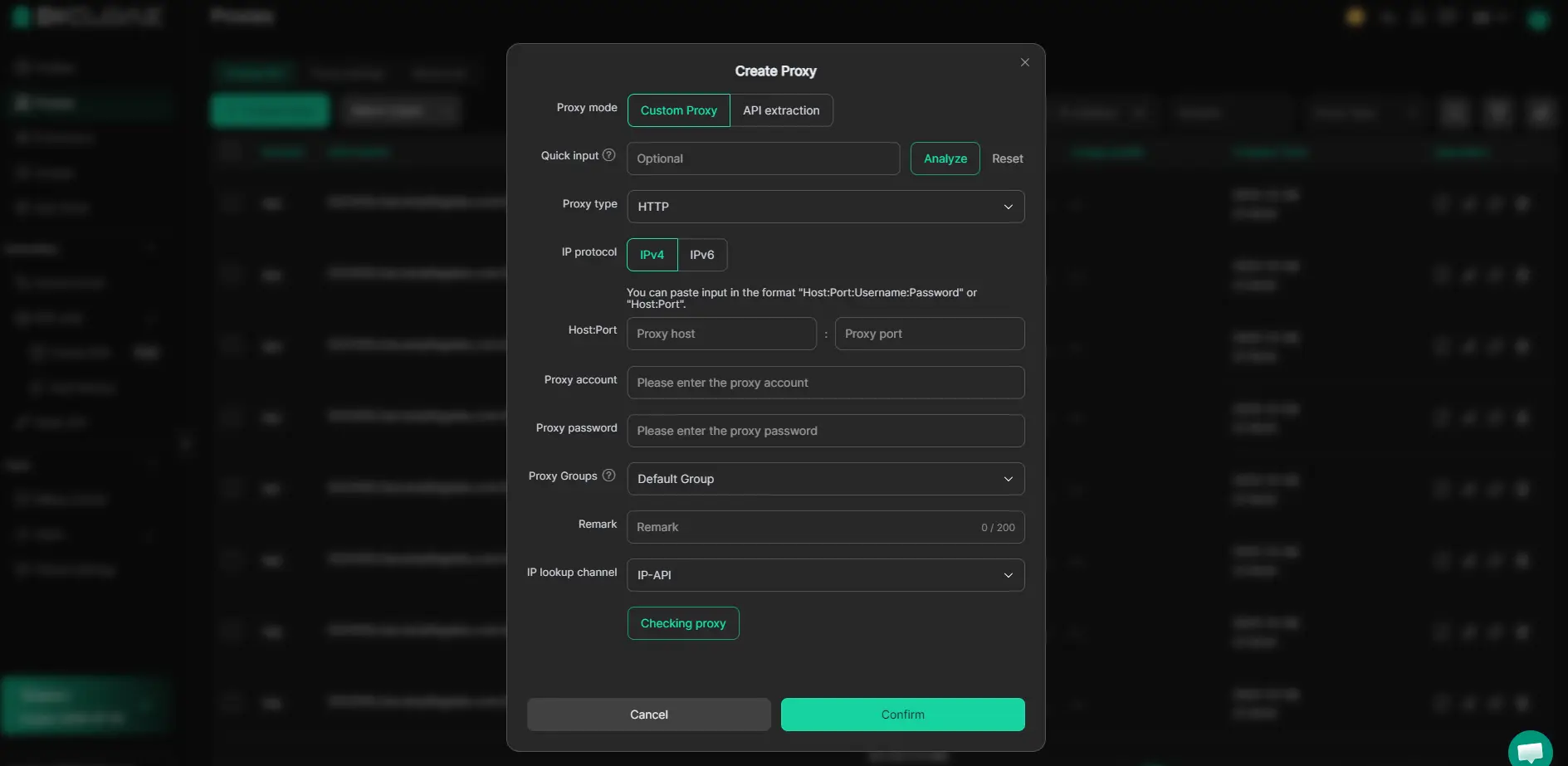
Automating Routine Actions with RPA (Robotic Process Automation)
Repeating login or navigation steps across accounts gets messy fast. Operators can set up RPA tasks in DICloak, picking which profiles run the workflow and setting intervals or schedules as needed. Each run logs its results, so admins can review execution and spot issues early. Supervised RPA keeps routine work efficient without risking unsupervised automated engagement. 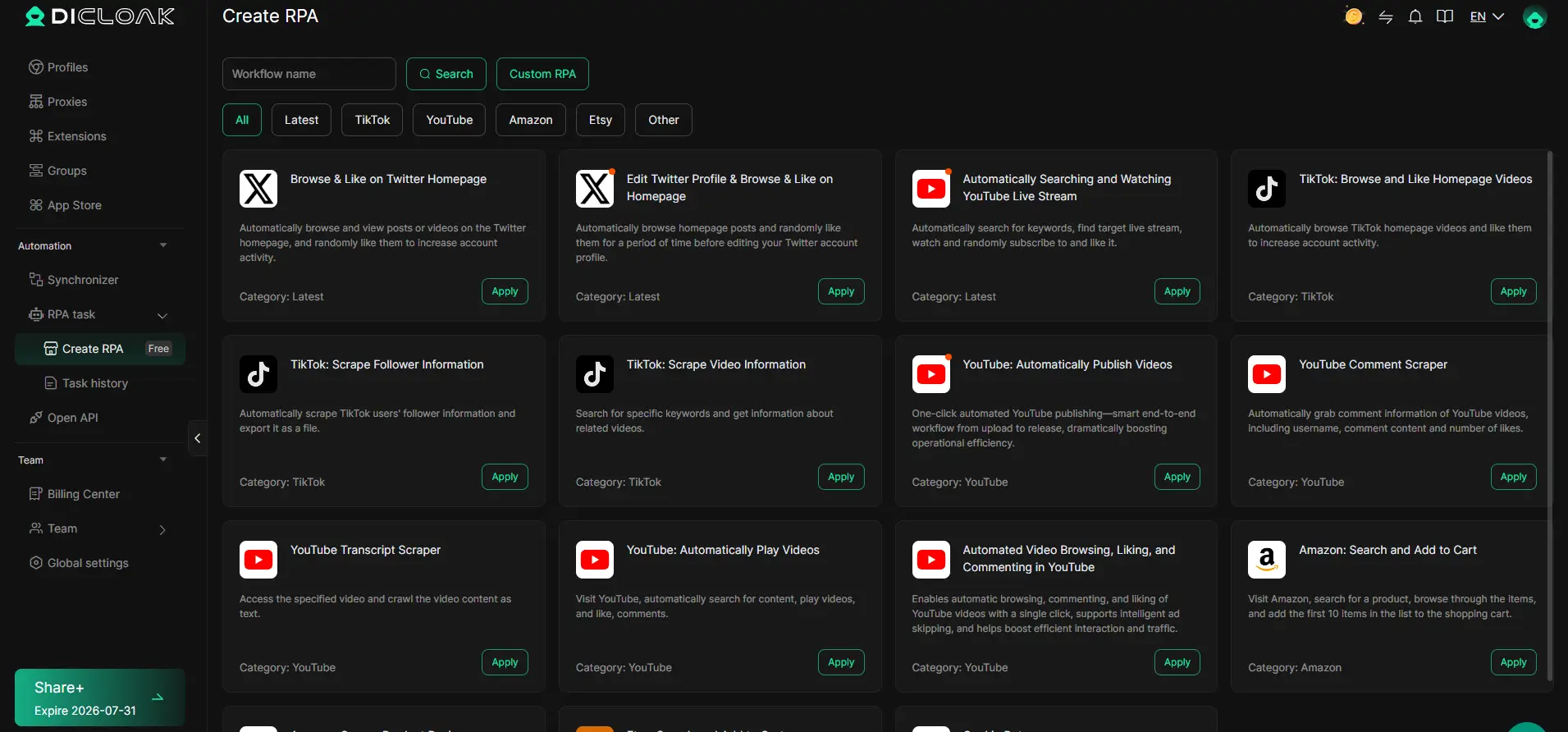
Getting these controls right is what keeps multi-account setups from being mistaken for bot farms, next, see where most operators get flagged.
Common Mistakes That Get Multi-Account Setups Flagged as Bot Farms
Even a careful multi-account workflow can trip detection if you miss hidden patterns. The most common mistakes link accounts in ways that automated systems flag as a coordinated bot farm.
Reusing Devices, IPs, or Fingerprints Across Accounts
Sharing one device, browser fingerprint, or IP across multiple accounts is the fastest way to get them linked. Platforms cross-check these signals, so even if you space out logins, leaving two accounts tied to one unique fingerprint often gets both flagged. Treat every account as if it will be audited for overlap in device or network history.
Over-Automation and Unnatural Activity Patterns
- Schedule tasks to avoid running large batches at the same second.
- Check platform rate limits and never script activity above those thresholds.
- Randomize action timing so no two accounts have matching logs.
Neglecting Profile Maintenance and Log Review
Forgetting to update fingerprints or proxies leaves obvious clues. Missed warnings in logs usually show up as unfamiliar locations or odd session spikes.
- Rotate fingerprints and proxies after major platform updates.
- Review logs weekly for unusual login times or access locations.
- Flag and investigate accounts with repeated failed actions.
Frequently Asked Questions About bot farm
Is running a bot farm illegal in 2026?
Running a bot farm can break the law in many countries, especially if it’s used for fraud or spam. Most platforms like Facebook and Twitter ban bot farms outright. Some regions have strict rules against automated account abuse, so legal risk depends on location and purpose.
How do platforms detect bot farms today?
Platforms use device fingerprints, IP addresses, and behavior tracking to spot bot farms. They look for signs like many accounts logging in from the same device or IP, odd activity patterns, or fast, repetitive actions that don’t match human behavior.
Can legitimate businesses get flagged as bot farms by mistake?
Yes, businesses can get flagged if they reuse devices, share IP addresses, or use automation tools too much. This happens when their activity looks similar to bot farms. Using separate devices, IPs, and following platform guidelines helps lower the chance of false positives.
What is the difference between a click farm and a bot farm?
A click farm hires real people to do actions like liking posts or clicking ads. A bot farm uses software or scripts to automate these tasks. Click farms are harder to detect because humans act more naturally, while bot farms often leave digital footprints.
Are there safe tools for managing multiple platform accounts?
Yes, tools like antidetect browsers let users manage many accounts by separating each profile and using different proxies. These tools can help prevent detection, but users must follow platform rules. Breaking terms of service can still lead to bans or legal issues.
Evaluating your exposure to automated activity and considering solid defenses can help protect your online presence from unwanted manipulation. Take proactive steps to secure your accounts and monitor for suspicious behaviors to maintain a safe digital environment. Try DICloak For Free
 Web Proxy Tools
 Free Tools
 Cookie Plugin
 UA Generator
 MAC Address Generator
 IP Generator
 IP Address List
 2FA Code Generator
 World Clock
 Anonymous Check
 WebRTC Leak Test
 UUID Generator
 Free Web Proxy Site
 Proxy Checker
 FB Ad Checker
 AI Web Scraping
 Free SMM Tools
 Twitter Shadowban Checker
 Instagram Name Checker
 UTM Generator
 Username Generator
 AI Hashtag Generator
 LinkedIn Headline Generator
 Social Media Image Resizer