Social media is not only about likes, short videos, or fast trends. Many people go online to ask real questions, share experience, and learn from others. This is where deeper conversations happen. A social media forum gives users a place to slow down and talk in detail. It connects people through shared interests, not personal profiles. Whether someone wants advice, support, or honest opinions, social media forums have become a trusted space for real discussion and community engagement.
What is a Social Media Forum?
Definition of Social Media Forums
A social media forum is an online space where people talk about shared interests. Users join because they care about a topic, not because they know each other. In a social media forum, people post questions, share opinions, and give detailed answers. Conversations are open and easy to follow. For example, on platforms like Reddit, users join topic-based communities to ask for advice, solve problems, or share real experiences. These discussions often last for days or even years, which helps new users learn from past conversations.
Key Features of Social Media Forums
A social media forum is built around discussion, not quick posts. Each topic usually has its own thread. Users reply under the same post, which keeps the conversation clear and organized. Older replies stay visible, so people can read and learn later. Most forums use categories or sub-forums to group topics. This makes it easy to find the right discussion. For example, in a tech forum, one section may focus on beginner questions, while another covers advanced problems. This structure supports deeper learning and real interaction.
Differences Between Social Media Forums and Traditional Social Media Platforms
A social media forum works very differently from traditional social media platforms like Instagram or Facebook. Traditional platforms focus on personal profiles, short updates, and fast reactions such as likes or shares. Content moves quickly and often disappears from attention within hours. In contrast, a social media forum focuses on ideas and long-form discussion. Users care more about helpful answers than popularity. For example, someone looking for travel advice may trust a detailed forum thread more than a short social media post. Forums reward clear thinking and experience, not just visibility.
Top Social Media Forums to Join for Networking
After understanding what a social media forum is and how it works, the next step is choosing the right places to join. Not all forums serve the same purpose. Some are better for business networking. Others focus on learning, hobbies, or support. Below are popular social media forum options where people actively connect, share knowledge, and build trust over time.
1.Reddit (r/Entrepreneur, r/DigitalMarketing)
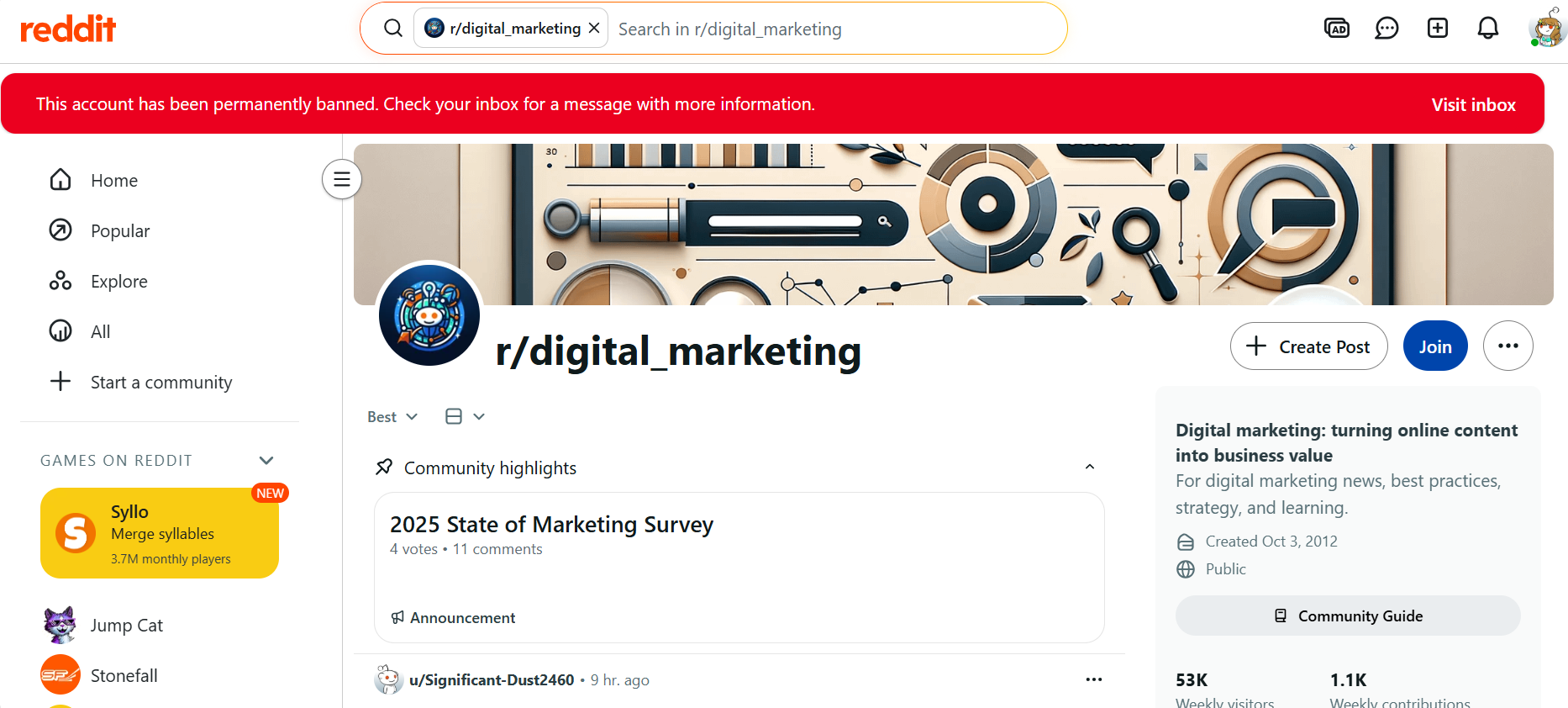
Reddit is one of the largest social media forum platforms in the world. It is divided into small communities called subreddits. In r/Entrepreneur, founders share real startup stories, wins, and failures. In r/DigitalMarketing, users discuss ads, SEO, and growth tips. A common rule on Reddit is simple. Give value before you promote anything. Users who answer questions often gain trust and strong connections over time.
Pros
- Very active discussions
- Honest feedback from real users
Cons
- Promotion must be handled carefully
2.Warrior Forum
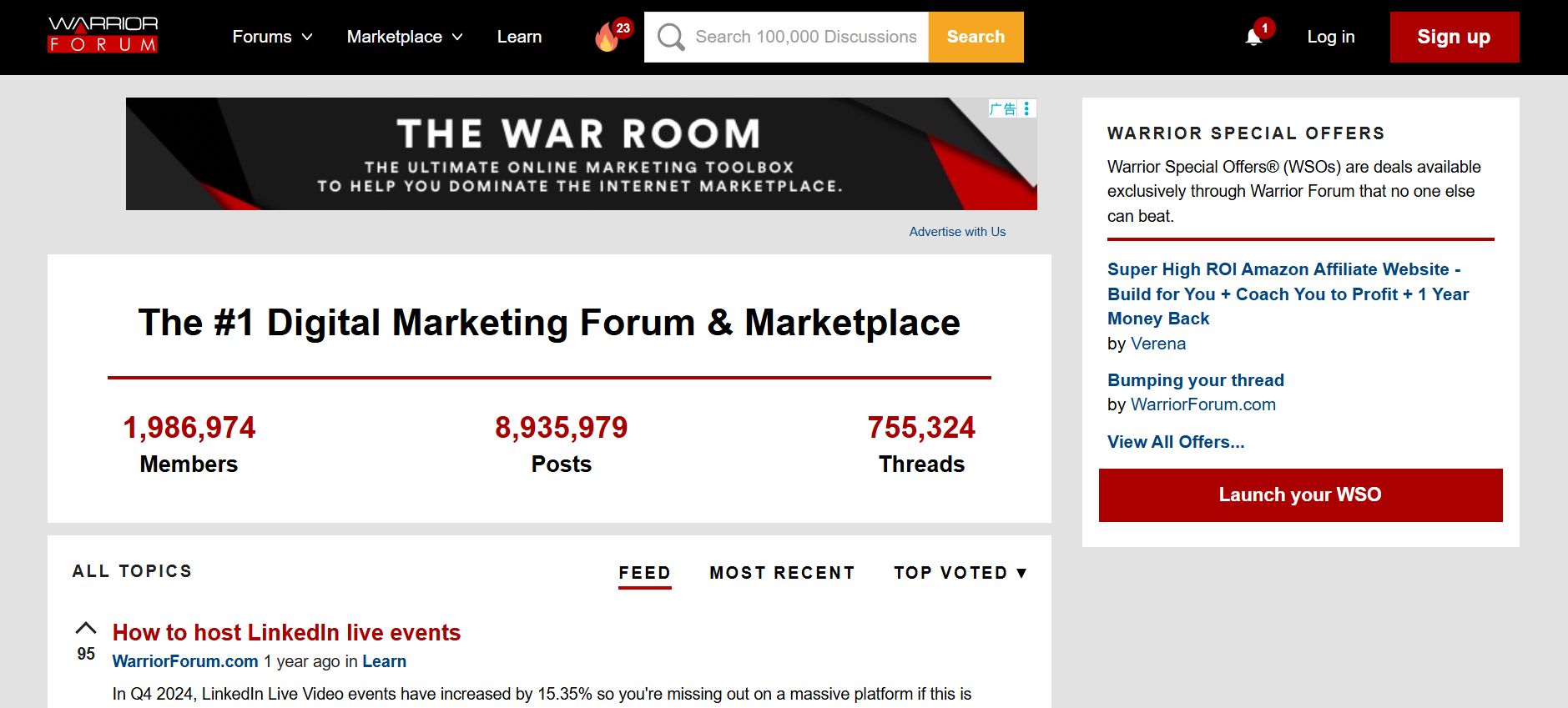
Warrior Forum is a classic social media forum for online business and marketing. Many users talk about traffic, SEO, affiliate marketing, and tools. New members often start by asking simple questions. Experienced users share long replies with step-by-step advice. For networking, private messages and long public threads are common. It is a place where learning and networking happen together.
Pros
- Clear focus on making money online
- Many step-by-step discussions
Cons
- Content quality depends on the thread
3.Quora
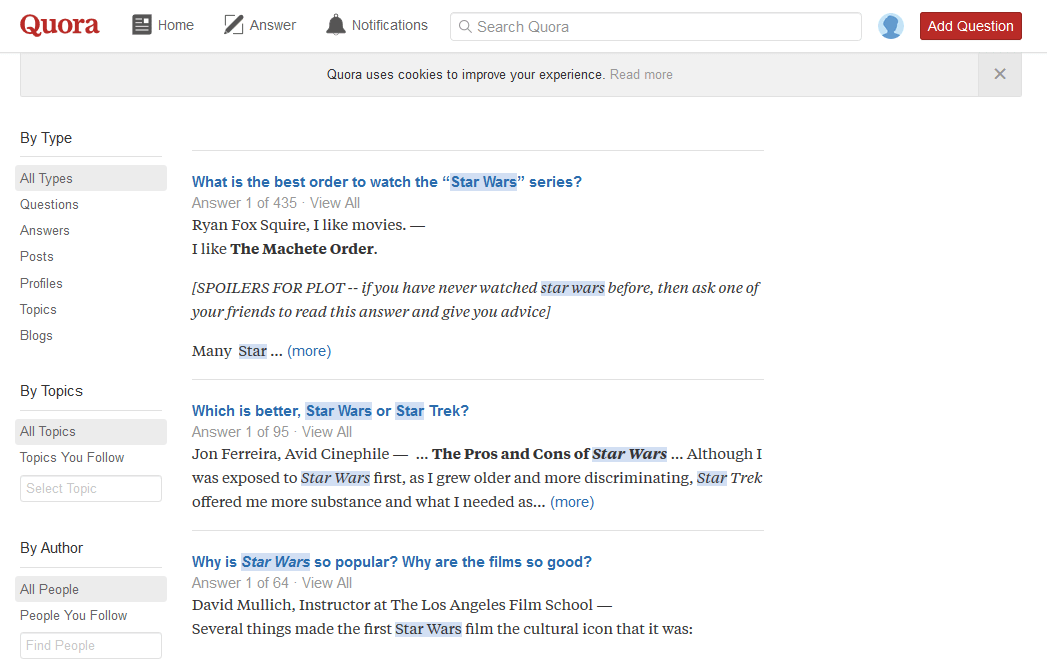
Quora works as a question-based social media forum. People ask clear questions and expect helpful answers. Professionals often use Quora to show expertise by writing detailed replies. For example, a marketer may answer questions about email growth or content strategy. Over time, strong answers attract followers and direct messages. This makes Quora useful for soft networking without cold outreach.
Pros
- Good for showing expertise
- Strong visibility for quality answers
Cons
- Less direct community interaction
4.Moz Community
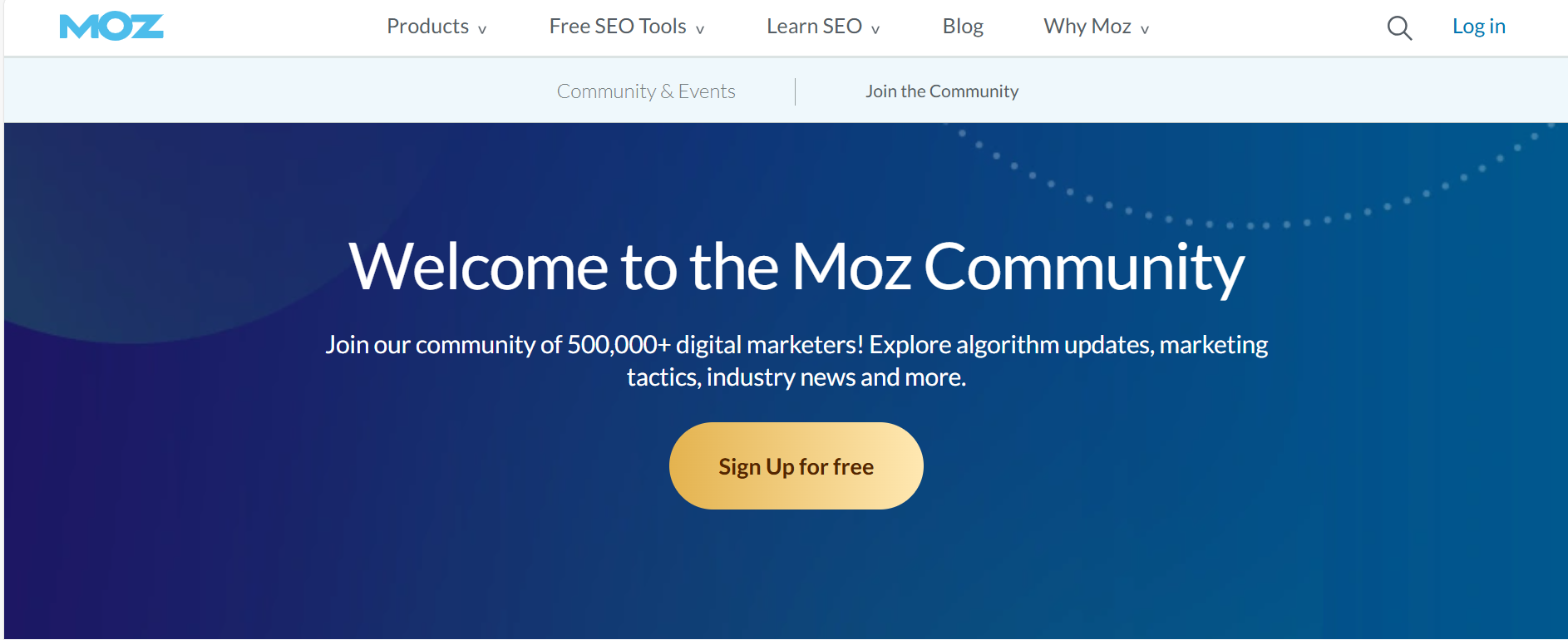
The Moz Community is a focused social media forum for SEO professionals. Users discuss ranking issues, Google updates, and site audits. Many conversations are practical and based on real projects. A beginner may post a ranking problem, and experts reply with clear steps. This forum is useful for building trust through helpful feedback rather than promotion.
Pros
- High-quality SEO discussions
- Practical problem-solving
Cons
- Limited to search-related topics
5.Stack Overflow
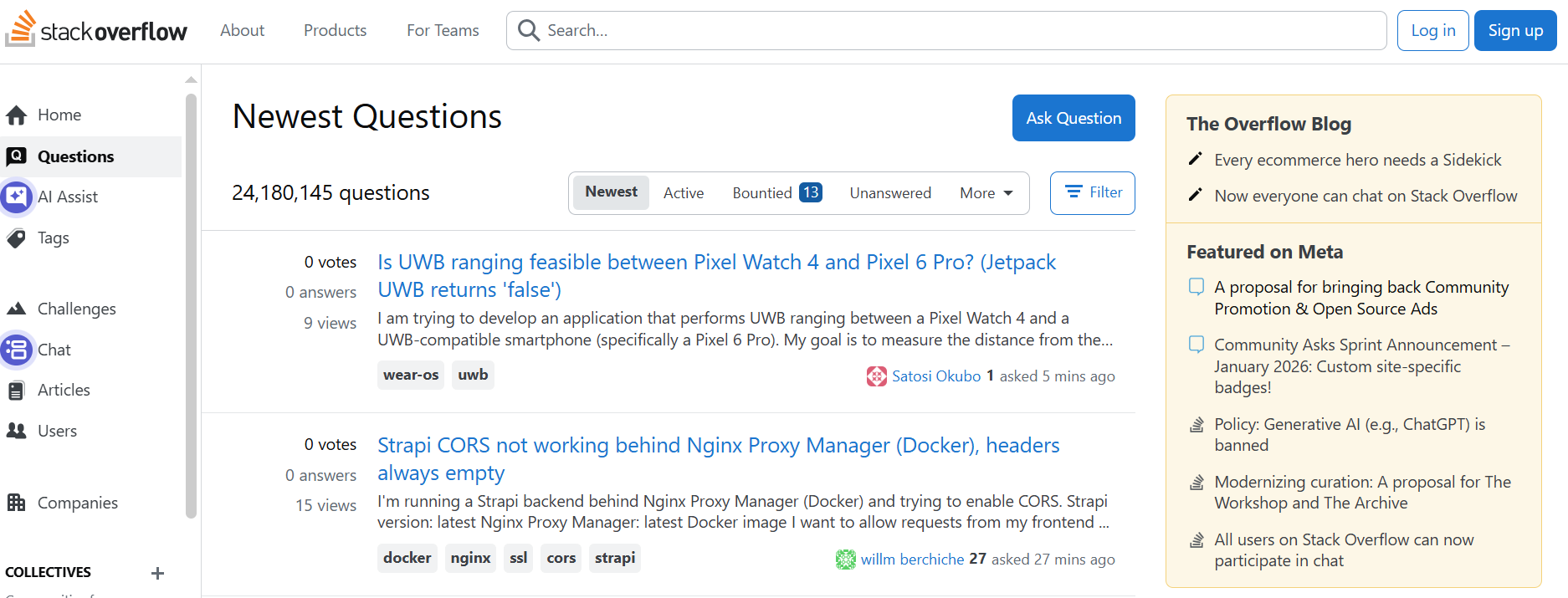
Stack Overflow is a technical social media forum for developers. It is strict, but very valuable. Users ask coding questions and expect clear, tested answers. Networking happens through reputation points and profile visibility. Developers who answer well-known problems often get job offers or project requests. This forum shows how skill-based contribution leads to real connections.
Pros
- Very reliable technical knowledge
- Skill-based reputation system
Cons
- Not friendly to casual discussion
6.Hacker News (Y Combinator)
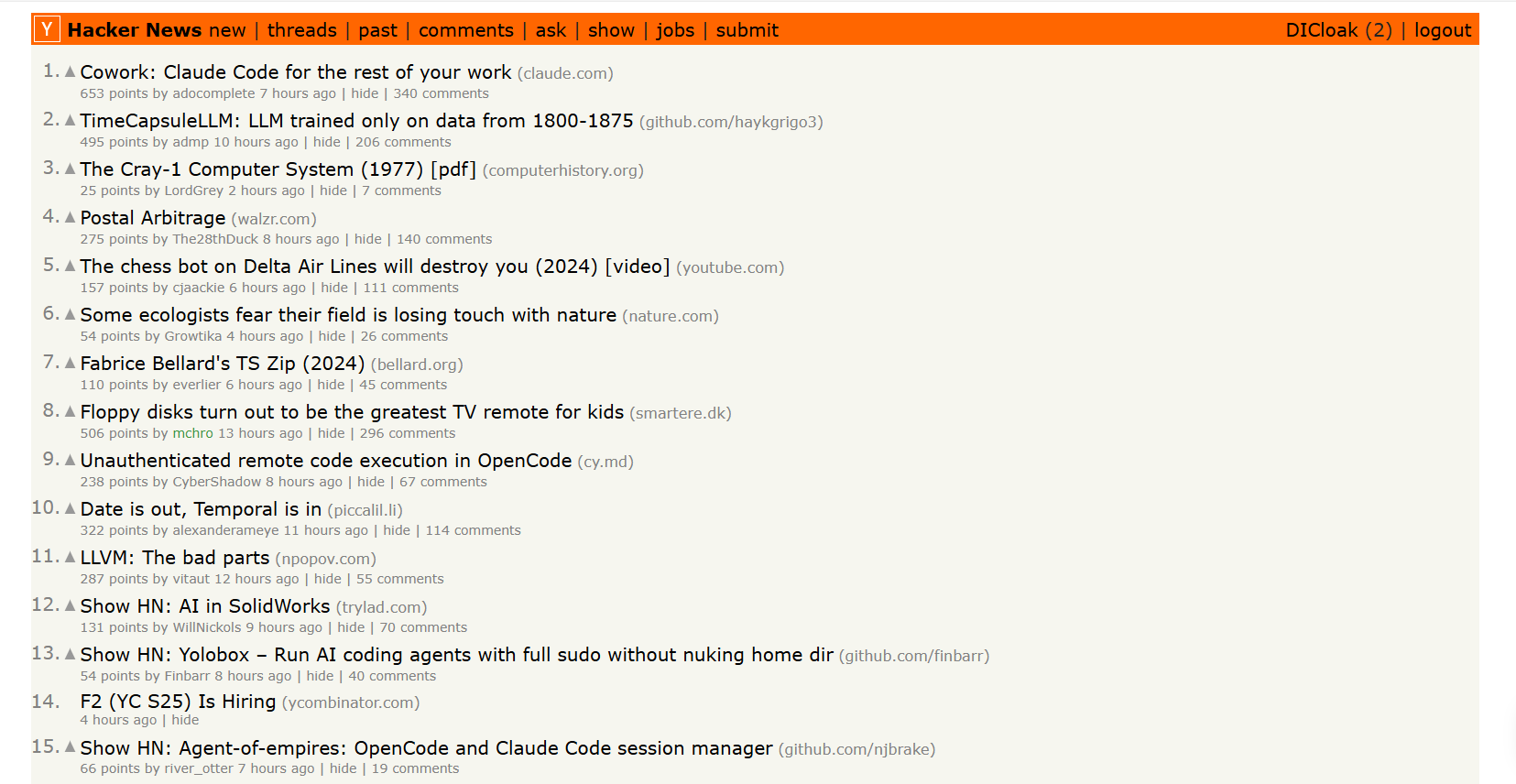
Hacker News is a social media forum focused on startups, tech, and product thinking. Discussions are short but deep. Founders often share product launches or lessons learned. Comment sections can turn into high-level debates. Many early-stage founders read Hacker News daily to understand trends and connect with like-minded builders.
Pros
- Insightful industry discussions
- Strong founder and builder presence
Cons
- Posts lose visibility quickly
7.ResetEra
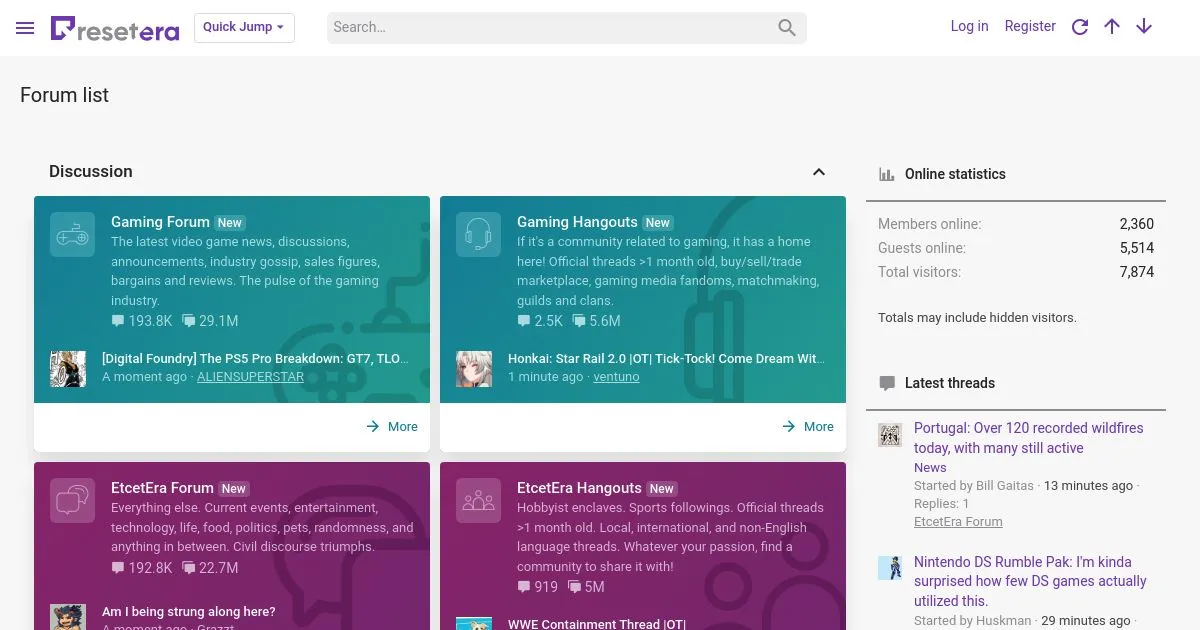
ResetEra is a community-driven social media forum focused on gaming, media, and culture. Discussions are long and detailed. Users build relationships by joining ongoing conversations, not by posting links. Networking here is more about shared interests and long-term interaction than business goals.
Pros
- Deep, long-form conversations
- Strong community culture
Cons
- Not designed for professional networking
8.Steam Community
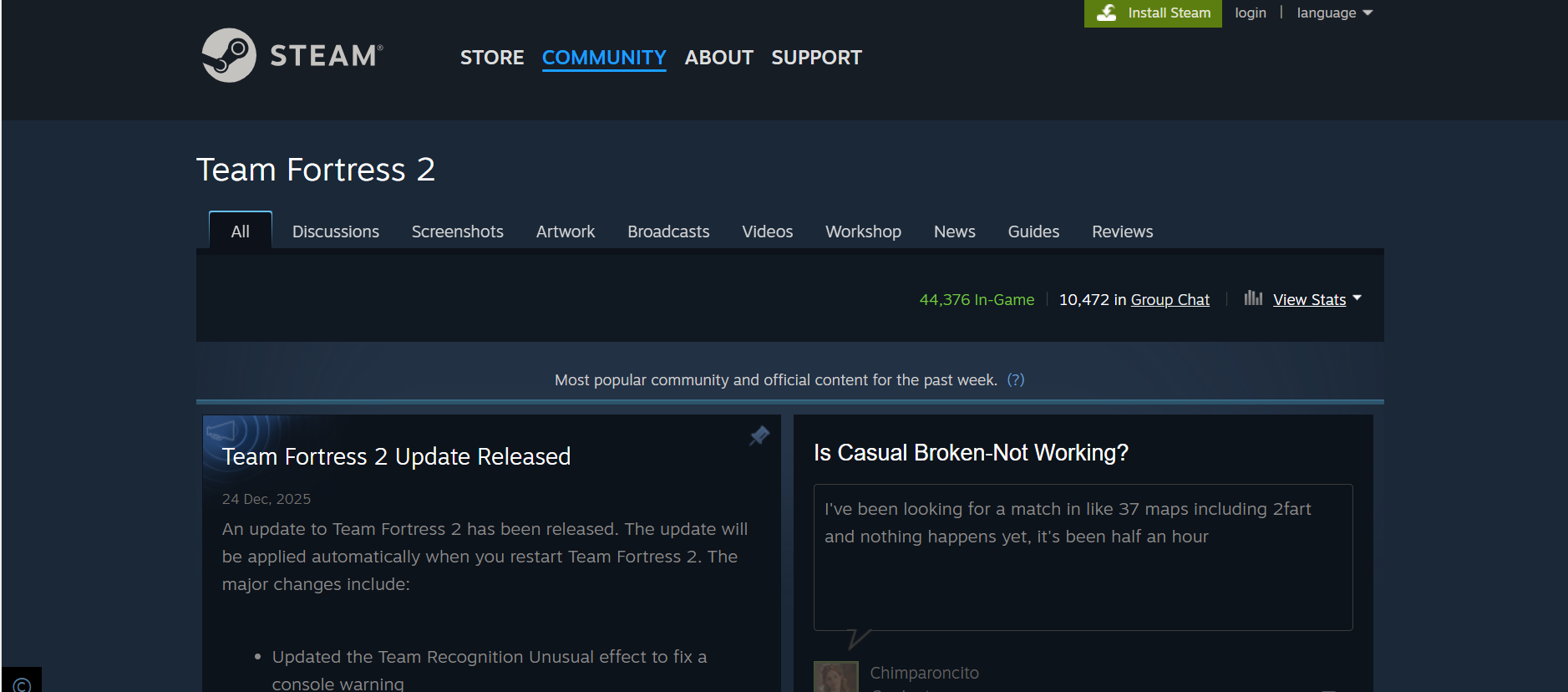
The Steam Community is a social media forum built around games. Players discuss updates, guides, and bugs. Game developers also join in answering questions and collecting feedback. This two-way talk helps developers build loyal users while players feel heard. It shows how forums support strong user relationships.
Pros
- Direct interaction with real users
- Useful for feedback and ideas
Cons
- Focused mainly on gaming topics
9.MyFitnessPal Community
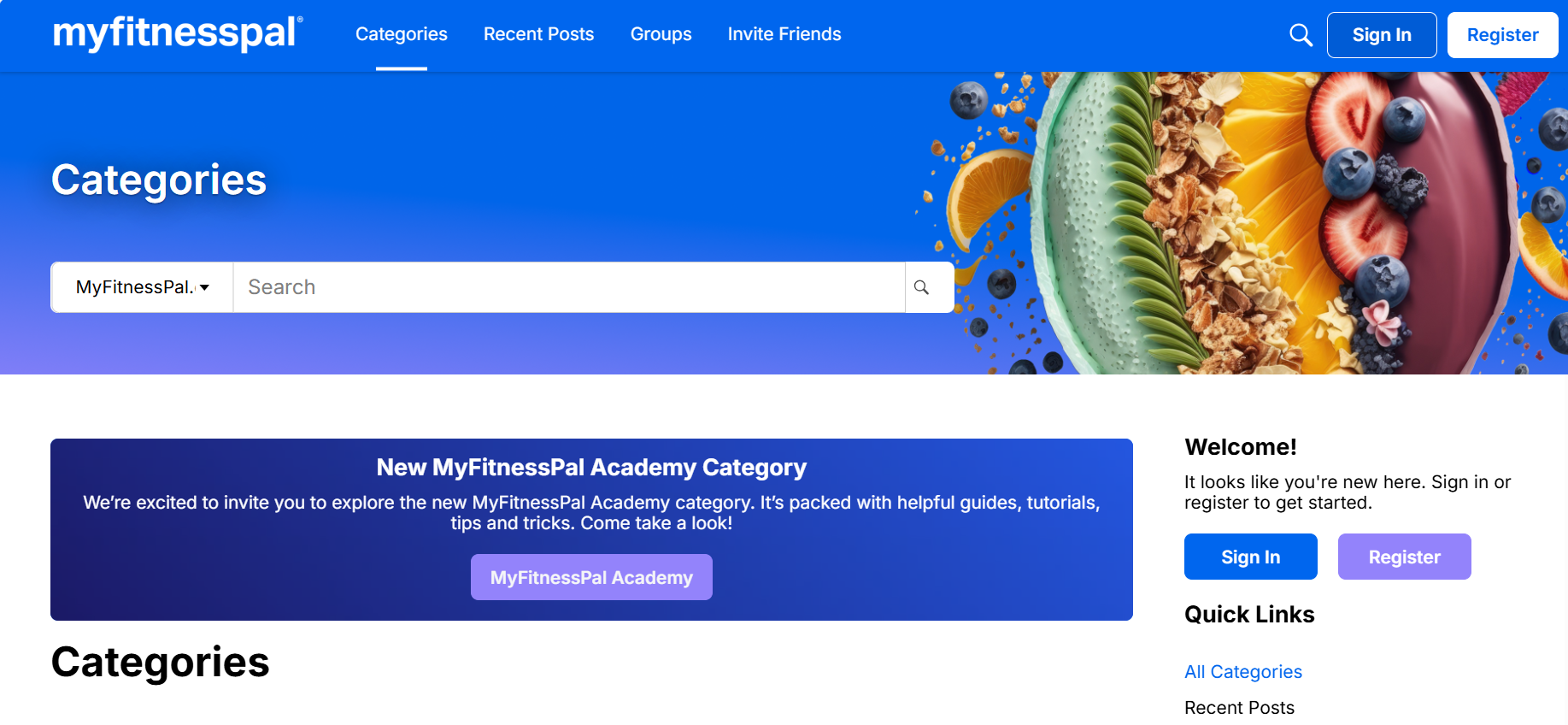
The MyFitnessPal Community is a health-focused social media forum. Users talk about fitness goals, diet plans, and daily habits. Many users return every day to update progress and support others. This creates trust and emotional connection. Networking here is based on encouragement and shared experience, not promotion.
Pros
- Very supportive user base
- High daily engagement
Cons
- Limited use for business networking
10.Facebook Groups
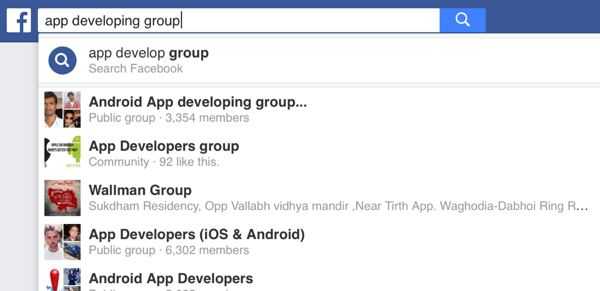
Facebook Groups act like a modern social media forum inside a social network. Groups focus on clear topics, such as local business, freelancing, or learning skills. Unlike Facebook feeds, group posts last longer and get thoughtful replies. Active members often connect privately after public discussions, making groups useful for relationship building.
Pros
- Easy to join and participate
- Strong relationship building
Cons
- Quality depends on group management
The Importance of User Engagement in Social Media Forums
After joining the right social media forum, the real value comes from how users engage. Forums only work when people take part. Reading is helpful, but interaction builds trust, visibility, and long-term connections. Active engagement turns a forum from a website into a real community.
How Social Media Forums Foster Community Interaction
A social media forum is designed to encourage two-way conversation. Users do not just post and leave. They reply, follow up, and continue discussions. Threads stay open, so conversations grow over time. For example, in a business forum, one user may ask how to price a service. Others share real numbers, mistakes, and lessons. Days later, new users add more ideas. This shared problem-solving creates a strong sense of community and makes people return often.
The Role of User-Generated Content in Engagement
User-generated content is the heart of every social media forum. Questions, answers, guides, and personal stories all come from users. This content feels more real than brand posts. For example, a developer explaining how they fixed a bug helps others faster than a general tutorial. When users share experience instead of theory, engagement grows. People comment, ask follow-up questions, and save posts. Over time, helpful contributors become trusted voices in the forum.
Networking Opportunities Within Social Media Forums
A social media forum creates natural networking without pressure. Connections form through shared discussion, not direct promotion. For example, a marketer who gives clear answers in multiple threads may receive private messages asking for advice or collaboration. A developer who helps others on technical topics may get invited to projects. These connections feel organic because they start with value. In forums, people network by seeing how others think and solve problems, not by reading a profile headline.
Comparing Social Media Forums and Other Social Media Platforms
As user engagement grows, many people start to notice a clear difference between a social media forum and other social media platforms. Both allow interaction, but the way people engage, learn, and connect is not the same. Understanding these differences helps users choose the right space for real discussion and long-term value.
Engagement Metrics: Forums vs. Social Media
On traditional social media platforms, engagement is often measured by likes, shares, or short comments. A post may get attention fast, then disappear within hours. In a social media forum, engagement looks different. People measure value by replies, thread length, and ongoing discussion. For example, a single forum post may receive comments over several weeks. Users return to add updates or ask follow-up questions. This type of engagement shows deeper interest, not just quick reactions.
Advantages of Social Media Forums for Deeper Discussions
A social media forum is built for depth. Users expect long answers and clear explanations. Topics are organized, and conversations stay focused. For example, when someone asks a detailed question about marketing strategy in a forum, replies often include real numbers, tools, and past results. On other social media platforms, the same question may only get short opinions. Forums give space for context and learning, which makes them better for complex topics and serious discussion.
Challenges Faced by Social Media Forums and Social Media
Both a social media forum and traditional social media platforms face challenges. Forums can feel slow to new users. It takes time to earn trust and responses. Social media platforms move faster, but this speed often lowers content quality. For example, a helpful forum post may take days to build, while a social post may get fast attention but little value. Users need patience in forums and filtering skills on social media. Each platform has limits, but forums often reward effort with stronger insight and lasting connections.
As users become more active across different social media forum platforms, account safety becomes more important. Logging into multiple forums, managing different identities, or joining niche communities can increase the risk of account flags or access issues. To reduce these risks, many experienced users choose to use an antidetect browser. It helps keep each forum session separate and stable, which supports safer participation and long-term engagement in social media forums.
Why Choose DICloak Antidetect Browsers for Your Management?
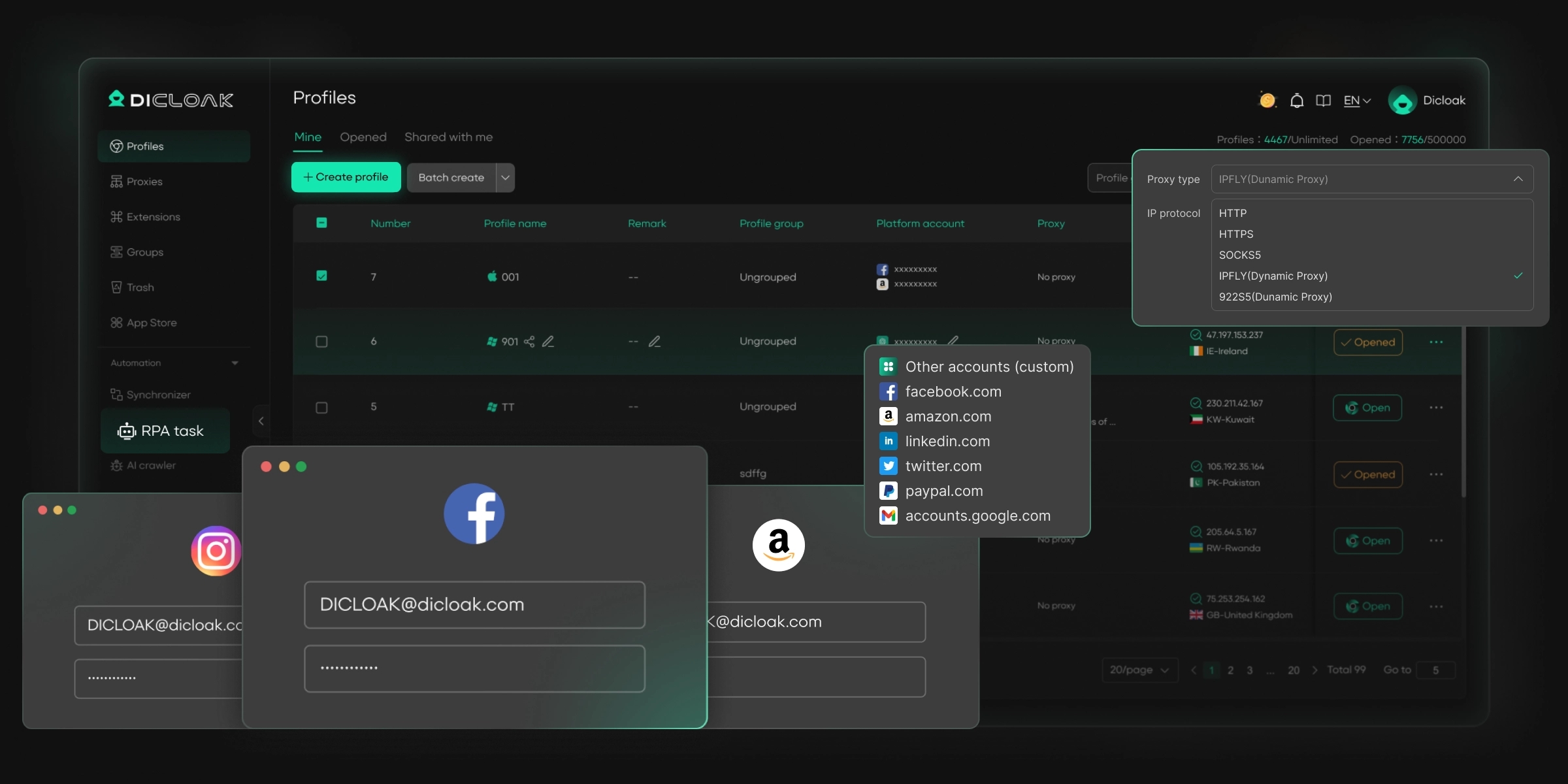
⚡The DICloak Antidetect Browser has become a global favorite for its unparalleled ability to efficiently and securely manage multiple accounts. Designed for professionals in social media management, and more, DICloak offers powerful features like RPA automation, bulk operations, and a synchronizer. Additionally, it allows you to customize fingerprints and integrate proxies for each profile, ensuring top-level security and operational efficiency. It’s the ultimate tool for seamless, secure, and scalable operations.
What Makes DICloak Stand Out?
✅ Manage 1,000+ Accounts on One Device: Stop wasting money on extra hardware! DICloak allows you to manage multiple accounts on a single device, cutting costs and boosting efficiency.
✅ Guaranteed Account Safety, No Ban Risks: Every account gets its own isolated browser profile with custom fingerprints and IPs, drastically reducing the risk of bans. Your accounts, your control!
✅ Flexible Proxy Configuration for Maximum Performance: Seamlessly integrate with all major proxy protocols (HTTP/HTTPS, SOCKS5) and manage your proxy pool with bulk operations. No more struggling with IP management—DICloak has you covered.
✅ Streamlined Team Collaboration for Better Results: Easily manage your team with advanced tools like profile sharing, permission settings, data isolation, and operation logs. Your team works smarter, not harder.
✅ Automate the Grind with RPA: DICloak's built-in RPA saves you hours of manual work. Automate repetitive tasks, streamline workflows, and focus on what really matters—growing your business.
✅ Powerful Bulk Tools to Scale Your Operations: Create, import, and launch multiple browser profiles in one click. DICloak makes scaling your business as easy as it gets.
✅ Compatible with All Major Operating Systems: Based on the Chrome core, DICloak supports simulating Windows, Mac, iOS, Android, and Linux operating systems. No matter what platform you need, DICloak has you covered.
🔗 Ready to Get Started?
Visit the DICloak website to explore more details and choose the plan that’s right for you. Start for free today and experience the power of secure, efficient, and scalable multi-account management!
The Future of Social Media Forums
After comparing a social media forum with other social media platforms, it becomes clear that forums still play a special role online. As users look for deeper discussion and more trust, social media forums continue to evolve instead of disappearing.
Emerging Trends in Online Communities
One clear trend in the social media forum space is smaller and more focused communities. Users are moving away from very large, noisy platforms. They prefer forums built around one clear topic, such as finance, fitness, gaming, or career growth. Another trend is better moderation and clearer rules. Many forums now focus on quality replies instead of fast posts. For example, some communities reward helpful answers or limit low-effort content. This creates a safer and more useful space for users.
Predictions for the Evolution of Social Media Forums
In the future, a social media forum is likely to feel more personalized. Users may see threads that match their interests and skill level. Forums may also combine discussion with tools, such as learning resources or progress tracking. For example, a learning forum may mix lessons with discussion threads, so users can ask questions while studying. Forums will likely stay slower than social feeds, but this slower pace will be a strength, not a weakness.
The Role of Forums in Shaping Online Engagement
A social media forum helps shape how people engage online. It teaches users to explain ideas clearly, listen to others, and build knowledge together. While social media platforms focus on speed and visibility, forums focus on meaning and understanding. For example, users often return to the same forum thread months later to update results or share outcomes. This long-term engagement helps forums stay relevant, even as online trends change.
Conclusion: The Significance of Social Media Forums in the Digital Age
A social media forum remains an important space in today’s digital world. It supports real discussion, shared learning, and long-term connection. Unlike fast social platforms, forums reward thoughtful replies and real experience. Users can ask questions, give help, and build trust over time. Anyone can start by reading, joining a discussion, or sharing a small lesson. By choosing the right social media forum and staying active, users can gain insight, build relationships, and take part in meaningful online conversations.
FAQ
1.What is a social media forum and how does it work?
A social media forum is an online space where people discuss shared interests through posts and replies. Users ask questions, share experience, and respond to others in topic-based threads. Unlike fast social feeds, discussions in a social media forum stay visible for a long time and grow as more users join the conversation.
2.How is a social media forum different from traditional social media platforms?
A social media forum focuses on topics and discussion, not personal profiles or quick reactions. Traditional social media platforms rely on likes, shares, and short posts. In a social media forum, value comes from detailed answers, long threads, and helpful user contributions.
3.Why is user engagement important in a social media forum?
User engagement keeps a social media forum active and useful. When users reply, ask follow-up questions, or share real experience, discussions become richer. High engagement also helps build trust, makes answers more reliable, and creates stronger community connections over time.
4.Are social media forums still relevant today?
Yes, a social media forum is still very relevant. Many users now prefer smaller, focused communities where they can get clear answers and honest feedback. Forums offer depth, structure, and long-term value that fast social platforms often lack.
5.How can beginners start using a social media forum safely and effectively?
Beginners should start by reading existing threads in a social media forum. Then they can ask simple questions or share small experiences. Following community rules, avoiding promotion at first, and focusing on helpful replies are key steps to building trust and getting positive responses.
 Web Proxy Tools
 Free Tools
 Cookie Plugin
 UA Generator
 MAC Address Generator
 IP Generator
 IP Address List
 2FA Code Generator
 World Clock
 Anonymous Check
 WebRTC Leak Test
 UUID Generator
 Free Web Proxy Site
 Proxy Checker
 FB Ad Checker
 AI Web Scraping
 Free SMM Tools
 Twitter Shadowban Checker
 Instagram Name Checker
 UTM Generator
 Username Generator
 AI Hashtag Generator
 LinkedIn Headline Generator
 Social Media Image Resizer