Solana airdrops have become one of the easiest ways for crypto users to earn rewards while exploring new projects. Many people have received valuable tokens simply by using Solana dApps, holding assets, or joining communities early. But for every successful airdrop story, there are also users who miss out because they do not understand how Solana airdrops really work.
This guide is built to change that. In this complete guide to Solana airdrops, you will learn what airdrops are, how eligibility is decided, and how to improve your chances step by step. We will also cover common risks, real examples, and practical tools that help you stay safe and organized. Whether you are new to Solana or already active on the network, this guide will help you maximize your rewards and avoid costly mistakes.
What Are Solana Airdrops?
Solana airdrops are free token giveaways that crypto projects send to people who use the Solana blockchain. These tokens are not sold — they are given out as rewards. In simple words, a Solana airdrop is like a free gift in your wallet for helping or using a project on Solana.
Why Solana Airdrops Happen
Many blockchain teams use airdrops to get attention and grow their community. When a project is new, it might give away tokens to users. This helps more people hear about it and join the project early. Some airdrops reward users who were there from the start, and some reward people for doing small tasks like trading, staking, or joining a group online.
For example, in 2025, the Pudgy Penguins project gave away its $PENGU tokens to many users on Solana. This was one of the largest airdrop events in crypto history, and thousands of people could claim free tokens just for having a wallet that met the rules.

Understanding the Mechanism of Solana Airdrops
Now that you know what Solana airdrops are and why projects give them, let’s learn how they actually work. This section explains the core steps and methods behind Solana airdrops. Each part uses real examples where possible, so you can better understand how to take part in these free token rewards.
How Do Solana Airdrops Work?
Solana airdrops work by giving free tokens to certain wallet holders on the Solana blockchain. Projects plan a campaign. Then they tell the public how to qualify. Some airdrops go to users who already held a token or used a service. Others ask you to complete small tasks, like trading or staking. When the rules are met, eligible wallets receive tokens or can claim them later. This gives projects visibility and rewards people for helping build their community.
For example, Jupiter (JUP) airdrop rewarded users who traded on the Jupiter DEX on Solana. The more you used the platform before a certain date, the bigger your reward. Some users got thousands of dollars worth of tokens when the distribution happened.
Eligibility Requirements for Solana Airdrops
Not all wallets get airdrops. Projects set rules called eligibility requirements. These are the conditions you must meet to qualify. Typical rules include:
- Hold certain tokens – You must have a specific token or NFT in your wallet at a set time.
- Use a platform – Some airdrops reward people who trade, stake, or interact with a dApp.
- Complete tasks – Some require you to do things like follow social channels or refer friends.
For example, the SKR airdrop from Solana Mobile will only go to people who use a Seeker device and meet the activity criteria during a set period. Older device users like Saga owners were not eligible, even though they once used the platform.
These rules are made to reward real users — not bots or fake accounts.
The Snapshot Process Explained
A key part of many Solana airdrops is a snapshot. A snapshot is like taking a photo of the blockchain at a specific time. It records who owns what in wallets at that moment. Projects use this list to decide who qualifies for the airdrop.
For example, if a project says “hold 100 tokens before January 31,” the snapshot might be taken at midnight of that day. Only wallets with at least 100 tokens at that exact time show up as eligible. After the snapshot, buying tokens does not help you qualify for that airdrop — the list is already locked.
Snapshots help projects be fair. They stop people from buying tokens only after they learn airdrop rules. The snapshot method also lets teams handle thousands of wallets quickly without mistakes.
Token Distribution Methods
Once eligibility is set, projects must send tokens to qualifying wallets. There are a few common distribution methods:
Direct Delivery
Some Solana airdrops send tokens directly to eligible wallets. Projects just push the tokens into your wallet on the blockchain. You don’t need to do anything.
Claim Portals
Many airdrops require you to visit a special website to claim your tokens. You connect your Solana wallet and follow simple steps to receive the tokens. This method helps projects control when and how tokens are sent.
For instance, some platforms list current eligible Solana airdrops and provide links to official claim pages. You check your wallet and claim what you earned.
Tiered Allocation
Some projects use tier systems. Bigger or earlier users get more tokens. For example, in the SKR airdrop, people with more activity or higher engagement levels may get larger token shares over others.
By understanding how Solana airdrops work — from eligibility rules and snapshots to token distribution — you can better prepare to earn free tokens. These mechanics help ensure fairness and reward real participation, not luck or guessing.
Types of Solana Airdrops
Once you understand how Solana airdrops work, it becomes easier to see that not all airdrops are the same. Different projects reward users in different ways. Knowing these types helps you focus your time on the activities that matter most.
Holder Airdrops
Holder airdrops are the simplest type of Solana airdrops. If you hold SOL, a project’s token, or an NFT in your wallet, you may qualify automatically. You do not need to trade or complete tasks. You only need to hold the asset before the snapshot.
For example, some NFT projects on Solana airdropped governance tokens to anyone who held their NFTs at a specific time. Users did nothing extra. They simply held the NFT and later received free tokens. This type of Solana airdrop rewards early believers and long-term holders.
Staking Airdrops
Staking airdrops rewards users who lock their assets to support the network or a protocol. When you stake SOL with a validator or stake LP tokens in a DeFi app, you help keep the system running. In return, some projects give bonus tokens through Solana airdrops.
For instance, certain Solana validators and DeFi platforms have distributed their native tokens to users who staked SOL with them during early stages. This model rewards users who commit funds and stay active over time, not just those who hold tokens passively.
Retroactive Airdrops
Retroactive airdrops are “thank you” rewards for early users. These Solana airdrops go to people who used a product before the token even existed. You usually do not know an airdrop is coming. It happens later.
A famous example is the Jupiter (JUP) airdrop. Users who traded on the Jupiter platform before the token launch later received JUP tokens. Some early users earned large rewards simply by using the app normally. This type of Solana airdrop favors early adoption and real usage.
Task-Based or Bounty Airdrops
Task-based airdrops require users to complete simple actions. These may include joining Discord, following social accounts, testing a beta product, or inviting friends. After completing tasks, users earn tokens.
These Solana airdrops are common with new projects that want to grow fast. While the rewards are often smaller, the entry cost is low. They are useful for beginners who want to learn how airdrops work without risking funds.
NFT and Gaming Airdrops
Solana has a strong NFT and GameFi ecosystem. Many Solana airdrops are tied to NFTs or games. Projects may give free NFTs, in-game tokens, or special items to existing holders or active players.
For example, owning a specific NFT collection can qualify you for future game token airdrops. In some games, active players receive rewards based on play time or achievements. These Solana airdrops encourage long-term participation, not short-term farming.
Rank-Based and Activity-Based Airdrops
A newer model of Solana airdrops focuses on ranking and long-term engagement. Instead of one snapshot, users earn points, badges, or ranks over time. Higher activity leads to higher rewards.
Backpack Exchange is a good example. Beyond classic Solana airdrops, Backpack uses badge-based rewards. Users earn badges by trading, lending, or completing actions on the platform. These badges act as proof of participation. Holding them may qualify users for future airdrop rewards. This system encourages steady use instead of one-time actions.
By understanding the full range of Solana airdrops — from simple holder rewards to advanced rank-based systems — you can choose smarter strategies. Some methods reward patience. Others reward activity. The best approach depends on how much time, capital, and effort you want to invest in the Solana ecosystem.
How to Participate in Solana Airdrops
After learning the different types of Solana airdrops, the next step is taking action. Participating is not about luck. It is about preparation, activity, and staying informed. Below is a clear, step-by-step way to get started.
Setting Up a Solana Wallet
To receive Solana airdrops, you first need a Solana wallet. Popular and trusted options include Phantom, Solflare, and Backpack. These wallets support most Solana tokens, NFTs, and dApps.
After creating a wallet, you will get a seed phrase. This phrase controls your funds. Write it down and keep it offline. Never share it. Many airdrop scams try to steal wallets by asking for seed phrases.
Next, fund your wallet with a small amount of SOL. About 0.005 SOL is usually enough. Solana fees are low, but without SOL, you cannot claim or transfer airdropped tokens.
Staying Informed About Upcoming Airdrops
Most Solana airdrops are announced quietly. If you are not watching, you may miss them. This is why tracking tools matter.
You can follow airdrop trackers such as CoinMarketCap Airdrops, Airdrop.io, and MagicSquare. These platforms list active and upcoming Solana airdrops and often explain how to qualify.
It also helps to follow projects on X (Twitter), Telegram, and Discord. Many snapshots and task rules are shared only in these channels. Checking them a few times a week can make a big difference.
Engaging With Solana Projects
Many Solana airdrops reward real usage. This means using dApps like a normal user. You can trade tokens, stake SOL, provide liquidity, or mint NFTs.
For example, on Backpack Exchange, users earn Points by trading spot or perpetual markets, enabling Auto Lend, and staying active on the platform. These Points improve your rank. A higher rank can increase the size of future Solana airdrops. This system rewards steady activity, not one-time actions.
Completing Eligibility Tasks
Some Solana airdrops require extra steps. These may include following social accounts, joining Discord, testing a beta app, or inviting friends. In some cases, projects may ask users to complete KYC before distributing tokens.
Always read the rules carefully. Missing one small task can make your wallet ineligible, even if you are active in other ways.
Claiming and Verifying Your Airdropped Tokens
Once tokens are distributed, some Solana airdrops arrive automatically in your wallet. Others require you to claim them through an official website.
Wallets like Phantom, Solflare, and Backpack often auto-detect new tokens. To be sure, you can search your wallet address on Solscan or SolanaFM. These explorers show all tokens sent to your wallet.
Only use official claim links. A real Solana airdrop will never ask for your seed phrase. After claiming, you can decide whether to hold, trade, or track the token over time.
By following these steps, you turn knowledge into action. With the right wallet, enough SOL for fees, reliable information sources, and real activity, you greatly improve your chances of earning valuable Solana airdrops over time.
Solana Airdrops Farming Strategies
Once you know how to join Solana airdrops, the next step is to improve your results. Airdrop farming means using smart, steady actions to increase your chances over time. It is not about shortcuts. It is about looking like a real user and staying active in the Solana ecosystem.
Engaging with DeFi Platforms
DeFi activity is one of the strongest signals for Solana airdrops. Many projects reward users who actually use their products, not wallets that stay idle.
You can swap tokens on DEXs, stake SOL, provide liquidity, or use lending tools. Try to act naturally. Small but regular actions often work better than one large transaction.
For example, users who traded regularly on Jupiter before its token launch later qualified for the JUP airdrop. The key was normal usage over time. This pattern shows up again and again with Solana airdrops. Projects want real users, not one-time farmers.
Community Involvement for Increased Eligibility
Many Solana airdrops also reward community activity. Projects often track who joins early and stays engaged.
This can include joining Discord, following official X accounts, giving feedback, or testing new features. Some teams even reward users who report bugs or help new members.
For example, early users of Solana-based apps who joined test phases or beta programs were later included in retroactive airdrops. These rewards went to people who showed interest before tokens had value. Being active in the community helps projects trust that you are a real supporter.
Best Tools to Track & Claim Solana Airdrops
Using the right tools makes tracking Solana airdrops much easier. You need four basics.
- Wallets like Phantom, Solflare, and Backpack are used to store and claim airdropped tokens. Most Solana airdrops show up in these wallets automatically.
- Airdrop trackers such as CoinMarketCap Airdrops, Airdrop.io, and MagicSquare help you find upcoming and active Solana airdrops and understand how to qualify.
- Explorers like Solscan and SolanaFM let you check your wallet address to confirm if tokens arrived, even if your wallet does not display them yet.
- Communities on Solana Twitter (X), Telegram, and Discord often share airdrop news first. Following official project channels helps you avoid missing important updates.
Upcoming Solana Airdrops and Opportunities
After building good airdrop farming habits, the next goal is staying ready for what comes next. New Solana airdrops appear all the time. Some are announced early. Others reward users quietly after months of activity. Staying prepared helps you avoid missing high-value opportunities.
Current and Upcoming Airdrop Events
Many upcoming Solana airdrops are tied to active platforms and new features. Projects often reward users who trade or test products before a token launch.
For example, users who stayed active on Solana dApps like Backpack, Orca, or Drift in the past were later included in retroactive airdrops. These users did not chase rumors. They simply used the platforms as intended.
To stay updated, always follow official project announcements on Twitter (X), Discord, and Telegram. Most teams share snapshot dates, task rules, and claim details only through verified channels.
You can also check airdrop tracking sites such as CoinMarketCap Airdrops, Airdrop.io, and MagicSquare. These platforms regularly list current and upcoming Solana airdrops and explain how to prepare.
Project Highlights and Eligibility Criteria
Each Solana airdrop has its own eligibility rules. Some focus on trading volume. Others reward staking, lending, or early testing.
For example:
- DeFi platforms may reward users who trade or provide liquidity over time.
- New protocols often reward early testers who join Discord and give feedback.
- Long-term users may earn more through point systems or ranks based on activity.
To avoid missing rewards, it helps to set wallet alerts. By checking your wallet on Solscan or SolanaFM, you can quickly see when new tokens arrive, even before your wallet interface updates.
By following announcements, staying active on Solana dApps, joining communities early, and monitoring your wallet, you stay ready for future Solana airdrops. These small habits add up and greatly improve your chances of catching valuable airdrops early.
Security Measures for Solana Airdrops Participants
As more Solana airdrops appear, scams also increase. Many fake airdrops look real and target active users. Staying safe is not optional. It is part of earning rewards.
Best Practices for Wallet Security
Your wallet is your identity in Solana airdrops. Protect it at all times.
Use trusted wallets like Phantom, Solflare, or Backpack. Write down your seed phrase on paper and store it offline. Never share it with anyone. No real Solana airdrop will ever ask for your private key or seed phrase.
Many experienced users also keep a separate wallet just for airdrops. This wallet holds only a small amount of SOL for fees. If something goes wrong, your main funds stay safe.
Avoiding Suspicious Links and Announcements
Most Solana airdrop scams start with fake links. Scammers copy project names, logos, and even website layouts.
Only click links shared by official project accounts on Twitter (X), Discord, or Telegram. Avoid “claim now” messages sent through private DMs. These are almost always scams.
Never connect your wallet to websites that ask for login details or request unusual permissions. If a claim page feels rushed or unclear, stop and verify before acting.
Cross-Check Information for Safety
Before claiming any Solana airdrop, always cross-check announcements. Look for the same message on multiple official channels and in trusted Solana communities. If only one source mentions it, be careful.
By combining safe wallet habits, careful link checks and community verification, you can farm Solana airdrops with much lower risk.
Why DICloak Is a Smart Tool for Serious Solana Airdrops Farming
As Solana airdrops become more competitive, many users manage more than one wallet, test new dApps, or join early-stage projects. At this level, using a regular browser is often not enough. This is where DICloak becomes useful.
DICloak is an antidetect browser designed for multi-account and multi-wallet workflows. In the context of Solana airdrops, it helps users stay organized, private, and safe while farming over the long term.
Manage multiple Solana wallets in isolated profiles
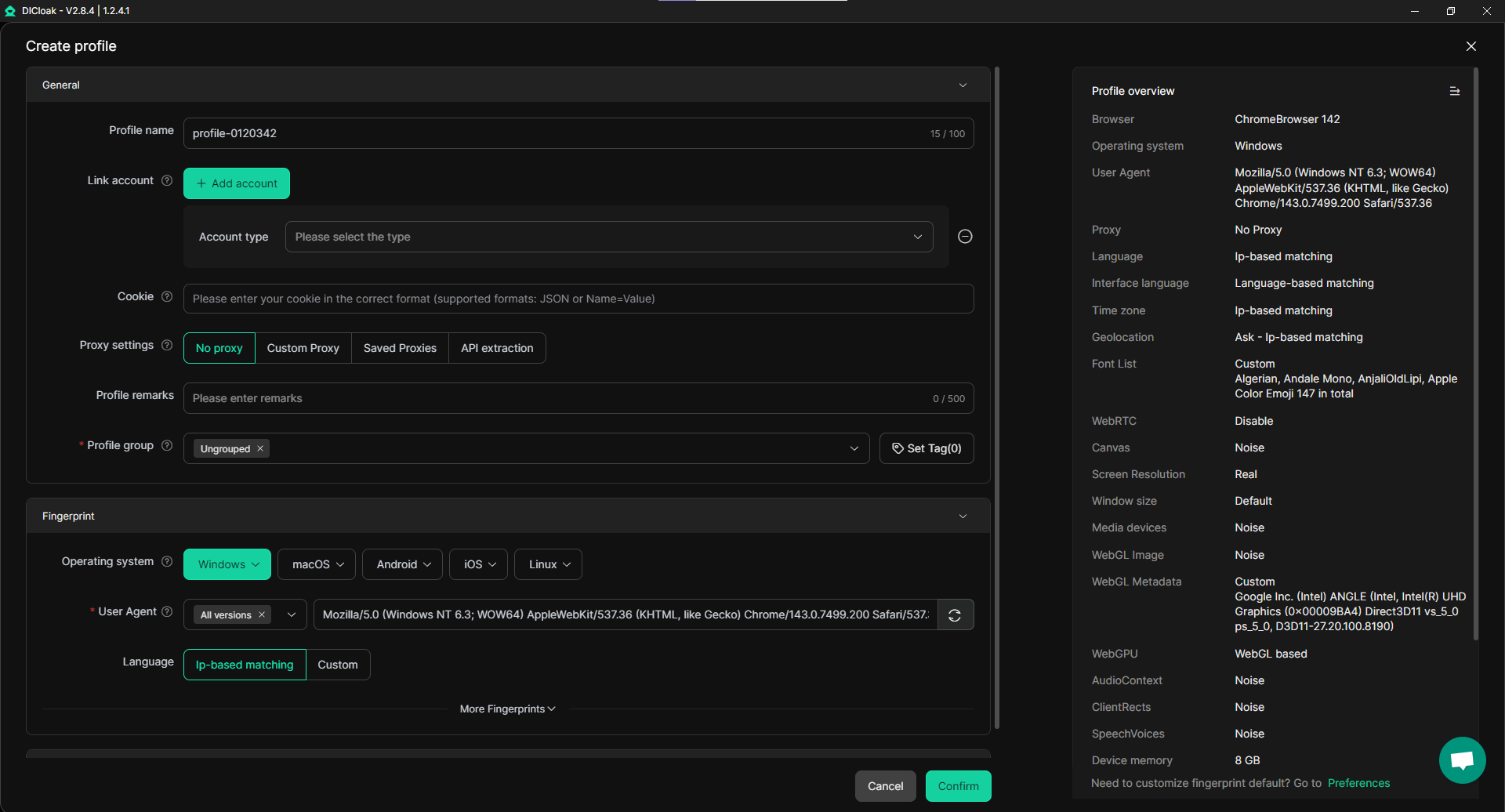
When using DICloak, users can manage multiple Solana wallets in separate browser profiles. Each profile keeps its own environment, cookies, and local storage. This makes it easier to test new DeFi apps, join beta programs, or interact with different projects without mixing wallet data or session history. For Solana airdrop farming, this helps reduce mistakes and lowers the risk of wallet linking.
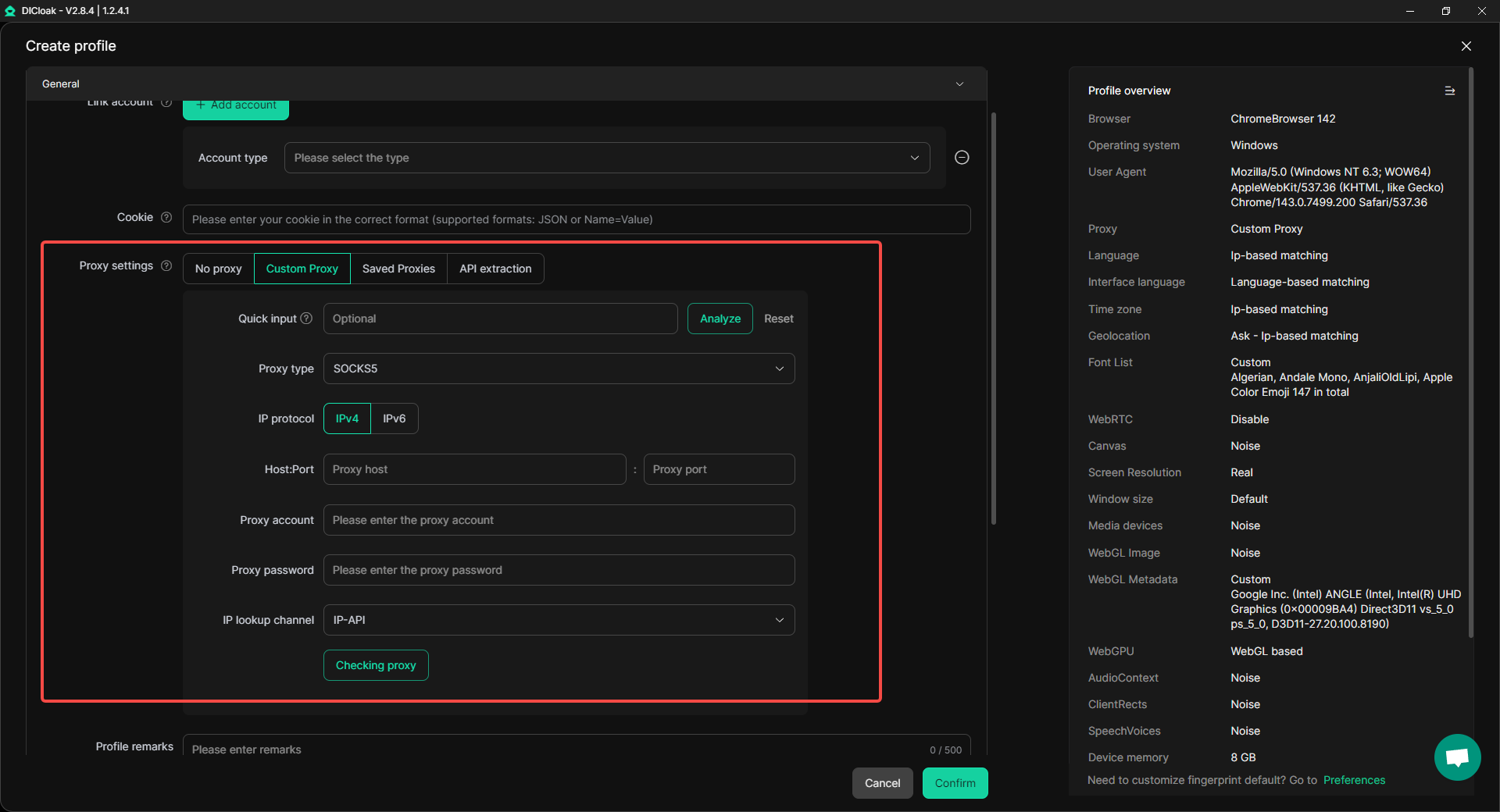
While using DICloak, users can assign a stable proxy to each browser profile. This is helpful when accessing Solana dApps, Discord servers, or websites that apply region or behavior checks. Keeping each profile consistent helps avoid sudden access issues when preparing for or claiming Solana airdrops.
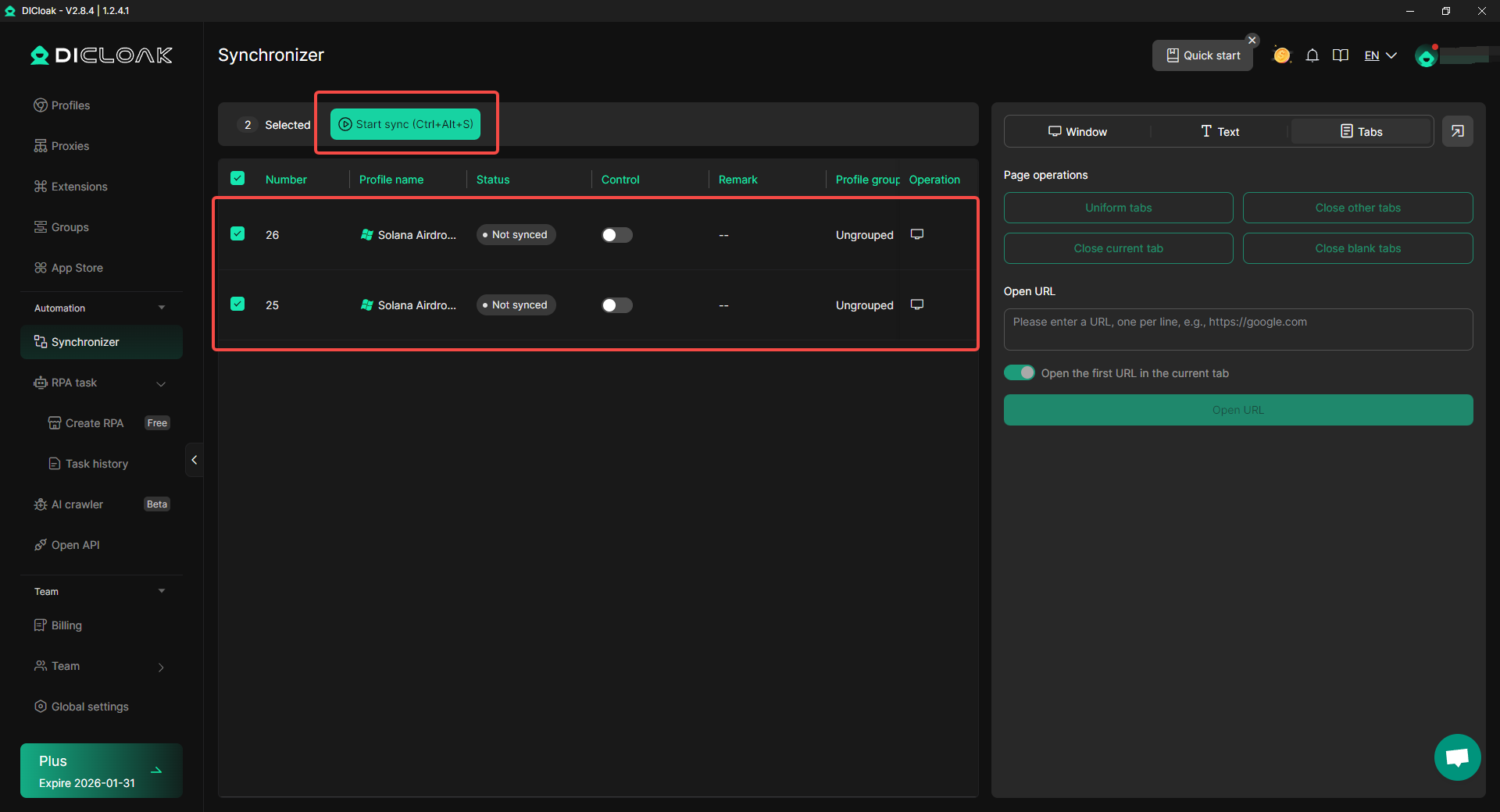
Reduce repetitive work with the Synchronizer
With DICloak’s Synchronizer feature, users can run the same actions across multiple browser profiles at the same time. This is useful for opening airdrop dashboards, checking eligibility pages, or monitoring updates. It helps avoid repetitive manual work and makes daily Solana airdrops management faster and more efficient.
In short, DICloak does not help users cheat the system. Instead, it helps serious participants manage complexity. For users who actively farm Solana airdrops, test new protocols, or operate multiple wallets safely, DICloak offers better control, cleaner separation, and stronger privacy in daily workflows.
Conclusion
Solana airdrops reward users who take part in the Solana ecosystem in a real and consistent way. By understanding how Solana airdrops work, the different types available, and how eligibility is decided, you can focus on the activities that matter most. Staying active on dApps, following official announcements, and using the right tools all improve your chances over time.
Security is just as important as opportunity. Protecting your wallet, avoiding fake links, and checking information across trusted channels help keep your rewards safe. As Solana airdrops become more competitive, tools that help manage multiple wallets and reduce risk, such as DICloak, can make the process more organized and secure. With the right habits, Solana airdrops can become a steady and rewarding part of your crypto journey.
FAQ
What are Solana airdrops and how do they work?
Solana airdrops are free token rewards given to users on the Solana blockchain. Projects distribute tokens to wallets that meet certain rules, such as holding tokens, using a dApp, or completing tasks. Some Solana airdrops are sent automatically, while others require users to claim them.
How can I qualify for more Solana airdrops?
To qualify for more Solana airdrops, stay active on the Solana network. Use DeFi apps, trade or stake SOL, mint NFTs, and join project communities early. Many projects reward real and consistent users rather than inactive wallets.
Are Solana airdrops free, or do I need to pay?
Most Solana airdrops are free, but you usually need a small amount of SOL to pay for transaction fees. This fee is very low, often less than 0.01 SOL. No real Solana airdrop should ask for payment to “unlock” rewards.
How do I avoid scams when claiming Solana airdrops?
To stay safe, only use official project links from verified accounts. Never share your seed phrase or private keys. Avoid fake “claim” websites. Always cross-check Solana airdrop announcements on Twitter (X), Discord, and trusted community channels.
Can I use multiple wallets to farm Solana airdrops safely?
Yes, many users manage multiple wallets for Solana airdrops, but safety is important. Each wallet should be handled separately to avoid linking risks. Using an antidetect browser like DICloak can help by isolating browser profiles, cookies, and local data for each wallet. This reduces tracking risks and makes it safer to track and claim Solana airdrops across multiple wallets.
 Web Proxy Tools
 Free Tools
 Cookie Plugin
 UA Generator
 MAC Address Generator
 IP Generator
 IP Address List
 2FA Code Generator
 World Clock
 Anonymous Check
 WebRTC Leak Test
 UUID Generator
 Free Web Proxy Site
 Proxy Checker
 FB Ad Checker
 AI Web Scraping
 Free SMM Tools
 Twitter Shadowban Checker
 Instagram Name Checker
 UTM Generator
 Username Generator
 AI Hashtag Generator
 LinkedIn Headline Generator
 Social Media Image Resizer