Ticket reselling isn’t just a small side hustle anymore. It’s a fast-growing online market, and it’s full of real buyers looking for last-minute seats. In fact, Straits Research estimates the global secondary ticket market was $2.85B in 2023 and could reach $6.56B by 2032.
But here’s the catch. The best place to resell tickets is not the same for everyone. Some platforms help you sell faster. Others help you keep more money. And if you’re new and Googling how to resell concert ticket the right way, choosing the wrong site can mean extra fees, slow payouts, or a listing that never sells.
In this guide, I’ll show you which platforms work best, what to watch for, and simple tips that help you sell with less stress and better results.
Criteria for Choosing the Best Place to Resell Tickets
Choosing the best place to resell tickets starts with one simple question. What kind of seller are you? Your answer shapes every decision that follows, from fees to features to long-term growth.
Start by Defining Your Seller Goal
Not every seller has the same goal. Some people resell tickets once or twice a year. Others do it often and treat it like a business.
If you are a casual seller, your priority is usually simplicity. You want a platform that is easy to use, quick to set up, and clear about payouts. In this case, a well-known marketplace with built-in buyer trust can be enough. You list the ticket, wait for a buyer, and get paid.
If you resell tickets more often, your needs change. You may care more about pricing tools, listing speed, and how easily you can manage many tickets at once. Some platforms offer features that help frequent sellers adjust prices or track performance over time. These tools matter if you want to grow, not just sell once.
Knowing your goal early helps narrow down the best place to resell tickets for your situation instead of trying every platform at random.
Understanding Fees and Commission Structures
Fees directly affect how much money you keep. Many platforms advertise “free listings,” but that does not mean free sales.
In real terms, this usually means the platform takes a seller fee after your ticket sells. For example, you may list a ticket for $120 and see that price publicly. Once the sale completes, the platform keeps a portion, and your payout ends up lower than the list price.
Some platforms take a flat percentage. Others adjust fees based on ticket value or demand. This is why it helps to check the payout estimate before you publish a listing. A slightly higher price may be needed just to reach your target payout.
If you are learning how to resell concert ticket listings for the first time, understanding this fee math early can prevent disappointment later.
Evaluating Reputation and Trustworthiness
A platform’s reputation tells you a lot about what to expect. Strong platforms invest in buyer protection, seller support, and clear rules.
Before choosing where to list, it helps to look at user feedback. Patterns matter more than one bad review. If many sellers mention slow payouts, poor support, or unclear policies, that is a warning sign.
Trust also affects sales speed. Buyers are more willing to purchase when they recognize the platform name and feel protected. That trust can help your ticket sell faster, even if the platform charges a slightly higher fee.
Evaluating User Interface and Ease of Use
A good platform should feel easy, even if you are new.
Think about the full process. You upload the ticket, enter seat details, set a price, and wait. If any step feels confusing, mistakes happen. Wrong section numbers or missing details can stop a sale.
For beginners, a clean interface matters more than advanced tools. For experienced sellers, speed and flexibility matter more. In both cases, the platform should let you edit prices quickly if demand changes.
Ease of use is a quiet factor, but it strongly affects how smooth your selling experience feels.
Assessing Market Reach and Audience Size
Even the best listing will not sell if no one sees it. That is why audience size matters.
A platform with more active buyers gives your ticket more exposure. This is especially important for last-minute sales or high-demand events. In many cases, sellers accept slightly higher fees because a larger audience increases the chance of a fast sale.
It also helps to check where the platform operates. Some marketplaces focus on specific countries or payment systems. If payouts are not supported where you live, listing there can waste time.
Ensuring Safety, Legitimacy, and Room to Grow
Safety should never be optional. Legitimate platforms clearly explain their resale rules, payment process, and transfer limits. They also keep communication and payment inside the platform.
As you gain experience, growth potential becomes important. Some platforms support higher volumes, international buyers, or better pricing visibility. Others are designed mainly for simple, one-time sales.
The right choice depends on where you are now and where you want to go. The best place to resell tickets is the one that fits your goals today and still works if you sell more tomorrow.
Best Place to Resell Tickets
After you know what to check for, the next step is choosing a marketplace that fits your goal. Some platforms help you sell fast. Some help you keep more money. Some make the process feel safer for beginners. If you are trying to find the best place to resell tickets, these ten platforms are the ones most people compare first.
StubHub: Fast Sales and Global Reach
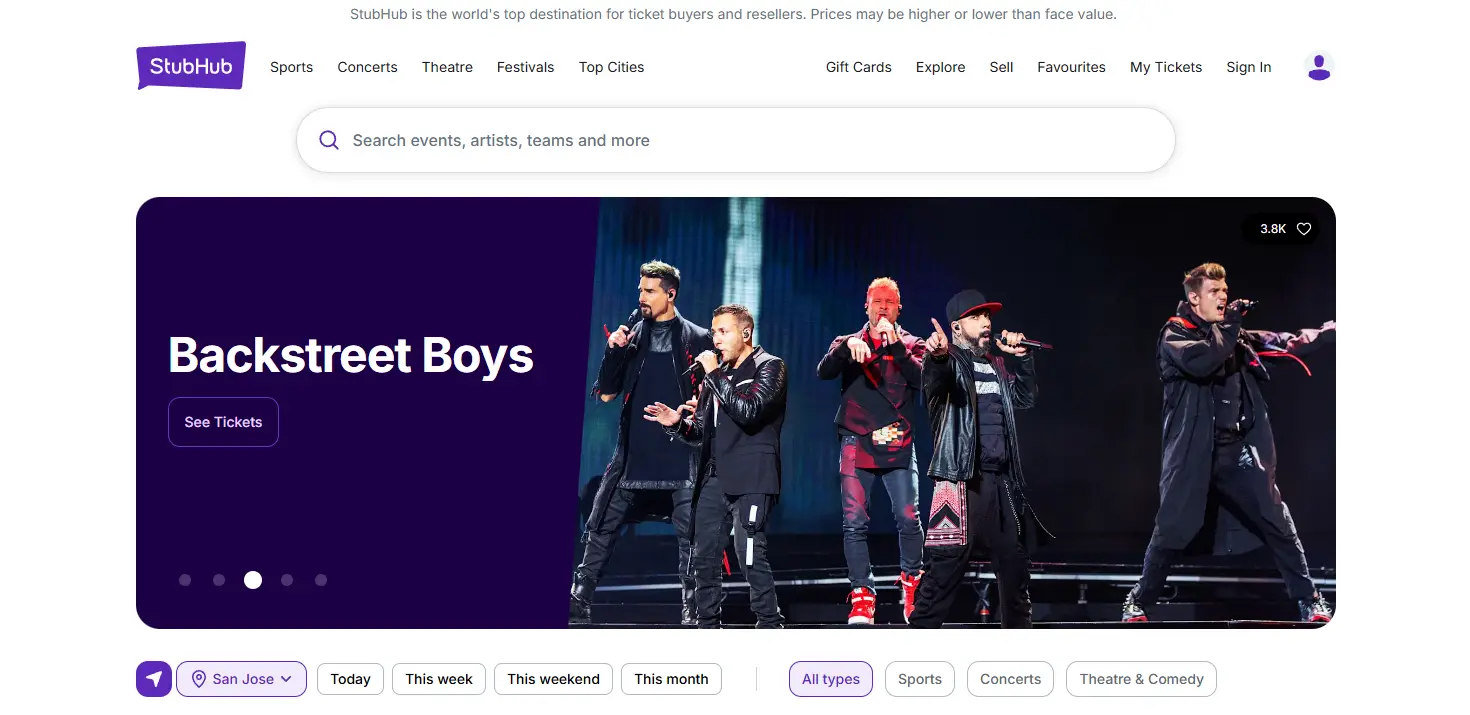
StubHub is a long-running resale marketplace with a large pool of buyers. It is often used for big concerts, major sports games, and popular tours. Many buyers already trust the name, and that trust can help your listing get clicks.
Selling on StubHub usually feels straightforward. You create a listing, pick your seats, set your price, and follow the delivery steps the platform asks for. It also helps that StubHub is built for resale, so the site expects sellers to adjust prices and compete with other listings. For instance, ou have a concert ticket for a weekend show. You list it on StubHub because you want the biggest audience possible, even if the fee is not the lowest.
Pros
- Large audience, which can help tickets sell faster
- Buyer protection systems can reduce buyer hesitation
- Works well for high-demand concerts and sports
Cons
- Fees can feel high compared to some platforms
- Your payout can be lower than your list price, so pricing takes practice
Ticketmaster: Buyer Trust and Verified Resale
Ticketmaster is mainly a primary ticket seller, but its resale option can be very convenient. It is especially useful when your ticket was bought on Ticketmaster in the first place. Many buyers like staying inside the same system from purchase to resale.
Ticketmaster resale can also feel “official” to buyers. That matters when people worry about fake tickets. So even if fees are not cheap, some listings still move quickly because buyers feel safer. This is often the easiest path when you are learning how to resell concert ticket listings for major tours. You already have the ticket in your account. You list it where buyers are already shopping.
Pros
- Smooth resale flow for Ticketmaster tickets
- Buyer trust is high for big-name events
- Strong demand for major concerts and tours
Cons
- Resale is usually limited to Ticketmaster-supported events
- Fees can be high for both sides, which affects pricing
Vivid Seats: Market Reach and Fees
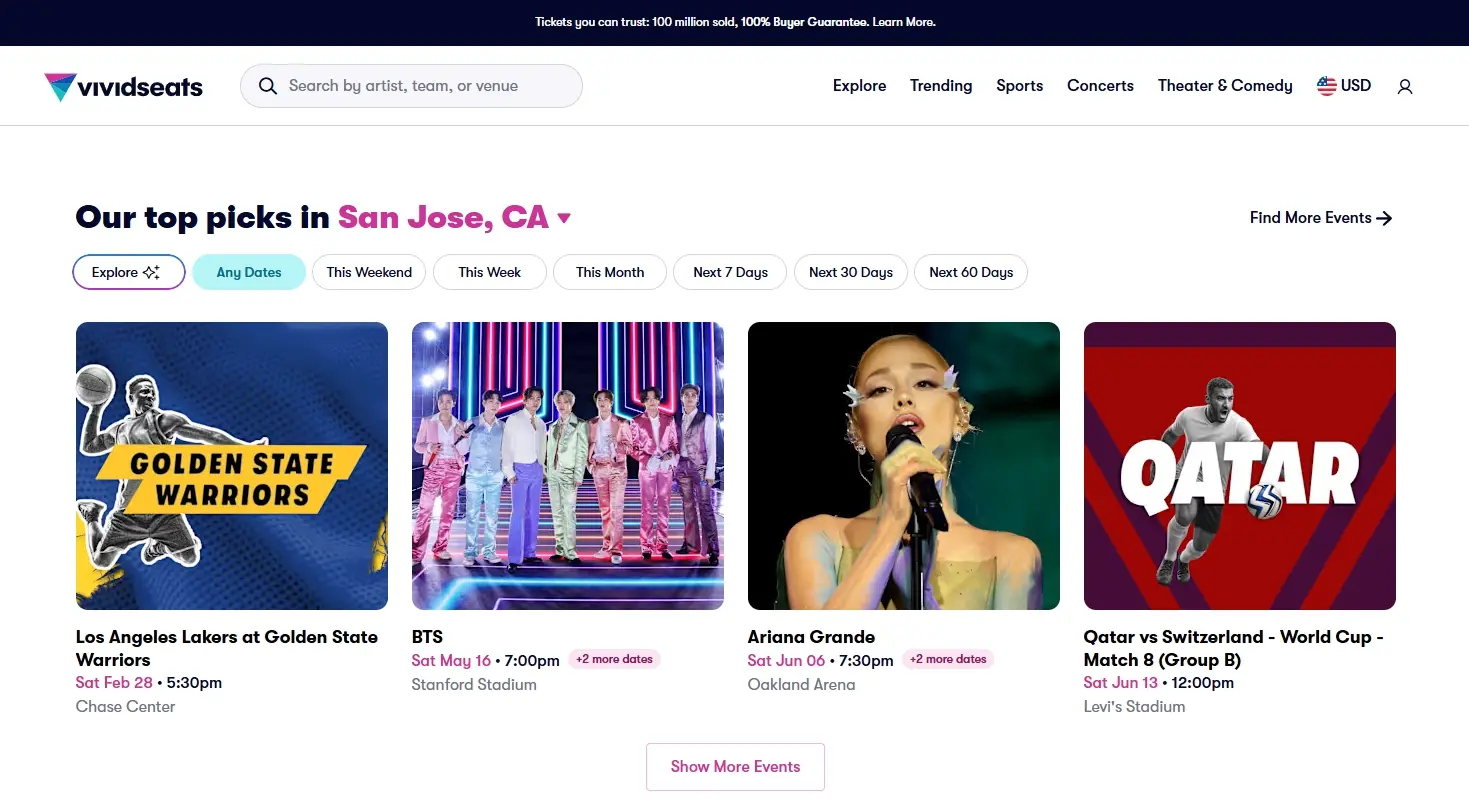
Vivid Seats is a major resale marketplace that covers concerts, sports, and theater. It attracts repeat buyers, partly because it has rewards and promo programs. That repeat traffic can help sellers, since buyers come back often to browse.
For sellers, Vivid Seats is usually a “steady” choice. It gives you access to a large audience without being as tied to one ticketing system as Ticketmaster. Many sellers use it when they want a well-known platform, but they also want flexibility across many event types. For example, if you regularly buy tickets for different cities and different events, Vivid Seats can be a practical home base for your listings.
Pros
- Large marketplace with many event categories
- Buyer guarantee helps build trust
- Good fit for repeat sellers and frequent buyers
Cons
- Not always the first site buyers check compared to the biggest names
- Fees and final prices can vary, so it helps to preview net payout
SeatGeek: User Interface and Customer Support
SeatGeek is known for a clean design and a strong mobile experience. If you like managing listings on your phone, SeatGeek often feels smoother than older-style platforms. Seat maps and clear listing screens can also make it easier for buyers to compare options.
For sellers, the biggest benefit is clarity. You usually see helpful pricing signals and a clearer idea of what you might earn. That can reduce beginner mistakes, especially if you are listing for the first time and you do not want surprises. A simple example is a casual seller with two tickets they cannot use. SeatGeek can be a comfortable choice because it feels less complicated and less cluttered
Pros
- Easy interface, good for beginners
- Mobile-first experience for quick edits
- Clear listing flow, less guesswork
Cons
- Smaller reach than the very largest platforms
- May be less effective for niche events in smaller markets
TickPick: Unique Selling Points
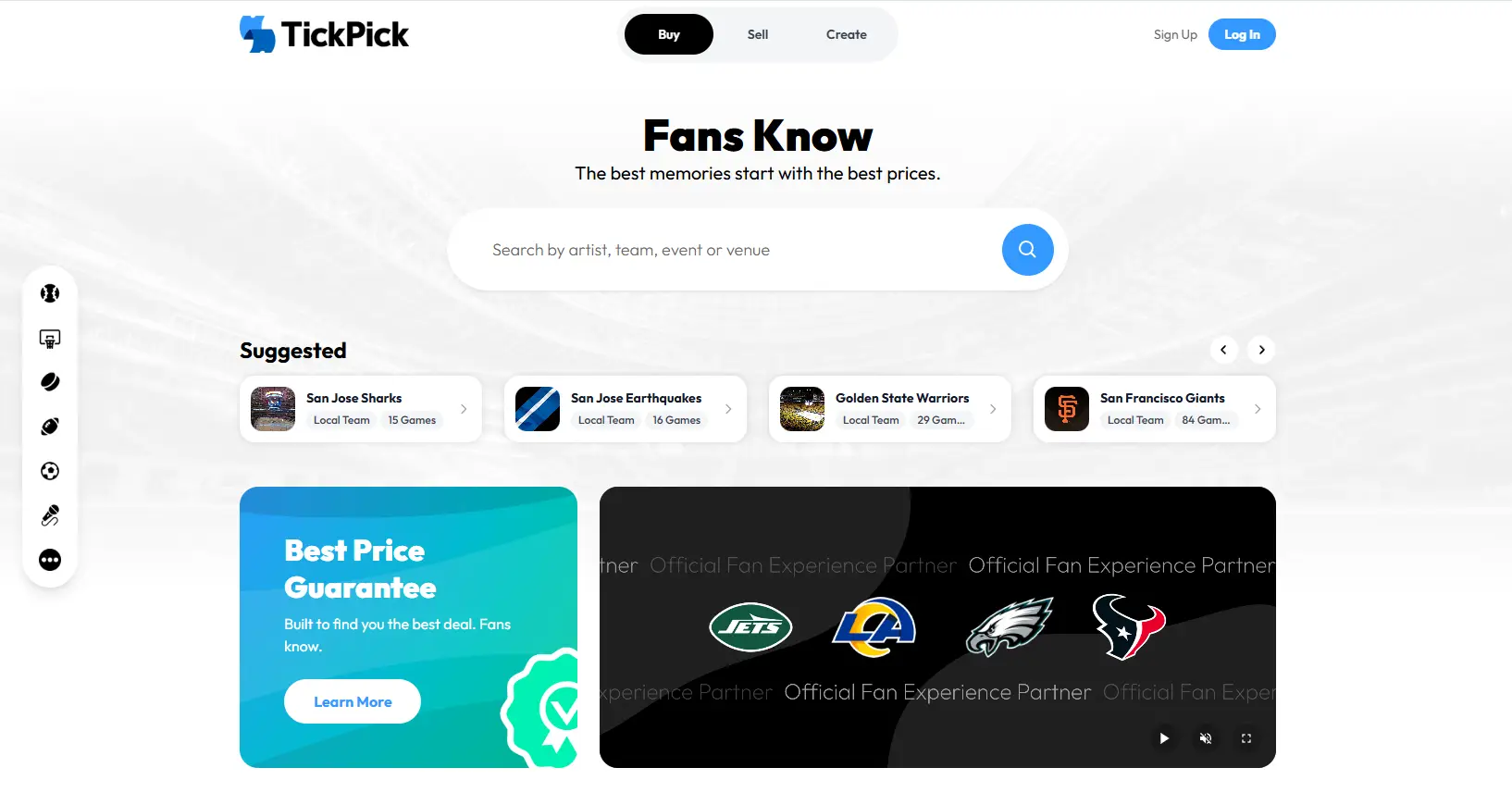
TickPick is best known for pricing transparency for buyers. Many buyers like it because they do not see extra buyer fees added at checkout the same way they do on some other sites. That can make your listing feel “cleaner” when buyers compare options.
For sellers, this can help in a quiet way. Buyers may click your listing more often if the price looks more honest. That can matter in competitive markets where buyers open five tabs and compare quickly. TickPick is often a strong choice for sports tickets and popular events, especially when buyers are tired of checkout surprises.
Pros
- Strong transparency for buyers
- Listings can look more competitive during comparison
- Good fit for price-sensitive audiences
Cons
- Smaller audience than the largest marketplaces
- Some events may have slower demand depending on location
Viagogo: Global Market Access
Viagogo is built for international ticket resale. It is useful when you want to reach buyers across borders or sell tickets for events outside your home country. It supports many currencies and languages, which can help global buyers feel comfortable.
For a seller, Viagogo is usually about reach, not simplicity. It can work well for major global tours, soccer matches, and big festivals where buyers come from many places. For example, if you bought tickets while traveling, or you are selling a ticket for an event in another country, Viagogo can be a reasonable place to list.
Pros
- Strong international reach
- Helpful for cross-border events and global tours
- Supports multiple currencies and regions
Cons
- Fees can be high
- Pricing can feel complex because markets differ by country
TicketSwap: Fair Pricing Focus
TicketSwap is known for a “fair resale” approach. In many regions, it limits how much higher you can list compared to the original price. That attracts buyers who want reasonable prices and sellers who want a safer, cleaner marketplace.
TicketSwap often works best when you are reselling because you cannot attend, not because you are chasing high profit. It can be a good match for local events, festivals, and smaller venues where the community cares about fairness. If your goal is to sell quickly at a reasonable markup, TicketSwap can be a comfortable option.
Pros
- Fair pricing rules build buyer trust
- Focus on safer, more transparent resale
- Good fit for honest, casual reselling
Cons
- Smaller audience than major U.S.-focused platforms
- Not available in every region or for every event type
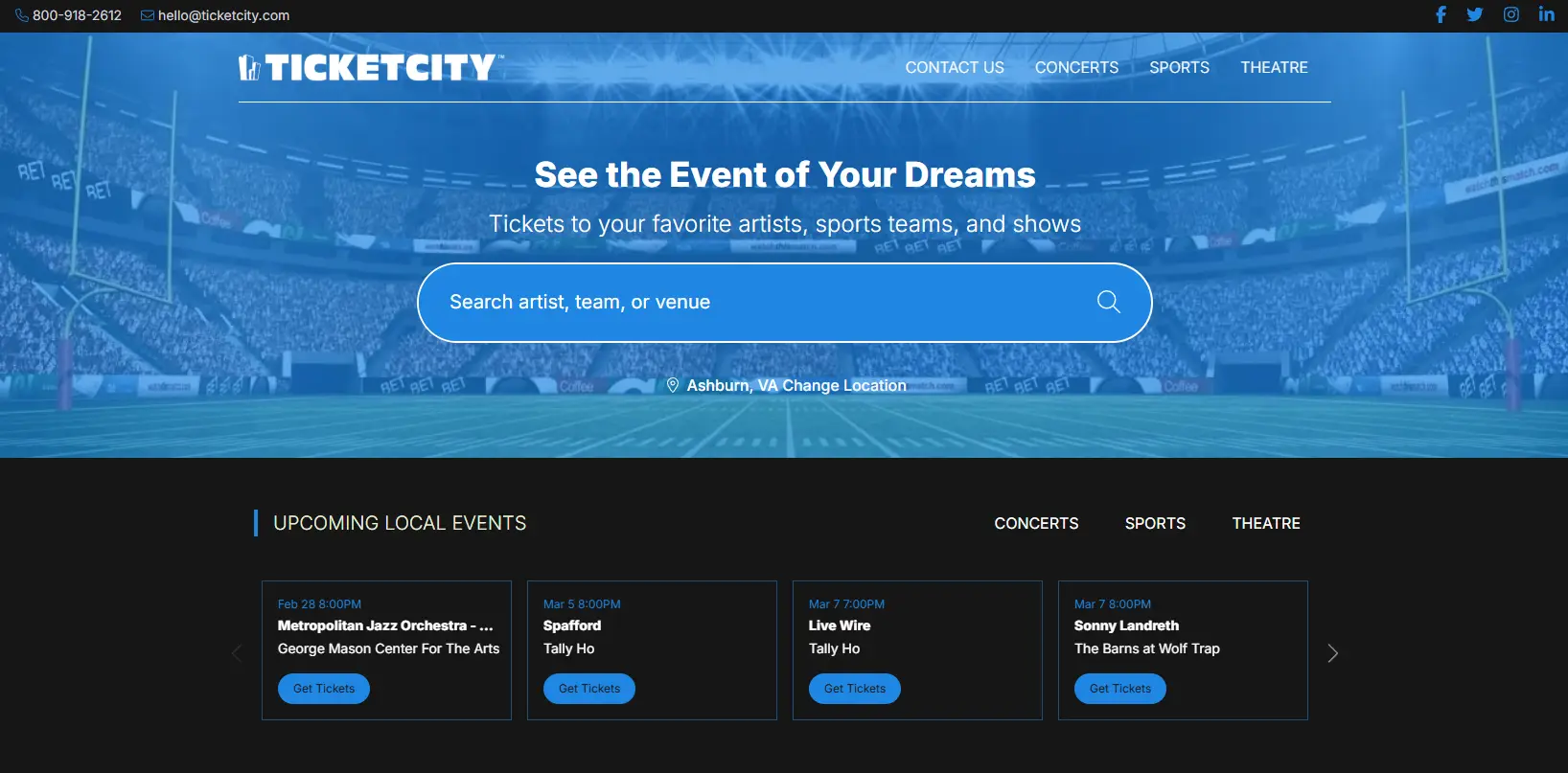
TicketCity: Direct Selling Option
TicketCity offers a different style of resale. In some cases, it can buy tickets directly from sellers, or it can sell on your behalf through a consignment approach. That can be helpful if you do not want to manage a listing or answer questions.
This is often a “less stress” option. The trade-off is you may not always get the highest payout, because convenience usually has a cost. For example, if you need cash back quickly and you do not want to wait for a buyer to show up, a direct-buy option can be appealing.
Pros
- Can be simpler than managing your own listing
- Useful if you want a fast, low-effort sale
- Good for sellers who dislike pricing games
Cons
- Audience and event selection can be more limited
- May not maximize payout compared to open marketplaces
Gametime: Mobile-First and Last-Minute Sales
Gametime is designed for last-minute buying and selling. Many buyers use it close to event time when they want a quick deal. That makes it a strong platform when you need to sell fast, especially for sports and concerts.
For sellers, Gametime can work well when timing is tight. You may not want to babysit a listing for weeks. You want to sell now. The app-first experience helps with fast edits when prices shift. A realistic use case is someone who cannot attend a game tonight. They list on Gametime because the audience is full of last-minute shoppers.
Pros
- Strong for last-minute demand
- Smooth mobile experience
- Good fit for sports and popular shows
Cons
- Not ideal for long-term listings weeks in advance
- Coverage can vary by city and event type
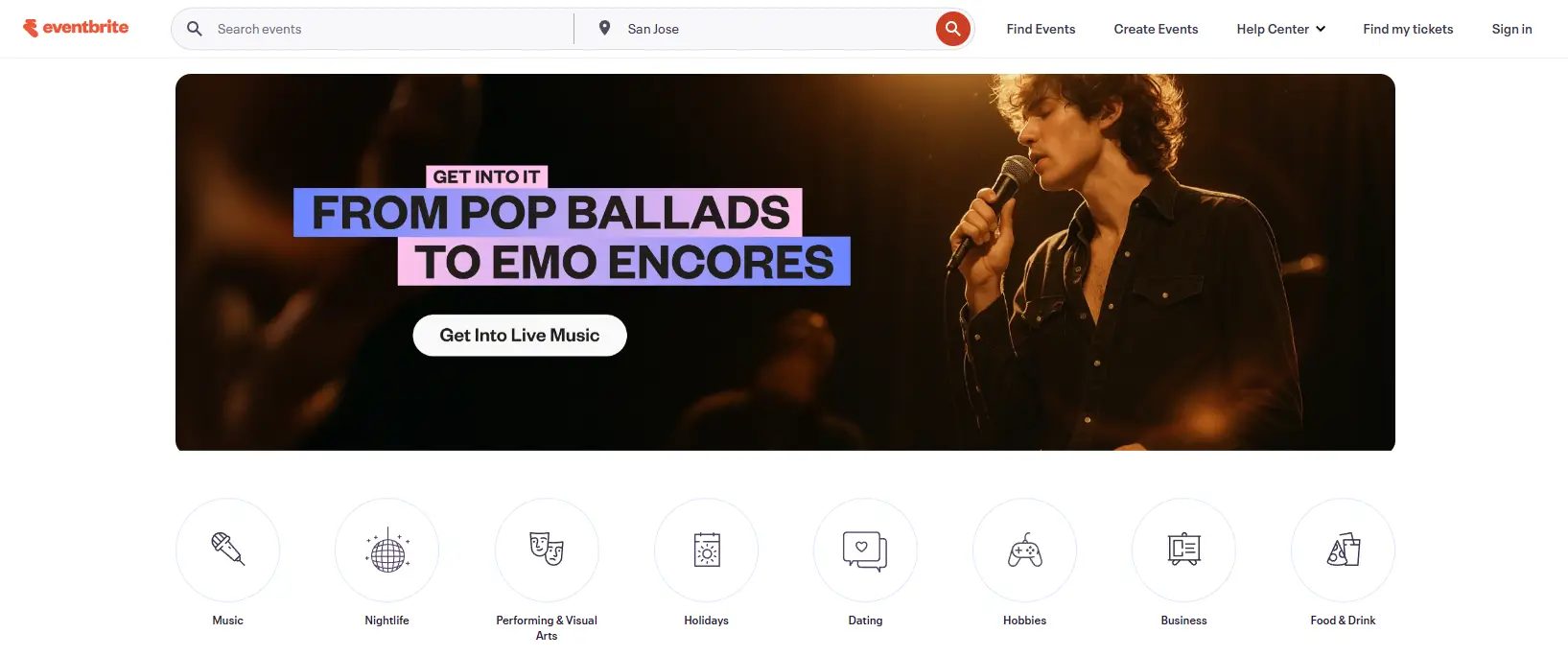
Eventbrite: Event-Specific Resale
Eventbrite is mainly an event creation and ticketing platform, not a pure resale marketplace. That said, it can still matter because some events use Eventbrite tickets, and resale options may exist depending on the organizer’s settings.
For sellers, Eventbrite is often situational. If the event uses Eventbrite and the organizer supports transfers, it may be the easiest way to move a ticket to someone else. It can feel more “direct” than listing on a large resale marketplace. For example, if you have a ticket for a local workshop or small festival, the most practical move might be transferring it inside Eventbrite if allowed.
Pros
- Works well for certain community and local events
- Direct connection to the event system
- Simple transfer paths when enabled
Cons
- Not designed as a full resale marketplace
- Resale options depend on the event organizer
These platforms cover most seller needs, from fast last-minute sales to global resale. Later in the guide, we will connect this list back to your goal. That way you can pick the best place to resell tickets for your situation, and you can follow a simple plan for how to resell concert ticket listings without confusion.
Practical Tips to Choose the Best Place to Resell Tickets
Once you understand pricing, listing quality, and timing, a few extra habits can make a real difference. These small actions often separate slow listings from fast sales, no matter which platform you use as the best place to resell tickets.
- Use more than one platform to reach more buyers: Relying on only one marketplace limits your exposure. Different buyers prefer different platforms. Some start on StubHub. Others check SeatGeek or TickPick first. For example, if your ticket is listed only on one site and demand is low there, it may not sell. Listing the same ticket on two platforms (when allowed) increases visibility and improves your chances of a quick sale.
- Watch price trends across platforms, not just one: Prices can vary between marketplaces, even for the same event and seat section. Checking multiple platforms helps you understand the real market value. If similar tickets sell for $140 on one site and $155 on another, that gap tells you where buyers are more active. This insight helps you price smarter instead of guessing.
- List early for high-demand events: For popular concerts and major tours, early listings usually perform better. Listing early gives you time to test pricing and adjust slowly instead of rushing later. For example, listing a concert ticket three or four weeks before the event lets you see how demand builds. If prices rise, you can adjust. If demand is slow, you still have time to react.
- Optimize listings with clear details and competitive pricing: Small details often decide whether buyers click your listing or skip it. Always double-check the event name, date, section, row, and seat count. Competitive pricing matters too. Buyers compare many listings side by side. A clear title, honest description, and fair price can help your ticket stand out even if it is not the cheapest option.
- Review and update listings regularly: Markets move quickly. A price that worked last week may be too high today. Checking your listings every few days helps you stay competitive. Lowering the price slightly or updating delivery details can push your listing higher in search results on some platforms.
- Choose the platform that matches your goal: If your goal is speed, a high-traffic site may be the best place to resell tickets. If your goal is clarity and ease, a simpler platform may work better. Knowing your goal helps you apply these tips in the right place instead of trying everything everywhere.
Legal Considerations and Risks When Choosing the Best Place to Resell Tickets
After you learn how to resell concert ticket listings and find the best place to resell tickets, it’s also important to understand the legal rules and risks that come with ticket resale. Knowing these can help you avoid trouble, protect your money, and make better choices as a seller.
Understanding Local Laws and Regulations
Ticket reselling is allowed in many places, but the rules are not the same everywhere. Some cities and states have laws about how much you can mark up a ticket. Other places require sellers to have a permit or license. If you ignore these rules, you could face fines or penalties.
Even platforms have rules about what you can sell and how you sell it. Ticketmaster’s resale policy, for instance, states that tickets must be resold in the same format they were bought (like mobile or paper) unless otherwise allowed. If you list a ticket in the wrong format, your listing may be removed.
Here’s a simple example. If you bought a ticket as a “mobile transfer” on Ticketmaster, but you try to upload it as a printout, the platform might not accept it. Your listing could be taken down, and you could lose time and money.
Because of this, it’s a good idea to look up the local laws where you live and where the event will take place. A quick search for “ticket reselling laws in [City/State]” can help you know the basic rules. Doing so makes your selling more confident and legal.
Recognizing Scams and Fraud Prevention Tips
Selling tickets online can be rewarding, but it also comes with risk. Scams happen when fraudsters try to take your money or sell fake tickets to buyers. To stay safe, you need to know what red flags to watch for and how to protect yourself.
- One common scam is outside payment requests. A buyer may ask you to take payment off the platform, like through Venmo, PayPal Friends & Family, or direct bank transfer. They may say this saves fees or makes delivery easier. In reality, this puts you at risk. If the buyer sends a fake payment or disputes later, the platform can’t help you. Always keep payment inside the resale platform unless its rules allow off-site transactions.
- Another risk is fake buyers. Sometimes a buyer tries to “reserve” a ticket by sending a screenshot of fake payment or a fake text confirmation. If you release your ticket before you see real payment in your account, you could lose both your ticket and your money.
Platforms like StubHub and SeatGeek have systems to prevent fraud. They verify payments and protect both buyers and sellers. These protections work best when you follow the platform’s rules. If you try to move the deal off-platform, you may lose that protection.
If something feels “too good to be true,” it probably is. For example, if a buyer offers more than the current market price on a listing site, that might be a scam attempt. A common scam pattern is asking you to pay a “small handling fee” before releasing payment. Legit platforms never do that.
And you should confirm the buyer’s location and timing. If you list a ticket for a local concert and a buyer appears from a distant region with rush pressure, be cautious. Sometimes fraudsters use urgency to rush you into a mistake.
Staying Legal and Safe
Reselling tickets can be a good way to recoup costs or earn extra income, but it works best when you do it the right way. Understanding laws in your area and recognizing scam tactics helps protect your reputation, your money, and your listings.
Knowing these risks and legal points helps you make better choices about where and how to sell. When you combine this knowledge with the right platform and best practices, you give yourself the best chance to succeed as a ticket seller, no matter your goal.
A Practical Tool to Scale Ticket Reselling More Safely and Efficiently
Once you understand pricing, timing, and how to choose the best place to resell tickets, another challenge often appears. Managing many accounts across platforms can become slow, messy, and risky. This is where the right browser setup can make a real difference.
For sellers who resell tickets often, or across multiple platforms, using a browser profile that keeps accounts separated helps reduce mistakes and save time. With a tool like DICloak, sellers can run ticket reselling operations in a more organized and controlled way.
Manage Multiple Ticket Accounts Without Conflicts
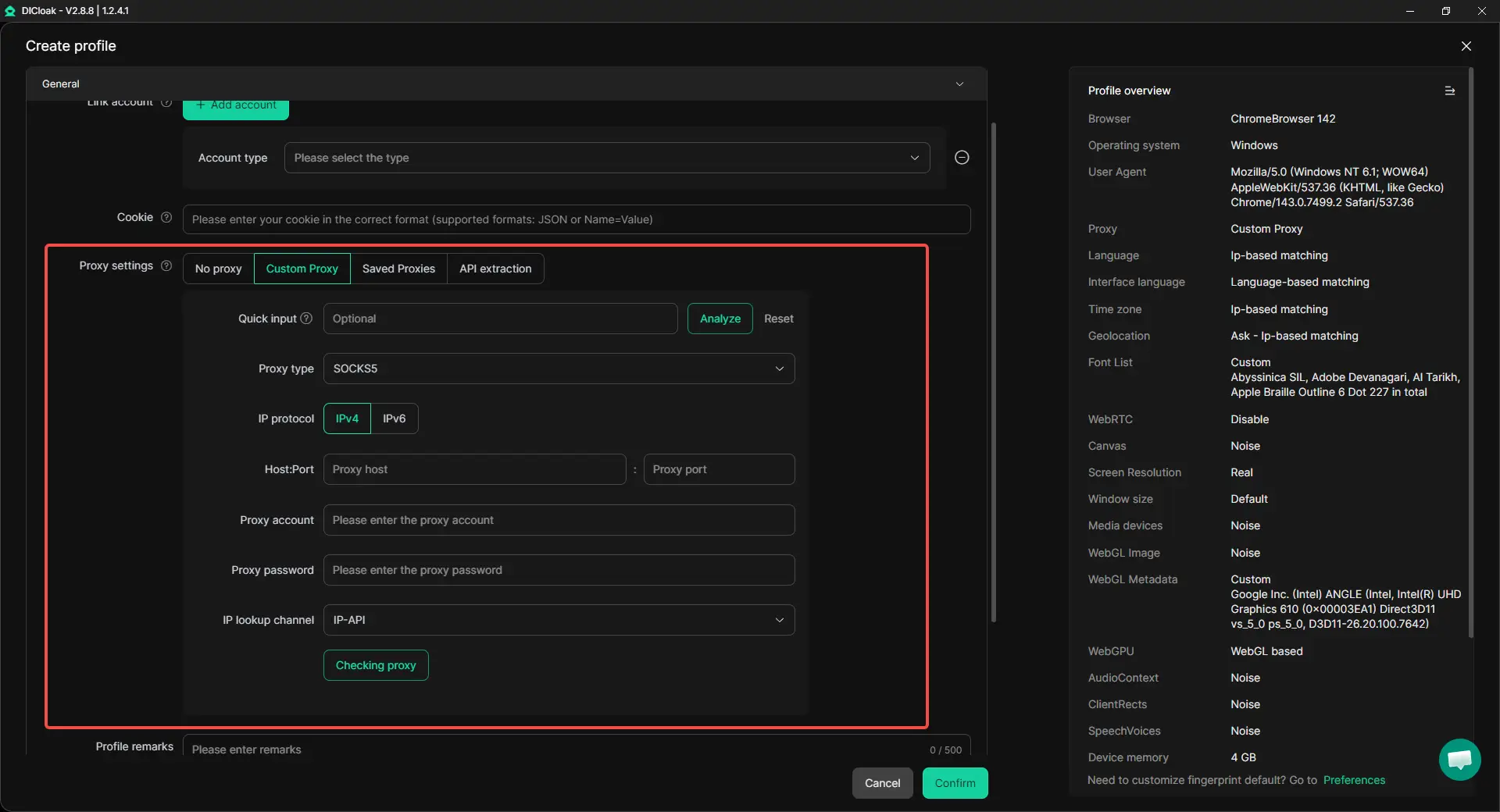
When selling tickets on platforms like StubHub, Ticketmaster, or SeatGeek, many sellers use more than one account. Doing this in a normal browser can cause issues. Accounts may share cookies, device data, or login history.
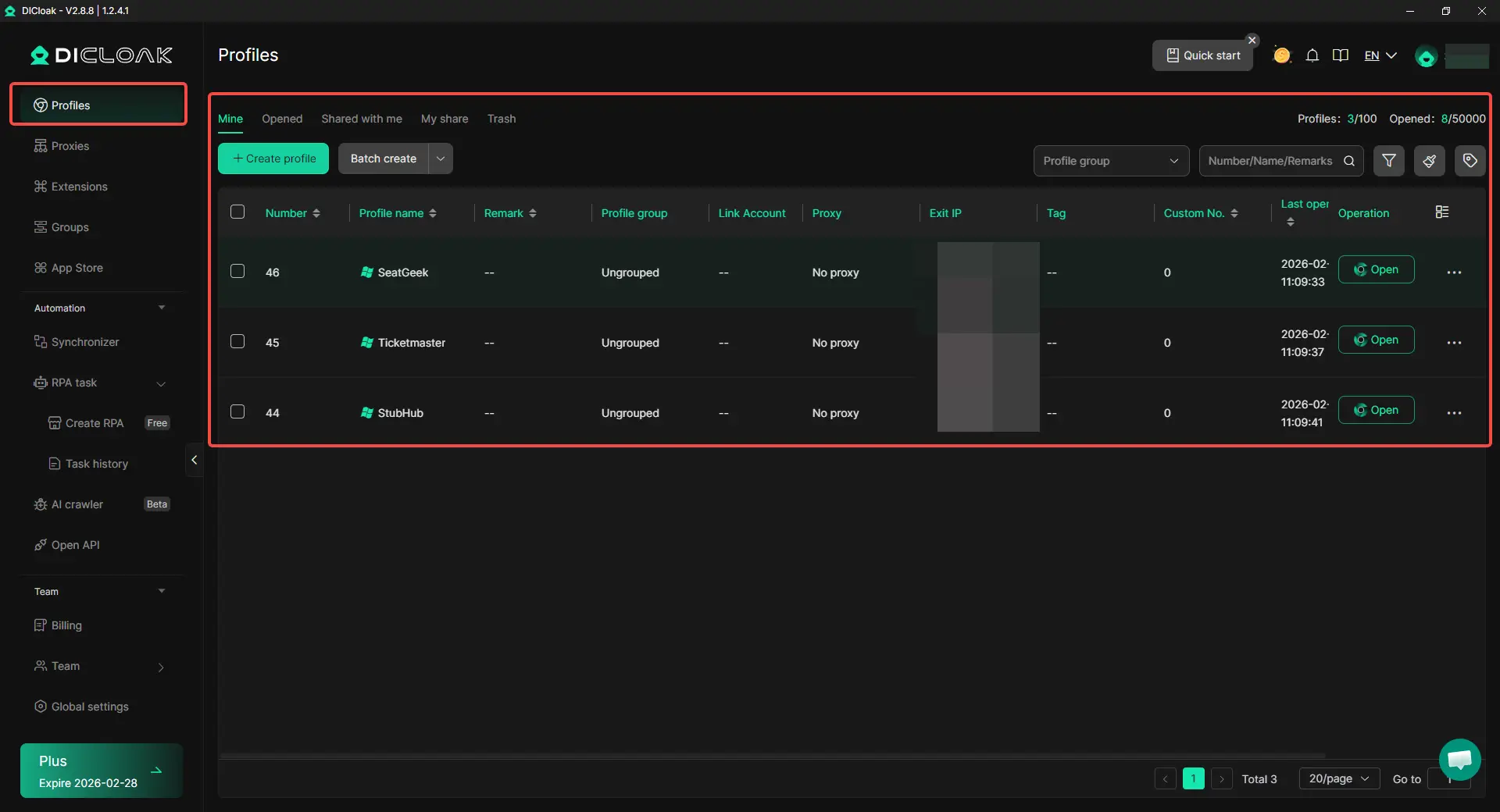
With DICloak, sellers can create separate browser profiles for each resale account. Each profile runs in its own isolated profile. This means one account does not affect another. It becomes easier to manage listings, logins, and payouts without confusion.
This setup is especially helpful for people learning how to resell concert ticket listings at scale, instead of one ticket at a time.
Keep Accounts Safer With Profile Isolation and Custom Proxies
Each ticket account can be paired with its own custom fingerprint and proxy configuration. This helps keep activity consistent and separated across platforms.
For example, a seller might run one resale account with a U.S. residential proxy and another with a different location. Because each profile stays isolated, platforms see them as independent users, not linked sessions. This approach reduces unnecessary risk and makes long-term operations more stable, especially when managing many resale accounts at once.
Repeating the same action across accounts can waste hours. Updating prices, checking messages, or publishing listings one by one adds up quickly.
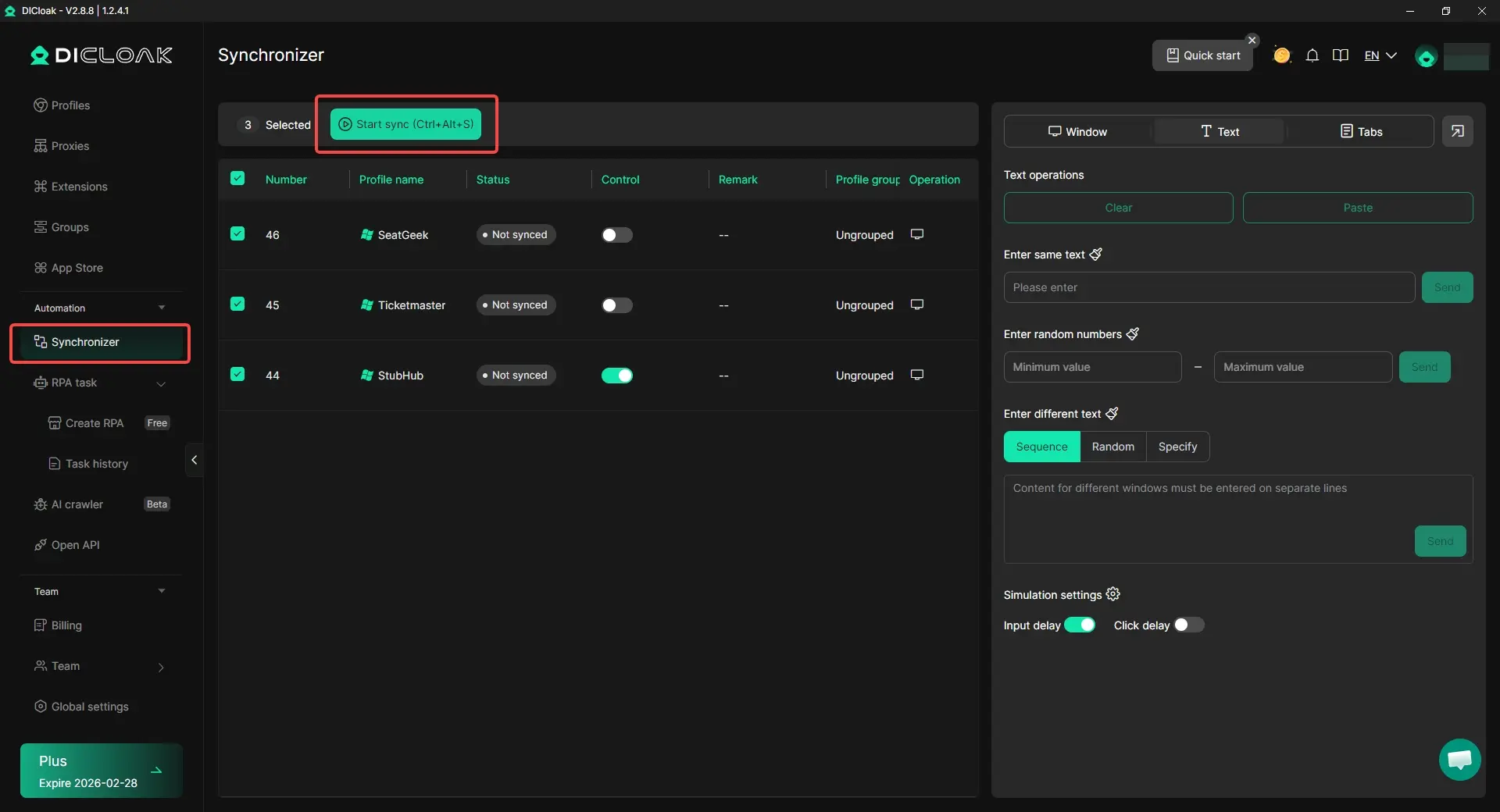
With Synchronizer, sellers can perform the same action across multiple browser windows at the same time. For example, adjusting prices or updating availability across several resale accounts can be done in one flow instead of repeating each step. This is useful when demand changes fast and timing matters.
Automate Social Posting and Engagement With RPA
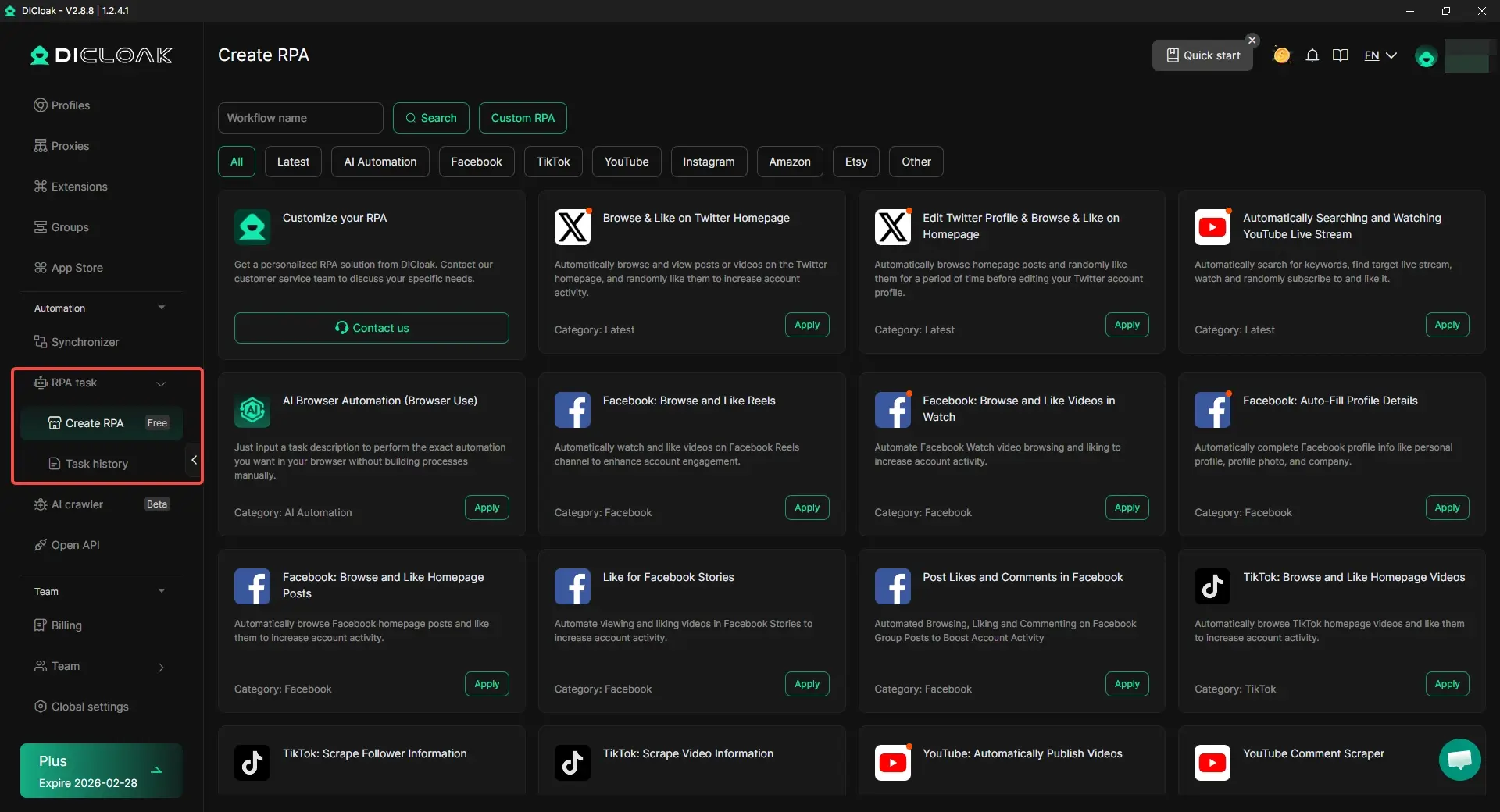
Many ticket resellers don’t just list on marketplaces. They also post offers on social platforms like TikTok, Twitter, and YouTube to get more eyes and faster buyers.
Using built-in RPA automation, those repeated actions can be automated. For example, routine engagement tasks like browsing, liking, and commenting can run across multiple accounts. This can lift engagement and help your resale posts reach more people, while you stay focused on pricing and picking the best place to resell tickets.
Work Better as a Team
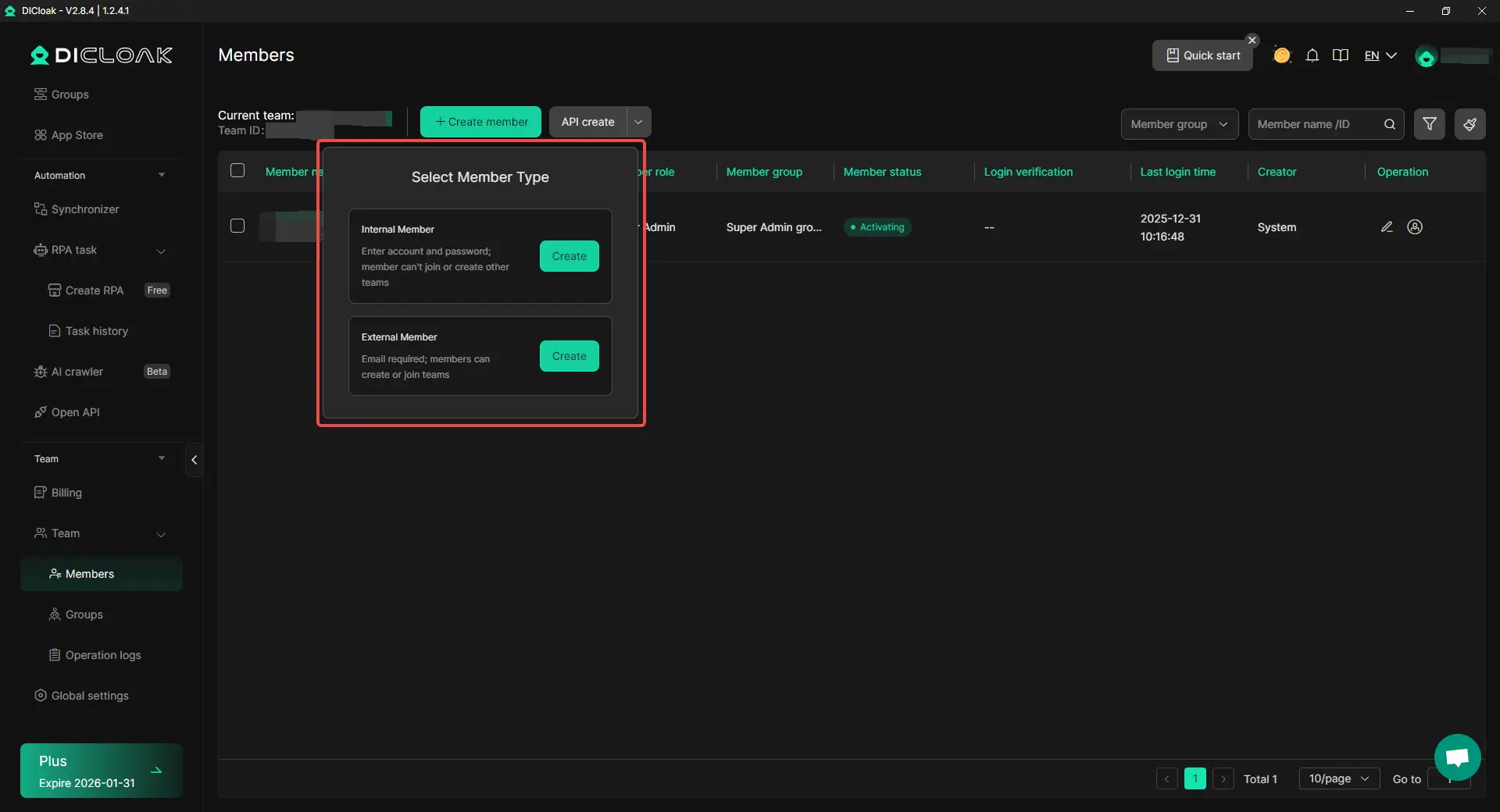
For teams or small businesses, managing access matters. With shared profiles, permission controls, and operation logs, team members can work together without sharing passwords or mixing data. One person can handle pricing. Another can manage listings. Each action stays tracked and isolated. This keeps workflows clean and professional, even as operations grow.
If you want to explore this approach further, you can learn more about DICloak and start with a free plan to see how multi-account management, automation, and synchronized workflows fit into your ticket reselling process.
Conclusion
Ticket reselling is now a big online market, so choosing the best place to resell tickets matters more than ever. The right platform helps you reach real buyers, understand what you will actually earn after fees, and complete delivery safely. That choice should match your goal. Casual sellers often need an easy listing flow and clear payouts. Frequent sellers may care more about buyer reach, faster sales, and tools that make managing many listings simpler.
This guide compares popular platforms like StubHub, Ticketmaster, Vivid Seats, SeatGeek, and TickPick, plus options like Viagogo, TicketSwap, TicketCity, Gametime, and Eventbrite. It also shows how to resell concert ticket listings in a practical way by focusing on three things that move the needle. Price based on similar seats, write clear and accurate listings, and time your listing around demand. Selling also comes with legal and safety risks, so it is smart to follow local rules, stay inside trusted platforms, and avoid off-platform payment requests. For sellers who run many accounts and promote offers on TikTok, Twitter, or YouTube, tools like DICloak can support cleaner multi-account workflows with isolated profiles, custom proxy configuration, team controls, Synchronizer, and RPA templates for repeated posting and engagement tasks.
FAQ about Best Place to Resell Tickets
What is the best place to resell tickets for concerts?
The best place to resell tickets depends on your goal. If you want the fastest sale, large platforms with more buyers often work better. If you care about clear pricing and ease of use, a simpler platform may be a better fit. Many sellers check a few marketplaces first and choose the one where similar tickets are selling at a fair price.
Is there one best place to resell tickets for beginners?
For beginners, the best place to resell tickets is usually a platform with a simple listing process, clear payout estimates, and strong buyer trust. An easy interface helps avoid mistakes, especially when you are learning how pricing, delivery, and fees work for the first time.
How do I choose the best place to resell tickets if I want to sell fast?
If speed matters most, look for the best place to resell tickets with a large and active buyer base. High-traffic platforms often move tickets faster, even if fees are higher. Pricing slightly below similar listings can also help attract quick buyers.
Is it legal to resell tickets on the best place to resell tickets platforms?
In many areas, ticket reselling is legal, but rules can vary by location and event. Some regions limit how much you can mark up a ticket, and some events restrict resale or transfer. Always check local laws and platform policies before listing on any best place to resell tickets marketplace.
Can I use more than one best place to resell tickets at the same time?
Yes, many sellers use more than one best place to resell tickets to reach more buyers, as long as the platform rules allow it. Listing across platforms can improve visibility, but you should remove other listings once a ticket sells to avoid double sales.
 Web Proxy Tools
 Free Tools
 Cookie Plugin
 UA Generator
 MAC Address Generator
 IP Generator
 IP Address List
 2FA Code Generator
 World Clock
 Anonymous Check
 WebRTC Leak Test
 UUID Generator
 Free Web Proxy Site
 Proxy Checker
 FB Ad Checker
 AI Web Scraping
 Free SMM Tools
 Twitter Shadowban Checker
 Instagram Name Checker
 UTM Generator
 Username Generator
 AI Hashtag Generator
 LinkedIn Headline Generator
 Social Media Image Resizer