If you want to understand the search engine of russia, the best place to start is with Yandex. Many people outside Russia think Google leads everywhere, but that is not how things work in the Russian market. In Russia, search is shaped by local language habits, local services, and user trust in homegrown platforms. That is why Yandex still plays such a big role. For anyone trying to learn about Russian search trends, reach local users, or plan a marketing strategy, it helps to see how Yandex and Google really compare. This article will break it down in a simple way and show what the current search landscape in Russia looks like in 2026.
What Is the Main Search Engine of Russia in 2026?
To understand the search engine of russia, you need to start with one name: Yandex. In 2026, Yandex is still the leading search platform in Russia. Recent market data shows Yandex with about 72.69% of the Russian search market, while Google holds about 25.93%. That means most people in Russia still turn to Yandex first when they search online.
Is Yandex Still the Leading Search Engine in Russia?
Yes, Yandex is still the top search engine of russia in 2026. This is not just about brand recognition. Yandex is built for Russian users and local search habits. Its own search products support search by text, voice, and image, which makes it useful for many everyday tasks. For example, a user looking for a local store, a Russian news topic, or a service in their city may feel more comfortable using Yandex because the platform is designed around local language and local needs.
How Much Market Share Do Yandex and Google Hold?
The gap between Yandex and Google is still large in Russia. According to StatCounter’s March 2026 data, Yandex has 72.69%, while Google has 25.93%. After that, the numbers drop fast. Bing has 0.74%, Mail.ru 0.34%, DuckDuckGo 0.22%, and Yahoo 0.05%. This is useful for marketers and site owners. If you only optimize for Google, you may miss most of the real search audience in Russia. A simple example is local SEO. A business that wants Russian traffic needs to think about how it appears in Yandex, not only in Google.
Are There Any Other Search Engines Russians Use?
Yes, there is still a list of russian search engines and alternatives people can use, but their share is small. The main names after Yandex and Google are Bing, Mail.ru, DuckDuckGo, and Yahoo. Some users may choose these tools for personal reasons, such as privacy habits, device defaults, or work needs. Still, in real traffic terms, Russia is mostly a two-player market, and Yandex clearly leads. So if someone asks for a practical list of russian search engines, the honest answer is that several names exist, but Yandex and Google matter far more than the rest.
For most readers, the takeaway is simple. If you want to understand the search engine of russia, begin with Yandex, then compare it with Google. That gives you the clearest picture of how Russian search works in 2026.
Why Do Many Russians Prefer Yandex Over Google?
In the first section, we saw that Yandex still leads the Russian search market by a wide margin. The next question is simple: why do so many people stay with it? The answer is not just habit. Yandex fits the way many Russians search, read, and use online services in daily life. That is a big reason it continues to lead the search engine of russia market in 2026.
How Does Yandex Handle the Russian Language Better?
One reason is language. Russian is more complex than English in many daily search cases. Word endings change. Meaning can shift with form and context. Yandex has long built products around Russian-speaking users, and its broader technology stack includes speech and linguistic technologies, which helps explain why many users feel the platform understands local queries more naturally. In practice, this matters when someone searches with short, casual Russian phrases instead of perfect grammar. A local user may type a messy query for a repair shop, medical service, or nearby store, and still expect useful results. That kind of comfort helps build loyalty over time.
Why Do Local Services Make Yandex More Useful?
Another reason is that Yandex is more than a search bar. It sits close to many everyday services people already use. Yandex itself presents search as a tool for finding answers by text, voice, or image, and the company also runs products tied to maps, transport, delivery, and shopping-related tools. This makes the experience feel connected. For example, a person may search for a place, check it on Yandex Maps, and then move to another Yandex service without leaving that ecosystem. When one company is part of many daily actions, users have more reason to stay with it.
How Do Daily Search Habits Influence Platform Choice?
Daily habits matter more than people think. Once a search engine becomes part of routine behavior, it is hard to replace. In Russia, that habit clearly favors Yandex. Recent host-level data also shows Yandex leading on both desktop and mobile in Russia, which suggests users return to it across devices, not only on one screen type. A simple example is mobile search. If someone already uses Yandex-related tools on their phone, opening Yandex again for a quick search feels natural. Over time, that habit becomes preference, and preference becomes market share. That helps explain why Yandex stays ahead of Google in Russia even when Google remains strong globally.
What Are the Key Differences Between Yandex and Google?
Yandex and Google may look similar on the surface, but they serve users in different ways. In Russia, Yandex feels more local, while Google feels more global. That difference shows up in search results, user experience, and ad tools. It also helps explain why Yandex still leads the search engine of russia market in 2026, with a much larger share than Google.
How Do Search Results and Local Results Differ?
The clearest difference is local relevance. Yandex is built around Russian-language search and local user needs. It supports text, voice, and image search, and it connects closely with local services. This often makes local results feel more natural for users in Russia. For example, when someone searches for a nearby clinic, restaurant, or repair service, Yandex may feel more in tune with that local intent. Google also does local search well, but its system is designed for a broader international market, not mainly for Russian users.
What Is Different About the User Experience?
The user experience is also different. Yandex often feels more familiar to Russian users because it fits local language habits and daily routines. Its search tools are built to support common tasks in one ecosystem. Google is clean and strong too, but its experience is more standardized across countries. In simple terms, Yandex feels more tailored to Russia, while Google feels more universal. That may seem like a small difference, but over time it shapes habit, and habit shapes market share.
How Do Yandex Direct and Google Ads Compare?
The same pattern appears in advertising. Yandex Direct is usually a better fit for brands that want to reach users inside Russia, because it is built for that market and its local ad ecosystem. Google Ads is still very strong, but it makes more sense for brands that need wider international reach. A simple example is this: if your business mainly wants Russian traffic, Yandex should usually come first in your ad planning. If you want both Russian and global visibility, then using Yandex and Google together is often the smarter choice.
Overall, the difference is not just about which company is bigger. It is about fit. In Russia, Yandex fits local search behavior better, while Google stays valuable for users and businesses that need a more global web experience. That is why comparing the two is so important when studying the search engine of russia today.
What Should Businesses Know Before Focusing Only on Yandex?
Yandex deserves serious attention because it is still the leading search engine of russia. In March 2026, Yandex held about 72.69% of Russia’s search market, while Google held about 25.93%. That makes Yandex the first place many brands look. But strong market share does not mean it should be your only channel. For most businesses, depending on one platform alone creates risk.
What Are the Risks of Relying on One Search Engine?
The biggest risk is over-dependence. If all your SEO traffic, paid traffic, or keyword data comes from one platform, your visibility can drop fast when rankings change, ad costs rise, or platform rules shift. Yandex is powerful in Russia, but search behavior is never fully stable. A business that only watches Yandex may miss what part of its audience is still using Google or other channels. In practice, that can lead to weak traffic diversity and fewer backup options when performance changes.
How Can Limited Reach Affect International Campaigns?
This matters even more for brands with international goals. Yandex Direct is built to reach users in Russia and across its partner network, and Yandex says it can reach more than 100 million people through its ad system. That is strong local reach. But Google Ads is designed for businesses that want to reach customers across a much broader global network. So if a company focuses only on Yandex, it may perform well in Russia but still lose visibility in markets where Google is the main search path. A cross-border brand, for example, may need Yandex for Russian traffic and Google for wider international demand.
How Can Brands Build a Balanced Search Strategy in Russia?
A balanced strategy usually works better. For Russia-focused growth, Yandex should often be the first priority because that is where most local search demand sits. But Google should not be ignored, especially if the brand wants global reach, bilingual traffic, or more than one source of paid and organic visibility. A practical approach is simple: use Yandex as the core channel for Russian search, keep Google active for wider coverage, and compare performance across both instead of guessing. That gives brands a stronger view of user behavior and makes their traffic mix more stable over time.
So the smart takeaway is not “choose Yandex or Google.” It is “know where Yandex leads, and do not build your whole search strategy on one platform.” That mindset is usually safer, more flexible, and better for long-term growth in Russia.
How to Optimize Your Content for Yandex in 2026
If a business wants better visibility in Russia, it is not enough to copy a Google SEO plan and hope it works on Yandex. Yandex has its own system, its own tools, and its own way of judging site quality. Yandex’s own documentation says rankings are shaped by signals such as quality, safety, usability, and relevance. That means strong Yandex SEO is not just about keywords. It is also about building a site that feels useful and trustworthy for real people.
What Makes Yandex SEO Different From Google SEO?
The main difference is local fit. Google is built for a global web, while Yandex is more focused on Russian-speaking users and local intent. Yandex also gives webmasters its own platform, Yandex Webmaster, to monitor site health and improve performance in Yandex Search. For brands targeting Russia, this means SEO should be shaped around Yandex’s own guidance, not only Google best practices.
What Ranking Factors Matter Most in Yandex?
Yandex says site ranking depends on several core signals. These include content quality, whether the site is safe for visitors, how convenient the site is to use, and how well the page matches the user’s search intent. Yandex also warns against low-quality pages, thin value, and sites built mainly for search traffic instead of real users. In simple terms, Yandex wants pages that solve a problem clearly and websites that feel reliable.
Which Content and Technical SEO Practices Help Most?
The most useful approach is simple. Write original content that answers real questions. Keep pages clear, helpful, and easy to use. Make sure the site is technically clean, safe, and free of violations inside Yandex Webmaster. It also helps to review Yandex’s quality indicators and track the technical condition of your site through its webmaster tools. A good example is a local business page: if it has useful information, a clean structure, and no security issues, it has a much better chance of performing well than a page stuffed with keywords.
So, if you want to optimize for Yandex in 2026, focus less on shortcuts and more on value. Helpful content, strong site quality, and solid technical basics are still the safest way to grow visibility in the leading search engine of russia.
How DICloak Can Help With Search Research in the Russian Market
When brands research the Russian market, they often need to compare Yandex and Google results, switch between accounts, and test searches under different setups. DICloak can help make that work more organized. Based on your reference document, it offers isolated browser profiles, custom fingerprint settings, proxy support, and team collaboration tools, which are useful for search research tasks.
Managing Multiple Yandex and Google Accounts More Safely
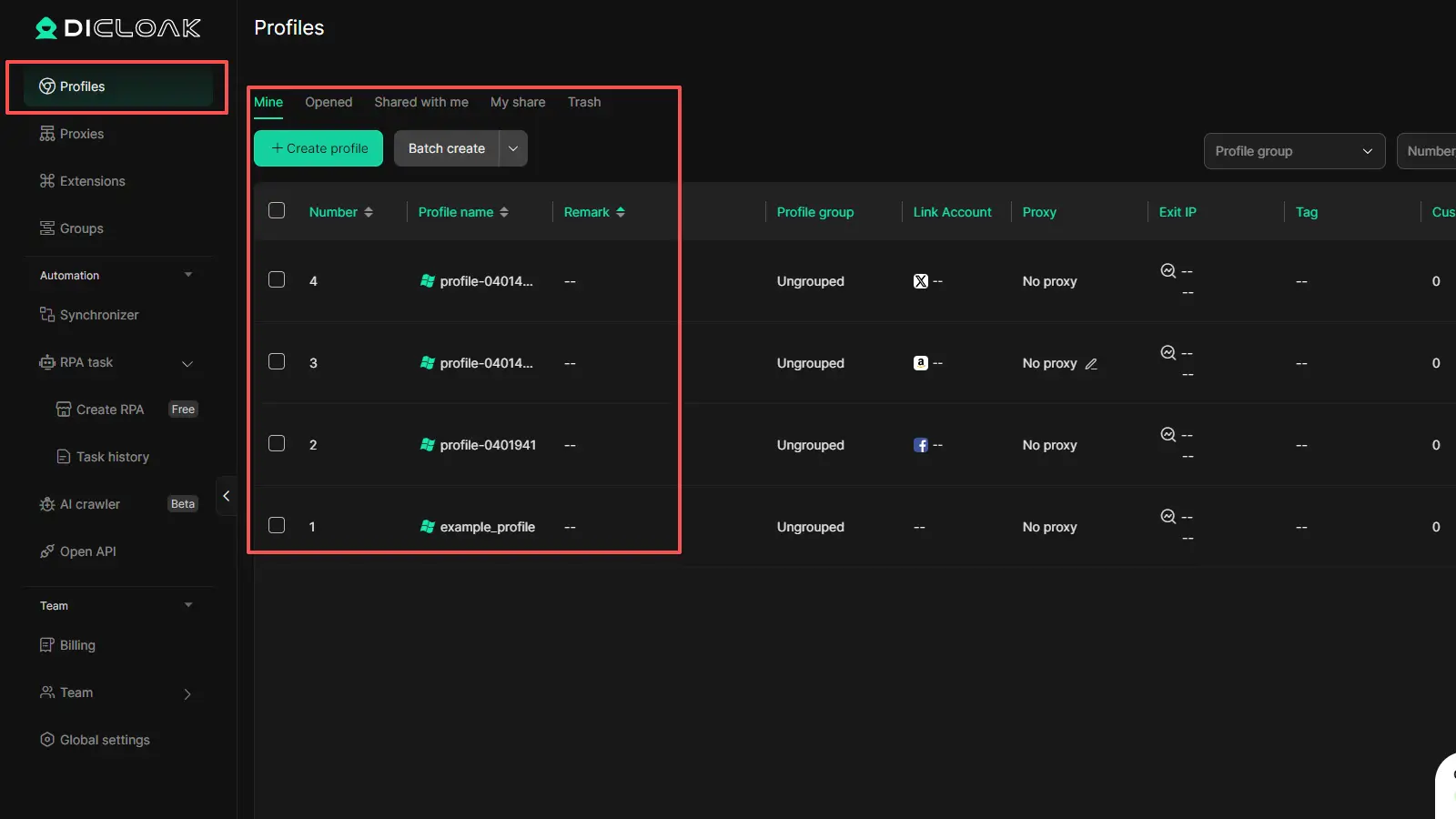
If a team uses multiple Yandex and Google accounts, DICloak helps keep them separate through isolated profiles. This can reduce cookie mixing and account overlap. The document also mentions profile sharing, permission settings, and operation logs, which can make team-based account use easier to manage.
Keeping Search Testing Stable Across Locations
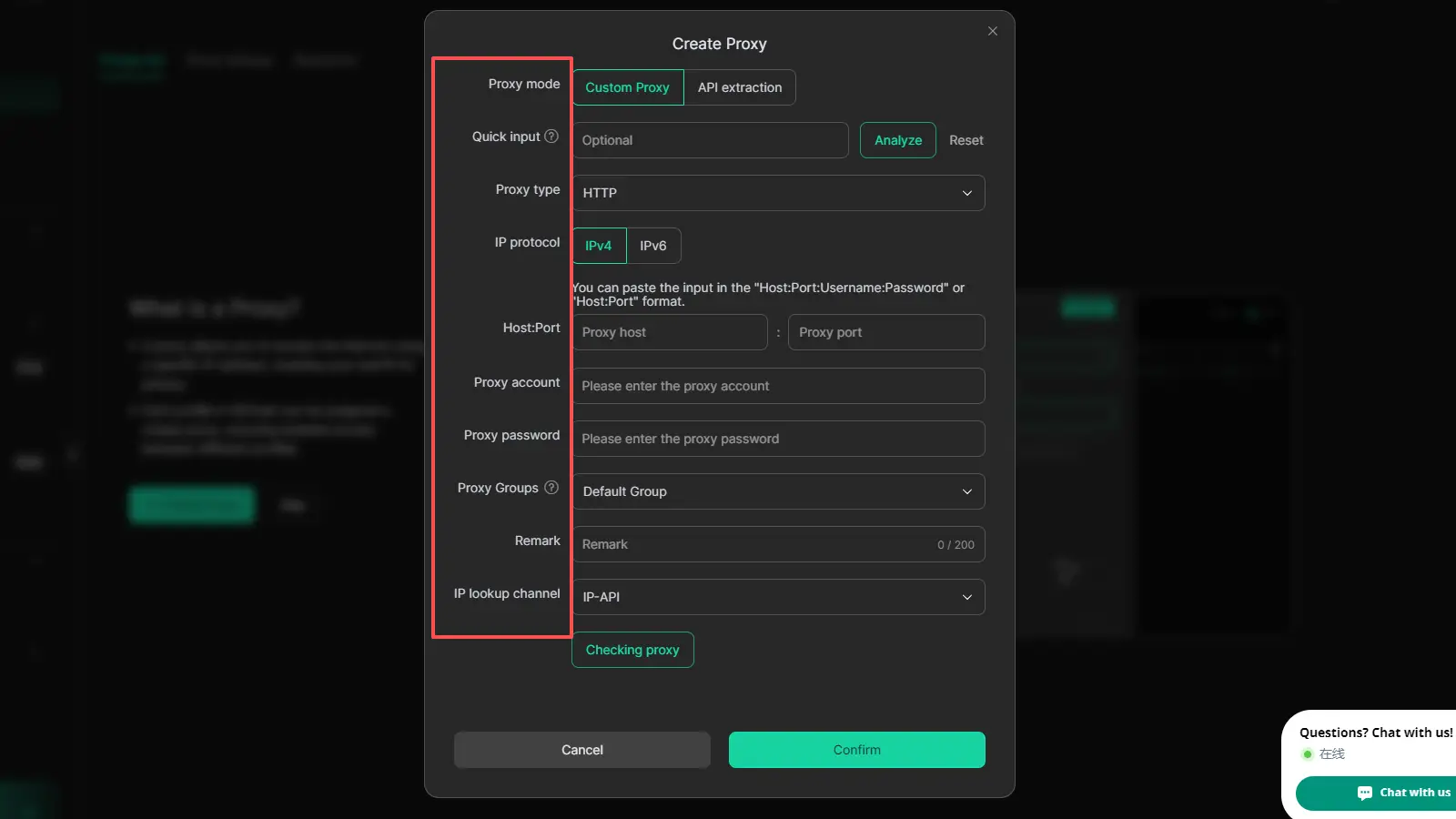
Search results can vary by location and account setup. DICloak supports user proxy configuration and separate profiles, which can help teams build more consistent test environments when checking search results in different markets. This is especially useful when the same query needs to be tested more than once under controlled conditions.
Protecting Research Privacy During Competitive Analysis
For competitor research, DICloak can also help teams work in a more separated and controlled browser profile. Your document mentions features like isolated profiles, AI crawlers, website access restrictions, and security protection settings. These tools can support safer research operations and better internal control during competitive analysis.
FAQ About the Search Engine of Russia
Q1:Is the search engine of Russia available outside Russia?
Yes, the main search engine of Russia, Yandex, is available outside Russia. People in many countries can open and use Yandex Search through the web. However, the search experience may still feel more useful for users who want Russian-language results, local Russian content, or services connected to the Russian market.
Q2:Can the search engine of Russia work well in English?
Yes, the leading search engine of Russia can handle English searches. Yandex supports English queries and can return English-language results. Still, it is generally stronger for Russian-language searches and local Russian search intent. If your goal is Russian market research, Yandex is often more helpful than global search engines for that purpose.
Q3:Can businesses advertise on the search engine of Russia?
Yes, businesses can advertise on the main search engine of Russia through Yandex’s advertising platform. This is useful for brands that want to reach users in Russia or nearby markets. For local campaigns, Yandex can be a strong option. For broader international campaigns, many businesses also compare it with Google Ads before choosing a strategy.
Q4:Is Google still popular in the search engine of Russia market?
Yes, Google is still an important part of the search engine of Russia market, even though Yandex leads. Many users in Russia still use Google, especially for global content, international services, or personal preference. So while Yandex is the top platform, Google is still a major competitor and should not be ignored.
Q5:What is the best alternative to the main search engine of Russia?
The best alternative to the main search engine of Russia is usually Google. It is the second most important search engine in Russia and remains useful for global search needs. Other options like Bing, Mail.ru, and DuckDuckGo also exist, but in real market terms, Yandex and Google are still the two names that matter most.
Conclusion
The search engine of russia market in 2026 is still led by Yandex. While Google remains important, Yandex continues to stand out because it fits local language habits, local services, and daily search behavior in Russia. For users, this helps explain why Yandex stays so strong. For businesses, it shows why Russia-focused SEO and advertising plans should not rely on Google alone. A smarter approach is to understand how Yandex works, compare it with Google, and build a balanced strategy based on real search behavior. That is the best way to reach the right audience and make better decisions in the Russian market.
 Web Proxy Tools
 Free Tools
 Cookie Plugin
 UA Generator
 MAC Address Generator
 IP Generator
 IP Address List
 2FA Code Generator
 World Clock
 Anonymous Check
 WebRTC Leak Test
 UUID Generator
 Free Web Proxy Site
 Proxy Checker
 FB Ad Checker
 AI Web Scraping
 Free SMM Tools
 Twitter Shadowban Checker
 Instagram Name Checker
 UTM Generator
 Username Generator
 AI Hashtag Generator
 LinkedIn Headline Generator
 Social Media Image Resizer