If you have been searching is instagram getting banned, you are probably dealing with login errors, blocked actions, or sudden access problems that make the platform feel unusable. In many cases, these issues do not mean Instagram is fully banned, but they can look very similar when your IP, network, or account activity gets flagged. In this guide, you will learn why people search is instagram getting banned in 2026, what these warning signs really mean, and how to fix the problem safely.
The "Ban" Reality: Is Instagram Actually Going Away?
As we navigate 2026, rumors of a global Instagram shutdown frequently resurface due to localized connection errors and aggressive security updates. You must distinguish between platform-wide regulatory shutdowns and the individual "IP ban hammer" issued by Meta’s automated systems. Currently, there is no global ban; instead, the platform has implemented more sophisticated telemetry to flag suspicious behavior. Most users experiencing a "ban" are actually dealing with a restricted network reputation or a flagged IP address—your "virtual license plate"—which Meta uses to monitor and gate access.
Why am I seeing "Action Blocked" or connection errors on Instagram?
Meta’s security stack in 2026 identifies irregularities through a three-tier system of restrictions. Understanding the technical nuances of these blocks is mandatory for effective troubleshooting.
Is it a Shadowban?
A shadowban is an unofficial visibility restriction. Instagram limits your reach without formal notification, causing your content to stop appearing in hashtag results, the Explore page, or recommended feeds for non-followers. To confirm this, you must execute a search for a specific, non-trending hashtag you used from an account that does not follow you. If your post is missing, the algorithm has flagged your engagement patterns or content as spam-like.
What is an Action Block?
This is a hard restriction where Instagram explicitly notifies you that you are "Action Blocked." You are prevented from liking posts, following accounts, commenting, or sending DMs. These blocks are triggered when your activity—such as following or unfollowing large numbers of accounts in a short window—resembles bot-driven automation rather than human behavior.
The Full Instagram IP Ban
This is the most severe tier. During the initial "handshake" between your device and the server, Instagram logs your IP address and evaluates its reputation. If your IP is flagged, the platform blocks the entire connection, preventing any account from logging in or even loading the homepage. Instagram also tracks metadata beyond the IP, including location tags in photos and engagement patterns (such as the specific times of day you are active) to verify your identity and physical location.
How can I tell if my IP address is actually the problem when instagram getting banned?
If you are facing connection errors, you must systematically diagnose whether the issue is account-specific or network-wide.
- Test 1: Clear cookies and cache. Removing session data is vital to ensure you aren't being blocked based on a corrupted or flagged local token.
- Test 2: Access as an unregistered guest. Open a fresh browser window in private/incognito mode and attempt to view a public profile without logging in. If the page fails to load, your IP is likely the target.
- Test 3: Switch from Wi-Fi to mobile data. If access is restored on a cellular connection but fails on your primary network, your network IP is banned.
If you see a notification stating your IP is an "Open Proxy," it means your IP address has been blocklisted for being associated with "too many inappropriate and abusive accounts." This often happens if you use a provider with a poor reputation or if your network has been compromised.
What behaviors trigger an automatic Instagram ban in 2026?
Meta monitors the "gray area" of activity where legitimate growth tactics overlap with spam signatures. You must avoid the following high-risk behaviors:
- Exceeding natural activity limits:While Meta does not publish hard daily limits, it monitors for "excessive activity in a short period." Mass following/unfollowing and rapid bursts of likes or comments are immediate red flags. To maintain account longevity, you must space out actions throughout the day to mirror human usage.
- Automation and bot detection:Instagram has become highly effective at identifying non-official APIs and third-party growth tools. Using automation that performs repetitive engagement actions—or using repetitive hashtags across multiple posts—will trigger a shadowban or an immediate action block.
- Network congestion:Running dozens of accounts from a single home or office IP is a technical liability. When too many requests originate from one connection, Meta flags the entire network as a source of automated spam.
What are the fastest ways to fix an Instagram IP ban right now?
If your network is restricted, execute these steps immediately:
- Report a Problem: Navigate to "Settings and Privacy" > "Help" > "Report a Problem." If you received an "Action Blocked" message, use the "Tell us" option to request a manual review from Meta’s support team.
- Request a New IP: If your ISP uses dynamic IP allocation, restarting your router may assign you a new IP address. Ensure your router settings are protected with a strong password to prevent unauthorized users from using your connection as an open proxy.
- The 24-48 Hour Rule: An Action Block typically lifts in 24 to 48 hours. However, for a network-level IP Ban, there is no set timeframe for when it will expire. If a router restart fails, you may need to contact your ISP to investigate why your assigned IP is on a blocklist.
Maintaining a Clean Reputation on Instagram
To sustain growth in 2026, adhere to "natural usage" principles. If you are launching a new account, you must increase activity gradually over several weeks—do not upload a massive volume of content all at once. Avoid aggressive scraping or high-frequency data collection, as these are the fastest ways to trigger a hardware or network block. By utilizing official APIs for scheduling and ensuring your connection telemetry remains consistent, you can maintain uninterrupted access and a clean reputation.
How can I manage professional Instagram accounts without getting flagged?
For agencies and growth strategists, simple IP rotation is no longer sufficient in 2026. Meta now tracks "browser fingerprints"—a collection of technical data points including screen resolution, hardware IDs, and OS versions. To manage multiple profiles safely, you must use DICloak.
DICloak isolates every account into a unique digital environment. By using this tool, you can:
- Create separate, persistent browser fingerprints for every profile, ensuring Meta cannot establish a "technical connection" between your different accounts and trigger a linked ban.
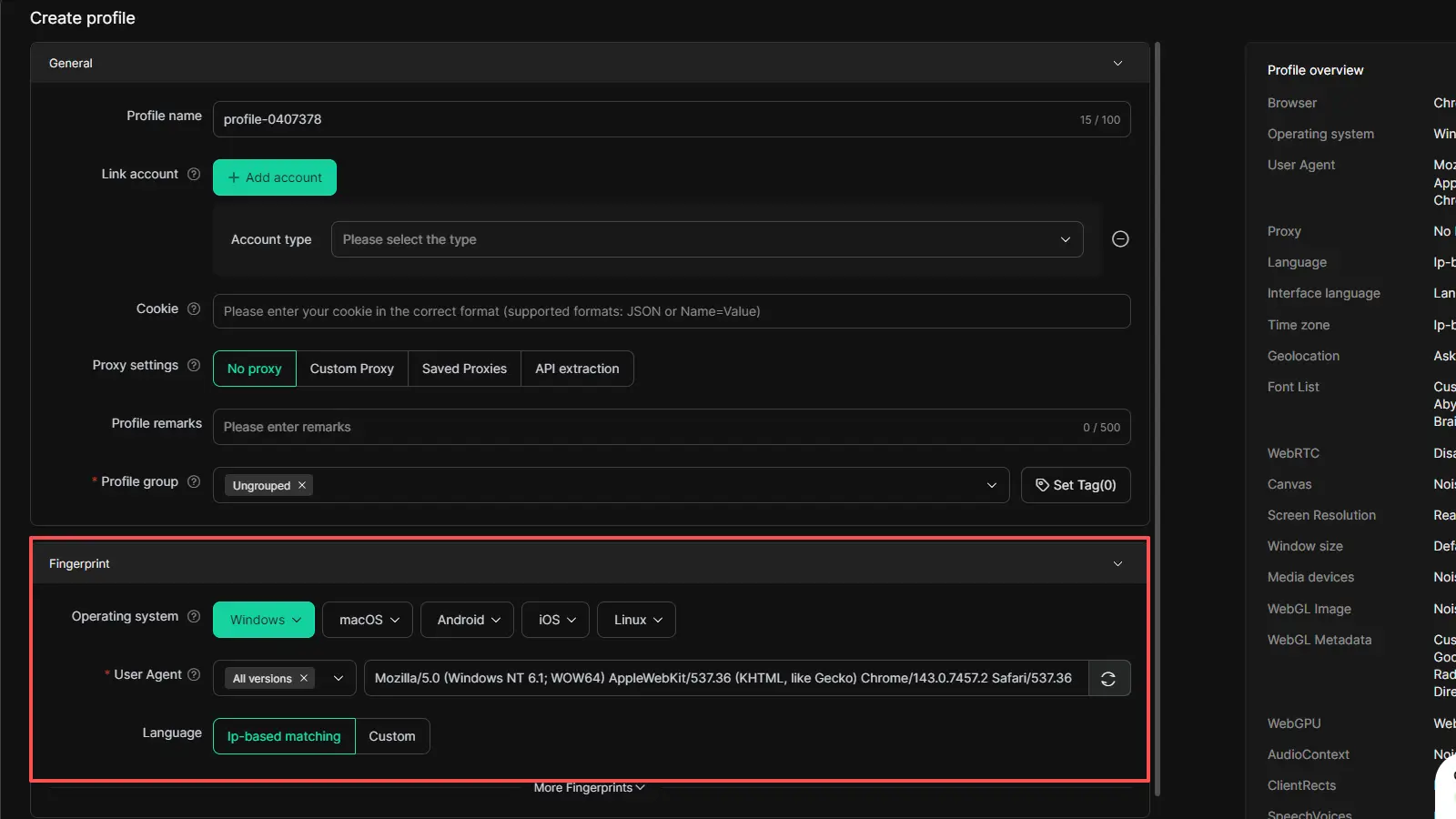
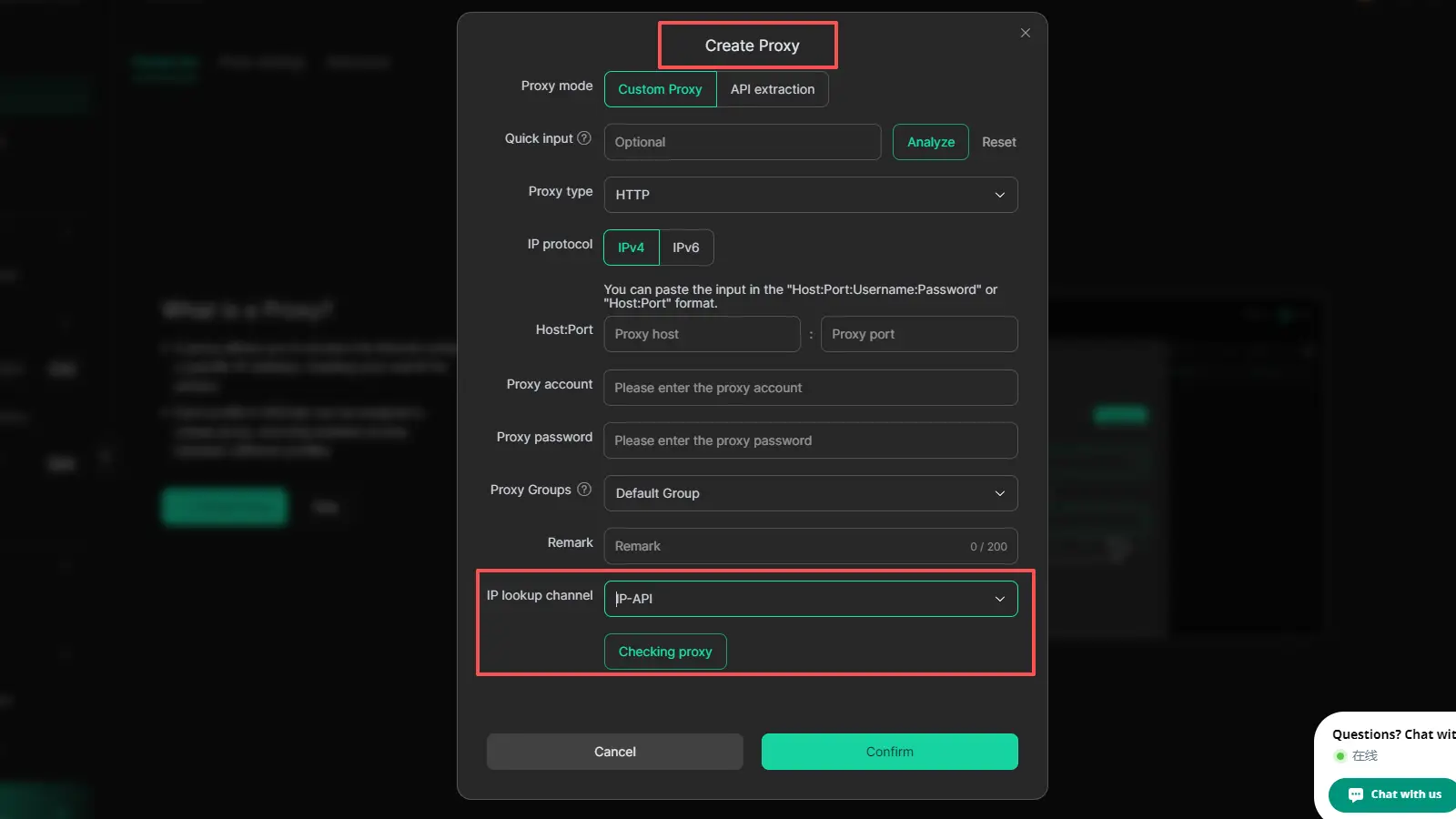
- Integrate residential or mobile proxies directly into each browser profile, giving every account a dedicated, clean IP address.
- Maintain consistent login behavior and locations, satisfying security algorithms that flag accounts for frequent "location hopping."
Frequently Asked Questions about Instagram Bans
Q1:How long does a 2026 Instagram IP ban typically last?
Unlike Action Blocks, which usually lift within 24-48 hours, there is no set duration for an IP ban. It may last several weeks or remain until the IP’s reputation is cleared via active intervention (like a router restart or switching to proxies).
Q2:Can another user get my IP banned by reporting me?
No. While reports can trigger an account review, only Instagram’s automated systems can issue an IP-level ban based on detected behavioral patterns and network metadata.
Q3:What does it mean when Instagram says my IP is an "open proxy"?
It means your IP is blocklisted for being associated with abusive activity. You must restart your router or contact your ISP to resolve this.
Q4:Is it safe to use free proxies to unblock my account?
No. Free proxies are typically already blocklisted and pose significant security risks, including data interception and malicious traffic monitoring.
Q5:Will switching to mobile data always fix a connection error?
It serves as a primary diagnostic tool. If mobile data works, it confirms your Wi-Fi IP is the problem. However, it will not bypass a ban that Meta has applied directly to your specific account credentials.
Conclusion
If you keep asking is instagram getting banned, the answer is usually more complicated than a simple yes or no. Most of the time, users are dealing with access issues, IP flags, action blocks, or account-level restrictions rather than a full platform ban. The key is to identify what caused the problem, fix the risky setup, and avoid repeated behavior that may trigger more limits. With the right checks and a more stable account environment, you can usually reduce future access problems and use Instagram more safely in 2026.
 Web Proxy Tools
 Free Tools
 Cookie Plugin
 UA Generator
 MAC Address Generator
 IP Generator
 IP Address List
 2FA Code Generator
 World Clock
 Anonymous Check
 WebRTC Leak Test
 UUID Generator
 Free Web Proxy Site
 Proxy Checker
 FB Ad Checker
 AI Web Scraping
 Free SMM Tools
 Twitter Shadowban Checker
 Instagram Name Checker
 UTM Generator
 Username Generator
 AI Hashtag Generator
 LinkedIn Headline Generator
 Social Media Image Resizer