One Etsy buyer lost $240 on a fake shop last month, despite seeing hundreds of reviews and a “Star Seller” badge. The shop vanished days after payment. This isn’t rare: searches for “is Etsy legit” spiked 30% after a string of scam listings hit the front page in April, according to Reddit’s r/Etsy. Many shoppers assume Etsy’s platform guarantees safety, but the reality is messy. Etsy claims to vet sellers, yet anyone can open a shop in minutes, and refund policies don’t always cover lost payments. Sellers can buy positive reviews or impersonate brands, making it hard to tell if Etsy is safe or trustworthy for real purchases.
The pain point is simple: you find a handmade item, check reviews, and pay, then worry if your money or personal info is at risk. The keyword “is etsy legit” matters now more than ever because scam tactics keep changing. Blind trust in “verified” shops isn’t enough. You need to spot red flags before buying, recognize how scammers hide, and know what to do if a deal turns bad.
This guide breaks down what actually works for safe shopping, how to check seller history, and which shop signals are real or fake. Here’s what to watch for if you want to avoid scams and shop securely.
What Makes Etsy Legit or Risky in 2026?
Etsy built its reputation as a place for unique, handmade items, but the real question, is etsy legit, has a different answer in 2026 than it did a few years ago. The platform still connects buyers and sellers directly, but the way it handles trust and risk has shifted. You can’t just rely on the “Etsy badge” or high review scores anymore. Here’s what’s changed and what to watch for.
How Etsy’s Platform Works for Buyers and Sellers
Etsy runs as a peer-to-peer marketplace, meaning anyone can open a shop and list products. Buyers pay sellers directly, and Etsy manages payment processing, dispute handling, and some basic buyer protection. You don’t have the same guarantees as you would on Amazon Marketplace or eBay’s Buyer Protection.
Etsy’s role is mostly limited to facilitating transactions. They do not vet sellers before approval, shops are checked only if complaints arise or if automated systems flag suspicious activity. Buyers need to do their own homework. If you’re wondering, is etsy safe, the answer depends on how carefully you check seller history, shop signals, and payment methods.
What Has Changed on Etsy in 2026
In 2026, Etsy rolled out stricter seller identity checks, but loopholes remain. Sellers now face mandatory ID verification for payouts, but fraudsters adapt fast. Fake shops can still pop up using stolen identities. Review manipulation is harder, but not impossible, bots can flood listings with positive reviews in hours.
Refund policies are stricter, but not universal. If you buy from a new shop, lost payments may not be covered. Scam tactics have shifted to impersonating real brands or cloning shop layouts. Blind trust in high ratings is the quickest way to get burned, always check for sudden spikes in positive reviews, mismatched shop details, or unclear return policies.
If you’re asking “is etsy a scam,” the risks are real, but most buyers avoid them by staying alert. The next section covers what buyers usually get right, and wrong, when shopping on Etsy.
How Safe Is It to Buy from Etsy? What Most Buyers Get Right and Wrong
Buying from Etsy feels safe until something goes sideways. The platform promotes itself as a marketplace for unique, handmade goods, but buyer mistakes are common. Here’s where Etsy actually protects you, and where trust breaks down.
How Etsy Protects Buyers
Etsy uses secure payment processing for all orders. Your card details stay hidden from sellers. If your order never ships, arrives damaged, or isn’t what was promised, you can file a case with Etsy. For genuine issues, Etsy often refunds buyers and can suspend problem shops. Most payments go through Etsy Payments, reducing the risk of leaking personal info.
Etsy’s Purchase Protection Program covers qualifying items, usually up to $250 per order. If your order meets the rules, you’re likely to get your money back for missing or fake items. Disputes happen inside your account, not over email or chat, which helps avoid phishing scams. That said, protection is not automatic for every order. Digital downloads, custom orders, and some international shipments may fall outside coverage.
Where Buyer Mistakes Lead to Trouble
Many shoppers treat five-star reviews and “bestseller” badges as proof that Etsy is legit. Scammers know this. Fake shops can buy hundreds of reviews or steal real sellers’ photos. If you trust reviews without digging into the shop’s full history, you’re exposed. Always check how old a shop is, read recent reviews, and look for off-pattern feedback.
Shop policies matter. Ignoring refund and shipping terms is a top mistake. Unlike Amazon, Etsy does not guarantee returns or refunds for every case. Sellers set their own policies, and if you don’t read them, you may get stuck with no help from Etsy support.
The real risk isn’t that Etsy itself is a scam, it’s that scammers can blend in. Knowing the limits of buyer protection is what keeps your money and info safe. Next, see how common scams look in 2026 and spot them before they hit.
What Are the Most Common Etsy Scams in 2026 and How Do You Spot Them?
Shopping on Etsy can feel safe, but scam tactics constantly shift. Even with “star seller” badges and glowing reviews, fake shops and off-platform payment tricks are everywhere. Understanding these patterns is the only way to answer “is Etsy legit” for yourself. Here’s what you’ll actually see in 2026, and how to protect your money.
Fake Shops and Counterfeit Products
The biggest scam right now is fake shops selling copied or non-existent products. Scammers copy photos from real creators, list them at tempting prices, and vanish after collecting payments. Some even buy stolen reviews to look established.
Spotting a fake shop means looking closer than the homepage. Check if the shop has:
- Dozens of listings added in a few days, all with similar photos
- No detailed shop story or info about the creator
- Generic item descriptions, often copied word-for-word across listings
For authenticity, run a reverse image search on product photos. If you see the same item on sites like AliExpress or Amazon, that’s a red flag. Real Etsy sellers usually use their own photos and have a pattern of real, specific reviews over months.
Off-Platform Payment and Phishing Attempts
If a seller asks you to pay outside of Etsy, by direct PayPal, crypto, or wire transfer, stop immediately. Paying off-platform removes all buyer protection. No refund, no support, and often, no product.
Phishing scams are also common. You might get a message about “order issues” or “customs fees,” with a link that looks like Etsy but isn’t (see Etsy’s own warning page). These links steal your login or payment info. Always check the website address before clicking.
The real danger? Scammers keep updating their tricks. If you get pressured to leave Etsy’s payment system or click on strange links, that’s your cue to walk away. Wondering “is etsy trustworthy” or “is etsy a scam” comes down to spotting these signals, before you pay.
Next, see how to check if a specific Etsy seller or shop is actually legit.
How Can You Tell If an Etsy Seller or Shop Is Legit?
When you wonder “is Etsy legit,” it’s not enough to check if a shop looks busy or has five-star ratings. A shop can buy fake reviews or clone listings from real brands. Here’s how to dig deeper and spot which sellers you can actually trust.
Checking Seller History and Reviews the Right Way
Don’t just count stars, look for patterns. Fake reviews often pile up fast in a short time, use the same phrases, or repeat photos across different items. Click on reviewer profiles; if they have only reviewed one shop or every review is for similar items, that’s a red flag.
A healthy sales history usually includes reviews spread over months or years, not just a sudden burst. Trusted shops tend to have repeat buyers who post real photos, mention shipping details, or even share small complaints about packaging. If every review is glowing and vague, be careful. Scammers often copy feedback from legit shops or buy bulk reviews, which is why relying on ratings alone doesn’t prove if Etsy is trustworthy in your case.
Red Flags That Signal a Risky Seller
Watch for listings with prices far below market average. If a ring “handmade from gold” is $10, something’s off. Read descriptions, bad grammar, stock phrases like “100% satisfaction,” or missing details about materials often point to copy-paste scams.
Unusual shop activity also matters. If the seller asks to message or pay outside Etsy, that’s a classic sign of a scam. Sudden shop name changes, no “About” section, or a shop opened just days ago? High risk. You’ll also see sellers who vanish after a wave of sales, refunds get harder when that happens.
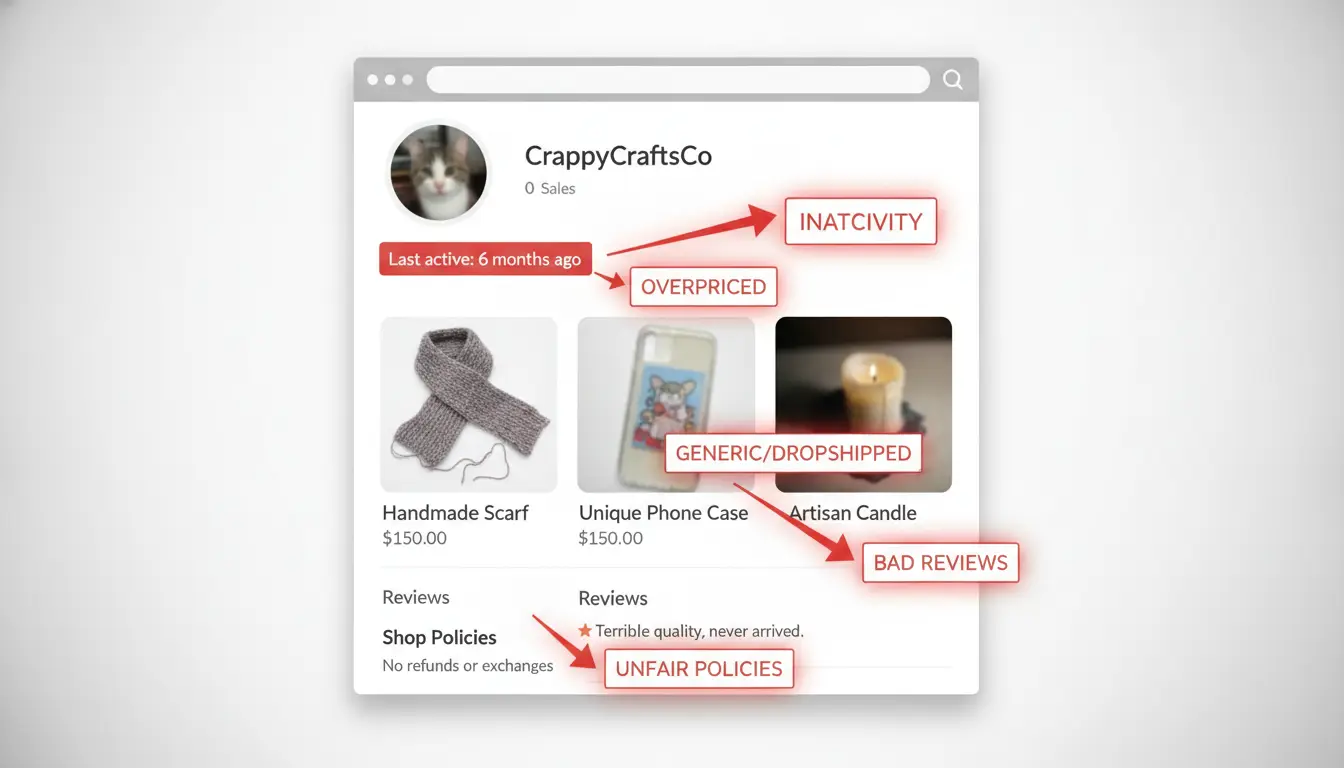
If you do spot these warning signs after paying, don’t wait, next, you need to know exactly what steps to take when a deal goes bad.
What Should You Do If You Get Scammed on Etsy?
Getting scammed on Etsy isn’t rare, buyers lose money, get fake items, or watch shops vanish after payment. If you’re wondering “is etsy legit” after a bad experience, the most important thing is speed. Scammers count on buyers hesitating or feeling powerless. Here’s what you need to do, step by step.
Immediate Steps to Take After a Scam
Act fast. Log into your account and check your order details. Use the “Help with order” button to contact Etsy support directly, don’t wait for the shop to reply. File a dispute or claim in the Resolution Center. You’re allowed to open a case if your item never arrives, isn’t as described, or the seller stops responding.
Etsy’s official window for claims runs up to 100 days after the estimated delivery date, but the sooner you file, the better your chances. Attach screenshots, receipts, and any messages showing the problem. If you paid with credit card or PayPal, contact your payment provider right away, card companies often let you dispute charges for 60-120 days. PayPal’s Buyer Protection covers most items if you report the scam within 180 days. For cash payments or gift cards, recovery is almost impossible.
Don’t just ask “is etsy safe” or “is etsy trustworthy”, take action as soon as you spot anything off.
How to Strengthen Your Account Security
After a scam, change your Etsy password immediately. Enable two-factor authentication; this blocks most attempts to hijack your account. Go to Account Settings, set up a phone number, and confirm your email is up to date. Check your login history for unknown sessions, log out from all devices if you see anything suspicious.
Monitor your bank and PayPal accounts for odd charges. If you used the same password elsewhere, change those too. Scammers sometimes reuse stolen info for new attacks, so stay alert for fake emails or phishing attempts.
If you plan to run multiple Etsy accounts as a seller, managing profiles securely is even more important, next, see how advanced tools like DICloak can help cut risks.
How Sellers and Power Buyers Can Manage Multiple Etsy Accounts Safely (with DICloak)
Why Multi-Account Management Gets Risky on Etsy
Running multiple Etsy accounts sounds simple until you hit account linking rules. Etsy tracks browser fingerprints, IP addresses, and even hardware signals. If you reuse the same device or network, Etsy can connect your shops, leading to sudden bans, even if all your listings are legit. That’s why searches for “is etsy legit” or “is etsy safe” spike after large seller sweeps. Even new buyers trying to scale up run into the same wall: one slip, and every account can go down together.
How DICloak Makes Multi-Account Operations Safer
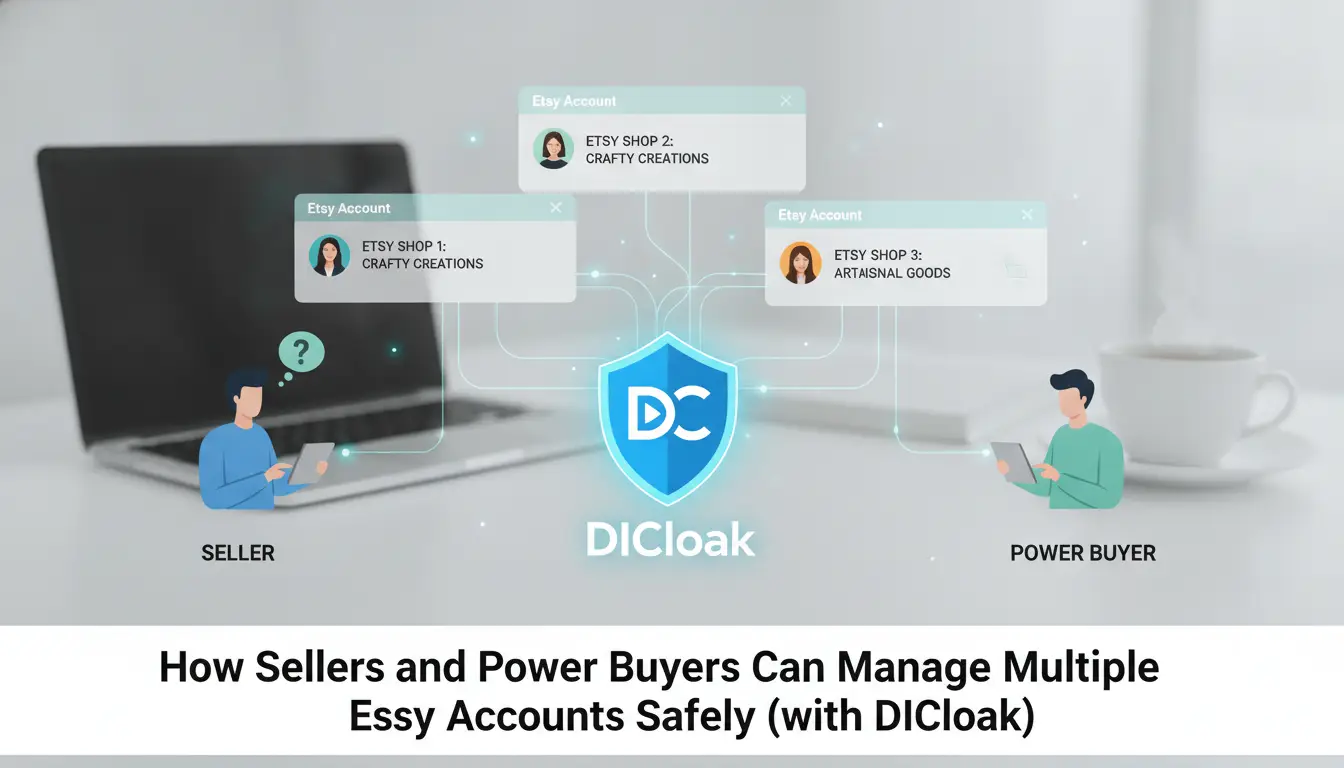
You can use tools like DICloak to break this pattern. DICloak lets you set up a separate, isolated browser profile for every Etsy shop or buyer account. Each profile runs on its own proxy and keeps cookies, logins, and device signals apart. For teams, DICloak’s permission controls and audit logs help you share access safely, no more trading logins by chat. Workflow automation (RPA) means you spend less time on risky manual switches.
Practical Steps: Using DICloak for Etsy E-Commerce Success
Set up one DICloak profile per Etsy shop, link each to its own proxy, and assign access only to trusted staff. Use automation to handle routine shop checks. This cuts the risk of all your accounts being banned together by mistake. 
How to Shop Safely on Etsy: Pro Tips for 2026
Smart Habits for Every Etsy Buyer
Start by checking whether the shop owner’s name, location, and listing history match up. Shops with sudden spikes in listings, reused photos, or weird language often signal trouble. Use secure payment options, credit cards or PayPal, so you have a real dispute path. If you’re wondering "is etsy legit," don’t trust shops that push you toward off-platform payments or ask for personal info beyond shipping.
Extra Steps for High-Value or Custom Orders
For pricier items or anything custom, keep a record of every message and proof of payment. If the seller dodges details or changes terms last minute, pause and check their feedback on Trustpilot. Use tracked shipping and screenshot delivery updates. If you suspect "is etsy safe" is shaky for your order, file disputes quickly, Etsy’s support window closes fast.
When to Walk Away: Recognizing Deal-Breaker Red Flags
Back out if the deal feels off. Offers that look too good, or sellers who ask for odd payment methods, nearly always lead to issues. If a shop asks for wire transfers, crypto, or won’t share tracking, walk away immediately. That’s the line between "is etsy trustworthy" and "is etsy a scam."
When Is Etsy Not the Right Choice? Alternatives and Special Cases
Types of Products or Sellers That Don’t Fit Etsy’s Model
Etsy is built for handmade, vintage, and craft supplies. But the platform blocks restricted items, anything related to weapons, adult content, or copyrighted goods is quickly removed. Sellers who need to ship high-value products, manage bulk inventory, or handle complex returns run into limits. Etsy doesn’t offer built-in tools for bulk order management or advanced analytics like Shopify. If your business needs real-time inventory syncing or custom checkout flows, Etsy’s model won’t fit.
Some sellers find that Etsy’s rules and fees cut into profits, especially if they’re scaling fast. And buyers looking for electronics or mainstream brands won’t find legit options here, those listings are often flagged as scams or removed. That’s why “is etsy legit” becomes more urgent when you’re buying or selling outside the standard categories.
Best Alternatives to Etsy for Buyers and Sellers
When Etsy isn’t enough, buyers often switch to eBay for collectibles or Amazon Handmade for more mainstream goods. These sites have stricter seller verification and refund policies. Sellers who want full control over branding, payment, and customer data often build their own shop with Shopify or WooCommerce. These platforms let you set custom shipping, integrate marketing tools, and track detailed analytics. Just remember, running your own site means handling fraud and payment disputes yourself.
| Platform |
Seller Fees |
Refund Policy |
Customization |
Buyer Safety |
| Etsy |
6.5%+ |
Limited |
Low |
Moderate |
| eBay |
10-12% |
Strong |
Medium |
Strong |
| Shopify |
Monthly |
Seller-set |
High |
Seller-set |
Source: Official marketplace fee pages, 2026
How to Decide If Etsy Is Right for Your Needs
If you’re unsure, compare Etsy’s costs and limits against your growth plans. For sellers, Etsy works best if you’re starting small or want easy access to buyers. But as you scale, fees stack up and customization matters more. Buyers who want broad selection and strong refund support are better off with eBay or Amazon Handmade. Etsy is trustworthy for handmade goods but falls short for high-risk items and shops needing advanced features. Sometimes the smartest move is to use multiple platforms, one for quick reach, another for stability. If you hit repeated limits or see warning signs, don’t force your business or purchases to fit Etsy’s mold.
Frequently Asked Questions About is etsy legit
Is Etsy legit for buying expensive or custom items?
Etsy is legit, but buying expensive or custom items requires extra care. Check seller ratings, message sellers for details, and use secure payment methods. Etsy’s Purchase Protection program covers some items, but always read the policy. For high-value or custom orders, keep all messages on Etsy and save receipts to help if you need to file a dispute.
Can Etsy sellers scam buyers even with good reviews?
Yes, even sellers with good reviews can scam buyers. Some sellers use fake reviews or change their behavior suddenly. Watch for new shops with lots of five-star reviews or sellers who stop responding after payment. Always check shop history and recent feedback. If you’re unsure, ask questions before buying to see if the seller responds clearly.
Is it legal to have multiple Etsy accounts as a seller?
Etsy allows sellers to have more than one account if each serves a different purpose, like selling different types of items. However, you must use different email addresses and follow Etsy’s rules. Managing multiple shops dishonestly can get all your accounts banned. Read Etsy’s guidelines carefully before opening more than one account.
How do I get my money back if I was scammed on Etsy?
If you were scammed, first contact the seller through Etsy messages. If that fails, open a case with Etsy’s Purchase Protection. Provide order details and messages as proof. If Etsy doesn’t resolve it, contact your payment provider, like PayPal or your credit card. They may offer extra help in getting a refund.
Is Etsy safe for international buyers and sellers?
Etsy is safe for international buyers and sellers, but cross-border shopping has risks. Packages may get delayed or lost. Use Etsy’s tracking and payment systems for protection. Check local customs rules and shipping costs before ordering. If you ask “is etsy safe” for buying worldwide, always read seller policies and reviews first.
Etsy is a legitimate marketplace that connects buyers with unique, handmade, and vintage goods from independent sellers worldwide. While most transactions are safe and reliable, shoppers should remain cautious by checking seller reviews and understanding Etsy's policies before making a purchase. Try DICloak For Free
 Web Proxy Tools
 Free Tools
 Cookie Plugin
 UA Generator
 MAC Address Generator
 IP Generator
 IP Address List
 2FA Code Generator
 World Clock
 Anonymous Check
 WebRTC Leak Test
 UUID Generator
 Free Web Proxy Site
 Proxy Checker
 FB Ad Checker
 AI Web Scraping
 Free SMM Tools
 Twitter Shadowban Checker
 Instagram Name Checker
 UTM Generator
 Username Generator
 AI Hashtag Generator
 LinkedIn Headline Generator
 Social Media Image Resizer