When Claude AI times out during the inference phase, it disrupts critical automated workflows and research pipelines. While Anthropic has scaled its distributed edge node reliability significantly by 2026, service interruptions persist. These technical failures generally originate from origin-side server collapses, edge-side CDN issues, or localized configuration errors resulting in handshake failures.

How to Quickly Confirm if Claude is Experiencing a Global Outage
Identifying the root cause of connectivity issues requires distinguishing between a systemic infrastructure failure and an isolated network path error.
Checking Official Status Pages and Real-Time Community Reports
The primary diagnostic step is reviewing Anthropic’s official status page, which monitors origin server health and API endpoint availability. However, these dashboards often reflect high-level uptime and may not immediately capture localized latency spikes. To detect emerging error rate clusters, infrastructure analysts monitor real-time social signals on X and specialized developer subreddits. If multiple users report a "claude outage" simultaneously, the issue is likely a widespread CDN or origin-side failure.
Distinguishing Between Server-Side Downtime and Account-Specific Bans
It is vital to differentiate between "Service Unavailable" messages and access denials. A global outage typically manifests as 500-series internal server errors. In contrast, if the status page indicates healthy systems but your specific environment fails to authenticate, you may be facing an account-level restriction. If an alternative device on a different network successfully establishes a connection, the problem is likely an IP flag or a local configuration mismatch rather than a service-wide downtime event.
Why is Claude Not Working for Me? Common Troubleshooting Steps
When Claude is not down for everyone but still will not load for you, the problem is often local. In many cases, the issue comes from your browser session, network path, or IP reputation rather than a full service outage.
Clearing Browser Cache and Managing Session Cookies
Old session data can easily look like a real outage. Expired cookies, broken tokens, or stale browser state may stop Claude from loading correctly even when the service itself is online. Clearing your browser cache and removing cookies for the Anthropic site forces a fresh login and a new session. This often fixes endless loading loops or repeated error screens caused by outdated session data.
Resolving Issues Caused by IP Reputation and Network Filtering
Another common problem is IP reputation. If your current network path is tied to a heavily shared or low-trust IP range, Claude’s security systems may treat the traffic as suspicious and block the session before it fully loads. This can also happen on some corporate networks, shared gateways, or low-quality proxy routes. If Claude works on another device or network but not on your current one, the issue may be local filtering or IP reputation rather than a true outage. In that case, using a cleaner network path, a dedicated IP, or a higher-quality residential route can sometimes restore access.
What are the Most Common Claude Error Messages in 2026?
Analyzing specific HTTP status codes allows for targeted troubleshooting and prevents wasting time on unfixable server-side issues.
Handling "Over Capacity" and HTTP 429 Rate Limit Warnings
The "Over Capacity" notice indicates that the inference engine has reached its maximum concurrent request threshold. Related to this is the HTTP 429 (Too Many Requests) error. This occurs when your specific client has exceeded the allocated token or message quota for your subscription tier. During periods of high volatility or partial outages, Anthropic may aggressively lower these thresholds to maintain stability, requiring users to throttle their request frequency.
Identifying "Internal Server Error" vs. Client-Side Blocks
A 500-series error (e.g., 500 Internal Server Error, 503 Service Unavailable) is a definitive indicator of an origin-side failure within Anthropic’s infrastructure. No local adjustments will resolve these. Conversely, 403 (Forbidden) or 401 (Unauthorized) errors signify client-side issues. These are typically the result of firewall interference, failed browser fingerprinting checks, or an invalidated session token that requires a re-login.
Why Your Region or Network Might Mimic a Claude Outage
Geographic restrictions and complex network topologies can create a "false outage" where the service is online but unreachable from your specific coordinates.
Navigating Geo-Restrictions and Corporate Firewalls
Localized network filters can make Claude appear down when it is actually being intercepted at the gateway. Corporate firewalls often implement deep packet inspection to block AI traffic for data egress prevention. In these scenarios, the connection will time out or return a reset error (ECONNRESET), which looks identical to a server crash but is actually a local administrative block.
The Role of Browser Fingerprinting in Access Denials
In 2026, security layers utilize sophisticated browser fingerprinting to detect non-human traffic. If your browser configuration—including canvas rendering data, hardware headers, and WebGL signatures—is flagged as inconsistent or suspicious, the "Cloudflare loop" is triggered. This results in a perceived outage where the user is stuck in a permanent verification cycle, even if the AI service itself is functioning at 100% capacity.
Improving Your Access Reliability with Advanced Browser Tools
For users requiring enterprise-grade uptime, specialized tools like DICloak provide the necessary infrastructure to bypass common access triggers and false outages.
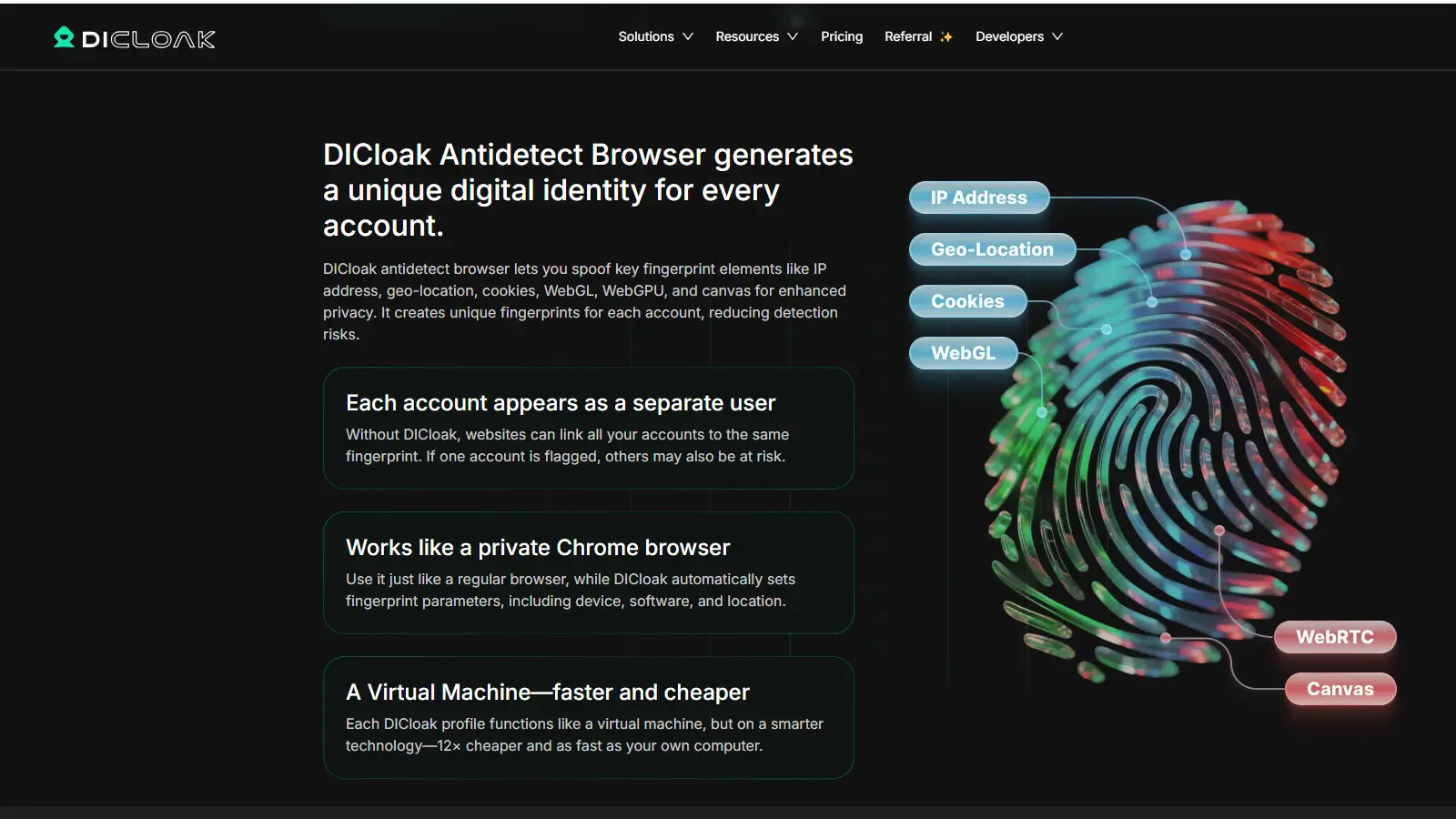
- Real Browser Fingerprints: DICloak generates authentic, hardware-concordant fingerprints to simulate real user behavior, effectively bypassing the detection systems that cause service interruptions.
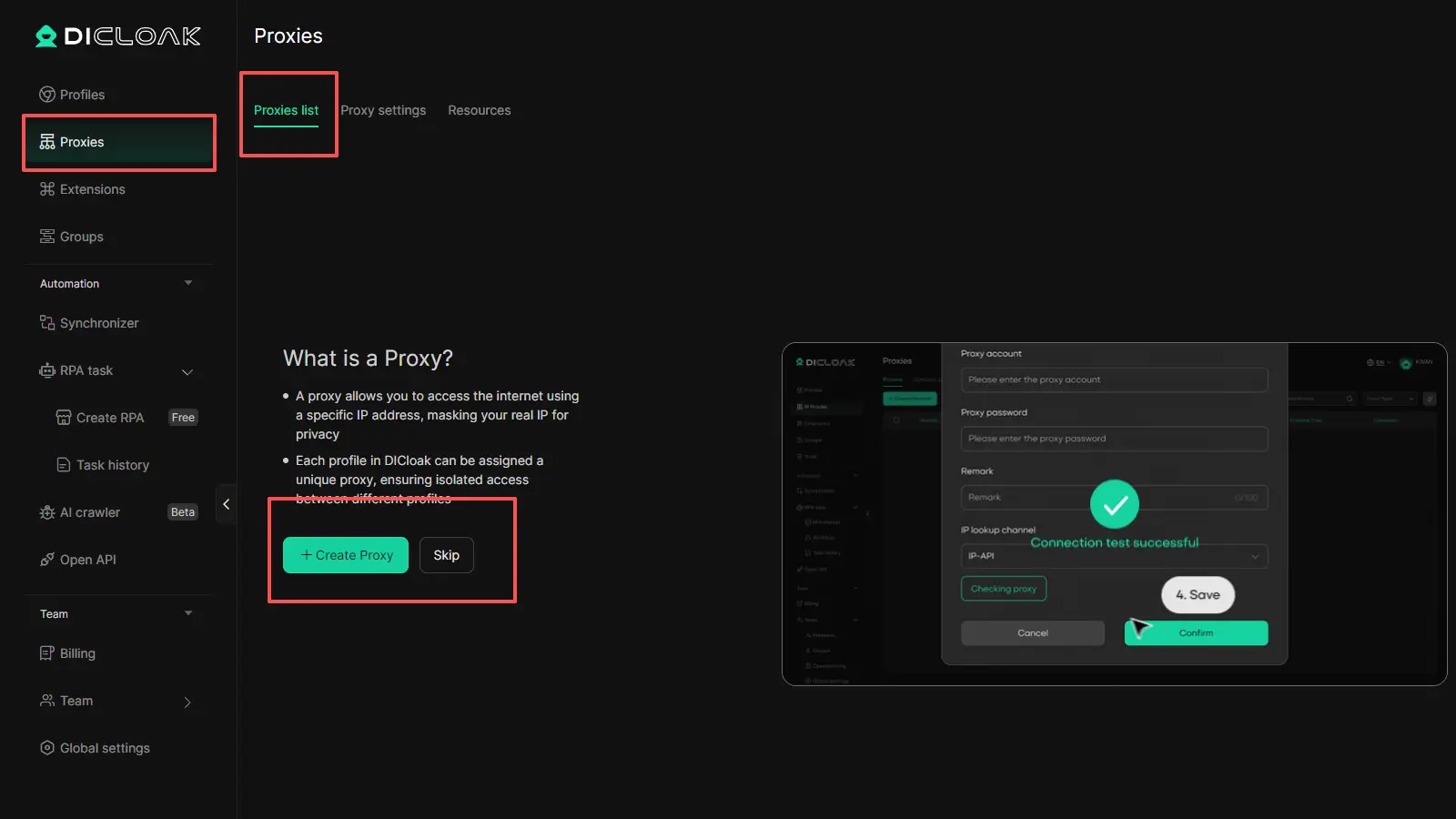
- Flexible Proxy Configuration: DICloak lets users add and manage their own proxies at the profile level, which helps keep IP setups more organized and makes it easier to work with cleaner network routes.
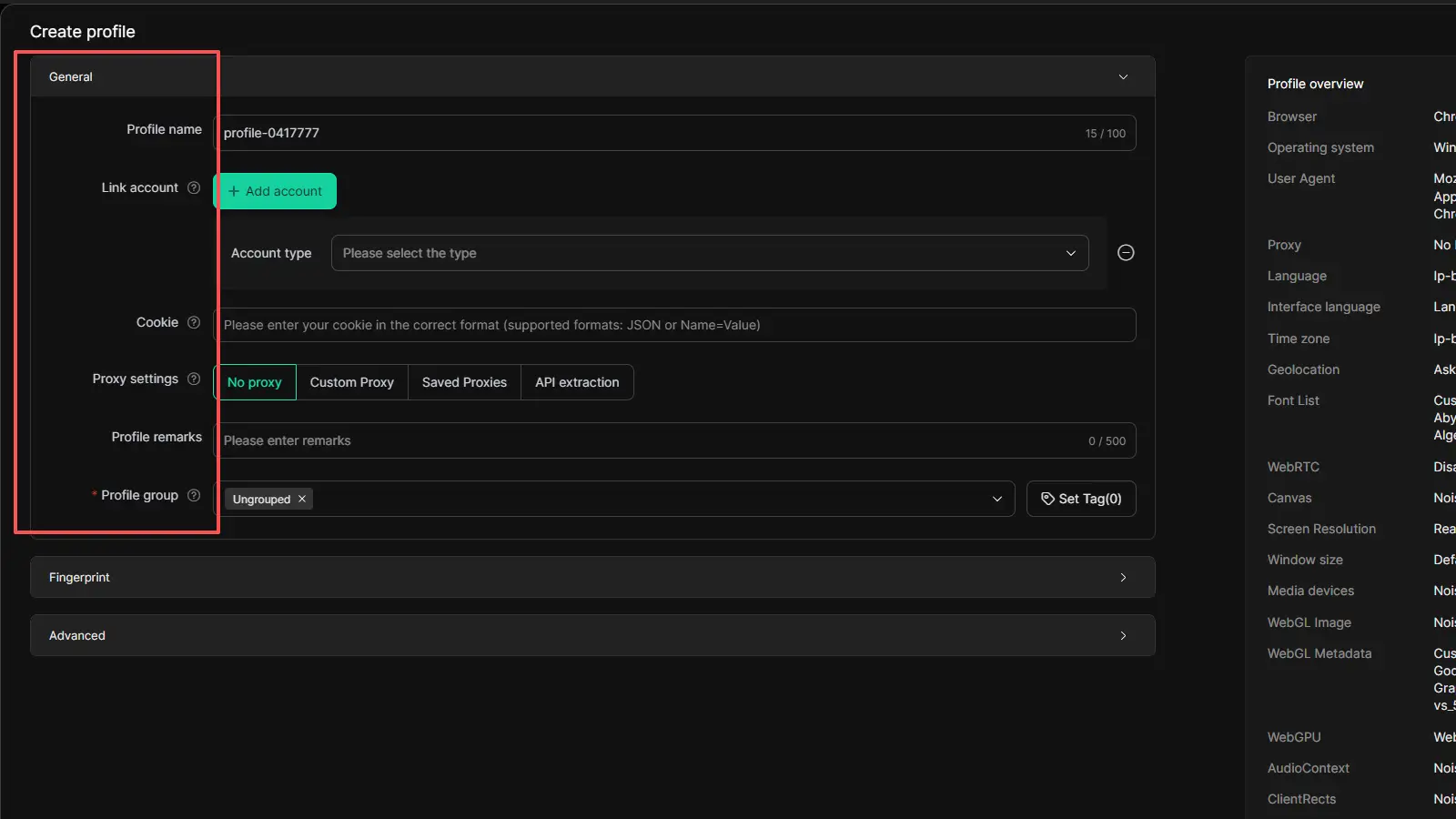
- Environment Isolation: Create isolated browser profiles to prevent session data leaks and keep each session separate. This helps users test whether the issue is tied to local browser state, cookies, or profile configuration rather than the service itself.
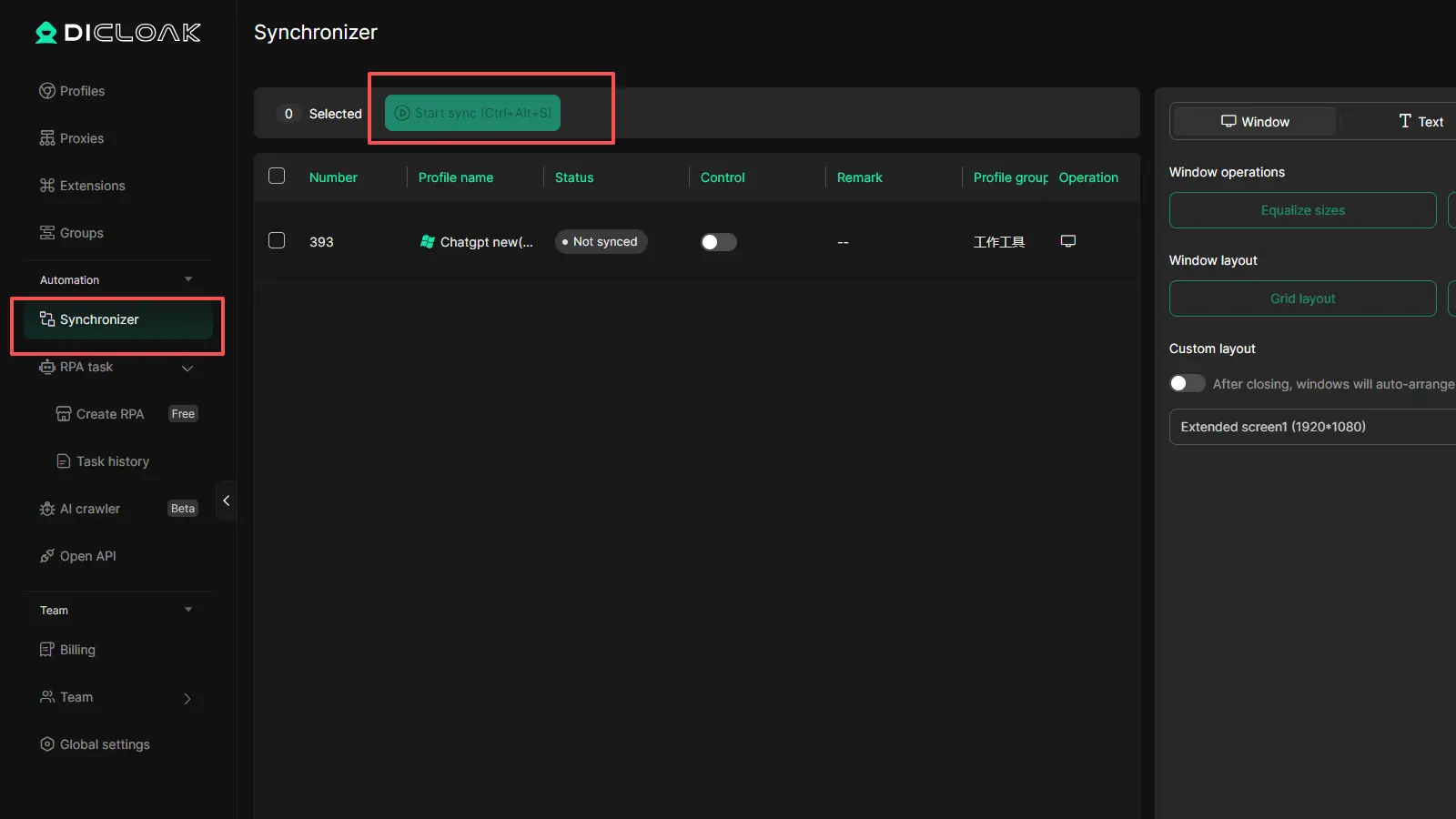
- Multi-Window Management: Synchronize data across multiple browser windows to maintain productivity and ensure redundancy even if a single session experiences a local hang.
Effective Alternatives to Use When Claude AI is Unavailable
Maintaining workflow continuity during a confirmed origin-side outage requires a pre-configured redundancy strategy.
Shifting Workflows to Redundant LLM Providers
Infrastructure analysts recommend a multi-model approach. Professional environments should maintain active accounts with at least one other major cloud-based LLM provider. This allows for immediate workflow migration, ensuring that a single point of failure in Anthropic’s inference capacity does not result in a total halt of operations.
Utilizing Local Models for Sensitive Data Tasks
For processing tasks that do not require the massive parameter count of a cloud model, maintaining a local LLM on high-VRAM hardware is the ultimate redundancy. Because local models do not rely on external server health or internet connectivity, they provide a 100% uptime guarantee for data cleaning, summarization, and basic code generation during major cloud service disruptions.
Best Practices for Maintaining Uninterrupted AI Workflows in 2026
Proactive infrastructure management minimizes the impact of server failures on business-critical tasks.
Setting Up Redundant API Access for Enterprise Use
The web interface is often the first layer to fail during traffic surges. However, API endpoints frequently utilize different load balancers and resource pools. For high-availability requirements, connecting through an API-based third-party interface provides a "backdoor" that often remains functional even when the main website is returning 500-series errors.
Regularly Exporting and Backing Up Critical AI Conversations
Outages during the inference phase can occasionally lead to non-recoverable session states. It is a technical best practice to use automated tools to export conversation logs or copy outputs to local markdown files in real-time. This prevents data loss if a session is terminated by an origin-side reset or a CDN timeout.
Is it Time to Upgrade to a Paid Plan for Better Uptime?
In 2026, the primary advantage of a paid subscription is prioritized inference capacity. During partial outages or high-traffic clusters, Anthropic implements tiered access, where Pro and Team users are routed to more stable server clusters while free users encounter "Over Capacity" or HTTP 429 errors. While a subscription cannot bypass a total infrastructure collapse, it provides significantly higher resiliency against the common rate-limiting issues that plague the free tier.
Frequently Asked Questions about Claude Outages
Question 1: How long do Claude outages typically last?
Minor edge-side issues are usually resolved within 30 minutes. Major origin-side infrastructure failures are rare but can take 2 to 4 hours to stabilize globally.
Question 2: Can I still use the Claude API if the website is down?
Frequently, yes. The API and web front-end often sit on different infrastructure clusters. If the website is returning a 504 gateway timeout, the API may still be responsive.
Question 3: Why does Claude say "Unexpected Error" even if my internet is fine?
This typically signals a handshake failure or a session synchronization error. It means the server received your request but the local browser state failed to validate the response.
Question 4: Does using a proxy help with Claude connection issues?
High-quality residential proxies can resolve regional blocks or IP reputation flags. However, using a standard data center proxy may worsen the issue by triggering anti-bot protections.
Question 5: How can I get notified immediately when Claude goes back online?
Subscribing to the official Anthropic status page for SMS/email alerts is the most reliable method for tracking origin-side health.
Question 6: Will I lose my chat history if Claude crashes during a session?
Conversations are saved incrementally. While you might lose the message currently being generated during the crash, the historical logs are typically preserved once the service stabilizes.
Conclusion
Systematically diagnosing a "claude outage" requires understanding the difference between global origin-side failures and localized edge-side blocks. While legitimate downtime requires waiting for an Anthropic-side fix, the majority of access issues in 2026 stem from IP reputation, fingerprinting, and session errors. By utilizing advanced tools like DICloak and maintaining redundant API access, you can ensure that your AI-dependent workflows remain resilient against even the most persistent service interruptions.
 Web Proxy Tools
 Free Tools
 Cookie Plugin
 UA Generator
 MAC Address Generator
 IP Generator
 IP Address List
 2FA Code Generator
 World Clock
 Anonymous Check
 WebRTC Leak Test
 UUID Generator
 Free Web Proxy Site
 Proxy Checker
 FB Ad Checker
 AI Web Scraping
 Free SMM Tools
 Twitter Shadowban Checker
 Instagram Name Checker
 UTM Generator
 Username Generator
 AI Hashtag Generator
 LinkedIn Headline Generator
 Social Media Image Resizer