Watching Netflix for free is not as easy as it used to be. In 2026, higher subscription prices and stricter account-sharing rules have made streaming more expensive and less flexible for many users. At the same time, most so-called free Netflix sites are risky, unstable, or full of scams. That is why more users are looking for safer ways to access shared streaming accounts and watch in a more stable private browser setup.
Why is it getting harder to find free Netflix accounts in 2026?
The era of casual digital sharing has been systematically dismantled. In 2026, the multi-year rollout of household-locking technology has reached its peak, fundamentally changing how users interact with streaming services.
Platform security has evolved far beyond simple IP checks. Modern detection methods now use sophisticated device-identity mapping and network behavior analysis to ensure an account is only used within a single primary household. This has rendered the old practice of sharing passwords between friends or extended family nearly impossible, as systems now automatically flag and block "unauthorized" external access.
Rising monthly subscription costs
The financial barrier to premium entertainment continues to climb. As services prioritize revenue per user, the cumulative cost of maintaining high-tier plans has become a deterrent for many. This economic pressure is driving users toward alternative tools that offer a "Premium" experience without the recurring subscription burden.
How much does a Netflix subscription cost in 2026?
To understand why secure, free alternatives have become so valuable, it is necessary to look at the current market rates. The following table compares the primary plans available in the U.S. for 2026:
| Plan |
Monthly Price (U.S. 2026 est.) |
Resolution |
Key Notes |
| Standard with Ads |
$7.99 |
Up to 1080p |
Includes ads; limited content catalog |
| Standard |
$17.99 |
1080p |
Full catalog; no advertisements |
| Premium |
$24.99 |
4K Ultra HD + HDR |
Highest quality; 4 concurrent screens |
These costs are recurring and vary by region, making a stable, free-access method a critical tool for those looking to reclaim their digital budget.
Are free Netflix accounts and generator websites safe to use?
While "free streaming" searches yield thousands of results, the reality behind these sites is often predatory. As a privacy advocate, I view these unofficial mirrors as significant security threats.
The risk of malware and phishing
Most "free" streaming sites are effectively honeypots for data harvesting. They monetize through malicious advertising, using trackers and hidden scripts to compromise your device security. Phishing attempts are rampant on these platforms, often mimicking legitimate login screens to steal personal information or payment data from unsuspecting viewers.
Poor video quality and constant buffering
Beyond the security risks, the user experience on unofficial mirrors is consistently sub-par. Users typically face low-resolution video, frequent link breakage, and heavy lag. Unlike an authorized premium stream, these sites rely on unstable, overloaded servers that cannot meet the high-definition expectations of a modern 2026 audience.
Can you watch Netflix for free without using a personal account?
A more technical and reliable alternative involves using "shared browser spaces" within an antidetect browser. While earlier attempts by other antidetect browsers were often plagued by lag and instability, modern implementations have solved these performance issues.
This method does not use illegal mirrors. Instead, it utilizes profile-level fingerprint synchronization. An antidetect browser creates an isolated digital identity that includes a pre-authenticated premium Netflix session. Because the browser ensures the digital fingerprint remains perfectly consistent across different devices, the streaming service views it as a single, authorized, and consistent device. This allows multiple users to access a stable, 4K-capable "Premium" environment without needing a personal login.
How do people access free Netflix accounts through a shared browser space?
Accessing premium content through a secure browser space is a straightforward three-step process designed for instant viewing.
Setting up the browser profile
The process begins by downloading a specialized antidetect browser and creating a local account. This step establishes the secure, isolated environment necessary to prevent your streaming activity from leaking into your personal browsing data.
Entering the dedicated streaming space
Once the browser is active, users navigate to the dashboard and locate the "Netflix Space." This is a dedicated area within the software designed specifically for accessing shared premium resources.
Instant HD streaming
By opening a browser window within this space, the user is taken directly to a Netflix interface that is already logged into a Premium account. There is no setup, no payment, and no personal data entry required; streaming begins immediately in full high definition.
Is it possible to watch U.S. Netflix content from any country?
Geographical restrictions remain a major hurdle for global viewers, but antidetect technology provides a robust workaround for regional blocks.
Bypassing regional blocks safely
By masking and customizing browser fingerprints, users can appear as though they are accessing the web from the United States regardless of their actual physical location. This provides full, unrestricted access to the U.S. Netflix library, which remains the most comprehensive content catalog in the world.
Future expansion to other regions
The infrastructure supporting these shared spaces is designed for global scalability. While the current focus is on U.S. resources, technical roadmaps indicate that dedicated spaces for other regions, such as Japan, are expected to roll out soon to unlock even more diverse international content.
Setting up a shared Netflix account with DICloak is a straightforward process that doesn't require technical expertise.
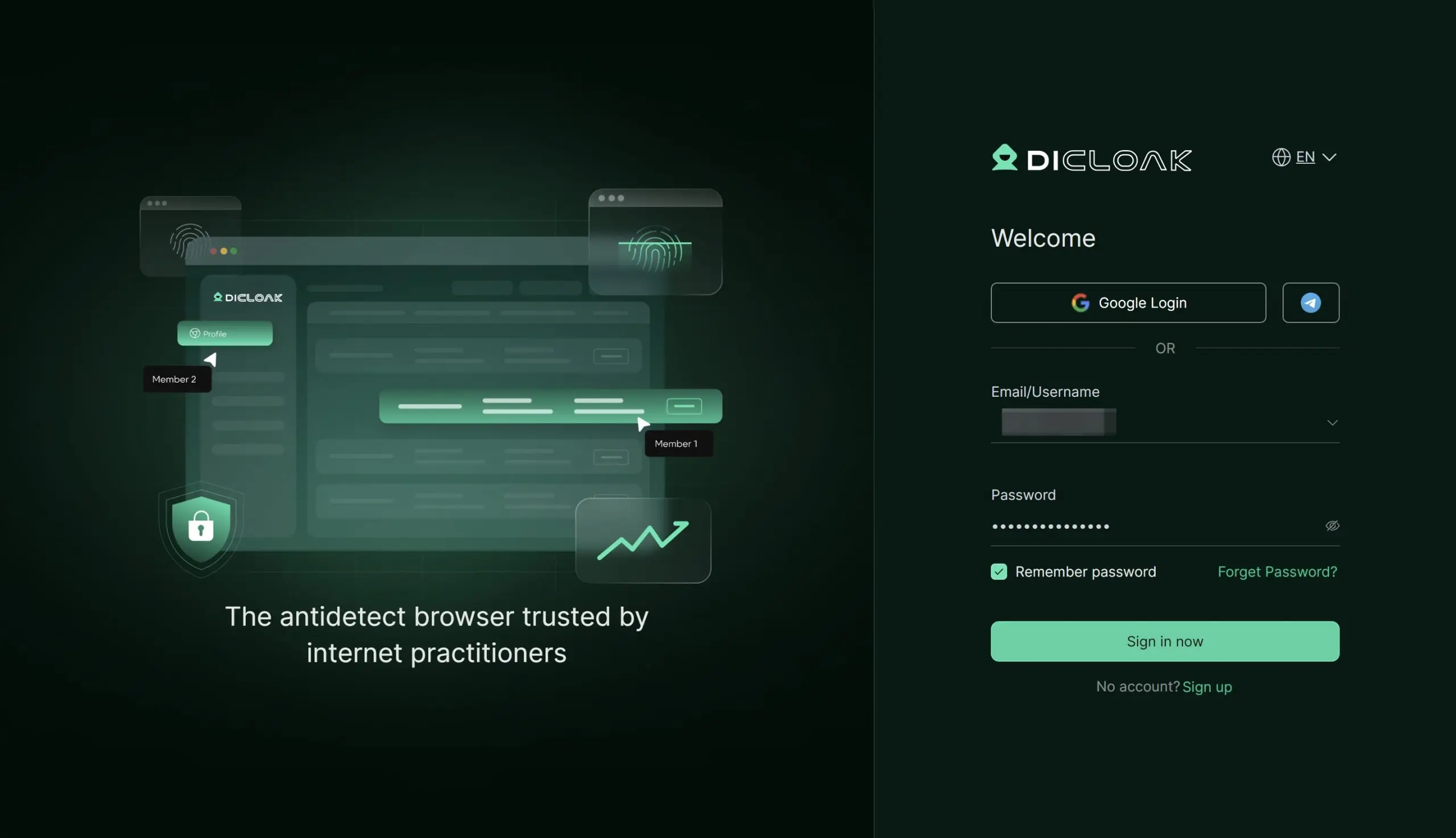
1.Download and Install DICloak
Visit the official DICloak website, register for an account, and download and install the application on your computer.
2. Choose the Right Plan
To share profiles with your team, you should subscribe to DICloak. The choice depends on your team size. The Base Plan is a good starting point for smaller teams, while the Share+ Plan is recommended for larger teams needing unlimited member access.
While not mandatory, using a single static residential proxy is highly recommended. This provides a stable, fixed IP address for your shared profile, which prevents Netflix's security systems from being flagged by logins from different locations. This greatly reduces the risk of forced logouts or other security issues. DICloak does not sell proxies but partners with several third-party providers.
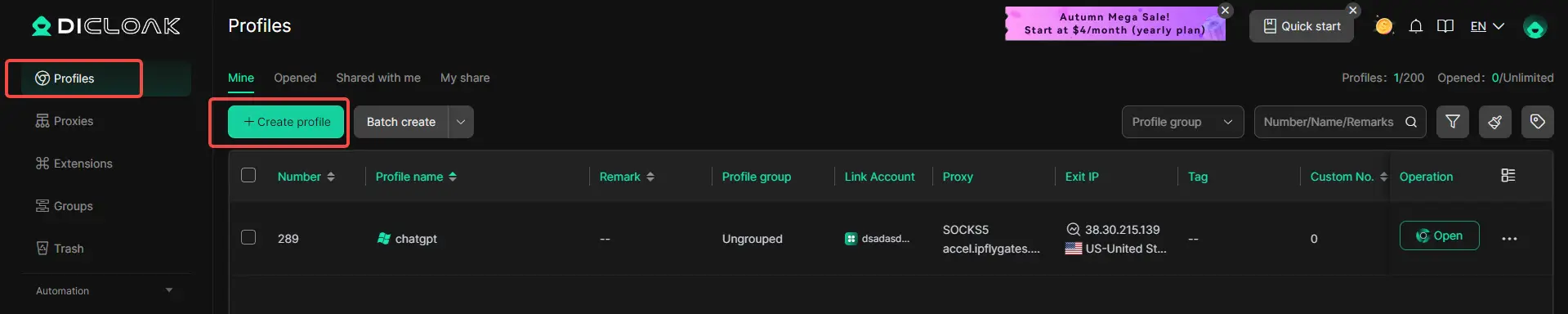
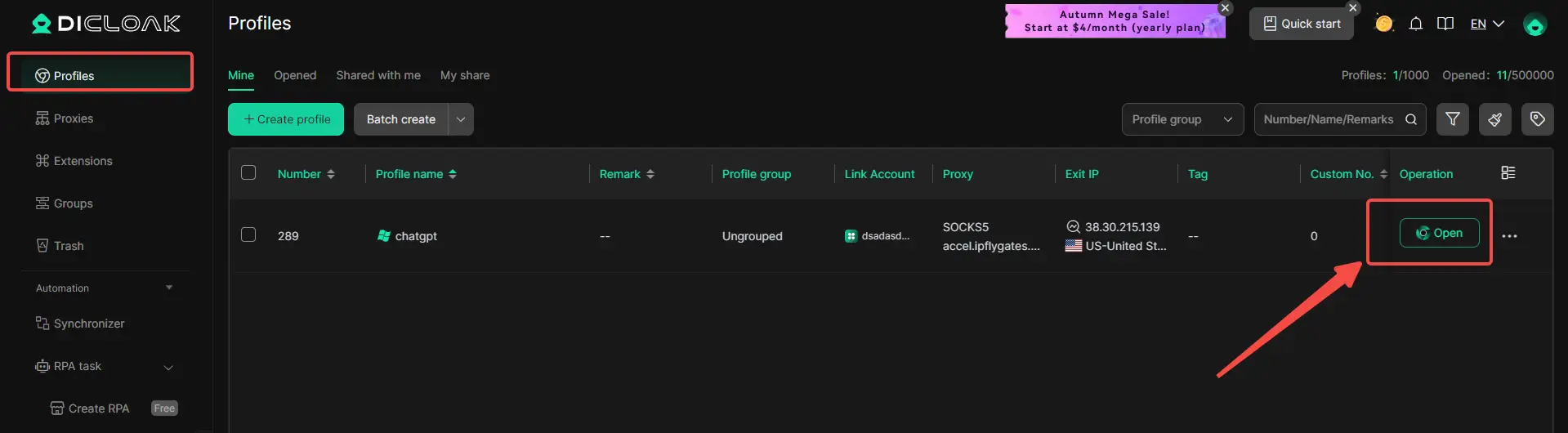
4. Create a New Browser Profile
Inside the DICloak application, create a new browser profile. This profile will serve as the dedicated, secure browser profile for your shared Netflix account.
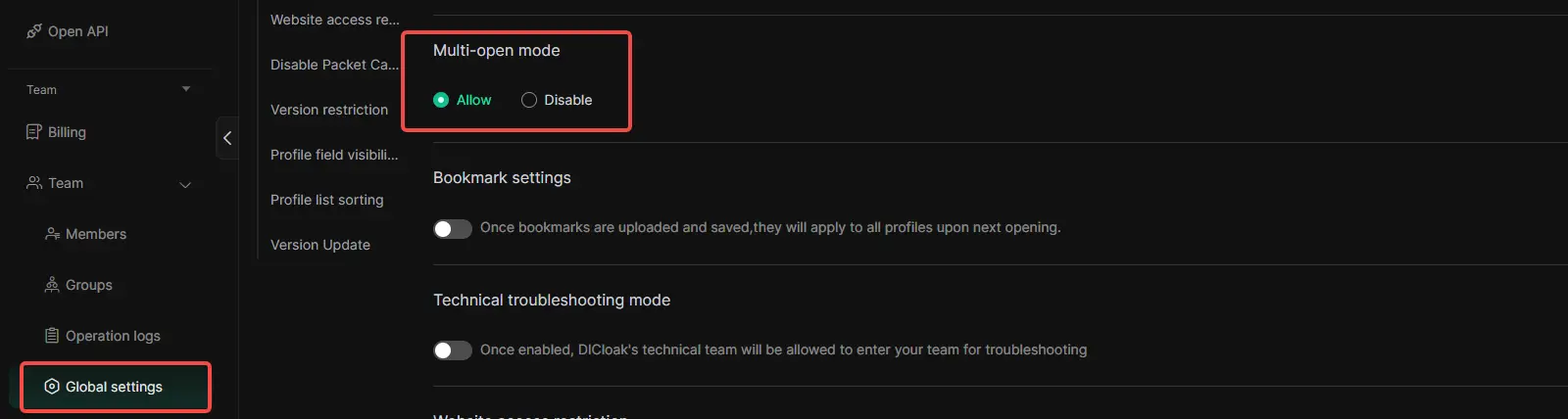
5. Enable Multi-open Mode
You shoud Go to [Global Settings], find the [Multi-open mode] option, and select [Allow].This feature allows multiple people access the same Netflix account at the same time.
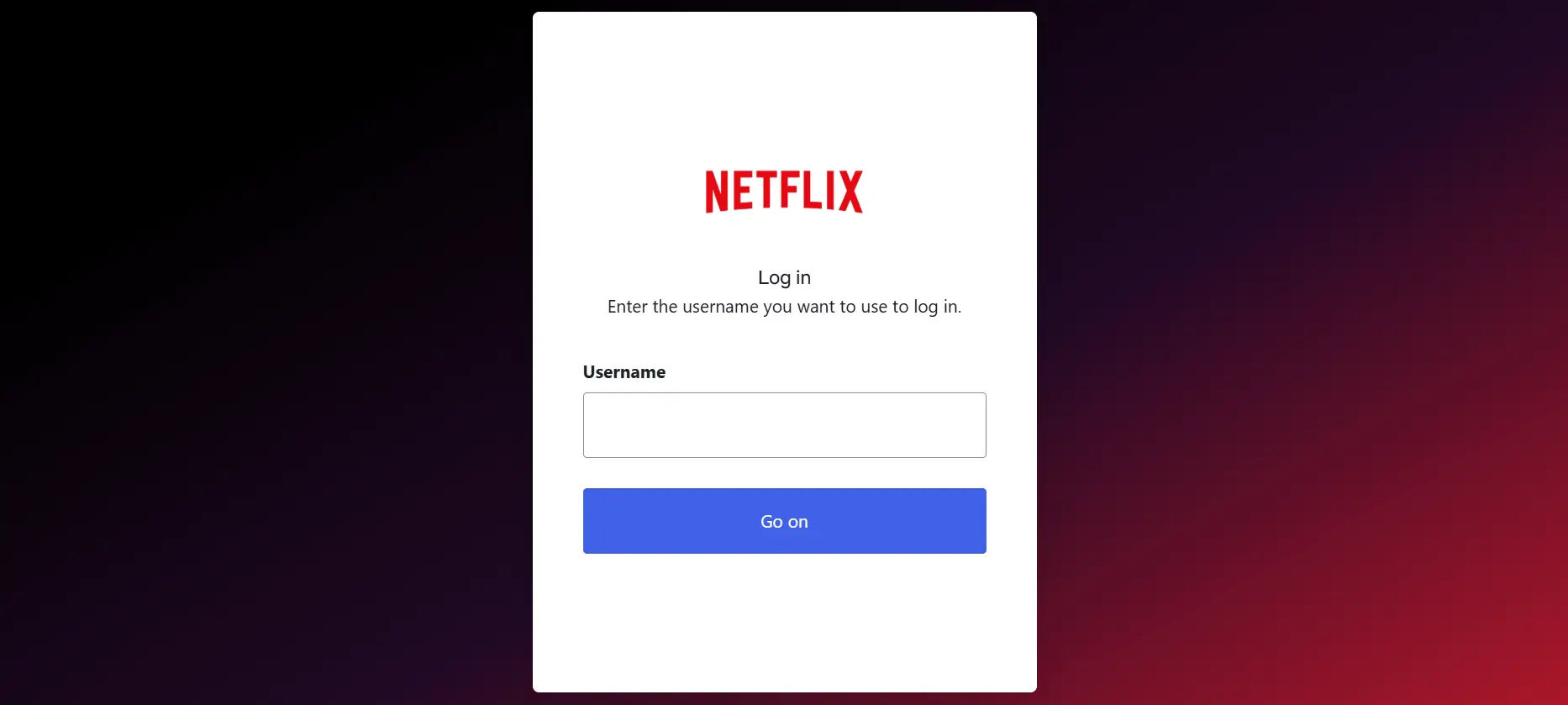
 6. Log In to Netflix
Launch the browser profile you just created. It will open a new browser window. Navigate to the official Netflix website and log in with your account credentials.
 7. Share the Profile with Your Team
Return to the DICloak main screen. Use the team feature to create members to invite your friends to your DICloak Team.
8. Access the Shared Account
Once your teammate accepts the invite, the shared profile will appear in their DICloak application. They can launch it from their own computer and will be automatically logged into the same Netflix session.
Why does security matter when using free Netflix accounts?
In 2026, entertainment should never come at the cost of your digital identity. Antidetect browsers offer a level of protection that standard proxies simply cannot match.
Protection against device tracking
Modern platforms utilize predatory tracking tactics like "canvas fingerprinting" to build a permanent profile of your hardware. Secure browsers mask these fingerprints, ensuring that your device remains anonymous and that your viewing habits aren't sold to third-party data brokers.
A completely isolated viewing environment
By keeping all streaming data separate from your personal data, you prevent potential leaks. Within an isolated profile, your primary cookies, saved passwords, and browsing history remain untouched and inaccessible to the streaming environment, creating a "sandbox" for your entertainment.
Conclusion
Watching Netflix for free in 2026 is no longer about finding the right "mirror" site; it is about using the right technical tools. By adopting antidetect browser technology and utilizing shared "spaces," users can enjoy a high-definition, premium experience safely. As streaming platforms continue to tighten their grip on user accounts, prioritizing your privacy and using secure, shared environments remains the most effective way to access global content without the burden of a subscription.
Frequently Asked Questions about Free Netflix Accounts
Do I need to create my own Netflix account to watch?
No. The shared browser space provides built-in access to a legitimate Premium Netflix account. You do not need to provide your own login credentials, registration details, or any payment information to start watching.
Is the video quality actually High Definition?
Yes. Because this method uses real premium accounts rather than unstable third-party mirrors, users can access full HD and 4K quality with the same stability as a paid subscription.
Can I use this method in any country?
Yes. Users worldwide can access the Netflix Space to stream U.S. content. This allows individuals in regions with limited catalogs or heavy censorship to view the full U.S. library safely.
Is there a cost to access the streaming space?
The Netflix Space feature is free to use. Users are not required to purchase a software package or pay any activation fees to access the shared streaming environment within the browser.
Are there other platforms like Disney+ or Hulu available?
While the current priority is Netflix, the service is expected to expand to include other major platforms like Disney+, HBO, and Hulu. Additionally, users will soon have access to shared premium resources for AI tools and productivity platforms.
 Web Proxy Tools
 Free Tools
 Cookie Plugin
 UA Generator
 MAC Address Generator
 IP Generator
 IP Address List
 2FA Code Generator
 World Clock
 Anonymous Check
 WebRTC Leak Test
 UUID Generator
 Free Web Proxy Site
 Proxy Checker
 FB Ad Checker
 AI Web Scraping
 Free SMM Tools
 Twitter Shadowban Checker
 Instagram Name Checker
 UTM Generator
 Username Generator
 AI Hashtag Generator
 LinkedIn Headline Generator
 Social Media Image Resizer