Why Does Instagram Verification Loop Happen After Changing Proxy?
An Instagram Verification Loop After Changing Proxy usually starts when something in the login environment changes and Instagram asks for another security check. You may enter the code, confirm the account, and then see the same verification screen again.
Instagram does not publish a full list of signals behind these checks. However, Meta confirms that Instagram records recent login devices and locations. It also uses IP address information as one signal for location.
That makes four areas worth checking first: the new IP and location, the proxy itself, the saved browser session, and the quality of the connection.
The New Proxy Changes Your IP Address and Login Location
Changing a proxy changes the public IP address that Instagram sees. It may also make the login appear to come from a different city or country.
Meta says a device's IP address is one of the signals Instagram can use to determine location. Instagram's Login Activity tools also show recent devices and login locations.
For example, imagine an account that normally logs in from New York. You switch to a proxy that appears in Germany and immediately get a verification request. After completing it, Instagram asks again.
The location change alone does not prove why the verification happened. Instagram does not say that every country change causes a challenge. Still, a large IP and location change is an obvious part of the login environment that changed at the same time.
If Instagram keeps asking for verification right after a proxy switch, check where the new IP actually appears before changing anything else.
The Proxy IP Has a Poor Reputation or Is Shared by Many Users
Not every proxy IP has the same history.
A shared proxy can be used by many people, so activity from different users may appear from the same public IP. Instagram does not publish a public list of “bad proxy IPs,” and there is no official rule saying that a shared proxy automatically causes an Instagram verification loop.
Still, IP-based reputation and traffic history are real concepts in web security. For example, Cloudflare lets websites allow, block, or challenge traffic based on IP address, ASN, or country, and its security products also use IP reputation in some detection systems.
A practical test is more useful than guessing.
Suppose Instagram enters a verification loop only when you use Proxy A. The same account and browser work normally on a trusted connection and with Proxy B. That does not reveal Instagram's internal reason, but it gives you strong evidence that Proxy A should be investigated or replaced.
In this case, treat the proxy as a troubleshooting variable rather than assuming the account itself is damaged.
The New Proxy Does Not Match Your Previous Browser Session
Your browser may still contain login information from the previous Instagram session while the network connection has changed underneath it.
Meta confirms that Instagram can save login information on a device. Instagram also supports clearing cookies and cache from its in-app browser, which shows that stored browser data is part of the browsing session.
Meta also states that two-factor authentication may require a code when there is a login attempt from a device it does not recognize.
Instagram does not publicly explain exactly how a previous cookie session is compared with a new proxy IP. So it would be inaccurate to say that a cookie-IP mismatch always triggers Instagram proxy verification.
But the combination is still useful to test.
For example, an account may have a saved session created while using a U.S. connection. You then switch to a very different proxy and the verification page starts looping. If the new proxy works normally elsewhere, test the Instagram session separately instead of changing the proxy again and again.
The goal is to find out whether the problem follows the proxy or the saved session.
An Unstable Proxy Interrupts the Instagram Verification Process
Sometimes the verification loop is not mainly about location or account security. The proxy connection may simply be unstable.
Instagram's own troubleshooting guidance tells users to check their internet connection when the app is not working. Network quality is also more than download speed. Cloudflare measures latency, packet loss, loaded latency, and jitter because these factors affect whether requests complete reliably.
Consider this example.
Instagram sends a verification code. You enter it and submit the form. At that moment, the proxy connection drops for a few seconds. The next request does not complete correctly, and Instagram returns you to the verification page.
From the user's side, it looks like Instagram verification after proxy change has failed. But the real issue may be the network path.
Test several websites through the same proxy. If pages freeze, requests time out, or connections fail at random, fix the proxy first.
An unstable connection is one of the easiest Instagram proxy issues to rule out before you start changing passwords, cookies, or account settings.
How to Fix Instagram Verification Loop After Changing Proxy
Once you know what may have triggered the loop, the next step is to stabilize the login setup. Avoid changing several things at once. That makes it harder to tell what actually fixed the problem.
For an Instagram Verification Loop After Changing Proxy, a good order is simple: keep one connection, complete Instagram’s official verification, compare it with a trusted network, and only then test another proxy or browser session.
Stop Changing Proxies During the Verification Process
If Instagram is already asking you to verify the account, avoid switching to a new proxy after every failed attempt.
Each proxy change can also change the IP address or apparent login location. Instagram lets users review recent login devices and locations, so repeated connection changes can make troubleshooting more confusing.
For example, suppose verification starts on Proxy A. You then try Proxy B, Proxy C, and mobile data within a few minutes. Even if one attempt works, you will not know which change mattered.
Instead, keep one stable connection while you complete the current verification. If Instagram keeps asking for verification, note the result before changing anything else.
Complete Verification Through Instagram’s Official Methods
Use the verification method Instagram provides on the login screen or inside Accounts Center.
If two-factor authentication is enabled, Instagram may ask for a login code when it does not recognize a device. Meta supports authentication apps, SMS codes, and backup codes depending on how the account is configured.
For example, if Instagram asks for a six-digit code, complete that step through the linked authentication method instead of repeatedly restarting the login.
If you cannot access the account at all, Instagram also provides an official account recovery process for password problems, identity confirmation, email access issues, and hacked accounts.
This should come before trying random fixes for Instagram proxy verification.
Test the Account on a Trusted Connection
If verification still loops, remove the proxy and test the same account on a connection you already trust.
Instagram’s troubleshooting guide recommends comparing different connections, such as Wi-Fi and mobile data, when checking whether a problem is network-related.
For example:
- Proxy connection: verification appears again after submission.
- Trusted home Wi-Fi: verification completes and Instagram opens.
That result does not prove exactly why the proxy failed. But it strongly suggests that the network path deserves more attention.
If the Instagram verification after proxy change also continues without the proxy, the problem may no longer be mainly proxy-related.
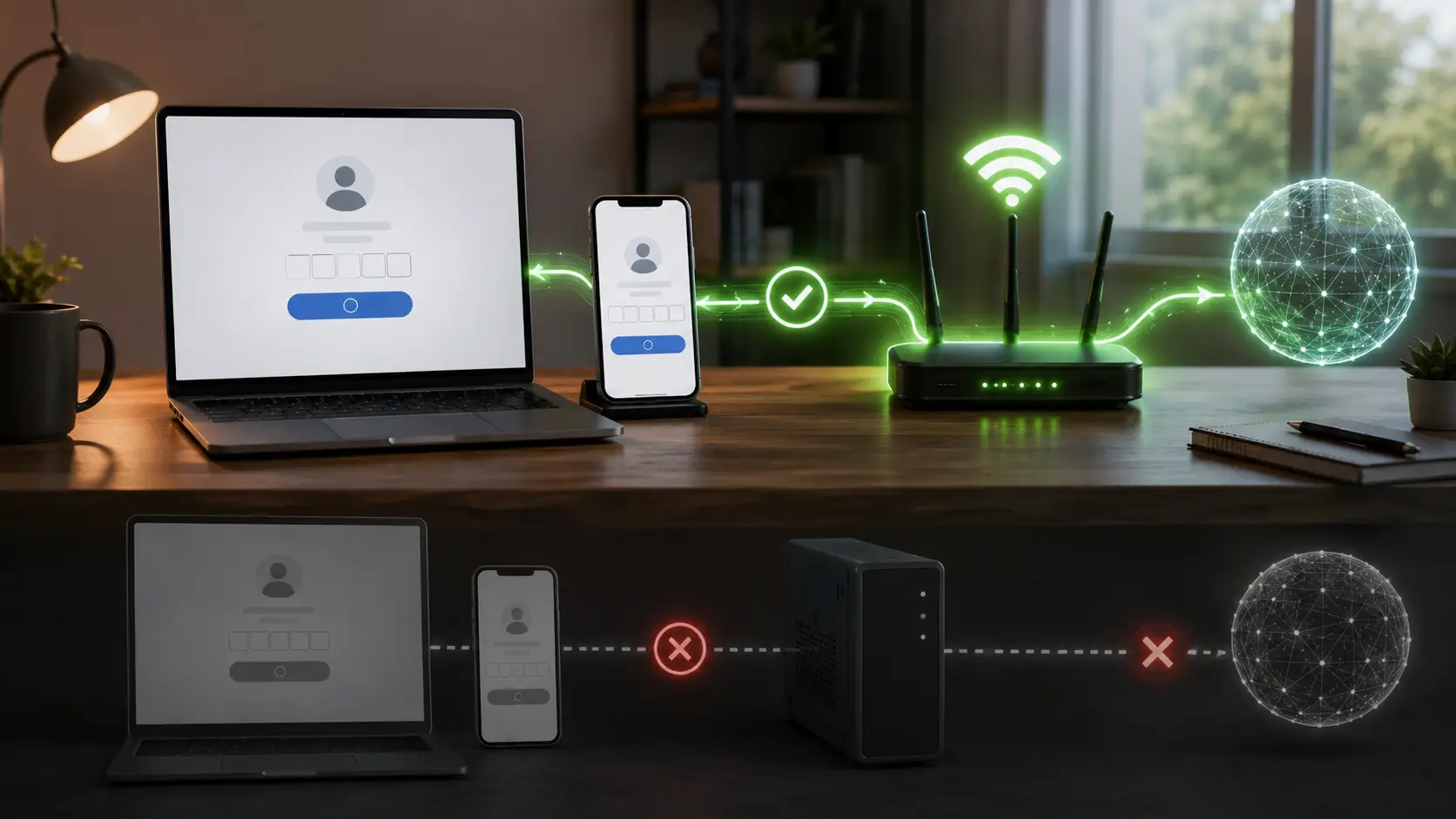
Replace the Proxy If the Verification Loop Only Happens With That IP
If the account works on a trusted connection but returns to the verification loop every time you use one specific proxy, test another known-working proxy.
Keep everything else the same.
For example, use the same Instagram account, same browser Profile, and same saved session. Change only Proxy A to Proxy B.
If Proxy B works while Proxy A repeatedly triggers the same problem, that comparison points to Proxy A as the main variable. This is a troubleshooting inference, not proof of Instagram’s internal reason.
At that point, replacing the problem proxy is more useful than repeatedly changing the Instagram password or browser settings.
This controlled comparison is one of the simplest ways to separate account problems from Instagram proxy issues.
Test a Clean Browser Session When the Current Session Is Stuck
Sometimes the proxy is no longer the problem, but the current browser session still returns to the same verification page.
In that case, test a clean Instagram session once.
Meta provides an option to clear cookies and cache in Instagram’s in-app browser, showing that stored browser data can be cleared when a browsing session is not behaving correctly.
For example, suppose verification first failed while using an unstable proxy. You later switch back to a working connection, but the same browser session still loops. Open a clean session with the working connection and compare the result.
Do not clear cookies after every failed attempt. If the clean session works, the old session becomes a useful troubleshooting clue.
The key to fixing an Instagram Verification Loop After Changing Proxy is to keep each test controlled. Change the connection, proxy, or session one at a time. That way, you can find the real weak point instead of creating a new one.
How to Tell If the Proxy Is Causing the Instagram Verification Loop
After trying the basic fixes, the next step is to confirm whether the proxy is actually causing the problem. This matters because an Instagram Verification Loop After Changing Proxy can look like an account issue even when the real problem is the network connection.
The best way to test it is to keep the Instagram account and browser Profile the same. Change only the connection. Then compare the results.
Compare Instagram With and Without the Proxy
Start with a simple A/B test.
First, open Instagram with the proxy enabled. Note what happens. Then disable the proxy and try the same account on a trusted connection, such as your normal Wi-Fi or mobile data.
Instagram’s own troubleshooting guide recommends comparing Wi-Fi and mobile data when checking whether a problem is related to the internet connection.
For example:
- With Proxy A: Instagram completes one check, then asks for verification again.
- Without the proxy: the same account opens normally.
That pattern strongly suggests the proxy path should be investigated first.
If Instagram keeps asking for verification on both connections, the issue may not be caused by the proxy alone. The browser session or account access may also need attention.
Check the Proxy IP, Location, and Connection Stability
If the problem appears only with the proxy, check what that connection actually looks like.
Start with the public IP and its location. IP geolocation systems can map an IP to details such as country and city, although the result is not always perfect. Instagram also lets users review recent login devices and locations, so a large change in the connection is useful context during troubleshooting.
Then check stability.
Cloudflare recommends looking at more than speed. Latency, jitter, packet loss, and timeouts can all point to network problems.
For example, if Instagram enters an Instagram verification loop and other websites also freeze or time out through the same proxy, the connection itself is a stronger suspect.
Test the Same Account With Another Known-Working Proxy
The final comparison is to replace only the proxy.
Keep the same Instagram account, browser Profile, cookies, and general setup. Then switch from the problem proxy to another proxy that you already know works.
For example:
Proxy A: Instagram verification repeats.
Proxy B: same account and Profile, but verification completes normally.
This does not reveal Instagram’s internal decision process. However, it gives you strong troubleshooting evidence that Proxy A is the main variable.
This type of controlled test is useful for separating Instagram proxy issues from account or browser problems. If the Instagram verification after proxy change disappears only when Proxy A is removed, replacing that proxy is more practical than repeatedly changing passwords, cookies, or browser settings.
The goal is simple: change one variable, compare the result, and keep the setup that gives the most stable outcome.
How to Prevent Instagram Verification Loops When Switching Proxies
Once you know how to identify the problem, prevention becomes much simpler. The goal is not to keep changing settings until Instagram works. It is to keep the login environment as consistent as possible.
For an Instagram Verification Loop After Changing Proxy, focus on four things: proxy location, change frequency, browser session consistency, and connection quality.
Keep the Proxy Location Consistent With the Account Setup
Instagram confirms that connection information, including your IP address, can be used as a signal when determining location.
This does not mean that every location change will trigger an Instagram verification loop. But large changes are worth avoiding when they are not necessary.
For example, if an account normally uses a U.S. connection, switching from a U.S. proxy to one that appears in Germany creates a much larger location change than moving to another stable U.S. connection.
You can also review recent login devices and locations through Instagram's Login Activity tools. If the location shown there is very different from what you expected, check the proxy before continuing.
Avoid Frequent Proxy Changes on the Same Instagram Account
There is usually little value in switching proxies again and again during the same login session.
Each change can also change the IP address or location that Instagram sees. Since Instagram records recent login devices and locations, repeated changes can make it harder to understand what caused an Instagram proxy verification request.
For example, avoid moving one account through three or four proxies within a few minutes just because verification appeared once.
If a proxy is working, keep it during the test. Replace it only when there is a clear problem, such as connection failure, unexpected location, or repeated verification that disappears on another connection.
This also makes future Instagram proxy issues easier to diagnose because you have a stable baseline to compare.
Keep the Same Browser Profile, Cookies, and Session When Possible
The network should not be the only part of the setup that stays consistent.
Instagram supports saved login information on devices, which allows users to return to an account without entering all login details again. This shows why the existing browser or device session can be useful during troubleshooting.
For example, if Account A normally works in Profile A, keep using that Profile while testing a new proxy. Do not also move the account into a fresh browser, clear every cookie, and change several settings at the same time.
If Instagram keeps asking for verification, changing all of those parts together makes it difficult to identify the cause.
A clean session can still be useful when the current one appears stuck. But it should be a controlled test, not something you do every time you change a proxy.
Check Proxy Connectivity Before Logging Into Instagram
A final habit is to test the proxy before opening Instagram.
A proxy may appear online but still have poor latency, packet loss, or unstable routing. Cloudflare's network quality tools measure factors such as latency, packet loss, loaded latency, and jitter because connection quality depends on more than download speed alone.
Before logging in, open several normal websites through the proxy. Make sure pages load without repeated timeouts or sudden connection drops.
For example, if the proxy already struggles to load other websites, do not use Instagram verification as the first test. Fix the connection first.
This simple check can reduce cases where an Instagram verification after proxy change looks like an account problem when the real cause is an unstable network path.
The best prevention method is consistency. Keep the proxy location reasonable, avoid unnecessary IP changes, return to the same browser Profile when possible, and test the connection before login. These steps cannot guarantee that Instagram will never request verification, but they make an Instagram Verification Loop After Changing Proxy much easier to avoid and troubleshoot.
How DICloak Helps Reduce Instagram Proxy Verification Problems
The prevention steps above are easy to follow when you manage one Instagram account. They become harder when several accounts, proxies, cookies, and browser sessions are involved.
This is where DICloak Antidetect Browser can help. It lets you keep Instagram accounts in separate browser Profiles, configure proxies for individual Profiles, and maintain separate fingerprint settings. The goal is not to guarantee that Instagram will never ask for verification. It is to keep the browser-side setup more consistent, so an Instagram Verification Loop After Changing Proxy is easier to prevent and troubleshoot.
Keep Each Instagram Account in a Separate Browser Profile
DICloak uses isolated browser Profiles for multi-account management. Its social media solution is designed to let different accounts run in separate Profiles instead of sharing the same browser space.
For example, if you manage several Instagram accounts, each one can stay in its own Profile with its own login session and browser data.
This becomes useful when one account enters an Instagram verification loop. You can focus on that Profile without changing the browser setup used by your other accounts.
Instead of asking, “Which proxy and session did this account use last time?”, the Profile already gives you a clear working space for that account.
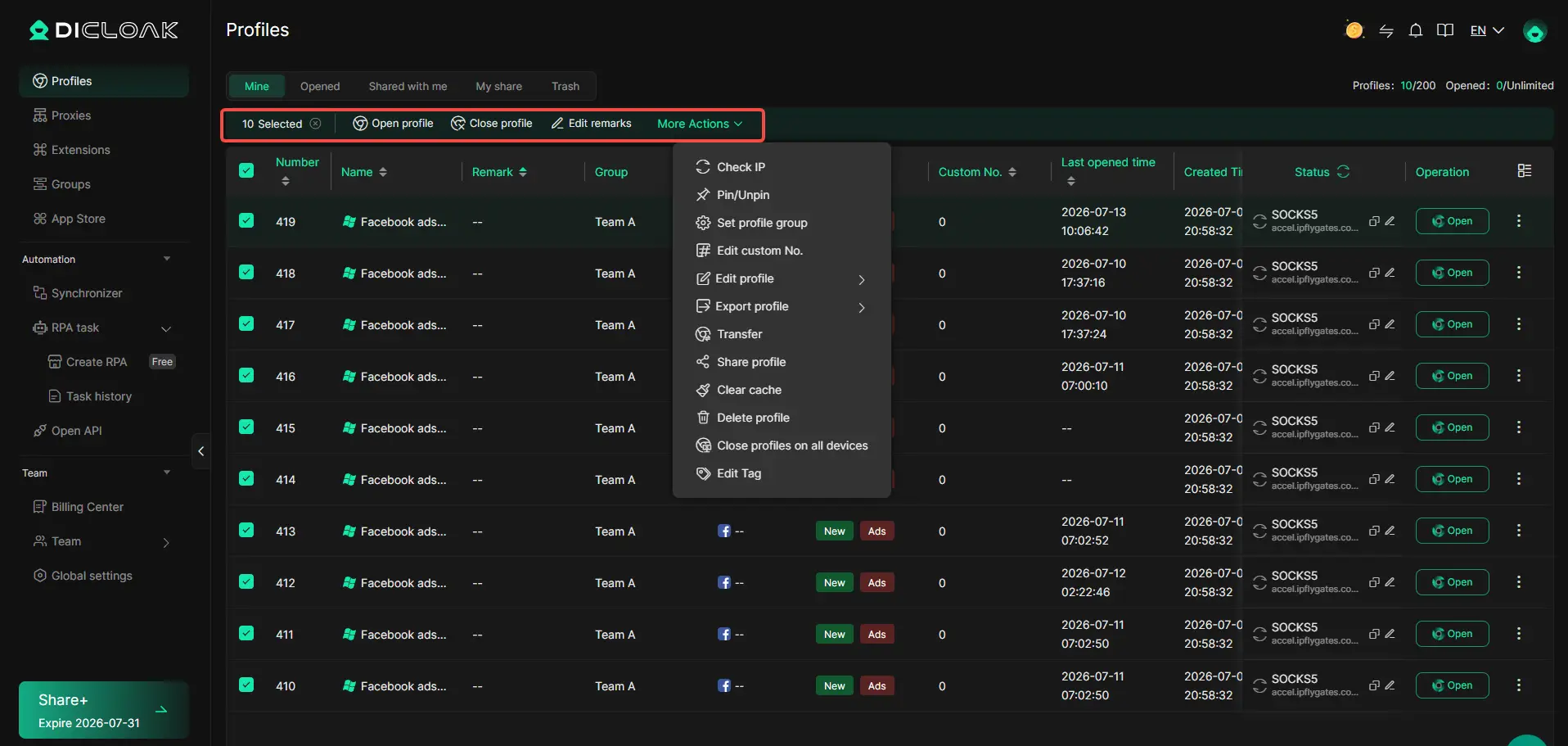
Assign a Stable Proxy to Each Instagram Profile
DICloak supports proxy configuration for individual Profiles and common proxy protocols such as HTTP, HTTPS, and SOCKS5. It also supports managing multiple proxy setups as part of a larger multi-account workflow.
A simple setup could keep Instagram Account A with one proxy and Account B with another.
The useful part is consistency. If Account A normally works with Proxy A, you do not need to manually switch between several proxies every time you open the account.
If Instagram keeps asking for verification after Proxy A changes, you also know which connection needs to be checked. This makes the proxy one clear variable instead of one of several settings that may have changed.
Keep Cookies, Sessions, and Fingerprint Settings Consistent
A proxy is only one part of the Instagram login environment.
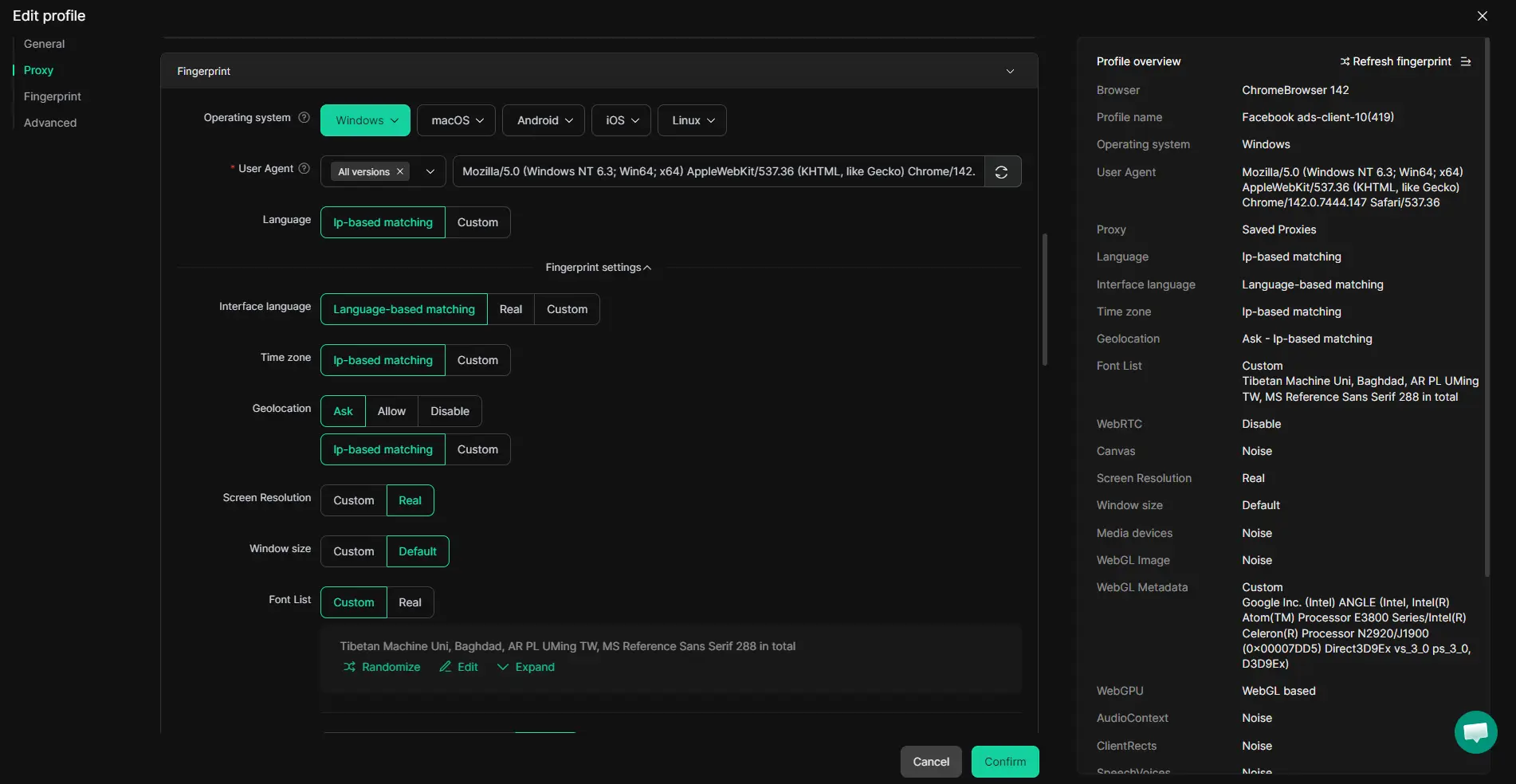
DICloak also lets each Profile use its own browser fingerprint. The Solution library describes isolated Profiles with unique fingerprint settings for social media accounts.
For troubleshooting, the important point is not to keep randomizing these settings. It is usually more useful to keep a working Profile stable.
For example, if an Instagram account normally works inside Profile A with its saved session, proxy, and fingerprint settings, keep that setup as your baseline. If Instagram proxy verification appears later, first check what actually changed.
That gives you fewer variables to investigate and makes an Instagram verification after proxy change easier to understand.
Check Proxy Connectivity Before Opening the Profile
Before you open Instagram, make sure the proxy assigned to the Profile is still working as expected.
This is especially useful after a proxy has expired, changed credentials, or started having connection problems. DICloak supports multiple proxy protocols and lets proxy settings stay connected with individual Profiles.
For example, if a Profile normally uses a U.S. proxy, verify that the connection still works and appears in the expected region before starting an Instagram verification flow.
If the proxy is already unstable, fix that first. There is little value in starting another login attempt through a connection that may fail halfway through verification.
Used this way, DICloak does not replace Instagram's official verification process. Its value is keeping Profiles, proxies, browser sessions, and fingerprint settings easier to organize. For teams or users managing several Instagram accounts, that can make Instagram proxy issues much easier to isolate without constantly rebuilding the login environment.
FAQs About Instagram Verification Loop After Changing Proxy
Q1: Can changing proxies permanently fix an Instagram Verification Loop After Changing Proxy?
Not necessarily. Switching to another proxy may help if the original IP or connection is causing the Instagram verification loop, but it does not guarantee a permanent fix.
If Proxy A causes repeated verification while the same account works on a trusted connection or Proxy B, Proxy A is the stronger suspect. Keep the rest of the browser setup unchanged while testing. Frequent proxy changes can make the real cause harder to identify.
Q2: Why does Instagram keep asking for verification after I already completed it?
If Instagram keeps asking for verification, the verification request may be repeating because the login environment is still changing or the session has not completed normally.
Instagram can require an authentication code when it does not recognize a login device, and users can review recent login devices through Login Activity.
For an Instagram Verification Loop After Changing Proxy, keep one stable connection, complete the official verification once, and then check whether the loop continues before changing other settings.
Q3: Are residential proxies better for avoiding Instagram proxy verification?
A residential proxy is not automatically a fix for Instagram proxy verification. Instagram does not publish an official rule saying residential proxies are always safer or less likely to trigger verification than datacenter proxies.
What matters during troubleshooting is whether the proxy has the expected location, stays connected, and works consistently with the account's browser session. If an Instagram Verification Loop After Changing Proxy appears only with one proxy, test another known-working connection instead of judging the proxy only by its type.
Q4: How can I avoid an Instagram Verification Loop After Changing Proxy while traveling?
When traveling, avoid changing several parts of the login setup at the same time. If possible, keep the same device, browser Profile, cookies, and login session while your network location changes.
Instagram lets you review recently logged-in devices and locations, and two-factor authentication can require a code for a device it does not recognize.
If verification appears, complete the official check first rather than moving through several proxies or networks within a short period.
Q5: What should I do if Instagram locks my account after proxy use?
First, stop repeatedly changing proxies and try Instagram through a trusted connection. Then check Login Activity for devices or locations you do not recognize.
If you still cannot log in, use Instagram's official account recovery process. It provides help for password problems, identity confirmation, email access issues, and compromised accounts.
If Instagram specifically says the account has been disabled, follow the recovery instructions shown when you log in rather than treating it only as an Instagram proxy issue.
 Web Proxy Tools
 Free Tools
 Cookie Plugin
 UA Generator
 MAC Address Generator
 IP Generator
 IP Address List
 2FA Code Generator
 World Clock
 Anonymous Check
 WebRTC Leak Test
 UUID Generator
 Free Web Proxy Site
 Proxy Checker
 FB Ad Checker
 AI Web Scraping
 Free SMM Tools
 Twitter Shadowban Checker
 Instagram Name Checker
 UTM Generator
 Username Generator
 AI Hashtag Generator
 LinkedIn Headline Generator
 Social Media Image Resizer