Scrolling through endless product lists, nothing stands out. One supplier claims their gadget is flying off the shelves; five others sell the same thing with barely any reviews. Figuring out how to find winning products for dropshipping means cutting through this noise, before you waste ad budget or lock up cash in slow-moving stock.
The risk isn't just picking a dud. Relying on the same TikTok trends or copying top-seller lists puts you in a race to the bottom. By the time you spot a product blowing up on social media, bigger sellers may have already squeezed out the easy profits. New dropshippers get caught chasing yesterday’s hits instead of building a repeatable way to spot the next one.
What actually works is a system. You need practical dropshipping product research tips: how to filter supplier claims, spot short-term fads versus real trends, and test an idea without burning through your balance. The right workflow means you’re not guessing, you’re running small, fast tests and moving on quickly when something stalls out.
Start with the signals that matter most before you even add a product to your shortlist.
What Makes a Product a 'Winner' in Dropshipping Today?
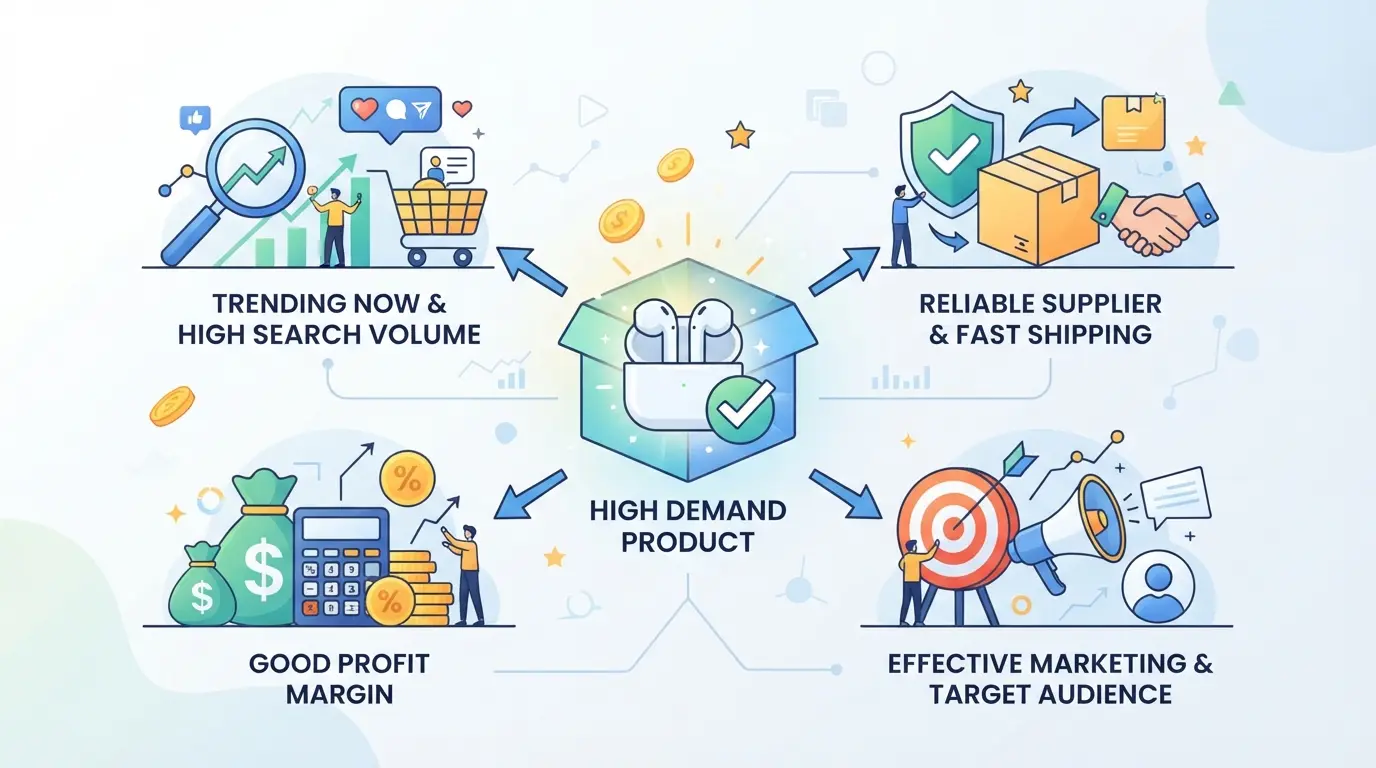
A product only counts as a “winner” if it solves a real need right now, delivers a strong margin, and doesn’t drown in copycat competition before you get traction. Chasing yesterday’s viral hits almost always leaves you with sunk costs and unsold stock.
Solves a Real, Current Problem or Desire
Products that address today’s pain points always outperform generic “nice to have” items. In 2026, examples include portable air purifiers for urban commuters and blue-light glasses tuned for high-refresh-rate screens. If people feel the problem daily, they buy faster, no hype needed.
High Perceived Value, Low Sourcing Cost
Impulse buys work when shoppers feel like they’re getting a deal well above the price tag. The sweet spot is a product that looks like a $60 solution but costs you $8 landed. This gap covers refunds, ads, and still leaves room for profit. Miss the margin, and you’ll see ads eating your gains or refund rates killing cash flow. For example, a collapsible kitchen gadget might seem trendy, but if suppliers charge $20 and you can only sell for $30, there’s no buffer for returns or rising ad costs, leaving you exposed to sudden losses.
Low Competition or Fresh Angle
If dozens of sellers are already running the same ad creatives and price points, it’s nearly impossible to break in with a generic listing. Instead, look for a new twist or a fresh bundle, like a basic dog leash paired with a reflective, customizable name tag, so you’re not just another copy in the search results. This keeps your offer from blending into a sea of sameness.
Easy to Ship and Handle
Shipping gets expensive and risky if a product is heavy, fragile, or flagged by carriers. A compact, lightweight fitness band avoids most of these issues, you won’t face high shipping costs, breakage claims, or customs delays that eat up your margin or lead to angry customers demanding refunds.
Impulse-Buy Friendly and Social Media Ready
For a product to catch fire on social platforms, it should tick off a few boxes:
- Looks eye-catching in photos or short videos
- Delivers a “wow” or surprise in seconds
- Solves a problem people want to share or brag about
These factors make your offer not just scroll-stopping, but also easy for others to reshare, fueling organic reach.
The real test of how to find winning products for dropshipping is how well your pick fits these criteria before you ever launch an ad. Next, see how experienced sellers actually spot these winners in the wild.
How Do Successful Sellers Actually Find Winning Products?

The real answer isn’t about copying what’s trending, it’s about building a repeatable process to spot new product winners before everyone else. Successful dropshippers don’t rely on luck or influencer hype. They use a mix of software, marketplace data, and hands-on testing to find what sells now, not last week. Here’s how top sellers actually do it.
use Product Research Tools and AI Platforms
In 2026, product research tools and AI platforms are table stakes for serious dropshippers. Tools like Minea, Dropship.IO, and Koala Inspector pull live data from ads, stores, and suppliers. AI-driven platforms now surface emerging products based on real-time shopping signals, some even flag potential winners before they show up on best-seller lists. Manual research still matters, but ignoring automation means you’ll be late to the trends.
Monitor Social Media Trends and Viral Content
- Track TikTok “trending” hashtags daily, not just weekly
- Use Meta Ad Library to see which products get repeat ad spend
- Watch for sudden spikes in Instagram Reels or Facebook groups
Analyze Best-Seller Lists on Major Marketplaces
Amazon’s “Movers & Shakers” and AliExpress’s hot lists let you spot products with fast-rising sales. What matters isn’t just what’s at the top, but which products jumped up the rankings in days, not months. Filter for items with low review counts but high sales velocity; this usually means less competition and a fresher trend.
Join Niche Communities and Forums
Reddit subs, Discord groups, and specialized forums often surface product ideas before they hit mass-market lists. Instead of just reading “what’s hot” threads, look for repeated mentions by different users and cross-check for actual purchase experiences. Beware of posts that sound like marketing copy, genuine feedback usually includes both praise and real-world complaints.
Use Google Trends and Keyword Tools
Checking search demand is the fastest way to dodge one-hit-wonder flops. Short-term spikes often fade before your ads are even live.
- Compare last 90 days vs. last 12 months in Google Trends for seasonality
- Use keyword tools to spot rising search phrases, not just high-volume ones
- Filter out products with only a brief viral spike, look for steady growth
The strongest sellers don’t skip these steps, they use them to rule out hype and focus on products with real, lasting demand. Before you commit any budget, you’ll want to move from research into small-scale testing. That’s where the next section picks up: validating if a product will actually sell before you risk your cash.
How to Validate If a Product Will Actually Sell (Before You Commit)
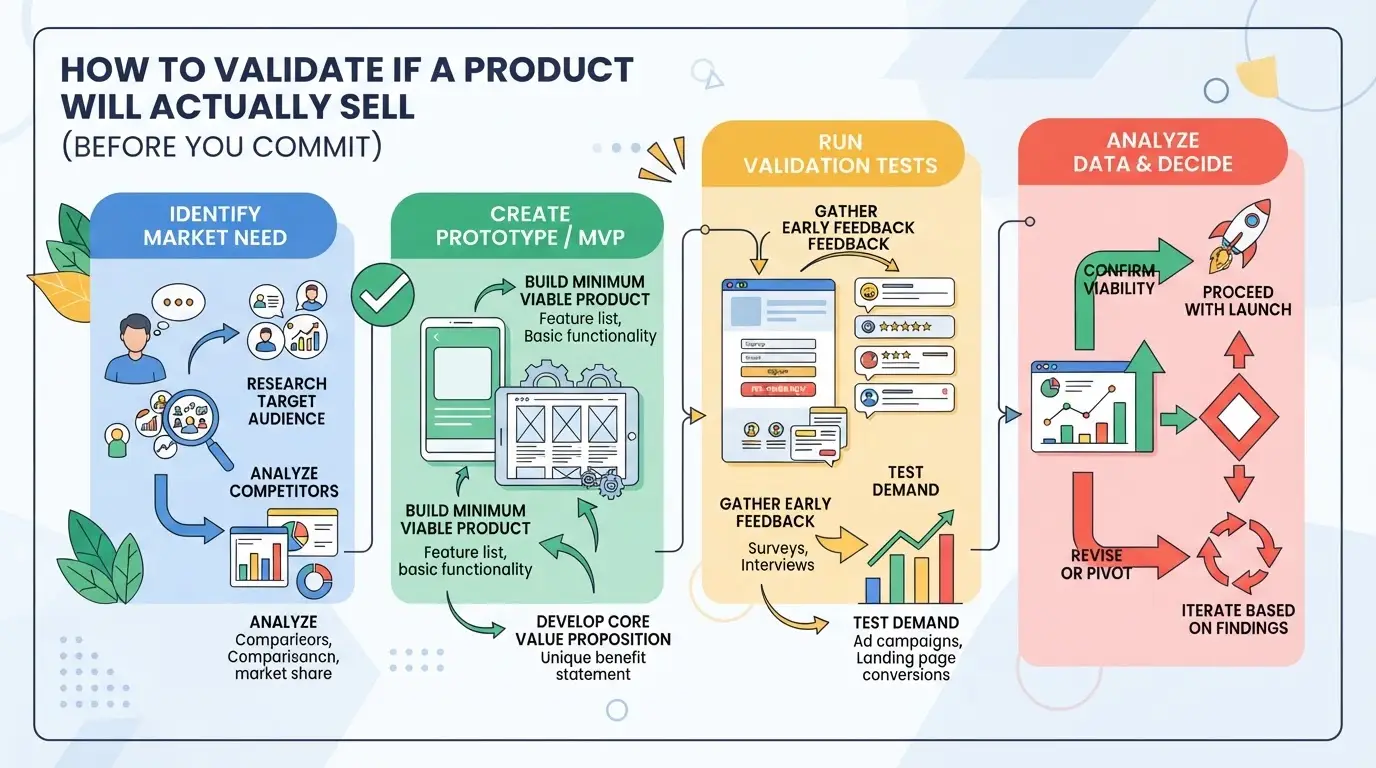
You can’t just trust supplier claims or social media hype, what matters is real buyer demand and a clear shot at profit. Here’s how to test if a product will actually sell before you waste time and money on it.
Check Real Market Demand and Search Volume
- Plug your product idea into Google Keyword Planner and Google Trends. If monthly search volume is below 1,000 and not rising, you’re likely dealing with a dud.
- Scan TikTok, Instagram, and YouTube for hashtags and engagement. A spike in posts without matching comment or share activity often means fake buzz or a fad that’s already fading.
- If you see steady growth in searches and real people asking questions, that’s a green flag to keep going.
Evaluate Competition and Market Saturation
- Search Facebook and TikTok for ads running your product keyword. If you see the same creative from dozens of stores, margins are probably razor-thin.
- Use tools like Minea or BigSpy to count how many unique stores are running similar ads. More than 10 active stores with recent comments? You’re late to the party.
- If you spot only a few small competitors and ad comments are still from new viewers, there’s room to test.
Assess Profit Margins and Logistics Feasibility
- List every cost: product price, shipping, payment fees, and estimated ad spend per sale. If you can’t clear at least $10 profit per order, walk away.
- Test shipping times and return policies from your supplier, slow or unreliable logistics will kill repeat business.
- Products with high shipping costs or inconsistent delivery windows burn more ad money than you think.
Read Real Customer Reviews and Feedback
- Search Amazon, AliExpress, and niche forums for your product. Look for patterns in 1- to 3-star reviews, common complaints often signal hidden defects.
- Watch for reports of missing parts, poor packaging, or slow delivery. These issues tank your refund rate and can cost more than any ad spend.
- If buyers are raving about quality and delivery, you’ve cleared a major risk.
Test with a Small Ad Budget or Pre-Orders
- Run a $50–$100 test ad targeting your main market. Track click-through rate (CTR), add-to-cart, and checkout rates. If CTR is under 1%, your offer isn’t connecting.
- Offer a pre-order with a small discount to gauge real willingness to pay. Zero orders after 100+ clicks is a clear red light.
- Only scale up if you get both sales and positive feedback, otherwise, move on fast.
Skipping these steps means you’ll probably end up on the list of sellers asking why their “winning product” failed. The next section goes deeper into the most common mistakes that sink dropshipping products, even after early signs look good.
Common Mistakes That Cause Dropshipping Products to Flop
The biggest dropshipping flops usually come down to skipping key checks, not just picking “the wrong product.” Here’s what trips up new sellers and how to avoid repeating those mistakes.
Relying Only on Best-Seller Lists Without Validation
Copying best-seller lists is a shortcut that rarely works for long. By the time a product appears on a top-seller list, the easy profits are often gone. You need to dig deeper, look for actual buyer reviews, recent sales trends, and proof that the demand isn’t just a fluke. Blindly following public rankings usually means you’re too late to the party.
Ignoring Logistics, Shipping Times, or Supplier Reliability
- Check sample shipping times with your actual supplier, not just the advertised estimate.
- Review supplier history for late orders, missing tracking, or sudden price spikes.
- Get clear on who covers lost or damaged shipments before selling.
Overlooking Product Quality and Customer Experience
Low-quality products drive refunds, chargebacks, and negative reviews that can kill your ad performance. Always order a sample and inspect it yourself, don’t rely on the supplier’s photos or promises.
Jumping on Overhyped Trends Too Late
Chasing trends after they peak leaves you stuck with dead inventory or thin margins.
- Compare search interest curves, if Google Trends shows a sharp drop, move on.
- Check ad saturation by searching Facebook Ad Library for your product.
- Avoid suppliers already offering “dropshipping packs”, the window’s probably closed.
Next, you’ll need a workflow that keeps these mistakes from repeating as you scale up product research.
How to Build a Scalable Product Research Workflow for Multiple Stores or Team Members
When you’re running more than one store or working with a team, dropshipping research falls apart fast unless you track who’s testing what, where, and why. Here’s how to keep it organized and repeatable, so you’re not just guessing at the next winner.
Organize Research by Store, Niche, or Platform
- Set up a shared spreadsheet or Kanban board for each store or channel, don’t mix Amazon, Shopify, and TikTok research in one file.
- Assign every product idea to a specific store or platform column right away. Skipping this step means you’ll waste hours chasing the wrong listings.
- Tag each product by niche (e.g., pet, electronics) to spot overlap and avoid duplicate testing.
Delegate Tasks and Set Clear Research Criteria
- Give each researcher a clear checklist: supplier checks, margin math, and competitor review.
- Set rules for validation, such as “no product passes without 3 recent sales screenshots.”
- Brief team members with examples of both good and bad research results. Lack of clarity here usually leads to missed problems or repeated work.
Track Product Tests, Results, and Decisions
- Log each product test, who ran it, and the outcome in a shared dashboard.
- Record why you dropped or kept each idea, don’t rely on memory.
- Use comments to flag products needing review. One missed update can mean testing the same flop twice.
How to Manage Multiple Dropshipping Platform Accounts and Research Profiles More Safely with DICloak
As your dropshipping business grows, the real headache is keeping research and store accounts separate, especially when you’re running multiple stores or have a team handling product testing. For operators who need to manage several platform accounts, the risk isn’t just account overlap; it’s accidental data sharing, mixed browser storage, or a team member opening the wrong profile. Here’s how teams can use DICloak to run safer, more organized workflows for multi-account dropshipping research.
Set Up Isolated Browser Profiles and Fingerprint Settings for Each Store or Account
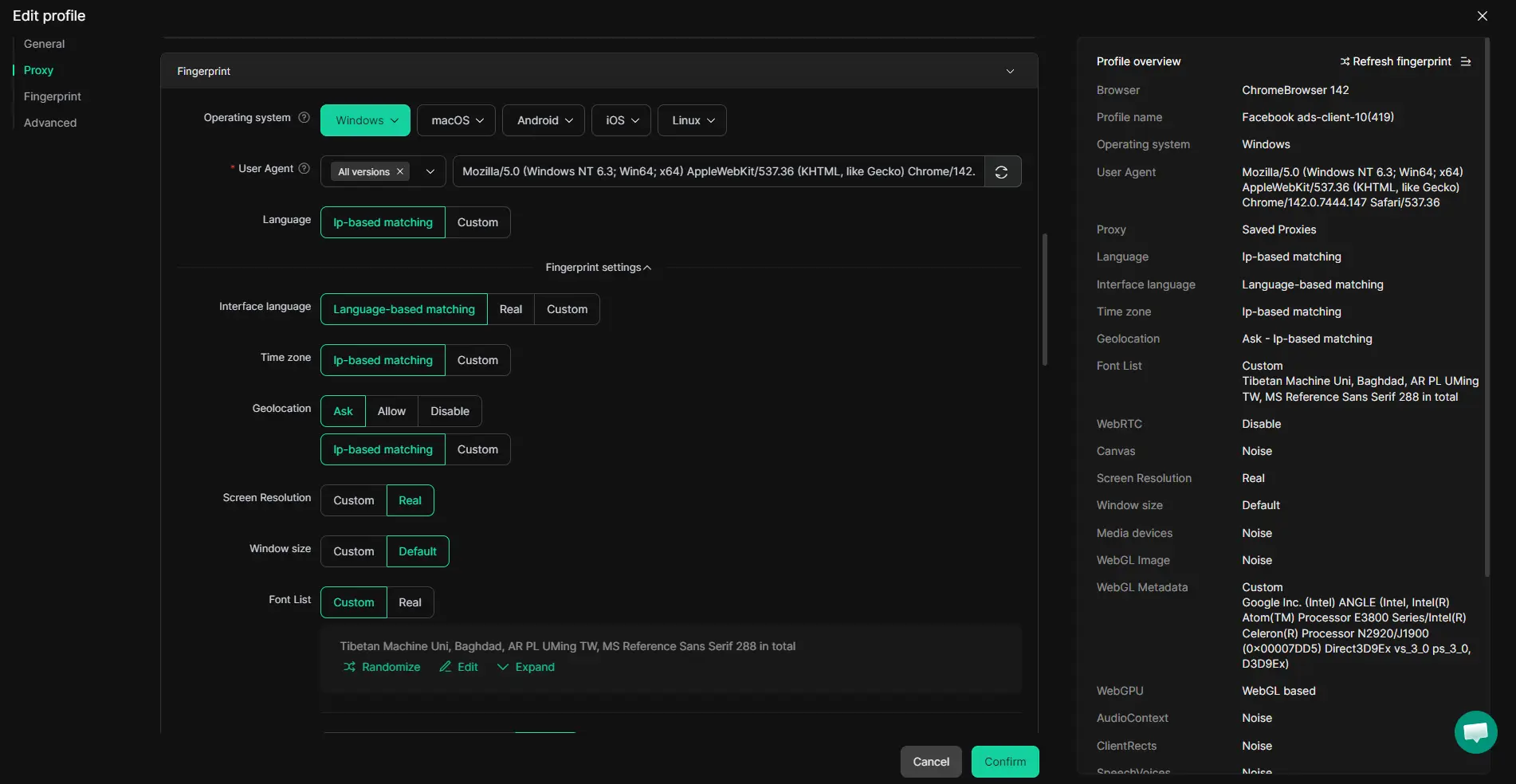
Operators can create a unique browser profile in DICloak for each store or research account, storing sessions, cookies, and fingerprint settings separately. This keeps logins, browser signals (like time zone, user agent, and screen size), and session data isolated, so actions in one workflow don’t bleed into another. If you’re running both a main Amazon store and a research-only account, each gets its own clean environment. The scope here is limited to browser profiles; it doesn’t affect account data inside the e-commerce platform itself.
Configure User-Owned Proxies for Each Profile
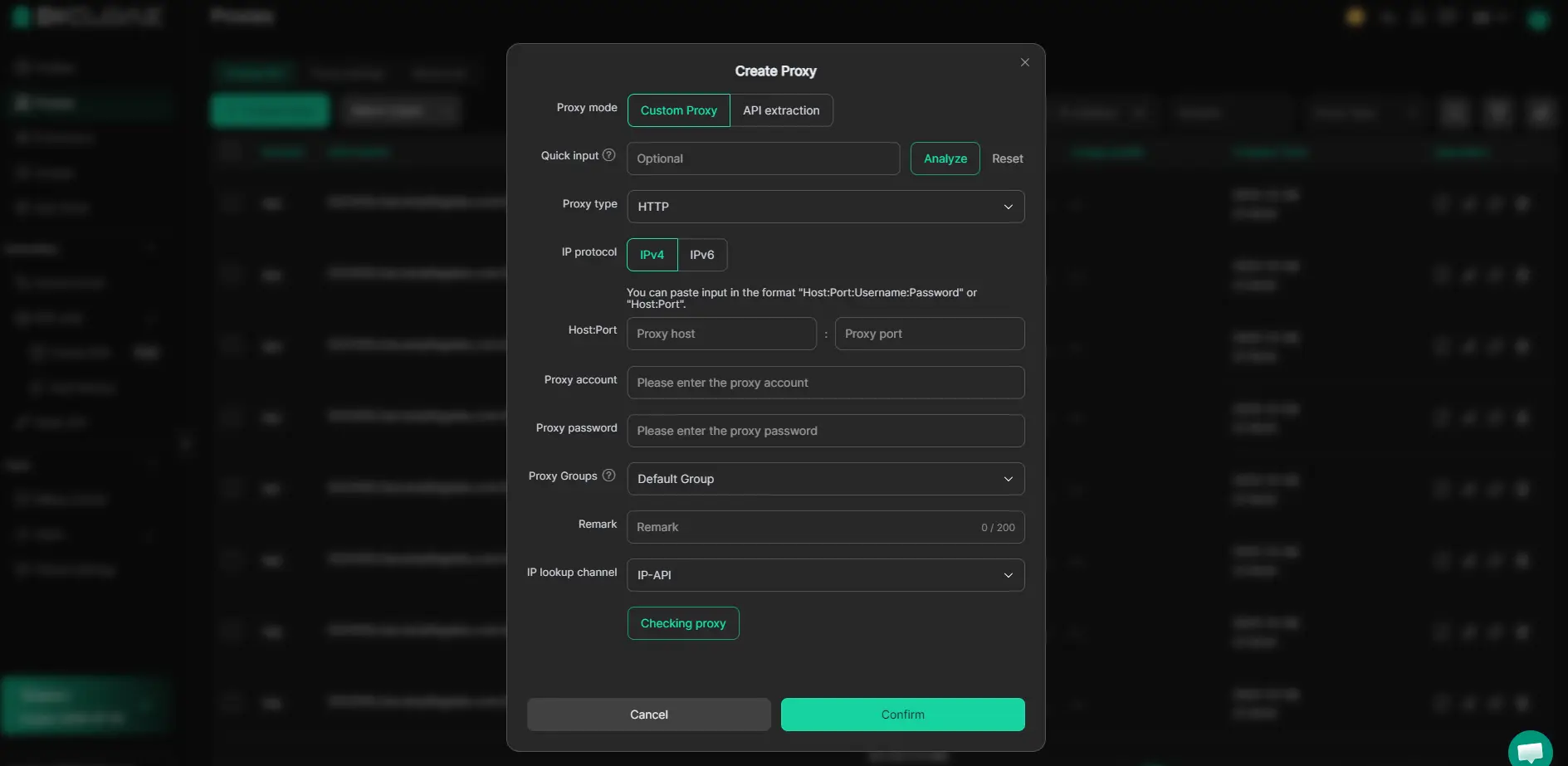
When an account workflow needs its own network identity, users can enter their own proxy settings on a per-profile basis in DICloak. This means you can test and apply a custom or saved proxy before each session, especially useful if you want to keep supplier research separate from store management. Operators are responsible for proxy quality and compliance; DICloak doesn't sell or supply proxies, and you choose when a profile needs one.
Set Team Permissions and Profile Access for Research Roles
Admins can define who can view, edit, or start each profile. For example, a VA might only see research accounts, while a store manager can launch and update sales profiles. This limits accidental cross-use and keeps sensitive store data out of the wrong hands. Permissions are managed in DICloak and apply only to browser-profile access, not to settings inside connected platforms.
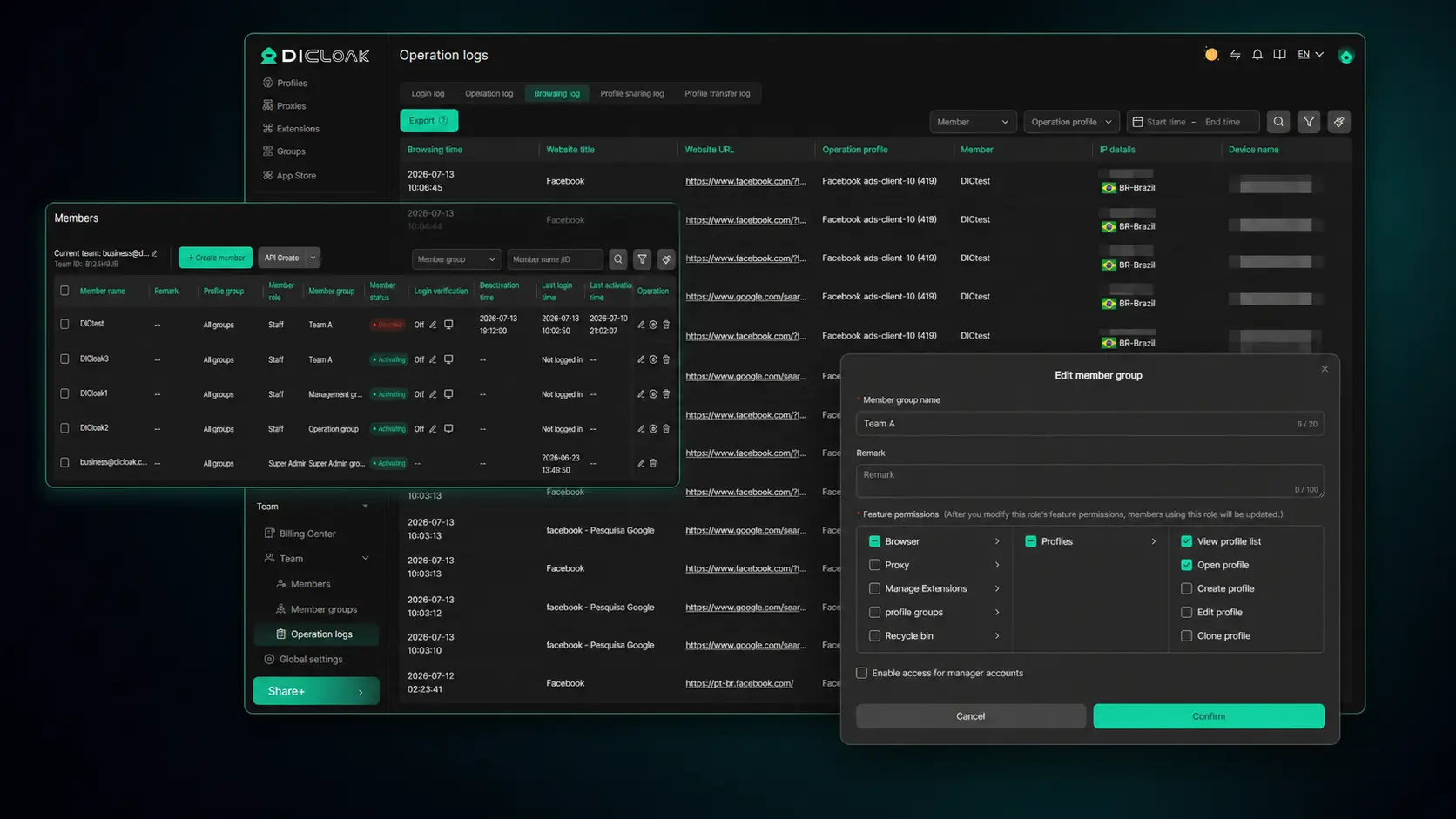
With this setup, your team can run organized, scalable product research and store management, ready to add new tools for deeper research in the next step.
Free and Paid Tools to Supercharge Your Dropshipping Product Research
Most sellers trying to figure out how to find winning products for dropshipping hit a wall with random social posts or YouTube lists. If you want a real edge, mix free trend tools with paid analytics platforms that show you what’s actually moving.
Top Free Product Research Tools
| Tool/Resource |
Main Use Case |
Limitation |
| Google Trends |
Spot search spikes, seasonality |
Lags on very new products |
| Chrome Extensions (AliHunter, DS Amazon Quick View) |
Fast supplier/competitor checks |
Basic data; limited to quick scans |
| Niche Scraper Free, Ecomhunt Free, and top Reddit/Facebook groups |
Early signals, peer tips |
Signal-to-noise can be low |
Free tools are great for surfacing trends, but manual checks and signal quality slow you down once you’re tracking multiple niches.
Best Paid Platforms for Advanced Research
AI-driven platforms like Minea, Koala Inspector, and AdSpy let you filter by ad spend, creative, and store sales in seconds, cutting days off testing cycles. If you’re scaling, the time saved is often worth the monthly fee.
When to Move On: Signs It's Time to Drop a Product and Test New Ideas
If sales drop or costs climb, don’t wait, move your budget to a new test. Sticking with a weak item drains your time and balance when you could be chasing the next winner.
Falling Sales or Rising Ad Costs
Watch for steady declines in daily orders, rising cost per sale, or ads needing double the spend for the same results. Stubbornly holding on after two weeks of flat or dropping numbers usually means it’s time to pivot.
Negative Customer Feedback or Quality Issues
- Refund requests jump above 5% of orders
- Review score drops below 3.5 stars
- Repeat complaints about the same defect
Market Saturation and Copycat Sellers
Heavy discounting and dozens of lookalike stores signal a flooded niche.
- Spot identical products in paid ads
- Suppliers lower minimum order prices
- Search volume spikes, but conversion rate falls
Frequently Asked Questions About how to find winning products for dropshipping
How long does it usually take to find a winning product for dropshipping?
Most people take 1 to 4 weeks to find a winning product. If you use tools like AdSpy, TikTok Creative Center, or AliExpress charts, you may find one faster. Testing multiple products at once and following trends can speed up the process. Inexperience or slow testing can drag it out longer.
Can I still find winning dropshipping products in 2026, or is the market too saturated?
Yes, you can find new winners in 2026. Trends change, and new products launch all the time. Look for fresh, untapped items or products that solve new problems. Pay attention to social media trends and seasonal shifts to spot new opportunities before they become saturated.
What budget do I need to test if a product is a winner?
Plan to spend at least $100 to $300 on ads for each product test. Start with small daily budgets, like $10–$20 per ad set, and watch for high click-through rates and conversions. Stop quickly if there’s no strong interest, and reinvest in products that get traction.
Do I need paid tools to find winning products, or are free resources enough?
Free resources like TikTok, Facebook Ad Library, and AliExpress can help you find trending dropshipping products. Paid tools like Minea or Sell The Trend can save time by collecting data and showing proven winners. Start with free tools, but consider paid ones if you want faster research or deeper insights.
How can I avoid getting my dropshipping accounts restricted when managing multiple stores?
Keep each store’s login and payment info separate. Use different browsers, profiles, or proxies for each account. Don’t copy-paste the same ads or creatives. If you have a team, assign dedicated members to specific stores to lower the risk of linked accounts.
Start by testing a handful of promising products using low-risk marketing methods to gauge demand and customer interest. Track your results closely, then scale up with the items that show real traction. Try DICloak For Free
 Web Proxy Tools
 Free Tools
 Cookie Plugin
 UA Generator
 MAC Address Generator
 IP Generator
 IP Address List
 2FA Code Generator
 World Clock
 Anonymous Check
 WebRTC Leak Test
 UUID Generator
 Free Web Proxy Site
 Proxy Checker
 FB Ad Checker
 AI Web Scraping
 Free SMM Tools
 Twitter Shadowban Checker
 Instagram Name Checker
 UTM Generator
 Username Generator
 AI Hashtag Generator
 LinkedIn Headline Generator
 Social Media Image Resizer