Getting Facebook page likes is easy. Turning those likes into real money? That’s the hard part. Many page owners find themselves stuck with a growing follower count but no clear way to monetize Facebook page likes. The question isn’t whether people care about your posts, it’s whether you can actually make money from Facebook likes, or if those numbers just look good on paper.
A lot of guides promise quick ways to earn income from Facebook page engagement. The reality: most shortcuts either violate platform rules, draw fake or inactive users, or trigger account restrictions that kill reach. Even legit methods like affiliate links or brand partnerships come with hidden risks, one wrong move can tank your page’s reputation or get you flagged for spam.
What actually works in 2026 is a mix of careful audience building, smart content, and picking offers that match your niche. You need to know which money-making strategies still pass Facebook’s checks, how to avoid getting caught in low-quality engagement traps, and what workflow keeps your account safe. The biggest earners aren’t chasing viral hacks. They’re building a repeatable system that handles real engagement, not just big numbers.
If you’re serious about figuring out how to earn money from facebook page likes without losing your page, start with what matters before you risk a ban or waste time on dead-end tactics. Here’s where most people get stuck first.
Why Page Likes Matter for Earning Money on Facebook in 2026
If you’re trying to figure out how to earn money from facebook page likes, the real question isn’t just “how many likes do I have?”, it’s “do my likes actually move the needle for monetization?” Likes alone won’t unlock income; what matters is how Facebook’s systems see your page and the quality of interaction behind those likes. The right kind of likes set up your page for visibility, but the wrong kind can leave you stuck or flagged.
What Page Likes Actually Signal to Facebook
Page likes act as an early signal to Facebook’s algorithm. When people like your page, Facebook starts showing your content to more users, even those who haven’t interacted yet. This increased visibility means your posts appear higher in feeds, which boosts organic reach. But the platform doesn’t just count likes; it tracks who engages and how often. If likes are from accounts that never comment, share, or click, your reach drops fast. The algorithm favors active, engaged audiences, not big numbers that sit quietly.
Why Engagement Quality Matters More Than Like Count
It’s easy to chase a high like count, but what actually drives revenue is engagement. Facebook monitors not just how many people like your page, but how they interact: Are they commenting, sharing, clicking, or watching videos? Pages with 10,000 passive likes (users who never react) often earn less than pages with 1,000 active followers who comment every week. When engagement rates drop, likes with no follow-up actions, Facebook treats your page as less relevant. That means your posts get buried, offers don’t convert, and monetization tools like ad placements or fan subscriptions may not even show up.
The biggest failure case comes from buying likes or using click farms. These accounts rarely interact, so your engagement rate tanks. Facebook’s systems flag this pattern, sometimes limiting your monetization or suspending payout eligibility. You might see a spike in numbers, but advertisers and brand partners look at interaction rates, not just likes. If your audience isn’t reacting, you won’t get offers or ad revenue. For real earnings, focus on building a group of followers who routinely engage, active likes, not empty numbers, are what unlocks steady income.
Here’s a quick comparison:
| Scenario |
Like Count |
Engagement Rate |
Monetization Potential |
| Bought likes |
5,000 |
0.5% |
Low |
| Real, active likes |
1,200 |
15% |
High |
Table: Engagement rate is the deciding factor for earning. Source: Facebook for Creators, 2026 update.
If your page is set up to attract real interaction, you’re ready to look at what money-making options are actually available for pages with likes.
What Monetization Options Are Actually Available for Pages with Likes
If you want to make money from Facebook page likes in 2026, you have two real paths: join Facebook’s official monetization programs or land direct deals with brands and affiliates. The trick isn’t just having a big like count, what matters is matching your page’s quality to what Facebook and advertisers want. Most shortcuts fail because they ignore eligibility rules or don’t deliver real engagement.
Facebook In-Stream Ads and Monetization Programs
Facebook’s main earning option is in-stream ads, where you get paid for views on your videos. To qualify, your page needs at least 10,000 followers, 600,000 combined minutes viewed in the last 60 days, and five active videos. Likes alone won’t get you in, you need steady engagement from real people. If you hit the threshold, earnings start small and scale with watch time. Pages that barely meet requirements often see disappointing payouts, since fake or low-quality likes rarely convert to ad revenue. Real money comes from genuine engagement, not inflated numbers.
| Monetization Program |
Minimum Followers |
Watch Time |
Video Count |
Typical Earnings (US) |
| In-Stream Ads |
10,000 |
600,000 mins |
5 |
$1–$4 per 1,000 views |
| Fan Subscriptions |
10,000 |
N/A |
N/A |
$3–$5/month per fan |
| Branded Content Manager |
1,000 |
N/A |
N/A |
Varies by deal size |
Table: Facebook monetization basics for pages with likes (2026 rules)
Brand Partnerships, Sponsorships, and Affiliate Links
Brands want pages with likes, but they care more about active engagement and audience fit. If your followers comment, share, and interact, you can pitch sponsorships or put affiliate links in your posts. This route skips Facebook’s strict eligibility but brings its own risks. Deals can start as low as $50 per post for small pages, but brands may walk away if your likes come from bots or low-interest groups. The hardest part is proving your page’s value, brands now demand screenshots, audience breakdowns, and sometimes live demos before paying. If you fudge numbers or buy likes, you’ll usually get ghosted after the first deal. Negotiating good rates means showing real stats: audience location, age, and engagement rates. Pages with niche audiences (fitness, tech, local news) have more power to set price, but generic meme pages struggle to attract serious offers. When deals go wrong, you risk getting flagged by Facebook or losing access to affiliate programs, most platforms now check for fake engagement before paying out.
Both options require more than just high like counts. Next, you’ll need to get your page ready for monetization and avoid traps that kill your earning chance.
How to Prepare Your Page for Monetization: Key Steps and Mistakes to Avoid
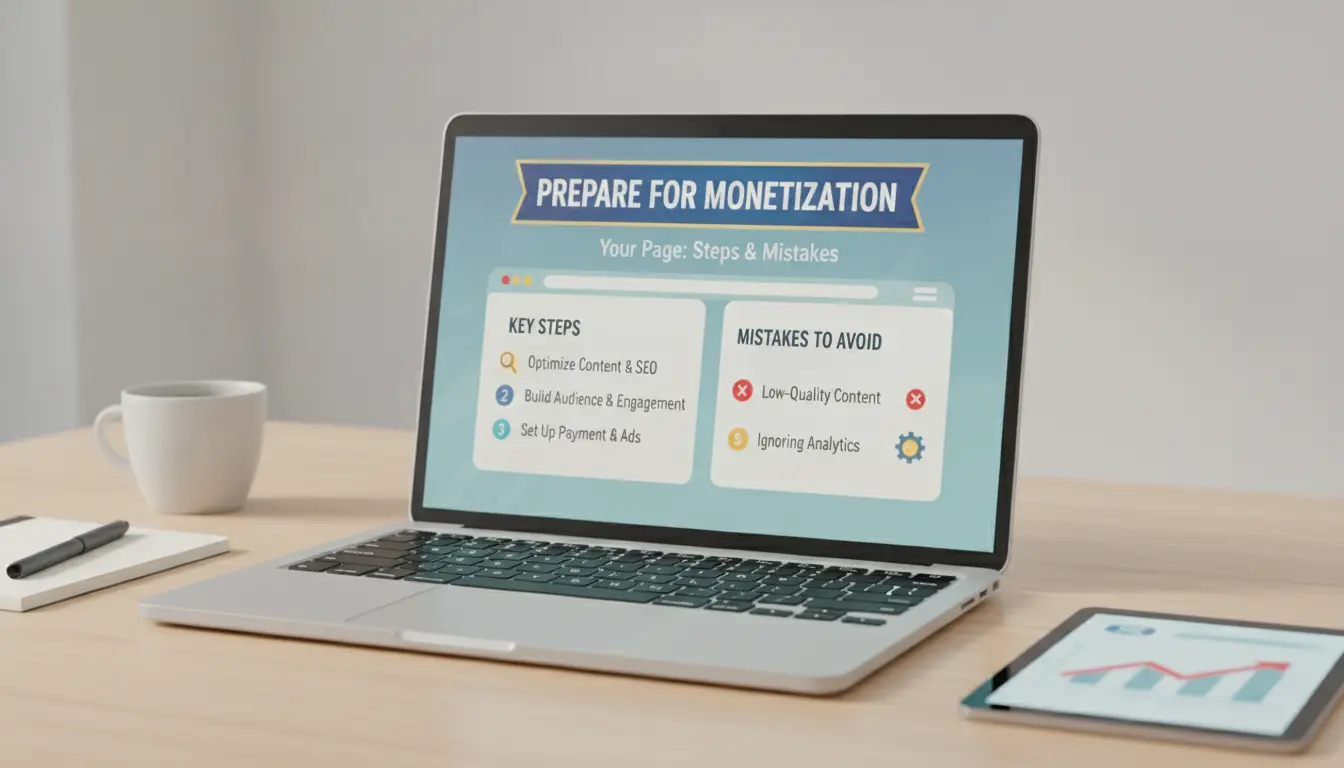
Getting your page ready to make money isn’t just about reaching a like count, it’s about building real engagement and avoiding mistakes that get pages flagged. Before you chase monetization, fix the basics: quality content, active followers, and a page that actually follows Facebook’s rules. Here’s what to check before you apply or start looking for offers.
Checklist for Monetization Readiness
If your goal is to monetize Facebook page likes, start with this checklist:
- Post original content, avoid reposting or copying from other pages.
- Keep your audience engaged, ask questions, run polls, and reply to comments.
- Meet Facebook’s eligibility, most monetization tools require at least 10,000 followers and steady engagement.
- Set up your page info, fill out the About section, add a profile picture, and link a verified email.
- Stay active, pages that go silent for weeks usually fail checks.
- Review Facebook’s monetization policies, don’t risk getting blocked for something you missed.
Common Pitfalls That Block Monetization
Fake likes and low-quality engagement are the fastest way to kill your earning potential. Buying likes, using bots, or copying content usually leads to restrictions or bans. Policy violations, like posting misleading info or spam, can block monetization for months.
How to improve Page for Higher Earnings
Post 3–5 times per week, too much, and users tune out; too little, and engagement drops. Mix formats: photos, short videos, and text posts. Pages with steady interactive content earn more, the quality of engagement beats the raw like count every time.
Use this checklist before applying for monetization. Skip these steps and you’ll run into the same traps as those who chase shortcuts, next, see why buying likes or using fake engagement can ruin your page’s earning power.
Why Buying Likes or Using Fake Engagement Can Destroy Your Earning Potential
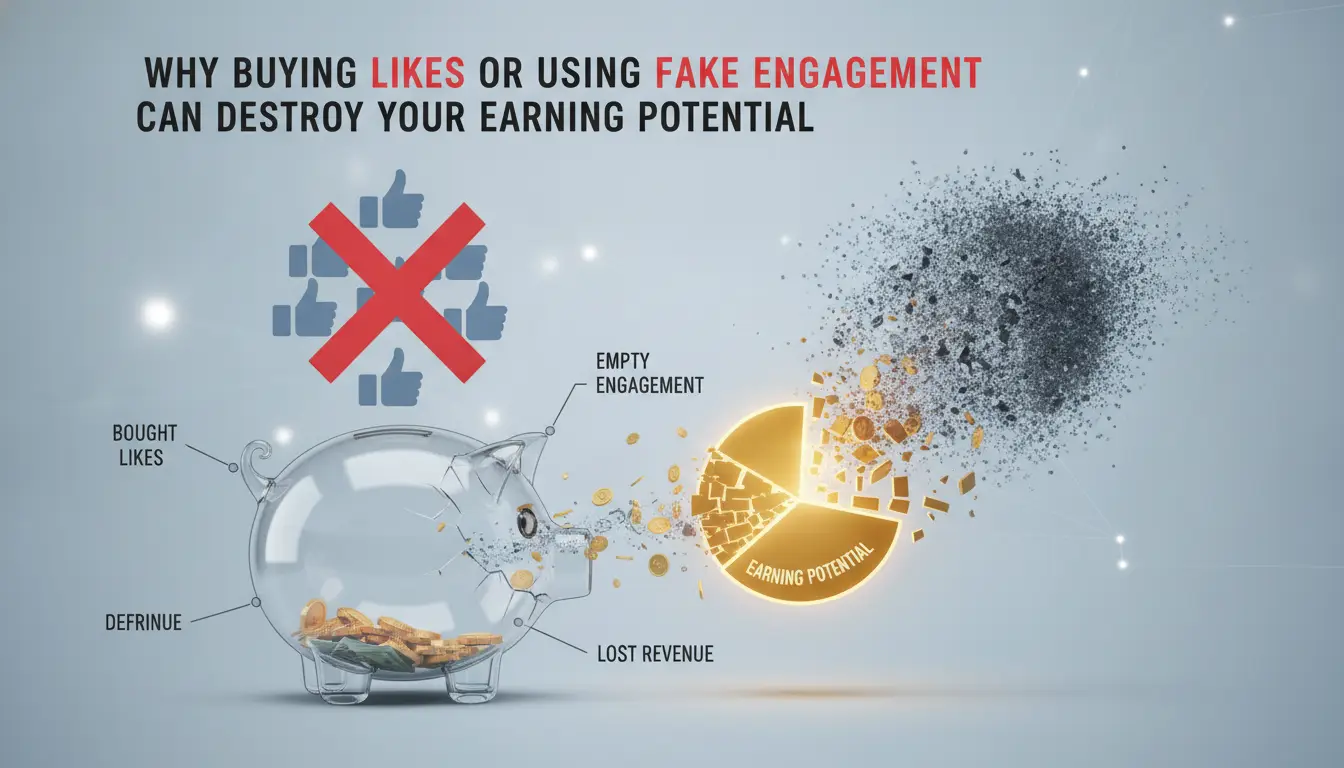
Buying likes or chasing fake engagement looks easy, but it can wreck your chances to earn income from Facebook page engagement and lead to permanent restrictions. Facebook’s algorithms are built to spot shortcuts, quick fixes almost always backfire.
How Facebook Detects Fake Likes and Engagement
Fake likes and engagement stick out because real users act in patterns bots can’t mimic. Facebook tracks sudden spikes, repeated actions from the same IP, and accounts with blank profiles or no friends. Their detection systems update often, what worked last year won’t pass now. Even paid “real” likes often come from click farms that Facebook’s tools flag within days. 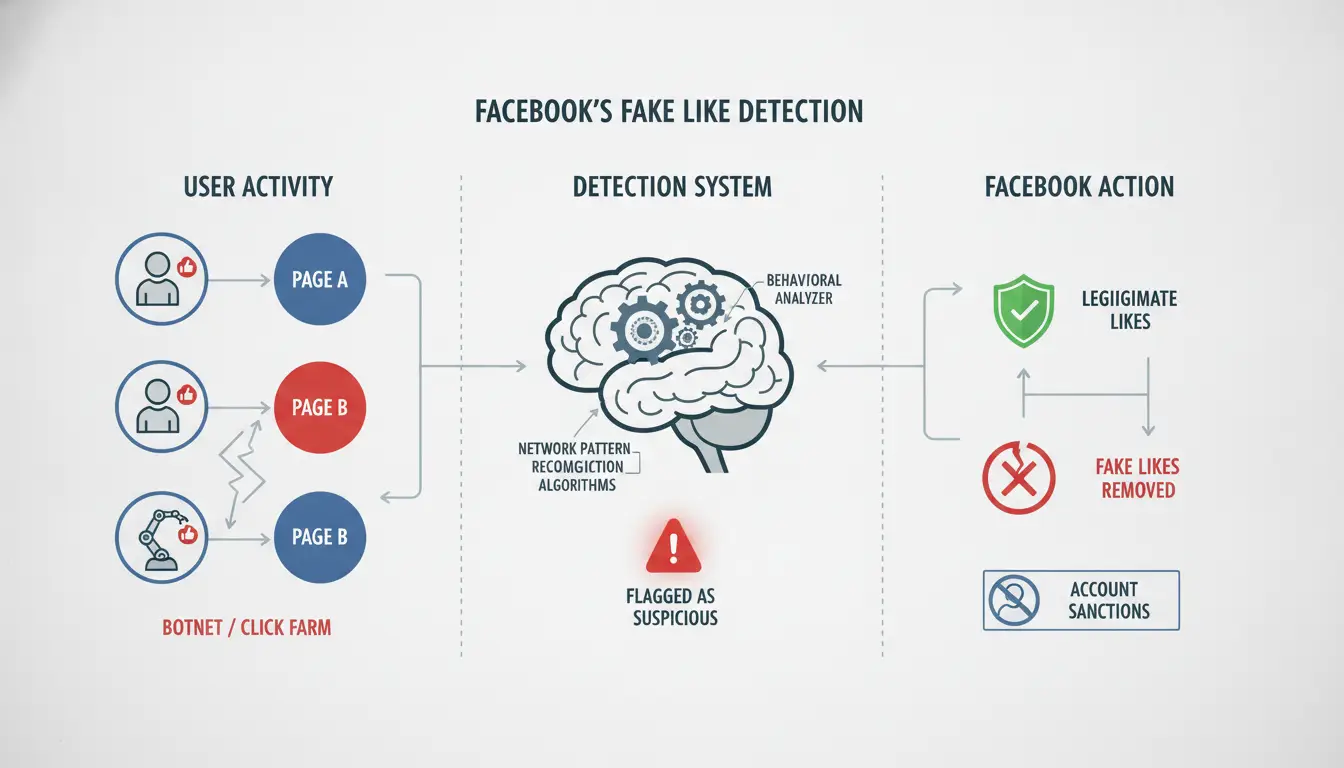
Consequences: Restrictions, Demonetization, and Account Bans
Getting caught means losing access to monetization tools, instant demonetization, or full page removal. Even a single flagged campaign can trigger review. If your page gets restricted, you’re locked out of payouts. Recovering a banned page is rare, most appeals fail. Once Facebook bans your page for fake engagement, you can’t reuse the same audience or brand.
Why Organic Growth Is Safer and More Profitable
Pages with real, steady engagement earn more over time. Organic likes come from people who actually care, so your reach grows, your reputation stays clean, and brands trust you. Shortcuts cut off future income and partnerships. If you want to scale earnings, focus on real connections, fake numbers only burn you later.
How to Scale Earnings Safely: Multi-Page Management, Automation, and Workflow Tips
Scaling up your Facebook income means more than running a few pages on the side, it’s about building a workflow that keeps your accounts safe and your earnings steady. The fastest way to lose everything is to cut corners with shortcuts that tie accounts together or trigger Facebook’s security checks. Here’s how to grow without blowing up your whole operation.
Best Practices for Multi-Page Management
Running multiple pages can double or triple your revenue, but only if Facebook doesn’t link your accounts and flag them as a network. Never log into all your pages from one browser without isolation, Facebook tracks browser fingerprints and IP addresses. For each page, use a separate browser profile with its own proxy. Change up your posting times and content styles so your pages don’t look like clones. Skipping these steps leads to mass bans, even if your content is genuine.
Engagement quality matters more than ever. Avoid using the same scripts, images, or captions across pages. Facebook’s algorithm spots patterns fast; if you get lazy and repeat yourself, reach drops and your pages get less traction.
Automation Tools and Workflow Efficiency
Manual posting is fine for one or two pages, but with five or more, you’ll burn hours every day just keeping up. Use social media management tools to schedule posts in advance, reply to comments in batches, and track engagement from one dashboard. Batch tasks: spend one hour a week loading up content for all pages, then check in daily for moderation. This keeps your workflow lean and prevents mistakes.
Bulk actions are risky if handled carelessly. Don’t post identical updates at the same time across accounts. Instead, stagger your schedules by at least 30 minutes and add small variations to each post. Automation should save time, not create a pattern Facebook can spot and punish.
How to Reduce Risk of Account Restrictions
The biggest threat to your income isn’t slow growth, it’s getting all your pages banned at once. Use a different proxy for each browser profile and never share proxies between pages. If you’re managing accounts for a team, assign one person per page and keep their access limited. That way, if one account gets flagged, the rest stay safe.
Browser fingerprint isolation is non-negotiable at scale. Facebook checks more than IP addresses; it tracks fonts, plugins, and device types. Use tools that create a unique environment for each page. One slip, like logging into two pages from the same fingerprint, can wipe out months of work.
Most people get caught when they try to multitask with shortcuts. The safer path is slower: set up each page with its own process, document everything, and test changes on a throwaway account first. If something triggers a warning, stop and review before repeating it across your pages.
When DICloak Makes Multi-Page Monetization Safer and More Efficient
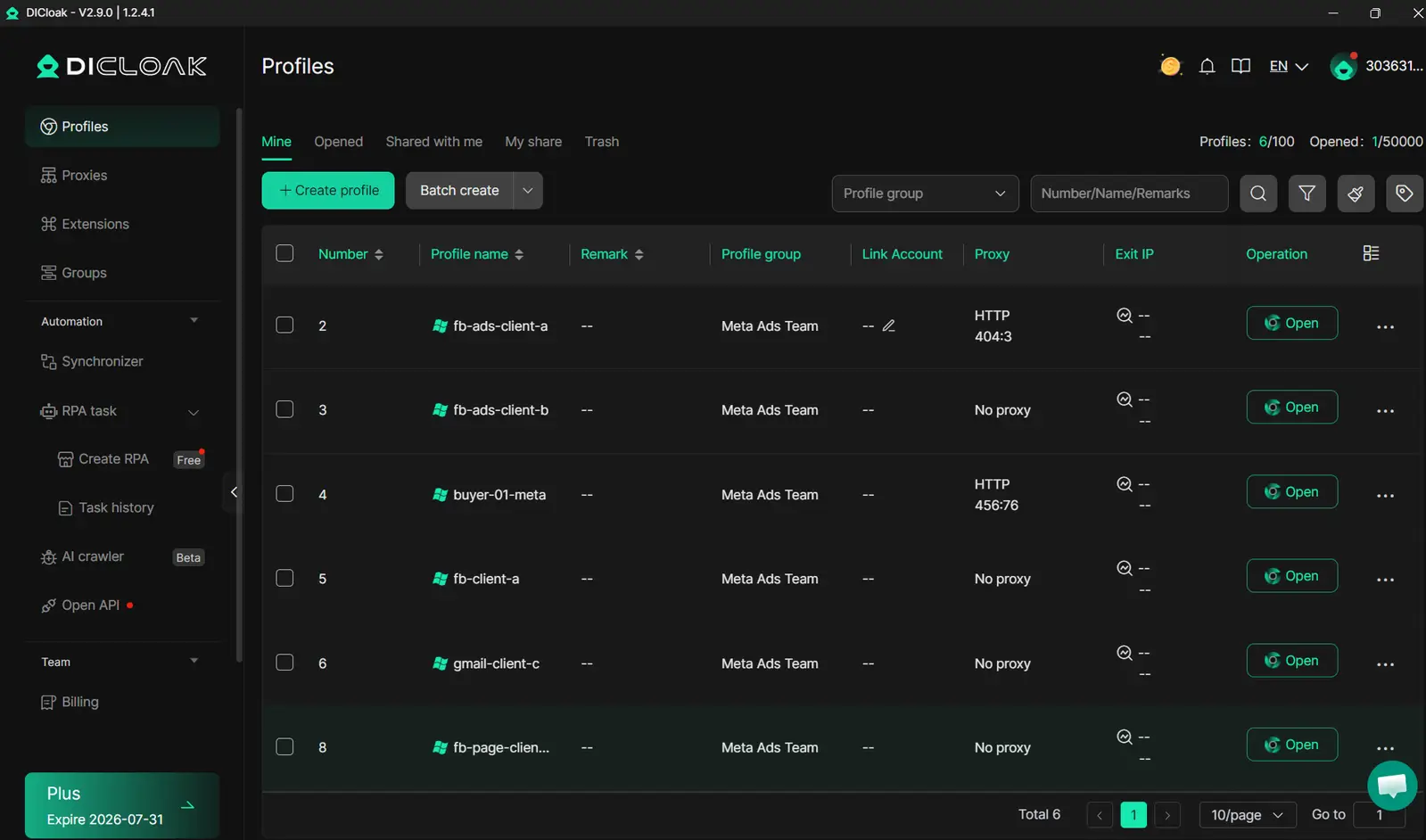
Running multiple Facebook pages for income gets risky fast, one slip can link pages or trigger bans. Tools like DICloak let you keep each page totally separate, automate routine work, and protect your revenue stream as you scale up.
Isolated Browser Profiles for Each Page
You can use DICloak to set up a unique browser profile and fingerprint for every Facebook page, stopping Facebook from linking your projects together.
Proxy Integration and Privacy Protection
Assign a different proxy to each profile, DICloak makes this simple, so every page looks like it’s managed from a real location, not a farm of linked accounts.
Automation and Bulk Operations for Scaling
DICloak’s built-in automation means you can bulk-post, schedule, or update multiple pages at once, saving hours and avoiding manual mistakes.
How to Track Earnings and improve Revenue from Facebook Page Likes
If you’re after steady income, tracking your earnings and making smart tweaks is how you keep your Facebook page profitable and avoid wasted effort.
Setting Up Revenue Tracking Tools
Start with Facebook’s analytics dashboard, check the Monetization tab for payout reports and engagement stats. For deeper tracking, connect a third-party tool like SocialBlade or Creator Studio, which can show you ad revenue, affiliate payouts, and performance by post. If you run multiple pages, keep a spreadsheet with dates, income sources, and top-performing content.
Analyzing Engagement and Earnings Data
Watch for spikes or drops in page likes, reach, and post clicks. If earnings dip, look for weak spots: low video watch time, poor link clicks, or sudden audience loss. Focus on posts with high engagement, these usually drive payouts or brand deals. Flag any content that gets flagged or restricted, since that can freeze income.
Optimizing Content and Monetization Strategies
Test new post formats, like short videos or polls, and monitor which ones boost earnings. Adjust your posting schedule, pages often earn more when content goes live during peak audience hours. Tweaking your approach just once a week can uncover easy wins and stop revenue leaks.
When Monetizing Facebook Page Likes Isn’t Enough: Alternative Earning Strategies
Getting likes is only one part of the puzzle. If your page isn’t turning those likes into income, you need to look at other ways to earn. The most reliable Facebook earners build extra revenue streams beyond just page engagement.
Leveraging Facebook Groups and Marketplace
Likes alone don’t guarantee cash. Building a Facebook Group tied to your page lets you sell courses, run paid events, or collect membership fees. Groups also make it easier to gather loyal fans who buy direct.
Selling products or services on Marketplace is another route. You can use your page to drive traffic and trust, then close sales inside Marketplace or Messenger. Here’s how the options stack up:
| Option |
How You Earn |
Risk Level |
Setup Complexity |
| Groups |
Membership, events |
Medium |
Moderate |
| Marketplace |
Direct sales |
Low |
Simple |
| Page Likes |
Ad, affiliate, brand |
High |
Moderate |
If you’re stuck waiting for likes to pay off, try a group or marketplace listing, these move faster.
Direct Selling, Courses, and Consulting
Using your page as a funnel for direct services pays better. Offer consulting, build authority, and promote digital courses. Most buyers look for a trusted face, not just big numbers.
Frequently Asked Questions About how to earn money from facebook page likes
Can I monetize a Facebook page with only a few likes?
Most Facebook monetization features require at least 10,000 page likes, but engagement matters even more. Active followers who comment and share posts help you qualify for ads and brand deals. Facebook looks for real interaction, not just numbers. Focus on building an audience that trusts you and interacts with your content.
Is it safe to buy Facebook page likes for faster monetization?
Buying likes is risky. Facebook can detect fake accounts and paid likes, which may lead to page restrictions or bans. Organic growth is safer because real followers interact with your posts. Brands and advertisers also check for genuine engagement, so buying likes doesn’t help you earn income from Facebook page engagement.
How long does it take to start earning money from Facebook page likes?
It usually takes months to build enough likes and engagement for monetization. You need to meet Facebook’s eligibility for features like in-stream ads or fan subscriptions, which require consistent activity and follower interaction. Posting quality content regularly and engaging with your audience can speed up the process.
What are the best tools for managing multiple Facebook pages?
Tools like DICloak help keep your workflow private and secure. Social automation platforms, such as Buffer or Hootsuite, let you schedule posts and track engagement. These tools save time and help you manage several pages without risking your account’s safety or privacy.
How do I avoid getting my Facebook page restricted or banned?
Don’t post spam or violate Facebook’s community standards. Avoid using bots to increase likes or automate content. Use workflow tools like DICloak to protect your privacy and monitor page activity. Always respond to follower questions and stay active to show Facebook your page is real.
As your audience and engagement grow, consider which monetization methods align best with your content and community. Take the time to experiment with different strategies, track your results, and adapt your approach for sustainable income. Try DICloak For Free
 Web Proxy Tools
 Free Tools
 Cookie Plugin
 UA Generator
 MAC Address Generator
 IP Generator
 IP Address List
 2FA Code Generator
 World Clock
 Anonymous Check
 WebRTC Leak Test
 UUID Generator
 Free Web Proxy Site
 Proxy Checker
 FB Ad Checker
 AI Web Scraping
 Free SMM Tools
 Twitter Shadowban Checker
 Instagram Name Checker
 UTM Generator
 Username Generator
 AI Hashtag Generator
 LinkedIn Headline Generator
 Social Media Image Resizer