Trying to figure out if your code is flagged as AI-generated? Developers face a real headache with the claude code watermark, especially when clients, reviewers, or automated tools want proof about the origin of submitted scripts. It’s not just a question of whether Anthropic’s Claude model left a trace. The bigger worry is how detection tools read these marks, and whether your workflow could get tripped up by false positives, missed signals, or shifting standards.
Some teams assume watermarking is clear-cut, but that’s rarely true. Claude code watermark detection depends on how the code was generated, edited, and shared. Even a simple copy-paste or minor refactor can break or blur the embedded signals. On the other hand, AI-generated code watermark checks are getting stricter, sometimes flagging even lightly modified code or code generated from prompt chains.
The practical challenge isn’t just spotting Anthropic code watermark traces. You have to decide if your workflow needs to filter, rewrite, or document AI-generated code differently. For compliance or transparency, you may need to show exactly how watermarks are detected and what counts as “clean” code. Skipping this step can mean trouble later, especially if your client or platform starts running their own checks and blocks your deployment.
Here’s what developers are actually looking for, and how detection and workflow decisions play out.
What Is the Claude Code Watermark and Why Does It Matter?
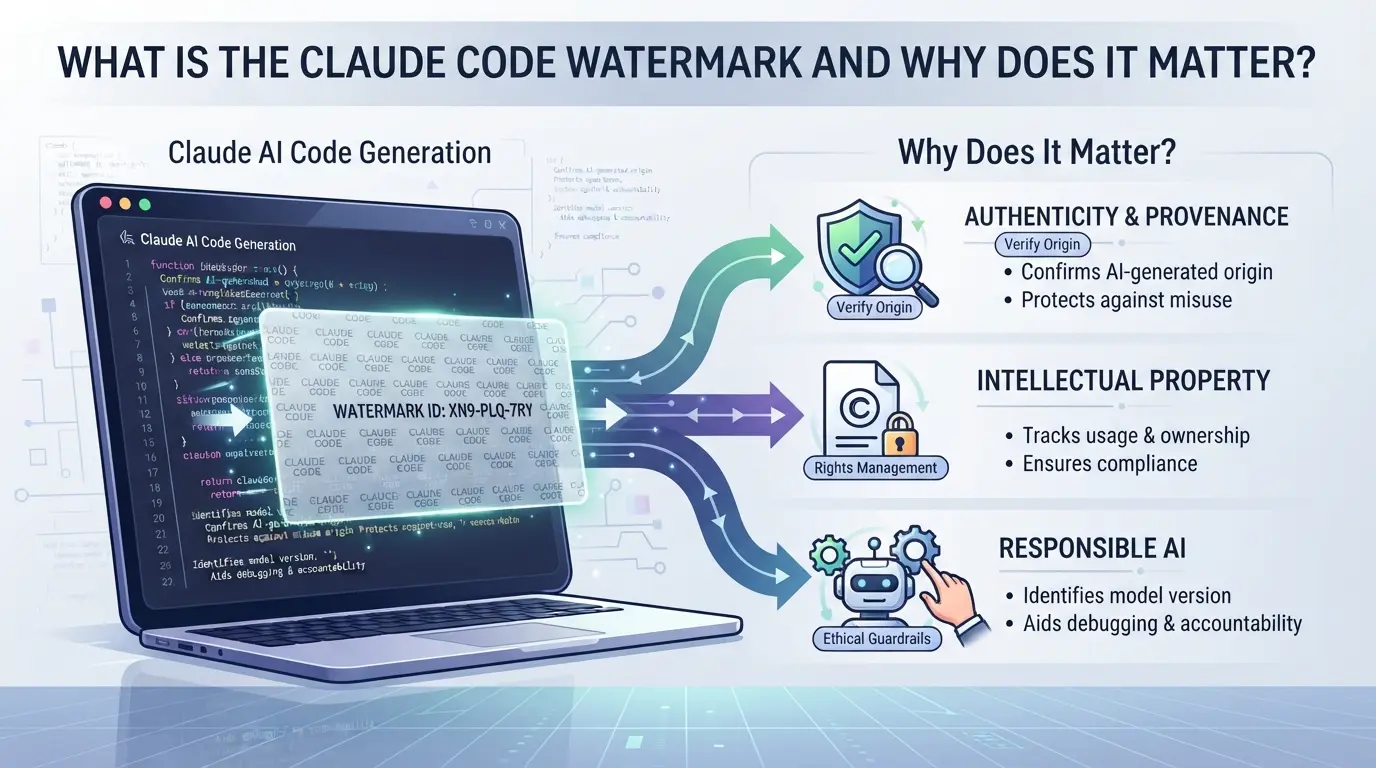
Claude-generated code doesn’t just look like any other output. When you use Claude to write or edit code, there’s a hidden signature inside, one that can mark your code as AI-generated, even after basic edits. For developers, this isn’t just a technical detail. It decides whether your code will pass audits, get flagged during reviews, or trigger policy trouble down the line.
How Claude Watermarking Works for Code vs Text
Claude’s watermarking for code is a step up from what you find in basic text AI outputs. Here’s what sets it apart:
- The watermark is usually embedded as subtle changes to variable names, comment style, or even whitespace, not just special tokens.
- It’s designed to survive small rewrites, so copy-pasting or light refactoring won’t always erase the signature.
- Detection tools often use different rules for code and plain text, meaning code watermarks can be harder to spot and harder to remove.
What Information Is Embedded in the Watermark
The embedded mark doesn’t hold your full prompt, user ID, or author name. Instead, it’s a statistical fingerprint, a pattern across the code that links back to model behavior. For example, you might see code that uses slightly odd indentation or uncommon variable names. On their own, these quirks won’t flag you, but taken together, they can signal AI generation to automated tools.
Here’s where it gets tricky: if your code is checked by platforms that scan for these signals, even minor watermarked traces can cause issues. Say you ship a module with a few unchanged Claude-generated lines, your client’s scanner could flag the entire file. Missing these signals during review can mean your code gets blocked or your team faces a compliance audit. On the flip side, aggressive cleanup or rewriting to scrub watermarks can break working code or introduce bugs, so there’s a real tradeoff between detection risk and code quality.
Next, you’ll need to know how to actually spot a Claude code watermark in practice, before it causes problems after deployment.
How Can You Tell If Code Is Watermarked by Claude?
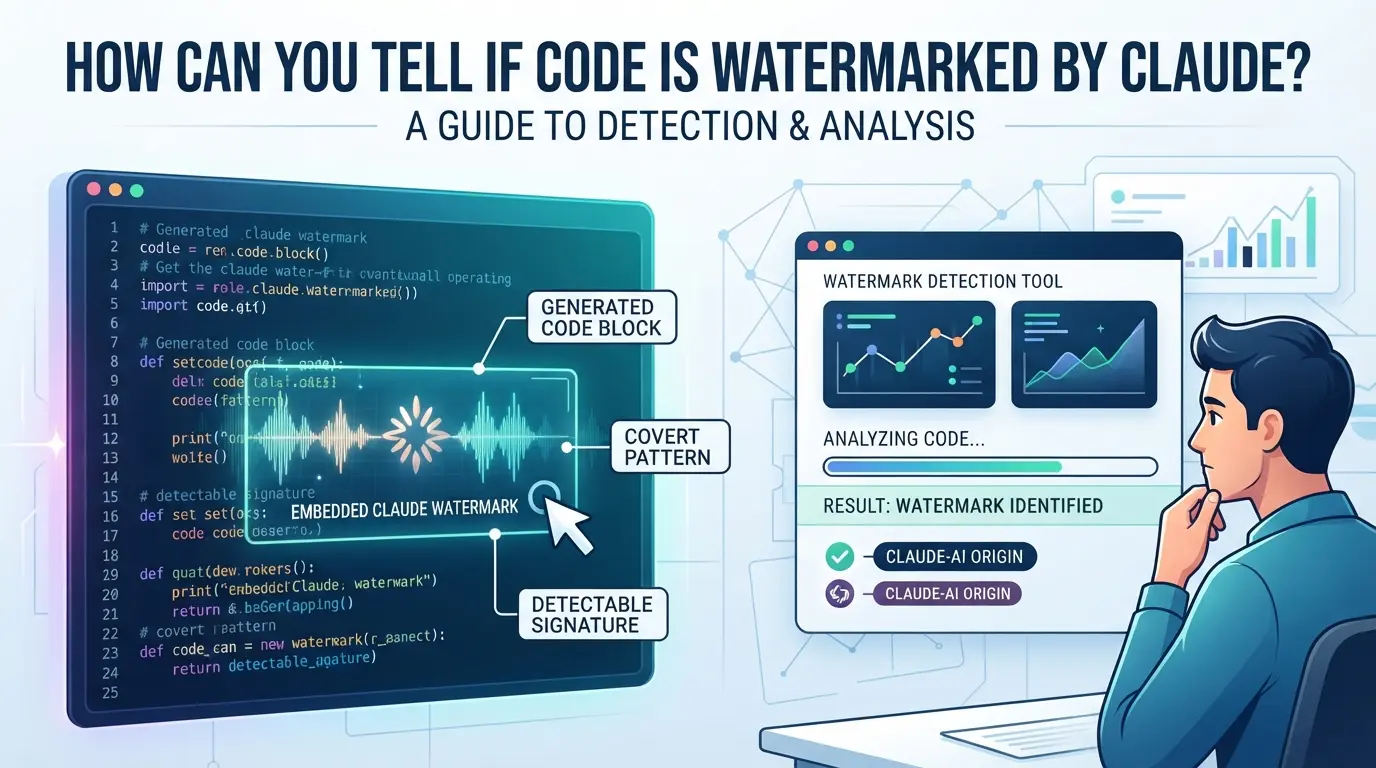
If you need to check whether code is marked by Claude, you can’t just rely on a quick glance or standard code review. Most watermarks are invisible in normal syntax and require either a manual deep-dive or specialized tools. Here’s how technical teams actually approach this check and where things often trip people up.
Manual Checks vs Automated Detection Tools
- Scan for Unusual Patterns: Look for repeated variable names, odd formatting, or non-standard code comments, AI-generated code with a watermark sometimes shows low-level artifacts, but these are easy to miss or mistake for normal quirks.
- Use Open-Source Detectors: Try running public AI code watermark detection tools. As of mid-2026, no official Anthropic utility exists, but some GitHub projects claim to spot likely Claude fingerprints. These tools often compare n-gram patterns or hidden code structures.
- Compare Against Known Clean Code: Diff your suspect code against an older, human-written version (if you have one). If subtle but consistent patterns pop up only in the new block, it’s a sign, though not proof, of watermarking.
- Check for Metadata or Hashes: Some AI systems embed hashes in whitespace or comments. Claude’s watermark, if present, could be hidden this way, but so far, no public tool can read a “definite” Anthropic signature.
Limitations and False Positives in Detection
- Expect Uncertainty: Even the best public detectors for the Claude code watermark give probabilities, not clear answers. False positives can happen, especially if your code style already matches AI patterns.
- Editing Blurs Watermarks: A single refactor, auto-format, or variable rename can weaken or destroy the embedded pattern. If your team mixes human and AI edits, detection reliability drops fast.
- Don’t Trust Only One Method: Relying on a single tool or manual review isn’t safe. Human-written code can look “AI” if it uses common libraries or style guides, while AI code with heavy post-editing might pass as “clean.”
- Check Release Dates: Some detection scripts lag behind Anthropic’s changes. Always check that your detection method is up to date, or you risk missing newer watermark types.
The real catch, no tool today can guarantee a yes or no on Claude code watermark. You’ll need to combine several methods, accept some margin of error, and stay alert for updates in detection research. Skipping this step means risking silent watermarks in your production code, which can be a problem if your clients or partners demand proof of code origin.
What Risks Do Claude Code Watermarks Create for Developers and Teams?
Even if your team checks for Anthropic code watermark signals, the real risk starts when that code leaves your hands, through open-source releases, client deliverables, or internal merges. One overlooked watermark can bring legal, compliance, or workflow headaches that slow your whole project.
Legal, Compliance, and Attribution Risks
- Code flagged with a Claude-origin watermark may trigger license or disclosure requirements if used in open-source or client projects.
- Some companies ban AI-generated code in production; failing to detect watermarks could mean breaking internal policy or contract terms.
- Publicly sharing watermarked code can expose your workflow, clients or competitors may question originality or demand extra proof of authorship.
Workflow and Collaboration Challenges
Watermarks don’t just create legal worries, they can break team processes in subtle ways. Imagine a mid-sprint code review where someone spots watermark signals in a shared module. Now your team has to stop, trace the code’s real origin, and possibly rewrite or explain the entire chunk. For fast-moving teams, this means lost hours and sometimes missed deadlines. Even worse, if a merge request gets rejected because of undetected AI watermarks, that code can end up stuck in limbo. The person who touched it last may get blamed, even if the code came from a tool everyone uses. The hardest part is that these issues often surface late, sometimes after the code’s been deployed or shipped to a client, so the fix isn’t just technical; it can become a workflow mess that damages trust inside and outside the team.
Failure Modes and Edge Cases
- A single copy-paste from a Claude output can leave hidden signals that automated tools later flag.
- Modified watermarked code may still trigger false positives during third-party audits, especially if the watermarking method survives light refactoring.
- Teams using shared repositories risk “watermark drift”, where traces from one commit contaminate multiple branches, making cleanup much harder.
Watermark risks aren’t limited to legal trouble, they can creep into daily team routines and turn minor mistakes into bigger problems. Next, it’s worth checking how Claude’s approach stacks up against other AI code marking methods.
How Do Claude Code Watermarks Compare to Other AI Code Marking Methods?
Claude's watermarking stands out because it quietly embeds signals at the token or syntax level, making code attribution harder to spot and remove than some other AI models. If you're worried about detection, you can't assume every code generator works the same way, minor edits that break a visible tag elsewhere may do nothing to hidden patterns from Anthropic.
Claude vs OpenAI, Google, and Other AI Code Watermarks
Different AI code tools use their own approach. Some add visible comments or metadata, while others use subtle changes in variable names or whitespace. Claude's method is less about obvious marks and more about statistical fingerprints across the code structure.
| Tool / Vendor |
Watermark Type |
Ease of Removal |
Detection Difficulty |
| Claude (Anthropic) |
Hidden statistical patterns |
Hard |
High |
| OpenAI (GPT-4, etc.) |
Optional comment/meta tags |
Easy |
Low |
| Google (Gemini, etc.) |
Variable/formatting tweaks |
Medium |
Medium |
Table: AI code watermarking methods compared by removal and detection ease. Source: public docs, industry testing as of 2026.
Most teams find that removing or "cleaning" code from Claude takes more than just stripping comments or renaming variables, the watermark may persist through surface edits. This means the risk of accidental attribution is higher if you treat all AI-generated code as equally easy to sanitize. If you need to avoid detection, you must check for deeper patterns, not just visible marks.
What Steps Should Developers Take Before Sharing or Deploying Claude-Generated Code?
If you're passing code from Claude to others or using it in production, you need a clear process, missing a step can mean flagged builds, rejected pull requests, or even compliance issues. Here’s a checklist most teams skip, but shouldn’t.
Checklist for Handling Watermarked Code
- Scan for Watermarks Before Sharing
- Use internal or open-source tools to check if code still carries an Anthropic signature.
- If you skip this, a downstream client or platform could block your commit without warning.
- Decide: Clean, Document, or Gate
- If the watermark is found, either refactor the code, add a comment about AI origin, or restrict its use.
- Teams that just “hope for the best” often get caught during code review or security audits.
- Log Decisions and Hand-Offs
- Keep a record of what code was checked, what actions were taken, and who approved it.
- Missing this step leads to finger-pointing when something is flagged months later.
- Recheck After Refactoring or Merging
- Even small changes can accidentally preserve or mutate watermarks. Run a quick scan post-merge.
- Many detection failures show up only after a batch refactor, not on first commit.
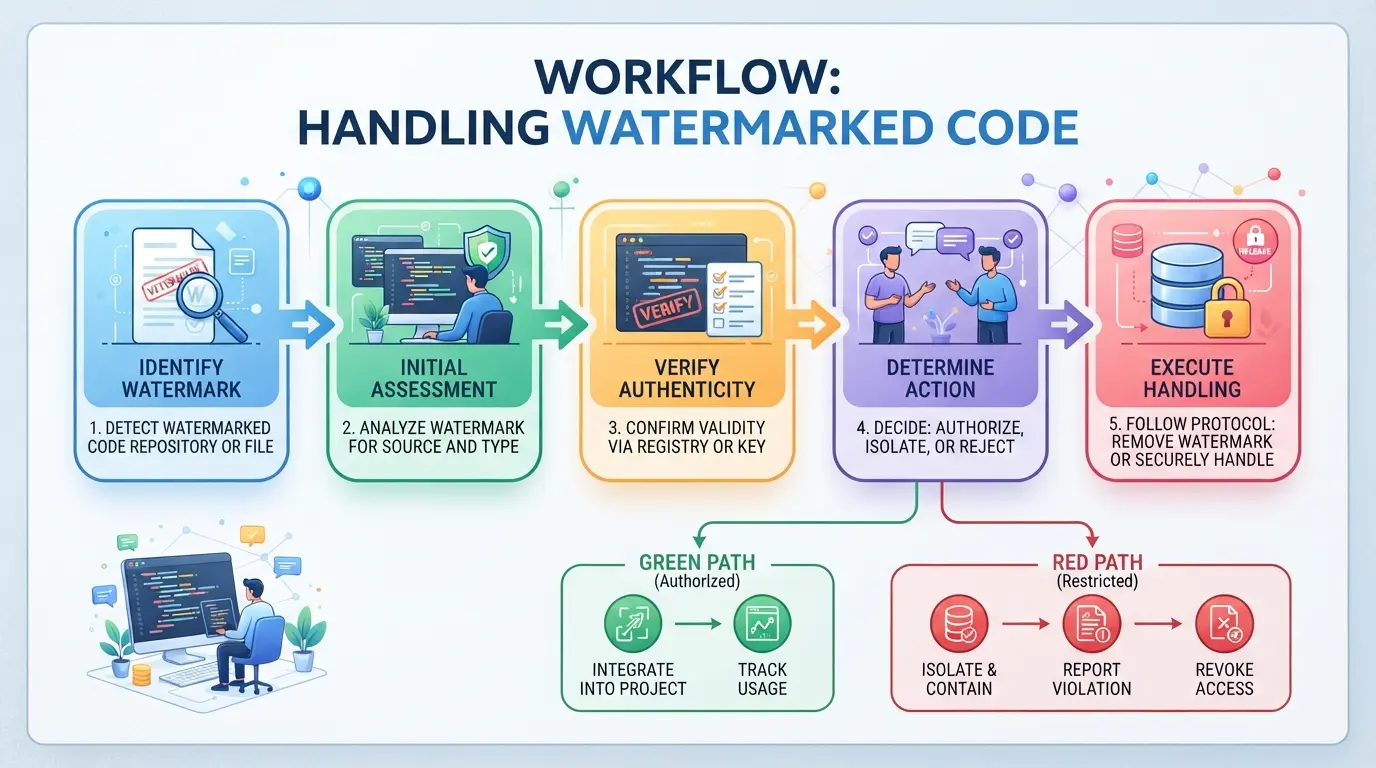
The step most teams miss is logging every action, without that, you can’t prove due diligence if a problem is found later.
This workflow keeps your releases cleaner and helps avoid last-minute surprises when sharing code with clients or partners.
How Teams Can Share Platform Accounts and Manage Code Watermark Risks with DICloak
After reviewing Claude-generated code for watermarks, teams often face another problem, how to coordinate access to Claude or similar AI tools without exposing credentials or mixing up browser profiles. Not every team needs this, but when multiple people must log into the same platform account, small mistakes can leave audit trails or leak sensitive data. DICloak supports this type of workflow by letting admins share browser profiles, keep network signals consistent, and control team permissions at the browser-profile level. The scope is limited to browser-profile access; it does not change the connected SaaS tool or affect code watermarks.
Keep Shared Accounts Consistent with Unified IP and Fingerprint
When a team shares a platform account for Claude or another AI code tool, consistency matters, if each member logs in from a different device, browser, or IP, platforms may spot the difference and trigger warnings. Admins can set up a DICloak browser profile with a specific fingerprint and user-supplied proxy, then share that exact profile with authorized members. Everyone who opens the profile works from the same configured environment, reducing drift and guesswork. This setup only works when team members use the same shared profile and proxy; separate profiles do not sync these settings.
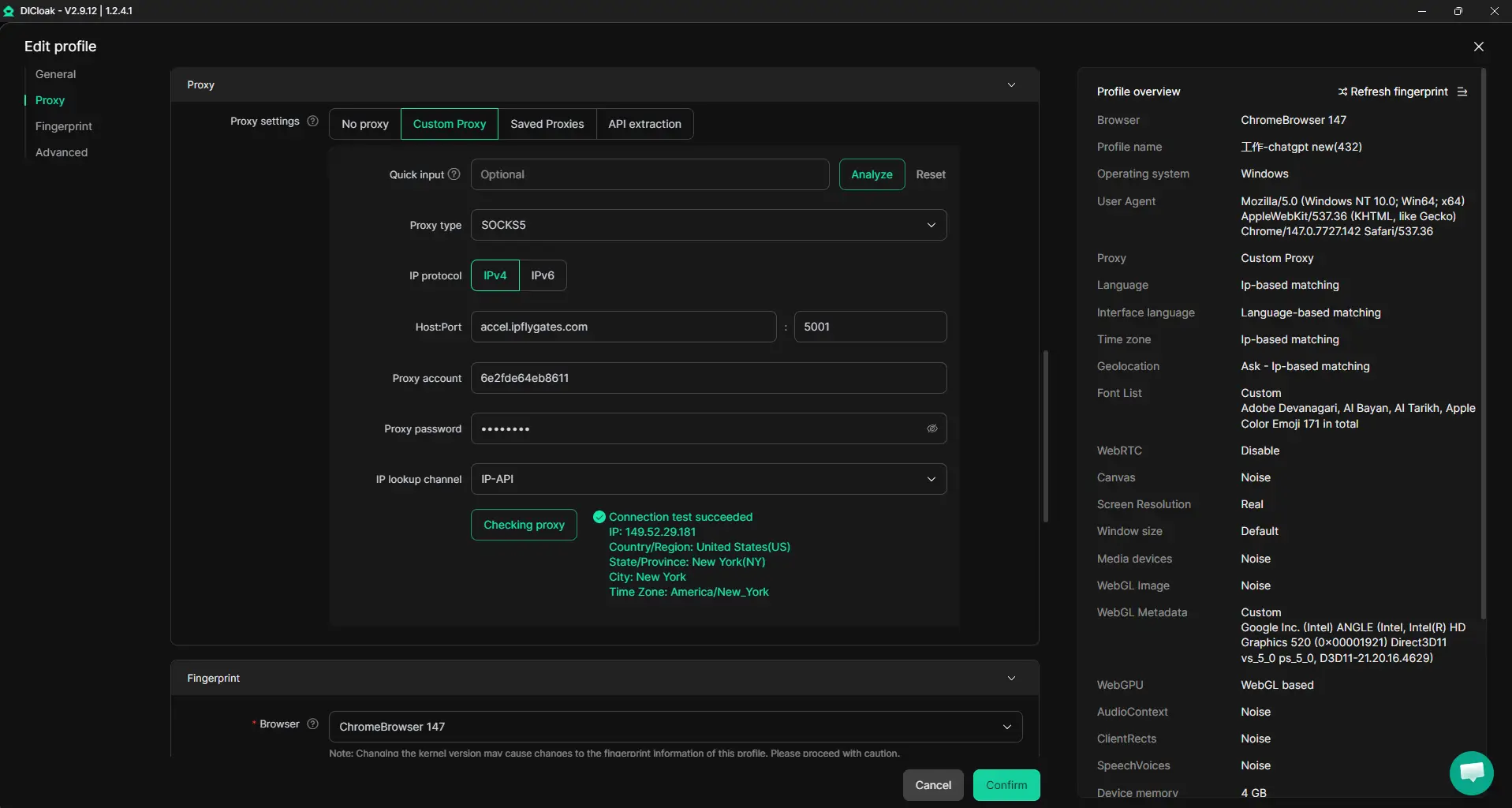
Browser-Profile Access Controls for Shared Account Workflows
Sharing an account profile means every member could access saved passwords, cookies, or sensitive session data, unless an admin locks it down first. With DICloak, admins can enable settings to block password viewing, encrypt cookies, and restrict developer tool access before assigning the shared profile. For example, enabling cookie encryption (where available) means members can use the account but cannot export session cookies or see saved credentials in plain text. These controls focus on what’s exposed in the browser profile, not on changing access to the SaaS platform itself.
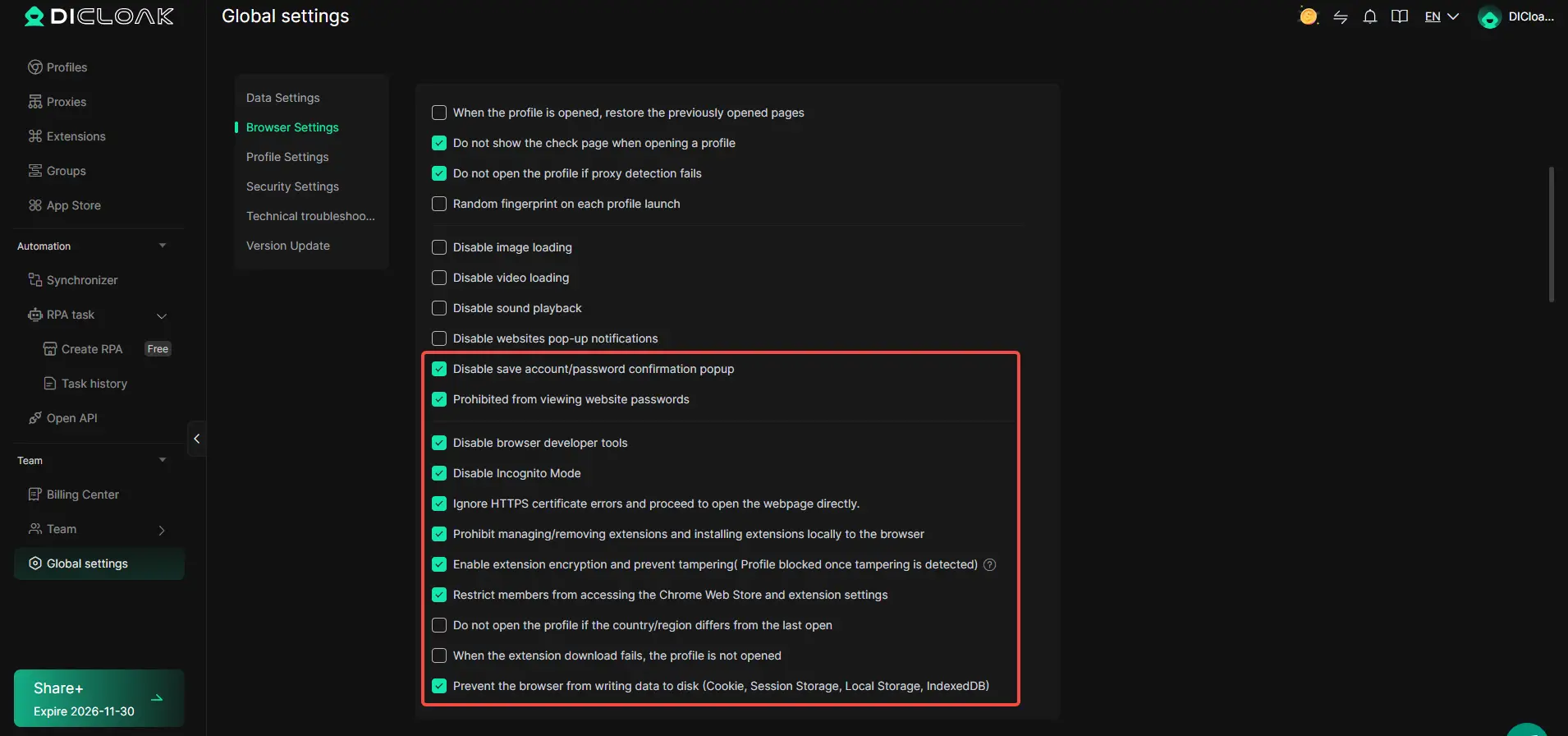
Control Team Access with Permissions and Profile Groups
Not everyone needs full access to every shared account or profile setting. Admins can use DICloak’s team permissions to assign groups, giving each member only the rights needed to open, edit, or view certain profiles. This limits mistakes and keeps sensitive data visible only to those with a real need. Permissions cover actions inside DICloak, not on the external platform.
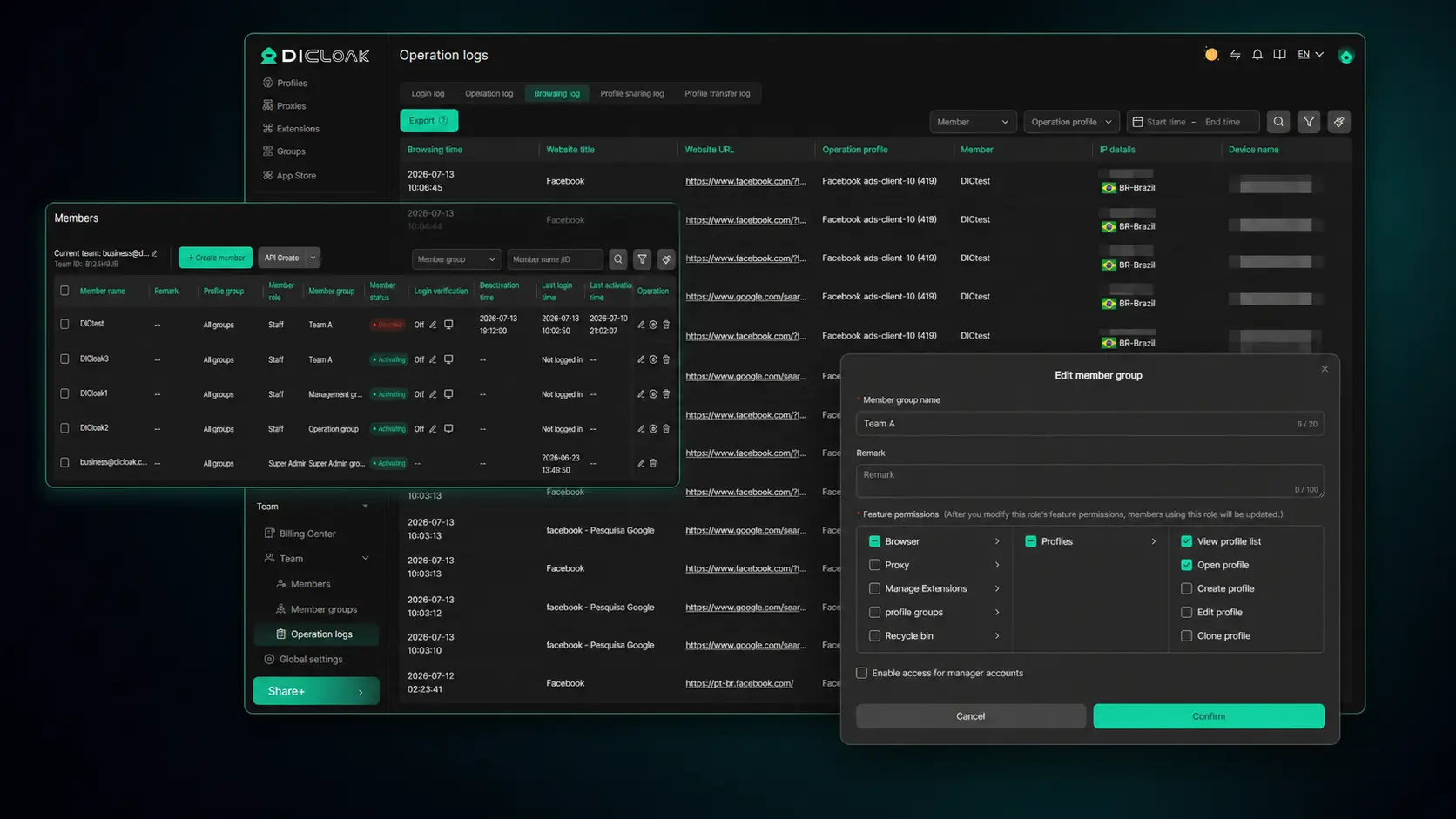
This kind of team workflow helps prevent confusion and accidental leaks, common mistakes when handling AI-generated code move into the next section.
Common Mistakes and Misconceptions About Claude Code Watermarks
Many teams trip up by trusting guesses or myths about Claude code watermark signals. Here’s where most trouble starts, and what you actually need to check.
Assuming Watermarks Are Always Detectable or Removable
Believing every AI code watermark is easy to find or erase leads to risky workflows. Some marks survive heavy edits or obfuscation, so hidden traces can remain even if you run common cleanup tools. If you ship code thinking you’ve “cleaned” it, you could still fail automated platform checks or audits, always verify with the same tools your client or platform uses.
Believing Watermarks Carry Sensitive Data or User IDs
Some worry that Anthropic code watermarks contain personal info or link back to a specific user. That’s not how these signals work in current Claude versions.
- You can still leak workflow details if you don’t check for pattern matches in comments, variable names, or prompt echoes.
- The safer move: run your own scan for unique strings or patterns before sharing code, not just the official watermark detector.
When Should You Avoid Using Claude-Generated Code in Your Project?
If deployment or sharing could trigger strict code checks, it’s safest to avoid Claude-generated code, especially when watermarks might flag your project as AI-written.
High-Risk Scenarios for Watermarked Code
- Client contracts require only human-written code or full audit trails
- Compliance rules block AI-generated code in regulated sectors
- Open-source projects where any watermark can cause license or attribution issues
Alternatives and Safe Workflow Adjustments
You can document your review process, refactor code until watermark signals fade, or use manual coding for sensitive tasks. For open-source or high-compliance work, rewriting AI-generated code by hand is often the safest way to avoid watermark detection. If you skip this, platforms and clients may reject your deployment, sometimes without clear feedback.
Frequently Asked Questions About claude code watermark
Can Claude code watermarks be removed or edited out?
Removing a claude code watermark is very hard. Watermarks are hidden deep in the code, sometimes using patterns or invisible markers. Editing them out often breaks or changes the code’s behavior. Attempting removal can also violate terms of use or raise legal issues if the code’s origin must be shown.
Does the Claude watermark reveal who wrote or prompted the code?
No, the watermark does not store personal data or user IDs. It marks that the code was made by Claude, but does not include who generated it, what prompt was used, or any private details. The watermark is used for tracking AI-generated code, not for revealing identities.
Are there legal risks to using Claude-generated code with watermarks?
Using watermarked code may create legal risks in some cases. If rules require you to say where code comes from, failing to disclose the Anthropic code watermark could cause problems. In some industries, using AI code without proper checks or attribution may also break compliance rules.
How do Claude code watermarks affect open-source contributions?
Open-source projects may reject code with hidden watermarks, as they often require clear authorship and review. Some licenses need full disclosure about code origins. Best practice is to tell project maintainers if your code includes an AI-generated code watermark before submitting it.
Is it safe to use Claude code in commercial or client projects?
Claude-generated code can be safe if you check for quality and compliance. Always review the code for errors, security issues, and licensing conflicts. Make sure your client or project allows AI-generated code and that you disclose watermarks when required. This helps avoid legal or ethical problems.
For teams seeking solid protection and traceability in their AI-generated code, adopting advanced watermarking tools is an essential step forward. Start evaluating solutions that integrate smoothly with your workflow and offer reliable detection capabilities for your specific needs. Try DICloak For Free
 Web Proxy Tools
 Free Tools
 Cookie Plugin
 UA Generator
 MAC Address Generator
 IP Generator
 IP Address List
 2FA Code Generator
 World Clock
 Anonymous Check
 WebRTC Leak Test
 UUID Generator
 Free Web Proxy Site
 Proxy Checker
 FB Ad Checker
 AI Web Scraping
 Free SMM Tools
 Twitter Shadowban Checker
 Instagram Name Checker
 UTM Generator
 Username Generator
 AI Hashtag Generator
 LinkedIn Headline Generator
 Social Media Image Resizer